That perfectly curated shelf isn't just about looking pretty—it's about having the right tools to make every shower and post-shower moment feel intentional. From head-to-toe hydration to targeted treatments, these 23 body care must-haves cover the essentials without the clutter.
Each pick earns its spot by solving a real problem, whether that's dullness, dryness, or just the need to unwind. Ready to build a routine that works as hard as you do?
Let's find your new favorites.
1. A Gentle Exfoliating Scrub
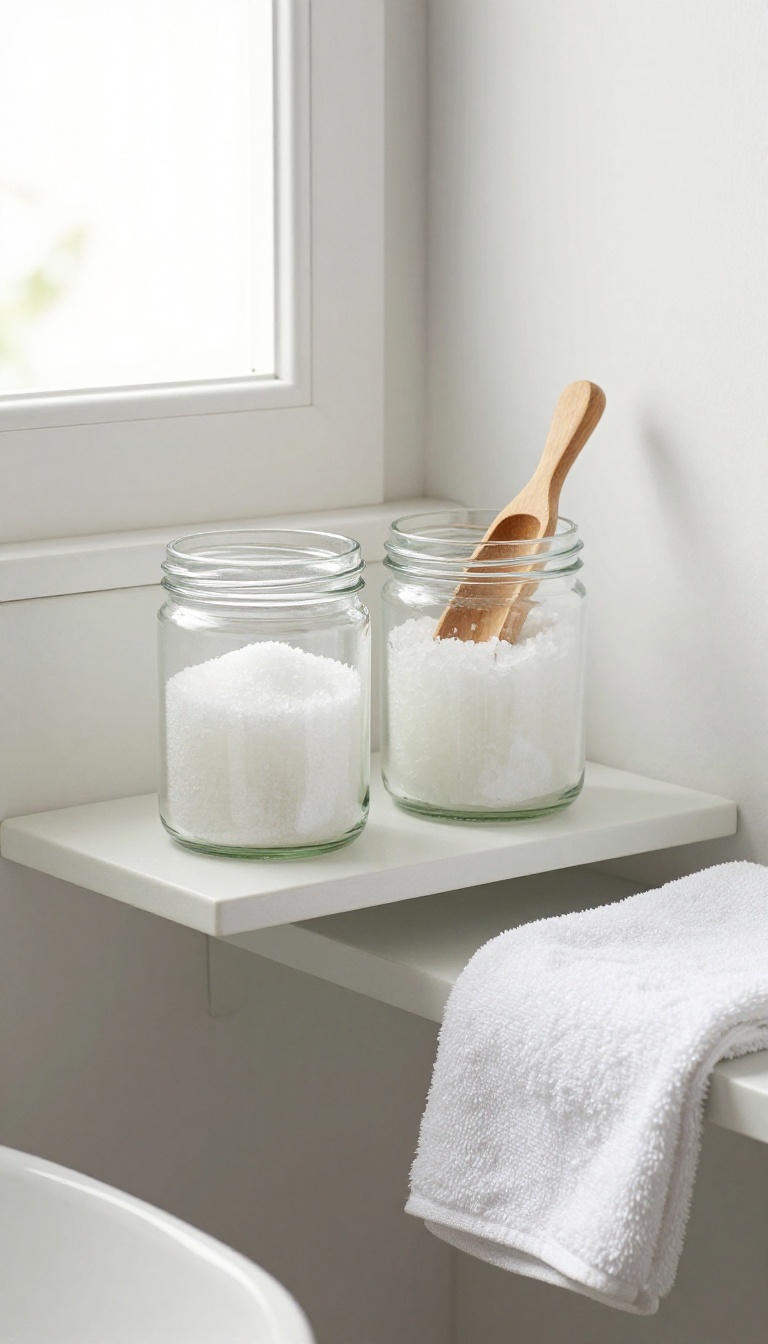
Scrubbing away the day's buildup is one of those small rituals that instantly make your skin feel newer. But not all scrubs are created equal—harsh grains can leave you raw and irritated. The trick is finding one that polishes without stripping your skin's natural moisture barrier.
A good scrub should feel like a mini facial for your body: fine particles that dissolve or rinse clean, plus nourishing oils that leave a subtle glow. When you find the right one, your skin looks smoother, feels softer, and even your lotion absorbs better afterward.
A gentle exfoliating scrub is the unsung hero of a curated body care shelf. It tackles rough patches on elbows, knees, and heels while keeping your skin's pH happy. Look for formulas with jojoba beads, sugar, or finely ground sea salt, and pair them with shea butter, almond oil, or glycerin to keep things hydrated.
Use it two to three times a week in the shower, focusing on dry areas, and you'll notice a difference in how your skin reflects light.
Why Fine Grains Matter
Coarse scrubs can create micro-tears in your skin, leading to redness and sensitivity. Fine grains, on the other hand, gently lift away dead cells without the harsh friction. They're especially good for sensitive areas like your chest and inner arms.
If you're unsure, test the scrub on your forearm first—it should feel smooth, not scratchy.
How To Use It Right
Apply the scrub to damp skin in circular motions, starting from your feet and working upward toward your heart. Spend a little extra time on elbows and knees, but keep the pressure light. Rinse with warm water, then pat your skin dry—don't rub.
Follow with a moisturizer while your skin is still slightly damp to lock in the benefits.
What To Look For
Scan the ingredient list for humectants like hyaluronic acid or glycerin, and emollients like cocoa butter or jojoba oil. Avoid synthetic microbeads, which are bad for the environment and can be too harsh. A pleasant, subtle scent is a bonus, but skip heavy fragrances if your skin is reactive.
2. A Rich Body Butter
Some days a lotion just doesn't cut it. When your skin feels tight, flaky, or just plain thirsty, a rich body butter steps in to save the day. It's thicker, creamier, and packed with nourishing ingredients that sink in deep, leaving your skin feeling soft and supple for hours.
This isn't just a winter essential—it's a year-round treat for anyone who wants that extra layer of comfort.
A good body butter is more than just a moisturizer; it's a mini spa treatment you can do at home. The key is to apply it right after a shower when your skin is still slightly damp—this helps lock in the moisture and makes the butter easier to spread. Focus on dry areas like elbows, knees, and heels, and give yourself a little massage to boost circulation and absorption.
Within minutes, your skin will feel noticeably smoother, and the softness lasts all day.
Why Body Butter Beats Lotion
Lotions are mostly water, so they evaporate quickly. Body butters, on the other hand, are oil-based, which means they create a protective barrier that keeps moisture in. That's why they're perfect for tackling stubborn dry patches or for anyone who lives in a dry climate.
Plus, they often contain shea butter, cocoa butter, or mango butter—ingredients that are incredibly nourishing and soothing.
How To Pick Your Perfect Butter
Not all body butters are created equal. Look for one that lists a butter (like shea or cocoa) as one of the first ingredients. Scent matters too—if you prefer unscented, go for a fragrance-free option, especially if you have sensitive skin.
For a little luxury, choose one with a light, natural scent like vanilla or lavender. And don't forget the texture: some are whipped and fluffy, while others are dense and rich. Test a few to see which feels best on your skin.
Make It A Ritual
Turn your body butter application into a calming evening ritual. After a warm shower, pat your skin dry, then warm a small scoop of butter in your hands. Massage it into your skin using slow, upward strokes.
Not only does this help your skin absorb the product, but it also gives you a moment to unwind and reconnect with your body. It's a simple act of self-care that makes a big difference in how your skin feels and how you feel overall.
3. A Fast-Absorbing Body Oil
Body oils often get a bad rap for being heavy or messy, but the right one changes the game. A fast-absorbing formula delivers that coveted glow without the sticky wait time, making it a no-brainer for busy mornings or lazy evenings. The trick is in the blend—lightweight oils like squalane or jojoba mimic your skin's natural sebum, so they sink in almost instantly.
You get softness that lasts, a subtle sheen that looks healthy, and zero residue on your clothes or sheets.
This isn't your grandma's body oil. Modern formulations are designed to feel like a hybrid between a serum and a lotion, giving you the best of both worlds. Whether you apply it right after a shower or use it to boost your regular moisturizer, it's a versatile addition to any body care routine.
Why Your Skin Craves It
Your skin's moisture barrier loses water throughout the day, and oils help lock in hydration. A fast-absorbing oil works by sealing in the dampness from your post-shower skin, keeping it plump and smooth for hours. Unlike thick creams, it doesn't sit on top—it actually penetrates, so you get deep nourishment without the greasy film.
How To Apply For Best Results
The magic happens on damp skin. Right after you towel off, massage a few drops over your body, focusing on dry areas like elbows and knees. The water helps the oil spread evenly and absorb faster.
If you're in a rush, you can also mix a pump into your body lotion for an extra boost of hydration.
Picking Your Perfect Formula
Look for oils that list squalane, jojoba, or grapeseed as the base—these are lightweight and non-comedogenic. Avoid anything with heavy mineral oil or fragrance overload if you have sensitive skin. A little goes a long way, so a small bottle will last you months, making it a smart investment for your shelf.
4. A Refreshing Body Mist
A body mist is the easiest way to add a quick scent boost without the commitment of a heavy perfume. It’s also a great pick-me-up when you need a little refreshment, especially during warmer months. Look for formulas that include soothing ingredients like aloe or cucumber to give your skin a light hydration hit.
Body mists are perfect for layering with your other body care products. They can also be used to refresh your sheets or towels for a subtle fragrance. Choose one that matches your favorite scent family, whether that’s floral, citrus, or something more earthy.
Why You'll Love It
A body mist is versatile and easy to use. It’s lighter than a lotion or oil, so it won’t leave any greasy residue. Plus, the cooling sensation on your skin feels amazing, especially after a shower or on a hot day.
How To Choose
Look for a mist that contains skin-friendly ingredients like aloe vera, glycerin, or witch hazel. Avoid ones with high alcohol content, which can dry out your skin. Also, consider the scent intensity—some mists are very subtle, while others are more noticeable.
Ways To Use It
Spritz it on your neck, wrists, and chest for a light fragrance. You can also use it to refresh your hair or as a quick body refresher after a workout. Some people even use it as a setting spray for their makeup, though that’s not its primary purpose.
5. A Targeted Serum for Stretch Marks
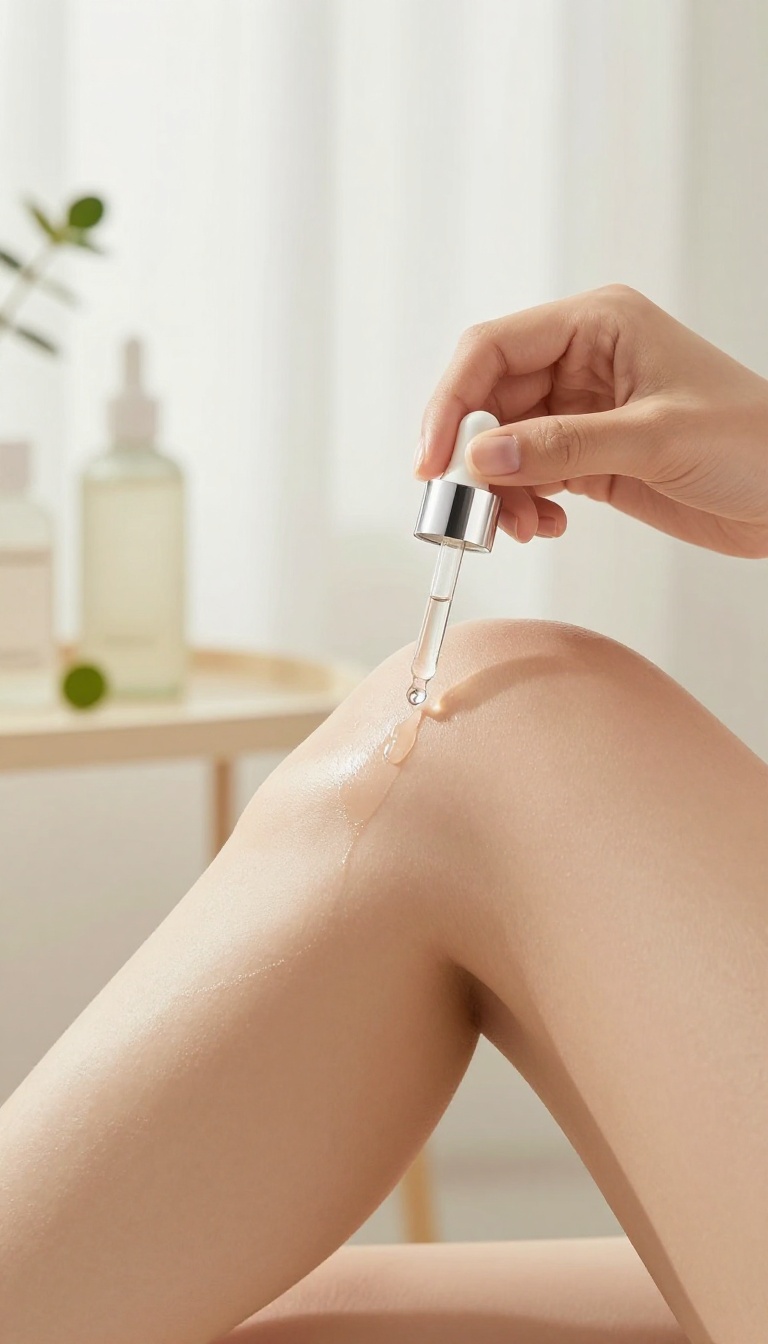
Stretch marks are one of those things that show up uninvited, often after growth spurts, pregnancy, or weight changes. While they're completely normal, a targeted serum can help fade their appearance and boost skin's elasticity. The right formula, massaged in consistently, can make a noticeable difference over time.
When it comes to stretch marks, prevention and treatment both start with keeping skin well-hydrated and supported. A serum that combines peptides and vitamin E is a smart pick because peptides encourage collagen production, while vitamin E is a known skin soother. Massaging the serum into affected areas not only helps absorption but also stimulates blood flow, which can further aid in skin repair.
What To Look For
Check the ingredient list for peptides (like palmitoyl pentapeptide-4) and vitamin E (tocopherol). These work together to strengthen skin and fade discoloration. Avoid heavy fragrances if you have sensitive skin, and opt for a lightweight, fast-absorbing formula that won't leave a greasy residue.
How To Use It
Apply the serum twice a day—morning and night—on clean, dry skin. Focus on areas prone to stretch marks: belly, thighs, hips, and breasts. Use circular motions and a bit of pressure to work the serum in.
Consistency is key; you'll likely need a few weeks to see visible improvement.
When To Expect Results
Stretch marks won't disappear overnight. Most people notice a softening of the marks and a reduction in redness after about 4 to 6 weeks of regular use. For older, silver marks, results may take longer, but the serum can still improve texture and tone.
Patience and regular application are your best allies.
6. A Soothing Aftershave Balm
Razor burn and post-shave redness can turn a smooth routine into a sore spot. A good aftershave balm does more than just smell nice—it calms the skin and helps it recover fast. With the right mix of soothing ingredients, you can skip the sting and get back to feeling comfortable.
Here's why this balm belongs on your shelf.
Why Aloe And Chamomile Work
Aloe is a classic for a reason: it cools and hydrates on contact, while chamomile brings its own anti-inflammatory magic. Together, they tackle the heat and irritation that often follow a close shave. This combo doesn't just mask the problem—it helps your skin bounce back, so you're not left with angry red patches.
How To Apply For Best Results
Apply the balm right after you pat your skin dry, while it's still slightly damp. A pea-sized amount is plenty—rub it between your palms and press it gently onto the shaved area. Let it sink in for a minute before layering on moisturizer or sunscreen.
You'll get the full calming effect without any greasy residue.
What To Look For
Skip anything with alcohol or heavy fragrance—those just add to the sting. Instead, go for a balm with a short ingredient list that features aloe, chamomile, or even a touch of witch hazel. A non-comedogenic formula is a bonus, so it won't clog pores on your face or body.
7. A Detoxifying Body Mask
Your body works hard, and it deserves the same deep-cleaning treatment you give your face. A detoxifying body mask—usually packed with clay or charcoal—pulls out the gunk that regular soap can't reach, leaving your skin feeling lighter and looking clearer. It's a weekly ritual that turns a simple shower into a spa-like reset, especially if you're prone to body breakouts or just want that fresh, just-steamed feeling.
The right body mask can tackle everything from back acne to rough elbows. The trick is to apply it before you scrub, let it work for the time on the label, and rinse with warm water. Follow up with a light moisturizer to lock in the clean, balanced feel.
Use it once a week, or every other if your skin is sensitive.
Why Your Body Needs A Mask Too
Your face gets all the masks, but your body accumulates sweat, oil, and dead skin just as much. A clay or charcoal mask helps draw out impurities from congested pores, especially on your back, chest, and shoulders. It's like a reset button for your skin, making it look smoother and more even-toned.
How To Use A Body Mask Without The Mess
Apply the mask in the shower before you turn on the water, or right after you step out—just make sure your skin is dry. Use a brush or your hands to spread an even layer, then wait 5 to 10 minutes. Rinse off with warm water, and don't forget to clean your shower floor afterward to avoid any slippery residue.
Picking The Right Mask For Your Skin
If you have oily or breakout-prone skin, look for a charcoal or bentonite clay mask that targets congestion. For dry or sensitive skin, choose a gentler formula with kaolin clay and soothing ingredients like aloe or oatmeal. Always patch-test first, and avoid leaving the mask on longer than directed to prevent over-drying.
8. A Hydrating Body Wash
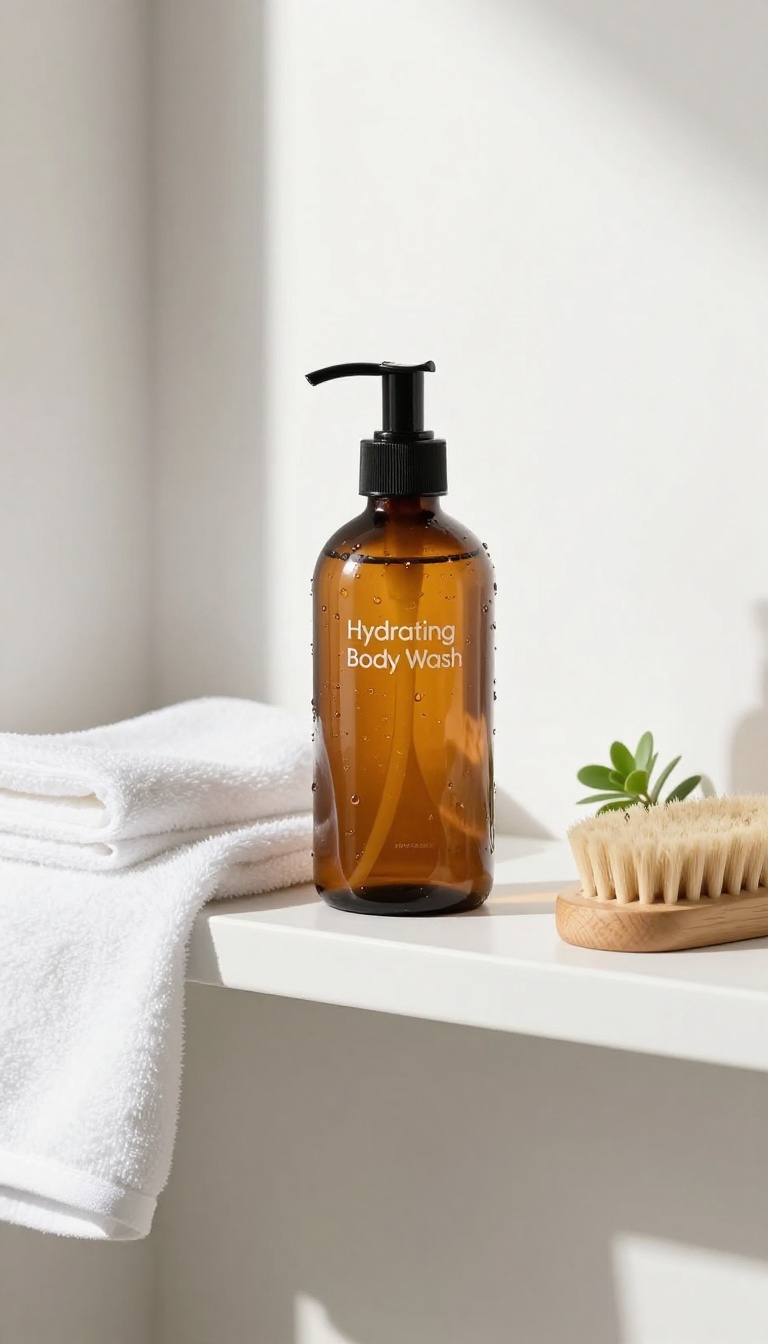
Your shower gel might be the culprit behind that tight, itchy feeling after you rinse off. Many conventional body washes rely on sulfates that strip away natural oils, leaving your skin parched. A hydrating body wash changes that by cleansing gently while locking in moisture.
Formulated with humectants like glycerin or hyaluronic acid, these washes pull water into your skin and help it stay there. They foam up nicely but rinse off without that squeaky-clean sensation that actually signals dryness. If your skin feels tight after bathing, this swap is a simple fix that makes a noticeable difference.
What To Look For
Scan the ingredient list for glycerin, hyaluronic acid, or ceramides—these are your hydration heroes. Avoid sulfates (sodium lauryl sulfate, sodium laureth sulfate) and heavy fragrances that can irritate sensitive skin. A creamy, lotion-like texture usually indicates a more moisturizing formula.
How To Use It Right
Warm water opens pores, but hot water strips moisture, so keep the temperature lukewarm. Apply with your hands or a soft loofah, massage gently, and rinse quickly. Pat your skin dry with a towel—don't rub—then follow with a body lotion or oil while your skin is still slightly damp to seal in the hydration.
Who Benefits Most
This type of wash is a game-changer for anyone with dry, flaky, or sensitive skin. It's also great for winter months when indoor heating zaps humidity. Even if your skin is normal, switching to a hydrating formula can keep it softer and more comfortable year-round.
9. A Firming Body Cream
Skin can lose its bounce over time, and that's where a firming cream steps in. These formulas are packed with ingredients that help improve elasticity and give your skin a smoother, more toned look. It's not about miracles—it's about consistent care that pays off.
Firming creams work by boosting hydration and supporting collagen production. Ingredients like caffeine, collagen, and peptides are common, and they help tighten and smooth the skin. For best results, apply daily to areas that need extra attention, like thighs, hips, and arms.
Key Ingredients To Look For
Caffeine is a star—it helps de-puff and temporarily tighten skin. Collagen and peptides support elasticity, while shea butter or hyaluronic acid keep everything hydrated. Check the label and pick a cream that combines these for the best effect.
How To Apply For Best Results
Massage the cream in upward strokes, focusing on problem areas. Use it right after a shower when your skin is still slightly damp—this locks in moisture and helps the active ingredients absorb better. Consistency is key, so make it part of your daily routine.
10. A Brightening Body Lotion
If your body skin looks a little dull or uneven, a brightening lotion can be a game changer. These formulas go beyond basic moisture, using ingredients like vitamin C or niacinamide to fade dark spots and even out your skin tone. With regular use, you'll notice a subtle, healthy glow that makes your skin look more radiant and uniform.
A brightening body lotion is a simple addition to your routine, but it can make a big difference in how your skin looks and feels. Unlike regular moisturizers, these are packed with active ingredients that target hyperpigmentation and dullness. They're perfect for areas like elbows, knees, and any spots that have darkened from sun exposure or friction.
Plus, they often come with added hydration, so you're not sacrificing moisture for brightness.
Key Ingredients To Look For
When choosing a brightening lotion, check the label for proven ingredients. Vitamin C is a classic antioxidant that helps fade dark spots and boosts radiance. Niacinamide, also known as vitamin B3, is another powerhouse that evens skin tone and strengthens the skin barrier.
Other helpful ingredients include alpha hydroxy acids (AHAs) like glycolic or lactic acid, which gently exfoliate to reveal fresher skin, and licorice extract, which has natural brightening properties.
How To Use It For Best Results
For the best results, apply the lotion right after showering when your skin is still slightly damp. This helps lock in moisture and allows the active ingredients to absorb better. Use it daily, focusing on areas that need extra attention.
Don't forget to apply sunscreen during the day, especially if your lotion contains AHAs, as they can make your skin more sensitive to the sun.
What To Expect
Don't expect overnight miracles. Brightening takes time and consistency. With regular use, you'll typically start to see a more even tone and a natural glow within a few weeks.
It's also important to be patient and gentle—over-exfoliating or using too many strong actives can irritate your skin. A good brightening lotion is a gentle, everyday solution that works gradually.
11. A Relaxing Bath Soak
After a long day, a warm bath can be more than just a way to get clean—it's a ritual that signals your body to slow down. The right soak eases tight muscles, softens skin, and clears your mind. It's a simple pleasure that feels like a mini spa trip, right in your own bathroom.
A good bath soak isn't just about the water temperature. Adding the right ingredients—like Epsom salts or magnesium flakes—can make a real difference in how your body feels afterward. And when you toss in a few drops of essential oil, you're turning an ordinary bath into a sensory escape.
A relaxing bath soak is a must-have for anyone who wants to unwind without leaving home. Epsom salts are packed with magnesium, which helps soothe tired muscles and reduce tension. They also work to soften rough patches on your skin, leaving you feeling smooth and refreshed.
For an even more spa-like experience, look for blends that include calming botanicals like lavender or chamomile. The key is to use enough—about two cups per standard bathtub—and to let the water do its magic for at least 15 minutes. Pair it with a candle or some quiet music, and you've got a full-on relaxation session.
It's a small step that can have a big impact on your overall mood and wellness.
Why Magnesium Matters
Magnesium is the star ingredient in most bath soaks. It's absorbed through the skin, helping to calm the nervous system and reduce muscle cramps. If you're active or just prone to tension, a magnesium-rich soak can be a game-changer.
Look for flakes or salts that list magnesium chloride or sulfate as the main component.
Choosing The Right Scent
Essential oils can elevate your soak from routine to ritual. Lavender is a classic for relaxation, while eucalyptus can help clear your head. If you're soaking before bed, opt for calming scents like chamomile or sandalwood.
A few drops mixed into the water are enough—you don't need to go overboard.
How To Make It A Habit
Set aside one evening a week for a proper bath. Keep your soak supplies within easy reach, and maybe add a bath pillow or a book. The more inviting you make the experience, the more likely you'll stick with it.
It's not about luxury—it's about giving yourself a regular moment to recharge.
12. A Cooling Foot Cream
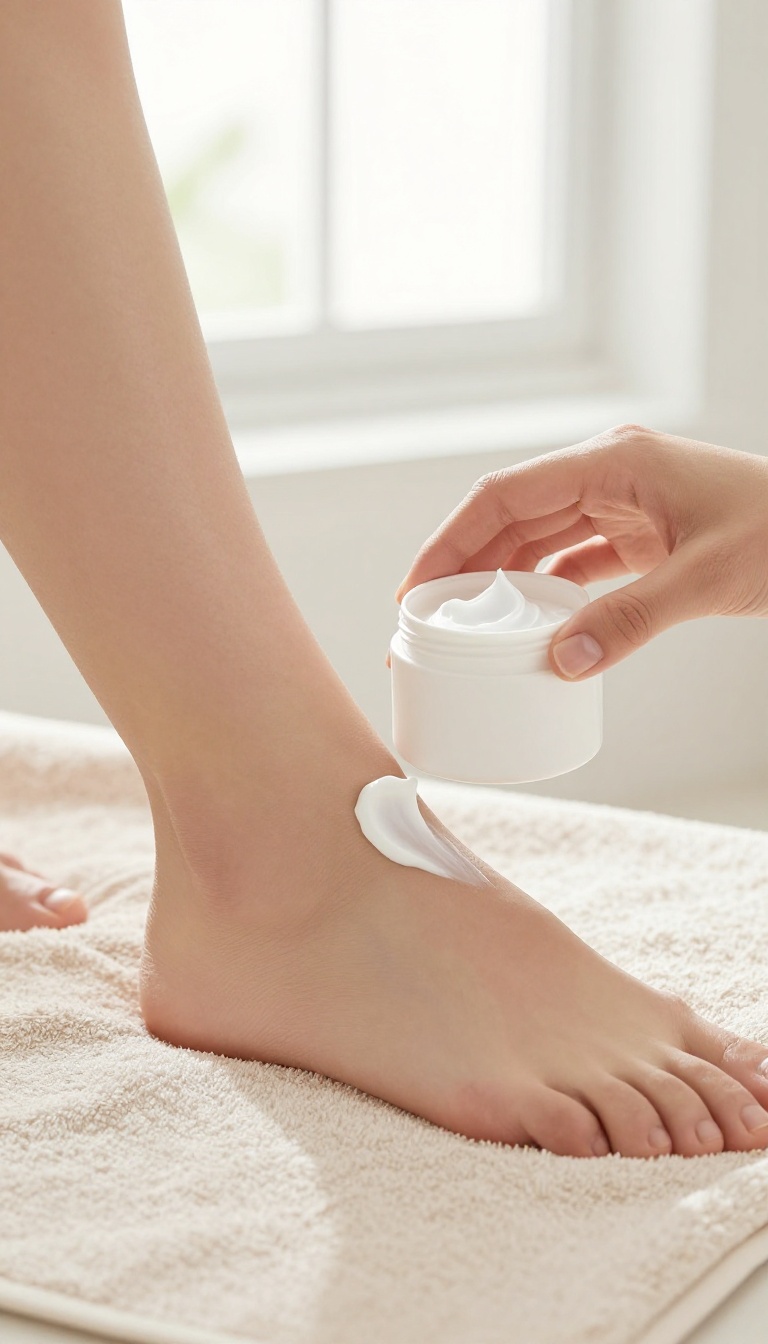
Your feet carry you through the day, but they rarely get the attention they deserve. A cooling foot cream is the quick fix that turns tired, achy feet into a fresh, revived pair. This is the kind of product that earns its spot on your shelf because it actually delivers on its promise.
Peppermint oil is the star here—it gives that instant cooling sensation that feels amazing after a workout, a long shift, or just a day of standing. Plus, ingredients like shea butter and urea work to soften rough heels and keep moisture locked in. It’s not just a treat; it’s a functional step that keeps your feet smooth and ready for sandals or socks.
Why Peppermint Works
Peppermint oil contains menthol, which triggers cold-sensitive receptors in your skin. That’s why it feels like a mini ice pack for your feet. It also has a refreshing scent that can help you feel more awake and alert.
How To Use It For Best Results
Massage a small amount into clean, dry feet, focusing on the heels and the balls of your feet. For an extra treat, pop your feet up for a few minutes after applying—it helps the cream absorb and gives you a moment to relax.
When To Reach For It
This cream is perfect post-workout, after a long day of walking, or right before bed. If you’re prone to sweaty feet, the cooling effect can also help you feel fresher in the morning.
13. A Hand Cream That Actually Works
Dry, cracked hands can make even the simplest tasks uncomfortable, but the right hand cream can turn things around fast. You don't need a thick, greasy formula that leaves everything you touch slippery. Instead, look for a lightweight cream that absorbs quickly and delivers real moisture where it counts.
A good hand cream should feel like a treat, not a chore. The best ones use ingredients like shea butter and ceramides to repair the skin barrier and lock in hydration. They should sink in within seconds, so you can get back to typing, cooking, or just living without that sticky film.
Keep one at your desk and one by your bed—you'll actually use it when it's within reach.
What To Look For
Scan the label for shea butter, ceramides, or glycerin—these are the heavy hitters for dry hands. Avoid formulas with alcohol or strong fragrances that can irritate already stressed skin. A non-greasy finish is non-negotiable if you want to use it multiple times a day.
How To Make It Part Of Your Routine
The secret is consistency. Apply after every hand wash, and always before bed so it can work overnight. Keep a travel-size tube in your bag for on-the-go moisture.
Within a week, you'll notice softer, smoother hands that don't scream for attention.
14. A Body Sunscreen You'll Love
Sun protection isn't just for your face—your body deserves the same care. But let's be real, many body sunscreens feel greasy, smell heavy, or leave a white cast. The right one should be so comfortable you forget you're wearing it, and actually look forward to applying it every day.
Finding a body sunscreen that you'll actually use comes down to texture and finish. A lightweight, non-sticky formula that absorbs quickly is key. Look for broad-spectrum protection (SPF 30 or higher) and a dewy finish that gives your skin a healthy glow.
Whether you're heading to the beach or just running errands, a great body sunscreen is a non-negotiable step in your body care routine.
Why Texture Matters
The biggest reason people skip body sunscreen is the feel. Thick, greasy formulas sit on the skin and make you feel sticky. A lightweight, fast-absorbing formula sinks in quickly, so you can get dressed right after applying.
No waiting, no residue, just protection.
What To Look For
Aim for SPF 30 or higher with broad-spectrum coverage to shield against both UVA and UVB rays. If you have sensitive skin, try a mineral formula with zinc oxide or titanium dioxide. For a dewy finish, look for ingredients like hyaluronic acid or glycerin that hydrate while you protect.
How To Make It A Habit
Keep your body sunscreen somewhere visible, like next to your morning moisturizer or by the door. If you apply it every day after your shower, it becomes second nature. And don't forget easy-to-miss spots like your neck, ears, and the tops of your feet.
15. A Self-Tanner for a Natural Glow
A gradual self-tanner is the easiest way to fake a sun-kissed glow without the UV damage or the commitment of a full-on tan. It lets you build color slowly, so you can stop when you hit that perfect "just back from vacation" shade. Plus, with a guide color, you can see exactly where you're applying, which means no more streaky surprises.
Forget the orange, streaky mess of the past. Modern self-tanners are formulated with skin-loving ingredients and come in shades that suit every undertone. The key is to start slow and build up.
A gradual formula gives you control, and a guide color ensures you don't miss a spot. You'll look like you spent a weekend in the sun, not like you rolled in Cheetos dust.
Why Gradual Beats Instant
Instant tanners can be tricky to apply evenly, especially on hard-to-reach areas like your back. Gradual formulas are more forgiving. They let you layer color over a few days, so you can correct any mistakes along the way.
Plus, they're less likely to stain your sheets or clothes.
How To Apply Without Streaks
Exfoliate before you apply, especially on dry areas like elbows and knees. Use a mitt for even coverage, and work in sections. Start with a small amount and build up.
Wash your hands right after to avoid orange palms. And don't forget to blend into your wrists and ankles for a seamless finish.
Our Top Pick
We love a gradual tanner with a light, pleasant scent and a hydrating base. Look for one that contains hyaluronic acid or aloe to keep your skin soft while the color develops. A formula that dries quickly is a bonus, so you can get dressed without waiting around.
16. A Deodorant That's Gentle on Skin
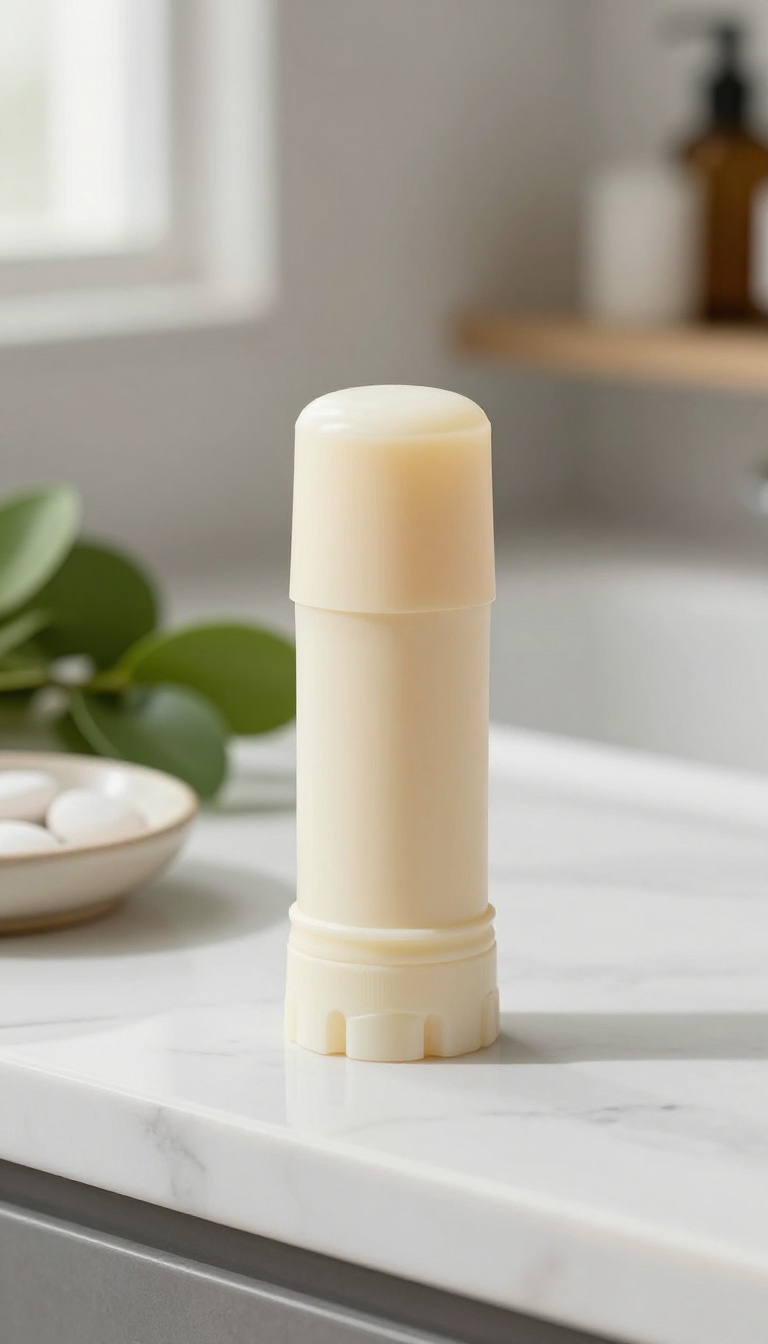
Sensitive underarms can turn a daily essential into a daily annoyance. Many conventional deodorants pack in aluminum, baking soda, or synthetic fragrances that leave skin red, itchy, or irritated. The fix?
A gentler formula that still keeps you feeling fresh. Aluminum-free deodorants that rely on arrowroot powder or magnesium are a great starting point. They neutralize odor without blocking sweat glands, and soothing additions like aloe vera or chamomile calm the skin while you move through your day.
When choosing a deodorant for sensitive skin, scan the ingredient list for potential triggers. Baking soda is a common culprit for irritation, so if your skin reacts, look for options that use arrowroot or tapioca starch instead. You also want to avoid heavy synthetic fragrances, which can cause contact dermatitis.
Instead, opt for formulas scented with essential oils or completely unscented. Another factor is the delivery method. Creams and balms often have simpler ingredient lists than sprays or gels, which can contain alcohol or propellants.
A smooth stick with a creamy texture can glide on without tugging, making it easier on already-irritated skin. And if you're switching from an antiperspirant, expect a transition period where you might sweat a bit more—your skin will thank you for the break from aluminum.
What To Look For
Aim for a formula with arrowroot powder or magnesium hydroxide as the base. These absorb moisture without disrupting your skin's natural pH. Aloe vera, shea butter, and vitamin E are great additions that help soothe and protect, while baking soda–free options reduce the risk of flare-ups.
How To Apply For Best Results
Apply to clean, completely dry underarms. A thin layer is all you need—too much can cause product buildup and irritation. If you're using a balm, warm it between your fingers first for smoother application.
Giving it a minute to dry before getting dressed also helps prevent transfer.
17. A Body Scrub with Coffee
Coffee scrubs are a morning game-changer. They wake up your skin just like they wake up your senses. The gritty texture buffs away dead cells, while the caffeine gets to work on circulation and that dreaded dimpled look.
Unlike sugar or salt scrubs, coffee has that extra oomph. It’s not just about smoothness—it’s about firmness and a temporary tightening effect that makes your skin feel and look more toned. Plus, the aroma is a bonus.
If you’re aiming for a curated shelf, this is the multi-tasker you want. It’s exfoliation, circulation boost, and a mini spa moment in one jar.
A coffee scrub earns its spot by doing more than just sloughing off dead skin. The caffeine constricts blood vessels, which can reduce puffiness and give a temporary smoothing effect. Over time, regular use may help minimize the appearance of cellulite by improving blood flow and breaking down fat deposits.
When picking one, look for a scrub with finely ground coffee—coarse grains can be too harsh, especially on sensitive areas. Many formulas mix in nourishing oils like coconut or sweet almond, so you get exfoliation and hydration in one step. Use it two to three times a week in the shower, focusing on thighs, buttocks, and stomach.
A quick tip: massage in circular motions for a few minutes to really stimulate circulation. Rinse off and follow with a light moisturizer to lock in the benefits. Your skin will feel invigorated and look noticeably smoother.
Why Coffee Works
Coffee is packed with antioxidants that fight free radicals, and its caffeine content is the star. Caffeine constricts blood vessels, which can reduce puffiness and give a temporary smoothing effect. Over time, regular use may help minimize the appearance of cellulite by improving blood flow and breaking down fat deposits.
How To Choose And Use
Look for a scrub with finely ground coffee—coarse grains can be too harsh, especially on sensitive areas. Many formulas mix in nourishing oils like coconut or sweet almond, so you get exfoliation and hydration in one step. Use it two to three times a week in the shower, focusing on thighs, buttocks, and stomach.
Massage in circular motions for a few minutes to really stimulate circulation, then rinse off and follow with a light moisturizer.
18. A Nourishing Body Serum
Body serums are the underrated step that takes hydration to the next level. Unlike lotions, they’re packed with active ingredients that sink in fast, prepping your skin for whatever comes next. A few drops can make a noticeable difference, especially in dry or changing weather.
Think of a body serum as the booster shot your moisturizer has been waiting for. It delivers concentrated hydration right where your skin needs it most, then locks it in with your usual lotion or cream. The result?
Softer, smoother skin that feels like it’s been drinking water all day.
Why Your Skin Needs It
Your body’s skin is thicker and less oily than your face, so it can handle richer formulas. A serum with hyaluronic acid pulls moisture from the air, while squalane mimics your skin’s natural oils for fast absorption. Together, they help plump fine lines and keep your skin bouncy.
How To Layer It Right
Apply the serum right after a shower, while your skin is still slightly damp. Massage a few drops over your arms, legs, and torso, then follow with your favorite body lotion or cream. This locks in the extra hydration and keeps the serum from feeling sticky.
Picking Your Formula
Look for a lightweight, fast-absorbing serum with ingredients like hyaluronic acid, glycerin, or squalane. If you have sensitive skin, skip fragrances and go for a simple, soothing blend. A pump bottle makes it easy to use without wasting a drop.
19. A Soothing Aloe Vera Gel
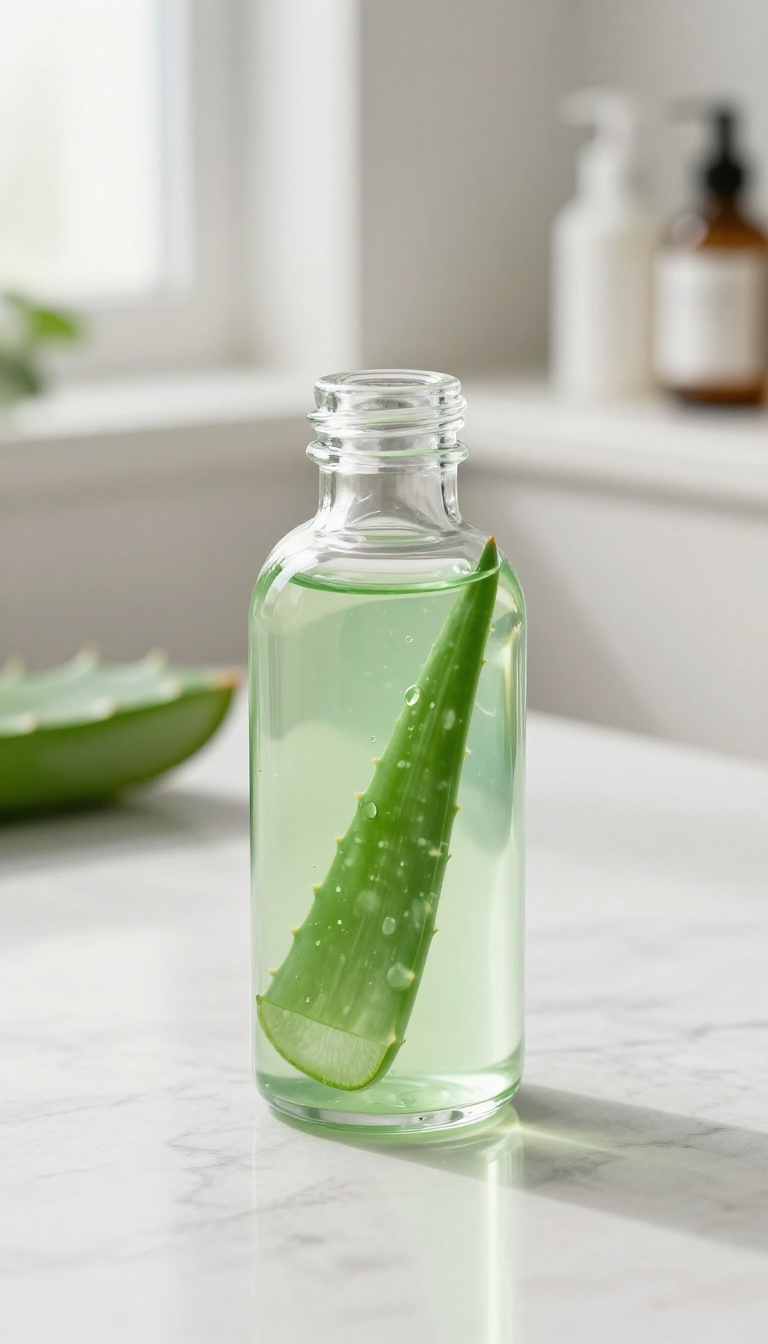
When your skin feels hot, tight, or just plain angry, aloe vera gel is the quiet hero you didn't know you needed. It's not just for sunburns—this green goo calms everything from razor burn to post-wax redness. Plus, it hydrates without leaving that sticky, heavy feeling some lotions do.
Keep a bottle in your fridge, and you've got an instant cooling treat for those extra-irritated days.
Aloe vera gel is a multitasker that earns its spot on any shelf. It's lightweight, fast-absorbing, and works wonders on irritated skin. Whether you've had too much sun, a close shave, or just need a midday refresh, this gel has your back.
And because it's so gentle, it's perfect for sensitive spots like your face, neck, and chest.
Why Aloe Works So Well
Aloe vera is packed with vitamins, enzymes, and antioxidants that help reduce inflammation and promote healing. Its cooling sensation comes from compounds that soothe nerve endings, making it ideal for calming down angry skin. Plus, it's naturally antibacterial, so it can help keep minor irritations from getting worse.
How To Use It Beyond Sunburns
Don't save aloe for beach days only. Apply it after shaving to prevent razor burn, or use it as a lightweight moisturizer on humid days. You can even mix a little into your body lotion for an extra boost of hydration.
And if you're dealing with a heat rash or chafing, a thin layer can bring quick relief.
Choosing The Right One
Look for a gel with at least 95% pure aloe vera and minimal added ingredients. Avoid anything with alcohol, which can dry out skin, or heavy fragrances that might irritate. A simple, clean formula is your best bet for everyday use.
Store it in the fridge for an extra cooling kick—trust me, it's a game-changer.
20. A Fragrance-Free Moisturizer for Sensitive Skin
Fragrance might make a product smell lovely, but for sensitive skin, it's often the culprit behind redness, itching, and breakouts. A fragrance-free moisturizer skips the synthetic scents and essential oils, focusing on what your skin actually needs: calm, soothing hydration. It's the kind of product that quietly does its job without drama.
If your skin tends to react to new products, you know the struggle of finding a moisturizer that doesn't cause a flare-up. A fragrance-free formula is the safest bet because it cuts out one of the most common irritants. Look for one with a short ingredient list and ceramides or glycerin to lock in moisture without clogging pores.
It's the no-nonsense staple that works for almost everyone, from dry and flaky to oily and breakout-prone.
What To Look For
Scan the label for 'fragrance-free' rather than 'unscented'—unscented products can still contain masking fragrances. Choose a cream or lotion with ceramides, niacinamide, or hyaluronic acid to support the skin barrier. Avoid alcohol, which can dry out skin further.
How To Use It
Apply right after a shower while your skin is still slightly damp to lock in extra hydration. Use it morning and night, and don't forget your neck and chest—they show signs of sensitivity just as much as your face.
Why It Belongs On Your Shelf
This moisturizer is a reliable everyday base. It layers well under sunscreen or makeup, and it's gentle enough for the whole family. Once you find the right one, you'll stop second-guessing every new product you try.
21. A Body Cleansing Brush
A body brush is one of those tools that seems simple but quietly upgrades your whole shower routine. It’s not just about scrubbing—it’s about waking up your skin and your circulation. Whether you use it dry before hopping in or with your favorite cleanser in the shower, it’s a small step that makes a big difference.
Dry brushing, in particular, has a loyal following for good reason. The bristles feel like a mini massage, and the ritual of it can turn a rushed morning into a moment of calm. Plus, it’s a budget-friendly way to get that smooth, glowing look without a fancy gadget.
Dry brushing is the classic way to use a body brush. Start at your feet and work upward in long, sweeping strokes toward your heart. Keep the pressure light—this isn’t about scrubbing hard.
The idea is to stimulate the skin and encourage lymphatic flow, which can help reduce puffiness and give you a natural glow. If you prefer a wet option, a shower brush with soft bristles works great with body wash. It lathers nicely and gives you a deeper clean, especially on hard-to-reach spots like your back.
Either way, you’re exfoliating away dead skin cells, which helps your moisturizer sink in better later.
Why It Works
The bristles offer gentle physical exfoliation, which removes dulling dead skin and leaves you feeling smoother. The massaging action also boosts blood flow, which can make your skin look more vibrant. Plus, the ritual of brushing before a shower is a great way to wake up your body and mind.
How To Choose One
Look for a brush with natural, firm but not harsh bristles. A long handle helps you reach your back easily. If you have sensitive skin, opt for softer bristles or use a gentler touch.
Wooden handles feel nice, but make sure they’re sealed to avoid water damage.
Tips For Best Results
Dry brush on dry skin before you shower—that’s when it works best. Always brush toward your heart to support your lymphatic system. Don’t overdo it: two to three times a week is plenty.
Afterward, follow with a rich body lotion or oil to lock in the smoothness.
22. A Hydrating Body Spray
A body spray that actually hydrates? Yes, it exists. This lightweight mist combines glycerin and rose water to give your skin a quick drink of moisture whenever it needs it.
It's the kind of product that earns a permanent spot in your gym bag or carry-on because it works in seconds without any sticky residue.
After a workout, a hot shower, or a long flight, your skin can feel tight and parched. A hydrating body spray steps in where lotions feel too heavy and water isn't enough. Just spritz, pat, and go—your skin drinks in the moisture while the rose water leaves a soft, fresh scent that doesn't compete with your perfume.
When To Reach For It
Keep this spray by your desk for a midday refresh, or toss it in your gym bag for a post-sweat cooldown. It's also a lifesaver on planes, where cabin air zaps moisture from your skin. A few spritzes over bare legs or arms instantly revive dryness without needing a full lotion routine.
How To Use It Right
Hold the bottle about six inches from your skin and mist evenly. Let it air-dry for a few seconds, then pat in any excess with your hands. For an extra cooling effect, store it in the fridge—especially nice on hot summer days.
Use it as often as you like; it's gentle enough for multiple reapplications.
What To Look For
Check the label for glycerin, which pulls moisture into the skin, and rose water, which soothes and tones. Avoid sprays with high alcohol content, as they can dry you out further. A fine mist nozzle is key—it should feel like a soft cloud, not a jet stream.
23. A Luxurious Body Balm for Indulgence
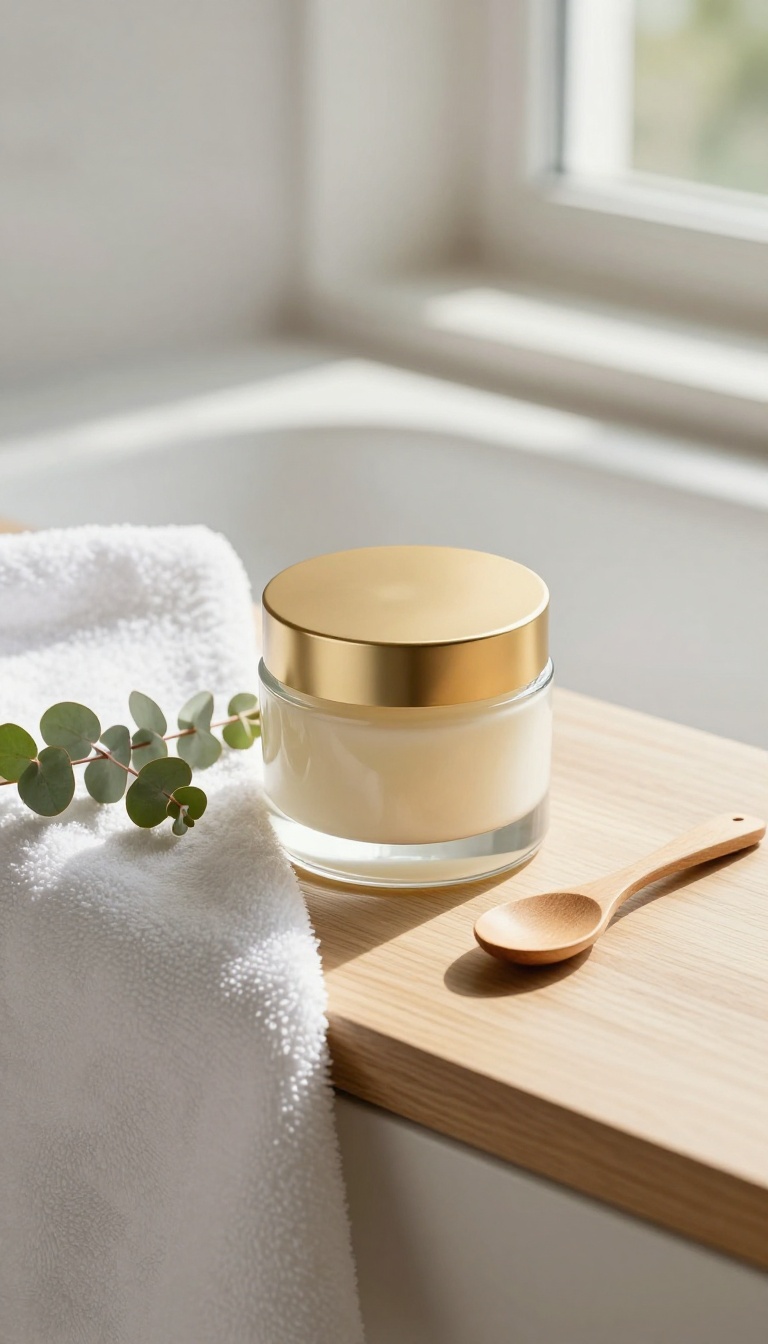
Some nights call for more than a quick lotion swipe. A rich, buttery balm is that extra step that turns a basic routine into a ritual. It’s not about being fussy—it’s about giving your skin the deep nourishment it craves, especially when the air is dry or you’ve been on your feet all day.
These balms are thicker than creams, so they sit on the skin a little longer and really sink in. The key is to warm them between your palms first, then massage over elbows, knees, heels, or anywhere that feels tight. The result?
Skin that feels soft, supple, and genuinely pampered.
A luxurious body balm is the ultimate treat for very dry areas. With shea and cocoa butter at the heart, it delivers intense moisture that lasts. Massage it in after a shower while your skin is still slightly damp to lock in hydration and leave a silky, non-greasy finish.
Why A Balm, Not A Lotion?
Lotions are light and quick, but balms are the heavy hitters. They create a protective barrier that seals in moisture for hours. If you have patches of rough, flaky skin, a balm is what actually fixes that—not a watery lotion that evaporates in minutes.
How To Use It For Best Results
Scoop a small amount and rub it between your palms to warm it up. Then press it onto your skin, focusing on dry spots. For an extra treat, apply it right after a bath or shower—your pores are open, and the balm absorbs better.
A little goes a long way, so start small and add more if needed.
Where To Splurge (and Where To Save)
You don’t need a fancy jar to get the benefits. Drugstore options with shea butter work just as well as high-end ones. The real difference is in the texture and scent.
If you love a spa-like experience, splurge on one with essential oils. But for everyday use, a simple, unscented balm is a reliable, budget-friendly choice.
FAQ
How often should I exfoliate my body?
Aim to exfoliate 2-3 times a week. Over-exfoliating can strip your skin's natural oils, so listen to your skin and adjust if you notice irritation.
Can I use body oil and lotion together?
Yes, apply lotion first to hydrate, then seal it with a few drops of oil to lock in moisture. This combo works great for very dry skin.
What's the best way to apply self-tanner without streaks?
Exfoliate and moisturize dry areas like elbows and knees first. Then apply in circular motions with a mitt, working quickly and blending well.
How do I choose a body sunscreen?
Look for broad-spectrum SPF 30 or higher, and choose a formula that feels comfortable on your skin—whether that's a lotion, spray, or oil. Reapply every two hours if you're outdoors.
Are body serums necessary?
They're not essential, but they can boost hydration and target specific concerns like dullness or firmness. If you have dry skin, a serum adds an extra layer of moisture.
Conclusion
Building a curated body care shelf isn't about owning everything—it's about choosing pieces that actually earn their place. Start with the few essentials that address your daily needs, then swap in one or two treats you genuinely look forward to using. That mix of function and joy is what makes a collection feel personal.
Let your shelf evolve as your preferences shift, and don't be afraid to retire something that no longer sparks a reaction. A tight, intentional lineup beats a cluttered cabinet every time. Keep it simple, keep it yours, and enjoy the ritual.