Ever step out of the shower and feel like your skin is tight, itchy, or just not right? That’s a sign your routine is missing the deep nourishment that Moroccan hammam rituals have perfected over centuries. These aren’t just beauty tips—they’re a full-body reset that leaves you glowing from head to toe.
The hammam isn’t just about getting clean; it’s a sensory experience that combines steam, exfoliation, and rich botanicals. The good news? You don’t need a trip to Marrakech to enjoy the benefits.
With a few authentic ingredients and simple techniques, you can recreate that spa-like glow in your own bathroom. Here are 20 Moroccan body care secrets that will change the way you think about skincare.
1. Start with Black Soap (Savon Noir) to Soften Skin
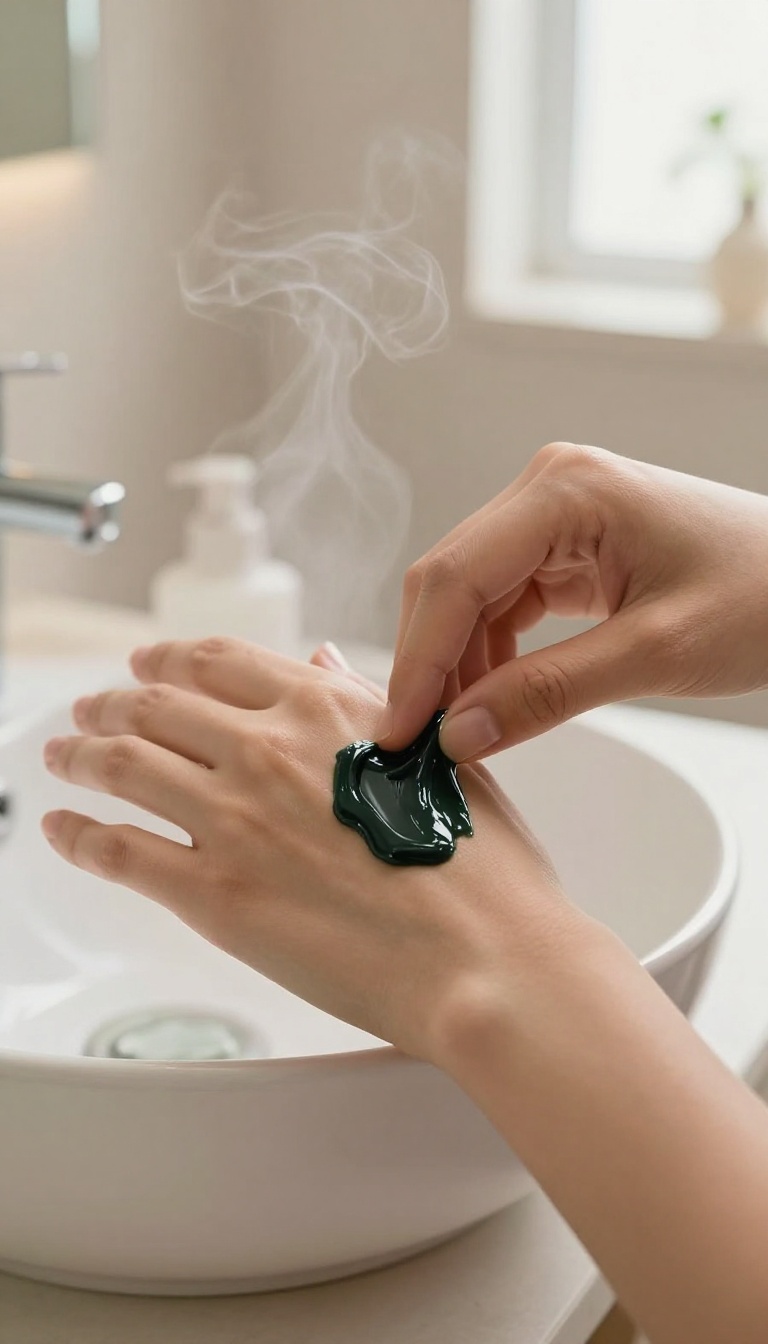
Black soap, or savon noir, is the unsung hero of the hammam ritual. This dark, gel-like paste is made from olive oil and crushed black olives, and it’s packed with vitamin E and antioxidants. Before you even think about exfoliating, this step is all about prepping your skin to release dead cells more easily.
Applying black soap isn’t just about slathering on another product—it’s the foundation that makes everything else work better. The thick, slippery texture creates a barrier that traps moisture and softens the outer layer of your skin, so when you do scrub, you’re not tugging or irritating. Plus, it’s incredibly gentle, making it perfect for even sensitive skin types.
Why Black Soap Works So Well
The magic lies in its ingredients. Olive oil is deeply nourishing, while the potassium from the ash of crushed olives helps lift away dirt and oil without stripping your skin’s natural moisture. It’s a pre-treatment that leaves your skin feeling supple, not tight, and ready for the next step in your hammam-inspired routine.
How To Apply It Like A Pro
Warm your skin first with a quick rinse or a few minutes in a steamy bathroom. Then, scoop a generous amount of black soap and massage it all over your body in circular motions, focusing on rough areas like elbows, knees, and heels. Let it sit for 5–10 minutes while the steam works its magic, then rinse off before moving on to exfoliation.
When To Skip It
If you have any open cuts, sunburn, or active skin conditions like eczema, skip this step until your skin heals. Black soap is gentle, but the massaging motion can still irritate broken skin. When in doubt, do a patch test on a small area first to see how your skin reacts.
2. Use a Kessa Glove for Deep Exfoliation
Once the black soap has done its job, it's time for the signature step that defines the hammam experience. The kessa glove is a rough, textured mitt that sloughs away dead skin cells like nothing else. It's not just about scrubbing; it's about revealing the fresh, smooth layer underneath.
Using a kessa glove is all about technique and rhythm. After letting the black soap sit for a few minutes, you'll want to work in sections, using long, firm strokes from your ankles up toward your heart. This not only exfoliates but also boosts circulation, leaving your skin looking and feeling revitalized.
Prep Your Skin First
For the best results, your skin needs to be thoroughly softened. Spend at least 10 minutes in warm water or steam before you start. The kessa works best on damp, soapy skin, so don't rinse off the black soap completely—just keep the area wet and lathered.
Master The Stroke
Hold the glove flat against your skin and use long, sweeping motions, not circular ones. Start at your feet and move upward, covering each area a few times. You'll see little rolls of dead skin—that's normal and oddly satisfying.
Focus on rough spots like elbows, knees, and heels, but be gentler on sensitive areas like your chest and stomach.
Rinse And Repeat
After you've gone over your whole body, rinse off well and feel the difference. For an even deeper exfoliation, you can repeat the process once more, but don't overdo it—once or twice a week is plenty. Follow up with a moisturizer or body oil to lock in the glow.
3. Rinse with Warm Water, Not Hot
Most of us love a scalding hot shower, but that steam may be doing more harm than good. Hot water strips away your skin's natural oils, leaving it dry and vulnerable. Warm water, on the other hand, opens pores gently and prepares your skin for the nourishing steps that follow.
Think of warm water as a gentle invitation for your skin to relax. It helps loosen dirt and sweat without damaging the protective barrier that keeps moisture in. This simple switch can make a noticeable difference in how your skin feels after every wash.
Why Hot Water Hurts
Hot water feels relaxing, but it’s harsh on your skin. It breaks down the lipid barrier, causing moisture loss and irritation. Over time, this can lead to dryness, flakiness, and even increased sensitivity.
Your skin’s natural oils are precious—don’t wash them away.
The Sweet Spot: Lukewarm
Aim for water that’s warm to the touch but not steaming. This temperature is perfect for opening pores and softening dead skin cells. It also helps your black soap and exfoliants work more effectively, prepping your skin for a deeper clean.
Finish With A Cool Rinse
After your warm rinse, finish with a quick blast of cool water. This helps close pores, lock in moisture, and boost circulation. It’s a simple trick that leaves your skin feeling refreshed and invigorated—exactly what you want after a hammam-inspired ritual.
4. Apply Ghassoul Clay as a Detoxifying Mask
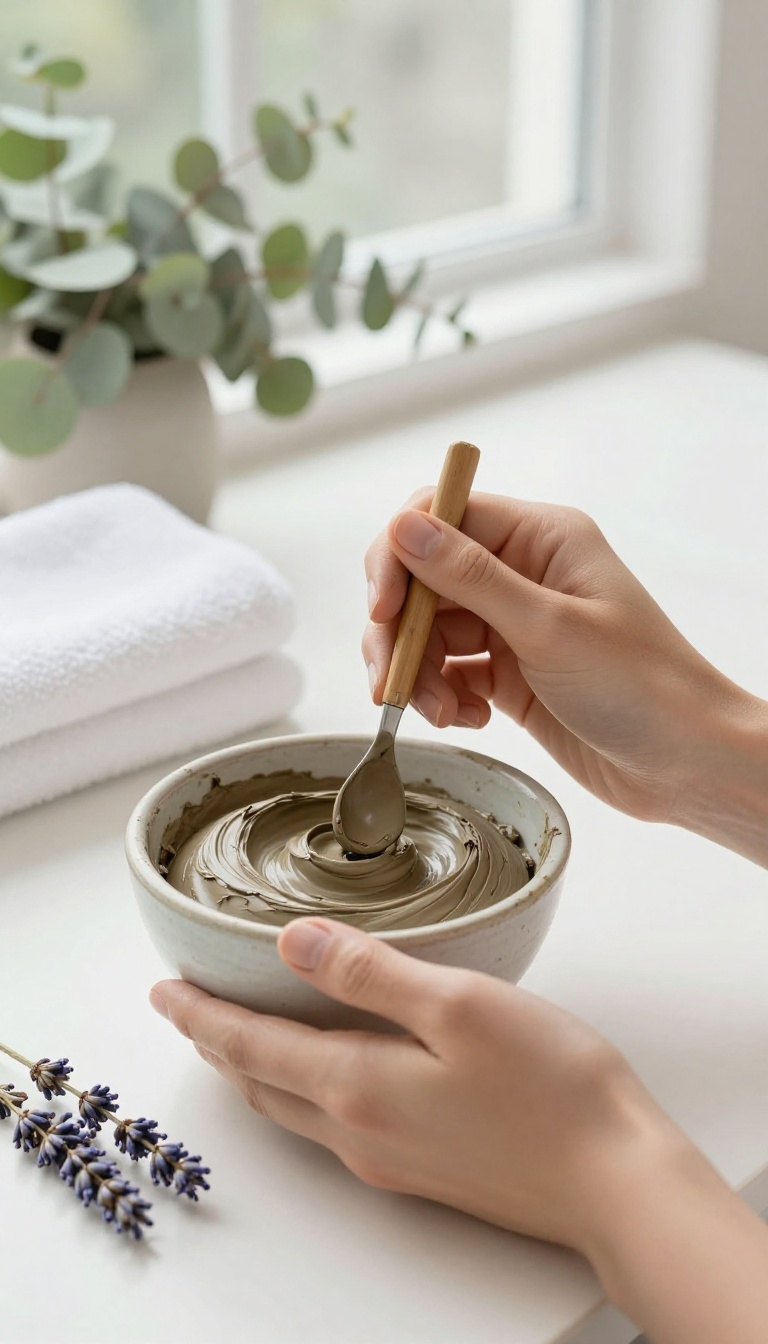
If your skin feels dull or congested, ghassoul clay is the Moroccan secret you’ve been missing. Mined from the Atlas Mountains, this mineral-rich clay has been used for centuries to purify and soften skin. Mixed with a little liquid, it turns into a smooth paste that draws out impurities and leaves your face feeling fresh and tight.
Ghassoul clay is a powerhouse when it comes to deep cleansing. It’s packed with silica, magnesium, and potassium, which help absorb excess oil and unclog pores without stripping your skin. The result?
A clearer, more even complexion that looks naturally radiant.
How To Mix It Right
The classic way is to mix ghassoul clay with rosewater or orange blossom water—both are hammam staples. Start with equal parts clay and liquid, then stir until you get a smooth, spreadable paste. If you have dry skin, add a drop of argan oil to keep it from feeling tight.
Application Tips
Apply a thick layer over your face, avoiding the eye area. Let it sit for 10 to 15 minutes—just until it starts to dry. Don’t wait for it to crack completely, as that can pull moisture out of your skin.
Rinse with warm water using circular motions for a gentle exfoliating boost.
How Often To Use
Twice a week is perfect for most skin types. If you have oily or acne-prone skin, you can use it three times, but keep an eye on how your skin reacts. Overdoing it can lead to dryness, so listen to your skin and adjust as needed.
5. Massage with Argan Oil While Skin Is Damp
You've probably heard about argan oil's magic for hair, but it's just as transformative for your body. The trick is to apply it while your skin is still damp after a shower or bath. This locks in moisture, helping the oil absorb better and leaving a silky, non-greasy finish.
Argan oil is rich in vitamin E and essential fatty acids, making it a powerhouse for nourishing and protecting the skin barrier. When applied to damp skin, it seals in the water, keeping your skin hydrated for hours. Plus, it's lightweight and fast-absorbing, so you can dress right away without feeling sticky.
Why Damp Skin Matters
Damp skin is more permeable, meaning it absorbs oils and lotions more effectively. The water acts as a carrier, helping the argan oil penetrate deeper into the skin. This simple step boosts the oil's benefits and keeps your skin softer for longer.
How To Apply For Best Results
After patting yourself dry, pour a few drops of argan oil into your palms and rub them together. Gently massage it over your body in circular motions, focusing on dry areas like elbows and knees. Don't forget your legs and feet—they'll thank you.
Choosing The Right Argan Oil
Look for 100% pure, cold-pressed argan oil without added fragrances or chemicals. It should have a nutty, earthy scent. Store it in a cool, dark place to keep it fresh, and it'll last for months.
6. Exfoliate with a Homemade Sugar and Argan Oil Scrub
Once your skin is softened by steam, a gentle scrub is the next step to reveal that lit-from-within glow. Instead of reaching for harsh store-bought exfoliants, why not whip up a simple blend using two Moroccan staples? Sugar and argan oil work together to polish away rough patches while deeply nourishing your skin.
This DIY scrub is as easy as mixing two ingredients, but the results feel anything but basic. The sugar crystals dissolve as you massage, so they won't leave your skin feeling raw. Meanwhile, argan oil—rich in vitamin E and fatty acids—sinks in to soften and protect your skin barrier.
Making your own scrub is not only budget-friendly but also lets you control exactly what touches your skin. Here's how to create and use this hammam-inspired treatment for the smoothest results.
Why Sugar Beats Salt For Sensitive Skin
Sugar granules are smaller and rounder than salt crystals, making them gentler on delicate skin. They still buff away dead cells effectively but without the micro-tears that coarse salt can cause. If you have sensitive areas like your inner arms or thighs, sugar is the safer choice.
Plus, sugar contains natural humectants that draw moisture into the skin. So while you're exfoliating, you're also helping your skin retain hydration—a double win.
The Perfect Ratio For A Balanced Scrub
Aim for one part oil to two parts sugar. This keeps the scrub grainy enough to exfoliate but not so dry that it drags on your skin. If you like a richer texture, add a few drops of your favorite essential oil, like lavender or orange, for an extra sensory boost.
Mix only what you need for one session. Freshly made scrub is more effective because the sugar doesn't dissolve beforehand, and you avoid any risk of bacterial growth from sitting moisture.
How To Apply For Maximum Benefits
Use this scrub on damp, warm skin—right after a shower or while you're still in the steam. Take a generous scoop and massage in circular motions, starting from your feet and working upward toward your heart. Focus on dry areas like elbows, knees, and heels.
Spend about five minutes on your whole body, then rinse with lukewarm water. Pat your skin dry and follow with a light layer of argan oil or your usual moisturizer to lock in the glow.
7. Steam Your Face with Herbal Infusions
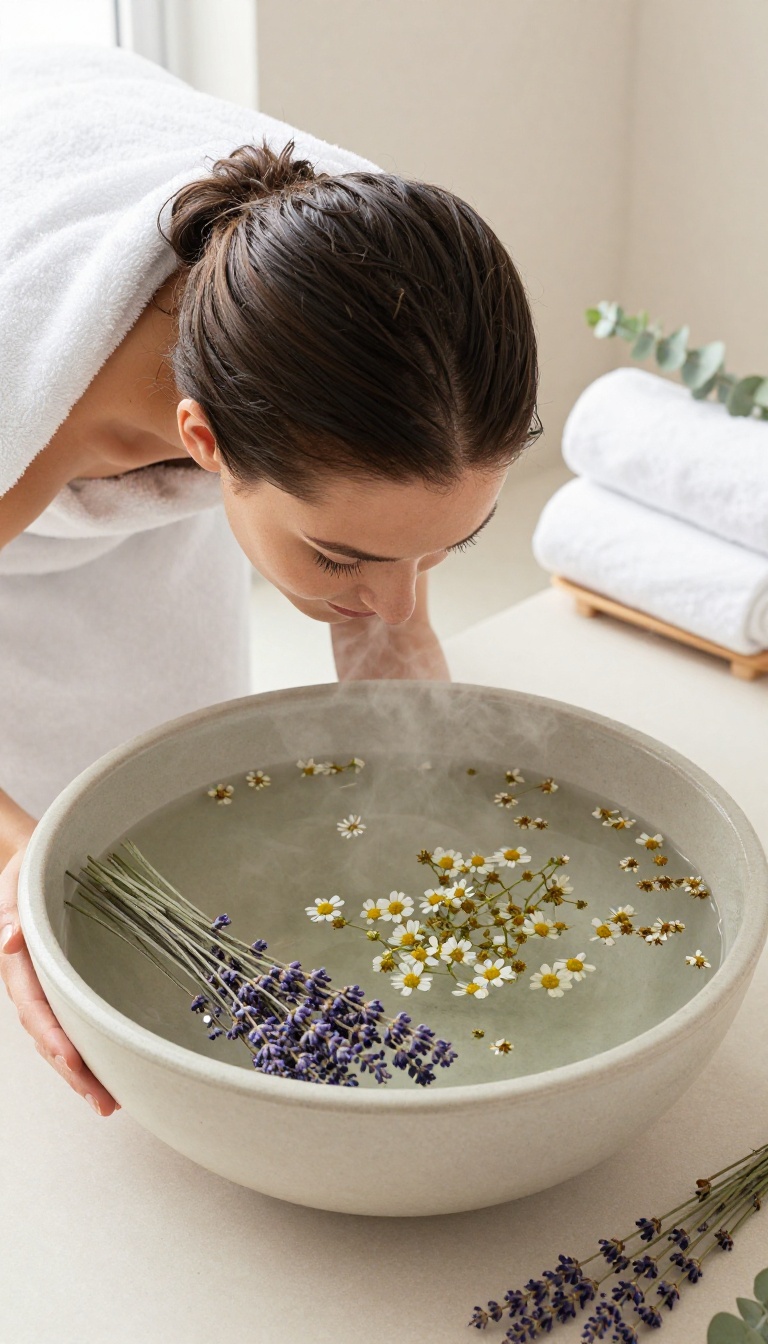
Your face deserves the same pampering as the rest of your body, and a simple herbal steam can do wonders. This hammam-inspired technique uses the power of steam to open pores, soften the skin, and let the calming properties of herbs work their magic. It's a quick, affordable ritual that feels luxurious and delivers real results.
Steaming your face with herbs is a gentle yet effective way to deep-clean and relax. The warm steam increases circulation, helping your skin absorb nutrients better. Adding chamomile or lavender not only makes the experience more pleasant but also soothes irritation and reduces redness.
Do this once a week, and you'll notice a softer, more radiant complexion.
Pick Your Herbal Blend
Chamomile is perfect for sensitive or stressed skin, while lavender helps with relaxation and has antibacterial properties. You can also try rose petals for extra hydration or a sprig of rosemary to invigorate. Use dried herbs for a stronger infusion, or fresh if you have them on hand.
Set Up Your Steam Station
Boil a pot of water and pour it into a heatproof bowl. Add a handful of your chosen herbs and let them steep for a couple of minutes. Place the bowl on a stable surface, lean over it with your face about 12 inches away, and drape a towel over your head to trap the steam.
Keep your eyes closed to avoid irritation.
Time It Right
Steam for 5 to 10 minutes, but listen to your skin—if it feels too hot, take a break. After steaming, gently pat your face dry and follow with a moisturizer or a few drops of argan oil to lock in the benefits. This step is best done after cleansing and before your usual serum or moisturizer.
8. Use Rosewater as a Natural Toner
After all that exfoliating and masking, your skin craves a gentle reset. Rosewater has been a staple in Moroccan beauty for generations, and for good reason. It’s a simple, fragrant way to calm, tone, and refresh your skin without any harsh chemicals.
A quick spritz after cleansing helps balance your skin’s pH and tighten pores, leaving you with a soft, even glow. Plus, the light floral scent is like a mini aromatherapy session every time you use it.
Rosewater is more than just a pretty scent. It’s packed with antioxidants and natural anti-inflammatory properties that help soothe irritation and reduce redness. Using it regularly can also help maintain your skin’s moisture barrier, so you stay hydrated longer.
To get the most out of it, keep a bottle in the fridge for an extra cooling effect. Spray it on after cleansing, before moisturizer, or even throughout the day for a quick pick-me-up. Your skin will thank you.
How To Choose The Right Rosewater
Not all rosewaters are created equal. Look for 100% pure rosewater with no added alcohol or synthetic fragrances. Ideally, it should be distilled from rose petals, like the ones used in traditional Moroccan hammams.
Check the ingredient list—if it’s just water and rose oil, you’re on the right track.
Simple Ways To Use Rosewater Daily
You can use rosewater in many ways: as a toner after cleansing, a setting spray over makeup, or a refreshing mist during hot days. You can also mix a few drops into your body lotion for an extra boost of hydration and a subtle floral scent. For a quick pick-me-up, keep a small spray bottle in your bag.
9. Incorporate Rhassoul Mud for Body Wraps
Rhassoul mud, also known as ghassoul, is a mineral-rich clay mined from the Atlas Mountains of Morocco. It’s been a staple in hammam rituals for centuries, prized for its ability to draw out impurities and tighten skin. A body wrap with rhassoul mud is like a mini detox for your whole body, leaving you feeling refreshed and renewed.
To get the most out of rhassoul mud, mix it with a little rose water or orange blossom water to form a smooth paste. Apply it generously to your skin, then wrap yourself in a warm towel or plastic wrap. Relax for 15 minutes while the mud works its magic.
The minerals help improve circulation and promote a firmer, more toned appearance.
Why Rhassoul Works
Rhassoul is rich in silica, magnesium, and calcium, which help detoxify and nourish the skin. It absorbs excess oil and impurities, making it great for oily or combination skin. The clay also gently exfoliates, leaving your skin smooth and soft.
How To Apply For Best Results
Start with clean, slightly damp skin. Mix the clay with water or a floral hydrosol until it reaches a spreadable consistency. Apply a thick layer, avoiding the face unless it’s formulated for facial use.
Wrap up and let it sit for 10–15 minutes, then rinse off in a warm shower.
Boost The Benefits
Add a few drops of your favorite essential oil, like lavender or eucalyptus, to the mud mixture for an aromatic experience. You can also mix in a teaspoon of honey for extra hydration. For a firmer feel, follow with a cool rinse after removing the wrap.
10. Finish with a Cold Water Splash
That final blast of cold water might feel like a shock, but it's a classic hammam move for a reason. It's the quickest way to seal in all the good work you've just done, leaving your skin smooth and glowing.
Cold water isn't just for waking up—it's a beauty hack that works wonders on your body. When you finish your shower with a cool rinse, you're helping your skin in ways that feel as good as they look.
Why Cold Water Works
Cold water causes your blood vessels to constrict, which temporarily reduces puffiness and gives your skin a firmer look. It also helps close your pores after the steam and heat have opened them up, so your skin feels smoother and looks more refined.
How To Do It Right
You don't need to brave an ice bath—just turn the dial to cool for the last 30 seconds or so. Start with your legs and work your way up, letting the water run over your shoulders and back. If you're feeling brave, end with a quick splash on your face for an extra wake-up call.
The Glow Effect
That post-cold-water glow isn't just in your head. The sudden temperature change boosts circulation, which brings oxygen and nutrients to your skin's surface. The result?
A healthy, natural radiance that lasts well after you've toweled off.
11. Make a Honey and Olive Oil Body Conditioner
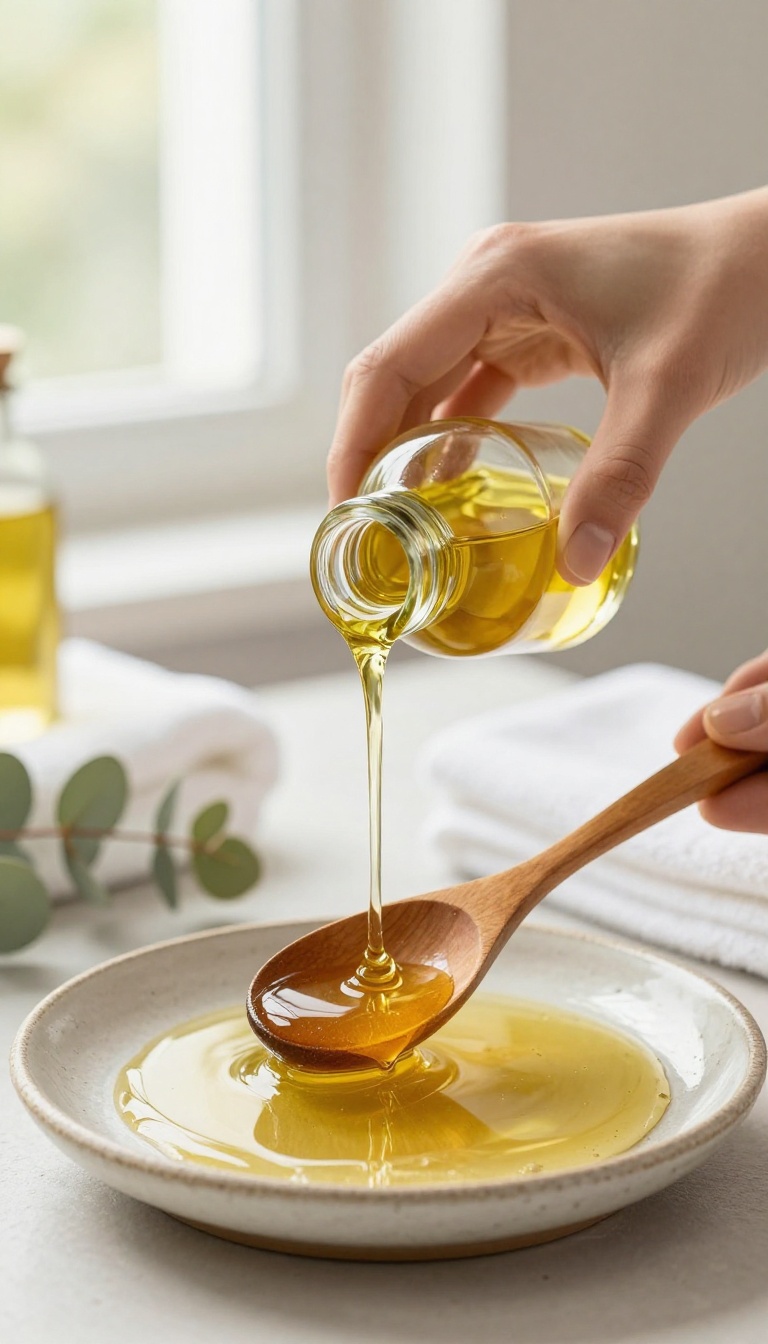
After all that scrubbing and masking, your skin is ready for some serious moisture. This simple blend of honey and olive oil is a classic Moroccan fix for dry, tight skin. It’s like a drink of water for your body, but way more luxurious.
Mix two tablespoons of raw honey with one tablespoon of olive oil. Warm it slightly so it spreads easily, then massage it all over your body. Leave it on for ten minutes while you relax, then rinse off in a warm shower.
Your skin will feel soft, smooth, and deeply nourished.
Why This Combo Works
Honey is a natural humectant, which means it pulls moisture into your skin. Olive oil is packed with healthy fats and vitamin E that repair and protect the skin barrier. Together, they’re a powerhouse duo that fights dryness and leaves a subtle, healthy glow.
How To Apply It Like A Pro
Warm the mixture slightly, but don’t overheat it. Apply in gentle, upward strokes, focusing on rough spots like elbows and knees. Let it sink in for 5–10 minutes, then rinse with lukewarm water.
Pat your skin dry—don’t rub—to lock in the moisture.
Customize It To Your Skin
Add a drop of lavender or orange blossom essential oil for a calming scent. If you have very dry skin, mix in a teaspoon of argan oil for extra nourishment. For a lighter texture, use less olive oil and more honey.
Adjust it to what feels best for you.
12. Dry Brush Before Your Shower
Before you even turn on the water, grab a dry brush and give your skin a few minutes of attention. This simple step wakes up your circulation and preps your body for the rest of your hammam-inspired routine. It's a small habit that makes a big difference in how your skin looks and feels.
Dry brushing is a classic hammam technique that boosts lymph flow and sheds dead skin cells, leaving you smoother and more energized. The key is to use gentle, circular motions and always brush toward your heart. Do this on dry skin before you step into the shower, and you'll notice your skin drinks up moisture better afterward.
Why Dry Brushing Works
Your lymphatic system relies on movement to flush out toxins, and dry brushing gives it a helping hand. The bristles stimulate blood flow and encourage cell renewal, which is why your skin looks brighter almost immediately. Plus, it's a great way to wake up your body in the morning.
How To Dry Brush Like A Pro
Start at your feet and work upward, using long strokes on your limbs and small circles on your belly and back. Keep the pressure light—you're not trying to scrub, just stimulate. Do this for about five minutes before your shower, and always follow with a moisturizer or body oil to lock in the benefits.
Pick The Right Brush
Look for a brush with natural bristles and a long handle so you can reach your back easily. Avoid synthetic bristles, which can be too harsh. If your skin is sensitive, opt for a softer brush and use even lighter pressure.
Rinse your brush weekly and let it air dry to keep it clean.
13. Use Saffron Infused Oil for Radiance
Saffron is more than a prized spice in Moroccan cuisine—it's a skincare treasure. When steeped in argan oil, it creates a golden elixir that brightens dull skin and adds a warm, healthy glow. The antioxidants in saffron help fight free radicals, while argan oil deeply nourishes, making this a must-try for a radiant complexion.
Making your own saffron-infused oil is simple. Just warm a few strands of saffron in a carrier oil like argan or jojoba, let it steep for a few days, and you have a luxurious treatment. Use it as a facial oil, a body moisturizer, or even a hair treatment for extra shine.
How To Make Saffron Argan Oil
Start with a high-quality argan oil and a pinch of saffron threads. Gently warm the oil (don't boil) and add the saffron. Let it sit in a cool, dark place for 3–5 days, shaking occasionally.
Strain if you prefer, or leave the threads in for a stronger infusion.
Ways To Use It
Apply a few drops to your face as a nightly serum, or mix it into your body lotion for an all-over glow. You can also massage it into your scalp to boost shine and vitality. A little goes a long way, so start with a small amount.
Why It Works
Saffron is packed with crocin and other antioxidants that help even out skin tone and reduce dullness. Argan oil is rich in vitamin E and fatty acids, which lock in moisture and support the skin barrier. Together, they create a powerful duo for radiant skin.
14. Apply Orange Blossom Water for a Calming Finish
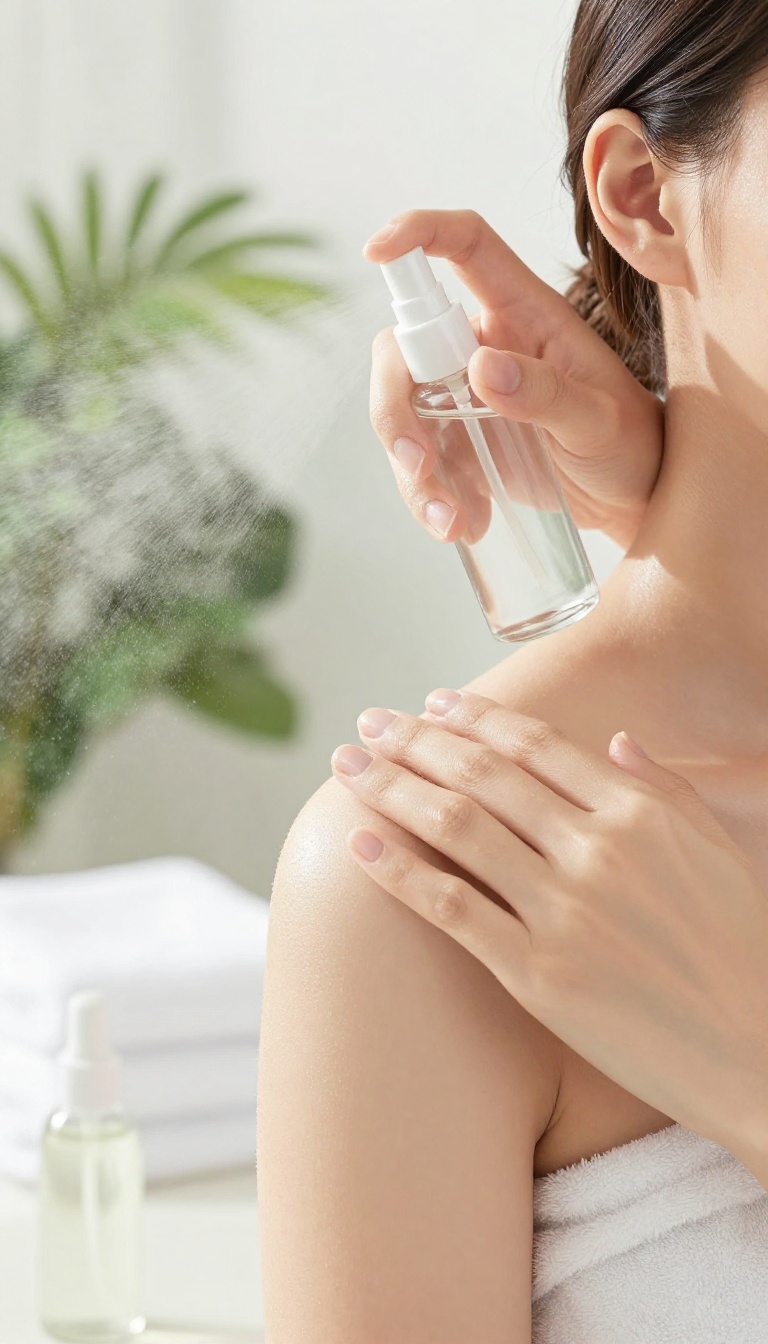
After a full hammam-inspired routine, your skin has been scrubbed, masked, and moisturized. The final step is all about calming both your skin and your senses. Orange blossom water, a staple in Moroccan homes, is the perfect way to seal in that fresh, dewy feeling.
It’s a light, fragrant mist that does more than just smell amazing—it helps your skin feel balanced and soothed.
Once you’ve finished your body care routine, give your skin a gentle spritz of orange blossom water. This natural toner helps tighten pores and leaves a soft, non-sticky finish. The floral scent is known for its relaxing properties, making it a great way to unwind after a long day.
You can also keep a bottle in the fridge for an extra cooling effect.
Why Orange Blossom Water Works
Orange blossom water is rich in antioxidants and has natural anti-inflammatory properties. It helps calm irritation and redness, making it ideal for sensitive skin. It also balances the skin’s pH, which can be disrupted after washing with hammam soap or exfoliating.
How To Use It
Pour a little into your palm and pat it onto your skin, or use a spray bottle for a fine mist. For a more intense treat, soak a cotton pad and swipe it over your body. You can also add a few drops to your bath water for a fragrant, calming soak.
When To Apply
The best time is right after you towel off, while your skin is still slightly damp. This helps lock in moisture and leaves a delicate scent that lingers. You can also reapply throughout the day as a refreshing pick-me-up, especially in hot weather.
15. Create a Coffee and Cocoa Scrub for Cellulite
Coffee isn't just for your morning pick-me-up—it's a powerhouse for your skin. When you combine it with cocoa powder and coconut oil, you get a scrub that wakes up your circulation and helps smooth out the look of cellulite. It's a simple DIY that feels like a treat, not a chore.
The caffeine in coffee is the star here. It helps constrict blood vessels, which can temporarily reduce the appearance of dimpled skin. Cocoa adds antioxidants and a rich scent, while coconut oil keeps things moisturizing.
Together, they make a scrub that's both effective and indulgent.
Why This Combo Works
Caffeine is a known temporary firming agent. It dehydrates fat cells, making them less visible. Cocoa powder is packed with flavonoids that fight free radicals.
Coconut oil provides a smooth base that lets the scrub glide over your skin without dragging.
How To Make It
In a bowl, mix 1/2 cup of ground coffee with 2 tablespoons of cocoa powder. Add 3 tablespoons of melted coconut oil and stir until it forms a thick paste. If it's too dry, add a bit more oil.
Store any leftovers in a jar for up to a week.
How To Use It
In the shower, apply the scrub to damp skin using circular motions. Focus on areas like thighs, hips, and buttocks. Let it sit for 5 minutes to let the caffeine absorb, then rinse with warm water.
Use it 2-3 times a week for best results.
16. Use a Clay and Mint Foot Soak
Your feet work hard all day, but they rarely get the attention they deserve. A simple soak with green clay and fresh mint can soften rough calluses and leave your soles feeling refreshed and light. This is a classic hammam trick that turns an ordinary foot bath into a mini spa ritual.
Green clay is known for its gentle detoxifying and softening properties, while mint adds a cooling, invigorating kick. Together, they help draw out impurities, ease tired muscles, and prep your feet for smoother skin. The best part?
You probably have most of the ingredients in your kitchen or can pick them up easily.
Why Green Clay And Mint Work
Green clay is rich in minerals that help soften tough skin and absorb excess oil. Mint contains menthol, which provides a natural cooling sensation that soothes tired, achy feet. The combination gently exfoliates and refreshes, leaving your feet feeling clean and revitalized.
How To Prepare The Soak
Fill a basin with warm water—enough to cover your feet comfortably. Add 2 to 3 tablespoons of green clay and a handful of fresh mint leaves (or a few drops of peppermint essential oil). Swirl the water to mix everything together, then soak your feet for 15 to 20 minutes.
For extra softening, add a tablespoon of sea salt.
Finish With A Gentle Scrub
After soaking, use a pumice stone or a foot file to gently buff away softened calluses. Rinse your feet with clean water and pat them dry. Follow up with a rich moisturizer or a few drops of argan oil to lock in the softness.
Your feet will feel like they just had a professional spa treatment.
17. Apply Prickly Pear Seed Oil for Extra Nourishment
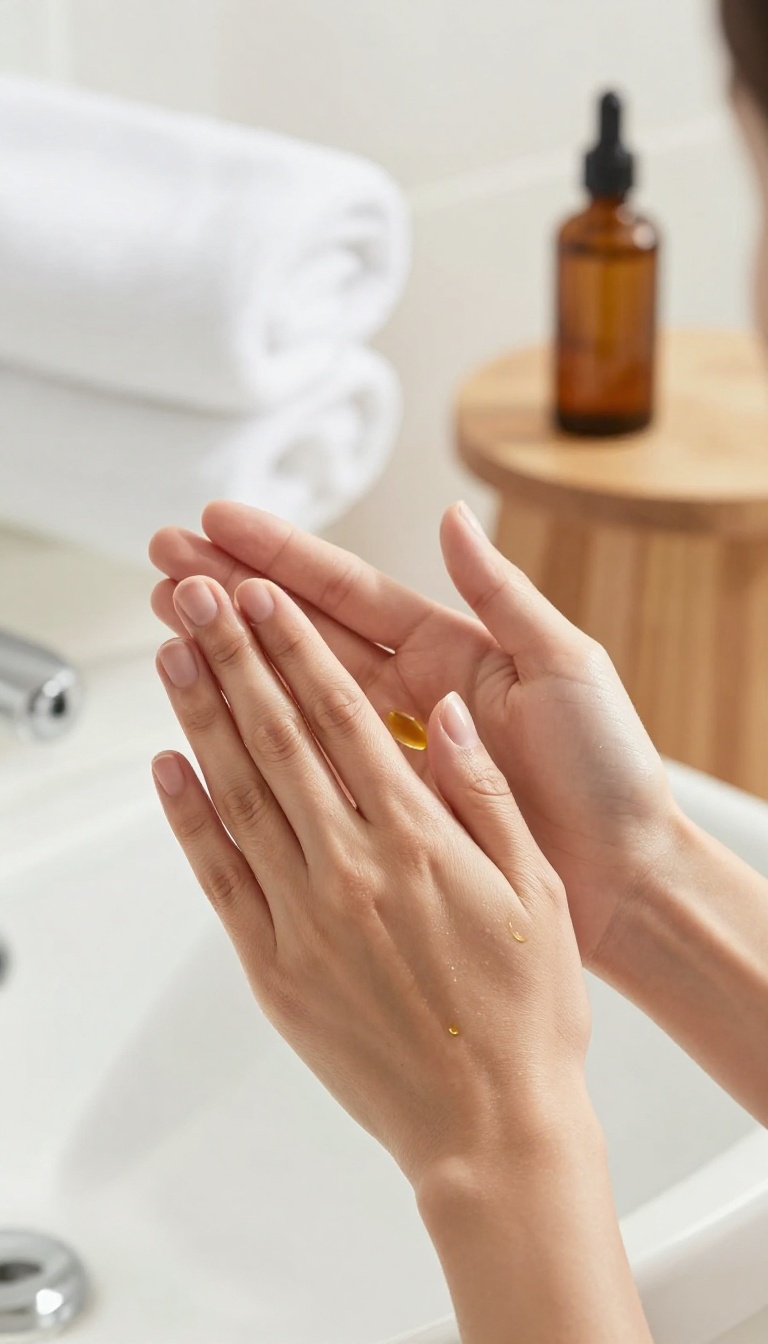
After all that scrubbing, steaming, and masking, your skin is primed to drink up rich botanicals. That's where prickly pear seed oil comes in—it's like a liquid gold finish that locks in all the good stuff. This oil has been a Moroccan beauty staple for centuries, and for good reason.
Prickly pear seed oil is pressed from the seeds of the cactus fruit, and it's incredibly rich in vitamin E and essential fatty acids. These nutrients work together to deeply regenerate and repair your skin, leaving it soft, supple, and visibly glowing. It's a luxurious final step that feels like a treat, not a chore.
Why Your Skin Craves It
Your skin's barrier can take a beating from exfoliation and environmental stressors. Prickly pear seed oil is packed with antioxidants that help calm inflammation and boost cell renewal. It's also non-comedogenic, so it won't clog your pores—just pure nourishment.
How To Apply It Like A Pro
Warm a few drops between your palms, then press gently onto your face and body. Do this right after a shower or hammam session, when your skin is still slightly damp. This helps seal in moisture and creates a dewy, healthy finish without feeling greasy.
Where To Find The Good Stuff
Look for cold-pressed, unrefined prickly pear seed oil from a reputable brand. It's a bit pricey, but a little goes a long way—one bottle can last months. You can also find it in many Moroccan beauty blends, but pure oil gives you the most control over your routine.
18. Steam Your Whole Body in a Hot Shower
Sometimes the simplest hammam trick is the one you already have at home: a hot shower. Letting the bathroom fill with steam for a few minutes mimics the humid heat of a traditional hammam, which works wonders for your skin and muscles. It’s an easy way to prep your body for the rest of your routine, and it costs nothing extra.
Steam is the unsung hero of the hammam experience. It softens the outer layer of your skin, making it easier to exfoliate and absorb moisture later. Plus, the warmth helps relax tense muscles, setting the stage for a truly restorative ritual.
Why Steam Matters
Steam opens up your pores and increases blood flow to the skin’s surface. This helps release trapped dirt and oil, and it also makes your skin more receptive to whatever you apply next. Think of it as a warm-up for your body care routine.
How To Do It Right
Turn the shower to hot, close the bathroom door, and let the water run for a few minutes before you step in. Stand in the steam for 5–10 minutes, letting the humidity work its magic. You don’t need a fancy steam room—your own bathroom will do.
Make It A Habit
Try to incorporate this steam session into your weekly routine, especially before a full hammam-inspired scrub. It’s a small step that makes a big difference in how smooth and glowing your skin feels afterward.
19. Use a Rose and Geranium Body Oil
Rose and geranium aren't just pretty scents—they're skin-soothing powerhouses. Rose helps calm irritation and lock in moisture, while geranium balances oil production and tones the skin. Together, they create a fragrant blend that feels like a spa treatment every time you apply it.
This body oil is your final step after a hammam-style shower. It seals in all the moisture from your steam and exfoliation, leaving your skin soft, supple, and lightly scented. The aroma also works wonders on your mood, making your post-shower routine feel like a mini escape.
Why Rose And Geranium Work So Well
Rose essential oil is packed with antioxidants and has natural anti-inflammatory properties. It helps reduce redness and dryness, making it perfect for sensitive skin. Geranium, on the other hand, is a natural astringent that helps tighten skin and balance moisture levels.
Together, they create a blend that's both healing and hydrating.
How To Make Your Own Blend
Mix 5 drops of rose essential oil and 3 drops of geranium essential oil into 2 tablespoons of a carrier oil like jojoba, sweet almond, or argan oil. Argan oil is a great choice here—it's a classic Moroccan ingredient that adds extra nourishment. Shake well before each use.
Best Time To Apply
Apply the oil right after you step out of the shower while your skin is still slightly damp. This helps trap the moisture and allows the oil to absorb more deeply. Massage it in using upward strokes toward your heart to boost circulation and lymphatic drainage.
20. Practice the Traditional Hammam Sequence
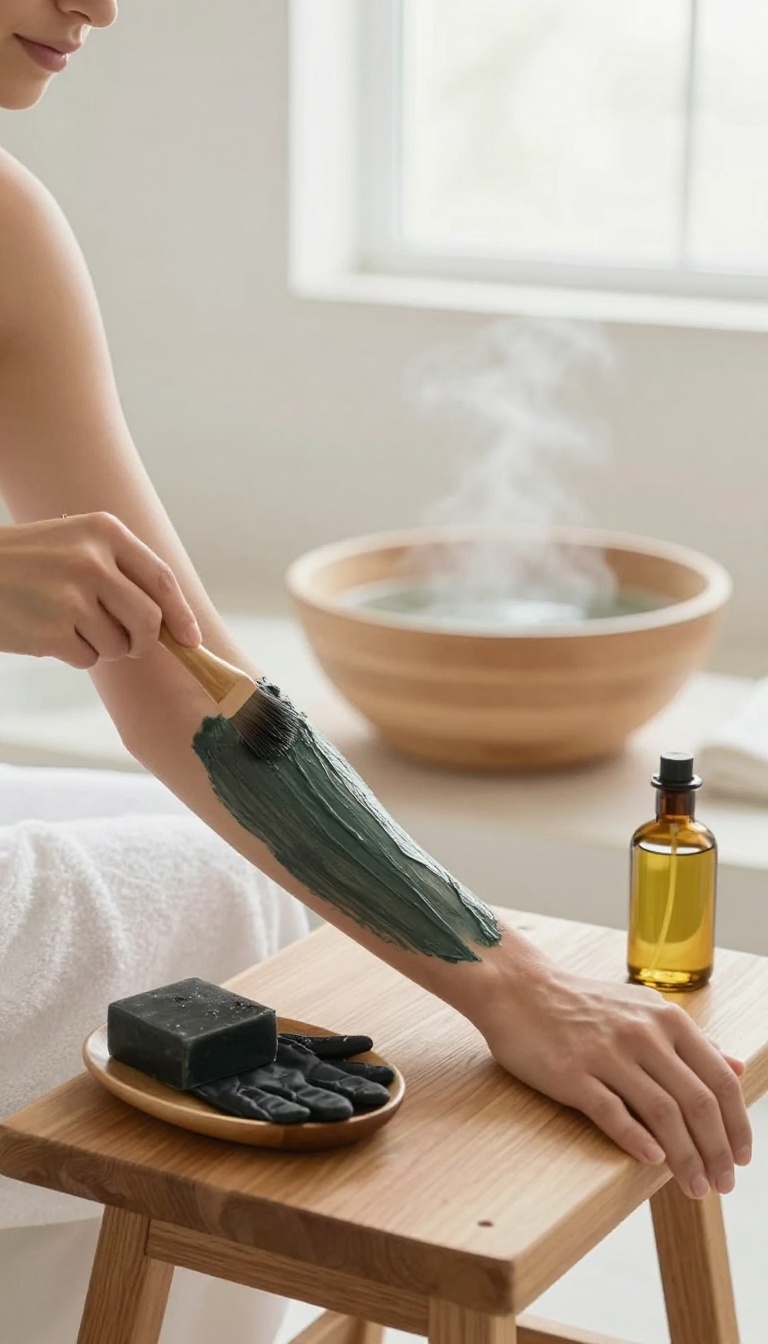
There's a reason the hammam ritual has been passed down for generations—it works. The magic isn't in any single step but in the order, which builds on itself to transform your skin. Once you experience the full sequence, you'll understand why it's so beloved.
The traditional hammam is a multi-step process that starts with steam and ends with deep hydration. Each step prepares your skin for the next, so don't skip ahead. Take your time and enjoy the ritual—it's as much about relaxation as it is about results.
Start With Steam
The steam is the foundation. It opens your pores and softens dead skin cells, making everything that follows more effective. If you don't have a steam room, just run a hot shower and let the bathroom fill with steam for 10–15 minutes before you begin.
Apply Black Soap
Black soap is a gel-like paste made from olive oil and eucalyptus. Massage it all over your body and let it sit for 5–10 minutes. It's not a cleanser—it's a pre-treatment that preps your skin for exfoliation.
The eucalyptus also helps open your airways.
Scrub With A Kessa Glove
This is the heart of the hammam. Using a rough kessa glove, scrub your skin in long, firm strokes from your extremities toward your heart. You'll see rolls of dead skin come off—that's the satisfying proof it's working.
Focus on rough areas like elbows and knees.
Mask And Moisturize
After rinsing off the soap and dead skin, apply a ghassoul clay mask to draw out impurities. Let it dry, then rinse. Finish by patting your skin dry and sealing in the glow with argan oil.
Your skin will feel unbelievably smooth and nourished.
FAQ
What is a kessa glove and how do I use it?
A kessa glove is a rough, textured mitt used in Moroccan hammams for exfoliation. To use it, soak it in warm water, apply black soap to your skin, then scrub in long, firm strokes to remove dead skin cells.
Can I use black soap on sensitive skin?
Yes, black soap is generally gentle, but if you have very sensitive skin, do a patch test first. It contains natural ingredients like olive oil and eucalyptus, which are soothing, but you can also dilute it with water before applying.
How often should I do a hammam-inspired routine?
Once a week is ideal for most people. Over-exfoliating can strip your skin of natural oils, so give your skin time to renew between sessions.
What is ghassoul clay and where can I find it?
Ghassoul, also called rhassoul, is a mineral-rich clay from Morocco’s Atlas Mountains. You can find it online or in specialty stores. Mix it with water or rosewater to create a paste for masks and body wraps.
Can I substitute argan oil with another oil?
Argan oil is unique, but if you don’t have it, you can use jojoba, sweet almond, or even olive oil as a moisturizer. Just make sure it’s cold-pressed and unrefined for the best benefits.
Conclusion
These Moroccan body care secrets aren’t just about looking good—they’re about slowing down and giving your skin the attention it deserves. Whether you try one ritual or go all in with the full hammam sequence, your skin will thank you. Start with a few of these tips and see how they transform your routine.
You might find that the simple act of caring for your body becomes your favorite part of the day. So go ahead, treat yourself to that glow.