
Chasing that all-over glow doesn't have to mean a complicated routine or a big budget. Sometimes, it's just about picking the right products that actually work with your skin's needs.
From gentle exfoliators to deeply hydrating butters, these 25 body care picks cover the essentials without the guesswork. Whether you're dealing with dry patches, dullness, or just want to switch up your shower lineup, there's something here that fits.
Let's find your new favorites and get your skin feeling its best.
1. A Gentle but Effective Body Scrub
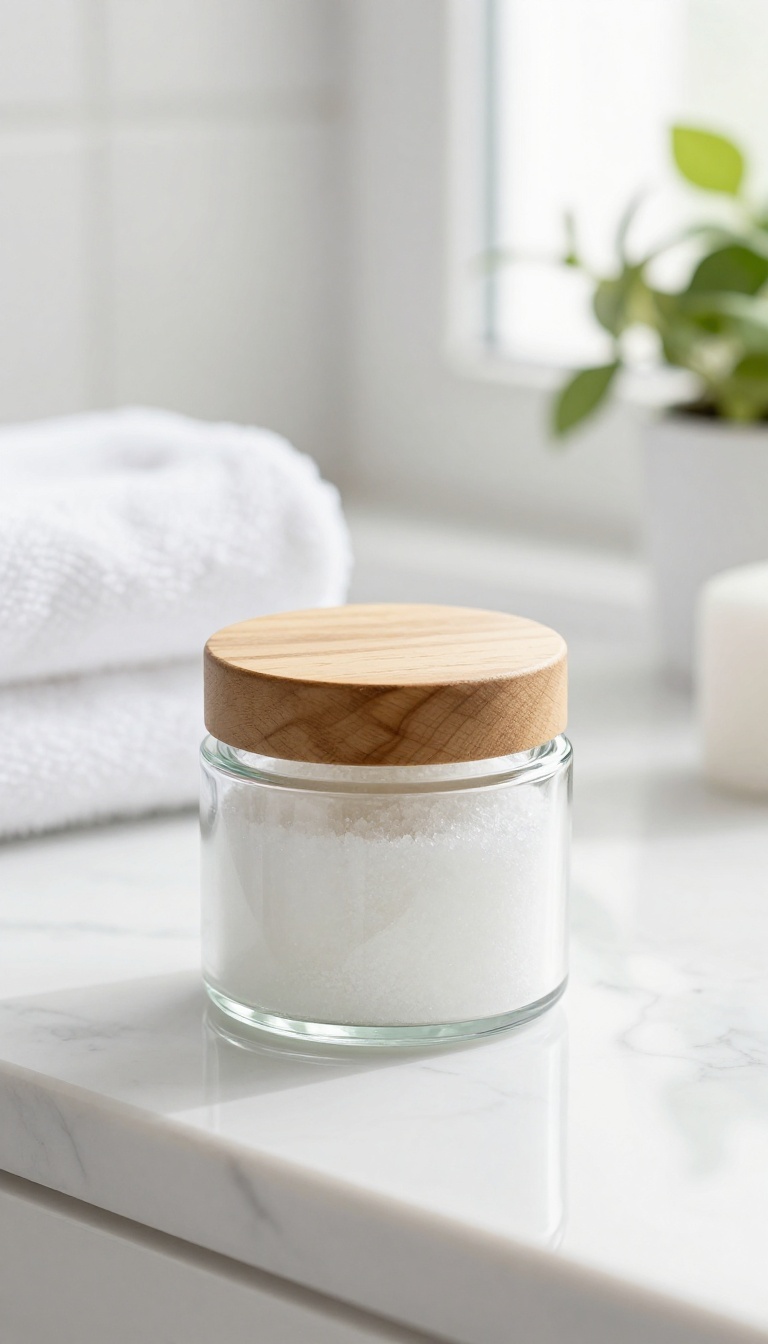
Exfoliating is the fastest way to reveal smoother, more radiant skin, but not all scrubs are created equal. The right one should feel like a mini spa treatment, not a harsh rubdown. That's why a gentle but effective body scrub is the perfect first step in your glow-up routine.
A good body scrub does more than just slough off dead skin cells. It boosts circulation, helps your moisturizer sink in deeper, and leaves your skin with an instant, healthy-looking sheen. The trick is choosing a formula with fine, dissolving particles—think sugar or jojoba beads—that polish without scratching.
Your skin should feel soft and refreshed, never tight or irritated.
Why Exfoliation Matters
Dead skin cells can make your complexion look dull and rough, no matter how much lotion you use. Regular exfoliation (about two to three times a week) clears the way for fresh, new skin cells to surface. That's what gives you that lit-from-within glow.
Plus, it helps prevent ingrown hairs and keeps your skin looking even-toned.
What To Look For
Scan the ingredient list for gentle exfoliants like sugar, salt, or finely ground oatmeal. Avoid scrubs with crushed nutshells or large, jagged particles that can cause micro-tears. Also, look for nourishing extras like shea butter, coconut oil, or jojoba oil to keep your skin hydrated while you scrub.
A creamy base is a good sign—it means the scrub will glide on smoothly.
How To Use It Right
Use your scrub on damp skin in the shower, focusing on rough areas like elbows, knees, and heels. Massage in gentle, circular motions for about a minute, then rinse thoroughly. Follow up with a body moisturizer while your skin is still slightly damp to lock in the hydration.
Don't overdo it—your skin will tell you if you're being too rough.
2. A Hydrating Body Wash with Ceramides
Your shower gel might be doing more harm than good if it leaves your skin feeling tight and itchy. Many traditional body washes rely on harsh sulfates that strip away natural oils, leaving the skin barrier compromised. That's where a ceramide-infused cleanser changes the game.
Ceramides are lipid molecules that act like the glue holding your skin cells together. When they're present in a body wash, they help replenish what's lost during cleansing, so you get a deep clean without the dryness. The result?
Skin that feels soft, smooth, and comfortable right out of the shower.
A hydrating body wash with ceramides is a smart swap for anyone with dry, sensitive, or easily irritated skin. Unlike basic cleansers, these formulas focus on maintaining moisture while washing away dirt and sweat. They're especially useful in colder months when the air is dry and your skin needs extra support.
Look for body washes that list ceramides near the top of the ingredient list, often alongside hydrating heroes like hyaluronic acid or glycerin. Many also include soothing agents like oat extract or aloe to calm redness and prevent that uncomfortable post-shower tightness. The texture is usually creamy rather than foamy, which helps the product glide on and rinse off without leaving a residue.
Why Ceramides Matter
Your skin barrier is the outermost layer that keeps moisture in and irritants out. When it's compromised, you can experience dryness, flakiness, and even breakouts. Ceramides help rebuild that barrier, making your skin more resilient over time.
Using a body wash with ceramides is like giving your skin a daily dose of reinforcement, so it's better equipped to handle environmental stressors.
How To Choose The Right One
Not all ceramide body washes are created equal. Check for a formula that's free of sulfates and fragrances if you have sensitive skin. Look for additional moisturizing ingredients like shea butter or squalane to boost hydration.
If you prefer a richer lather, some options still foam nicely while being gentle, so you don't have to sacrifice that shower experience.
How To Use It For Best Results
For maximum benefit, use lukewarm water instead of hot, which can strip moisture. Massage the body wash onto damp skin, let it sit for a minute so the ceramides can sink in, then rinse thoroughly. Pat your skin dry with a towel—don't rub—and follow up with a moisturizer while your skin is still slightly damp to lock in hydration.
3. A Brightening Vitamin C Body Lotion
Vitamin C isn't just for your face. This body lotion brings the same brightening power to your arms and legs, helping to fade dark spots and even out your skin tone. It's like a daily dose of glow that sinks in fast, without any sticky residue.
This lotion pairs vitamin C with hydrating ingredients like shea butter and glycerin, so you get both brightness and moisture in one step. Over time, it helps reduce the look of sun spots and post-acne marks, leaving your skin looking more uniform and radiant. Use it every morning before sunscreen for best results.
Why Vitamin C Works On The Body
Your body is exposed to the same sun and environmental stressors as your face, so it can develop uneven tone and dullness too. Vitamin C is a powerful antioxidant that neutralizes free radicals and inhibits melanin production, which helps fade existing spots and prevent new ones from forming. It also boosts collagen, keeping skin firm and smooth.
How To Use It For Best Results
Apply the lotion right after showering when your skin is still slightly damp. This helps lock in moisture and allows the vitamin C to absorb more effectively. Use it daily, and don't forget to apply sunscreen over it during the day, as vitamin C can make your skin more sensitive to the sun.
For extra glow, pair it with a gentle physical exfoliator once or twice a week.
What To Look For In A Formula
Not all vitamin C body lotions are created equal. Look for a stable form of vitamin C, like ascorbic acid or magnesium ascorbyl phosphate, and check that it comes in an opaque or airtight container to prevent oxidation. Also, consider a formula with added soothing ingredients like aloe or niacinamide to avoid irritation, especially if you have sensitive skin.
4. A Non-Greasy Sunscreen for Body
Sunscreen is the ultimate glow booster, but many skip it because of the sticky, heavy feel. The trick is finding a formula that disappears into skin while still offering solid protection. A good body SPF should feel like nothing—just a light veil that lets your natural radiance show through.
When you find the right one, applying SPF becomes a no-brainer step in your daily routine. It’s the kind of product that works quietly in the background, preventing sun damage that can dull your glow over time. Plus, modern formulas have come a long way—no more chalky residue or greasy film.
Why Spf Matters For Glow
Sun exposure is the number one culprit behind uneven tone and premature aging. Even on cloudy days, UV rays can cause damage that shows up as dullness and dark spots. Daily SPF keeps your skin’s surface smooth and bright, so your glow isn’t sabotaged by the sun.
What To Look For
Aim for a broad-spectrum sunscreen with at least SPF 30. Look for lightweight, fast-absorbing textures—think gels, fluids, or sprays. Ingredients like hyaluronic acid or glycerin can add a touch of hydration, while niacinamide helps even out skin tone.
Avoid heavy oils that sit on top.
How To Apply Without The Mess
Apply generously to clean, dry skin about 15 minutes before heading out. Use a shot glass amount for your whole body, and don’t forget often-missed spots like your neck, ears, and the tops of your feet. Reapply every two hours if you’re outdoors, especially after swimming or sweating.
5. A Rich Body Butter for Deep Moisture
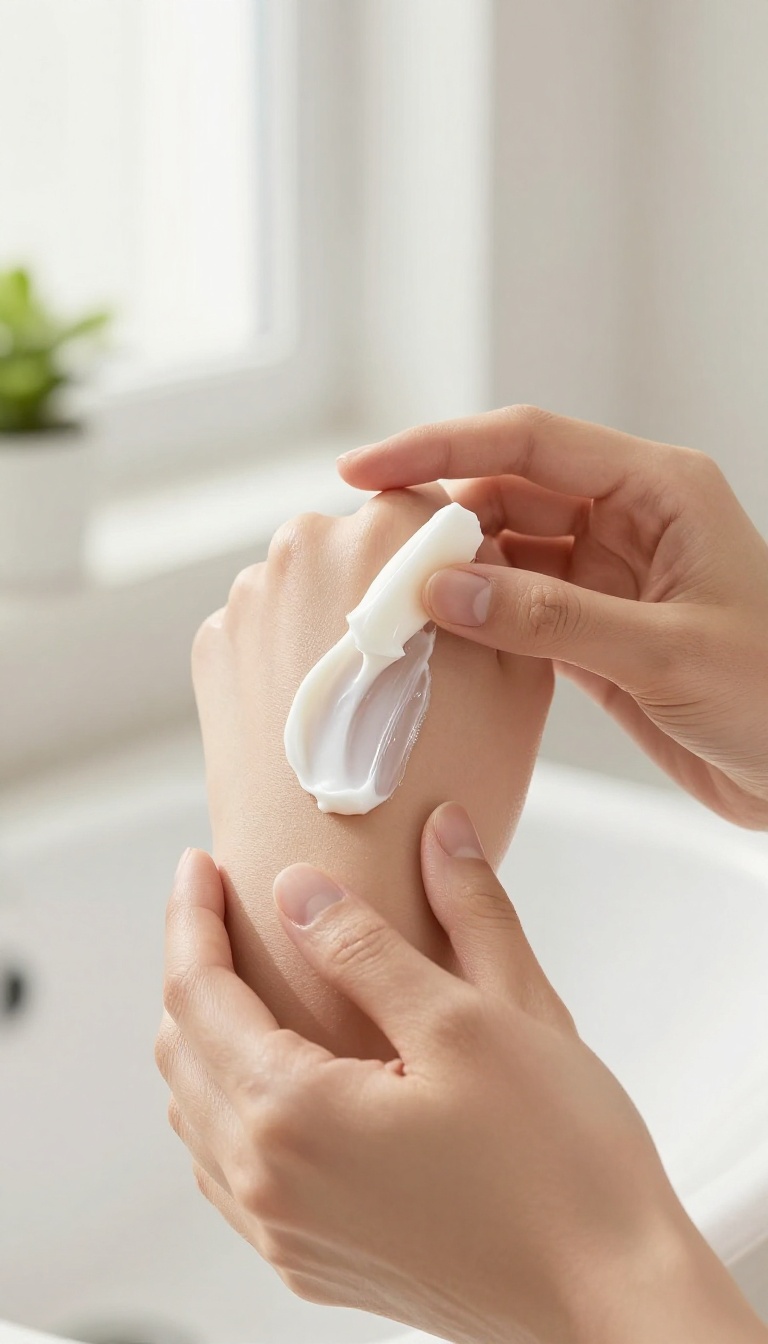
Some areas of your body need more than a standard lotion. Elbows, knees, and heels can get rough and stubborn, especially in colder months. A rich body butter is the answer—it's thicker, more nourishing, and designed to lock in moisture where you need it most.
With ingredients like shea and cocoa butter, these formulas melt into the skin and create a barrier that keeps dryness at bay for hours.
Body butters are the heavy lifters of the body care world. They're packed with emollients that soften and smooth, making them perfect for targeting those extra-dry zones. The key is to apply them right after a shower when your skin is still slightly damp—this helps trap moisture and boosts their effectiveness.
Look for butters that absorb well without leaving a greasy residue, so you can get dressed without feeling sticky.
Why Shea And Cocoa Butter Work
Shea butter is rich in vitamins A and E, which help repair and protect the skin barrier. Cocoa butter is known for its deep conditioning properties and its ability to improve elasticity. Together, they create a powerful combo that softens rough patches and keeps skin supple.
These natural ingredients are also gentle enough for sensitive skin, making them a safe bet for most body types.
How To Apply For Best Results
For maximum hydration, apply body butter within a few minutes of stepping out of the shower. Gently pat your skin dry, then massage a generous amount onto damp skin, focusing on areas like elbows, knees, and heels. Use upward strokes to help with absorption and circulation.
A little goes a long way, so start with a small amount and add more if needed.
Choosing The Right Formula
Not all body butters are created equal. Some are whipped and light, while others are dense and ultra-rich. If you have very dry skin, go for a thicker formula with ingredients like jojoba oil or glycerin.
For normal to combination skin, a whipped butter might be enough. Always check the label for fragrance and essential oils if you're sensitive—unscented versions are often the safest choice.
6. A Refreshing Body Mist for a Quick Pick-Me-Up
Some days need a little extra boost, and a body mist can be that easy pick-me-up. It's not just about scent—a good mist hydrates on the go and leaves a subtle glow that catches the light. Keep one in your bag or on your desk for a quick refresh that feels like a mini spa break.
Body mists are often overlooked, but they're perfect for layering fragrance or just adding a dewy finish to your skin. Unlike heavy lotions, they're light and absorb quickly, making them ideal for hot days or post-gym touch-ups. Look for formulas with hydrating ingredients like glycerin or aloe to get both moisture and a fresh scent.
Why A Mist Works
A mist is more than a perfume—it's a hydrating veil that sinks in fast. The fine spray covers large areas evenly, so you don't miss spots. Plus, the cooling sensation is a bonus on warm days or after a workout.
How To Use It
Spritz from about six inches away after showering or whenever you need a lift. For an extra glow, apply a light layer of body oil first, then mist on top. You can also use it to set your body lotion or just refresh your scent midday.
Choosing The Right Scent
Pick a mist that matches your vibe—fresh and citrusy for energy, floral for a soft touch, or warm and woody for evenings. Since it's lighter than perfume, you can reapply without overwhelming yourself or others.
7. A Chemical Exfoliant Spray for Hard-to-Reach Areas
Your back and shoulders often get neglected, but they deserve the same smooth, glowing treatment as the rest of your body. A chemical exfoliant spray makes it easy to reach those tricky spots without twisting into a pretzel. Plus, it helps prevent breakouts and keeps skin looking even and bright.
Sprays are a game-changer for body exfoliation. They allow you to apply active ingredients like AHAs or BHAs evenly across large areas, especially where your hands can't easily go. The fine mist also means no sticky residue, so you can get dressed quickly after application.
Why A Spray Works For Body Exfoliation
Traditional scrubs can be messy and hard to apply on your back. A spray delivers a consistent layer of exfoliating acids without the friction. AHAs like glycolic acid help smooth rough patches, while BHAs like salicylic acid dive into pores to clear out the gunk that causes body breakouts.
How To Use It For Best Results
After showering, pat your skin dry and spray the product evenly over your back and shoulders. Let it absorb for a minute, then follow with a moisturizer. Start with a few times a week, especially if you're new to acids, and always wear sunscreen during the day since AHAs can increase sun sensitivity.
Who Should Try This
If you struggle with back acne, keratosis pilaris, or just dull-looking skin on your torso, this is your fix. It's also great for those who have trouble reaching behind them due to flexibility issues. Just steer clear if you have broken skin or are on certain acne medications—check with your derm first.
8. A Firming Body Oil with Antioxidants
Body oils have come a long way from greasy, heavy formulas that take forever to soak in. Today's dry oils feel light, absorb fast, and leave a soft, satiny finish that catches the light just right. If you want that lit-from-within glow without the sticky residue, a firming body oil with antioxidants is a game-changer.
These oils work by nourishing the skin with fatty acids and vitamins that support elasticity and smoothness. Jojoba and argan oil are standouts—they mimic your skin's natural sebum, so they moisturize deeply without clogging pores. Over time, regular use can help improve skin tone and firmness, especially on areas like thighs, arms, and belly.
Why Antioxidants Matter
Antioxidants like vitamin E and green tea extract fight free radicals from sun and pollution, which can break down collagen and lead to sagging. By neutralizing that damage, these oils help keep skin looking plump and youthful. Plus, they boost the oil's protective benefits, so your skin stays healthier longer.
How To Apply For Best Results
The trick is to apply on slightly damp skin right after a shower. Warm water opens pores, and the oil locks in that moisture, making the skin feel extra soft. Massage in upward strokes toward your heart to encourage circulation and lymphatic drainage.
A few drops go a long way—start small and add more if needed.
Picking The Right Formula
Look for oils labeled "dry" or "quick-absorbing" to avoid that greasy feel. Check the ingredient list for jojoba, argan, or rosehip oil as the base, and skip anything with added fragrance if you have sensitive skin. A little goes a long way, so a bottle can last months—worth the splurge.
9. A Soothing After-Sun Gel
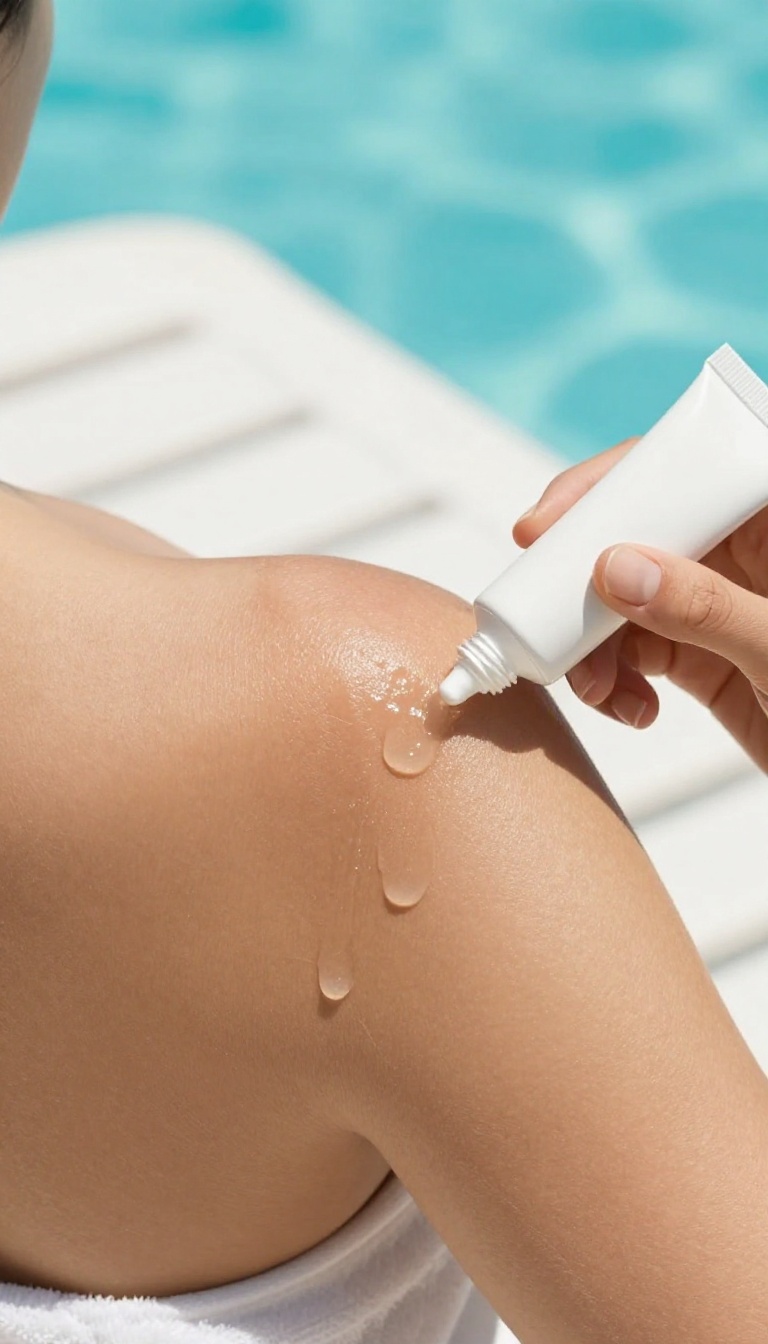
A day in the sun can leave your skin feeling hot, tight, and a little angry. That's where an after-sun gel steps in. It's not just about relief—it's about helping your skin bounce back faster.
These lightweight gels are packed with aloe vera and cooling agents that calm redness and rehydrate sun-exposed skin. They're the perfect post-beach or post-pool treat.
When you've had too much sun, your skin craves soothing and hydration. An after-sun gel delivers both without the heaviness of a cream. It absorbs quickly, so you can get dressed without waiting around.
Look for formulas with aloe vera, cucumber extract, or menthol for that instant cooling effect. They help reduce inflammation and lock in moisture, so your skin recovers more comfortably.
Why Your Skin Needs It
Sun exposure strips moisture and triggers inflammation. A gel with aloe vera and cooling agents calms the heat, reduces redness, and replenishes hydration. It's a simple step that makes a big difference in how your skin feels and looks.
How To Choose The Right One
Skip anything with alcohol or heavy fragrance—they can irritate sun-stressed skin. Instead, go for fragrance-free gels with soothing ingredients like aloe, cucumber, or chamomile. A lightweight, non-greasy texture is key for comfortable wear.
When And How To Apply
Apply generously after showering or whenever your skin feels warm. Massage it in gently, focusing on the areas that got the most sun. Reapply as needed, especially if you're spending more time outdoors or if your skin still feels hot.
10. A Body Serum with Hyaluronic Acid
Your face gets all the serum love, but your body can use the same hydrating boost. A body serum with hyaluronic acid is a lightweight way to deliver moisture deep into the skin without any greasy residue. It's perfect for when you want that plump, dewy look from head to toe.
Body serums are the underrated heroes of a glow routine. They're packed with active ingredients that target hydration, and hyaluronic acid is a superstar because it holds up to 1, 000 times its weight in water. That means your skin gets a serious drink of moisture, which helps smooth out rough patches and leaves a soft, luminous finish.
Use it right after a shower while your skin is still slightly damp, then lock it in with a moisturizer or body oil.
Why Hyaluronic Acid Works Everywhere
Hyaluronic acid is a naturally occurring molecule in your skin that keeps it plump and hydrated. As we age, levels drop, so adding it back through a serum helps your skin look and feel more supple. On the body, it's especially great for areas that get dry and flaky, like elbows, knees, and shins.
It's also water-based, so it absorbs fast and won't clog pores or feel sticky.
How To Layer It For Best Results
For maximum glow, apply the serum on damp skin after washing. Let it sink in for a minute, then follow with a body lotion or cream to seal in the moisture. You can also mix a few drops into your favorite body butter for an extra hydration kick.
Use it morning and night, and you'll notice smoother, softer skin within a week.
Who Should Try This
If your skin feels tight after a shower, looks dull, or just doesn't hold onto moisture well, this is a game-changer. It's also great for anyone who hates heavy body creams but still wants serious hydration. Even if you have oily skin, a lightweight serum won't weigh you down—it just adds that healthy glow.
11. A Coffee-Infused Scrub for Cellulite
Cellulite is a common concern, and while no product can completely erase it, a coffee-infused scrub can help temporarily tighten and smooth the skin. The caffeine in coffee is known for its ability to constrict blood vessels and reduce fluid retention, which can minimize the appearance of dimples. Plus, the physical exfoliation buffs away dead skin cells, leaving your skin feeling softer and looking more even.
Using a coffee scrub a few times a week can be a simple addition to your shower routine. It’s not a miracle cure, but it can give your skin a temporary boost in firmness and texture. Look for scrubs with finely ground coffee and nourishing oils like coconut or jojoba to avoid irritation.
Massage in circular motions on damp skin, focusing on areas like thighs and buttocks, then rinse thoroughly.
How Caffeine Works On Skin
Caffeine is a vasoconstrictor, meaning it narrows blood vessels. This can help reduce puffiness and temporarily tighten the skin, which may make cellulite less noticeable. It also has antioxidant properties that can protect skin from damage.
While the effect is temporary, regular use can keep your skin looking smoother and more toned.
Choosing The Right Scrub
Not all coffee scrubs are created equal. Opt for one with fine to medium grounds to avoid micro-tears. Check the ingredient list for hydrating bases like shea butter or glycerin to prevent dryness.
Avoid scrubs with harsh synthetic beads or excessive fragrance, which can irritate sensitive skin. A good scrub should feel gritty but not painful.
How To Use It For Best Results
Use the scrub 2-3 times a week on damp skin, preferably in the shower. Apply with your hands or a mitt, massaging in upward circular motions for about 2-3 minutes. Focus on problem areas but don't overdo it—too much scrubbing can cause redness.
Rinse with warm water and follow with a moisturizer to lock in hydration. For best results, pair with a healthy diet and exercise, which can also help reduce the appearance of cellulite.
12. A pH-Balanced Body Cleanser
Your skin has a natural pH that keeps its barrier strong and happy. When you wash with harsh soaps, that balance gets thrown off, leaving you tight, itchy, or flaky. A pH-balanced body cleanser works with your skin, not against it, so you come out of the shower feeling clean but not stripped.
Choosing a pH-balanced formula is a small switch that makes a big difference. It cleanses without disrupting your skin's acid mantle, which is your first line of defense against irritation and dryness. Look for cleansers labeled "pH-balanced" or those with a pH around 5.
5, which is close to your skin's natural level.
Why Ph Matters
Your skin's acid mantle sits at a pH of around 4. 5 to 5. 5.
Many traditional soaps are alkaline, with a pH of 9 or higher, which can strip away natural oils and upset the balance. This leads to dryness, sensitivity, and even breakouts. A pH-balanced cleanser helps maintain that protective barrier, keeping your skin calm and hydrated.
What To Look For
Check the label for terms like "pH balanced" or "gentle" and aim for a pH around 5. 5. Ingredients like glycerin, ceramides, and aloe vera help maintain moisture.
Avoid sulfates and heavy fragrances that can be irritating. Gel, cream, or oil-based formulas all work, so pick the texture you enjoy.
How To Use It
Use it like your regular body wash, but don't overdo it. A small amount on a loofah or your hands is enough. Massage gently, then rinse with lukewarm water.
Pat your skin dry with a towel—don't rub—and follow up with a moisturizer while your skin is still slightly damp to lock in hydration.
13. A Niacinamide Body Lotion for Texture
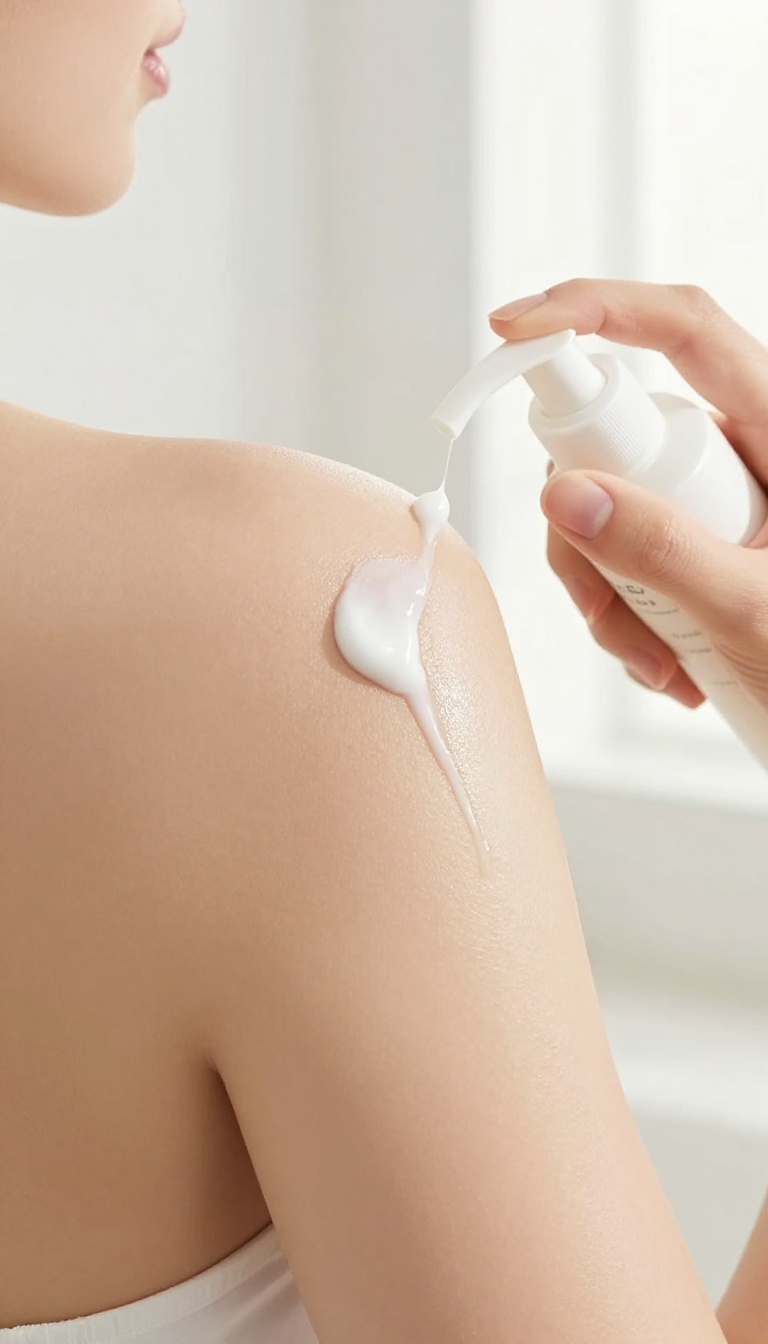
Uneven skin texture on the body is often overlooked, but it can be just as noticeable as on the face. A niacinamide body lotion tackles this head-on, helping to smooth rough areas and refine the look of pores. It's a simple swap that can make a big difference in how your skin feels and looks.
Niacinamide, also known as vitamin B3, is a multitasking ingredient that works wonders for texture. It helps boost the skin's natural barrier, which in turn locks in moisture and keeps irritants out. Over time, it can visibly reduce the appearance of bumps and unevenness, leaving your skin feeling softer and looking more uniform.
Why Niacinamide Works
Niacinamide helps regulate oil production and supports the skin's ceramide levels, which are essential for a healthy barrier. A stronger barrier means less water loss and a smoother surface. It also has anti-inflammatory properties, so it's great for calming areas prone to redness or irritation.
How To Use It
For best results, apply the lotion right after showering while your skin is still slightly damp. This helps lock in extra hydration. Focus on areas that feel rough or look uneven, like elbows, knees, and the backs of your arms.
Use it daily, and you'll start to notice a smoother texture within a few weeks.
What To Look For
Choose a body lotion with a niacinamide concentration of around 2-5% for effective yet gentle results. Also, look for formulas that include other hydrating ingredients like glycerin or shea butter to keep your skin comfortable. Avoid products with added fragrance if your skin is sensitive.
14. A Self-Tanner for a Sun-Kissed Glow
A gradual self-tanner lets you build a natural-looking tan without sun damage, giving you that all-over glow safely. It's the perfect way to fake a vacation glow, even if you're just heading to the office. With a little practice, you can achieve a streak-free, believable tan that fades evenly.
If you're new to self-tanning, start with a gradual formula. These are foolproof and build color slowly, so you can control the depth of your tan. Apply it after showering on exfoliated skin, focusing on dry areas like elbows and knees.
For a more intense color, you can layer it over a few days. Remember to wash your hands after application to avoid orange palms.
How To Choose The Right Shade
Pick a shade that matches your skin tone. Fair skin should go for a light or medium tone, while deeper skin can handle a dark or ultra-dark formula. When in doubt, start lighter—you can always build up.
Look for a product with a guide color so you can see where you've applied it, which helps avoid missed spots.
Application Tips For A Streak-free Finish
Exfoliate and moisturize dry areas before applying. Use a mitt or gloves for even coverage, and blend in circular motions. Don't forget your hands, feet, and the backs of your knees.
Wait until you're completely dry before getting dressed, and avoid sweating for a few hours. Shower off the next day to reveal your glow.
Maintaining Your Glow
To keep your tan looking fresh, moisturize daily and reapply every few days. Use a gentle body wash that won't strip the color. Exfoliate lightly between applications to ensure even fading.
If you notice any patchiness, a tan remover can help you start fresh.
15. A Hand Cream That Actually Works
Hands often get the short end of the stick when it comes to skincare, but they're constantly exposed to the elements. A good hand cream can make a world of difference, especially if you're prone to dryness or cracking. The key is to look for ingredients that truly hydrate and repair, not just a pretty scent.
What To Look For
Urea and glycerin are your best friends here. Urea helps draw moisture into the skin and gently exfoliates rough patches, while glycerin is a humectant that locks in hydration. Avoid heavily fragranced creams if your hands are sensitive—they can sting or irritate.
How To Apply For Best Results
Apply hand cream right after washing your hands, while your skin is still slightly damp. This helps seal in extra moisture. Don't forget the backs of your hands and your cuticles—they need love too.
For an overnight treat, slather on a thick layer and wear cotton gloves to bed.
Top Picks To Try
Look for hand creams with at least 10% urea, like the CeraVe Therapeutic Hand Cream, or a glycerin-rich formula like Neutrogena's Norwegian Formula. Both are fragrance-free and dermatologist-approved. If you prefer something more luxurious, the L'Occitane Shea Butter Hand Cream is a classic that never disappoints.
16. A Foot Mask for Smooth Soles
Your feet work hard all day, but they rarely get the same TLC as the rest of your body. A foot mask is an easy way to give them some extra attention, especially if you're dealing with rough patches or calluses. These masks come in two main types: nourishing ones that hydrate and soften, and peel-off formulas that help shed dead skin over a few days.
Both can leave your soles feeling noticeably smoother and looking healthier.
Using a foot mask is simple, but a few tips can help you get the most out of it. First, wash and dry your feet before putting on the mask. Then, slip on the bootie-style masks and let them sit for the recommended time, usually 20 to 30 minutes.
After removing them, massage any leftover serum into your skin. For peel-off masks, expect peeling to start in a few days—just let it happen naturally, and don't pull at the skin. For best results, use a foot mask once a week or as needed.
Pair it with a good moisturizer or foot cream daily to keep your feet soft between treatments. If you have sensitive skin or any open wounds, do a patch test first or check with a dermatologist.
Nourishing Vs. Peel-off Masks
Nourishing foot masks are packed with hydrating ingredients like shea butter, glycerin, or hyaluronic acid. They work instantly to soften dry skin and are great for a quick refresh. Peel-off masks, on the other hand, contain exfoliating acids like lactic or glycolic acid that help shed dead skin over several days, revealing smoother skin underneath.
Choose based on your needs: go nourishing if you want immediate softness, or peel-off if you're dealing with thicker calluses.
How To Use A Foot Mask
Start with clean, dry feet. Put on the bootie masks and secure them at the ankle. Leave them on for the time specified on the package—usually 20 to 30 minutes.
After removing, massage any remaining serum into your feet. For peel-off masks, you might notice peeling starting in a few days; let it happen naturally and avoid pulling at the skin. Use a nourishing foot cream in the days after to keep the results lasting longer.
When To Reach For A Foot Mask
Foot masks are perfect for a weekly self-care ritual, especially if you're on your feet a lot or wear sandals in warmer months. They're also great before a pedicure or a special event when you want your feet to look their best. If you have very dry, cracked heels, a peel-off mask can be a game-changer, but for everyday maintenance, a nourishing mask is a gentle, effective choice.
17. A Body Cleansing Balm for Dry Skin
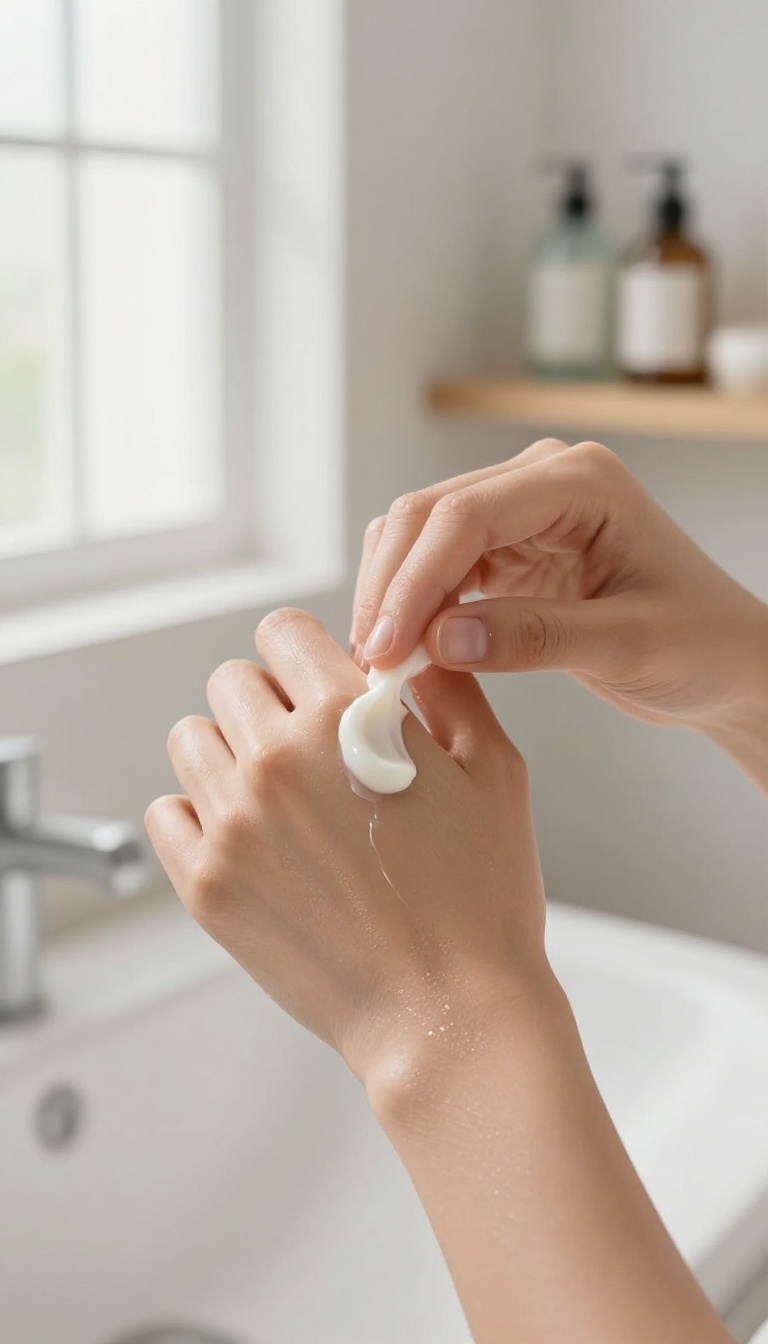
Dry body skin can feel tight and itchy, especially after a hot shower. A cleansing balm works differently than regular soap or gel—it melts into an oil to lift dirt and sweat while leaving a protective layer of moisture. This makes it a game-changer for anyone who struggles with flaky legs, rough elbows, or all-over tightness.
Think of a cleansing balm as a cross between a cleanser and a moisturizer. It’s thicker than a traditional body wash and feels more like a massage oil when you apply it. As you massage it over damp skin, it transforms into a silky oil that rinses off clean but doesn’t strip away your skin’s natural oils.
The result is skin that feels soft, supple, and never squeaky clean.
Why Balms Work Better For Dry Skin
Regular body washes often contain sulfates that foam up but can also dry out your skin. Balms skip those harsh surfactants and rely on nourishing oils like shea butter, jojoba, or almond oil. These ingredients help repair the skin barrier and lock in moisture, so you don’t have to slather on lotion immediately after drying off.
How To Use It In Your Shower Routine
Warm water opens up your pores, so apply the balm after you’ve been in the shower for a few minutes. Scoop a small amount into your hands and massage it over your body in circular motions. Let it sit for a minute so the oils can soak in, then rinse with lukewarm water.
Pat your skin dry with a towel instead of rubbing to keep that moisture locked in.
Who Should Try This
If you have eczema, keratosis pilaris, or just live in a dry climate, this is a solid pick. It’s also great for winter months when your skin needs extra care. Even if you don’t have chronic dryness, using a balm once or twice a week can keep your skin feeling smooth and comfortable.
18. A Spray-On Body Moisturizer for Easy Application
Lotion can be a hassle, especially when you're in a hurry. A spray-on body moisturizer changes the game by letting you hydrate large areas in seconds, no rubbing required. It's perfect for those days when you just want to get dressed and go, but your skin still needs some love.
Spray moisturizers are designed to be quick and efficient. They cover your legs, arms, and torso evenly without the sticky feeling that some lotions leave behind. Plus, they're great for hard-to-reach spots like your back.
You just spray, smooth lightly, and you're done.
Why Spray Beats Lotion
Traditional lotions require time to rub in, and they can leave a residue. Sprays absorb fast, so you can moisturize and get dressed almost immediately. They also feel lighter on the skin, making them ideal for warmer months or if you just prefer a non-greasy finish.
How To Use It Right
Hold the bottle about six inches from your skin and spray in a sweeping motion. Use your hands to spread the product evenly, especially around knees and elbows. For best results, apply right after a shower when your skin is still slightly damp to lock in extra hydration.
What To Look For
Choose a spray with hydrating ingredients like hyaluronic acid, glycerin, or aloe vera. Avoid heavy oils if you want a quick-drying feel. Also, check for a fine mist nozzle that distributes the product evenly without pooling.
Some formulas even include a subtle scent for a refreshing boost.
19. A Body Oil with a Glow-Boosting Shimmer
Sometimes you want more than just hydration—you want a lit-from-within look that catches the light. A body oil with a subtle shimmer delivers exactly that, turning your skin into a canvas of soft radiance. It's perfect for date nights, summer evenings, or whenever you need a little extra confidence.
Shimmer body oils are the secret to an instant glow, without the commitment of self-tanner. They blend nourishing oils with light-reflecting particles that give your skin a dewy, luminous finish. The key is to choose one with a fine, subtle shimmer rather than chunky glitter, so it looks natural and feels silky, not sticky.
How To Apply For Best Results
For an even, streak-free glow, warm a few drops between your palms and press onto your skin, focusing on collarbones, shoulders, and legs. Apply after showering while skin is still slightly damp to lock in moisture. Start with a small amount—you can always add more, but it's hard to tone down an over-glazed look.
Choosing The Right Shade
Shimmer oils come in a range of tints, from champagne to rose gold to bronze. Pick a shade that complements your skin tone: fair skin looks best with a pearl or champagne shimmer, medium tones suit rose gold, and deeper complexions can rock a bronze or copper glow. Test on your forearm to see how it blends.
Where to Use It
While you can use shimmer oil all over, it's most striking on areas that catch the light naturally: shoulders, collarbones, and the shins. Avoid the face unless the product is specifically formulated for it, as facial skin is more sensitive. Also, skip it on areas prone to friction, like inner thighs, to prevent rubbing off.
20. A Deodorant That Doubles as Skin Care
Underarm skin is delicate, yet most deodorants treat it like it's indestructible. Harsh formulas can leave you irritated, especially after shaving or on sensitive days. But a new wave of deodorants is changing that, blending odor protection with skin-loving ingredients that calm and condition.
These aren't your typical antiperspirants. They focus on nourishing the area while keeping you fresh, so you can skip the post-shower sting and the midday itch. If you've been dealing with redness or dryness under your arms, this switch could be a game-changer.
The underarm area is more sensitive than you might think, and it deserves the same care as your face. Traditional deodorants often contain alcohol and synthetic fragrances that can strip moisture and cause irritation. Skin-care deodorants, on the other hand, use ingredients like aloe vera, vitamin E, and shea butter to soothe and protect.
They work by neutralizing odor without disrupting your skin's natural balance, so you stay fresh and comfortable all day. When you choose a deodorant with skin-care benefits, you're not just masking odor—you're actively improving the health of your underarms. Over time, you may notice smoother, softer skin and fewer irritation flare-ups.
Plus, many of these formulas are free from aluminum and parabens, making them a cleaner choice for your body.
What To Look For
Scan the ingredient list for calming agents like aloe, chamomile, or oat extract. Vitamin E and glycerin are great for hydration, while baking soda-free formulas are gentler on sensitive skin. Avoid fragrances and alcohol if you're prone to redness.
How To Apply For Best Results
Apply to clean, dry skin right after your shower. Give it a minute to absorb before getting dressed. If you're using a cream or balm, a pea-sized amount is plenty.
Reapply after intense workouts if needed, but most formulas last all day.
Top Picks To Try
Look for brands that prioritize skin health, like Native, Schmidt's, or Dove's advanced care line. These offer a range of scents and strengths, so you can find one that fits your lifestyle. Don't be afraid to experiment—your underarms will thank you.
21. A Body Powder for Friction and Freshness
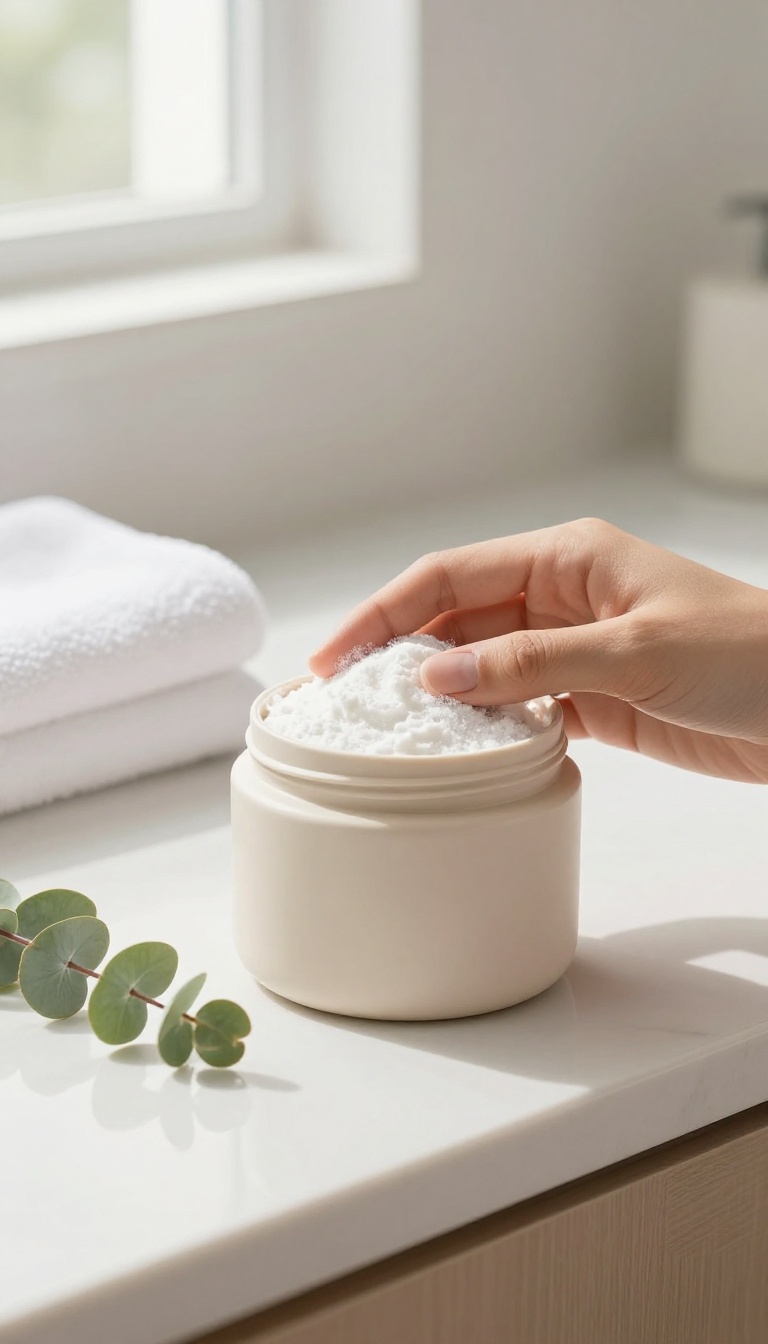
If you've ever dealt with chafing on a hot day or that sticky feeling after a workout, a good body powder can be a game-changer. It's not just for babies—modern formulas are designed to keep you comfortable and dry without the mess or the talc. The right one absorbs moisture, reduces friction, and leaves a silky finish that helps you move freely.
A talc-free body powder is a simple addition to your routine that pays off in comfort. It's especially handy in humid weather or during active days when skin-on-skin friction becomes a problem. Look for powders with ingredients like arrowroot powder or kaolin clay, which soak up sweat without clogging pores.
They also help prevent the dreaded 'sticky' feeling that comes from lotions or sweat, so you stay fresh longer.
Where To Apply
Focus on areas prone to friction: inner thighs, underarms, and even feet. A light dusting on your chest or back can also help if you're prone to sweatiness. Apply after showering and drying off completely, and reapply as needed during the day.
What To Look For
Choose a powder that's talc-free and non-comedogenic to avoid irritation. Ingredients like arrowroot, tapioca starch, or baking soda (if you're not sensitive) are great absorbents. Some formulas include soothing botanicals like chamomile or aloe for extra comfort.
Avoid powders with heavy fragrances if you have sensitive skin.
How To Apply
Sprinkle a small amount into your hands and pat—don't rub—onto the areas you need. This prevents clumping and ensures even coverage. For feet, apply to your soles and between toes before slipping on socks.
For inner thighs, apply to the skin before getting dressed to reduce friction.
22. A Retinol Body Lotion for Anti-Aging
Your face gets all the retinol love, but your body could use some too. A retinol body lotion is a simple way to tackle fine lines, crepey skin, and loss of firmness from the neck down. It's like giving your body the same anti-aging treatment you already trust on your face.
Retinol is a form of vitamin A that speeds up cell turnover and boosts collagen production. When applied to the body, it can smooth out rough texture, soften wrinkles, and improve elasticity over time. The result is a more even, youthful glow that goes beyond just surface hydration.
Why Your Body Needs Retinol Too
Skin on your body is thicker and less exposed to the elements than your face, but it still ages. Sun damage, gravity, and time take a toll, leading to crepey elbows, sagging knees, and fine lines on your chest. Retinol helps reverse some of that by encouraging new skin cell growth and collagen, which plumps and firms.
How To Use It Without Irritation
Start slow. Apply a retinol body lotion two or three times a week, then gradually increase as your skin builds tolerance. Always use it at night, and never skip sunscreen during the day because retinol makes your skin more sensitive to UV rays.
Moisturize well, and consider alternating with a hydrating lotion on off nights.
What To Look For
Choose a product with a stable retinol or retinaldehyde, and check for added soothing ingredients like ceramides, niacinamide, or shea butter. These help minimize dryness and irritation. Also, look for a lotion that absorbs well so it doesn't feel greasy or sticky, especially if you're applying it all over.
23. A Soothing Bath Soak with Epsom Salt
After a long day, a warm bath can feel like a mini escape. But when you add Epsom salt, it becomes more than just relaxing—it’s a skin-softening treat. The magnesium in Epsom salt helps ease tired muscles, while the salt itself gently exfoliates and draws out impurities, leaving your skin feeling smooth and refreshed.
It’s a simple, affordable way to boost your glow from head to toe.
Epsom salt baths are a classic self-care ritual for good reason. The warm water helps your muscles unwind, and the salt works its magic on your skin. Plus, it’s easy to customize with a few drops of your favorite essential oil for an extra sensory boost.
Whether you’re sore from a workout or just need to decompress, this soak is a go-to for both relaxation and skin health.
Why Epsom Salt Works
Epsom salt is made of magnesium and sulfate, both of which are absorbed through the skin. Magnesium helps reduce inflammation and muscle tension, while sulfates support detoxification. This combo not only relaxes your body but also helps your skin look clearer and more even-toned.
It’s a gentle way to support your skin’s natural glow.
How To Get The Most Out Of Your Soak
Add about two cups of Epsom salt to a warm bath and stir to dissolve. Soak for at least 15–20 minutes to let the minerals absorb. For extra hydration, add a few drops of jojoba or almond oil afterward to lock in moisture.
You can also mix in a handful of dried lavender for a calming scent that enhances the experience.
Make It A Weekly Ritual
Try to set aside one evening a week for this soak. It’s a simple habit that can make a noticeable difference in how your skin feels and looks. Plus, it gives you dedicated time to unwind, which is good for your overall well-being.
Your skin will thank you for the regular dose of minerals and TLC.
24. A Body Primer for Makeup or Glow
Think of a body primer as the secret to making your skin look flawless under makeup or a tan. It smooths out texture, blurs imperfections, and gives your body a soft-focus finish that lasts all day. Whether you're heading to an event or just want an extra glow, this product is a game-changer.
A good body primer creates a smooth canvas, so your foundation or self-tanner glides on evenly without patchiness. It also helps your makeup stay put, even in heat or humidity. Plus, many formulas include light-reflecting particles that add a subtle luminosity, making your skin look naturally radiant.
Why You Need One
Body primers aren't just for special occasions—they're perfect for everyday wear if you love a polished look. They fill in dry patches, minimize the look of pores, and keep your skin from looking cakey. If you've ever had your dress stick to lotion or your tan streak, this is your fix.
How To Use It
Apply it after moisturizer and before any body makeup or self-tanner. Use a small amount and spread it evenly—a little goes a long way. Focus on areas where you want extra smoothness, like shoulders, legs, or your décolletage.
Let it dry for a minute before layering anything on top.
What To Look For
Choose a formula that matches your skin type: if you're dry, pick a hydrating primer; if you're oily, go for a mattifying one. Some come in tinted shades to even out skin tone, while others are clear for a universal glow. Look for ingredients like glycerin or hyaluronic acid for hydration, and avoid anything too greasy.
25. A Multi-Purpose Glow Oil for Face and Body
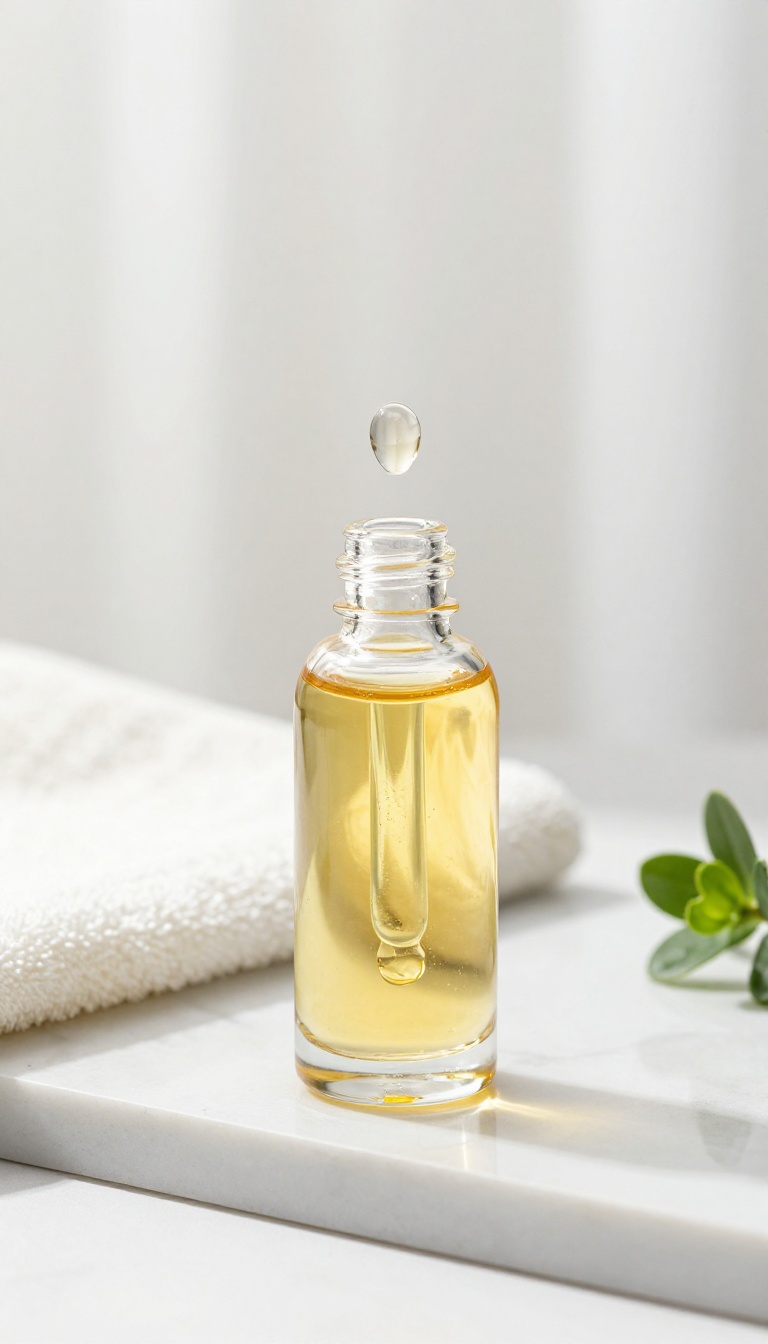
Some products earn their spot in your routine by doing one thing really well. Others earn it by doing three things at once, and that's exactly the case with a good multi-purpose glow oil. It's the kind of product that simplifies your shelf without sacrificing results.
A quality glow oil blends fast-absorbing oils like jojoba, squalane, or camellia with a touch of vitamin E and often a hint of shimmer or botanical extracts. The result is a lightweight formula that hydrates, smooths, and leaves a subtle, healthy sheen wherever you apply it. It works on damp skin after a shower, on bare legs before heading out, or even as a finishing touch on arms and shoulders.
Why One Oil Can Do It All
Face and body oils share a lot of the same needs: hydration, barrier support, and a soft, non-greasy finish. A well-formulated oil delivers all of that without needing separate products. Plus, using one oil for multiple purposes cuts down on clutter and saves money in the long run.
How To Use It Without Overdoing It
The key is to apply it to slightly damp skin, which helps lock in moisture and prevents that heavy, oily feeling. Start with a few drops for your face, then warm a little more between your palms and press it onto your arms, legs, and torso. For hair, a tiny amount smoothed over the ends adds shine without weighing it down.
What To Look For
Check the ingredient list for non-comedogenic oils like jojoba, squalane, or grapeseed, and avoid anything with added fragrance if you're sensitive. A dropper or pump bottle makes it easy to control how much you use, and a little goes a long way.
FAQ
How often should I exfoliate my body?
Most skin types benefit from exfoliating 2-3 times a week. If you have sensitive skin, start with once a week and adjust.
Can body care products really help with cellulite?
Some products with caffeine or retinol can temporarily improve the appearance of cellulite, but results vary and aren't permanent.
What's the best way to apply body oil for maximum glow?
Apply body oil on damp skin after showering to lock in moisture. Massage in gentle circles for better absorption.
Are expensive body care products worth it?
Not always. Many drugstore options work just as well. Focus on ingredients and how they feel on your skin rather than price.
How do I choose the right body moisturizer for my skin type?
For dry skin, look for rich creams with shea butter or ceramides. For oily skin, opt for lightweight lotions or gels.
Conclusion
You don't need to overhaul your entire routine overnight. Pick one or two products from this list that target what your skin craves most—whether that's extra hydration, gentle exfoliation, or a little more glow—and give them a solid two-week trial. Small, consistent swaps often make the biggest difference.
Start with what feels doable, and let your body's response guide your next move. The best routine is one you actually enjoy sticking with.