Your body's skin deserves the same ritual care you give your face, but it doesn't have to cost a fortune or eat up your whole evening. These 17 aesthetic rituals focus on simple, repeatable moves—dry brushing, warm showers, and layering moisture while skin is still damp—that build softness over time.
Some are five-minute upgrades, others are cozy weekend treats like milk baths or DIY sugar scrubs. The thread is consistency, not complexity.
Pick a few that fit your routine and watch your skin feel fresher, smoother, and more cared for from neck to toes.
1. Dry Brush Before You Shower
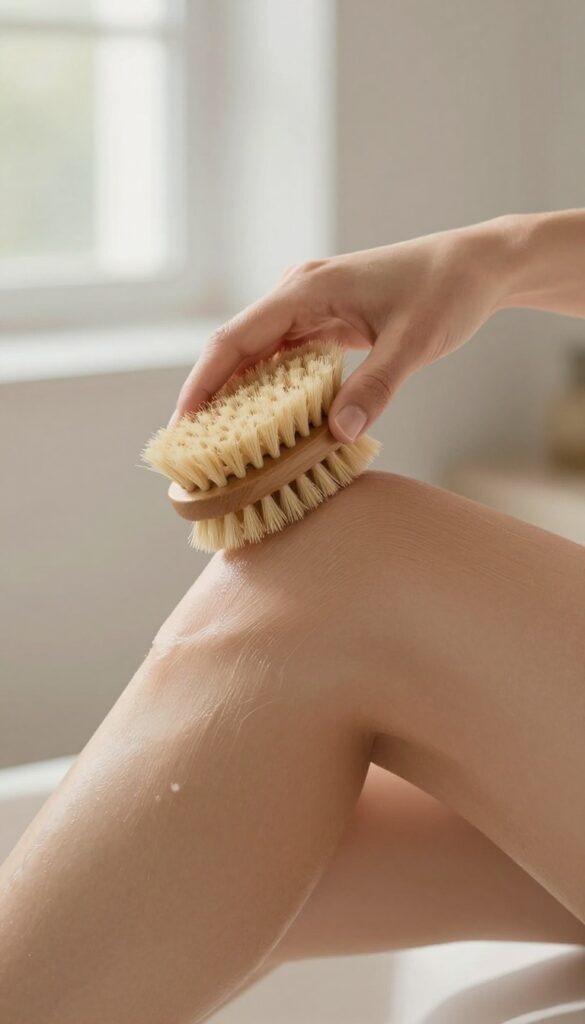
Dry brushing is one of those rituals that feels a little strange at first, but the payoff is real. It wakes up your skin, gets your blood moving, and leaves you with a smooth canvas for whatever comes next. The best part?
It takes just a couple of minutes before you step into the shower.
Start with a natural-bristle brush and work in long, sweeping strokes from your feet up toward your heart. This direction helps your lymphatic system do its thing. Keep the pressure light—this isn't about scrubbing hard.
Once you're done, hop in the shower and rinse off the dead skin cells you've loosened. Your skin will feel softer and more receptive to your usual moisturizer.
Why It Works
Dry brushing exfoliates without water, which means the friction is more effective at sloughing off dead skin. It also stimulates blood flow, giving your skin a healthy glow. Plus, it can help reduce the appearance of ingrown hairs and bumpy texture over time.
How To Do It Right
Use a brush with firm, natural bristles. Start at your feet and move upward in long strokes. Avoid sensitive areas like your face or any broken skin.
Do this before every shower, but skip days if your skin feels irritated. Finish with a lukewarm rinse and follow up with body oil or lotion while your skin is still damp.
Pro Tips
Keep your brush dry and clean—hang it in a dry spot between uses. You can also use it on your arms and back, but avoid your chest if you have sensitive skin. For an extra boost, dry brush before a warm bath to help your skin absorb the benefits of your soak.
2. Warm (Not Hot) Showers
There's nothing like a steaming shower to unwind, but that heat comes at a cost. Hot water strips away your skin's natural oils, leaving it tight, flaky, and prone to irritation. Switching to warm water is one of the simplest ways to protect your moisture barrier and keep your whole body feeling soft.
Keep your shower temperature lukewarm—think warm enough to relax, not hot enough to turn your skin pink. And try to keep it under 10 minutes. The longer you linger, the more moisture you lose.
After you step out, pat yourself dry with a towel instead of rubbing, then apply a moisturizer while your skin is still slightly damp to lock in hydration.
Why Hot Water Hurts
Hot water dissolves the lipid barrier that holds moisture in. Once that barrier is compromised, water escapes and irritants get in, leading to dryness, itchiness, and even flare-ups of conditions like eczema. Warm water cleans just as well without the damage.
The 10-minute Rule
Set a timer if you need to. A quick, efficient shower gets you clean without over-exposing your skin to water. If you love long showers, try making them a weekend treat rather than a daily habit, and keep them lukewarm.
Seal In The Moisture
The best time to moisturize is within three minutes of stepping out. While your skin is still damp, apply a body lotion or cream to trap that water in. This simple step makes a huge difference in how soft your skin feels all day.
3. Exfoliate with a Gentle Scrub
Scrubbing away dead skin is like hitting reset on your body's glow. A gentle sugar or coffee scrub smooths rough patches and leaves skin baby-soft, but the trick is in the technique and frequency. Too much scrubbing can irritate, so keep it to a few times a week and let your skin reap the benefits.
Exfoliating isn't just about polishing—it boosts circulation and helps your moisturizer sink in deeper. Focus on areas that tend to get rough: elbows, knees, and heels. A quick circular motion for a minute or two is all you need.
Always follow up with a rich lotion or oil while skin is still damp to lock in that fresh softness.
Pick Your Scrub
Sugar scrubs are gentler and dissolve quickly, making them perfect for sensitive skin. Coffee scrubs are coarser and great for tougher areas like heels and elbows. You can buy one or whip up a simple mix of sugar or coffee grounds with coconut oil at home.
Just avoid microbeads—they're bad for the environment and your skin.
How To Scrub Right
Apply the scrub to damp skin in the shower, using light pressure and small circles. Don't scrub back and forth—that can cause micro-tears. Spend a little extra time on dry patches, but keep it gentle.
Rinse thoroughly and pat dry, leaving skin slightly damp for moisturizer.
Don't Overdo It
Twice a week is plenty for most people, especially if you have sensitive skin. Over-exfoliating can strip your skin's natural oils and lead to redness or irritation. If your skin feels tight or looks shiny, you're scrubbing too often.
Ease back and let your skin recover.
4. Use a Body Oil While Skin Is Damp

The best time to lock in moisture is the moment you step out of the shower, while your skin is still holding onto that post-rinse dew. Water alone evaporates quickly, but a layer of body oil acts like a seal, trapping hydration where it belongs. The result?
Soft, supple skin with a natural sheen—no heavy or sticky residue.
Applying body oil to damp skin is a game-changer for anyone who struggles with dryness or dullness. The water helps the oil spread evenly, so a little goes a long way. Plus, the subtle glow it leaves behind makes your skin look healthy and lit from within, without the greasy feel you might expect.
Why Damp Skin Works Best
When your skin is damp, it’s more permeable, meaning it absorbs products more effectively. The oil locks in the moisture that would otherwise evaporate, creating a barrier that keeps your skin hydrated for hours. This method is especially helpful in colder months when skin tends to lose moisture faster.
How To Apply For Even Coverage
After patting dry with a towel (leave your skin slightly damp), pour a few drops of oil into your palms and rub them together. Press the oil onto your body using gentle, sweeping motions, starting from your legs and working upward. Focus on drier areas like elbows and knees, but avoid over-saturating.
You can always add more if needed.
Picking The Right Oil
Not all oils are created equal. Lightweight options like jojoba, squalane, or grapeseed absorb quickly and won’t leave you feeling slick. For extra nourishment, look for blends with vitamin E or calming ingredients like chamomile.
If you’re prone to breakouts, skip heavy oils like coconut on your back or chest.
5. Layer a Rich Body Butter
For those extra dry patches—elbows, knees, heels—a thick body butter is the heavy hitter your routine needs. Unlike lotions that evaporate quickly, butters sit on the skin longer, creating a protective seal that locks in moisture for hours. The key is to apply it while your skin is still slightly damp, so it traps that water and pulls it deep into the layers.
Body butters are packed with nourishing ingredients like shea, cocoa, or mango butter, which are rich in fatty acids and vitamins. They work by forming a breathable barrier that prevents transepidermal water loss, keeping your skin supple and soft. For best results, focus on the driest areas first, then sweep the rest over your limbs in gentle, upward motions to encourage lymphatic drainage and boost circulation.
Warm It Up First
Scoop a small amount of butter and rub it between your palms for a few seconds. The warmth melts it into an oil-like consistency, making it easier to spread and absorb quickly. This little step also makes the application feel more like a massage than a chore.
Focus On Trouble Zones
Give extra attention to elbows, knees, and heels—areas that tend to crack and flake. Use a little more product here and massage in circular motions to soften rough patches. Over time, this habit can visibly smooth those stubborn spots.
Seal It In After Showering
The best time to apply body butter is right after a shower, when your skin is still damp. Pat yourself dry, then apply the butter within three minutes. This locks in the moisture from the water, giving you that dewy, fresh feeling that lasts all day.
6. Don't Forget Your Neck and Décolletage
Your neck and chest are often the first places to show signs of aging, yet they rarely get the attention they deserve. The skin here is thinner and more delicate than the rest of your body, making it prone to sagging and fine lines. Extending your skincare routine down to these areas is a simple way to keep them firm and smooth.
Treat your neck and décolletage with the same care you give your face. After applying your facial moisturizer or serum, use the leftover product on your neck and chest. Or, invest in a dedicated neck cream that targets elasticity.
Massage the product in upward strokes to boost circulation and help absorption.
Why These Areas Age Faster
The skin on your neck and chest has fewer oil glands and less collagen, making it more vulnerable to sun damage and wrinkles. Everyday movements like looking down at your phone or sleeping on your side can also contribute to creases. That's why proactive care here is so important.
How To Apply Products Effectively
Use gentle, upward motions when applying creams or serums to your neck and chest. Avoid pulling or tugging, which can stretch the skin. Let the product absorb fully before dressing to prevent transfer to clothing.
Consistency is key—make it a daily habit.
Simple Add-ons For Better Results
Incorporate a weekly exfoliating mask or a gentle chemical exfoliant to slough off dead skin cells. Also, don't forget to apply sunscreen to your neck and chest every morning, even on cloudy days. These small steps can make a big difference over time.
7. Take a Milk Bath Soak
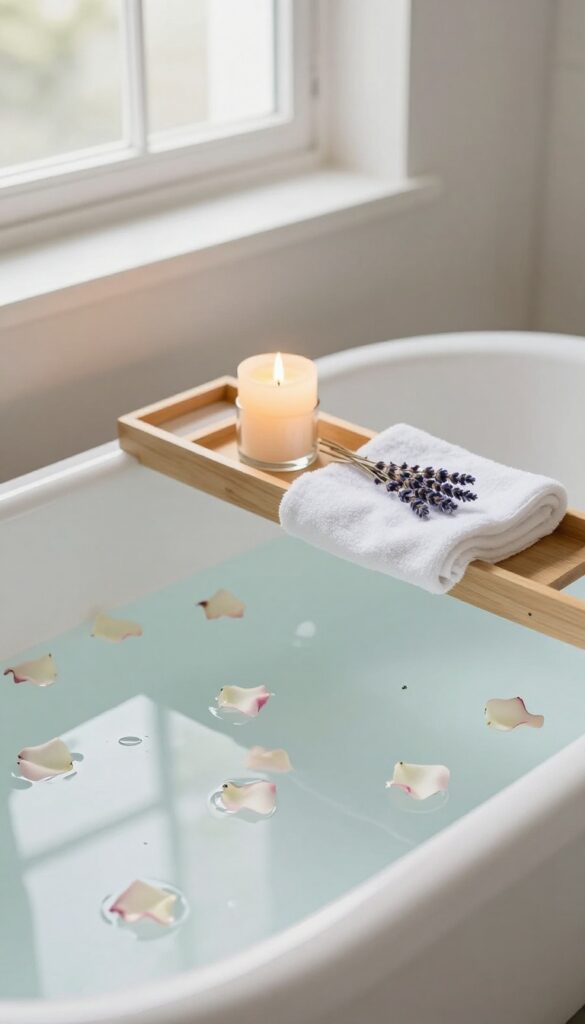
A milk bath sounds like something out of a royal spa day, but it's actually a simple, affordable treat you can whip up in your own tub. The lactic acid in milk gently exfoliates while the fats and proteins soften and soothe your skin. It's a lovely way to turn an ordinary bath into a mini spa ritual.
Milk baths have been a beauty secret for centuries, and for good reason. The lactic acid acts as a mild chemical exfoliant, helping to slough off dead skin cells and reveal a smoother, brighter layer underneath. Meanwhile, the fat and proteins in milk help to moisturize and calm irritated skin, making it a great option for anyone dealing with dryness or sensitivity.
How To Set Up Your Milk Bath
Fill your tub with warm (not hot) water, then add 1 to 2 cups of whole milk, buttermilk, or powdered milk. If you have sensitive skin, colloidal oatmeal is a wonderful addition—just sprinkle a cup under the running tap. Swirl the water to mix everything together, then soak for 15 to 20 minutes.
No need to rinse off afterward; just pat your skin dry with a soft towel.
The Best Milk Options For Your Skin
Whole milk and buttermilk are the most traditional choices because they're rich in fat and lactic acid. If you're dairy-free, you can use coconut milk or oat milk, which are also soothing and hydrating. For an extra boost, add a few drops of your favorite essential oil, like lavender or chamomile, to make the experience even more relaxing.
Milk Bath Add-ins To Try
A simple milk bath is lovely on its own, but you can customize it to target specific skin concerns. Add a tablespoon of honey for extra moisture, a handful of Epsom salts to ease muscle tension, or a few drops of rose oil for a touch of luxury. Just be sure to avoid anything too abrasive, like citrus juice, which can irritate sensitive skin.
8. Make Your Own Sugar Scrub
Why spend $30 on a jar of fancy scrub when you can make a better one in your kitchen for pennies? This DIY sugar scrub takes five minutes, uses ingredients you probably already have, and smells good enough to eat. Plus, you control exactly what goes on your skin—no mystery chemicals or synthetic fragrances.
The classic combo is brown sugar, coconut oil, and a drop of vanilla extract. Brown sugar's fine granules polish away dead skin without scratching, while coconut oil melts into your skin as you massage, leaving it soft and lightly protected. The vanilla adds a warm, cozy scent that turns your shower into a mini spa moment.
Why Brown Sugar Wins
Brown sugar is gentler than white sugar or salt because the crystals are smaller and softer. It dissolves slightly as you scrub, so you get effective exfoliation without the micro-tears that harsher scrubs can cause. Plus, it contains natural glycolic acid, which helps boost cell turnover and keeps skin looking fresh.
The Perfect Ratio
Aim for about 1 cup of brown sugar to ½ cup of melted coconut oil. That gives you a scrub that holds together but isn't greasy. If you want a thinner consistency, add a bit more oil; if you prefer a drier scrub, add more sugar.
Stir in a teaspoon of vanilla extract and you're done.
How To Use It
In the shower, scoop out a small handful and massage it onto damp skin in circular motions, focusing on rough spots like elbows and knees. Rinse off and pat dry—don't rub. Your skin will feel silky and lightly moisturized, so you might not even need lotion afterward.
Just be careful in the tub, because the oil can make surfaces slippery.
9. Apply Sunscreen to Your Body
Most people are diligent about SPF on their face but completely forget their arms, legs, and chest. That's a missed opportunity—your body sees just as much sun exposure over time, and damage shows up as dark spots, rough texture, and premature sagging. A lightweight body sunscreen is an easy daily habit that pays off in the long run, keeping your skin looking even, smooth, and youthful.
Sunscreen isn't just for beach days. UV rays hit your skin every time you step outside, even on cloudy days or through car windows. Over time, that exposure breaks down collagen and elastin, which leads to crepey skin and sun spots.
Making body SPF a daily step is one of the most effective anti-aging moves you can make—and it's simpler than you think.
Choose A Formula You'll Actually Use
The best sunscreen is the one you reach for every morning. Look for a lightweight, non-greasy lotion or spray that absorbs quickly. Many brands now make body sunscreens that feel like a moisturizer, not a sticky film.
If you hate the feel, try a gel or serum texture—there's an option for every preference.
Don't Skip The Often-missed Spots
Your neck, chest, hands, and feet are easy to overlook, but they're constantly exposed and show age first. Apply sunscreen to the back of your neck, the tops of your feet, and the backs of your hands. A quick sweep over these areas takes seconds and makes a big difference.
Make It Part Of Your Morning Routine
Tie body SPF to an existing habit, like after your shower or right before getting dressed. Keep a bottle near your deodorant or on your dresser as a visual reminder. Once it's part of your routine, it becomes as automatic as brushing your teeth.
10. Hydrate from the Inside Out
Your skin is the largest organ, and it’s mostly water. When you’re dehydrated, it shows up as dull, tight, or flaky skin. Drinking enough water is the simplest, cheapest beauty ritual there is, and it works from the inside out.
Aim for at least eight glasses a day, but don’t stop there. Hydrating foods like cucumber, watermelon, and oranges add extra moisture and vitamins. Think of it as feeding your skin from within, so it stays plump and fresh all day.
Water is the foundation of soft, healthy skin. Without it, even the best lotions can’t do their job. Start your morning with a glass of water before coffee, and keep a bottle on your desk or in your bag as a reminder.
If plain water bores you, infuse it with lemon, mint, or berries for a flavor boost. Hydrating foods are just as important. Cucumber is over 95% water, and watermelon is packed with hydration plus antioxidants.
Snack on them throughout the day, or add them to salads and smoothies. Your skin will thank you for the extra moisture and nutrients.
Set A Daily Water Goal
Aim for at least 8 glasses (about 2 liters) of water daily. If you're active or live in a hot climate, you may need more. Use a marked water bottle or set reminders on your phone to stay on track.
Consistency matters more than perfection.
Eat Your Water
Foods like cucumber, watermelon, oranges, and celery are high in water content and provide vitamins that support skin health. Add them to meals or enjoy as snacks. This helps you stay hydrated even if you forget to drink.
11. Incorporate a Body Serum
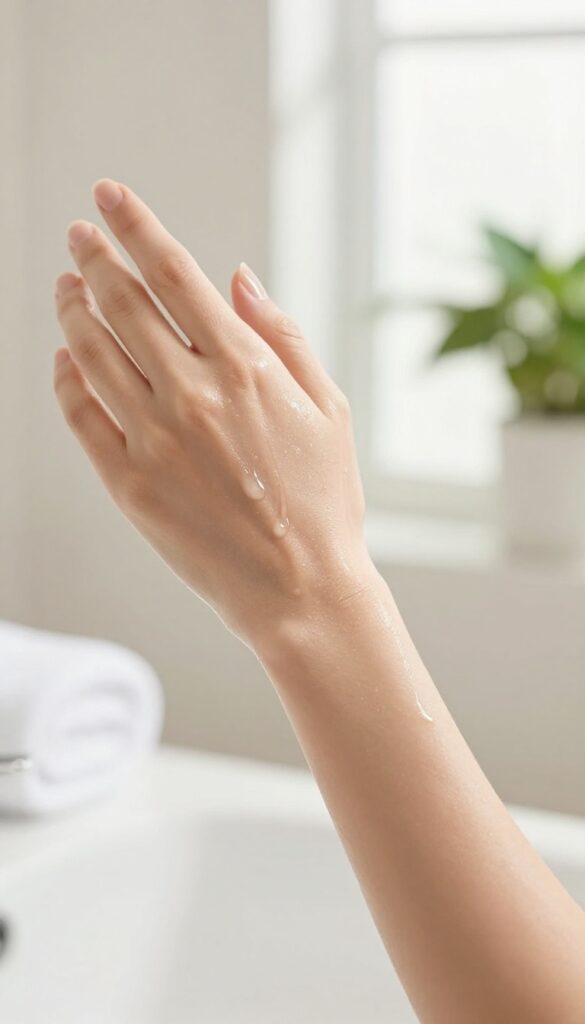
Body serums are the underrated heroes of skin care, quietly working to smooth and brighten from the neck down. Unlike heavy lotions, they're packed with active ingredients that target specific concerns like dullness, rough patches, or uneven tone. Adding one to your routine is a small step with noticeable payoff.
After a shower, while your skin is still slightly damp, massage a few drops of body serum over your arms, legs, and torso. Let it absorb for a minute, then follow with your regular moisturizer to lock everything in. This layering technique boosts hydration and helps the actives penetrate better.
Why Body Serums Work
Body skin is thicker than facial skin, so it needs a little extra help to absorb ingredients. Serums have a lightweight, concentrated formula that sinks in fast, delivering things like hyaluronic acid for hydration or niacinamide to even out tone. They're perfect if your body lotion alone isn't cutting it.
How To Apply For Best Results
The best time is right after a bath or shower, when your pores are open and skin is thirsty. Warm a few drops in your palms, then press and smooth over damp skin. Don't forget neglected spots like your upper arms and the backs of your legs.
Wait a minute before putting on lotion or oil.
Choosing The Right Serum
Look for body serums with hyaluronic acid for dry skin, niacinamide for dullness, or a gentle exfoliating acid like lactic acid for rough patches. If you're sensitive, patch test first. A little goes a long way, so start with a small amount and adjust as needed.
12. Use a Jade Roller on Your Body
You've probably seen jade rollers for the face, but they work just as well on the body. The cooling stone helps reduce puffiness and can make your skin feel firmer and more awake. Plus, it's a relaxing way to massage in your body oil or lotion.
After your shower or before bed, take a few minutes to roll your jade roller over your arms, legs, and even your stomach. The gentle pressure helps stimulate circulation and can ease muscle tension. It's also a great way to help your body products sink in deeper.
Why It Works
The jade stone stays cool naturally, which helps constrict blood vessels and reduce swelling. Rolling also encourages lymphatic drainage, which can make skin look smoother and less puffy. It's like a mini massage that wakes up your skin.
How To Use It
Start from your ankles and roll upward toward your heart. Use light pressure and go slowly, especially on areas like your inner thighs or underarms. You can use it on dry skin or with a few drops of body oil for extra glide.
When To Roll
Morning is great for de-puffing, especially if you wake up with swollen hands or feet. Evening rolling helps you unwind and can boost the effects of your nighttime moisturizer. Even just a few minutes a few times a week makes a difference.
13. Take a Matcha Green Tea Bath
If your evening soak needs a little upgrade, matcha is the answer. This vibrant green powder isn't just for lattes—it's packed with antioxidants that help detoxify and calm your skin. A matcha bath turns your tub into a spa-like ritual that leaves you feeling fresh and your skin looking soft.
Matcha is rich in catechins, a type of antioxidant that fights free radicals and reduces inflammation. When you add it to your bath, these compounds can help soothe irritated skin and give you a gentle glow. Plus, the subtle earthy scent is incredibly relaxing after a long day.
Why Matcha Works For Your Skin
Matcha contains chlorophyll, which helps draw out impurities, and EGCG, a compound known for its anti-inflammatory properties. This makes it a great choice for anyone dealing with redness or dullness. The antioxidants also help protect your skin from environmental stressors, keeping it looking healthy and vibrant.
How To Make Your Matcha Bath
Start by running a warm bath—not too hot, as that can dry out your skin. In a small bowl, whisk one to two teaspoons of matcha powder with a little hot water until it's completely dissolved. Pour the mixture into the tub and swirl it around.
Soak for 15–20 minutes, then rinse off with plain water and pat your skin dry.
Tips For The Best Experience
For an extra boost, add a few drops of your favorite body oil or a handful of Epsom salts. Keep the water warm, not steaming, to avoid stripping your skin's natural oils. After your soak, follow up with a lightweight moisturizer to lock in the benefits.
And don't forget to clean your tub afterward—matcha can leave a green tint!
14. Massage with a Gua Sha Tool
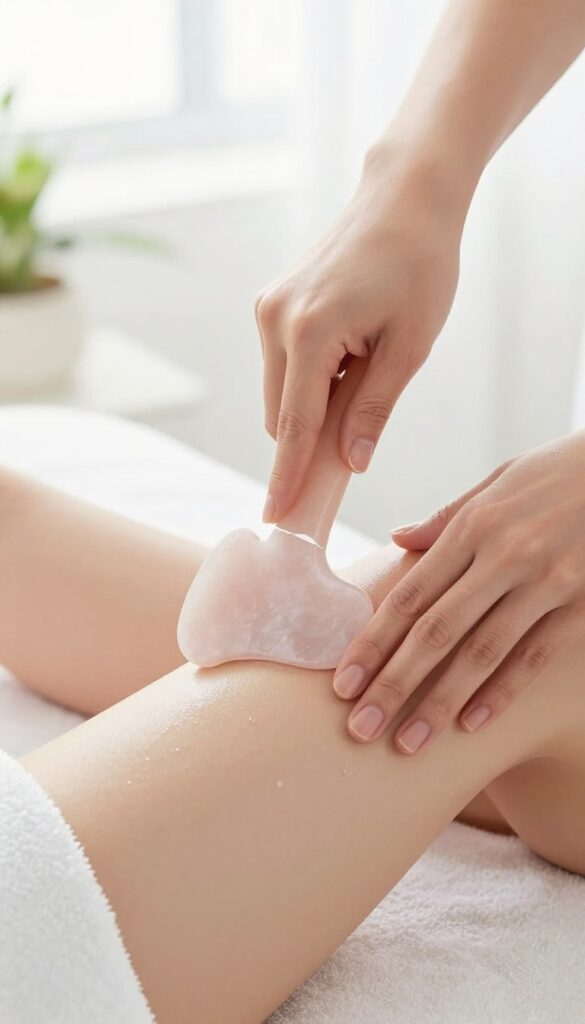
Gua sha isn't just for sculpting your face—it works wonders on the body too. Using a flat stone tool with gentle pressure helps release tight muscles and boost circulation, leaving your skin looking and feeling more alive. It's a simple ritual that turns a few minutes of self-massage into a mini spa session at home.
Start with a clean, oiled body. Apply a few drops of body oil or lotion to your skin so the tool glides smoothly. Hold the gua sha at a 45-degree angle and use long, sweeping strokes toward your heart.
Focus on areas like your thighs, arms, and hips, where tension and fluid retention often build up. Repeat each stroke 5-10 times, and don't forget to breathe.
Why Gua Sha Works
Gua sha stimulates blood flow and lymphatic drainage, which helps reduce puffiness and the appearance of cellulite. The gentle scraping action also breaks up fascia, the connective tissue that can become tight and restrict movement. Over time, regular use can improve skin tone and elasticity.
How To Do It Right
Always use oil or lotion to prevent friction. Work in sections—thighs, calves, arms, and torso—using upward strokes. Apply moderate pressure, but never so much that it hurts.
Avoid bony areas and any broken or irritated skin. Clean your tool with soap and water after each use.
When To Expect Results
You'll notice immediate relaxation and a subtle glow after the first session. For more visible changes in cellulite or skin firmness, aim for 3-4 times a week. Consistency matters more than intensity, so keep it gentle and regular.
15. Finish with a Cold Rinse
That final blast of cold water might feel like a shock, but it’s a game-changer for your skin. The quick temperature drop helps tighten pores and boost circulation, leaving you with a natural, healthy glow. Plus, it’s an instant wake-up call that makes you feel more alert and refreshed.
Ending your shower with cold water doesn’t have to be miserable—start with lukewarm and gradually lower the temperature over 10–15 seconds. Focus the cold stream on your legs, arms, and torso, where it can help reduce puffiness and improve blood flow. Over time, this simple habit can make your skin look firmer and more radiant.
Why Cold Water Works
Cold water causes blood vessels to constrict, which temporarily tightens pores and reduces redness. When you step out, circulation increases to bring fresh blood to the surface, giving your skin that post-workout flush. It also helps seal in moisture from your shower products, keeping your skin softer longer.
How To Make It Comfortable
If the thought of freezing water makes you cringe, ease into it. After your usual warm shower, turn the water to cool for the last 30 seconds, then gradually increase the time as you get used to it. You can also focus the cold water on your legs and arms first, then move to your torso.
Pair it with deep breathing to make the experience more pleasant.
When To Skip It
Cold rinses aren’t for everyone. If you have sensitive skin, eczema, or a condition like Raynaud’s, the sudden temperature change might trigger irritation. In that case, stick to lukewarm water and use a gentle toner or mist after your shower to get similar pore-tightening benefits without the shock.
16. Wear Soft, Breathable Fabrics
Your skin's best friend might just be your wardrobe. Tight synthetic clothes can trap sweat and irritate, while natural fabrics let your skin breathe and stay calm. This simple switch makes a big difference in how your skin feels all day.
Choosing the right fabrics is a low-effort, high-reward part of your body care routine. Cotton, bamboo, and linen allow air to circulate, keeping moisture from building up and preventing the friction that leads to irritation. On the other hand, synthetics like polyester and nylon can cling and suffocate your skin, especially in warm weather or during workouts.
Why Breathability Matters
When your skin can't breathe, sweat and oil get trapped, which can clog pores and cause breakouts or rashes. Breathable fabrics wick moisture away and help your skin maintain its natural balance. This is especially important for areas prone to chafing, like thighs and underarms.
Best Fabric Choices
Cotton is a classic for a reason—it's soft, absorbent, and gentle on sensitive skin. Bamboo is another great option; it's incredibly soft and naturally moisture-wicking. Linen is perfect for hot days because it's lightweight and breathable.
For activewear, look for moisture-wicking blends that still allow airflow.
What To Avoid
Steer clear of tight synthetic fabrics like polyester, nylon, and spandex unless they're designed for athletic use. These materials can trap heat and sweat, leading to irritation and body acne. Also, avoid rough or scratchy fabrics like some wools, which can cause itching and redness.
17. Create a Relaxing Evening Ritual
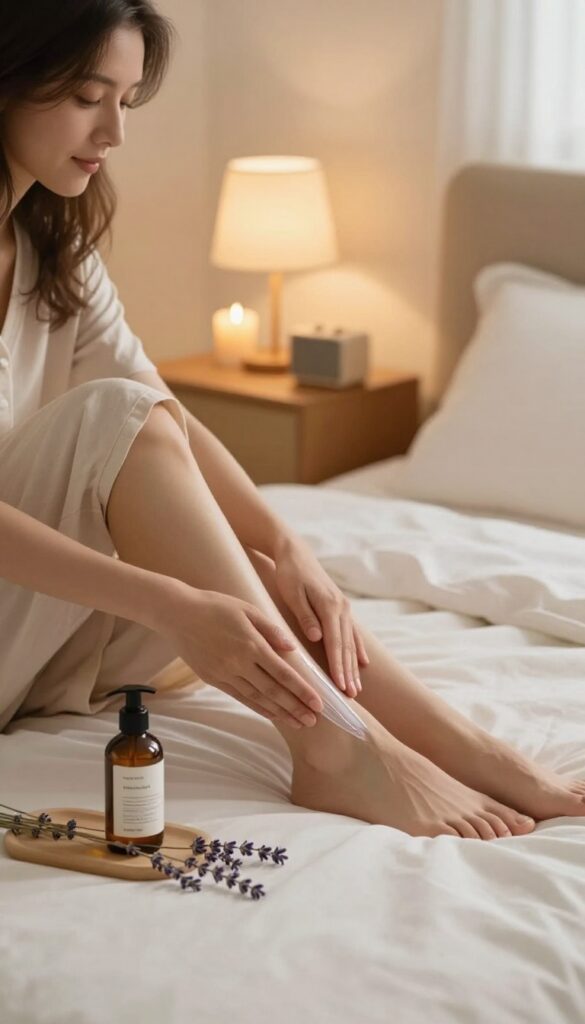
After a long day, your skin deserves more than a quick swipe of lotion. Turning moisturizing into a mindful ritual can transform how your skin feels and how you unwind. Set aside ten minutes each night to slow down, breathe, and give your body some focused attention.
It's a small commitment that pays off in softer skin and a calmer mind.
The key is to make this time feel special, not like another chore. Dim the lights, put on some soft music, and use a lotion with calming scents like lavender or chamomile. As you massage it in, focus on your breath and let go of the day's tension.
This simple practice not only hydrates your skin but also signals your body to wind down, improving your sleep quality.
Set The Mood
Create a calming environment that helps you transition into relaxation. Light a candle, play gentle music, or use a diffuser with lavender essential oil. These small cues tell your brain it's time to slow down, making the ritual more effective.
Choose The Right Lotion
Not all lotions are created equal for evening use. Look for one with soothing ingredients like shea butter, oat extract, or aloe vera. Avoid heavy fragrances that might be too stimulating.
A lotion with lavender or chamomile can enhance the calming effect.
Massage With Intention
Take your time as you apply the lotion. Use long, slow strokes from your feet upward, and pay extra attention to dry areas like elbows and knees. This not only improves absorption but also helps release muscle tension and promotes relaxation.
FAQ
How often should I exfoliate my body?
Aim for 2-3 times a week. Over-exfoliating can strip your skin's natural oils and cause irritation. Adjust based on your skin's sensitivity.
What's the best time to apply body oil?
Right after you shower, while your skin is still slightly damp. This helps lock in moisture and keeps your skin hydrated longer.
Can I use the same moisturizer on my face and body?
It's not ideal. Body lotions are often thicker and may clog facial pores. Use a separate moisturizer designed for your face.
How do I get rid of dry, flaky skin on my legs?
Exfoliate gently, moisturize immediately after showering, and avoid hot water. Consider using a body oil or cream with urea or lactic acid.
Are body scrubs safe for sensitive skin?
Yes, if you choose a gentle scrub with fine particles and avoid harsh ingredients. Test on a small area first and don't scrub too hard.
Conclusion
Soft, fresh skin doesn't come from a single miracle product—it comes from layering small rituals that feel good and stick. Start with one or two you actually enjoy, like a warm oil massage or a gentle scrub, and let them become part of your week. Notice how your skin responds and tweak from there.
Before long, that cared-for glow will feel less like a routine and more like your natural state. Pick your favorites, keep it simple, and let consistency do the rest.