
Tired of staring at a dull reflection when you know your skin can do better? A true glow-up isn't about a single miracle product—it's about stacking small, smart habits that work together.
From the way you cleanse to how you sleep, these 15 tips target the everyday choices that make the biggest visible difference.
Whether you're prepping for a big event or just want to feel more like yourself, this list is your practical roadmap to a fresher, more confident face today.
1. Start with a Clean Slate: Double Cleansing

You might think one wash is enough, but think again. Your skin accumulates more than just dirt throughout the day—think sunscreen, sweat, and pollution. A single cleanse often just moves these around, leaving residue behind.
Double cleansing is the simple two-step method that actually clears the way for your glow.
Double cleansing is a game-changer because it tackles different types of buildup. The first cleanse, usually with an oil-based cleanser, dissolves makeup and sunscreen. The second, water-based cleanse then removes sweat and impurities, leaving your skin truly clean and ready to absorb what comes next.
It's not about stripping your skin, but about being thorough and gentle at the same time.
Why A Single Wash Falls Short
One cleanse often misses the stubborn, oil-based stuff like SPF and long-wear makeup. That leftover film can clog pores and make your skin look dull. Double cleansing ensures nothing lingers, so your skin can breathe and reflect light better.
The Right Order: Oil Then Water
Start with an oil-based cleanser on dry skin, massaging gently to break down makeup. Then rinse and follow with a water-based cleanser to wash away the rest. This two-step process is effective without over-drying, making it suitable for most skin types.
How It Boosts Your Glow
When your skin is truly clean, your pores look smaller, and your complexion looks brighter. Plus, your serums and moisturizers can penetrate deeper, giving you that lit-from-within look. It's the simplest way to reset your skin's canvas.
2. Exfoliate Smart, Not Hard
Scrubbing your face like you're trying to erase a bad day? That's the opposite of a glow-up. Over-exfoliating can strip your skin's natural barrier, leaving it red, irritated, and even duller than before.
The trick is to exfoliate smart, not hard. Gentle, regular exfoliation removes dead skin cells, unclogs pores, and reveals the fresh, radiant skin underneath. When done right, it's a game-changer for your complexion.
Why Gentle Wins
Your skin sheds dead cells naturally, but sometimes they linger, making your face look tired and rough. Exfoliating helps speed up that process, but aggressive scrubbing can cause micro-tears and inflammation. Think of it like polishing a delicate surface—you want to buff away the dullness, not scratch it.
Gentle exfoliation keeps your skin smooth and glowing without the backlash.
Chemical Vs. Physical
Physical exfoliants (like scrubs with beads or grains) can be too harsh, especially if you have sensitive skin. Instead, opt for chemical exfoliants—AHAs (like glycolic or lactic acid) work on the surface to dissolve dead cells, while BHAs (like salicylic acid) dive into pores to clear them out. These aren't the harsh chemicals they sound like; they're actually gentler and more effective for most skin types.
Plus, they give that smooth, lit-from-within look.
How Often Is Just Right?
Two to three times a week is the sweet spot for most people. Overdoing it can lead to dryness, breakouts, and sensitivity. Start slow, especially if you're new to chemical exfoliants.
Your skin will tell you if it's too much—if it feels tight or looks red, scale back. Consistency beats intensity every time.
3. Hydrate from Within: Water and Diet
Your skin is like a mirror reflecting what you put into your body. When you're dehydrated, it shows up as dryness and dullness. But when you fuel up with water and water-rich foods, your skin plumps up and radiates a healthy glow.
Think of hydration as your skin's daily drink—it needs it to stay supple and smooth. And it's not just about chugging water; what you eat matters too. Adding hydrating foods to your meals can give your skin an extra boost from the inside out.
Start your day with a glass of water to kickstart your hydration. Aim for at least 8 glasses throughout the day, but adjust based on your activity level and climate. Carry a reusable bottle to make sipping easy.
Incorporate water-rich foods like cucumbers, watermelon, oranges, and strawberries into your snacks and meals. These not only hydrate but also provide vitamins and antioxidants that support skin health. Limit dehydrating drinks like coffee and alcohol, which can sap moisture from your skin.
If you do indulge, balance with extra water.
Why Water Matters For Your Skin
Water helps maintain skin elasticity and flushes out toxins. When you're well-hydrated, your skin looks plumper and more youthful. Dehydration can make fine lines more noticeable and leave your skin feeling tight and flaky.
Top Hydrating Foods To Add To Your Plate
Cucumbers are about 96% water and also contain silica, which supports skin health. Oranges and watermelon are packed with vitamin C and water, helping to brighten your complexion. Leafy greens like spinach and celery are great too.
Simple Ways To Boost Your Daily Hydration
Infuse your water with lemon, mint, or berries for a refreshing twist. Set reminders on your phone to take a sip regularly. Eat your water by having a salad or a fruit bowl as part of your meals.
4. The Power of a Vitamin C Serum

If your skin has been looking a little tired or uneven, vitamin C might be the missing piece. It's one of the most researched skincare ingredients out there, and for good reason. This antioxidant works hard to brighten your complexion, fade dark spots, and shield your skin from daily stressors like pollution and UV rays.
The best part? It's simple to add to your routine. A few drops in the morning can make a noticeable difference over time.
Let's break down why it works and how to get the most out of it.
Vitamin C is a skincare powerhouse that tackles multiple concerns at once. It helps boost collagen production, which keeps skin firm and smooth. It also inhibits melanin production, which means those stubborn dark spots and post-acne marks start to fade.
Plus, as an antioxidant, it neutralizes free radicals that cause premature aging. For best results, use a serum with a stable form of vitamin C (like ascorbic acid) and apply it in the morning before sunscreen. This combo gives you double protection and a brighter glow over time.
Why Morning Application Matters
Vitamin C works best when applied in the morning because it strengthens your skin's defense against environmental damage. Think of it as a shield that helps your sunscreen work even harder. Just a few drops after cleansing, before moisturizer, and you're set for the day.
Choosing The Right Concentration
Not all vitamin C serums are equal. Look for a concentration between 10% and 20%—that's the sweet spot for effectiveness without irritation. If you have sensitive skin, start with a lower percentage and gradually work your way up.
Also, check for packaging that's opaque and airtight, because vitamin C degrades when exposed to light and air.
Pairing It With Sunscreen
Vitamin C and sunscreen are a match made in heaven. Vitamin C neutralizes free radicals, while sunscreen blocks UV rays. Together, they give you much better protection than either alone.
So, don't skip your SPF—your future glow will thank you.
5. Never Skip Sunscreen
You might think sunscreen is only for beach days, but it's actually your daily shield against premature aging and dullness. UV rays hit your skin even on cloudy days or when you're indoors near windows, causing dark spots and fine lines over time. Think of SPF as the ultimate glow booster—it prevents damage before it starts, keeping your skin tone even and your texture smooth.
It's the simplest step with the biggest payoff for a fresh, confident look.
Sunscreen isn't just about preventing sunburn; it's your best anti-aging tool. Daily SPF 30+ blocks UVA and UVB rays that break down collagen and trigger hyperpigmentation. Without it, your other skincare efforts go to waste, because sun damage undoes all the good you're doing.
Make it a non-negotiable morning step, even on overcast days or when you're mostly indoors. Choose a lightweight formula that feels comfortable, and apply it generously to your face, neck, and ears. Reapply if you're out for long periods—your future self will thank you.
Why Spf 30+ Is The Magic Number
SPF 30 blocks about 97% of UVB rays, which is enough for daily wear. Higher SPFs offer slightly more protection, but the key is consistent application. Look for broad-spectrum formulas to guard against both UVA (aging) and UVB (burning) rays.
How To Pick A Sunscreen You'll Actually Use
Texture matters. If you hate how it feels, you'll skip it. Gel-based or watery formulas work well for oily skin, while cream or lotion versions suit dry skin.
Tinted sunscreens can double as light coverage, making it easier to wear every day.
Sneaky Ways Sun Damage Happens Indoors
Windows block UVB but let UVA rays through, so sitting near one all day still exposes your skin. Also, if you're using retinol or acids, your skin is more sensitive to sun, making SPF even more crucial. Make it a habit, no exceptions.
6. Get Your Beauty Sleep
Ever notice how a rough night shows up on your face the next morning? That's because sleep is when your skin goes into repair mode, rebuilding collagen and flushing out toxins. Skimping on rest doesn't just make you tired—it makes your complexion look tired too.
Prioritizing quality sleep is one of the simplest, most effective glow-up strategies. Aim for 7-9 hours each night, and you'll wake up with a smoother, more radiant face. Plus, you'll dodge those dark circles and puffy eyes that no concealer can fully hide.
Why Sleep Boosts Your Glow
During deep sleep, your body increases blood flow to the skin, which helps deliver oxygen and nutrients while clearing out waste. This natural repair process also boosts collagen production, keeping skin firm and youthful. So, hitting the pillow isn't lazy—it's a beauty treatment.
Tips For Better Sleep
Start by setting a consistent sleep schedule, even on weekends. Keep your bedroom cool, dark, and quiet, and ditch screens at least an hour before bed. A relaxing wind-down routine, like reading or gentle stretching, can signal your body it's time to rest.
What To Avoid Before Bed
Skip heavy meals, caffeine, and alcohol in the evening—they can disrupt your sleep cycle and lead to puffiness. Also, make sure to wash off your makeup and apply a night moisturizer. Clean, hydrated skin is ready to repair overnight, so you wake up looking fresh.
7. Facial Massage for Instant Lift

Your face holds tension just like your shoulders, and that tightness can dull your glow. A quick facial massage or a few minutes with a jade roller can wake up your skin, boost circulation, and melt away puffiness. It's a simple ritual that pays off immediately—no waiting weeks for results.
Facial massage is more than a spa luxury; it's a practical tool for a fresh look. By stimulating blood flow, you bring oxygen to the surface, which brightens your complexion. It also helps lymphatic drainage, reducing the fluid buildup that causes morning puffiness.
The best part? You can do it in five minutes, right before your moisturizer or serum.
The Basics: Hands Or Tools?
You don't need fancy equipment—your fingers work wonders. Use gentle upward strokes from the center of your face outward, following your jawline and cheekbones. If you prefer a tool, a jade roller or gua sha stone adds a cooling effect that further calms skin and reduces swelling.
Just keep it clean and use light pressure.
Morning Vs. Evening: When To Do It
A morning massage helps de-puff and energize your face for the day. Evening massage, on the other hand, relaxes facial muscles after stress and helps your nighttime products absorb better. You don't have to choose—many people enjoy a quick session both times.
Consistency matters more than duration.
Quick 5-minute Routine
Start with a few drops of facial oil or a hydrating serum to avoid pulling. Use your ring fingers to gently press along your brow bone, then sweep outward. Move to your cheeks, using upward motions toward your ears.
Finish with your jawline, working from chin to ear. Repeat each move five times, and you're done.
8. Moisturize Like a Pro
Think of moisturizer as the finishing touch that seals in all the good stuff from your serums and treatments. Without it, your skin barrier can weaken, leading to dryness, flakiness, and a dull appearance. Even if you have oily skin, skipping moisturizer can backfire—your skin might overproduce oil to compensate, leaving you shinier than before.
The right moisturizer does more than just hydrate—it strengthens your skin barrier, locks in moisture, and leaves your complexion looking plump and dewy. Here's how to make moisturizing work for you, no matter your skin type.
Pick The Right Formula For Your Skin Type
For dry skin, look for rich creams with ceramides or hyaluronic acid. Oily or acne-prone skin? Go for a lightweight, oil-free gel or lotion that hydrates without clogging pores.
Combination skin can benefit from a balanced moisturizer that’s not too heavy or too light—or you can use a gel on the T-zone and a cream on the cheeks.
Apply On Damp Skin For Extra Absorption
The best time to moisturize is right after cleansing, while your skin is still slightly damp. This helps trap water in the skin and boosts absorption. Gently pat the moisturizer in with your fingertips, using upward strokes to encourage circulation and a natural lift.
Don’t Forget Your Neck And Chest
Your neck and chest are just as prone to dehydration and aging as your face. Extend your moisturizer down to your collarbone every time you apply it. This simple habit keeps the whole area smooth and glowing, preventing that telltale crepey texture.
9. Add a Weekly Face Mask
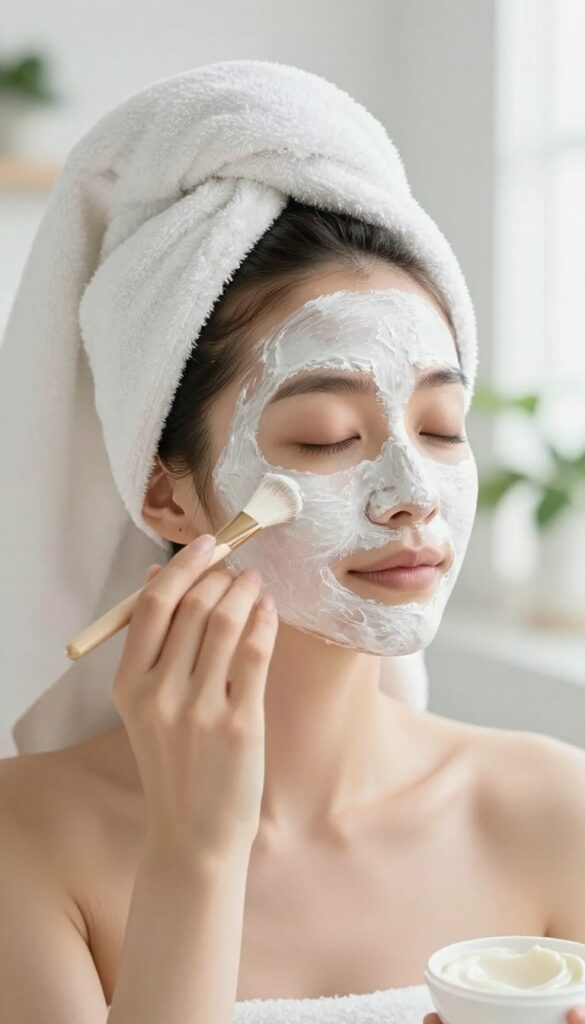
Sometimes your skin needs a little extra TLC beyond your daily routine. A weekly face mask is like a mini spa session at home, delivering concentrated ingredients that target specific concerns like dryness, dullness, or congestion. It's a simple, affordable ritual that can visibly boost your glow in under 20 minutes.
Choose a mask based on your skin's current needs. If you're feeling dry, go for a hydrating mask with hyaluronic acid or aloe. If your skin looks tired or uneven, a brightening mask with vitamin C or niacinamide can help.
Use it once a week, after cleansing, and follow with your usual moisturizer to lock in the benefits.
Pick The Right Mask For Your Skin
Not all masks are created equal. For dry skin, look for cream or gel masks with ingredients like glycerin, ceramides, or honey. For oily or acne-prone skin, a clay mask with salicylic acid can help absorb excess oil and unclog pores.
If you have sensitive skin, avoid fragrances and opt for calming masks with chamomile or oatmeal.
Make It A Ritual, Not A Chore
Set aside a specific time each week, like Sunday evening, to apply your mask. Put on some music, light a candle, and relax for 15-20 minutes. This turns a simple skincare step into a self-care moment that also reduces stress—which is great for your skin, too.
Don't Overdo It
Stick to once a week. Over-masking can strip your skin's natural oils and cause irritation. If you're using an exfoliating mask, follow the instructions carefully and never leave it on longer than recommended.
Consistency beats intensity—a weekly mask will give you steady results without overwhelming your skin.
10. Groom Your Brows for a Polished Look
Your eyebrows are the frame of your face, and even the smallest grooming effort can change your whole expression. When they're neat and defined, you automatically look more awake, put-together, and confident—no makeup required. The best part?
You don't need a professional to get great results at home.
Start by brushing your brows upward with a spoolie to see their natural shape. Tweeze only the stray hairs outside that line, and avoid over-plucking—you want to keep them full and natural. If you have sparse areas, fill them in with light, feathery strokes using a brow pencil or powder that matches your hair color.
Finish with a clear or tinted brow gel to hold everything in place all day.
Find Your Natural Arch
Your arch should follow your bone structure, not a trend. To locate it, hold a pencil vertically against your nostril—where it crosses your brow is where your arch should peak. Pluck or trim only to enhance that line, and remember that a slightly softer arch looks more youthful and approachable.
Fill In Sparse Areas
If your brows have gaps or are thin at the tail, a brow pencil or pomade can work wonders. Use short, hair-like strokes in the direction of growth, and start light—you can always build up. A tinted brow gel is also great for adding volume and color in one step.
Set Them For All-day Hold
Even the best grooming won't last if your brows don't stay in place. A clear brow gel or a touch of hairspray on a spoolie will keep them neat and tamed. This step is especially important if you have unruly brows or live in a humid climate.
11. Use a Highlighter Strategically
A little shimmer goes a long way when you know exactly where to place it. Highlighter isn't about looking glittery—it's about mimicking the natural glow your skin gets after a good workout or a great night's sleep. Done right, it makes your complexion look fresh, awake, and effortlessly radiant.
The secret is to apply highlighter only where light naturally hits your face. That means the tops of your cheekbones, the arch of your brow bone, and the inner corners of your eyes. These spots catch light when you move, so a subtle sweep there instantly lifts your features and makes you look more alert.
Avoid putting highlighter everywhere—that can look oily or overdone. Stick to just a few key points, and blend well with your fingertip or a damp sponge. A cream formula melts into skin for a dewy finish, while a powder works best if you have oily skin or want a more subtle sheen.
Choose The Right Formula
Cream highlighters give a natural, skin-like glow that works for dry or normal skin. Powder highlighters are better for oily skin or when you want a more controlled shine. If you're new to highlighting, start with a cream stick—it's easy to blend and hard to overdo.
Apply To The Right Spots
Focus on the high points of your face: the tops of your cheekbones, the brow bone, and the inner corners of your eyes. A tiny dab on the bridge of your nose and just above your cupid's bow can also add a subtle lift. Use a light hand and build up slowly.
Blend For A Seamless Finish
Harsh lines are a dead giveaway. Use your ring finger or a damp sponge to tap and blend the product until it melts into your skin. For powder, use a fluffy brush and sweep it lightly.
The goal is a soft, diffused glow, not a stripe.
12. Try a Lip Scrub for Soft, Smooth Lips

Your lips can make or break your glow-up, but they're often the last thing on your mind. Dry, flaky lips can age your whole face, even when the rest of your skin looks great. A simple lip scrub fixes that fast, leaving your smile looking instantly fresher and more polished.
Exfoliating your lips is a quick, satisfying step that removes dead skin and boosts circulation, giving your pout a natural rosy tint. Do it once or twice a week, and you'll notice lipstick goes on smoother and balm actually sinks in instead of sitting on top. It's a tiny habit with a big visual payoff, and it takes less than a minute.
Why Scrub?
Your lips don't shed dead skin the way the rest of your face does, so buildup can leave them looking dull and cracked. Scrubbing gently sloughs off that layer, revealing softer skin underneath. It also stimulates blood flow, which gives your lips a natural flush that no product can fake.
Pick The Right Scrub
You can buy a sugar-based lip scrub or make one at home with brown sugar and honey. Avoid harsh scrubs with big, jagged particles—they can create micro-tears. Look for fine grains and hydrating ingredients like shea butter or jojoba oil.
A gentle formula is key, especially if your lips are already chapped.
How To Scrub And Seal
Wet your lips slightly, then massage the scrub in tiny circles for about 30 seconds. Rinse with warm water and pat dry. Follow up with a thick, nourishing balm or a drop of facial oil to lock in the moisture.
Do this before bed or before applying lipstick for the smoothest finish.
13. Incorporate Antioxidants into Your Routine
Pollution, UV rays, and even stress can leave your skin looking tired and uneven. That's where antioxidants come in—they're like a shield that helps neutralize the damage before it shows up on your face. Adding a few antioxidant-rich products to your daily lineup can make a noticeable difference in clarity and brightness.
Antioxidants work by neutralizing free radicals, which are unstable molecules that break down collagen and cause dullness. By incorporating them consistently, you're not just treating the surface—you're supporting your skin's overall health. The result?
A calmer, more even-toned complexion that looks naturally radiant.
Start Your Day With Vitamin C
A vitamin C serum in the morning is a classic move for good reason. It brightens, fades dark spots, and boosts your sunscreen's effectiveness. Apply a few drops after cleansing and before moisturizer for a simple step that pays off.
Don't Skip Niacinamide
Niacinamide is a multitasker that strengthens your skin barrier, reduces redness, and helps control oil. It's gentle enough for most skin types and pairs well with other products. Look for it in serums or moisturizers and use it daily for a smoother, more even look.
Sip Green Tea Or Use It Topically
Green tea is packed with polyphenols, which are powerful antioxidants. Drinking a cup or two a day can support your skin from the inside, while a green tea toner or essence can calm irritation and add a subtle glow. Either way, it's an easy habit to adopt.
14. Manage Stress for Better Skin
Stress doesn't just weigh on your mind—it shows up on your face. When cortisol spikes, it can trigger breakouts, increase oil production, and leave your skin looking dull. The good news?
You don't need a spa day to fight back. Simple stress-busting habits can calm both your mind and your complexion.
Your skin and brain are closely connected. High stress levels can disrupt your skin's barrier, making it more sensitive and prone to redness. By managing stress, you're not just feeling better—you're giving your skin the chance to repair and glow.
Here are a few easy ways to dial down stress and let your skin breathe.
Try Deep Breathing Exercises
When you're stressed, your breathing becomes shallow, which reduces oxygen flow to your skin. Take a few minutes each day to practice deep breathing. Inhale slowly through your nose, hold for a few seconds, and exhale through your mouth.
This simple act can lower cortisol levels and improve circulation, giving your skin a natural flush.
Incorporate Meditation Into Your Routine
Even five minutes of meditation can make a difference. Find a quiet spot, close your eyes, and focus on your breath or a calming word. Meditation helps reduce anxiety and lowers stress hormones, which can prevent stress-induced breakouts.
Over time, you'll notice a calmer mind and clearer skin.
Make Time For Yourself Daily
It's easy to put yourself last, but taking even 15 minutes for yourself can work wonders. Read a book, take a warm bath, or go for a short walk. These small breaks lower stress and help your skin recover from daily aggressors.
Remember, self-care isn't selfish—it's essential for your glow.
15. Consistency Beats Intensity

You can buy the most expensive serum or book a fancy facial, but if you only do it once in a blue moon, the results won't stick. The real secret to a lasting glow is showing up for your skin every single day, even when you're tired or busy. It's the small, repeated actions that add up to a visible difference.
Think of your skincare routine like brushing your teeth—you don't expect a single intense whitening treatment to keep your smile bright forever. The same logic applies to your face. A consistent, simple routine will always outperform sporadic, aggressive treatments.
Your skin thrives on predictability, so give it that.
Why Daily Wins Beat Occasional Splurges
When you do a deep exfoliation or a heavy mask once a week, it can actually stress your skin if it's not used to it. On the other hand, a gentle cleanse, moisturize, and SPF every morning and night might feel boring, but it's the foundation of a healthy glow. You're not chasing a quick fix—you're building a habit that pays off over time.
How To Build A Routine You'll Actually Stick To
Start small. Pick just two or three non-negotiable steps—like cleansing and moisturizing—and do them at the same time every day. Attach them to existing habits, like right after you brush your teeth.
Keep your products visible so you don't forget. And don't pressure yourself to be perfect; if you miss a day, just get back on track the next. The goal is progress, not perfection.
Track Your Progress To Stay Motivated
It's easy to feel like nothing is happening when you're doing the same thing every day. That's why it helps to take a photo of your bare face once a week in the same lighting. After a month, compare the first and last photos.
You'll likely see a difference in texture, brightness, or evenness. That visual proof keeps you going.
FAQ
How long does it take to see results from these glow-up tips?
Most people notice a difference in their skin's texture and radiance within 2-4 weeks of consistent practice. Some tips, like hydration and sleep, can show immediate effects.
Can I use these tips if I have sensitive skin?
Yes, but choose gentle products and introduce new steps slowly. Patch test new products and avoid harsh exfoliants. Focus on hydration and soothing ingredients.
Do I really need to double cleanse every day?
If you wear sunscreen or makeup, yes. Double cleansing ensures all residue is removed, which prevents clogged pores and dullness. On no-makeup days, a single cleanse may be enough.
What's the best way to apply vitamin C serum?
Apply a few drops to clean, dry skin in the morning, before moisturizer and sunscreen. Gently pat it in and wait a minute before layering other products.
Can I skip sunscreen if I stay indoors?
No. UV rays can penetrate windows, and blue light from screens may also affect your skin. Daily sunscreen is essential for preventing premature aging and maintaining a glow.
Conclusion
A face glow-up doesn't have to be complicated or expensive. These 15 tips are simple, practical, and designed to fit into your everyday life. Start with a few that resonate with you and build from there.
Remember, consistency is your best friend when it comes to glowing skin. So pick one tip today and give it a try. Your future self will thank you for the extra care and confidence.