
Your skin is your largest organ, and it deserves more than a quick splash of water. A healthy glow isn't just about your face—it's about the skin on your arms, legs, and everywhere in between. The good news?
You don't need a complicated routine or expensive products. Small, consistent habits can make a big difference. Think about how your skin feels after a day in the sun or a long shower.
It craves care, and the right habits can keep it soft, smooth, and radiant. Whether you're dealing with dryness, dullness, or just want to maintain that fresh look, these 15 body skincare habits are your ticket to a healthy glow. Ready to upgrade your body care game?
1. Exfoliate Weekly for Instant Radiance
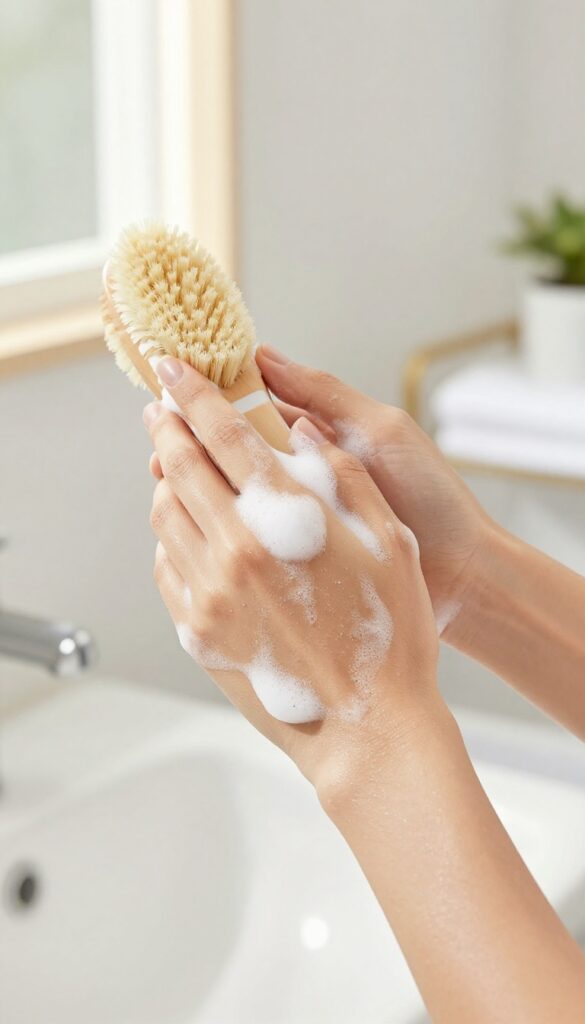
Ever notice how your skin looks a little dull, especially on your arms or legs? That's often dead skin cells building up on the surface. Exfoliating helps sweep them away, revealing the fresh, glowing layer underneath.
It's one of the quickest ways to boost your body's natural radiance without any fancy products.
Gently exfoliate your body once or twice a week to remove dead skin cells and reveal brighter, smoother skin. Focus on rough areas like elbows and knees. Use a soft scrub, a dry brush, or a washcloth with your favorite cleanser.
Don't overdo it—too much exfoliation can irritate your skin. Afterward, follow up with a moisturizer to lock in that fresh glow.
Choose The Right Exfoliator
Not all scrubs are created equal. For your body, look for a scrub with fine grains or a gentle chemical exfoliant like lactic acid. Avoid harsh walnut shells or large beads that can create micro-tears.
If you have sensitive skin, test on a small area first.
Don't Forget Your Feet
Your feet work hard all day, so they deserve some attention too. Use a pumice stone or a foot file in the shower to smooth calluses. Focus on heels and the balls of your feet.
This keeps them soft and prevents cracks.
Time It Right
The best time to exfoliate is at the end of your shower, when your skin is warm and soft. This helps the dead cells come off more easily. Spend about 30 seconds on each area, using circular motions.
Rinse thoroughly and pat dry—don't rub.
2. Moisturize Within Minutes of Showering
You know that feeling when you step out of a warm shower and your skin feels tight and dry? That's your moisture barrier waving a little white flag. The fix is simpler than you think: moisturize while your skin is still slightly damp.
This habit locks in hydration and keeps your skin soft and supple all day long.
Timing is everything when it comes to body moisturizing. After you towel off, your skin is still holding onto water from the shower. Applying lotion or cream within a few minutes traps that water in your skin cells, which is way more effective than slathering it on later.
Plus, it helps create a protective barrier against environmental stressors like wind and cold air.
Why The 3-minute Rule Works
Your skin's moisture barrier is most receptive right after bathing. When you apply moisturizer to damp skin, you're essentially sealing in the hydration. This can reduce dryness, flakiness, and even the appearance of fine lines.
It's a small change that makes a big difference in how your skin feels and looks.
Choosing The Right Formula
Not all moisturizers are created equal. For body care, look for rich creams or lotions with ingredients like shea butter, ceramides, or hyaluronic acid. These help restore the skin's natural barrier and provide long-lasting hydration.
If you have sensitive skin, opt for fragrance-free options to avoid irritation.
Making It A Daily Ritual
The key to seeing results is consistency. Keep your moisturizer in the bathroom or right next to your towel so you don't forget. After patting dry, apply generously to your arms, legs, and torso.
It takes less than a minute, and your skin will thank you with a healthy, radiant glow.
3. Use Lukewarm Water, Not Hot
That steaming hot shower feels amazing, especially after a long day. But your skin is paying the price. Hot water strips away the natural oils that keep your skin moisturized, leaving it dry, tight, and irritated.
The fix is simple: turn the temperature down a notch.
Lukewarm water is your skin's best friend. It's warm enough to cleanse effectively but gentle enough to preserve your skin's protective barrier. This small change can make a huge difference in how your skin feels and looks.
Why Hot Water Hurts
Hot water breaks down the lipid barrier in your skin, which acts like a seal to lock in moisture. Once that barrier is compromised, water escapes, and irritants can get in. The result?
Dryness, flakiness, and even conditions like eczema can flare up.
The Perfect Temperature
Aim for water that feels comfortably warm but not scalding. A good rule of thumb is to keep it around 98°F (37°C) — close to your body temperature. If your skin turns pink or red, it's too hot.
Cooler Rinse For Extra Glow
Try ending your shower with a quick cool rinse. Cold water helps close pores and tighten the skin, giving you an instant glow. It also improves circulation, which brings oxygen and nutrients to the skin's surface.
4. Don't Forget Sunscreen on Your Body

Most of us slather sunscreen on our faces before heading out, but what about the rest of your body? Your arms, legs, and neck are constantly exposed to UV rays, and they need protection just as much as your face. Skipping body sunscreen can lead to sun damage, premature aging, and even skin cancer.
Make it a non-negotiable part of your daily routine, rain or shine.
Sunscreen isn't just for beach days. Making it a daily habit is one of the simplest ways to keep your body skin healthy and glowing. Here's how to do it right.
Pick The Right Spf
Choose a broad-spectrum sunscreen with at least SPF 30. This blocks about 97% of UVB rays. If you spend a lot of time outdoors, go for SPF 50 or higher.
Look for water-resistant formulas if you sweat or swim.
Apply Generously And Evenly
Most people don't use enough sunscreen. You need about a shot glass full to cover your entire body. Apply it evenly, and don't miss spots like the back of your neck, tops of your feet, and the backs of your hands.
These are easy to overlook but just as vulnerable.
Reapply Through The Day
Sunscreen wears off, especially if you're sweating or touching your skin. Reapply every two hours, or more often if you're in the water or exercising. Set a reminder on your phone if you need to—it's worth it for your skin's long-term health.
5. Dry Brush Before You Shower
Dry brushing might sound like a spa-only ritual, but it's actually a simple habit you can do at home with a natural-bristle brush. The idea is straightforward: brush your dry skin in gentle, upward strokes before you hop in the shower. This little step wakes up your skin and preps it for the rest of your routine.
Start at your feet and work your way up toward your heart, using long, sweeping motions. Focus on areas like your arms, legs, and back, but skip sensitive spots like your face or any broken skin. Do this for a few minutes before you shower, then rinse off.
Your skin will feel smoother and look more radiant.
Why It Works
Dry brushing helps boost circulation, which brings more oxygen and nutrients to your skin cells. It also gently exfoliates, sloughing off dead skin cells that can make your skin look dull. Plus, the upward motion supports your lymphatic system, helping your body flush out toxins.
How To Do It Right
Use a brush with firm, natural bristles and a long handle so you can reach your back. Always brush on dry skin before you shower, and use light pressure—you're not trying to scrub, just stimulate. Move in long strokes from your feet up to your thighs, then from your hands up to your shoulders.
Avoid going over the same spot too many times.
When To Add It To Your Routine
Morning is a great time to dry brush because it can give you a little energy boost. But if you prefer evenings, that's fine too—just make sure you do it at least a few minutes before you shower. You don't need to do it every day; two to three times a week is enough to see benefits.
6. Stay Hydrated from the Inside Out
Your skin is about 30% water, so it’s no surprise that hydration shows up on the surface. When you’re even slightly dehydrated, your skin can look tired, flaky, or less plump. Drinking enough water isn’t a magic cure, but it’s a foundational habit that supports everything else you do for your body.
Aim for at least 8 glasses of water a day, but adjust based on your activity level and climate. If plain water feels boring, add slices of lemon, cucumber, or mint. Herbal teas and water-rich foods like watermelon, oranges, and cucumbers also count toward your daily intake.
Remember, hydration isn’t just about what you drink—it’s also about what you eat.
How Much Water Is Enough?
The classic 8×8 rule (eight 8-ounce glasses) is a good baseline, but your needs may vary. If you exercise, spend time outdoors, or live in a hot climate, you’ll need more. A simple check: if your urine is light yellow, you’re likely well-hydrated.
Dark yellow or amber means it’s time to drink up.
Hydrating Foods That Help
Water isn’t the only way to hydrate. Many fruits and vegetables are over 90% water. Snack on celery, bell peppers, strawberries, and grapefruit.
Add a side salad with lettuce and tomatoes to your meals. These foods also provide vitamins and antioxidants that benefit your skin, making them a double win.
Signs Your Skin Is Dehydrated
Dehydrated skin often feels tight, looks dull, or shows fine lines more prominently. You might notice flakiness or a rough texture, especially on your arms and legs. If you see these signs, increase your water intake and consider using a hydrating moisturizer to lock in moisture after showering.
7. Choose Gentle, Fragrance-Free Cleansers
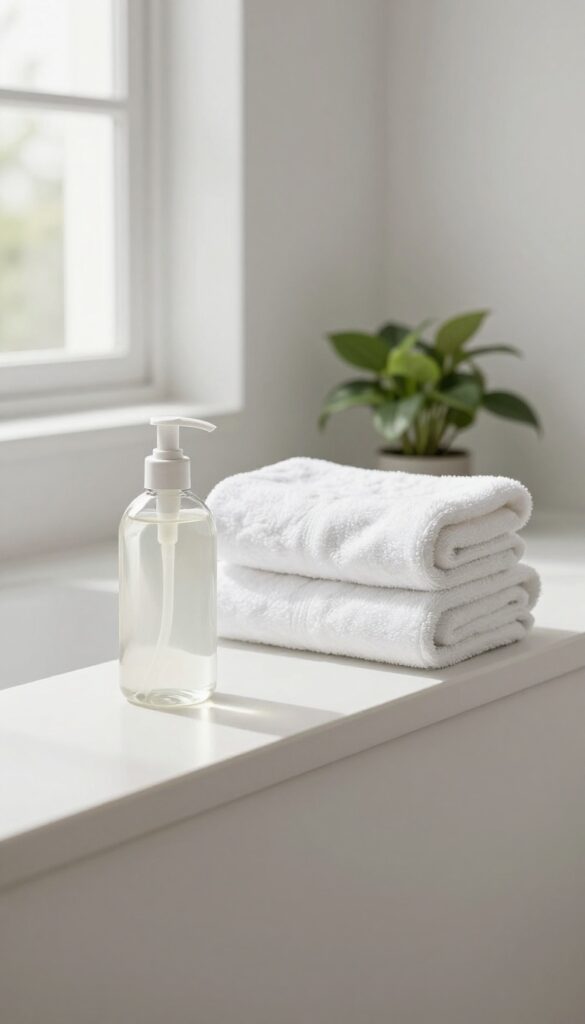
Ever notice how your skin feels squeaky clean but also tight and itchy? That squeaky feeling isn't a good sign—it means your skin's natural oils have been stripped away. Harsh soaps can disrupt your skin's moisture barrier, leading to dryness and irritation.
The fix is simple: switch to a gentle, fragrance-free body wash that cleanses without stripping.
Your skin has a delicate pH balance, and harsh soaps can throw it off. Fragrance-free cleansers are less likely to cause allergic reactions or irritation, especially if you have sensitive skin. Look for body washes with hydrating ingredients like glycerin, ceramides, or oatmeal.
These help lock in moisture while you cleanse, so your skin feels soft, not tight.
Why Fragrance Matters
Fragrances in body washes are often the culprit behind skin irritation. Even if you don't have sensitive skin, synthetic fragrances can be drying over time. Fragrance-free doesn't mean scentless—it just means no added perfumes that can cause reactions.
Your skin will thank you for the simpler formula.
How To Pick A Gentle Cleanser
Check the label for harsh sulfates like sodium lauryl sulfate (SLS), which can be too stripping. Instead, look for mild, non-foaming cleansers or those labeled 'soap-free. ' Ingredients like aloe vera, shea butter, and hyaluronic acid are great for maintaining moisture. And remember, a little goes a long way—you don't need a huge dollop to get clean.
8. Add a Humidifier to Your Bedroom
Waking up with tight, dry skin is often a sign that your bedroom air is too dry, especially during winter or in arid climates. A humidifier can be a game-changer for your body skin, not just your sinuses. By adding moisture back into the air, you help your skin stay hydrated while you sleep, reducing that parched feeling come morning.
Running a humidifier at night is a simple, low-effort habit that pays off in softer, smoother skin. It works by preventing transepidermal water loss, meaning your skin doesn't lose as much moisture to the environment. This is especially beneficial if you use central heating or air conditioning, which can zap humidity from the air.
Plus, it can help with conditions like eczema and flakiness, making your body care routine more effective.
Choose The Right Humidity Level
Aim for a relative humidity between 30% and 50% for optimal skin comfort. Too high can promote mold and dust mites, while too low won't make a difference. Many humidifiers have built-in hygrometers, or you can buy a separate one to monitor the level.
Start at around 40% and adjust based on how your skin feels.
Place It Strategically
Position the humidifier near your bed, but not directly on your nightstand if it creates a damp spot. A few feet away, on a dresser or shelf, works best. Ensure it's on a flat, waterproof surface to avoid damage.
Also, keep the mist away from electronics and wood furniture to prevent moisture buildup.
Keep It Clean
A dirty humidifier can release bacteria and minerals into the air, which is counterproductive for your skin and health. Clean it according to the manufacturer's instructions—usually a weekly rinse and a deeper clean with vinegar or a mild disinfectant. Use distilled or filtered water to minimize mineral dust, especially if you have hard water.
9. Wear Breathable Fabrics

Your clothes are in constant contact with your skin, so the fabric matters more than you might think. Synthetic materials like polyester can trap heat and sweat, leading to clogged pores and irritation. Switching to breathable fabrics helps your skin stay cool, dry, and happy.
Natural fibers like cotton, linen, and bamboo allow air to circulate and moisture to evaporate, which keeps your skin comfortable and reduces the risk of breakouts and chafing. This is especially important during workouts or hot weather when you sweat more. Wearing breathable fabrics also prevents friction, which can cause irritation and ingrown hairs.
Why Cotton Is A Safe Bet
Cotton is soft, absorbent, and gentle on sensitive skin. It doesn't trap heat like synthetics, making it ideal for everyday wear, especially in warm climates. Choose organic cotton if you have eczema or allergies, as it's free from harsh chemicals.
What To Wear For Workouts
When exercising, opt for moisture-wicking fabrics like bamboo or specialized athletic wear that pulls sweat away from your skin. This prevents bacteria buildup and keeps your skin clearer. Avoid staying in damp clothes after a workout—change as soon as you can.
Nighttime Matters Too
Your skin repairs itself while you sleep, so wearing breathable pajamas is key. Cotton or silk are great choices—they allow your skin to breathe and reduce overnight sweating. This simple swap can help prevent body acne and keep your skin feeling fresh in the morning.
10. Eat Skin-Boosting Nutrients
Your diet shows up on your skin, and not just in the form of breakouts. The nutrients you eat directly affect your skin's elasticity, moisture, and ability to repair itself. Think of food as the fuel that keeps your glow going from the inside out.
Focus on foods rich in antioxidants, omega-3s, and vitamins. Antioxidants fight free radicals that cause premature aging, while omega-3s help maintain your skin's lipid barrier to lock in moisture. Leafy greens provide vitamin A and C, which support collagen production and skin repair.
Antioxidant-rich Foods
Berries, dark chocolate, and colorful vegetables are packed with antioxidants. These help neutralize damage from UV rays and pollution, keeping your skin looking youthful. Add a handful of blueberries to your breakfast or snack on some walnuts for a quick boost.
Omega-3 Fatty Acids
Salmon, mackerel, and chia seeds are excellent sources of omega-3s. These healthy fats reduce inflammation and keep your skin supple. If you're not a fan of fish, consider a high-quality algae-based supplement.
Vitamins And Minerals
Vitamin C from citrus fruits and bell peppers supports collagen synthesis, while vitamin E from nuts and seeds protects your skin from oxidative stress. Don't forget zinc, found in pumpkin seeds and legumes, which aids in skin healing and reduces acne.
11. Take Shorter, Cooler Rinses
Long, hot showers feel amazing, but they're not doing your skin any favors. Hot water strips away your skin's natural oils, leaving it dry and tight. The fix?
Keep showers to around 10 minutes and finish with a cool rinse. It's a small switch that makes a big difference.
Why Hot Water Is Trouble
Hot water breaks down the lipid barrier that holds moisture in your skin. That's why you might feel itchy or flaky after a long soak. Warm water cleans just as well without the damage.
The Cool Rinse Payoff
Ending your shower with a blast of cool water helps seal in moisture and gives your circulation a quick boost. It also tightens pores and leaves you feeling refreshed. You don't need to go full ice bath—just turn the dial to lukewarm for the last 30 seconds.
Quick Tips For A Skin-friendly Shower
Set a timer to keep it under 10 minutes. Use a gentle, hydrating body wash instead of harsh soap. Pat your skin dry with a towel—no rubbing—and apply moisturizer while you're still slightly damp to lock in hydration.
12. Treat Your Neck and Chest Like Your Face

Your neck and chest are often the first places to show signs of aging, yet they're usually neglected in daily skincare routines. The skin there is thinner and more delicate, making it prone to wrinkles, sun damage, and crepey texture. By extending your facial care to these areas, you can keep them looking smooth and youthful.
Start by cleansing your neck and chest with a gentle cleanser, just like you do your face. Apply a moisturizer with SPF every morning to protect against UV damage, and use a retinol or peptide cream at night to boost collagen. Don't forget to massage these products in upward strokes to stimulate circulation and prevent sagging.
Why These Areas Age Faster
The skin on your neck and chest has fewer oil glands and less collagen than your face, making it more susceptible to dryness and wrinkles. Plus, it's often exposed to the sun without protection, leading to sunspots and leathery texture. Treating them with the same care as your face helps delay these signs.
Simple Steps To Include
Use a gentle exfoliant once or twice a week to remove dead skin cells and smooth the area. Apply a hydrating serum with hyaluronic acid before your moisturizer to lock in moisture. And don't forget to extend your sunscreen application down to your chest and the back of your neck—it's a common miss.
Products That Work Double Duty
You don't need separate products for your neck and chest. Use your facial moisturizer, serum, or sunscreen on these areas, as long as they're suitable for sensitive skin. Look for ingredients like niacinamide, vitamin C, and peptides that brighten and firm.
Consistency is key—apply them every morning and night.
13. Massage Your Skin with Body Oils
Your skin drinks up oils right after a shower, when it's still slightly damp. This is the perfect time to lock in moisture and give yourself a mini massage. Body oils aren't just for luxury spas—they're a simple way to boost hydration and improve elasticity, leaving your skin soft and supple.
Massaging your skin with body oils is a game-changer for a healthy glow. Unlike lotions, oils create a protective barrier that seals in moisture and delivers essential fatty acids. Regular massage also boosts circulation, which helps your skin look more radiant and feel firmer over time.
Why Oils Beat Lotions
Oils are more concentrated and often free of water, so they provide deeper hydration. They're especially great for dry skin or during colder months. Look for non-comedogenic oils like jojoba or almond oil—they won't clog pores and absorb quickly without leaving a greasy residue.
How To Apply For Best Results
Warm a few drops of oil in your palms, then press it onto your skin using gentle, upward strokes. Focus on dry areas like elbows, knees, and heels. For an extra treat, use a dry brush before applying the oil to exfoliate and stimulate blood flow.
Best Oils For Different Skin Types
If you have sensitive skin, go for soothing oils like chamomile or calendula. For oily or acne-prone skin, jojoba oil mimics your skin's natural sebum and helps balance oil production. Argan oil is rich in vitamin E and perfect for mature skin, while coconut oil works well for very dry patches.
14. Get Enough Sleep for Skin Repair
Ever notice how a bad night's sleep shows up on your skin? Puffiness, dark circles, and a dull complexion are all telltale signs. That's because your skin goes into repair mode while you sleep, working hard to rebuild collagen and fight off daily stressors.
Skimping on sleep interrupts this crucial process, leaving your skin looking tired and lackluster. Prioritizing quality sleep is one of the simplest and most effective ways to support your body's natural glow.
Sleep is when your body—and your skin—does its most important restorative work. During deep sleep, blood flow to the skin increases, helping to repair damage from UV exposure and pollution. Growth hormone also peaks, which aids in collagen production and cell turnover.
Without enough sleep, your skin's barrier weakens, leading to moisture loss and increased sensitivity. So, if you want that healthy glow, hitting the hay isn't just a luxury; it's a necessity.
Set A Consistent Sleep Schedule
Your body thrives on routine. Going to bed and waking up at the same time every day—even on weekends—helps regulate your internal clock. This consistency ensures you get enough deep sleep for your skin to repair itself.
Try to aim for 7-9 hours of quality shut-eye each night. If you struggle with falling asleep, create a relaxing bedtime ritual like reading or gentle stretching to signal your body it's time to wind down.
Optimize Your Sleep Environment
Your bedroom should be a sanctuary for sleep. Keep it cool, dark, and quiet to promote deep rest. Invest in blackout curtains or a sleep mask to block out light, and use earplugs or a white noise machine if needed.
Also, consider your pillowcase—silk or satin can reduce friction on your skin, preventing sleep lines and irritation. A comfortable sleep environment helps you stay asleep longer, giving your skin more time to work its magic.
Practice Good Sleep Hygiene
What you do before bed matters. Avoid heavy meals, caffeine, and alcohol close to bedtime, as they can disrupt your sleep cycle. Instead, opt for a light snack if you're hungry, and sip on herbal tea.
Limit screen time at least an hour before bed, as blue light can interfere with melatonin production. Also, don't forget to wash your face and apply your nighttime skincare routine—clean skin can better absorb nutrients and repair overnight.
15. Manage Stress to Prevent Breakouts

Stress doesn't just mess with your mood—it can wreak havoc on your skin. When you're tense, your body releases cortisol, which can trigger oil production and lead to breakouts on your body, not just your face. That's why learning to manage stress is a non-negotiable part of any body care routine.
Chronic stress also weakens your skin's barrier, making it more prone to irritation and dryness. The good news is that simple stress-relief practices can help keep your skin calm and clear. Even a few minutes of deep breathing can lower cortisol levels and reduce inflammation.
Why Stress Triggers Body Breakouts
When you're stressed, your body produces more androgens, which stimulate your sebaceous glands. This leads to excess oil on your chest, back, and shoulders—common spots for body acne. Stress also increases inflammation, making existing breakouts look redder and more swollen.
Quick Stress-relief Techniques For Clearer Skin
You don't need an hour of meditation to see benefits. Try 5-minute deep breathing exercises, a quick walk outside, or progressive muscle relaxation. These activities lower cortisol and help your skin recover faster.
Even a few minutes of stretching can make a difference.
Build A Stress-reducing Routine
Incorporate stress management into your daily schedule, just like brushing your teeth. Maybe it's a morning journaling session, an evening yoga flow, or listening to calming music during your commute. Consistency matters more than intensity.
Over time, you'll notice fewer breakouts and a healthier glow.
FAQ
How often should I exfoliate my body?
Aim for 1-2 times per week. Over-exfoliating can irritate your skin, so listen to your skin's needs and adjust accordingly.
Can I use the same moisturizer on my face and body?
While you can, body lotions are often heavier and may clog facial pores. It's best to use a separate moisturizer designed for your face.
What SPF should I use on my body?
Use a broad-spectrum sunscreen with at least SPF 30. Reapply every two hours, especially if you're outdoors or swimming.
How can I get rid of dry patches on my elbows and knees?
Exfoliate gently and apply a thick, rich moisturizer or shea butter to these areas daily. You can also use a targeted treatment with urea or lactic acid.
Does drinking water really improve my skin?
Yes, staying hydrated helps maintain skin elasticity and moisture. While it's not a miracle cure, it's a key part of overall skin health.
Conclusion
Incorporating these 15 body skincare habits into your daily routine doesn't have to be overwhelming. Start with a few that resonate with you and gradually build up. Consistency is key—your skin will thank you with a healthy, radiant glow.
Remember, glowing skin is a reflection of how you care for your whole body. So, hydrate, protect, and nourish your skin from the inside out. Your future self will appreciate the effort.