Many of us chase glowing skin with expensive creams and complicated routines, but some of the most effective secrets come from ancient African traditions. These rituals have been passed down for generations, using simple, natural ingredients that are both affordable and powerful.
From the shea groves of West Africa to the highlands of Ethiopia, these practices focus on nourishment, protection, and celebration of the skin. In this listicle, we’ll walk you through 17 time-honored body care traditions that can transform your skin’s softness and radiance.
Get ready to bring a piece of Africa’s beauty wisdom into your daily life.
1. Shea Butter: The Ultimate Skin Softener
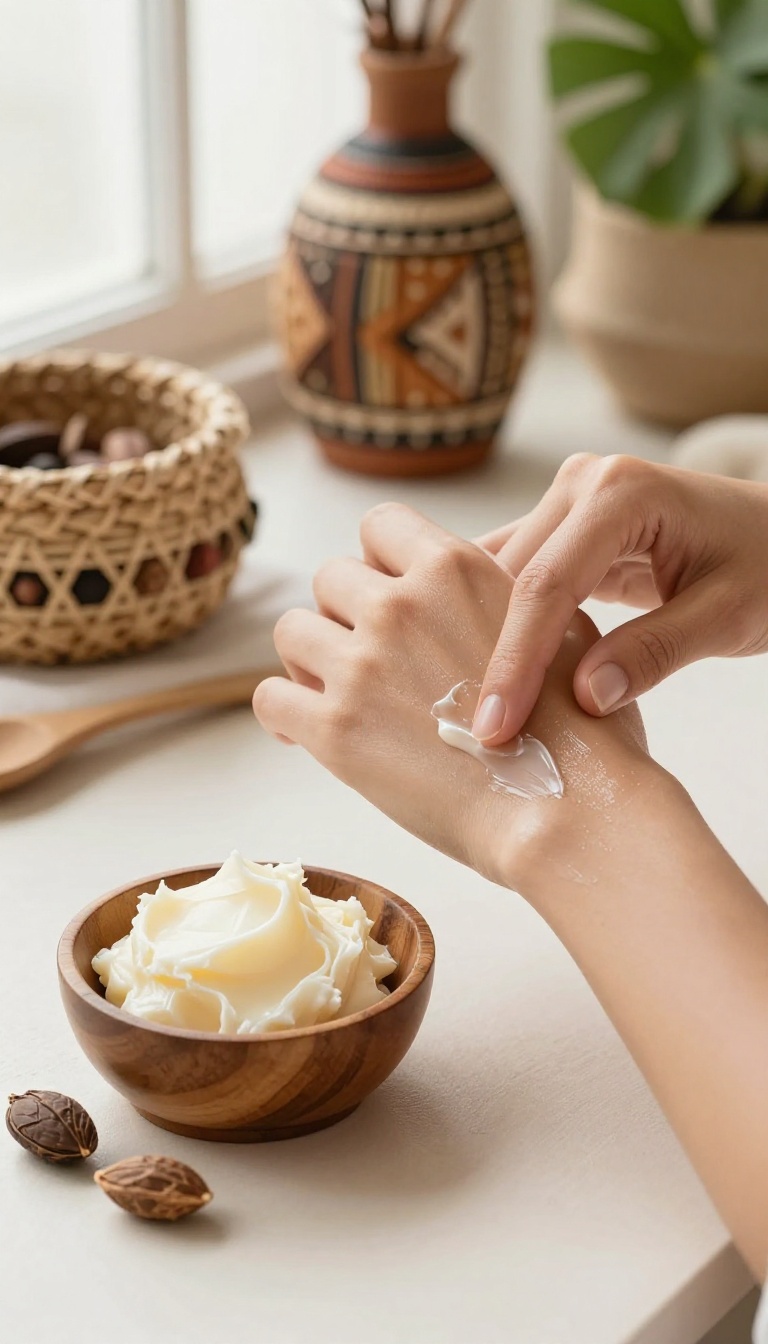
If there’s one ingredient that embodies African body care, it’s shea butter. Harvested from the nuts of the shea tree in West Africa, this rich, creamy fat has been a skincare staple for centuries. It’s not just a moisturizer—it’s a multitasker that heals, protects, and leaves your skin feeling like silk.
Shea butter is packed with vitamins A and E, which are essential for skin repair and regeneration. Its high concentration of fatty acids helps to deeply nourish and lock in moisture, making it perfect for dry or rough patches. Unlike many commercial lotions, shea butter works with your skin’s natural barrier, improving elasticity and reducing the look of fine lines over time.
Why It Works So Well
The secret lies in its unique composition. Shea butter contains cinnamic acid, which provides anti-inflammatory benefits, and triterpenes, which promote collagen production. This means it not only softens but also helps to firm and smooth your skin.
It’s also non-comedogenic, so it won’t clog pores—a win for all skin types.
How To Use It For Best Results
For maximum absorption, warm a small amount between your palms until it melts into an oil. Apply it to slightly damp skin after a shower to seal in moisture. Focus on areas prone to dryness, like elbows, knees, and heels.
A little goes a long way, so start with a pea-sized amount and add more if needed.
Tips For Choosing Quality Shea Butter
Look for raw, unrefined shea butter with a natural, nutty aroma. It should be creamy yellow or ivory in color. Avoid products with added fragrances or preservatives, as they can reduce effectiveness.
If you’re in a warmer climate, store it in a cool, dry place to keep it from melting.
2. Black Soap: Deep Cleansing and Purifying
African black soap is a skincare powerhouse that’s been used for centuries across West Africa. Made from plant ashes and natural oils, it offers a deep clean without stripping your skin’s moisture. If you struggle with acne or uneven tone, this traditional soap might be the gentle reset your routine needs.
Unlike harsh commercial cleansers, black soap respects your skin’s natural barrier. The ash from cocoa pods, plantain skins, and palm leaves creates a mild, soapy base that lifts away dirt and excess oil. At the same time, shea butter and coconut oil in the mix keep your skin soft and hydrated.
It’s a balanced approach to cleansing that leaves you feeling fresh, not tight.
Why It Works
The key is in the ingredients. Plant ashes are rich in potassium, which acts as a natural cleanser. Combined with antimicrobial properties from the plants, black soap helps calm breakouts and reduce inflammation.
It also gently exfoliates as you wash, removing dead skin cells that can dull your glow.
How To Use It
Use it 2-3 times a week to avoid over-drying. Lather a small piece in your hands, massage onto damp skin, and rinse with lukewarm water. Follow with a moisturizer to lock in hydration.
For best results, let the soap air-dry between uses to keep it firm.
What To Look For
Real African black soap is soft, uneven in color, and has a slightly earthy smell. Avoid versions with added fragrances or dyes. Look for raw or handmade options with simple, recognizable ingredients like shea butter, coconut oil, and plant ashes.
That’s where the magic is.
3. Baobab Oil: The Hydration Hero
Baobab oil comes from the seeds of Africa's iconic "Tree of Life. " For centuries, communities across the continent have used it to protect their skin from harsh sun and dry winds. It's a lightweight, fast-absorbing oil that delivers deep moisture without any sticky residue.
Cold-pressed baobab oil is packed with omega fatty acids and antioxidants. It absorbs quickly, leaving skin soft and supple without greasiness. This makes it perfect for daily use, even in humid climates.
Why Your Skin Loves It
Baobab oil is rich in vitamins A, D, E, and F, which help repair and regenerate skin cells. The omega-3, 6, and 9 fatty acids strengthen the skin barrier, locking in moisture and keeping irritants out. It also has a high concentration of polyphenols, which fight free radicals and slow down signs of aging.
How To Use It Daily
Warm a few drops between your palms and press into damp skin after a shower. You can also mix it into your body lotion for an extra boost. For a deep treatment, massage it into dry areas like elbows and knees before bed.
The Lightweight Secret
Unlike heavier oils, baobab oil sinks in almost instantly. It doesn't clog pores or leave a film, making it ideal for all skin types, even oily or combination. A little goes a long way, so a small bottle lasts for months.
4. Marula Oil: Anti-Aging Elixir
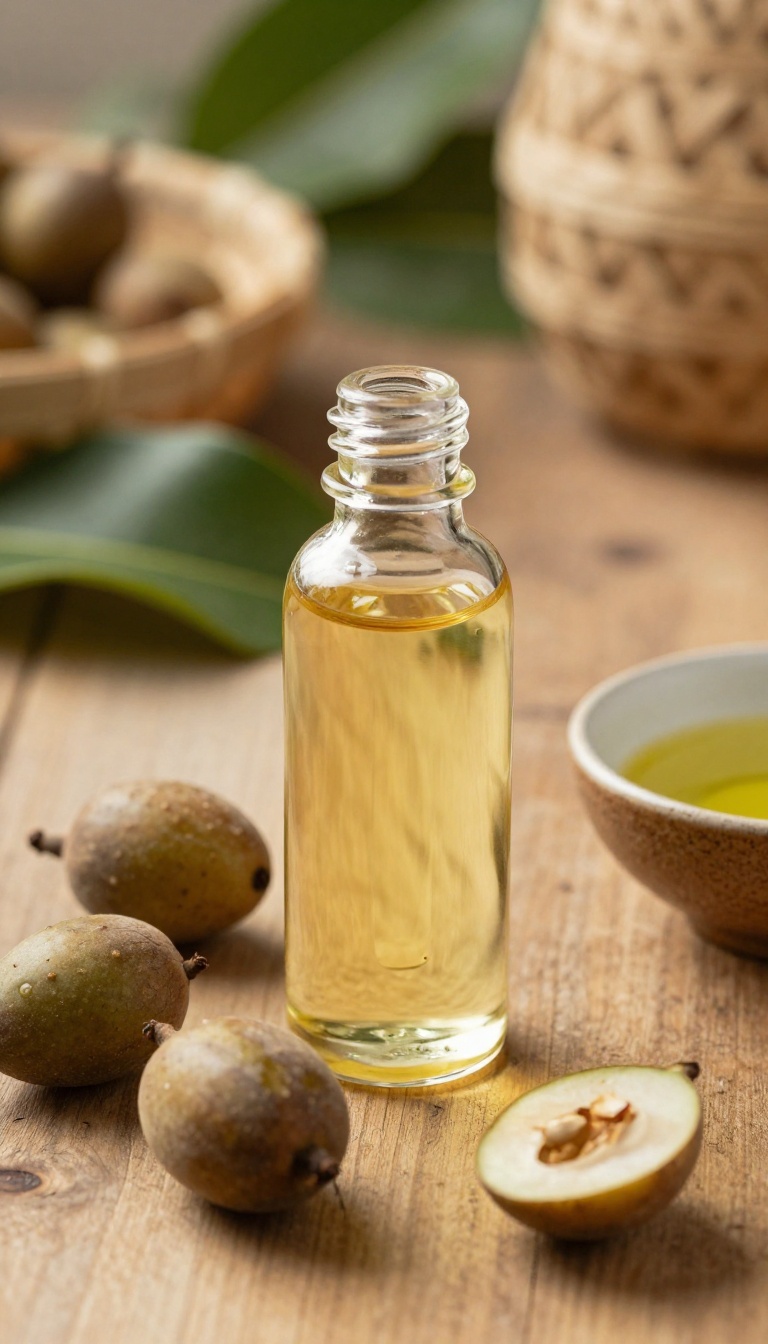
Marula oil, pressed from the kernels of the marula fruit, has been a staple in Southern African beauty routines for centuries. Known as the 'anti-aging elixir, ' it's packed with nutrients that keep skin looking youthful and radiant. This lightweight oil absorbs quickly, making it perfect for daily use without any greasy residue.
Rich in tocopherols (vitamin E) and essential fatty acids, marula oil helps to reduce fine lines and improve skin firmness. It also provides deep hydration and protects against environmental stressors. Use it as a daily moisturizer or mix a few drops into your favorite lotion for an extra boost.
Why Marula Oil Works
The secret lies in its high concentration of antioxidants and fatty acids. These compounds help neutralize free radicals, which cause premature aging, and support the skin's natural barrier. Regular use can visibly soften fine lines and leave your skin feeling supple and smooth.
How To Use It Daily
For best results, warm a few drops of marula oil between your palms and press it onto clean, damp skin after bathing. This locks in moisture and allows the oil to penetrate deeply. You can also blend it with your body butter or use it as a nourishing massage oil.
A Note On Sourcing
Look for cold-pressed, unrefined marula oil to ensure you get the full benefits. Many brands source it sustainably from communities in Southern Africa, so choosing ethically produced oil supports local economies and preserves traditional practices.
5. Honey and Milk Masks: Ancient Cleopatra Secret
This duo has been a beauty staple since the days of Cleopatra, who reportedly bathed in milk and honey to keep her skin luminous. The science backs it up: lactic acid in milk gently exfoliates while honey locks in moisture. Together, they create a mask that softens, brightens, and leaves skin with a healthy glow.
It’s a simple ritual that feels luxurious and works for most skin types.
The magic lies in the combination. Lactic acid is a natural alpha-hydroxy acid that dissolves the bonds between dead skin cells, revealing fresh skin underneath. Honey is a humectant, pulling moisture into the skin, and it also has antibacterial properties that help calm breakouts.
When mixed, they form a creamy mask that’s both exfoliating and nourishing. Regular use can improve texture and tone without harsh chemicals.
How To Make It
Mix 1 tablespoon of raw honey with 2 tablespoons of whole milk (or plain yogurt for extra creaminess). Stir until smooth. Apply to clean skin, avoiding the eye area.
Leave on for 15–20 minutes, then rinse with warm water. For a thicker mask, add a teaspoon of oatmeal or a mashed banana.
Why It Works
The lactic acid in milk gently breaks down dead skin cells, while honey soothes and hydrates. This combination helps fade dark spots and evens skin tone over time. It’s gentle enough for most skin types, but if you have very sensitive skin, do a patch test first.
Tips For Best Results
Use raw, unprocessed honey for maximum benefits. Warm the milk slightly before mixing to help the honey blend easily. Apply the mask with your fingers or a brush for even coverage.
Use it once or twice a week for best results. Follow with your favorite moisturizer to lock in the glow.
6. Scrubbing with a Woven Mitt (Kessa)
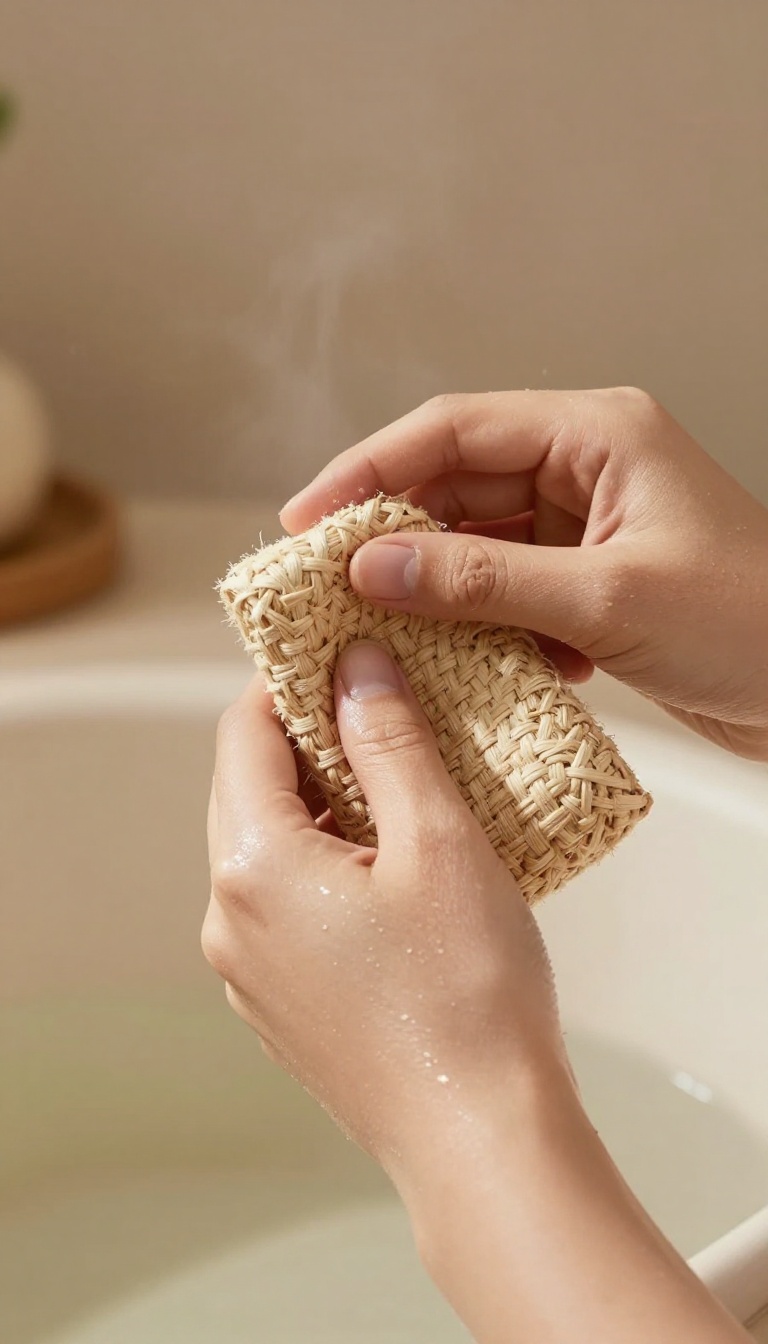
In the heart of North Africa, the hammam is more than a bath—it’s a ritual. And at the center of that ritual is the kessa, a rough woven mitt that transforms your skin with a vigorous scrub. This isn’t your average exfoliation; it’s a deep, satisfying polish that leaves you feeling brand new.
The kessa mitt is typically made from a blend of natural fibers, often eucalyptus or linen, giving it a coarse texture that works wonders. When used in the steamy heat of a hammam, it sloughs away dead skin cells, unclogs pores, and boosts circulation. The result?
Skin that’s noticeably smoother, softer, and more radiant. You can recreate this experience at home by soaking in a warm bath for 10–15 minutes to soften your skin, then using the mitt in long, sweeping strokes from your ankles up. It’s a simple practice that delivers immediate, visible results.
Why The Kessa Works
The magic lies in the combination of heat and friction. The warm water softens the outer layer of skin, making it easier to remove, while the mitt’s texture lifts away impurities without being too harsh. This double action not only exfoliates but also stimulates blood flow, which gives your skin a healthy, natural glow.
Plus, it’s incredibly satisfying to see the dead skin roll off—proof that you’re revealing fresh, new skin underneath.
How To Use It At Home
No hammam? No problem. You can still get the benefits.
Start by soaking in a warm bath or shower for at least 10 minutes to soften your skin. Then, with your kessa mitt, work in long, firm strokes from your feet upward, focusing on rough areas like elbows, knees, and heels. Rinse off and follow with a hydrating body oil or lotion to lock in moisture.
Aim to do this once a week to keep your skin smooth without over-exfoliating.
Choosing The Right Mitt
Not all kessa mitts are created equal. Look for one made from natural fibers, like eucalyptus or a linen blend, as these provide the right amount of grit. Avoid synthetic materials that can be too rough or too slippery.
A good kessa should feel coarse but not painful against your skin. You can find them online or at specialty stores, and they’re usually quite affordable—a small investment for a spa-like experience at home.
7. Argan Oil: Liquid Gold from Morocco
When you think of Moroccan beauty secrets, argan oil usually tops the list. Harvested from the kernels of the argan tree, this luxurious oil has been used for centuries by Berber women to keep their skin soft and resilient under the harsh sun. It’s no wonder they call it “liquid gold. ” Packed with vitamin E, essential fatty acids, and antioxidants, argan oil works wonders for dry, flaky skin.
It sinks in quickly without feeling greasy, making it a perfect all-rounder for face, body, and even hair. Whether you’re dealing with rough elbows or a dull complexion, a few drops can bring back that healthy glow.
Why It Works
Argan oil is rich in linoleic acid, which helps strengthen the skin’s natural barrier. This means less moisture loss and better protection against environmental stressors. The vitamin E also acts as a powerful antioxidant, fighting free radicals that cause premature aging.
How To Use It
For best results, warm a few drops between your palms and press onto clean, slightly damp skin. Massage gently in circular motions, focusing on dry areas like knees and elbows. You can also mix a drop into your body lotion for an extra boost of hydration.
A Daily Ritual
In Morocco, argan oil isn’t just a product—it’s part of a daily self-care ritual. Applying it after a warm shower locks in moisture and leaves a subtle, natural sheen. Over time, you’ll notice smoother, more supple skin that looks radiant without any heavy makeup.
8. Rooibos Tea Soaks: Antioxidant Bath
Rooibos tea isn't just for sipping—it's a skincare powerhouse. This South African herb is packed with antioxidants that help calm inflammation and protect your skin from environmental stressors. Adding a strong brew to your bath turns an ordinary soak into a soothing, restorative ritual.
Brew a pot of rooibos tea, let it cool, and pour it into your bathwater. The tea's natural compounds, including aspalathin and quercetin, work to reduce redness and irritation while leaving your skin feeling soft and smooth. It's a simple, affordable way to bring a piece of African wellness into your self-care routine.
Why Rooibos Works
Rooibos is rich in polyphenols and flavonoids that fight free radicals, which can accelerate aging. Its anti-inflammatory properties make it especially helpful for sensitive or sun-exposed skin. Unlike some harsh treatments, rooibos is gentle enough for daily use.
How To Prepare Your Soak
Steep 4-6 rooibos tea bags in 4 cups of boiling water for 10-15 minutes. Let the tea cool to a comfortable temperature, then add it to a warm bath. Soak for 20-30 minutes to let your skin absorb the antioxidants.
You can also add a few drops of your favorite carrier oil for extra moisture.
Extra Tips For Best Results
For an enhanced experience, combine rooibos with a handful of Epsom salts to ease muscle tension. After your soak, pat your skin dry and follow with a light moisturizer to lock in the benefits. Use this ritual 2-3 times a week to maintain a healthy glow.
9. Aloe Vera Gel: Soothing and Healing
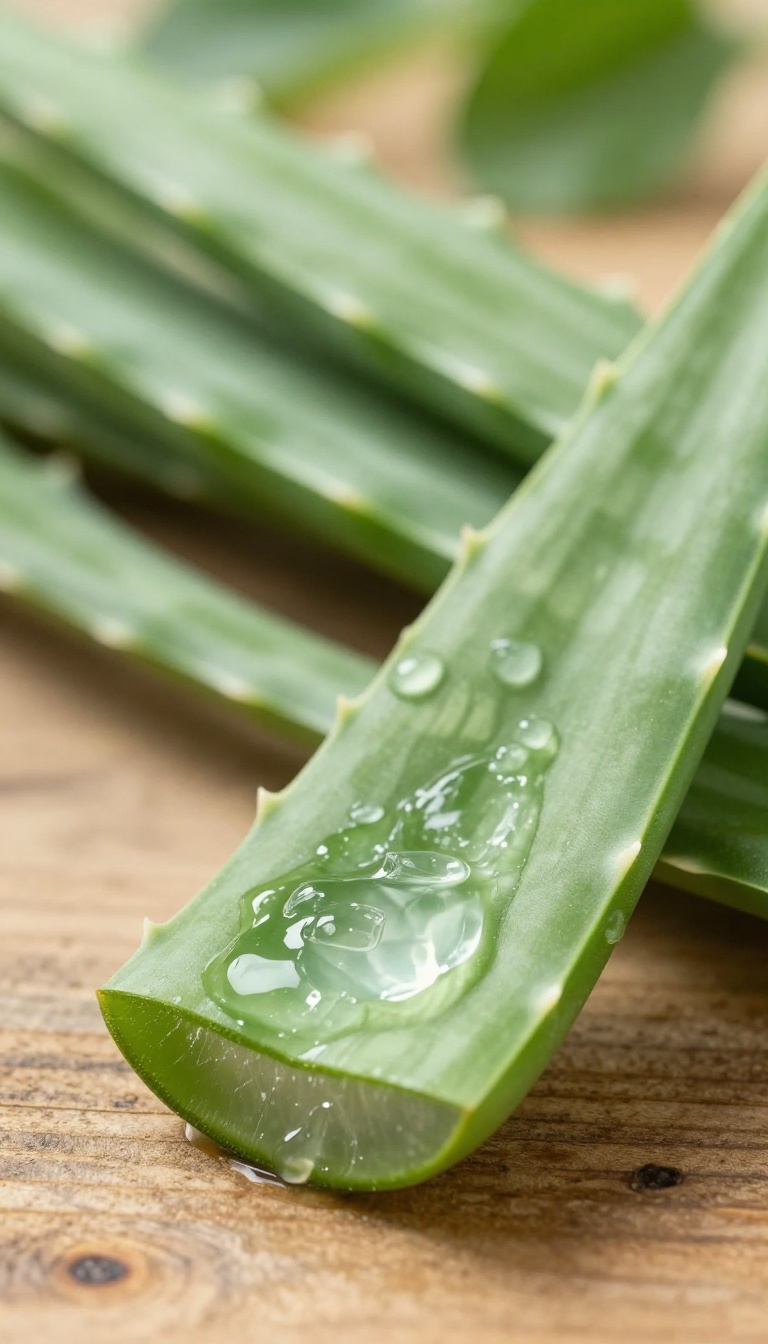
Aloe vera isn't just a trendy plant—it's been a trusted skin healer across Africa for ages. The gel inside its thick leaves is packed with vitamins, enzymes, and anti-inflammatory compounds that calm irritation and lock in moisture. Whether you've had too much sun or just need a hydration boost, this natural remedy delivers.
Fresh aloe vera gel, a staple in many African homes, cools sunburn, hydrates, and speeds up healing. Apply it after sun exposure or for a dewy glow. It's simple, affordable, and incredibly effective.
Why Aloe Works So Well
The gel contains polysaccharides that help retain moisture, plus compounds like aloin and antioxidants that reduce redness and promote cell repair. It's gentle enough for sensitive skin but strong enough to tackle sunburns and minor irritations.
How To Use It Daily
Cut a fresh leaf, scoop out the gel, and apply it directly to clean skin. Leave it on for 15-20 minutes, then rinse with cool water. For a quick glow, mix a little gel with your moisturizer or use it as a lightweight overnight mask.
Combining With Other African Staples
In many traditions, aloe is blended with honey or coconut oil to boost its healing power. Try mixing aloe gel with a few drops of marula oil for extra nourishment, or add a spoonful of honey to calm inflamed skin.
10. Coconut Oil Massage: Nourishing Ritual
Warm coconut oil isn't just for cooking—it's a staple in many African beauty routines. The practice of massaging warm oil into the skin is both calming and deeply hydrating. It's a simple way to show your body some care after a long day.
Massaging with coconut oil is more than a moisturizing step; it's a moment to slow down and reconnect with yourself. The warmth of the oil helps it sink in faster, while the massage boosts circulation and relaxes tired muscles. Over time, your skin becomes noticeably softer and more supple.
Why Warm Oil Works Better
Warming coconut oil slightly (just to body temperature) makes it easier to spread and absorb. The heat opens up pores, allowing the oil to penetrate deeper. This means you get more hydration with less product, and the skin feels smoother almost instantly.
The Right Way To Massage
Use long, upward strokes on your arms and legs, and gentle circular motions on your stomach and joints. Spend a little extra time on dry areas like elbows and knees. You don't need to press hard—just enough to feel the oil working in.
Finish by letting the oil sit for a few minutes before dressing.
Adding A Touch Of Scent
If you want an extra sensory boost, mix in a drop or two of essential oil like lavender or ylang-ylang. This turns your massage into an aromatherapy session, helping you unwind even more. Just make sure you're using a carrier oil like coconut to dilute the essential oil safely.
11. Turmeric and Yogurt Brightening Mask
Turmeric and yogurt might sound like kitchen staples, but together they form one of Africa's most beloved skin brightening masks. This duo has been used for centuries to fade dark spots and even out skin tone, leaving a natural glow that no filter can replicate. The magic lies in how the two ingredients work in harmony—turmeric calms and heals, while yogurt gently resurfaces.
The combination of turmeric and yogurt is a classic in many African beauty routines, especially in regions like Ethiopia and Somalia. Turmeric contains curcumin, a compound known for its powerful anti-inflammatory and antioxidant properties. It helps reduce redness and pigmentation, making it a go-to for uneven skin tone.
Yogurt, on the other hand, is rich in lactic acid, a natural alpha-hydroxy acid that exfoliates dead skin cells and promotes cell turnover. Together, they create a mask that brightens, smooths, and refreshes your skin without harsh chemicals.
Why This Combo Works
Turmeric's curcumin is a superstar when it comes to calming inflammation and fighting free radicals that cause dullness. Yogurt's lactic acid gently dissolves the glue that holds dead skin cells together, revealing fresh, radiant skin underneath. This dynamic duo also helps fade hyperpigmentation and dark spots over time, giving you a more even complexion.
How To Make And Apply
Mix one teaspoon of turmeric powder with two tablespoons of plain yogurt (preferably Greek for thickness). Stir until you get a smooth paste. Apply it evenly to your face or body, avoiding the eye area.
Leave it on for 15-20 minutes, then rinse off with lukewarm water. Use this mask 2-3 times a week for best results. Always do a patch test first, as turmeric can temporarily stain lighter skin tones.
Tips For Best Results
For an extra glow, add a teaspoon of honey to the mask—it's naturally antibacterial and moisturizing. To avoid yellow stains on your skin, don't leave the mask on for too long, and follow up with a gentle cleanser if needed. Consistency is key: you'll start noticing a brighter, more even tone within a few weeks.
12. Moringa Oil: Nutrient-Rich Protector
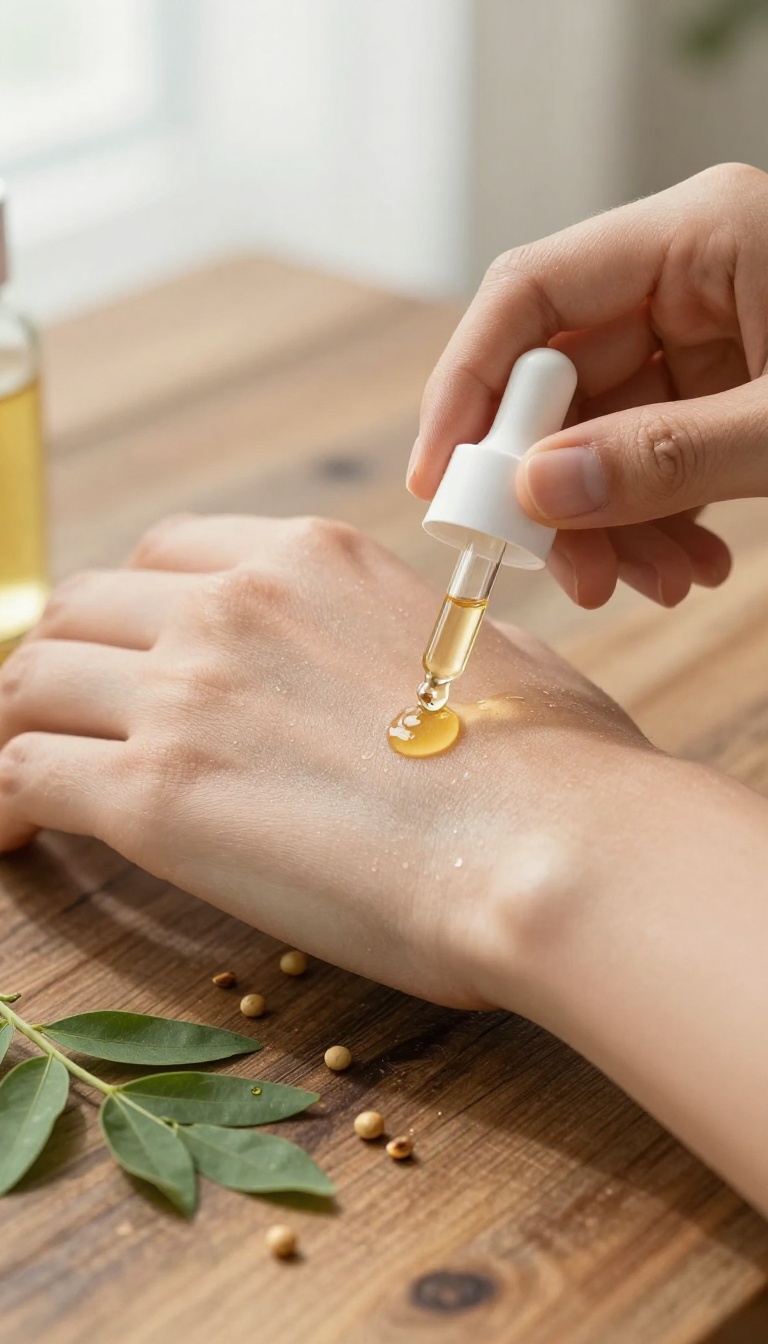
Moringa oil might not be as famous as argan or coconut, but it's a hidden gem in African skincare. Extracted from the seeds of the moringa tree, this lightweight oil has been used for centuries to shield skin from harsh climates. It's packed with vitamins A, C, and E, plus powerful antioxidants that fight off environmental damage.
What makes moringa oil stand out is how quickly it absorbs without leaving a greasy film. It hydrates deeply while also helping to lock in moisture, making it perfect for daily use, even in humid or dry conditions. If you're looking for a simple yet effective way to boost your skin's defense, this is it.
Moringa oil is a multitasker that works for nearly every skin type. Its high concentration of oleic acid mimics the skin's natural sebum, so it balances oil production without clogging pores. The antioxidants, like quercetin and chlorogenic acid, neutralize free radicals that cause premature aging, while vitamin E supports skin repair.
Regular use leaves skin feeling soft, smooth, and resilient. One of the best things about moringa oil is its versatility. You can use it alone as a moisturizer, mix a few drops into your body lotion, or apply it as a soothing after-sun treatment.
It's also gentle enough for sensitive areas, and its antibacterial properties make it a great choice for minor skin irritations. For a simple daily ritual, warm a few drops between your palms and press onto damp skin after a shower.
Why Moringa Oil Works So Well
The secret lies in its fatty acid profile—oleic acid (around 70%) and behenic acid help create a breathable barrier on the skin. This barrier locks in hydration while allowing skin to breathe, which is why it feels so comfortable. Plus, the vitamins and amino acids support collagen production, keeping skin firm and youthful.
How To Add It To Your Routine
Start by using moringa oil as a daily moisturizer. After cleansing, massage a few drops onto your body, focusing on dry areas like elbows and knees. You can also add it to your bath for an all-over softening effect, or mix it with shea butter for an extra-rich night treatment.
For a quick glow, apply a thin layer before heading out—it also works as a natural makeup remover.
Where To Find Quality Moringa Oil
Look for cold-pressed, unrefined moringa oil to get the most nutrients. It's available at health food stores or online, and a little goes a long way. Store it in a cool, dark place to keep it fresh.
If you're in a region where moringa grows, you might even find local producers offering fresh oil—just make sure it's pure and free from additives.
13. African Wormwood Steam: Detoxifying
Steam treatments are a classic way to deep-clean your skin, and African wormwood takes it to another level. This aromatic herb, native to parts of Africa, has been used for centuries to open pores and draw out impurities. A quick steam session can leave your face feeling weightless and your skin looking brighter.
When you steam with African wormwood, the heat helps soften the top layer of your skin, making it easier for the herb's natural compounds to work. It's a gentle yet effective way to detoxify without harsh scrubs or chemical peels. Plus, the earthy scent adds a calming ritual to your routine.
How To Do It At Home
Boil a pot of water, then add a handful of dried African wormwood leaves. Let it steep for a few minutes, then lean over the pot with a towel draped over your head to trap the steam. Keep your face about 12 inches away to avoid burning.
Steam for 5-10 minutes, then pat your skin dry and follow with a moisturizer.
Why Your Skin Will Thank You
The steam opens up clogged pores, allowing trapped oil and dirt to escape. Wormwood also has natural antibacterial properties, which can help calm breakouts. After steaming, your skin often looks plumper and more even-toned, ready to absorb the next products in your routine.
When To Skip It
If you have rosacea or very sensitive skin, skip this one—the heat can cause redness. Also, avoid steaming if you have any open wounds or active acne cysts. Always do a patch test with the herb first to rule out allergies.
14. Sesame Oil for Dry Skin Relief
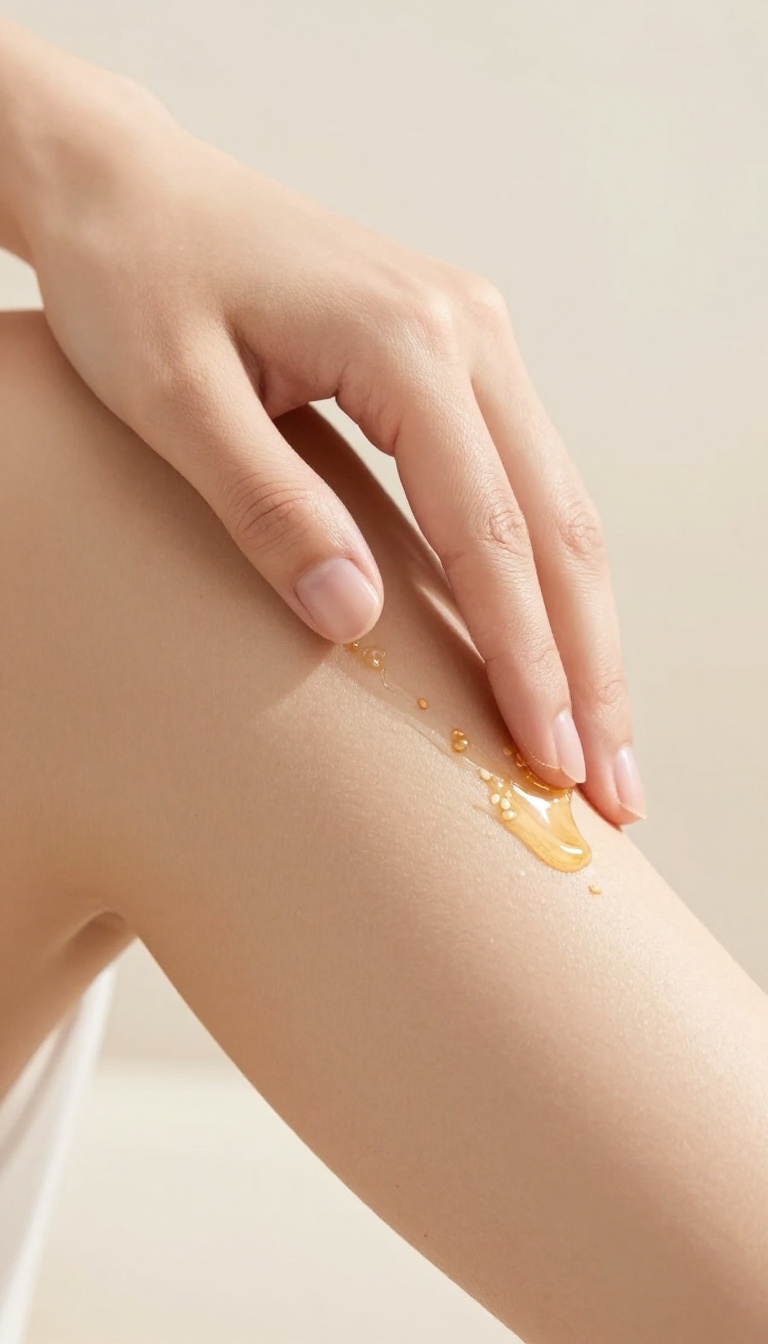
If you've ever dealt with stubborn dry patches, you know how frustrating it can be. Sesame oil has been a go-to remedy across many African cultures for centuries, celebrated for its deep moisturizing powers. It's packed with vitamin E and antioxidants, making it a simple yet effective way to soften rough spots like elbows and knees.
Warm a small amount of sesame oil between your palms, then massage it into dry areas using circular motions. The oil absorbs quickly, leaving your skin feeling smooth without a greasy residue. For best results, apply it right after a shower when your pores are still open.
Why Sesame Oil Works
Sesame oil is rich in fatty acids and vitamin E, which help strengthen the skin barrier and lock in moisture. It also has natural anti-inflammatory properties, so it can calm irritation and flakiness. Unlike some heavy oils, it sinks in fast, making it perfect for daily use.
How To Use It
Use it as a spot treatment for dry patches or mix a few drops into your regular body lotion for an extra boost. You can also add a few drops to a warm bath and soak for 15 minutes—your skin will drink it right up.
Who Should Try It
This oil is gentle enough for most skin types, but it's especially helpful if you have dry, flaky, or mature skin. If you're prone to breakouts, test it on a small area first, as it can be rich for some faces. But for body use, it's a game-changer.
15. Palm Oil and Shea Butter Body Butter
There's a reason many African grandmothers swear by a simple mixture of palm oil and shea butter. Whipping these two together creates a rich, fluffy body butter that feels like a decadent treat for your skin. It’s not just about luxury—this combo is a powerhouse for deep nourishment and repair, especially for very dry or rough patches.
Palm oil is naturally rich in vitamin E and carotenoids, while shea butter brings fatty acids and vitamins A and F to the mix. Together, they create a barrier that locks in moisture and helps your skin heal. The texture is thick but absorbs nicely, leaving a soft, non-greasy finish.
Why This Combo Works
Palm oil is packed with tocotrienols, a form of vitamin E that fights free radicals and supports skin repair. Shea butter is famous for its intense moisturizing and anti-inflammatory properties. When whipped, the mixture becomes airy and easier to spread, so you get all the benefits without the heavy feel.
How To Make Your Own
You'll need equal parts unrefined palm oil and raw shea butter. Melt them gently in a double boiler, then let the mixture cool until it's semi-solid. Use a hand mixer to whip it for about 5 minutes until it turns light and fluffy.
Store in a glass jar at room temperature—it will stay soft and spreadable.
Best Ways To Use It
Apply a small amount to damp skin after a shower, focusing on elbows, knees, and heels. You can also use it as a pre-bath treatment: massage it on dry skin, let it sit for 15 minutes, then rinse off with warm water. For an extra treat, mix in a few drops of your favorite essential oil.
16. Eucalyptus Leaf Bath: Invigorating and Soothing
A warm bath is already a treat, but adding eucalyptus leaves takes it to a whole new level. This tradition, common in parts of North and East Africa, turns an ordinary soak into a spa-like ritual. The leaves release their aromatic oils as they steep, filling the air with a fresh, clean scent that instantly relaxes the mind.
The benefits go beyond the senses. Eucalyptus is known for its anti-inflammatory and antimicrobial properties, which can help calm irritated skin and keep it clear. Regular eucalyptus baths are said to leave skin feeling toned, soft, and visibly refreshed.
The magic of eucalyptus lies in its essential oils. When the leaves hit hot water, they release compounds like eucalyptol, which have a cooling effect on the skin. This can help reduce redness and puffiness, making it a great choice after a long day or a tough workout.
Beyond the skin, the steam carries the oil into your respiratory system, helping to clear congestion and ease breathing. It’s a full-body reset that leaves you feeling invigorated yet calm.
How To Prepare A Eucalyptus Bath
You don’t need a fancy setup. Just grab a handful of fresh or dried eucalyptus leaves and tie them in a muslin bag or clean cloth to keep the leaves from sticking to you. Place it under the running tap as your bath fills, letting the water flow through the leaves.
Then let the bag steep in the water for about 10 minutes before you get in. The water should be warm, not scalding, to avoid drying out your skin.
Extra Tips For Best Results
For an even more soothing experience, add a few drops of eucalyptus essential oil to the water, but be sure to mix it with a carrier oil or milk first to avoid irritation. You can also combine the bath with a gentle exfoliation afterward to boost circulation and enhance that radiant glow. Just pat your skin dry and apply a light moisturizer to lock in the benefits.
17. Hibiscus Flower Exfoliant: Natural Glow
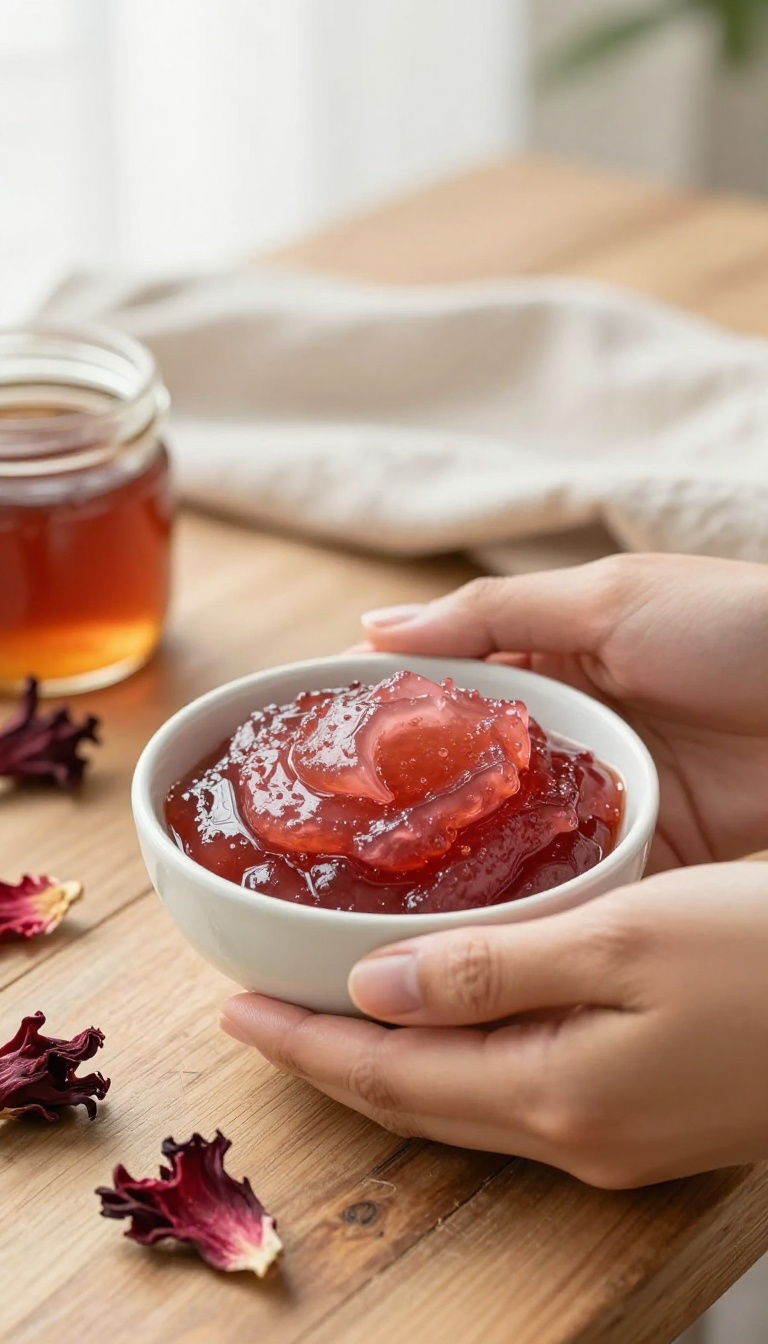
Dried hibiscus petals aren't just for tea—they're a skincare powerhouse. When ground into a fine powder, they become a gentle exfoliant that's packed with natural alpha-hydroxy acids (AHAs). These acids help dissolve dead skin cells, revealing a brighter, more even complexion.
What's great about hibiscus is that it's mild enough for most skin types, yet effective enough to visibly smooth and soften. Plus, it smells lovely and adds a touch of botanical luxury to your routine.
To make your own hibiscus exfoliant, mix the powder with a little water, honey, or yogurt to form a paste. Massage it onto damp skin in circular motions, then rinse with warm water. Use once or twice a week to keep your skin glowing without over-exfoliating.
The natural acids in hibiscus also help improve skin texture and may even support collagen production, giving your skin a firmer, more youthful look. It's a simple, affordable way to channel ancient African beauty secrets.
Why Hibiscus Works
Hibiscus is rich in AHAs like citric and malic acid, which gently dissolve the bonds between dead skin cells. This reveals fresh, radiant skin underneath. It also contains antioxidants that help fight free radicals, reducing dullness and promoting a healthy glow.
How To Use It
Start with a small amount of hibiscus powder and mix it with a liquid of your choice—water, rose water, or aloe vera juice work well. Apply to clean skin, leave on for a few minutes, then rinse off. Always patch-test first, especially if you have sensitive skin.
Pair It With Moisturizer
After exfoliating, follow up with a rich moisturizer or a few drops of nourishing oil like marula or baobab. This locks in hydration and keeps your skin soft and supple. For best results, use at night so your skin can repair while you sleep.
FAQ
What is the best African ingredient for dry skin?
Shea butter is a top choice for dry skin because it’s rich in fatty acids and vitamins that deeply moisturize and repair the skin barrier. It’s also non-comedogenic, so it won’t clog pores.
How often should I exfoliate with African black soap?
For most skin types, using black soap 2-3 times a week is enough. Over-exfoliating can strip natural oils, so listen to your skin and adjust as needed.
Can I use these African oils on my face?
Yes, many African oils like argan, marula, and baobab are lightweight and suitable for facial use. Start with a small amount to see how your skin reacts, especially if you’re prone to breakouts.
Are these traditions suitable for sensitive skin?
Most of these natural ingredients are gentle, but it’s always best to patch test. For sensitive skin, opt for soothing ingredients like aloe vera and shea butter, and avoid harsh exfoliants.
Where can I buy authentic African body care products?
Look for reputable online retailers that source directly from African cooperatives, or visit local African markets. Check for certifications and read reviews to ensure quality and authenticity.
Conclusion
African beauty rituals have always been about more than just looking good—they're about honoring your skin with natural, time-tested ingredients. You don't need a dozen products to see results; just pick one or two traditions that resonate with you, like shea butter sealing or a gentle exfoliating scrub.
Start with a simple swap this week, and let these practices become a soothing part of your routine. Your skin will glow with the care it deserves.