
The payoff of a great body care routine isn't just softer skin—it's the calm, grounded feeling that lingers long after you step out of the shower. When you treat your body with intention, you're not just cleaning up; you're resetting your whole day.
These 20 steps are designed to be flexible, so you can mix and match what works for you. Some are quick wins, others are weekend indulgences, but all of them contribute to a ritual that feels less like a chore and more like a treat.
Ready to upgrade your routine? Let's dive in.
1. Start with a Dry Brush to Wake Up Your Skin
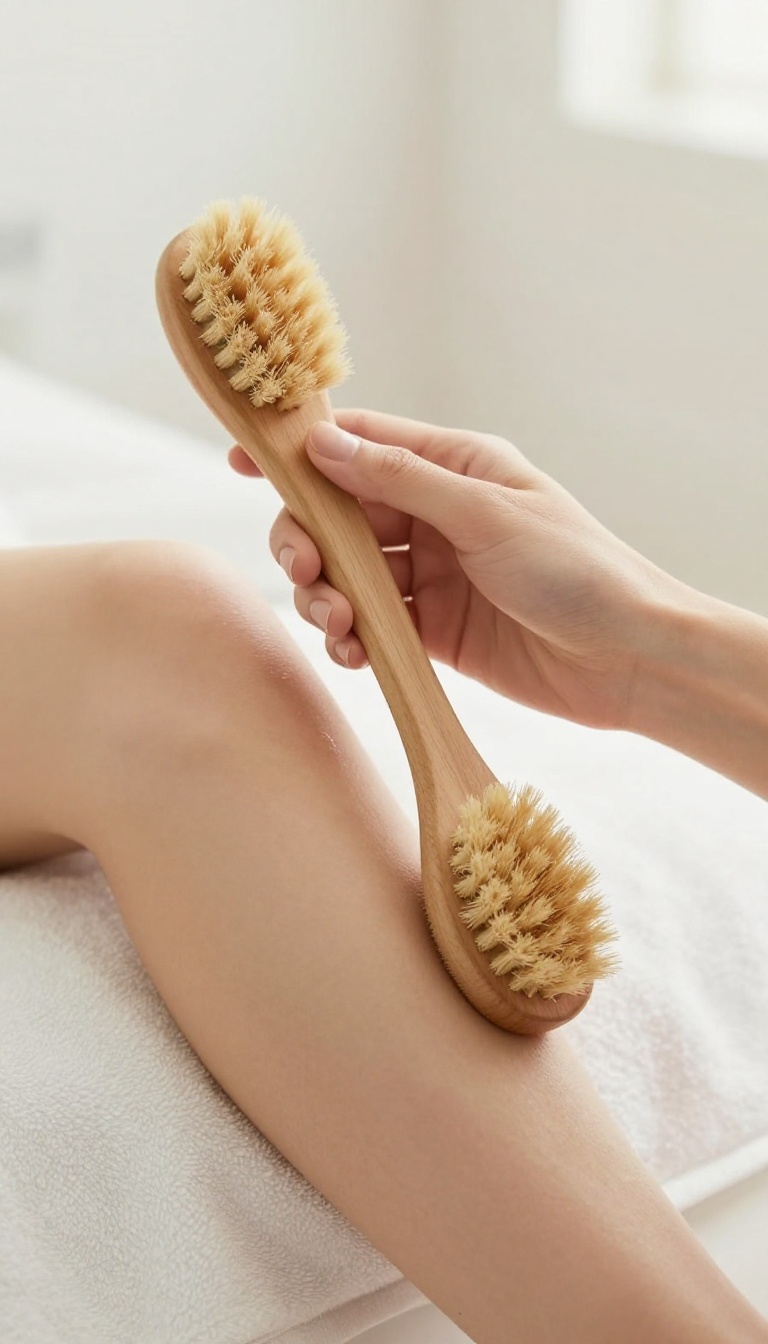
Before you even turn on the water, grab a dry brush. This simple step does more than just slough off dead skin—it gets your blood moving and gives your lymphatic system a gentle nudge. Think of it as a mini wake-up call for your entire body.
Dry brushing is all about technique. Use long, sweeping strokes that always move toward your heart. Start at your feet and work your way up, and don't forget your arms, brushing from your hands toward your shoulders.
Keep the pressure light—you're not trying to scrub, just stimulate. After a few minutes, hop in the shower and rinse away the flakes. Your skin will feel smoother, and you'll feel a little more energized.
Why It Works
The bristles create a mild friction that exfoliates and boosts circulation. This can help reduce the appearance of cellulite and leave your skin looking more radiant. Plus, it's a great way to wake up your senses before your morning shower.
How To Choose A Brush
Look for a brush with natural bristles and a long handle so you can reach your back easily. Avoid synthetic bristles, which can be too harsh. If you have sensitive skin, opt for a softer brush and use even lighter pressure.
When To Do It
Ideally, dry brush right before you shower, in the morning or evening. Just make sure your skin is completely dry. If you're prone to irritation, start with just a few strokes and build up over time.
2. Set the Mood with Warm (Not Hot) Water
There's nothing like a steaming hot shower after a long day, but your skin might be paying the price. Hot water strips away the natural oils that keep your skin hydrated, leaving it tight, itchy, and prone to irritation. Switching to warm water is a simple change that makes a big difference in how your skin feels and looks.
When you use warm water, you're protecting your skin's moisture barrier, which helps lock in hydration and keeps irritants out. This means less dryness, fewer flare-ups, and a smoother overall texture. Plus, warm water is just as effective at cleansing—you don't need scorching temperatures to get clean.
Why Hot Water Is A No-go
Hot water can disrupt the lipid barrier in your skin, leading to moisture loss and increased sensitivity. It can also worsen conditions like eczema or psoriasis. Over time, this can make your skin feel chronically dry and uncomfortable, no matter how much lotion you apply afterward.
Find Your Ideal Temperature
The sweet spot is lukewarm—around 98°F (37°C) to 104°F (40°C). It should feel comfortable and not cause your skin to turn red. If you're used to hot showers, start by gradually lowering the temperature each day until it feels natural.
Your skin will thank you.
Extra Tips For A Skin-friendly Shower
Keep your shower time under 10 minutes to avoid over-drying. Use a gentle, sulfate-free body wash, and avoid scrubbing too hard with a loofah or washcloth. After you step out, pat your skin dry with a towel—don't rub—and apply moisturizer while your skin is still slightly damp to lock in hydration.
3. Use a Gentle, Sulfate-Free Body Wash
Your body wash might be doing more harm than good, especially if it's packed with sulfates. These foaming agents can strip away natural oils and leave your skin feeling tight and irritated. Switching to a sulfate-free formula is a simple swap that makes a big difference, particularly for sensitive or dry skin.
Look for a body wash that lists nourishing ingredients like glycerin, aloe, or oatmeal. These help maintain your skin's moisture barrier while still getting you clean. And don't worry about losing the lather—many gentle cleansers still foam up nicely, just without the harshness.
When you choose a sulfate-free body wash, you're treating your skin with the same care you give your face. Sulfates, like sodium lauryl sulfate (SLS), are common in traditional soaps and can cause redness, itching, and dryness, especially in winter. By opting for a gentler alternative, you'll notice your skin feels softer and more comfortable after every shower.
To get the most out of your gentle body wash, focus on how you apply it. Using your hands is fine, but a loofah or a soft washcloth can help create a light foam and gently exfoliate at the same time. Just remember to replace your loofah regularly to keep it hygienic.
Why Sulfates Are Hard On Skin
Sulfates are detergents that create that rich, bubbly lather many of us associate with a deep clean. But they're also strong enough to disrupt your skin's natural pH and strip away protective lipids. Over time, this can lead to a compromised moisture barrier, making your skin more prone to irritation and sensitivity.
If you've ever felt a 'squeaky clean' sensation, that's actually a sign your skin has been stripped of its natural oils.
Key Ingredients To Look For
When scanning the label, keep an eye out for humectants like glycerin and hyaluronic acid, which draw moisture into the skin. Soothing botanicals like aloe vera, chamomile, and green tea can calm any existing irritation. For extra nourishment, choose formulas with shea butter or jojoba oil to help lock in hydration.
Avoid added fragrances and dyes if your skin is particularly reactive.
How To Lather Without Overdoing It
A little goes a long way with gentle body washes. Squeeze a small amount onto a damp loofah or your palm, then work it into a light foam. Massage over your body in circular motions, spending a little extra time on dry areas like elbows and knees.
Rinse thoroughly with warm—not hot—water to avoid further drying. Pat your skin dry with a towel instead of rubbing, then apply moisturizer while your skin is still slightly damp to seal in hydration.
4. Exfoliate Twice a Week with a Body Scrub
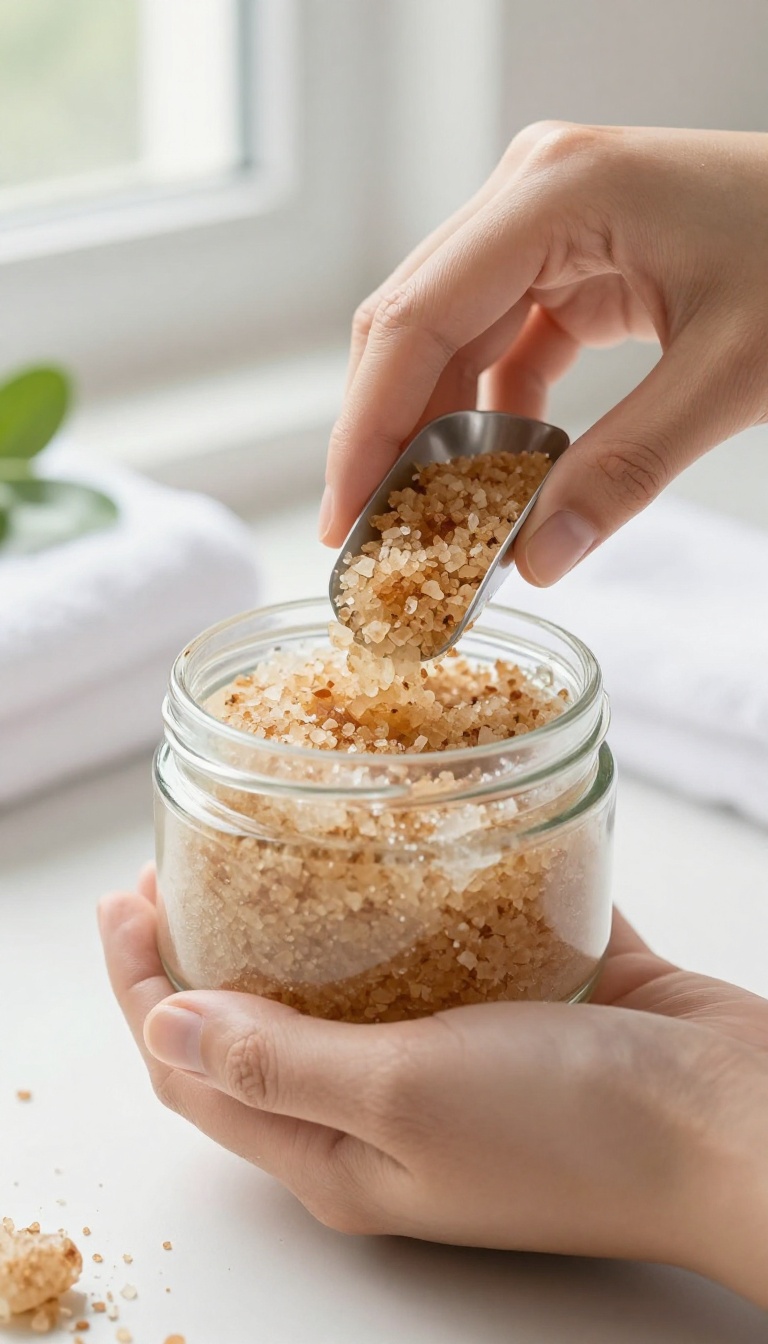
Your skin sheds dead cells constantly, but sometimes it needs a little help. That's where a good body scrub comes in. Exfoliating two to three times a week sloughs off the dull top layer, revealing the fresh, glowing skin underneath.
It's not just about looks—exfoliation also helps your moisturizer sink in deeper. Plus, the act of scrubbing feels like a mini massage, boosting circulation and leaving you feeling invigorated.
A physical scrub with fine granules like sugar or salt is a simple, effective way to smooth rough patches on elbows, knees, and heels. The key is to be gentle and not overdo it. Once or twice a week is plenty for most people, but if you have sensitive skin, start with once a week and see how your skin reacts.
When you exfoliate, you're not just polishing your skin—you're also giving yourself a moment of self-care. The rhythm of the scrub, the scent of the product, and the warm water all combine into a ritual that feels as good for the mind as it does for the body.
Choose The Right Scrub
Not all scrubs are created equal. Look for one with fine, even granules that dissolve slightly as you massage, like sugar or jojoba beads. Avoid harsh salt scrubs if you have any cuts or sensitive skin.
Also, consider the base—something with nourishing oils like almond or coconut will leave your skin feeling soft, not stripped.
Master The Technique
Wet your skin in the shower first, then scoop a generous amount of scrub into your palm. Apply it in circular motions, starting from your feet and working upward toward your heart. Spend a little extra time on rough spots like elbows and knees, but be gentle on delicate areas like your chest and neck.
Rinse thoroughly with warm water, then pat your skin dry—don't rub.
Follow Up With Moisture
Exfoliating opens up your pores and removes the barrier of dead skin, so it's the perfect time to lock in hydration. Within a few minutes of drying off, apply a rich body lotion or oil while your skin is still slightly damp. This helps seal in moisture and keeps your glow going long after the shower.
5. Shave with a Sharp Razor and Shaving Cream
Shaving can be a quick step or a mini ritual, but the tools you use make all the difference. A dull blade drags, tugs, and leaves behind angry red bumps. Swapping in a fresh razor and a good shaving cream turns the whole experience into something smooth and satisfying.
Grab a sharp razor—ideally one with multiple blades—and pair it with a moisturizing shaving cream. The cream creates a protective barrier, while the sharp blade glides effortlessly, reducing friction and irritation. You'll get a closer shave that lasts longer, and your skin will thank you.
Why Dull Blades Are The Enemy
Dull blades don't just miss hairs; they pull and tear at the skin, causing micro-cuts and razor burn. Over time, this leads to ingrown hairs and a rough, bumpy texture. A fresh blade cuts cleanly, so you need fewer passes, which means less irritation.
Pick A Cream That Cushions
Skip the bar soap or body wash when shaving—they don't provide enough slip. A thick, moisturizing shaving cream or gel lifts the hair and cushions the skin. Look for ingredients like aloe, shea butter, or glycerin to keep your legs soft and hydrated.
The Right Technique For A Smooth Finish
Shave in the direction of hair growth for a comfortable first pass, then go against the grain only if needed. Rinse the blade after every stroke, and don't press down—let the razor do the work. Finish with cool water to close pores and pat dry gently.
6. Cleanse Your Face Last to Avoid Clogged Pores
Your face deserves its own special treatment, separate from the rest of your body. When you wash your hair and body first, those products can leave a film on your skin, especially along your hairline and jaw. By saving your face for last, you rinse away all that residue and give your cleanser a clean slate to work with.
Think of your face as the finishing touch to your shower ritual. After you've shampooed, conditioned, and scrubbed your body, step out of the water's direct spray and give your face a gentle cleanse. This way, any leftover product from your hair or body gets washed away, and your pores stay clear.
Why Order Matters
Shampoo, conditioner, and body wash often contain oils, silicones, and fragrances that can linger on your skin. If you wash your face first, those ingredients can settle into your pores and cause breakouts or irritation. By cleansing last, you ensure your face is truly clean, not just coated with other products.
Pick The Right Cleanser
Your face has different needs than your body. Choose a cleanser that matches your skin type—gel for oily, cream for dry, or a gentle foam for sensitive. Avoid body washes or bar soaps on your face, as they can be too harsh and strip away natural oils.
Quick Tips For A Thorough Cleanse
Use lukewarm water, not hot, to avoid irritation. Massage the cleanser in circular motions for about 30 seconds, then rinse thoroughly. Pat your face dry with a clean towel—don't rub.
Follow up with a moisturizer while your skin is still slightly damp to lock in hydration.
7. Rinse with Cool Water to Seal in Moisture

You already know that hot showers feel amazing, but they can strip your skin's natural oils and leave it parched. That's where a cool rinse comes in. It's a simple switch at the end of your shower that makes a noticeable difference.
A quick blast of cool water helps tighten the skin and lock in the moisture you've just added, so you step out feeling refreshed and hydrated.
The idea is straightforward: after you've finished cleansing and conditioning, turn the temperature down for the last 30 seconds or so. The cool water helps constrict blood vessels and close the pores, which can reduce water loss and keep your skin's barrier strong. Plus, that little shock of cold gives you a natural energy boost, making it a great way to start your morning.
Why Cool Water Works
Hot water opens pores and can wash away natural oils, leaving skin vulnerable. Cool water does the opposite—it tightens the skin and helps seal in the moisture from your body wash or in-shower moisturizer. It also improves circulation, which can give your skin a healthy glow.
How To Make It Comfortable
You don't need to go ice-cold. Just turn the dial to lukewarm or slightly cool. Start with your feet and work your way up, so your body adjusts gradually.
If you're brave, finish with a 10-second cold blast on your legs and arms. You'll feel invigorated without dreading it.
When To Skip It
If you have certain skin conditions like eczema or are prone to very dry skin, a cool rinse might not be for you. Also, if you're already cold or just want a relaxing evening shower, a warm rinse is fine. The key is to listen to your body and do what feels right.
8. Pat Dry, Don't Rub, to Keep Skin Hydrated
How you dry off after a shower can make or break your skin's moisture levels. Rubbing with a towel might feel efficient, but it's actually a fast track to irritation and dryness. The friction strips away your skin's natural oils and disturbs its protective barrier.
Instead, treat your skin like delicate fabric. Gently pat yourself dry, leaving your skin slightly damp. This way, your moisturizer has extra water to lock in, which means better hydration and a softer feel.
Switch to patting and your skin will thank you. Here’s how to do it right and why it matters.
Why Rubbing Hurts
When you rub your skin with a towel, you create friction that can cause micro-tears and inflammation. This leads to redness, flakiness, and even breakouts. Over time, it weakens your skin barrier, making it harder for your skin to hold onto moisture.
If you have sensitive or dry skin, this is especially damaging.
The Right Way To Pat Dry
After stepping out of the shower, grab a clean, soft towel. Gently press it against your skin and lift—no back-and-forth motion. Work your way from your face down to your toes.
Leave your skin slightly damp, not dripping. This is the perfect canvas for your moisturizer.
Timing Your Moisturizer
Apply your body lotion or cream within a few minutes of patting dry. The water still on your skin helps pull the product in, so it absorbs better and works more effectively. If you wait too long, your skin dries out and the moisturizer just sits on top.
For best results, keep your moisturizer within arm's reach of the shower.
9. Apply Body Oil While Skin Is Still Damp
Body oil often gets skipped because it feels like an extra step, but it's one of the easiest ways to keep your skin soft and glowing. The trick is to apply it while your skin is still damp, right after you towel off. This helps lock in the moisture from your shower, so your skin stays hydrated longer.
When you apply body oil on damp skin, it spreads more easily and absorbs better, leaving a subtle, healthy sheen without feeling greasy. It's a simple switch that makes a big difference, especially if you have dry or sensitive skin. Plus, the few extra seconds it takes can turn into a mini self-care moment.
Why Damp Skin Works Better
Damp skin acts like a magnet for oil, helping it glide on smoothly and soak in faster. When your skin is wet, it also holds onto more moisture, so the oil seals that hydration in. This means you get the benefits of both a moisturizer and an occlusive, without the heavy feel.
How To Apply For Best Results
Pour a small amount of oil into your palms, rub them together, and press it onto your skin using upward strokes. Focus on areas that tend to get dry, like your legs, arms, and elbows. You can also add a few drops to your lotion for an extra boost, but using it alone on damp skin is enough.
Picking The Right Oil
Look for lightweight oils like jojoba, squalane, or grapeseed that absorb quickly. Avoid heavy mineral oils if you're prone to breakouts or prefer a non-greasy finish. A little goes a long way, so start with a few drops and add more if needed.
10. Lock It In with a Rich Body Lotion or Cream
The final step in your post-shower ritual is where the real magic happens. While body oil adds a layer of nourishment, a rich lotion or cream seals everything in, locking moisture into your skin and keeping it soft throughout the day. Think of it as the protective barrier that makes all your previous efforts last.
Choosing the right formula matters. Look for ingredients like shea butter, ceramides, or glycerin—these are proven to hydrate and strengthen your skin's barrier. Apply generously while your skin is still slightly damp to trap extra moisture, and don't forget easily neglected areas like elbows, knees, and heels.
If you're prone to dryness, opt for a cream or butter instead of a lotion, as they have a thicker consistency and provide longer-lasting hydration. For oily or combination skin, a lighter lotion might feel more comfortable, but don't skip the step entirely—your skin still needs that protective layer.
Why Layering Works
Layering oil and lotion isn't redundant—it's strategic. Oil penetrates deeply to nourish, while lotion sits on the surface to prevent water loss. This combo keeps your skin hydrated for hours, even in dry climates or during winter.
How To Apply For Best Results
Warm the product between your palms before massaging it in. Use upward strokes toward your heart to boost circulation. Give extra attention to dry patches, and let the product absorb for a few minutes before getting dressed.
Choosing The Right Formula
Not all lotions are created equal. For very dry skin, pick a cream with shea butter or ceramides. For normal skin, a lightweight lotion with hyaluronic acid works well.
If you have sensitive skin, avoid fragrances and opt for fragrance-free options.
11. Don't Forget Your Feet: Moisturize and Massage
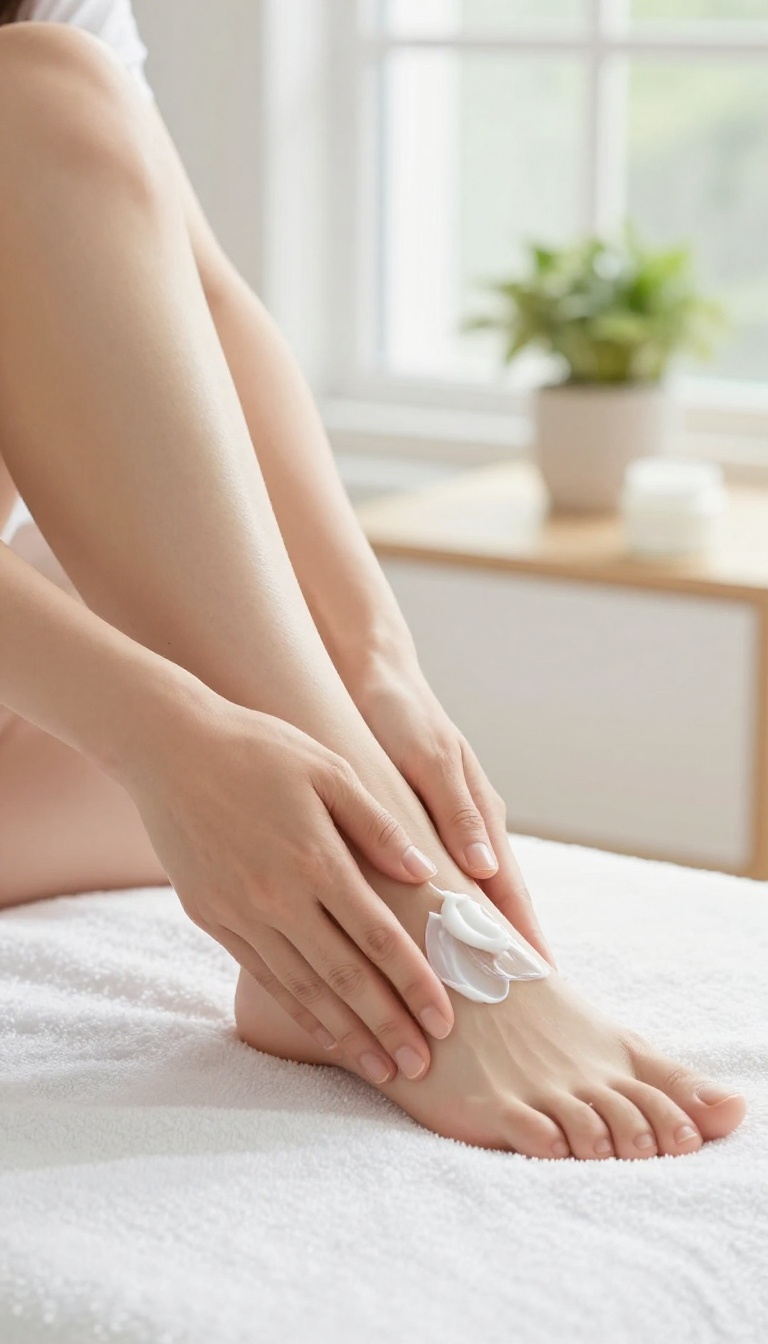
Your feet carry you through every step of your day, yet they're often the most neglected part of a body care routine. After a long day, they deserve more than a quick rinse. A little attention here can prevent dryness, cracking, and that tired, achy feeling.
Give your feet the same care you give the rest of your body. A rich foot cream with urea or shea butter works wonders, and a simple massage can release tension and improve circulation. This step is quick, but the payoff is huge—soft, happy feet that feel as good as they look.
Why Your Feet Need Extra Love
The skin on your feet is thicker and more prone to dryness than elsewhere. Constant friction from shoes and walking can lead to calluses and cracks. Moisturizing daily helps keep that skin flexible and prevents painful fissures.
Plus, a little massage stimulates pressure points that can ease overall stress.
Choosing The Right Foot Cream
Look for creams with urea or shea butter—these ingredients are heavy hitters for softening rough patches. Urea helps exfoliate and retain moisture, while shea butter provides deep nourishment. If you're prone to sweaty feet, opt for a lighter, non-greasy formula.
Apply generously, especially on heels and the balls of your feet.
A Simple Massage Technique
Take a few minutes to massage your feet after applying cream. Use your thumbs to press along the arch, from heel to toe, in slow circles. Then gently squeeze and pull each toe.
This not only feels amazing but also helps the cream absorb and boosts blood flow. Do this before bed to wind down, or in the morning to wake up your feet.
12. Give Your Hands Some Extra Attention
Your hands work hard all day, but they rarely get the same care as your face or body. Constant washing, sanitizing, and exposure to the elements can leave them dry, rough, and prone to early aging. The good news is that a few simple tweaks can make a big difference.
With the right products and a little consistency, you can keep your hands looking smooth and feeling soft.
Start by keeping a hand cream with SPF in your bag, car, or desk. Reapply it after every hand wash, especially during the day. At night, switch to a richer, more nourishing formula that can work while you sleep.
Don't forget to massage the cream into your cuticles and nails to keep them healthy and strong.
Why Hands Age Faster
The skin on your hands is thinner and has fewer oil glands than the rest of your body. That means it loses moisture faster and shows sun damage sooner. Frequent washing strips away natural oils, leaving hands feeling tight and looking crepey.
Protecting them daily is the best way to slow down those signs of aging.
Daytime Protection
Choose a lightweight hand cream with SPF 30 or higher. Look for formulas that absorb quickly so you can get on with your day without greasy palms. Keep a travel-size tube in your bag and reapply after every wash.
This simple habit shields your hands from UV rays and locks in moisture.
Overnight Repair
While you sleep, your skin goes into repair mode. Use a thick, rich hand balm or a mask before bed. Apply a generous layer, then put on cotton gloves to help the product penetrate deeper.
Wake up to noticeably softer, smoother hands. For extra hydration, look for ingredients like shea butter, ceramides, or hyaluronic acid.
13. Treat Your Neck and Décolletage Like Your Face
Your neck and chest often reveal your age before your face does, but they rarely get the same attention. The skin here is thinner and has fewer oil glands, making it more prone to dryness and sun damage. By extending your facial care routine downward, you can keep this area looking smooth and firm for years to come.
Start by cleansing your neck and décolletage with the same gentle cleanser you use on your face. Then, apply your serums and moisturizers in upward strokes to help lift and firm. Don't forget sunscreen—this area is constantly exposed to UV rays, which can lead to wrinkles and dark spots.
A daily SPF here is non-negotiable if you want to prevent premature aging.
Why This Area Needs Extra Care
The skin on your neck and chest is up to three times thinner than the skin on your face, and it has fewer sebaceous glands, so it loses moisture quickly. It's also often neglected during cleansing and moisturizing, leading to a crepey texture and fine lines. Treating it like your face ensures it gets the hydration and protection it needs.
Simple Steps To Include
Cleanse gently, then apply a hydrating toner or essence. Follow with a vitamin C serum in the morning to brighten and protect, and a retinol cream at night to boost collagen. Finish with a rich moisturizer and a broad-spectrum sunscreen.
Don't forget to extend your products down to your collarbone and upper chest.
Don't Forget Sunscreen
Sunscreen is the most important step for this delicate area. Use a lightweight, non-greasy SPF 30 or higher, and reapply throughout the day if you're spending time outdoors. This simple habit can prevent sunspots, sagging, and wrinkles, keeping your neck and chest looking youthful.
14. Use a Scalp Scrub to Refresh Your Roots

Your scalp deserves the same attention as the rest of your skin, but it often gets overlooked. Dead skin cells, product residue, and excess oil can build up, leaving your roots feeling heavy and your hair looking dull. A weekly scalp scrub clears away that buildup and gives your circulation a gentle boost, which can encourage healthier hair growth.
Plus, the massage feels amazing and instantly wakes up your senses.
Once a week, swap your regular shampoo for a scalp scrub. Wet your hair, part it into sections, and massage the scrub into your scalp using small, circular motions. Focus on the areas where you tend to get buildup, like the crown and hairline.
Let it sit for a minute or two before rinsing thoroughly. Follow with your usual conditioner, and you'll notice your hair feels lighter and looks shinier right away.
Why Your Scalp Needs Exfoliation
Just like the skin on your face, your scalp sheds dead cells. When those mix with sebum and styling products, they can clog hair follicles and make your scalp feel tight or itchy. Exfoliating once a week removes that layer of buildup, so your hair follicles can breathe.
This creates a healthier environment for hair to grow, and it can even help reduce flakiness if you're prone to dandruff.
How To Choose The Right Scrub
Look for a scrub with fine, gentle granules—think sugar or jojoba beads—rather than harsh particles that can irritate your skin. If you have a sensitive scalp, opt for a chemical exfoliant with salicylic acid or glycolic acid instead. These dissolve buildup without any scrubbing.
You can also make a DIY version by mixing brown sugar with a carrier oil like coconut or jojoba, but be sure to rinse thoroughly to avoid leaving any greasy residue.
Make It A Mini Ritual
Turn your scalp scrub into a relaxing self-care moment. Before you step into the shower, warm a small amount of the scrub in your hands. As you massage it in, take slow, deep breaths and let your fingertips work out any tension in your scalp.
This not only feels great but also helps lower stress levels, which is a bonus for your overall well-being. Finish with a cool rinse to seal your hair cuticles and boost shine.
15. Incorporate a Hair Mask for Deep Conditioning
Your hair works hard every day, so it deserves a little extra love now and then. A weekly hair mask is an easy way to restore moisture, boost shine, and keep your strands feeling soft and healthy. The best part?
You don't need to carve out extra time—just let it sit while you finish the rest of your shower routine.
Once a week, swap your regular conditioner for a deep conditioning mask. Focus on the mid-lengths and ends, where hair tends to be driest. Leave it on for 5-10 minutes while you wash your face, shave, or just enjoy the warm water.
Rinse thoroughly and follow with your usual styling products. Your hair will thank you with extra bounce and smoothness.
Pick The Right Mask For Your Hair Type
Not all masks are created equal. If your hair is fine, go for a lightweight formula that won't weigh it down. For thick or curly hair, a richer, creamier mask will provide the hydration it craves.
And if your hair is color-treated, look for a mask specifically designed to protect and extend your color.
How To Apply It Like A Pro
Start with towel-dried hair so the mask can absorb better. Section your hair to ensure even coverage, then apply the mask from mid-length to ends, avoiding the scalp unless the product says otherwise. Use a wide-tooth comb to distribute it evenly, then pile your hair on top of your head and clip it out of the way.
Make It A Mini Spa Moment
Turn your shower into a spa by adding a few drops of your favorite hair oil to the mask for an extra boost. Or, while the mask sits, give yourself a quick scalp massage with your fingertips—it feels amazing and stimulates blood flow. Just rinse well and step out feeling like you've had a professional treatment.
16. Finish with a Spritz of Body Mist or Light Perfume
A subtle scent can be the perfect finishing touch to your body care ritual. It's not about dousing yourself in fragrance—it's about leaving a delicate trail that boosts your mood and makes you feel put-together. Think of it as the cherry on top of your freshly cared-for skin.
Spraying on a body mist or light perfume after your routine helps lock in that fresh, clean feeling. It's a simple step that can instantly elevate your confidence and leave a lasting impression. The key is to apply it strategically, so you get the most out of your scent without overwhelming yourself or others.
Where To Spray
Focus on your pulse points—wrists, neck, behind the ears, and even behind your knees. These areas emit heat, which helps diffuse the fragrance throughout the day. A quick spritz on each wrist and one or two on your neck is usually enough.
How Much Is Just Right
Less is more when it comes to body mist. Start with one or two sprays and build up if needed. You want a hint of scent that people notice when they lean in for a hug, not a cloud that announces your arrival from across the room.
Layering Your Scent
For a longer-lasting effect, use a matching body lotion or oil before spraying. This creates a base that holds the fragrance better. If you don't have a matching set, choose a fragrance with similar notes to your lotion to keep things harmonious.
17. Make It a Ritual with Calming Scents
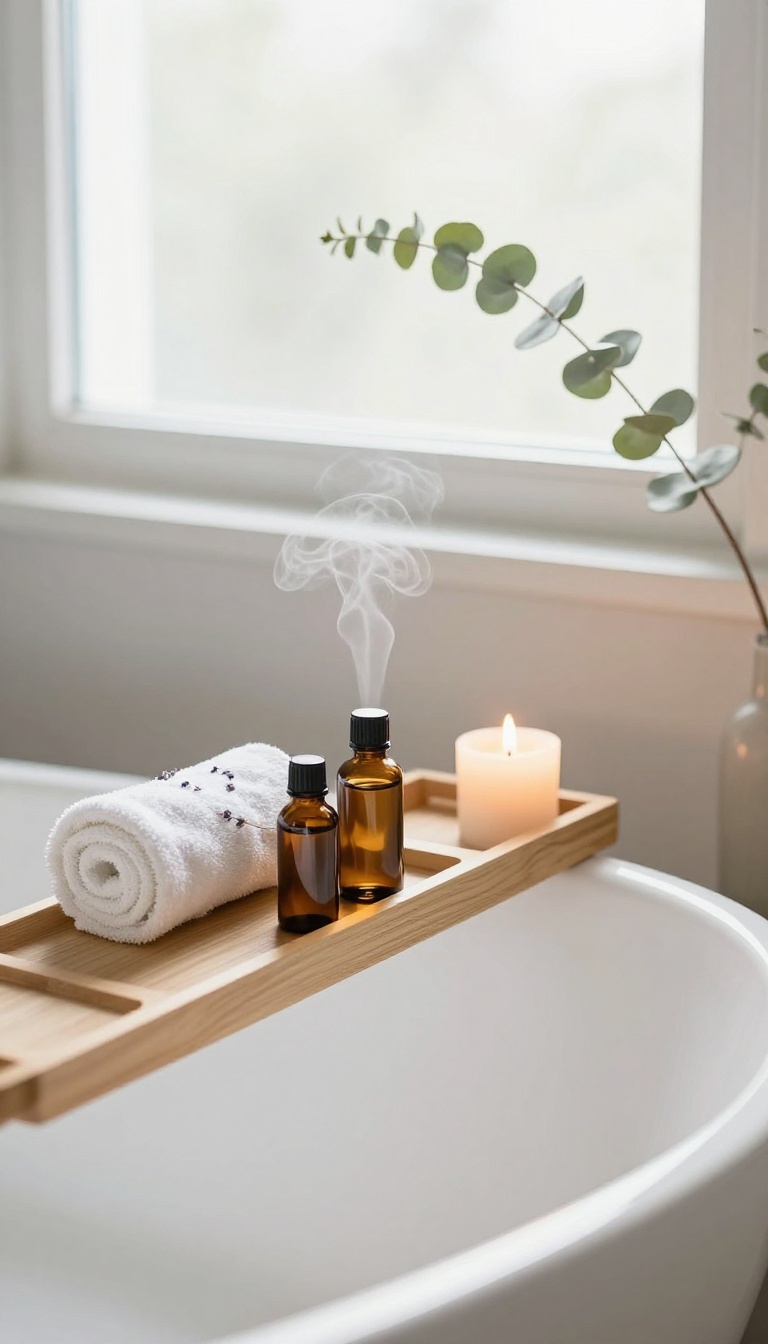
The right fragrance can transform your body care routine from a mundane task into a moment of mindfulness. When you choose products with aromatherapy benefits, you're not just moisturizing or cleansing—you're setting the tone for your mind as much as your skin. Lavender soothes, citrus energizes, and a few deep breaths of these scents can turn a quick shower into a mini-retreat.
Your body care routine is the perfect place to introduce aromatherapy because it's already a time you dedicate to yourself. By intentionally selecting products that smell good and make you feel good, you create a sensory anchor that signals relaxation or invigoration. This isn't about complicated rituals—just a simple swap of your usual lotion or body wash for one with a purpose-driven scent.
Match The Scent To The Moment
Think about when you're doing each step. Morning showers can benefit from citrus or peppermint to wake you up, while evening routines call for lavender or chamomile to wind down. If you're not sure where to start, try a body scrub with eucalyptus for a spa-like feel or a body butter with vanilla for cozy comfort.
Layer Scents For A Longer Effect
To make the calming or energizing effect last, layer products with similar notes. Use a scented body wash, then a matching lotion or oil, and maybe a light mist. This doesn't mean you have to buy a full line—just look for complementary scents that blend well together.
The result is a subtle, lingering aroma that keeps you grounded throughout the day.
Use Scent As A Mindfulness Cue
Before you apply each product, take a moment to inhale the scent deeply. This simple act pulls you into the present and makes the routine feel more intentional. Over time, the scent becomes a trigger for calm or energy, so just a whiff can help you refocus when you're stressed or sluggish.
18. Stretch or Do a Quick Self-Massage After Showering
The warmth of the shower loosens your muscles, making it the perfect moment to add a little movement. A quick stretch or self-massage can help you carry that relaxed feeling into your day. It's a small step that pays off in flexibility and tension release.
After you've dried off, take two minutes to stretch your neck, shoulders, and legs. Or use a foam roller on any tight spots. This helps release tension and improves flexibility, making you feel even better.
Why Post-shower Stretching Works
Your muscles are warm and more pliable right after a shower. Stretching then can improve range of motion and reduce stiffness. It also signals to your body that the day is starting (or ending) on a calm note.
Simple Stretches To Try
Stand and gently roll your shoulders, then tilt your head side to side. Reach for the sky and fold forward to touch your toes. Hold each stretch for about 20 seconds.
No need to push—just move to a comfortable edge.
Self-massage Basics
If you have a foam roller, roll out your calves, thighs, and upper back. Or use your hands to knead your neck and shoulders. Focus on areas that feel tight, and breathe deeply as you work through them.
19. Hydrate from the Inside Out
Your skin is the largest organ, and it’s mostly water. No matter how many lotions you layer on, if you’re dehydrated, your skin will look dull and feel tight. That’s why drinking water is a non-negotiable part of any effective body care routine.
Hydration isn’t just about quenching thirst—it’s about supporting your skin’s elasticity and glow from within. When you sip water throughout the day, you help your skin stay plump and resilient. Pair that with your topical routine, and you’ll see a noticeable difference in how your skin looks and feels.
Make hydration a habit by keeping a water bottle on your desk, in your bag, or on your nightstand. Set reminders on your phone if you tend to forget. Aim for at least eight glasses a day, but adjust based on your activity level and climate.
You can also boost hydration with water-rich foods like cucumbers, watermelon, and oranges. These snacks not only add moisture but also provide vitamins that support skin health. Remember, your body care routine doesn’t end when you step out of the shower—it continues with every sip you take.
Sip, Don’t Chug
Drinking a glass of water all at once isn’t as effective as sipping steadily throughout the day. Your body absorbs water better when it’s taken in small amounts over time. Keep a reusable bottle with you and take a few sips every 20 minutes or so.
This keeps your hydration levels steady, which is better for your skin than a sudden flood.
Add Electrolytes For Extra Absorption
Water alone isn’t always enough—your body needs electrolytes like sodium, potassium, and magnesium to absorb and use water properly. If you’re active or sweat a lot, consider adding a pinch of sea salt or a slice of lemon to your water. You can also enjoy coconut water, which is naturally rich in electrolytes.
This helps your skin stay hydrated from the inside, especially after a workout.
Track Your Intake With A Simple Habit
It’s easy to forget to drink water, but you can make it a habit by tying it to your routine. For example, drink a glass of water right after you brush your teeth in the morning, and another before each meal. You can also use a marked water bottle to track your progress.
The goal is to make hydration as automatic as applying lotion.
20. Stick to a Consistent Schedule

Consistency is the secret ingredient that turns a random set of steps into a true ritual. When your body knows what to expect, it responds better, and you're more likely to keep going. It's not about being perfect—it's about showing up for yourself on a regular basis.
Set a time that works for you, whether it's a full pampering session on Sunday evenings or a quick daily refresh. The goal is to make it a habit, so it doesn't feel like a chore. Start small and build up—your skin will thank you.
Pick Your Rhythm
Decide how often you'll do your full routine. Maybe it's every day, or just a few times a week. The key is to choose something you can stick with.
Even a 5-minute routine done daily beats a 30-minute one done once a month.
Anchor It To An Existing Habit
Link your body care to something you already do, like after your morning shower or right before bed. This makes it easier to remember and integrate into your day. Soon, it'll feel as natural as brushing your teeth.
Be Flexible, Not Rigid
Life happens, and some days you might skip a step or two. That's okay. The point is to get back on track the next day.
Consistency doesn't mean perfection—it means showing up most of the time.
FAQ
How often should I exfoliate my body?
Aim for two to three times a week. Over-exfoliating can irritate your skin, so listen to your body and adjust if you notice redness or sensitivity.
Should I use body oil and lotion together?
Yes! Applying oil on damp skin first helps lock in moisture, then a lotion seals it in and adds extra hydration. It's a double-duty approach for maximum softness.
What's the best way to shave without irritation?
Use a sharp razor, shaving cream, and shave in the direction of hair growth. Rinse with cool water and moisturize immediately after to soothe the skin.
Can I use the same products on my face and body?
It's best to use separate products. Facial skin is more delicate, so body products may be too heavy or harsh. Stick to face-specific cleansers and moisturizers.
How long should my body care routine take?
It depends on your schedule. A quick routine can be 10 minutes, while a full ritual might take 30. The key is consistency, not length.
Conclusion
A complete body care routine doesn't have to be time-consuming—it's about layering small, intentional steps that leave you feeling polished from head to toe. Start with the basics like dry brushing or a consistent moisturizer, then add one or two extras that you genuinely enjoy.
Pick a couple of steps from this list that fit your lifestyle and make them a habit. Over time, these small rituals will become second nature, and you'll notice the difference in how your skin looks and feels every day.