Ever step out of the shower and feel like your skin is tight, itchy, or just not right? You're not alone. Most of us rush through our rinse without thinking about the impact it has on our skin.
But a few small tweaks can turn that daily habit into a powerful skincare step. Your shower is more than a place to get clean—it's a chance to hydrate, soothe, and protect your skin. The right routine can help you avoid dryness, irritation, and that uncomfortable post-shower tightness.
And the best part? It doesn't take extra time or fancy products. Here are 20 clean shower routine formulas that will leave your skin feeling fresh, comfortable, and healthy.
1. Start with a Lukewarm Rinse
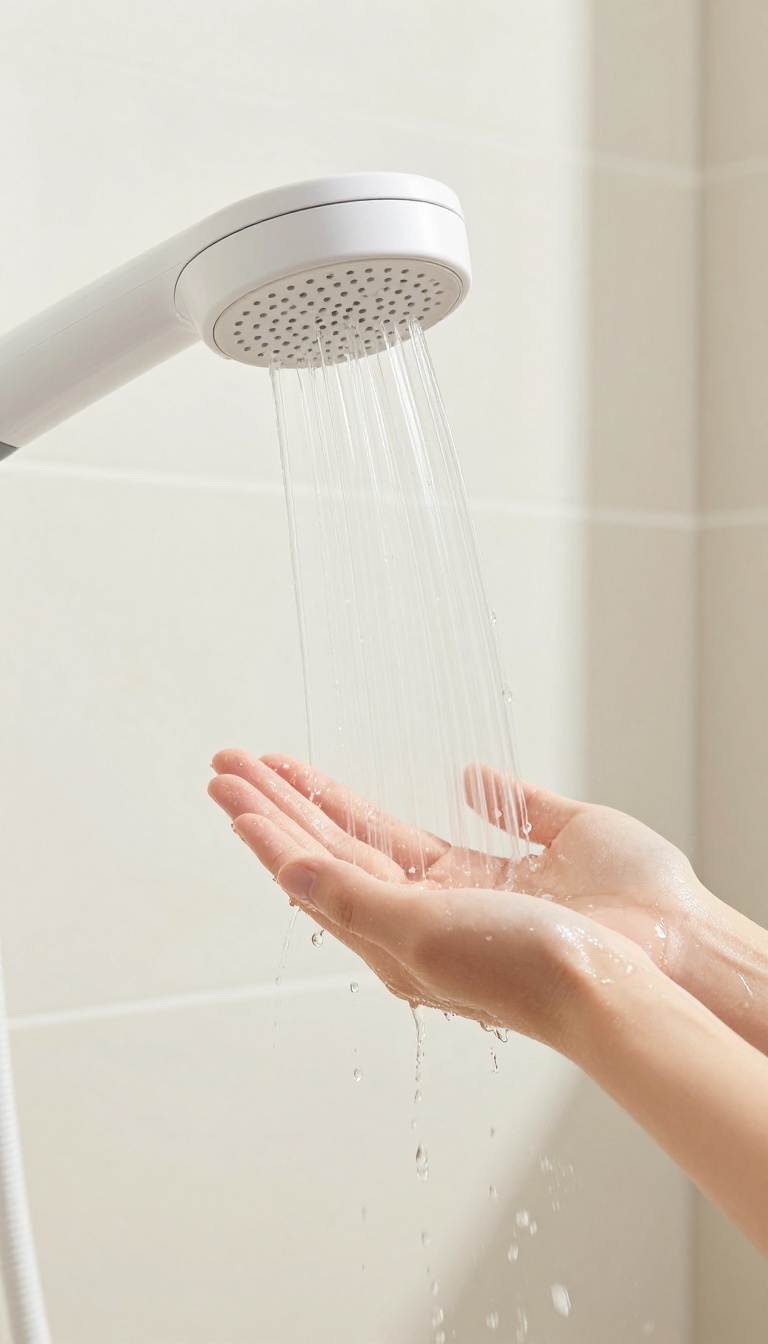
The temperature of your shower water might be the last thing on your mind, but it's one of the first things your skin notices. Hot water feels great, but it's actually a sneaky culprit behind dryness and irritation. It strips away the natural oils that keep your skin soft and protected.
Switching to lukewarm water is a simple fix that makes a big difference. It cleanses effectively without shocking your skin or removing too much moisture. Think of it as a gentle reset for your skin's barrier.
Lukewarm water, around 98-100°F (37-38°C), is ideal. It's warm enough to open pores and loosen dirt, but not so hot that it damages your skin. This temperature helps maintain your skin's natural moisture balance, leaving you feeling fresh and comfortable after every shower.
Why Hot Water Hurts
Hot water dissolves the lipid barrier on your skin, which acts as a protective shield. Once that's gone, moisture escapes, and irritants can get in. That's why you might feel itchy or tight after a hot shower.
Over time, this can lead to chronic dryness and even worsen conditions like eczema.
How To Find The Right Temperature
Aim for a temperature that feels comfortable when you test it on your wrist—it should be warm, not scalding. If your skin turns red or feels hot to the touch, it's too hot. You can also use a shower thermometer for precision, but your body's feedback is usually enough.
Tips For A Smooth Transition
If you're used to hot showers, gradually lower the temperature over a week. Start by turning it down just a notch each day. You can also finish with a cool rinse to seal in moisture and invigorate your skin.
This small change can make a noticeable difference in how your skin feels.
2. Keep Showers Short and Sweet
Long, luxurious showers might feel like a treat, but your skin pays the price. The longer you soak, the more moisture your skin loses, leaving it dry and tight afterward. Shortening your shower is one of the easiest ways to protect your skin's natural barrier.
Aim for 5-10 minutes. That's plenty of time to get clean without stripping your skin. If you tend to lose track of time, try playing a song or setting a timer.
You'll be surprised how quickly you can get in and out while still feeling fresh.
Why Time Matters
Hot water breaks down the natural oils that keep your skin hydrated. The longer you're in, the more those oils wash away. Keeping it short helps preserve that protective layer, so your skin stays soft and comfortable.
Make It A Habit
Start by trimming just a few minutes off your usual routine. Before you know it, you'll automatically be in and out in under ten minutes. Your skin will thank you, and you'll save water and energy too.
3. Choose a Gentle, Sulfate-Free Cleanser
The cleanser you grab in the shower can make or break your skin's comfort. Many conventional body washes are packed with sulfates—strong detergents that create lots of foam but also strip away your skin's natural oils. This leaves your skin feeling tight, dry, and sometimes even itchy.
Switching to a gentle, sulfate-free formula is a simple fix. These cleansers use milder surfactants that clean effectively without disrupting your skin's moisture barrier. They help maintain a healthy pH balance, so your skin stays soft and comfortable long after you step out.
When you wash with a harsh cleanser, it can leave your skin feeling tight and uncomfortable. That's often a sign your skin's natural moisture barrier has been compromised. Gentle, sulfate-free cleansers are designed to work with your skin, not against it, keeping your moisture intact while still getting you clean.
Why Sulfates Are A Problem
Sulfates like sodium lauryl sulfate (SLS) and sodium laureth sulfate (SLES) are common in many body washes and soaps. They create that rich lather we associate with cleanliness, but they can be too aggressive for skin. They strip away natural lipids and disrupt the acid mantle, leading to dryness, irritation, and even flare-ups of conditions like eczema.
What To Look For Instead
Check the ingredient list for gentler alternatives like cocamidopropyl betaine, decyl glucoside, or sodium cocoyl isethionate. These are derived from coconut or other plant sources and clean without harsh effects. Look for labels that say "sulfate-free" and "pH-balanced" to ensure your cleanser supports your skin's natural barrier.
How To Make The Switch
Switching is easy—just replace your current body wash with a sulfate-free option. You might notice less foam, but that's normal. Your skin will thank you with less tightness and more comfort.
If you have sensitive skin, choose a formula with soothing ingredients like aloe vera, oatmeal, or glycerin for extra hydration.
4. Focus on Sweat-Prone Areas
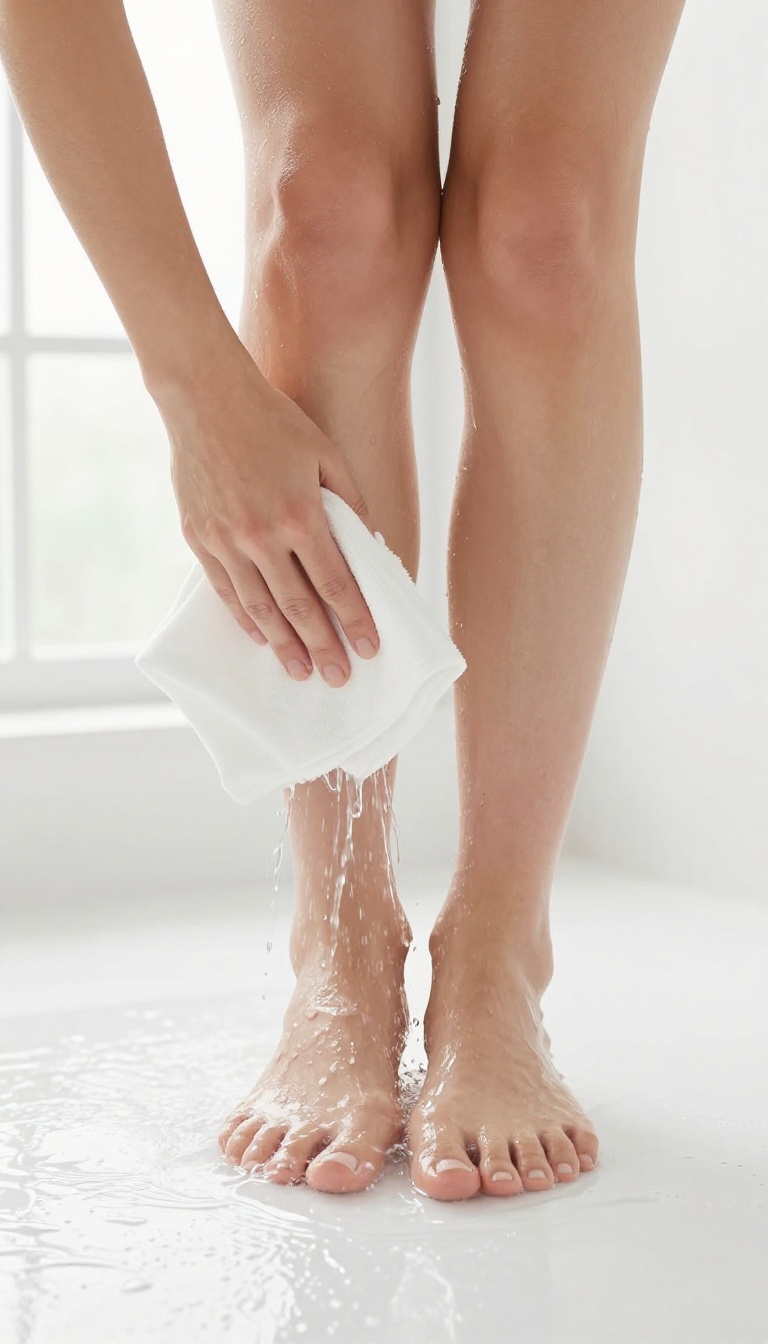
Not every inch of your body needs a daily soap scrub. In fact, over-washing can strip your skin of its natural oils, leaving it dry and irritated. The key is to focus your cleansing effort where sweat and bacteria accumulate most: underarms, groin, and feet.
By targeting these areas, you'll stay fresh without compromising your skin's moisture barrier. The rest of your body just needs a good water rinse to remove dirt and sweat. This approach is gentler on your skin and saves you time in the shower.
Why These Areas Need Extra Attention
Your underarms, groin, and feet have more sweat glands and higher bacterial loads. Soap helps break down sweat and odor-causing bacteria, so a quick wash here goes a long way. Don't forget the spaces between toes and the creases of your skin.
The Right Way To Wash
Use a mild, fragrance-free cleanser or a gentle soap. Work up a light lather and massage the area for about 20 seconds. Rinse thoroughly to avoid any residue that could irritate sensitive skin.
For feet, a washcloth or soft brush can help exfoliate dead skin.
When To Skip The Soap
For the rest of your body, a simple water rinse is enough. If you've been sweating heavily or used sunscreen, a gentle all-over cleanse is fine. But on a typical day, let water do the work and save soap for the hotspots.
5. Use a Soft Washcloth or Your Hands
Not all shower tools are created equal. Those colorful loofahs and stiff scrub brushes might look fun, but they can be rough on your skin and become a breeding ground for bacteria. Switching to a soft washcloth or simply using your hands is a gentle, effective way to cleanse without irritation.
Your skin is delicate, and aggressive scrubbing does more harm than good. A soft washcloth provides just enough exfoliation to remove dead skin cells without stripping away natural oils. If you prefer to skip tools altogether, your hands are perfectly adequate—especially when paired with a good cleanser.
This simple swap can make a noticeable difference in how your skin feels after every shower.
Why Loofahs And Brushes Can Be Problematic
Loofahs have a spongy texture that traps dead skin, soap residue, and moisture—ideal conditions for bacteria and mold. Unless you replace them every few weeks or wash them regularly in hot water, they can transfer germs back onto your skin. Stiff brushes, on the other hand, can create micro-tears in the skin, leading to redness and irritation, especially if you have sensitive skin.
The Gentle Power Of A Washcloth
A soft washcloth offers gentle exfoliation without the harshness. It's easy to clean—just toss it in the laundry after each use—and it dries quickly, so bacteria don't have a chance to multiply. Choose one made from soft cotton or microfiber, and use light, circular motions rather than vigorous scrubbing.
Going Tool-free With Your Hands
Your hands are the most natural and gentle tool you have. They're perfect for applying cleanser to your skin without any added friction. This method is especially great for those with very sensitive skin or conditions like eczema.
Just make sure your hands are clean before you start, and use a mild, hydrating body wash.
6. Exfoliate Once or Twice a Week
Your skin naturally sheds dead cells, but sometimes it needs a little help. Exfoliating once or twice a week can leave your skin smoother and more radiant. The key is not to overdo it—too much scrubbing can strip away natural oils and cause irritation.
Choose a gentle physical scrub or a chemical exfoliant like lactic acid. Apply it in circular motions, focusing on rough areas like elbows and knees. Rinse thoroughly and follow with a moisturizer to lock in hydration.
Pick The Right Exfoliant
For most people, a mild scrub with fine particles works well. If you have sensitive skin, consider a chemical exfoliant that dissolves dead cells without friction. Lactic acid is a great option because it's gentle and also helps retain moisture.
Don't Overdo It
Stick to 1-2 times per week. Exfoliating more often can break down your skin barrier, leading to dryness and redness. Listen to your skin—if it feels tight or looks irritated, cut back.
Exfoliate Before Shaving
Exfoliating before you shave lifts hairs and helps prevent ingrown hairs. It also softens the skin, making the razor glide more smoothly. Just be sure to rinse well and use a fresh blade.
7. Don't Forget Your Back and Neck
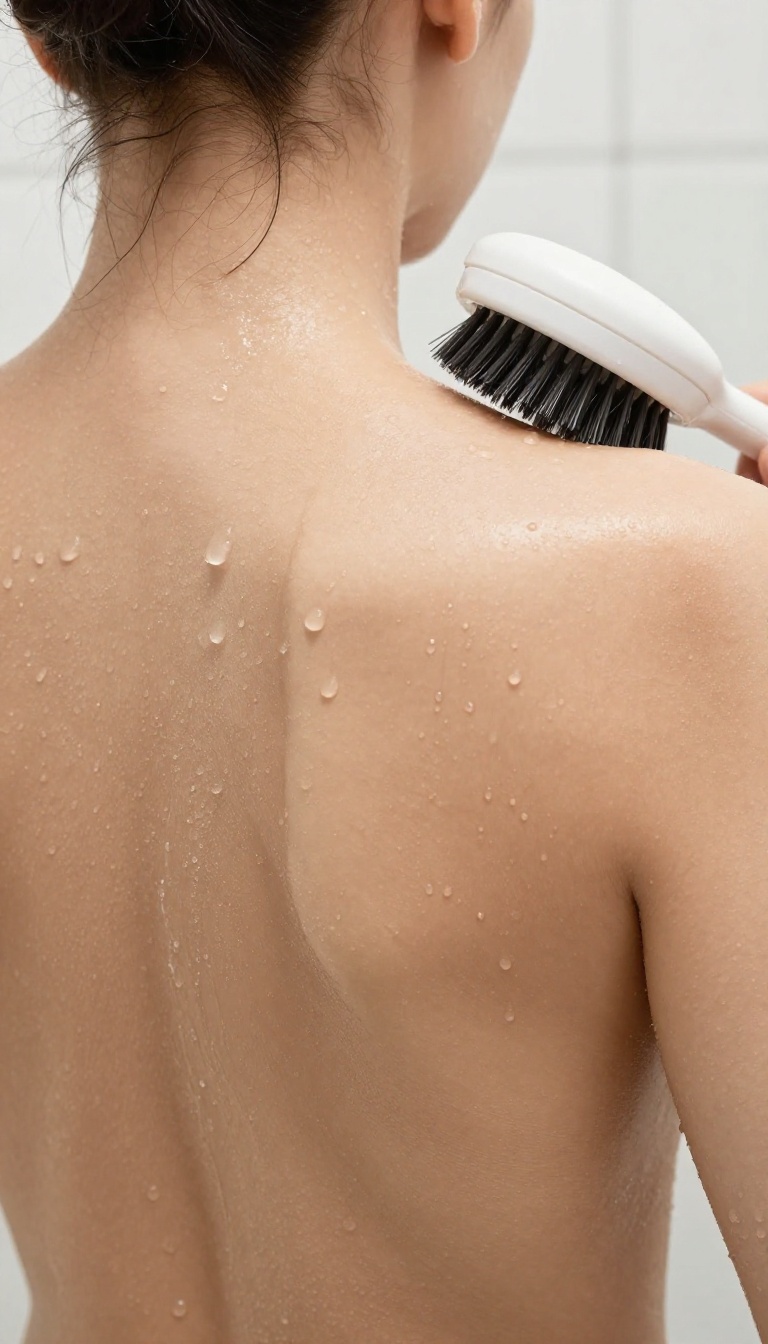
Your back and neck work hard all day, but they rarely get the attention they deserve in the shower. When you focus only on your face and arms, these areas can build up sweat, oil, and dead skin, leading to clogged pores and breakouts. Giving them a little extra care takes just a minute and makes a big difference in how your skin feels.
Start by using a long-handled brush or a back scrubber to reach those tricky spots. This helps loosen dirt and improves circulation, leaving your skin feeling refreshed. For the neck, use gentle circular motions with your fingertips or a soft cloth to avoid tugging on delicate skin.
Choose The Right Cleanser
If you're prone to body acne, pick a cleanser with salicylic acid. It penetrates pores to clear out oil and dead skin, reducing breakouts on your back and shoulders. For everyday use, a mild, fragrance-free body wash works fine—just make sure it doesn't strip your skin's natural moisture.
Don't Over-scrub
It's tempting to scrub hard, but that can irritate your skin and cause more breakouts. Use light pressure and let the brush or your hands do the work. A few gentle passes are enough to cleanse without damaging your skin barrier.
Rinse Thoroughly
Leftover cleanser can clog pores and cause irritation. Make sure you rinse your back and neck well, especially along the hairline and between your shoulder blades. A quick extra rinse can save you from post-shower itchiness.
8. Rinse Thoroughly
You might think the rinse is the easiest part of the shower, but it's where a lot of people slip up. Leftover soap or body wash can cling to your skin, especially in folds and creases, and that residue is a common trigger for irritation and breakouts. A quick splash isn't enough—your skin needs a proper rinse to feel truly clean and comfortable.
Why Residue Causes Problems
When cleanser isn't fully washed away, it can strip your skin's natural oils or leave a film that blocks moisture. Over time, this leads to dryness, itchiness, or even small bumps. Areas like underarms, behind the knees, and skin folds trap residue easily, so they need a little extra attention.
How To Rinse Like A Pro
Use warm water (not hot) and let it run over your body for a few extra seconds. Move your hands or a soft cloth over your skin to help dislodge any lingering product. Pay special attention to areas where skin touches skin, and tilt your head back to make sure shampoo and conditioner are fully out of your hair.
The Cool Rinse Trick
Ending with a quick cool rinse can help close pores and lock in moisture, but it also signals to your brain that the shower is over. Just a few seconds of cooler water can make a difference. If you're prone to dry skin, don't overdo it—a lukewarm final rinse works fine.
9. Turn Down the Temperature Before You Get Out
That last blast of hot water feels amazing, but it's not doing your skin any favors. Hot water strips away natural oils, leaving your skin parched and tight. A quick cool rinse at the end is a simple trick that can make a big difference.
Cooler water helps close your pores and boosts circulation, which gives your skin a healthy glow. It also locks in moisture and prevents that dry, itchy feeling after you step out. You don't need an ice-cold shower—just a few seconds of lukewarm or cool water is enough.
A quick cool rinse at the end helps close pores and improve circulation, leaving your skin refreshed and less prone to dryness.
Why Hot Water Dries You Out
Hot water feels relaxing, but it's tough on your skin's moisture barrier. It dissolves the natural oils that keep your skin soft and supple. Over time, this can lead to dryness, flakiness, and even irritation.
Switching to a cooler final rinse helps seal in hydration and keeps your skin's barrier strong.
How To Do A Cool Rinse Without Cringing
You don't have to go full polar plunge. Start by turning the temperature down gradually during the last 30 seconds of your shower. Aim for lukewarm or slightly cool—enough to feel refreshing, not shocking.
Focus on your face and body, and don't linger too long. A quick 20-30 second rinse is all you need.
Extra Benefits Beyond Skin
A cool rinse doesn't just help your skin—it can also boost your mood and energy. The cool water stimulates blood flow, which can make you feel more awake and alert. It might even help with muscle recovery after a workout.
So, you're not just doing your skin a favor; you're giving your whole body a little pick-me-up.
10. Pat, Don't Rub, Your Skin Dry
How you dry off after a shower matters more than you might think. Vigorous rubbing with a towel can create friction that irritates your skin, especially if it's already sensitive or dry. That rough motion can cause micro-tears in the skin barrier, leading to redness and discomfort.
Instead, try patting your skin dry with a soft towel. This gentle approach helps maintain your skin's natural moisture balance and keeps it feeling comfortable. It's a simple switch that can make a big difference in how your skin feels after every shower.
Why Rubbing Is A Problem
When you rub your skin with a towel, you're essentially scrubbing away the natural oils that keep it hydrated. The friction also pulls at the skin, which can cause microscopic tears that let moisture escape and irritants in. For people with conditions like eczema or dry skin, this can be especially problematic.
The Right Way To Pat Dry
Choose a clean, soft towel—preferably cotton or microfiber. Gently press the towel against your skin, moving from top to bottom. Let the towel absorb the water without dragging it across your body.
If you're in a hurry, you can use a few quick pats, but always avoid rubbing.
Don't Forget The Moisturizer Window
Patting dry leaves your skin slightly damp, which is the perfect time to apply moisturizer. That residual water helps lock in hydration. So, after patting, slather on your favorite lotion or cream within a few minutes to seal in the moisture and keep your skin soft and smooth.
11. Apply Moisturizer Within 3 Minutes

The clock starts ticking the moment you step out of the shower. That post-shower window is prime time for locking in hydration, and it's shorter than you think. Waiting too long lets moisture evaporate, leaving your skin parched and tight.
Applying moisturizer while your skin is still slightly damp helps seal in that water, creating a barrier that keeps your skin soft and supple. This simple habit can make a huge difference, especially if you have dry or sensitive skin.
The three-minute rule is simple: pat yourself dry, then apply moisturizer before your skin fully air-dries. This timing ensures your skin absorbs the product more effectively, maximizing its benefits. It's a small change that yields big results.
Why Damp Skin Works Best
When your skin is damp, it's more permeable, meaning it can absorb the moisturizer's ingredients more readily. The water on your skin acts as a carrier, pulling the product deeper into the epidermis. This helps hydrate the skin from within and prevents the dryness that comes from water loss.
How To Apply For Maximum Absorption
After gently patting yourself dry, apply a generous amount of moisturizer to your body. Use upward strokes and focus on areas that tend to be drier, like elbows, knees, and shins. Don't forget your back and shoulders.
Give the product a minute to sink in before getting dressed.
Choosing The Right Moisturizer
Not all moisturizers are created equal. For post-shower use, look for a formula with humectants like glycerin or hyaluronic acid, which draw water into the skin. If you have sensitive skin, opt for fragrance-free options to avoid irritation.
12. Use a Fragrance-Free Moisturizer
That post-shower lotion might smell like a tropical vacation, but your skin could be paying for it. Fragrances are one of the most common culprits behind irritation, especially when your pores are open and your skin is still damp. If you've been dealing with redness or itchiness after moisturizing, the scent might be the problem.
Switching to a fragrance-free formula is a simple fix that can make a huge difference. These products skip the synthetic perfumes and essential oils that can trigger sensitivity, while still delivering the hydration your skin craves. Look for ceramides or hyaluronic acid to lock in moisture and keep your skin barrier strong.
Fragrance-free doesn't mean boring—it means your skin gets exactly what it needs without the extras. Ceramides help rebuild your skin's natural barrier, while hyaluronic acid pulls water into the skin, keeping it plump and comfortable. Apply your moisturizer within a few minutes of stepping out of the shower, while your skin is still slightly damp, to seal in that hydration.
If you're worried about missing that nice scent, remember that healthy skin has its own subtle, clean smell. Once you switch, you'll likely notice fewer flare-ups and a softer, calmer complexion. It's a small change that pays off in the long run.
Why Fragrance-free Wins
Fragrances are a top trigger for contact dermatitis, especially on freshly cleaned skin. Even natural essential oils can cause reactions in some people. By choosing fragrance-free, you're cutting out a major source of potential irritation and letting your skin breathe.
Key Ingredients To Look For
Scan the label for ceramides, which strengthen the skin barrier, and hyaluronic acid, which attracts and holds moisture. Both are gentle and effective. Avoid products with alcohol or harsh preservatives that can dry you out.
How To Apply For Best Results
Pat your skin dry with a towel—don't rub. Then apply your moisturizer within 3 minutes of stepping out. This traps water in your skin and keeps it hydrated longer.
Use a generous amount, especially on dry areas like elbows and knees.
13. Don't Skip Your Feet
Your feet carry you all day, but they often get ignored in the shower. A quick rinse isn't enough to keep them smooth and crack-free. Give them a little attention, and they'll thank you with softer skin and fewer rough patches.
Why Feet Need Extra Care
The skin on your feet is thicker and takes more abuse than the rest of your body. Dead skin builds up quickly, especially on heels and balls of your feet. Without regular exfoliation, that buildup turns into cracks and calluses that can be painful.
How To Exfoliate Gently
Use a pumice stone or a foot file while your skin is still soft from the warm water. Work in small circles, focusing on rough areas. Don't press too hard—let the stone do the work.
Over-scrubbing can irritate your skin and make things worse.
Lock In Moisture Right After
After you dry off, apply a rich foot cream or balm while your feet are still slightly damp. This traps moisture and keeps your skin hydrated longer. Pay extra attention to your heels and any dry patches.
Slip on socks if you want to boost absorption overnight.
14. Clean Your Shower Tools Regularly
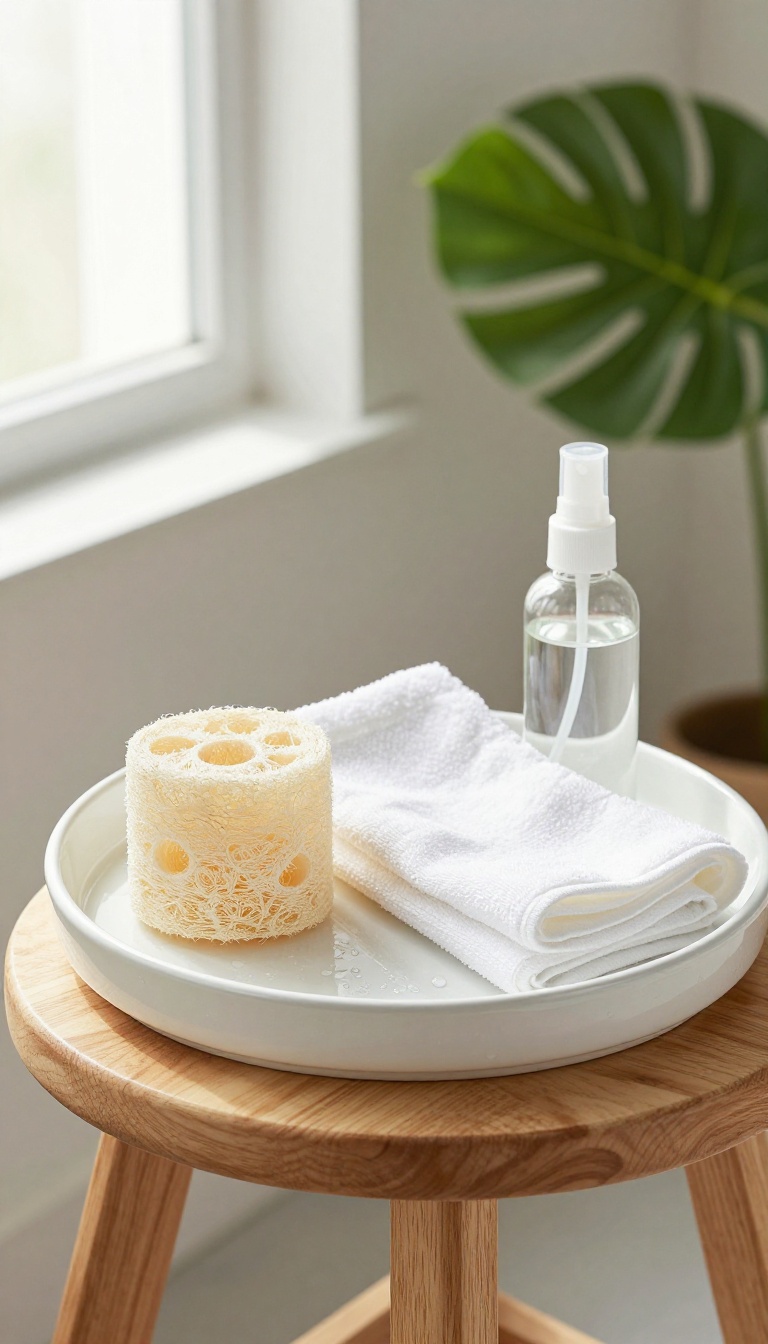
Your loofah and washcloth work hard to scrub away dirt, but they can also harbor mold and bacteria if you ignore them. That damp, warm environment is a breeding ground for germs that can end up on your skin. Keeping your tools clean is a simple step that makes a big difference for your skin's health.
Loofahs and washcloths can grow mold and bacteria. Replace them every month or wash them weekly to keep your skin safe.
Why Dirty Tools Are A Problem
When you use a damp loofah, you're spreading bacteria back onto your skin. This can lead to breakouts, irritation, or even infections, especially if you have sensitive skin. Over time, dead skin cells and soap residue build up, making the problem worse.
How Often To Clean Or Replace
Wash your loofah or washcloth in hot water with a bit of bleach or vinegar once a week. Let it dry completely between uses. Replace natural loofahs every three to four weeks, and synthetic ones every two months.
If it smells musty, toss it immediately.
Better Alternatives
Consider using a silicone scrubber or a washcloth you can toss in the laundry. These dry faster and are easier to keep clean. You can also use your hands with a gentle cleanser—simple and effective.
15. Consider a Shower Filter
If you've ever noticed your skin feeling extra dry or irritated after a shower, your water might be the culprit. Hard water and chlorine can strip away natural oils, leaving your skin tight and uncomfortable. A shower filter can help reduce these irritants, especially if you have sensitive skin.
It's a simple upgrade that attaches to your showerhead and filters out impurities as the water flows through. While it won't solve every skin issue, many people notice a real difference in how their skin feels after switching. If you're dealing with unexplained dryness or itchiness, a shower filter might be worth trying.
Shower filters work by removing chlorine, heavy metals, and other impurities that can be harsh on your skin. They're relatively inexpensive and easy to install, making them a practical addition to your shower routine. If you live in an area with hard water, you might notice even more benefits, as minerals like calcium and magnesium can leave a residue that dries out skin.
When choosing a filter, look for one that targets the specific contaminants in your water. Some filters also include vitamin C or other skin-soothing ingredients. While results vary, many people find that their skin feels softer and less irritated after a few weeks of using a filter.
It's a small change that can make a big difference in your overall comfort.
How It Helps Your Skin
Chlorine and hard water minerals can disrupt your skin's natural barrier, leading to dryness and sensitivity. A shower filter reduces these irritants, helping your skin retain moisture and stay calm. Over time, you may notice less itching, flaking, and redness after showers.
What To Look For
When shopping for a shower filter, check the filtration method. Some use activated carbon, while others use KDF or vitamin C. Make sure it's compatible with your showerhead and easy to replace.
Also, consider the filter's lifespan—most need changing every 6 to 12 months.
Installation Tips
Most shower filters screw directly onto your existing shower arm, so you don't need a plumber. Just wrap the threads with plumber's tape to prevent leaks, then attach the filter and showerhead. It usually takes less than 10 minutes and requires no special tools.
16. Use a Humidifier in Your Bedroom
Your shower routine doesn't end when you turn off the water. The air in your bedroom can either help or hurt your skin's moisture levels. Dry indoor air, especially during winter, pulls moisture from your skin, leaving it tight and flaky.
A humidifier adds moisture back into the air, helping your skin stay hydrated long after you've dried off.
Adding a humidifier to your bedroom is a simple way to boost your skin's hydration overnight. It works by increasing the humidity in the room, which slows down water loss from your skin. This is especially helpful if you have dry or sensitive skin, or if you live in a climate with low humidity.
Using a humidifier can also help with other issues like dry eyes, chapped lips, and even static electricity. It's a low-effort addition to your routine that pays off in comfort.
Why It Works
When the air is dry, your skin loses moisture faster, especially after a shower when your pores are open and your skin is still damp. A humidifier keeps the air around you from pulling that moisture away. This helps your skin stay soft and supple, reducing the urge to scratch or apply heavy lotions.
Best Time To Use It
Turn on your humidifier about 30 minutes before bed and let it run through the night. This gives the room time to reach a comfortable humidity level. If you live in a very dry climate, you might also want to run it during the day in your living space.
Just be sure to follow the manufacturer's instructions for cleaning and water changes to avoid mold or bacteria.
Choosing The Right Humidifier
Look for a cool-mist humidifier for bedrooms, as they are quieter and safer around kids and pets. Ultrasonic models are a popular choice because they are nearly silent and use little electricity. Consider the size of your room when picking a model—larger rooms need a bigger tank or a higher output.
And don't forget to check the humidity level; you want it between 30% and 50% for comfort without condensation on windows.
17. Stay Hydrated Throughout the Day
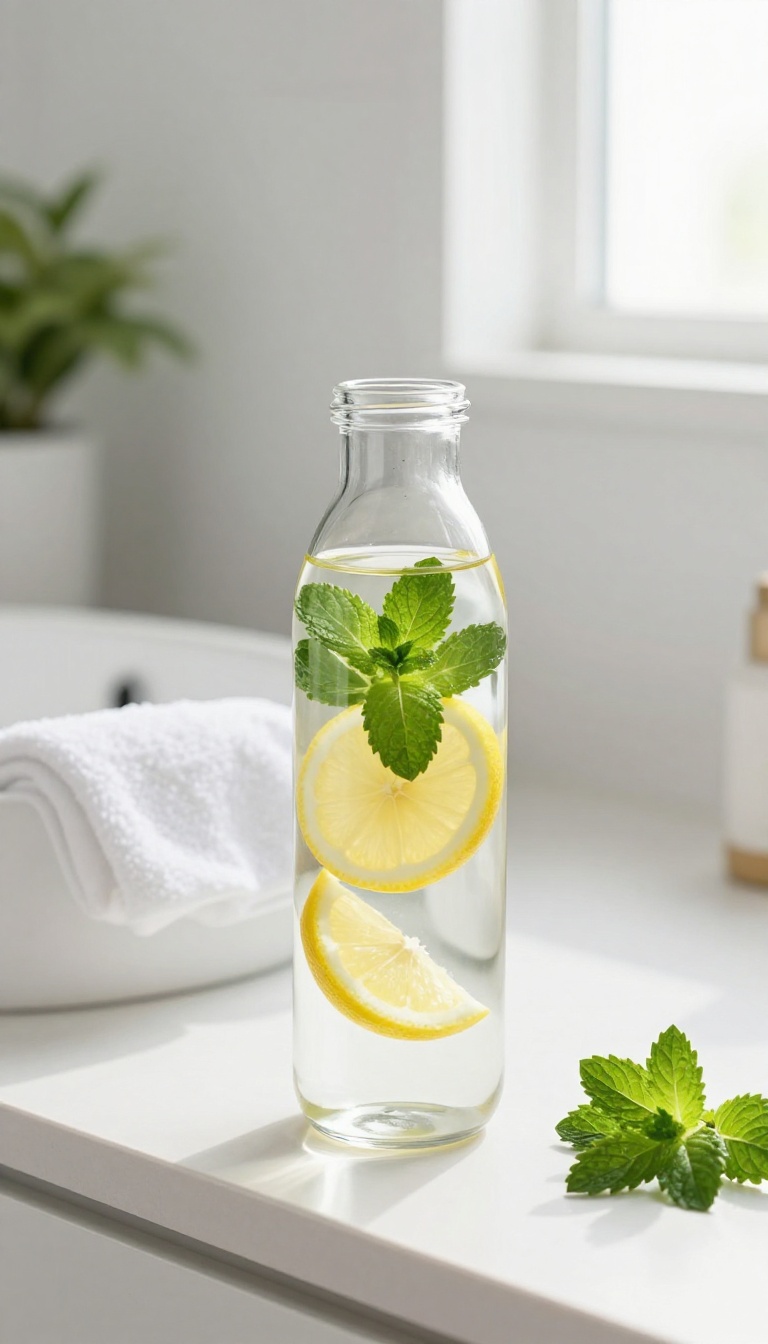
Your skin’s moisture starts from within. No matter how many lotions you pile on, if you’re dehydrated, your skin will still look dull and feel tight. Drinking enough water is the simplest, most effective way to keep your skin plump and healthy—not just after a shower, but all day long.
When you’re well-hydrated, your skin cells are fuller, which makes your skin look smoother and more elastic. It also helps your skin maintain its natural barrier, so it’s better at locking in moisture and keeping irritants out. Aim for at least 8 glasses a day, and increase that if you’re active or live in a dry climate.
Carry a reusable water bottle with you to make it easy to sip throughout the day.
How Hydration Affects Your Skin
Think of your skin like a sponge. A dry sponge is stiff and cracked, but a wet one is soft and flexible. When you’re dehydrated, your skin loses its bounce and can look flaky or tight.
Drinking water helps your skin stay resilient, so it’s less prone to irritation and dryness after a shower.
Hydration Vs. Moisturizer
Moisturizer works on the surface, while water works from the inside. You need both. A good moisturizer seals in the water your skin already has, but if you’re dehydrated, there’s less water to seal in.
So, don’t skip your water intake—it’s the foundation that makes your moisturizer more effective.
Tips To Drink More Water
Set reminders on your phone, or tie your water intake to daily habits like drinking a glass after every bathroom break. Infuse your water with lemon, cucumber, or mint for a refreshing twist. If you’re not a fan of plain water, try sparkling water or herbal teas—they count too.
Just avoid sugary drinks, which can dehydrate you.
18. Avoid Showering Too Often
We’ve been told that daily showers are a must, but that’s not true for everyone. Showering too frequently strips your skin of its natural oils, leaving it dry and irritated. If you have dry or sensitive skin, you might be doing more harm than good by lathering up every day.
Instead, listen to your skin. For many people, showering every other day is plenty, especially if you’re not sweating heavily. On off days, you can still freshen up with a quick rinse at the sink or a gentle wipe-down with a damp cloth.
Your skin has a natural barrier that keeps moisture in and irritants out. Over-washing breaks down that barrier, leading to tightness, flakiness, and even eczema flare-ups. The fix isn’t complicated—just dial back the frequency and give your skin a break.
When you do shower, keep it short and lukewarm. Hot water is especially harsh on dry skin, so opt for a cooler temperature. And always follow up with a moisturizer while your skin is still damp to lock in hydration.
How To Tell If You’re Over-showering
Your skin gives you clear signals. If you feel itchy right after drying off, or if your legs look ashy or scaly, that’s a red flag. Another sign is that your skin feels tight even after applying lotion.
Pay attention to how your skin responds—it’s the best guide.
Smart Ways To Cut Back
Start by skipping one shower this week and see how your skin feels. On non-shower days, use a washcloth with warm water to clean your underarms, groin, and face. You can also use a gentle cleansing wipe for a quick refresh.
This keeps you feeling clean without stripping your whole body.
What To Do On Off Days
If you’re used to a daily rinse, switching to every other day might feel odd at first. But your skin will thank you. On off days, focus on your face and armpits, and let the rest of your body just be.
If you’re worried about odor, a quick rinse with just water is fine—no soap needed.
19. Use a Shower Oil for Extra Dry Skin
If your skin feels parched even after moisturizing, your regular body wash might be stripping away too much. Shower oils are a game-changer for very dry skin types. They cleanse gently while leaving a protective layer of nourishment behind.
Shower oils work like a hybrid between a cleanser and a moisturizer. They turn into a milky emulsion on contact with water, lifting dirt without harsh surfactants. The result?
Soft, supple skin that doesn't need heavy lotion right after drying off.
Why Shower Oils Beat Regular Body Wash
Standard body washes often contain sulfates that foam up but also strip natural oils. Shower oils use plant-based oils like almond, jojoba, or argan that bind to your skin while cleansing. They're especially helpful in winter or if you have conditions like eczema.
How To Use A Shower Oil Properly
Apply it to damp skin with your hands or a soft cloth, then massage gently. Let it sit for a minute so the oils can soak in, then rinse with warm—not hot—water. Pat your skin dry with a towel instead of rubbing to keep the moisture locked in.
Choosing The Right Shower Oil
Look for fragrance-free options with simple ingredients if you're sensitive. Oils like sweet almond or sunflower are light and absorb well. Avoid mineral oil-based products if you prefer a more natural approach.
A little goes a long way, so start with a small amount.
20. Listen to Your Skin
Your skin is the best guide for your shower routine. It tells you exactly what it needs if you pay attention. That tight feeling after drying off?
That's your skin asking for more moisture. That oily sheen by midday? Maybe you're over-moisturizing.
Instead of sticking to a rigid routine, let your skin's signals lead the way. Small tweaks based on how your skin feels can make a big difference. It's not about following rules—it's about responding to what your body tells you.
Start by checking in with your skin after every shower. Notice how it feels right after you towel off and again an hour later. That feedback loop is your most reliable tool.
If your skin feels tight or itchy, your cleanser might be too harsh or your water too hot. If it feels greasy, you might be layering on too much product. Adjust one variable at a time and see what changes.
Over a week or two, you'll find the sweet spot that keeps your skin comfortable all day.
Signs Your Skin Is Thirsty
Tightness, flakiness, or a rough texture are clear signs your skin needs more hydration. Try switching to a gentler body wash, lowering the water temperature, or applying moisturizer while your skin is still damp. You might also consider a humidifier in your bathroom during dry months.
Signs You're Overdoing It
If your skin feels oily or you're getting breakouts on your body, you might be using too heavy a moisturizer or washing too often. Simplify your routine—use a lighter lotion or skip the moisturizer on days you don't need it. Your skin will thank you.
How To Adapt Over Time
Your skin changes with seasons, stress, and age. What works in summer may not work in winter. Reassess your routine every few months.
Keep a mental note of what triggers irritation or dryness. Being flexible is the key to long-term skin health.
FAQ
How often should I shower for healthy skin?
It depends on your skin type and lifestyle. Most people can shower daily, but if you have dry or sensitive skin, consider every other day. Focus on cleaning sweat-prone areas with a gentle cleanser.
Is hot water bad for your skin?
Yes, hot water strips your skin's natural oils, leading to dryness and irritation. Use lukewarm water instead to keep your skin comfortable and hydrated.
What's the best way to moisturize after a shower?
Apply moisturizer within 3 minutes of stepping out, while your skin is still damp. This helps lock in moisture and keeps your skin soft. Use a fragrance-free lotion or cream.
Can I use a loofah every day?
It's not recommended. Loofahs can harbor bacteria and are too harsh for daily use. Use a soft washcloth or your hands, and replace your loofah every month if you do use one.
What is a shower filter and do I need one?
A shower filter removes chlorine and other impurities from water, which can dry out skin and hair. If you have sensitive skin or live in an area with hard water, a filter can be beneficial.
Conclusion
Your shower can do more than just clean you—it can set the tone for how your skin feels all day. You don't need to overhaul everything at once; just pick one or two tweaks from this list that fit your routine, like adjusting water temperature or switching to a gentler cleanser. Stick with them for a week and notice the difference.
Small, consistent changes are what lead to that fresh, comfortable skin you're after. Start with one simple swap today, and let your shower work for you.