Your vision board should feel like a magnet for the life you're actually building, not just a pretty collage of Pinterest finds. The most effective boards don't just show dreams—they show the next concrete step, the measurable milestone, the habit that makes the goal real.
That's where these 20 glow-up ideas come in. Each one is designed to turn vague wishes into something you can see, track, and act on this year.
Whether you're refreshing an old board or starting from scratch, these prompts will help you visualize progress that feels both ambitious and achievable.
1. Start with a Word of the Year
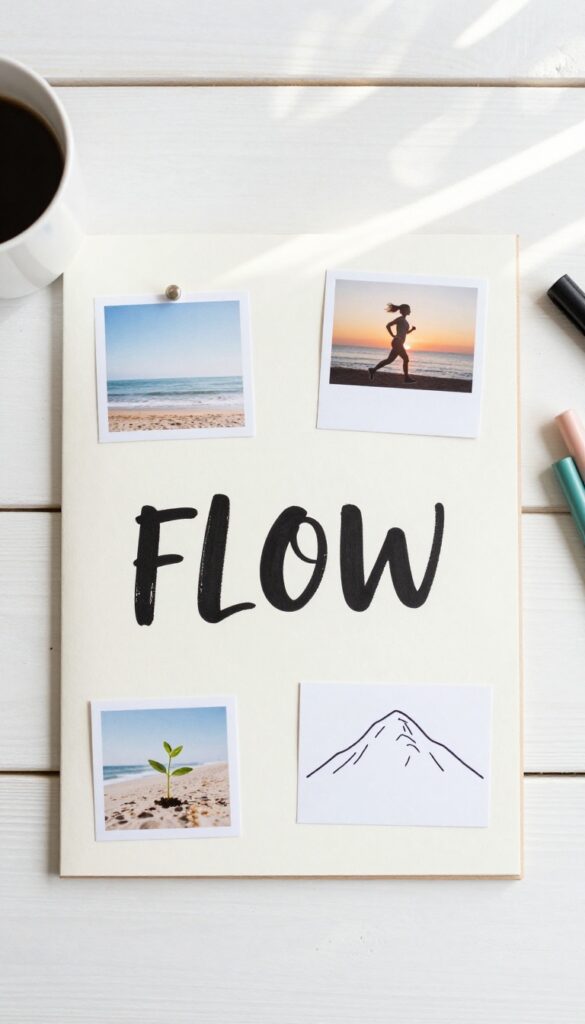
Your vision board can easily turn into a cluttered wish list. Anchoring it with a single word gives you a clear filter for every goal you add. Choose a word that feels like your compass for the next twelve months.
A word of the year is more than a motto; it's a decision about what you want to prioritize. When you place it prominently on your board, it becomes the lens through which you evaluate opportunities and commitments. It helps you say no to distractions and yes to what truly matters.
How To Pick Your Word
Think about what you want more of—peace, momentum, courage, or balance. Write down a few options, then say them out loud. The one that gives you a small jolt of energy is probably your word.
Keep it simple and personal, not a buzzword you found online.
Where To Place It
Give your word prime real estate: the top center of the board, the middle, or even the background as a repeated pattern. You want it visible every time you glance at the board. Some people like to write it in bold letters on a sticky note or use a printed cutout.
Let It Guide Your Goals
As you add images and phrases, ask yourself: does this align with my word? If not, leave it off. This keeps your board cohesive and intentional.
Your word becomes a filter, so every element on the board supports the same direction.
2. Map Out Your Dream Morning Routine
Mornings set the tone for the entire day, yet most of us stumble through them on autopilot. A vision board can change that by making your ideal morning feel concrete and worth waking up for. Instead of vague wishes like 'be more productive, ' you'll see the exact steps that make you feel grounded and ready.
Start by picturing your perfect wake-up time, the first thing you do, and how you want to feel. Do you crave a slow coffee with a book, a sweaty workout, or ten minutes of journaling? Whatever it is, seeing it on your board turns a fuzzy idea into a daily target.
When you visualize the routine, you're more likely to actually follow it—because it feels familiar and achievable.
Pick Your Non-negotiables
Choose two or three things that matter most for your morning—maybe movement, meditation, or a healthy breakfast. Add images or words that represent these to your board. Keep it simple; you don't need to cram in every good habit you've ever heard of.
The goal is to make your routine feel doable, not overwhelming.
Visualize The Feeling, Not Just The Actions
A morning routine isn't just about what you do—it's about how it makes you feel. Add photos that evoke calm, energy, or clarity, like a sunrise, a quiet street, or a steaming mug. When you look at your board, you're not just seeing tasks; you're reminding yourself why you're doing them.
That emotional hook is what keeps you coming back.
Create A Visual Timeline
Lay out your morning as a simple sequence on your board—wake up, stretch, shower, breakfast. You can use arrows, numbered stickers, or just arrange images left to right. This turns your routine into a mini-roadmap that's easy to follow.
It also helps you spot where you might be overcomplicating things, so you can trim the fluff and keep what truly works.
3. Add a Career Milestone You Can Actually Measure
Career goals often get the vaguest treatment on vision boards. A pinned phrase like "get promoted" or "switch careers" looks nice but gives your brain nothing concrete to latch onto. Instead, choose a milestone that has a clear finish line—something you can tick off and genuinely celebrate.
Measurable goals are easier to work toward because they break down into steps. When you see a specific target every day, your mind starts figuring out how to get there. Plus, reaching a defined milestone feels way more satisfying than a vague sense of progress.
Pick A Specific Title Or Role
Instead of writing "get promoted, " pin the exact job title you're aiming for. If that feels too far off, pick the next step up—like "Senior Designer" or "Team Lead. " Seeing the words daily makes them feel real and keeps you focused on the skills you need to build.
Name A Realistic Salary Number
Money goals are easy to quantify. Write down the exact annual salary you want, or the raise amount you're targeting. This isn't about being greedy—it's about giving your brain a number to work with.
You can even add a date: "$75k by December. "
Define A Project You'll Complete
Milestones don't have to be titles or paychecks. Maybe it's launching a side project, publishing a case study, or landing a specific client. Choose something you can actually finish and put a timeline on it.
That turns a dream into a to-do.
4. Include a Fitness Goal That's About Feeling Strong
Fitness goals on vision boards often get reduced to a number on a scale or a specific jean size. That kind of image can feel more like a punishment than a promise. Instead, pick a photo that captures movement and energy—someone hiking a trail, lifting a weight, or sprinting across a finish line.
Let that image remind you of what your body can accomplish, not just how it appears.
When you choose a fitness image, focus on the action and the feeling it brings. A picture of someone conquering a hill or finishing a race speaks to strength and endurance. It shifts the goal from aesthetics to ability, making your board a source of motivation rather than comparison.
Pick An Action Shot, Not A Pose
Look for images that show movement, effort, and joy—like a runner mid-stride or a climber reaching for a hold. These photos capture the spirit of fitness better than a static pose. They remind you that the goal is to feel alive and capable.
Write A Strength-focused Caption
Add a short phrase under the image that emphasizes capability, such as “I can lift this” or “I will finish this race. ” Words have power, and a caption that highlights strength reinforces your intention every time you glance at your board.
Include A Small Progress Tracker
Stick a tiny note or a simple chart on your board to track workouts or milestones. It doesn't have to be fancy—just a few checkboxes for weekly runs or a line for increasing weights. Seeing progress in action keeps you motivated and makes the goal feel real.
5. Pin a Travel Destination with a Purpose

Travel goals are exciting, but they hit harder when they're tied to something bigger than a beach selfie. Instead of just pinning a pretty location, choose a place that supports a skill you want to learn, a cause you care about, or a personal milestone. That turns a vacation into a chapter of your growth story.
When you attach a purpose to your travel dream, it stops being a distant fantasy and becomes a plan with direction. You're not just going somewhere—you're going somewhere to become something. That shift makes the vision board image more motivating and the goal more achievable.
Connect The Place To A Skill
Think about what you want to learn or improve. If you're studying Spanish, picture yourself in a language school in Mexico City. If you're into surfing, imagine a week at a surf camp in Portugal.
The destination becomes a classroom, and the vision board reminds you why you're putting in the practice.
Anchor It To A Bigger Life Goal
Maybe you want to volunteer with marine conservation, so you pin a coastal town in Thailand where you can join a local project. Or you're saving to teach English abroad, so you choose a city in Vietnam. The image represents a stepping stone, not just a holiday.
That makes it easier to prioritize and save.
Make It Tangible With A Mini-plan
Add a small note or a symbolic item next to the image—like a phrase in the local language or a map pin. Then, break the goal into steps: research flights, set a savings target, or book a course. Your vision board becomes a launchpad, not just a pretty picture.
6. Visualize Your Ideal Workspace
Your environment shapes your output more than you might think. A cluttered desk or a distracting room can quietly drain your focus and motivation. That's why adding a clear image of your ideal workspace to your vision board is a smart move—it gives your brain a visual target to aim for every day.
Think beyond just a desk and a chair. What does your dream setup look like? Maybe it's a sunlit corner with plants, a minimalist standing desk, or a cozy coffee shop nook.
Whatever it is, pinning that image makes it feel real and reminds you why you're putting in the work.
When you visualize your ideal workspace, you're not just dreaming about a pretty room—you're defining the conditions that help you do your best work. This idea works whether you're aiming for a home office makeover, a better remote setup, or even a small creative corner. The key is to be specific about what makes that space functional and inspiring for you.
Start by considering what you need to feel focused and energized. Do you need natural light, quiet, or a certain aesthetic? Once you know that, you can find or create an image that matches.
Place it prominently on your vision board, where you'll see it daily, and let it guide your choices—from decluttering to investing in better furniture or lighting.
Define Your Focus Triggers
Your ideal workspace isn't just about looks—it's about what helps you concentrate. Maybe it's a clean desk with only your laptop and a notebook, or maybe you need background noise and a bustling café vibe. Pin an image that captures those triggers, so you can recreate that feeling wherever you are.
Make It Personal
Your workspace should reflect your personality, not a generic stock photo. Add elements that make you happy—a favorite color, a plant, a piece of art, or a cozy chair. When your space feels like yours, you're more likely to want to spend time there and get things done.
Plan The Practical Steps
A vision board image is just the start. Break down what it takes to get there: maybe you need to organize cables, buy a new lamp, or rearrange furniture. Write those small steps on sticky notes and add them to your board, so you have a clear action plan.
7. Add a Financial Goal with a Number
Money goals can feel abstract until you put a number on them. That's why adding a specific savings target or debt payoff amount to your vision board makes such a difference. It turns a vague desire into a concrete target you can actually track.
Why A Number Works
Seeing a specific figure like "$10, 000 emergency fund" or "Pay off $5, 000 credit card" makes your brain treat it as a real goal, not just a wish. It also gives you a clear benchmark to measure progress against, which keeps you motivated.
How To Choose Your Number
Pick a goal that feels both challenging and achievable. Break a larger goal into smaller milestones if needed. For example, if you want to save $12, 000 this year, write "$1, 000/month" on your board.
That way, you can check in monthly and see how you're doing.
Make It Visual
Write the number in big, bold letters or create a simple progress tracker. You could use a thermometer graphic that you fill in as you get closer. The more visual, the more it sticks in your mind.
8. Include a Learning Goal (New Skill or Hobby)
Learning something new is one of the most satisfying ways to grow, but it's easy to let it slide when life gets busy. A vision board can keep that goal front and center, reminding you why you started and what you're working toward. Pin a photo that represents the skill you want to learn—a guitar, a paintbrush, a laptop with code on the screen.
Make it specific enough that you can picture yourself doing it, not just owning the gear.
When you add a learning goal to your vision board, you're making a promise to your future self. It's not about being perfect; it's about showing up consistently and enjoying the process. Here's how to make it stick.
Pick One Skill That Excites You
Don't overload your board with ten different hobbies. Choose one that genuinely sparks joy, whether it's playing the ukulele, learning conversational Spanish, or mastering watercolor painting. When you're excited about it, you're more likely to practice regularly.
Visualize The Milestones, Not Just The End Result
Instead of only pinning a photo of a fluent speaker or a concert pianist, add images that show the steps along the way—a beginner's chord chart, a sketchbook full of practice pages, or a language app on your phone. These smaller visuals make the goal feel achievable and remind you that progress is a journey.
Pair It With A Time Anchor
Give your learning goal a deadline. Write 'By June' on a sticky note and place it next to the image. This turns a vague wish into a concrete target, helping you prioritize practice sessions and track your improvement.
9. Show a Healthier Relationship with Food
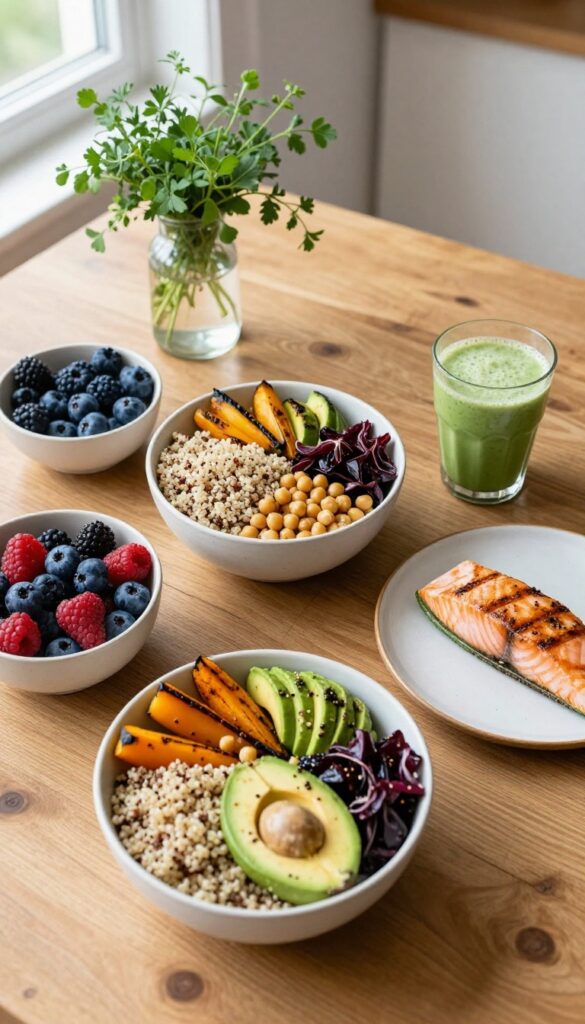
Diet culture loves to turn food into a punishment. Your vision board can help you unlearn that. Instead of pinning skinny jeans or a flat-tummy tea, fill that space with what eating well actually looks like.
Think colorful, home-cooked meals, fresh produce from a local market, or a cozy dinner with friends. This isn't about restriction—it's about nourishment, joy, and listening to your body. When you visualize food as fuel and pleasure, you're more likely to make choices that feel good.
Pin Meals That Make You Feel Good
Collect photos of vibrant bowls, roasted veggies, or a hearty soup. These images remind you that healthy food can be delicious and satisfying. Skip the diet shakes and sad salads—go for what you'd actually want to eat.
Celebrate Cooking At Home
Add a snapshot of your own kitchen or a favorite recipe. Cooking at home is a powerful way to take control of your nutrition. It's also a creative outlet and a chance to slow down.
Your board can show that process as something to enjoy, not dread.
Include The Farmer's Market Vibe
A picture of overflowing stalls, fresh herbs, or a basket of apples can symbolize a simple, abundant approach to food. It connects eating to nature and community, making healthy choices feel more like a lifestyle than a chore.
10. Add a Relationship Goal (Not Just Romance)
Relationships shape your daily happiness more than almost anything else, yet they rarely make it onto vision boards. You might pin a dream home or a promotion, but what about the people you want beside you? Giving relationships their own space on your board makes you intentional about the connections you nurture.
Think beyond romantic partnerships. Your board can celebrate friendships, family bonds, or even the community you want to build. A picture of your best friends, a family reunion, or a volunteer group can remind you to invest time in the people who matter.
You can also add a specific goal, like 'host a monthly game night' or 'call Mom every Sunday. '
Why Relationships Belong On Your Board
Strong social ties are linked to better health and a longer life. When you visualize the people you love, you're more likely to prioritize them. It's easy to let work or busy schedules push relationships aside, but seeing them daily keeps them front of mind.
How To Choose The Right Images
Pick photos that capture genuine connection—laughter, hugs, shared meals. Avoid staged or overly posed shots. You want images that make you feel warm and remind you of the real bond you share.
If you don't have a photo, use a magazine cutout that represents the feeling.
Make It Actionable
Add a small note or symbol next to the image with a concrete step. For example, 'Plan a weekend trip with the girls' or 'Join a local book club. ' This turns the visual into a goal you can actually work toward.
11. Visualize a Creative Project You Want to Finish
Creative projects often stall because the end result feels too far away. Pinning a visual of the finished piece—a book cover, a podcast logo, a painting—makes it tangible. You can see what you're working toward, and that image becomes a quiet reminder to keep showing up.
When you add a creative project to your vision board, you're making a commitment to your own expression. It's not just about the final product; it's about the process of getting there. The visual anchor helps you stay focused on the steps that lead to completion, even when motivation dips.
Choose A Powerful Visual
Find an image that captures the essence of your finished project. For a book, that might be a mock-up cover or a photo of a stack of printed pages. For a podcast, it could be a studio setup with your logo.
The more specific and vivid, the better.
Break It Down Into Milestones
Your vision board can also hold smaller visuals that represent milestones along the way. A screenshot of your outline, a color palette for a painting, or a recording schedule for your podcast. These mini-goals make the big project feel less overwhelming.
Place It Where You Create
If you have a dedicated workspace, put your vision board where you'll see it during creative sessions. That constant visual cue can pull you back to your project when you're tempted to scroll instead. It's a gentle nudge to keep going.
12. Include a Self-Care Ritual You Want to Start

Self-care often gets pushed to the bottom of the to-do list, but it's the fuel that keeps everything else running. When you visualize a specific ritual, you're more likely to actually do it. This isn't about bubble baths and scented candles—though those can be part of it.
It's about making rest and recovery a non-negotiable part of your routine.
Adding a self-care ritual to your vision board makes it visible and tangible. You're not just dreaming about being less stressed; you're planning a concrete action that brings you back to center. Whether it's a daily meditation, a weekly digital detox, or a monthly massage, seeing it on your board reminds you that you deserve that time.
Pick A Ritual That Actually Fits Your Life
The best self-care ritual is one you'll stick with. If you're not a morning person, don't force a 5 AM yoga session. Instead, choose something that slots naturally into your day, like a 10-minute journaling break after lunch or a walk after dinner.
Think about what you need most right now—more calm, more energy, more connection—and pick a ritual that addresses that.
Make It Visual And Specific
On your vision board, show the ritual in action. If it's a bath, find an image of a steaming tub with towels nearby. If it's meditation, use a picture of someone sitting quietly in a peaceful spot.
Add a word or phrase that captures the feeling, like 'breathe' or 'recharge. ' The more detailed the image, the more your brain will treat it as a real plan.
Schedule It Like An Appointment
A ritual only works if you actually do it. Once you've chosen your self-care practice, block out time for it in your calendar. Treat it as seriously as a meeting with your boss.
When you see it on your board and in your schedule, it becomes a commitment, not an afterthought.
13. Add a 'Let Go' Section
Vision boards usually focus on what you want to add, but sometimes the fastest way forward is clearing out what's holding you back. A 'Let Go' section gives you a dedicated space to name those mental and emotional blocks. It's a simple but powerful way to make your board a tool for release, not just attraction.
This section is about creating a visual ritual for letting go. By writing down what you want to release—like procrastination, self-doubt, or that habit of comparing yourself to others—you're making it tangible. Then, when you're ready, you can physically remove those sticky notes, which can feel surprisingly freeing.
What To Put In Your 'let Go' Zone
Think about the habits, fears, or negative thoughts that are quietly working against your goals. Common ones include: procrastination, people-pleasing, fear of failure, or that inner critic that says you're not good enough. Write each one on a separate sticky note—one idea per note—so you can deal with them individually.
How To Use This Section
Place these sticky notes in a corner of your board, maybe with a marker or a small container. Each time you notice yourself slipping into that old pattern, you can acknowledge it and physically move the note to a 'released' pile. Some people like to crumple them up or toss them in a 'done' jar.
The act of removal is what makes it stick.
When To Refresh The Notes
Check in with this section monthly. You might find that some notes are ready to come off sooner than you expected. Others might need to stay a little longer—that's okay.
The point is to keep the process honest and ongoing. As you let go of one thing, you can add another that's become more relevant.
14. Pin a Home Goal That Feels Like a Sanctuary
Your living space is more than just a backdrop—it's the stage for your daily life. When your home feels chaotic or uninspiring, it can quietly drain your energy. That's why adding a home goal to your vision board is a powerful move.
Think of it as designing a personal retreat. The image you choose should reflect the calm, organized, and beautiful environment you want to come back to every day. It's not about perfection; it's about creating a space that recharges you.
A home goal on your vision board isn't just about aesthetics. It's about setting the tone for your entire life. When your surroundings feel supportive, you're more likely to feel motivated and at peace.
So, pick an image that makes you take a deep breath—a cozy reading nook, a sunlit kitchen, or a clutter-free desk. Once you have that image, think about what small change can move you closer to it. Maybe it's decluttering one shelf, adding a plant, or painting a wall.
The vision board is the dream; the action is the bridge.
Why Your Space Matters
Your home is where you start and end each day. If it's cluttered or stressful, that feeling follows you. A sanctuary isn't about luxury—it's about function and comfort.
When your space supports you, you're more likely to feel grounded and focused.
How To Choose The Right Image
Look for images that feel authentic to your lifestyle, not just pretty. Does it have the colors you love? Is there room for your hobbies?
The right image will feel like a place you can actually live in, not just admire. Avoid overly styled photos that feel unattainable.
Turn The Vision Into Action
Once you've pinned your image, break it down. What's one small project you can start this month? It could be as simple as organizing a drawer or adding softer lighting.
Every small step makes your sanctuary more real.
15. Include a Community or Volunteering Goal
A vision board that only focuses on personal wins can feel a little hollow. Adding a community or volunteering goal shifts the spotlight outward, and that shift often brings a deeper sense of purpose. It's a simple way to remind yourself that your growth can also lift others.
Choose a cause that genuinely matters to you—whether it's mentoring kids, cleaning up a local park, or helping at an animal shelter. Find a photo that captures that energy, like a group of volunteers smiling or hands planting a tree. Place it where you'll see it daily, and pair it with a small, concrete commitment, like 'volunteer twice a month' or 'donate $20 each paycheck. ' That way, the image isn't just a nice thought—it's a nudge toward action.
Why Community Goals Matter
When you tie your vision to something bigger than yourself, motivation tends to stick. Studies show that helping others boosts mood and reduces stress, which makes it easier to stay on track with your other goals. Plus, seeing the impact you're making can be a powerful reminder of what you're capable of.
How To Visualize Giving Back
Look for images that show real moments of connection—hands stacking food donations, a group cleaning a beach, or a child laughing with a volunteer. If you can, snap your own photo from a past volunteering event. That personal touch makes the goal feel more real and reachable.
Turning The Image Into Action
Don't just pin the picture and move on. Write a mini-action plan next to it, like a list of local organizations to research or a date to sign up for a shift. You could even add a small icon or sticker to mark each time you volunteer.
That visual progress can keep you motivated all year.
16. Visualize a Personal Milestone (Like Running a 5K)

A vision board doesn't have to be all about far-off dreams. Sometimes the most powerful images are the ones that show a finish line you can actually cross. Picking a specific milestone—like running a 5K—gives your board a clear target that feels real and within reach.
When you visualize that achievement, your brain starts to believe it's possible. That belief translates into motivation, and motivation turns into training runs, better eating, and showing up for yourself. It's not just a picture; it's a promise you make to your future self.
Choose a milestone that's challenging but doable. It should stretch you a little, but not feel impossible. Once you have it, find or create an image that represents that moment—a finish line, a medal, or even a photo of you smiling and sweaty.
Place it front and center on your board so you see it every day. Then, pair that image with a few supporting visuals: a pair of running shoes, a training schedule, or a map of your route. These details make the goal feel more concrete.
Add a quote that resonates, like 'One step at a time. ' The more specific you get, the more your board becomes a blueprint, not just a collage. Finally, revisit your milestone regularly. Update the image as you get closer, or add new milestones once you hit the first one.
Your vision board should evolve with you, keeping you motivated and grounded in what you're working toward.
Why A Specific Milestone Works
Vague goals like 'get fit' are easy to ignore. But 'run a 5K in under 30 minutes' gives you a clear target. Your brain loves concrete details—it can picture the finish line, feel the excitement, and map out the steps.
That clarity keeps you focused and makes the goal feel real.
How To Choose The Right Milestone
Pick something that excites you but also feels slightly out of reach. It should be specific, measurable, and time-bound. For example, 'complete a 5K by June' is better than 'run more. ' Think about what would make you proud, and write it down.
If it feels too easy, level up; if it feels overwhelming, scale back.
Bringing The Milestone To Life On Your Board
Find or create an image that captures the moment of achievement. It could be a photo of a finish line, a medal, or even a picture of yourself at the event. Add supporting visuals like a training schedule, a map of the route, or a pair of running shoes.
Arrange them in a way that tells a story from start to finish.
17. Add a 'Future Self' Photo or Quote
Sometimes the most powerful vision board element isn't a thing you want, but a version of you who already has it. A 'future self' image or quote can act as a daily reminder of the person you're becoming, not just the goals you're chasing. It's easy to get caught up in the logistics of dreams—the money, the timeline, the steps.
But when you anchor your board to a feeling or identity, you tap into the motivation that actually sustains you. That's the glow-up that sticks.
Pick a photo that captures the essence of your future self—maybe it's a traveler with a carefree smile, a calm professional in a crisp suit, or someone standing tall on a mountain peak. Or choose a quote that speaks to the mindset you want to embody, like 'I am capable of amazing things' or 'She believed she could, so she did. ' Place this image or quote front and center, where you'll see it daily. Let it serve as a visual anchor for your decisions and habits.
When you're tempted to skip a workout or procrastinate on a project, that future self is there to remind you who you're becoming.
Why It Works
Seeing a representation of your future self activates what psychologists call 'possible selves'—the mental image of who you want to be. This primes your brain to notice opportunities and align your actions with that identity. It's not just motivation; it's a subtle rewiring of your daily choices.
How To Choose The Right Image
Don't just grab any inspiring photo. Think about the specific qualities you want to develop—confidence, calm, adventurousness, or discipline. Look for an image that evokes that feeling, not just a generic 'success' picture.
If you can't find one, create a simple avatar or use a photo of yourself with a filter that represents the vibe.
Pair It With A Daily Ritual
Make this element work harder by pairing it with a quick morning check-in. Stand in front of your board, look at your future self, and ask: 'What would they do today? ' Then take one small step in that direction. It turns passive inspiration into active alignment.
18. Include a Digital Detox or Tech Goal
Your vision board is probably full of things you want to add—more money, more travel, more stuff. But sometimes the most powerful goal is subtracting. A digital detox goal isn't about being anti-tech; it's about being intentional with your attention.
It's a reminder that your time is your most valuable asset, and where you spend it matters.
Pin an image of a phone-free sunset or a book instead of a screen. It's a visual reminder to unplug and be present. This idea works because it's concrete: you're not just saying 'I'll use my phone less, ' you're picturing the exact moments you want to create.
Why It Works
Digital detox goals are measurable and immediate. You can track screen time, set app limits, or schedule phone-free hours. Unlike vague goals like 'be more present, ' this gives you a clear target.
Plus, the visual of a sunset or a book is a calming anchor on your board.
How To Make It Real
Choose a specific image that resonates with you—maybe a cozy reading nook or a hiking trail. Pair it with a small note: 'No phone before 9 AM' or 'Screen-free Sundays. ' Keep it simple. The goal isn't to go off-grid; it's to create space for what matters.
19. Add a Gratitude or Mindfulness Practice
A vision board that only chases future wins can leave you feeling a little empty. That's why adding a gratitude or mindfulness element is a game-changer. It grounds your goals in the present, reminding you of what's already going well.
When you shift your focus to appreciation, you start to see your current life as the foundation for your dreams. This simple practice can reduce stress and boost your mood, making you more motivated to take action.
Why It Works
Gratitude rewires your brain to notice the positive, which makes your goals feel more attainable. Mindfulness keeps you anchored, so you don't get swept away by the pressure of your big picture.
How To Add It
Choose a photo of a journal, a peaceful nature scene, or a quote that resonates with you. Place it in a spot you'll see daily, and take a moment each morning to reflect on one thing you're grateful for.
Make It Yours
You can also add a small card with a daily affirmation or a list of three things that went well last week. The goal is to make gratitude a habit, not just a one-time thought.
20. Leave Space for Surprises
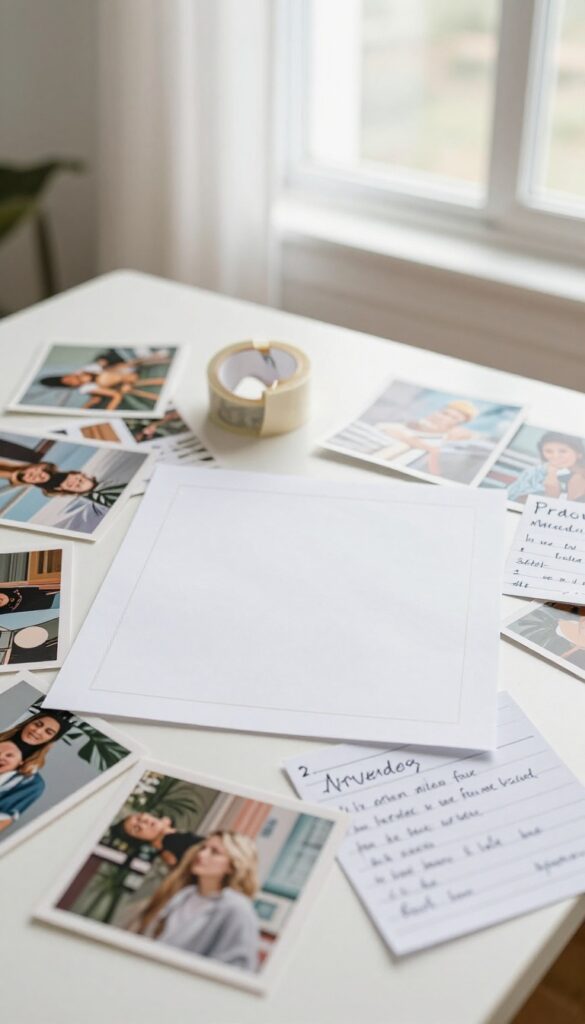
A vision board that's packed to the edges can feel like a closed door. Leaving a blank spot is a quiet invitation for the unexpected—those opportunities you couldn't have planned for. It's a reminder that some of the best things in life aren't on your radar yet.
Reserve a corner or a central empty square on your board. Label it "open" or just leave it bare. When something surprising and aligned shows up—a job offer, a new friendship, a spontaneous trip—add it there.
This practice keeps your board flexible and your mind open.
Why Blank Space Works
Our brains are wired to fill gaps, so an empty spot on your board keeps you subconsciously alert to possibilities. It also prevents you from over-committing to a rigid plan that might not fit your evolving self.
How To Use The Surprise Spot
Decide on a size—maybe a 3×3 inch square or a whole section. When you add something unexpected, write the date and a small note about how it came to you. This creates a visual timeline of serendipity.
Refreshing The Space
Every few months, clear the surprise spot and start fresh. This keeps the invitation open for new twists. You'll also notice patterns in the kind of surprises that show up, which can guide your next intentional goals.
FAQ
How often should I update my vision board?
Aim to refresh it every 3 to 6 months, or whenever your goals change. Keeping it current keeps it relevant and motivating.
Do vision boards really work?
They work best when you pair them with action. A vision board clarifies your goals and keeps them top of mind, but you still need to take steps toward them.
What if I don't have a clear goal?
Start with broad themes like 'health, ' 'career, ' or 'fun. ' As you add images, you'll naturally refine what you really want.
Should I use digital or physical vision boards?
Both work. Physical boards are great for daily visibility, while digital boards (like Pinterest) are easy to update and access anywhere.
Can I include negative things on my vision board?
It's better to focus on positive outcomes. Instead of 'no debt, ' pin 'financial freedom. ' That keeps your mind on what you're moving toward.
Conclusion
A vision board works best when it feels like a living tool, not a one-time craft project. Pick two or three ideas from this list that genuinely spark something in you, and build your board around those. Let it evolve as your goals shift, and check in with it weekly.
That small ritual keeps your ambitions visible and your momentum steady. Start with one refresh today, and watch how your focus sharpens.