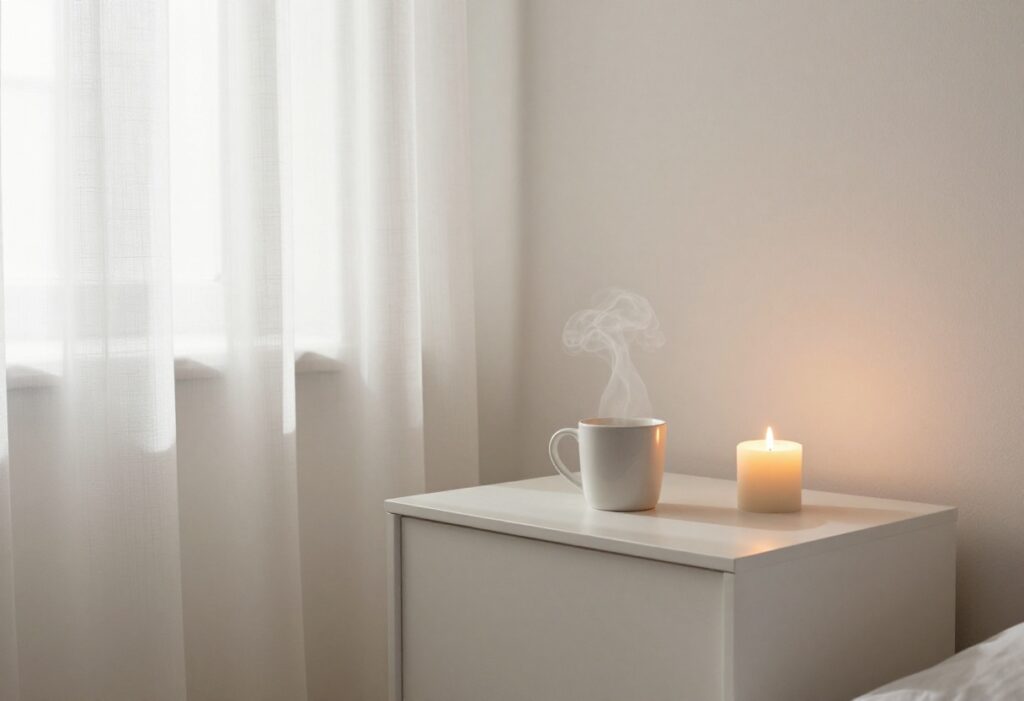
A weekend glow-up doesn't have to mean a full makeover—it's about carving out a few calm hours to reset your space, body, and mind. These 23 ideas are intentionally low-pressure, so you can pick what feels right without turning self-care into another to-do list. From a slow digital detox morning to a mindful evening walk, each step is designed to help you unwind and feel more grounded.
You don't need a big budget or a lot of time; just a willingness to slow down. Start with one or two that resonate, and let the rest inspire you.
Ready to ease into a softer, more refreshed version of yourself? Let's begin.
1. Start with a Digital Detox Morning
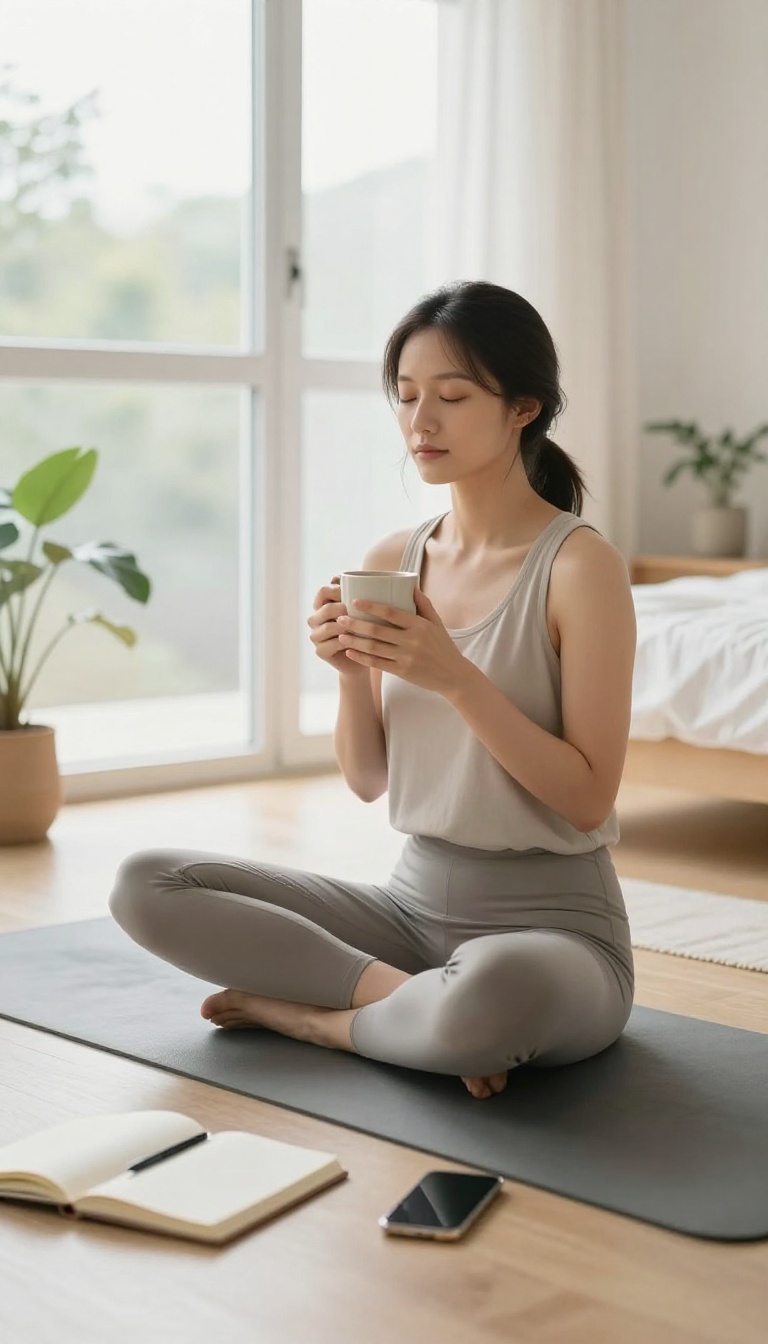
Before the day gets loud, give yourself a quiet start. A digital detox morning means keeping your phone in another room or on airplane mode for the first couple of hours after waking. That small window of offline time can shift your whole weekend vibe.
You don't need a strict plan—just a few simple rituals to ease into the day without notifications. Let your body wake up naturally, and let your mind wander without the usual input.
Stretch Or Move Slowly
Start with gentle stretches or a short yoga flow. Even five minutes of movement helps release sleep stiffness and gets your blood flowing. No need for a full workout—just enough to feel awake in your body.
Sip Something Warm
Make a cup of tea, coffee, or warm lemon water. Hold the mug with both hands, breathe in the steam, and take a few unhurried sips. This simple act forces you to slow down and be present.
Journal Or Just Sit
Grab a notebook and jot down whatever comes to mind—dreams, plans, or random thoughts. If writing isn't your thing, just sit by a window and watch the morning light. The goal is to be with yourself, not to perform productivity.
2. Create a Signature Bath Ritual
A bath can be more than just a quick rinse—it can become a ritual that signals your body to slow down. The key is to make it feel special, not complicated. With a few simple touches, you can turn your bathroom into a personal spa and give yourself a mini escape.
Start by setting the mood. Dim the lights, light a candle, and maybe put on a calm playlist. Then, draw a warm bath and add Epsom salt and a few drops of lavender oil.
Soak for about 20 minutes, letting your thoughts drift. This is your time to disconnect from screens and just be.
Set The Scene
Clear the clutter around the tub, grab a towel, and keep a glass of water nearby. A few simple touches—like a candle or a plant—can make the space feel more serene. This helps your mind switch into relaxation mode.
Choose Your Add-ins
Epsom salt is great for soothing muscles, while lavender oil promotes calm. You can also try a bath bomb or a few drops of eucalyptus for a refreshing twist. Just keep it simple—a couple of ingredients are enough.
Make It A Habit
To turn this into a true ritual, try to do it at the same time each week, like Sunday evening. Over time, your body will start to associate that moment with relaxation, making it easier to unwind.
3. Refresh Your Bedding and Sleep Space
Your bed is the centerpiece of your rest, but it's easy to overlook until it starts feeling blah. A quick refresh doesn't require a big budget—just a little time and a few simple touches. When your sheets are crisp and your pillow smells like lavender, climbing in feels like a mini escape.
Start by stripping the bed and washing everything in warm water with a gentle, calming detergent. While that's going, give your mattress a quick vacuum and flip or rotate it if it's due. Then, fluff your pillows and let them air out.
Once the bedding is dry, make the bed with clean sheets and add a spritz of linen spray—a simple mix of water and a few drops of lavender or chamomile essential oil works wonders.
Pick A Calming Scent
Scent is a powerful cue for relaxation. Choose a linen spray with lavender, eucalyptus, or sandalwood, or make your own by combining distilled water with a few drops of essential oil in a spray bottle. A light mist over your pillows and duvet before you get in can signal your brain that it's time to wind down.
Declutter Your Nightstand
A cluttered nightstand can make your mind feel cluttered, too. Take a few minutes to clear away old water glasses, books, and random receipts. Keep only the essentials: a lamp, a book, and maybe a small plant or a pretty tray for your phone.
This simple act makes your sleep space feel more intentional and calm.
Adjust The Lighting
Bright overhead lights are too harsh for winding down. Swap in a warm, dimmable lamp or add some fairy lights for a soft glow. If you can, use blackout curtains or an eye mask to block out any lingering light.
A darker, cozier room helps your body produce melatonin naturally and makes falling asleep easier.
4. Do a 10-Minute Stretch Flow
Your body holds tension in places you don't even notice—until you finally stop and pay attention. A short stretch flow is a gentle way to release that built-up tightness without needing to leave the house or change into gym clothes. All you need is a mat or towel and ten quiet minutes.
This isn't about touching your toes or mastering a pretzel pose. It's about moving slowly and breathing deeply, letting your muscles soften and your mind settle. You can follow along with a free video or simply move through a few familiar stretches on your own.
The goal is to feel more open and less stiff, not to perfect your form.
Why Stretching Feels Like A Reset
When you're stressed, your body clenches up—especially in the neck, shoulders, and hips. A gentle stretch session tells your nervous system it's safe to relax. It also improves circulation, which can boost your mood and energy.
Even ten minutes can make a noticeable difference in how you carry yourself for the rest of the day.
How To Structure Your Flow
Start with a few slow neck rolls and shoulder shrugs to ease the upper body. Then move into a forward fold or a gentle cat-cow stretch to release the spine. Finish with a hip opener like a seated butterfly or a low lunge.
Hold each pose for about 30 seconds and breathe deeply throughout.
Make It A Mini Ritual
Set a timer, put your phone on do not disturb, and maybe light a candle or play soft music. This small act of intention turns a simple stretch into a calming ritual. You don't need to be flexible—just show up and let your body guide you.
5. Plan a Simple, Nourishing Meal

Cooking can feel like a chore, but it can also be a grounding ritual. When you choose one simple recipe and give it your full attention, the process becomes a form of mindfulness. You're not just feeding yourself; you're nurturing your body with real, whole ingredients.
Pick a meal that feels comforting and doable—maybe a veggie stir-fry with ginger and garlic, or a hearty lentil soup. The goal isn't to impress anyone; it's to enjoy the act of preparing something nourishing. Set the mood with music, chop your vegetables slowly, and let the aromas fill your kitchen.
When you sit down to eat, you'll feel the satisfaction of having created something good for yourself.
Choose A Recipe That Feels Doable
Scroll through your favorite food blog or cookbook and pick something with ingredients you already have or can easily find. Avoid complex recipes with long lists; the simpler, the better. A stir-fry, a one-pot pasta, or a sheet-pan dinner are great options.
The key is to choose something that won't stress you out.
Make It A Sensory Experience
Turn off the TV and put on some calming music. Light a candle if you like. Pay attention to the colors of the vegetables, the sound of the sizzle, and the smell of the spices.
This turns cooking from a rushed task into a mindful activity that engages all your senses.
Focus On Whole Ingredients, Not Perfection
Don't worry about fancy techniques or flawless plating. Use fresh produce, good-quality oil, and simple seasonings. It's okay if the onions are a bit uneven or the sauce isn't perfectly thick.
The point is to nourish your body with real food, not to win a cooking competition.
6. Declutter One Small Area
Clutter can quietly weigh on your mind, even when you don't consciously notice it. But you don't need to tackle the whole house at once. Picking one tiny spot—like a drawer or a shelf—can give you a quick sense of control and calm.
Set a timer for 15 minutes and focus only on that space. Pull everything out, wipe it down, and put back only what you actually use or love. Donate or toss the rest.
The goal isn't perfection; it's just a small win that leaves you feeling lighter.
Start With A High-traffic Spot
Choose a place you see or use daily, like your nightstand or the kitchen counter. Clearing it makes a noticeable difference in how your space feels. You'll enjoy the visual calm every time you pass by.
Make It A Game, Not A Chore
Turn on your favorite playlist or podcast and treat it like a mini challenge. The timer keeps you focused, and the music makes it feel less like work. Before you know it, the 15 minutes are up and the area looks great.
Keep A Donation Bag Handy
Keep a small bag or box nearby so you can immediately set aside items to donate or toss. That way, you don't have to decide later—it's already done. Plus, it feels good to know your extras might help someone else.
7. Take a Mindful Walk Outside
Sometimes the simplest reset is just stepping out the door. A mindful walk is less about exercise and more about giving your brain a break from constant input. Leave your phone and headphones behind, and let the outside world do the soothing.
A mindful walk is a chance to notice things you usually rush past. The way light filters through leaves, the distant sound of birds, the feeling of the ground under your feet. It's not about going far or fast—just moving at a pace that lets you breathe and observe.
Start With A Clear Intention
Before you step out, set a simple intention: 'I'm walking to clear my head. ' You don't need to think about anything specific. Just let your mind wander while your body moves. This small shift turns a stroll into a mini meditation.
Engage All Your Senses
As you walk, tune into what you see, hear, smell, and feel. Notice the temperature of the air, the texture of the path, the colors around you. If your mind drifts to your to-do list, gently bring it back to the present moment.
Let The Walk Be Enough
You don't need to hit a step count or break a sweat. The goal is to return home feeling a little lighter. Even 20 minutes can reset your mood and give you a fresh perspective.
That's the whole point.
8. Try a DIY Face Mask
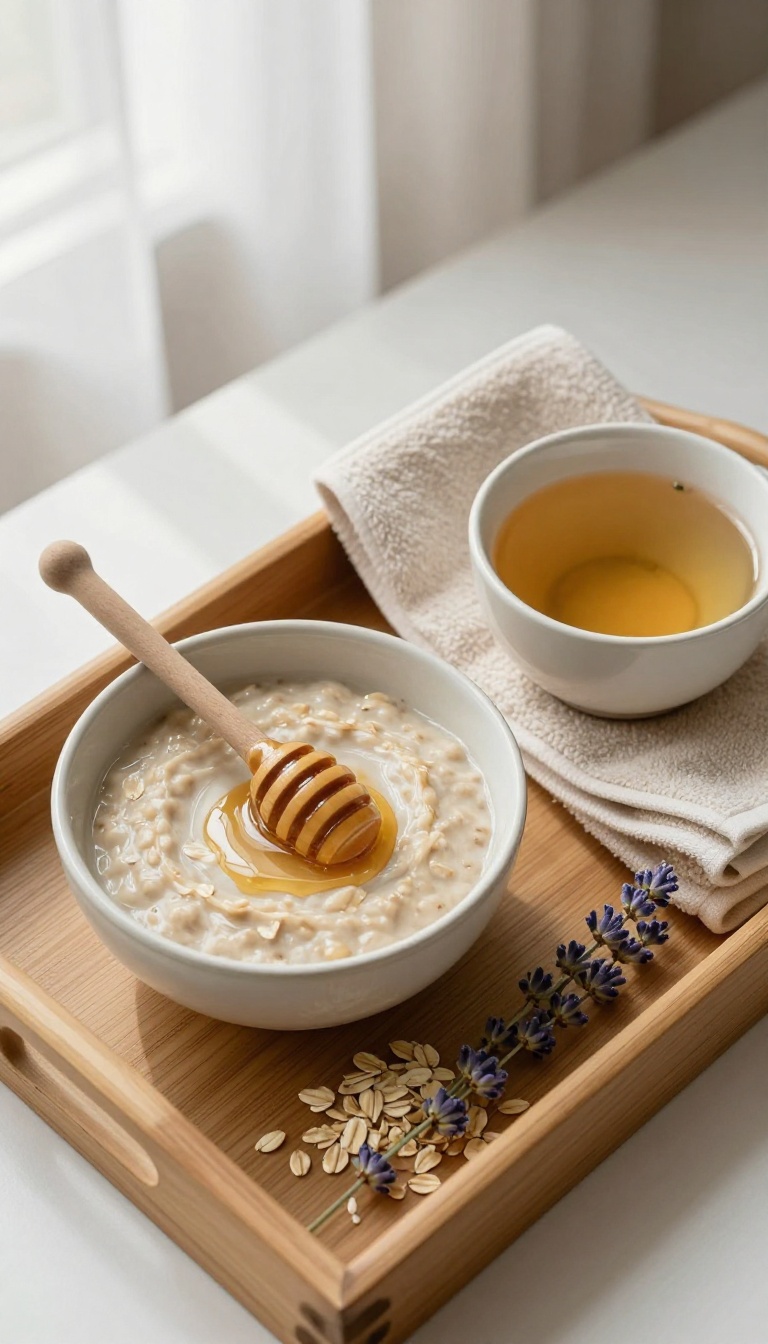
Your skin can feel a little dull after a busy week, and a face mask is a quick way to bring back some life. It’s not about fancy products—just a few minutes to treat yourself and let your skin soak up some goodness. Whether you mix something from your kitchen or grab a sheet mask, this is a simple ritual that feels indulgent without much effort.
A DIY face mask is one of the easiest ways to add a spa-like moment to your weekend. You probably already have the ingredients, and the process itself is calming. While the mask sits, you can close your eyes, breathe, or listen to soft music—it’s a mini escape from your to-do list.
Pantry Staples That Work Wonders
You don’t need a beauty aisle to make a great mask. Oatmeal and honey are a classic combo: oatmeal soothes, honey hydrates. Just mix a couple tablespoons of ground oats with a teaspoon of honey and a splash of water until it forms a paste.
Apply it to clean skin, leave it on for 15 minutes, then rinse with warm water. Your face will feel soft and calm.
The 15-minute Reset
Once the mask is on, set a timer and let yourself do nothing. You can lie down, put on a relaxing playlist, or just close your eyes. The point is to give your skin time to absorb the ingredients while your mind takes a break.
After rinsing, pat your face dry and follow with a light moisturizer to lock in the benefits.
Sheet Masks For Zero Fuss
If mixing feels like too much, a sheet mask is your best friend. It’s already soaked in serum, so you just unfold it, place it on your face, and relax. Leave it on for the time on the package, usually 15–20 minutes.
It’s a no-mess option that still feels luxurious, especially if you pop it in the fridge for a cool, refreshing treat.
9. Write a 'Brain Dump' Journal Entry
Your mind can feel like a browser with too many tabs open. A brain dump is a simple way to close a few of them. Grab a notebook and a pen, set a timer for 10 minutes, and let your thoughts spill onto the page without editing or judging them.
This isn't about writing well—it's about getting the noise out of your head.
Brain dumping is a gentle mental reset. It helps you untangle worries, ideas, and to-dos that have been circling around. By putting them on paper, you give your brain permission to let go, even if just for a moment.
It's a low-effort practice that can make you feel lighter and more focused.
Why It Works
Writing without structure forces your brain to slow down. It helps you spot patterns, release tension, and prioritize what actually matters. It's not about solving problems—it's about acknowledging them so they stop taking up mental space.
How To Start
Keep it simple. Use a blank page, no lines, and write whatever comes to mind. If you get stuck, write 'I don't know what to write' until something else shows up.
Don't worry about spelling or neatness—this is for you, not for anyone else.
What To Do After
When the timer ends, take a breath. You can tear out the page and toss it, or tuck it away for later. The act of writing is the reset—what you do with the paper is up to you.
Some people like to circle one action item, but that's optional.
10. Reorganize Your Skincare Routine
Your skincare shelf can quietly collect products you barely touch, some past their prime. A quick reset isn't about buying new things—it's about making what you have feel intentional again. Taking ten minutes to sort through everything can turn a cluttered drawer into a small daily ritual.
Start by pulling everything out and checking expiration dates. If a product has changed color, texture, or smell, it's time to let it go. Toss anything you haven't reached for in months—if it's not earning a spot, it's just taking up space.
Sort By Order Of Use
Arrange your products the way you apply them: cleanser, toner, serum, moisturizer, sunscreen. This simple order makes your routine feel logical and easy to follow, even on tired mornings.
Create A Dedicated Spot
Give your skincare a home—a small tray, a drawer organizer, or a clear container. When everything has a place, you're more likely to use it, and the visual calm can make your whole bathroom feel more peaceful.
11. Have a Tech-Free Hour Before Bed
Your brain needs a break from screens, especially before sleep. The blue light from phones and laptops can mess with your melatonin, making it harder to drift off. A tech-free hour is a simple way to signal your body that it's time to wind down.
You don't have to do anything elaborate—just swap the scroll for something calm. A few pages of a book, a puzzle, or a quiet cup of tea can work wonders. The goal is to let your mind settle, not to fill every minute with activity.
Putting your phone away an hour before bed might feel strange at first, but it gets easier. Start by setting a reminder on your phone to charge it outside the bedroom. Then, pick a relaxing activity that doesn't involve a screen.
You'll likely notice you fall asleep faster and wake up feeling more rested.
Why It Works
Screens emit blue light that suppresses melatonin, the hormone that regulates sleep. When you cut them out, your body gets a natural cue to produce melatonin and prepare for rest. Plus, you avoid the mental stimulation from social media or news, which can keep your brain buzzing.
What To Do Instead
Read a physical book or magazine, do a crossword or sudoku, or try a gentle stretching routine. You could also journal about your day or plan tomorrow's to-do list. The key is to choose something that feels relaxing, not productive or stressful.
Make It A Habit
Consistency matters more than perfection. Try to do this every night, even if it's just 20 minutes at first. Keep a book or puzzle on your nightstand so it's easy to grab.
Over time, your brain will start to associate this hour with winding down, making it a natural part of your routine.
12. Practice Gratitude with a Twist

Gratitude lists can start to feel like a chore, especially when you write the same generic things every time. This twist makes it fresh and more meaningful. Instead of listing broad categories like 'family' or 'health, ' you'll zoom in on tiny, specific moments that you might otherwise overlook.
The goal is to notice the small details that make your day a little brighter. By being specific, you train your brain to catch these moments in real time, which can boost your mood and help you feel more present. It's a simple practice that fits perfectly into a calm self-care reset.
How To Do It
Take a few minutes, grab a notebook or your phone, and write down three things you're grateful for. The catch? They have to be specific and sensory.
Think about what you saw, heard, smelled, or felt. For example, instead of 'my bed, ' try 'the cool side of the pillow when I turned over last night. '
Make It A Mini Ritual
To make this stick, pair it with something you already do, like sipping your morning coffee or brushing your teeth at night. Keep a small notebook by your bed or a note on your phone. The more you practice, the easier it becomes to spot these little joys throughout your day.
Why It Works
Specific gratitude shifts your focus from what's missing to what's already good. It also helps you slow down and appreciate the present moment, which is exactly what a glow-up reset is about. Plus, it's a mood booster that costs nothing and takes just a few minutes.
13. Give Yourself a Mini Manicure
A quick nail refresh can do wonders for how put-together you feel, even if you're just staying home. You don't need a salon visit or fancy tools—just a little time and a few basics. It's a small, soothing ritual that leaves you with a visible result.
Start by removing any old polish and trimming your nails to a shape you like. Gently push back cuticles and buff the surface for a smooth base. Then, massage a rich hand cream into your hands and cuticles—this step alone feels like a mini spa treatment.
Finish with a clear polish or a subtle nude shade, and let each coat dry completely. The whole process takes about 15 minutes and leaves your hands looking neat and cared for.
Prep Your Nails
Use a gentle nail polish remover to clear away old color. Trim and file your nails into a shape that feels comfortable, whether that's square, round, or almond. A glass file can reduce splitting, but any file works.
Push back cuticles with a wooden stick, and lightly buff the nail surface to help polish adhere better.
Moisturize And Massage
Massage a nourishing hand cream or cuticle oil into your hands and nails. Take a few extra seconds to work the product into each cuticle. This step softens dry skin and improves circulation, making your hands feel instantly softer.
It's also a calming, sensory moment that adds to the self-care vibe.
Apply Polish Like A Pro
If you're adding polish, start with a base coat to protect your nails. Then apply two thin coats of your chosen color, letting each dry for a couple of minutes. Finish with a top coat for shine and durability.
Keep a small brush or cotton swab dipped in remover handy to clean up any smudges along the edges.
Let It Dry Fully
The hardest part is waiting. Give your nails at least 10–15 minutes to dry completely before doing anything that might smudge them. You can speed things up with a quick-dry spray or by dipping your nails in cold water for a minute.
Once they're set, you're good to go—just admire your handiwork.
14. Listen to a Podcast That Inspires You
Sometimes the best way to reset is to let someone else's words guide your thoughts. A podcast can be a gentle companion while you move through a low-key task, turning a mundane chore into a moment of inspiration. Choose an episode on a topic you love—creativity, wellness, or personal growth—and let it fill your mind with fresh ideas.
Listening to a podcast is a simple way to feed your brain without demanding too much energy. It’s perfect for those in-between moments when you want to feel productive but not overwhelmed. Pick a show that sparks joy or curiosity, and press play while you fold laundry, tidy up, or take a slow stroll.
Pick A Topic That Lights You Up
Think about what you’ve been curious about lately. Maybe it’s a new hobby, a habit you want to build, or a story that makes you feel connected. Scroll through your podcast app and choose an episode that feels like a treat, not a task.
If you’re not sure where to start, search for keywords like “self-care, ” “slow living, ” or “creative inspiration. ”
Pair It With A Simple Activity
The magic happens when you listen while doing something easy. Fold laundry, water plants, or prep a snack. This way, you’re not just sitting and listening—you’re moving your body and giving your hands something to do.
It turns a chore into a mini retreat.
Let It Spark A Small Action
After the episode ends, jot down one idea that stood out. It could be a quote, a tip, or a new perspective. Then, if it feels right, act on it in a tiny way.
Maybe that means trying a new recipe, starting a journal prompt, or simply taking a different route on your walk. Small steps count.
15. Create a Calm Playlist
Music has a sneaky way of shifting your mood without you even noticing. A calm playlist is like a remote control for your nervous system—hit play and the day feels softer. This idea is about curating your own soundtrack for slow moments, so you can press reset whenever life gets loud.
Start by thinking about the feelings you want to invite: ease, focus, joy, or quiet. Mix in a few upbeat tracks that make you want to dance in the kitchen, but keep the overall vibe gentle. The goal is a playlist that feels like a deep breath, not a party.
Start With A Mood
Pick a word that describes how you want to feel—calm, energized, or nostalgic. Then search for songs that match that mood. Don't overthink it; if a song makes you feel good, add it.
You can always edit later.
Mix Genres And Eras
A great playlist doesn't stick to one style. Blend acoustic, lo-fi, classical, or even some soft pop. Throw in a few old favorites from years ago.
Variety keeps it interesting and prevents it from becoming background noise.
Test It In Real Life
Play your new playlist during a walk, a bath, or while cooking. Notice how it feels. Does it help you slow down?
Does it make you smile? Adjust based on what works. The best playlist is one you actually want to hit repeat on.
16. Do a Quick Wardrobe Edit

Your closet might be holding onto more than just clothes—it can carry the weight of indecision and clutter. A quick edit isn't about purging everything; it's about reconnecting with what you actually wear and love. Set a timer for 30 minutes, grab a few items you haven't touched in months, and give them a fresh look.
Start by pulling out pieces that have been hiding in the back. Try them on in front of a mirror and ask yourself: do I feel good in this? Does it fit my current style?
If it's a maybe, it's probably a no. Sort everything into three piles: keep, donate, and repair. This simple act can clear mental space and make your morning routine feel lighter.
Keep What Sparks Joy
Hold onto pieces that make you feel confident and comfortable. If you reach for it often, it's a keeper. Don't let guilt keep unworn clothes in your life—they're just taking up space.
Donate With Intention
Bag up items that are still in good shape but no longer serve you. Drop them off at a local charity or shelter. Knowing someone else can use them makes letting go easier.
Repair What's Worth It
Before tossing something with a loose button or a small tear, see if it's an easy fix. A needle and thread can revive a favorite shirt. If it's beyond repair, it's okay to part ways.
17. Sip a Herbal Tea Ritual
There's a reason tea is the go-to for winding down. The simple act of boiling water, steeping leaves, and holding a warm mug can slow your pulse and clear your head. This isn't about chugging a cup while scrolling—it's a tiny ceremony for yourself.
Pick a tea that feels like a hug in a mug. Chamomile is classic for calm, peppermint for a fresh lift, or a spicy chai for something cozier. While the water heats, take a few deep breaths.
When it's ready, hold the cup with both hands and let the steam warm your face. Sip slowly, noticing the flavor and the warmth spreading through you. Aim for at least five minutes of pure tea time, no phone, no TV.
Just you and the ritual.
Set The Scene
Make it special without fuss. Light a candle, put on a soft playlist, or sit by a window. Use your favorite mug—the one that feels just right.
These small touches turn a quick drink into a moment you actually look forward to.
Pair It With A Slow Activity
If sitting still feels hard, pair your tea with a quiet activity like journaling, reading a few pages, or just watching the rain. The key is to keep it low-key and let the tea anchor you to the present.
Make It A Habit
Try this same ritual at the same time each weekend, whether that's Saturday morning or Sunday evening. Over time, the scent of the tea alone can signal your brain that it's time to relax.
18. Take a Long, Hot Shower with a Scrub
There's something undeniably soothing about letting hot water wash away the week. Turn your shower into a mini spa session by adding a gentle scrub into the mix. It's a simple way to pamper your skin and clear your head at the same time.
Exfoliating not only sloughs off dead skin cells but also boosts circulation, leaving you feeling refreshed and glowing. The key is to be gentle—use circular motions with light pressure, focusing on rough spots like elbows and knees. After you rinse, pat yourself dry and apply a rich moisturizer while your skin is still damp to lock in hydration.
Pick The Right Scrub
Choose a scrub that suits your skin type. If you have sensitive skin, opt for a sugar-based scrub with fine grains. For a more invigorating feel, a coffee or salt scrub can work wonders.
Avoid harsh microbeads that can irritate.
Make It A Ritual
Set the mood with dim lighting, a eucalyptus shower steamer, or your favorite playlist. Spend an extra few minutes massaging your scalp or using a hair mask. This turns a routine shower into a deliberate act of self-care.
Don't Forget The Moisturizer
The post-shower step is just as important. While your skin is still damp, apply a body lotion or oil to seal in moisture. This leaves your skin soft and smooth throughout the day.
19. Set One Intention for the Week Ahead
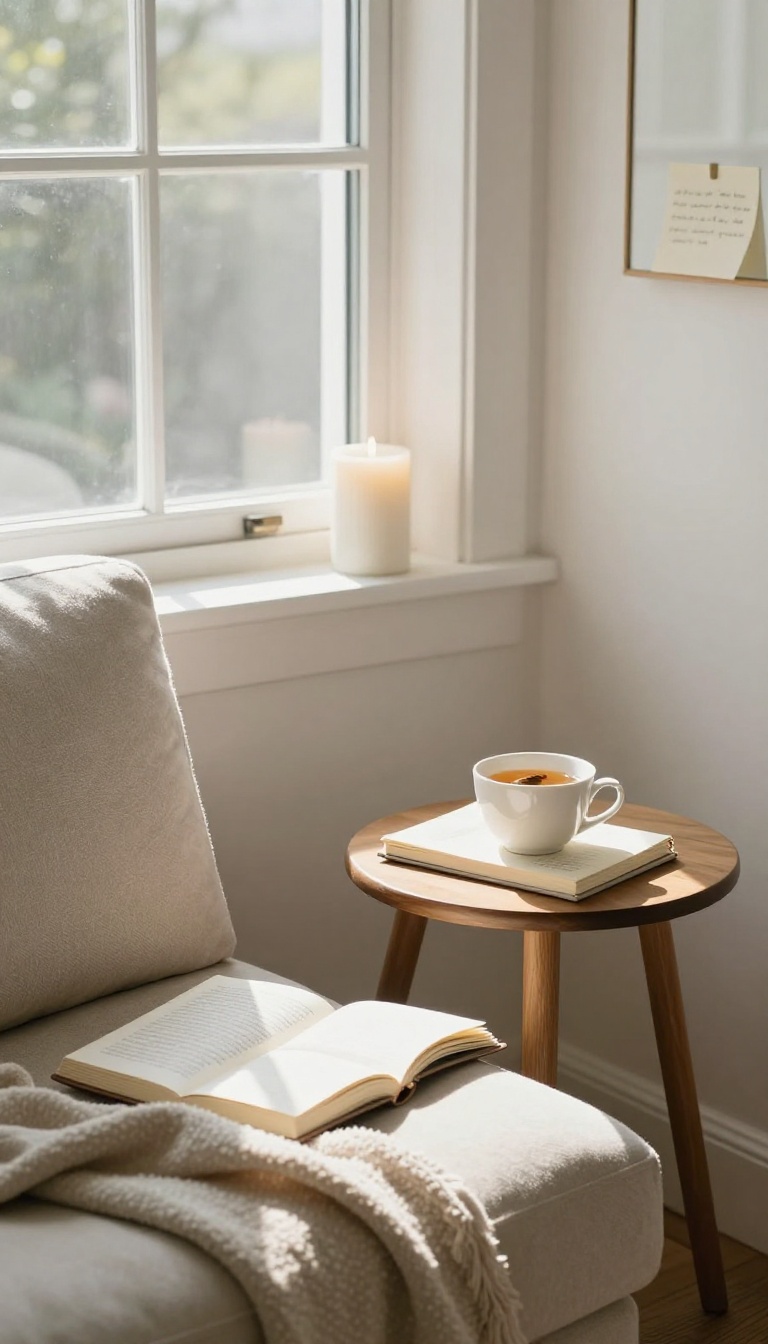
Before the weekend slips away, take a quiet moment to set a single intention for the coming week. It’s not about a long list of goals—just one word or short phrase that captures how you want to feel. This small act can anchor your days and keep you grounded when things get busy.
When you choose a word like “calm” or “focused, ” you give yourself a gentle reminder of what matters most. Write it on a sticky note, set it as your phone wallpaper, or jot it in your journal—somewhere you’ll see it often. The goal isn’t to overthink it; it’s to create a tiny compass for your week.
Pick A Word That Feels Right
Think about what you need most right now. Is it patience, energy, or maybe just “ease”? Don’t overcomplicate it—choose a word that brings a sense of relief when you say it out loud.
If you’re torn between a few, go with the one that feels lightest.
Make It Visible And Simple
Place your intention where you’ll naturally see it: on your bathroom mirror, by your coffee maker, or as a sticky note on your laptop. The simpler the setup, the more likely you’ll actually notice it. You can even set a daily reminder on your phone with the word as the alert.
Let It Guide Your Choices
When you’re deciding how to spend your time or energy, check in with your intention. If your word is “calm, ” maybe you skip the extra commitment or choose a quiet evening over a crowded event. It’s not a rule—just a gentle nudge to align your actions with how you want to feel.
20. Read a Few Pages of a Book
Sometimes the most calming reset is simply getting lost in a good story. Reading for a few minutes can slow your heart rate, quiet the mental noise, and give your brain a break from screens. It's a gentle way to end the day or start a lazy Sunday morning.
Grab a book that's been sitting on your nightstand or download a sample on your phone. Set a timer for 15 minutes and just read—no pressure to finish a chapter or remember every detail. The goal is to enjoy the act, not to check it off a list.
Pick A Book That Feels Light
Choose something that doesn't feel like homework. A breezy novel, a collection of essays, or a poetry book can be perfect. If you're not in the mood for a deep read, try a magazine or a short story.
The point is to enjoy the words, not to impress anyone.
Create A Cozy Reading Spot
Find a comfortable chair, wrap yourself in a blanket, and maybe make a cup of tea. A calm environment makes it easier to sink into the pages. Even just five minutes in a quiet corner can feel like a mini-vacation.
Don't Force It
If you're not feeling the book, it's okay to switch to another one. Reading should feel like a treat, not a chore. You can also try audiobooks if your eyes are tired—just close your eyes and listen.
21. Do a Simple Breathing Exercise
Your breath is always with you, but how often do you actually notice it? When the weekend feels heavy or your mind won't stop spinning, a few minutes of focused breathing can reset everything. It's the cheapest, quickest self-care tool you own—no app, gear, or special setting required.
The 4-7-8 technique is a favorite for good reason. It's simple, easy to remember, and surprisingly effective at calming your nervous system. You can do it in bed, on the couch, or even while waiting for your coffee to brew.
The key is to go slow and let your exhale be longer than your inhale—that's what signals your body to relax.
How To Do It
Find a comfortable seat or lie down. Close your eyes if that helps. Inhale quietly through your nose for 4 seconds.
Hold your breath gently for 7 seconds. Then exhale fully through your mouth for 8 seconds, making a soft whoosh sound. That's one round.
Repeat for 4 to 8 rounds, or until you feel your shoulders drop and your mind quiet down.
Why It Works
The long exhale activates your parasympathetic nervous system—the part that handles rest and digestion. It lowers your heart rate and blood pressure, which is why it's so good for stress. Plus, the counting gives your brain a simple anchor, so you're not spiraling into tomorrow's to-do list.
When To Use It
Try it first thing in the morning to set a calm tone, or right before bed if your mind is racing. It's also a lifesaver in the middle of a stressful afternoon. You don't need a full session—even 3 rounds can make a difference.
Keep it in your back pocket for those moments when everything feels like too much.
22. Prep a Healthy Snack Box
When the week gets busy, grabbing something quick often means grabbing something unhealthy. Taking a few minutes on the weekend to prep a snack box can change that. It’s a small act of future-you kindness that pays off every time you open the fridge.
Start by washing and cutting your favorite veggies—carrots, cucumbers, bell peppers. Portion out a handful of nuts or make a batch of energy bites with oats, nut butter, and honey. Store everything in clear containers so you can see what’s ready to grab.
Keep It Simple
You don’t need a fancy bento box. A few glass containers or reusable bags work fine. The goal is to make healthy choices the easiest option, not to create a Pinterest-perfect spread.
Mix Textures And Flavors
Combine crunchy veggies with creamy hummus, or pair sweet fruit with savory nuts. Having variety keeps snacks interesting and prevents boredom from derailing your good intentions.
Store Smart
Put the snack box at eye level in the fridge, not hidden in a drawer. Out of sight often means out of mind. If it’s the first thing you see, you’re more likely to reach for it.
23. End with a Sunday Evening Wind-Down
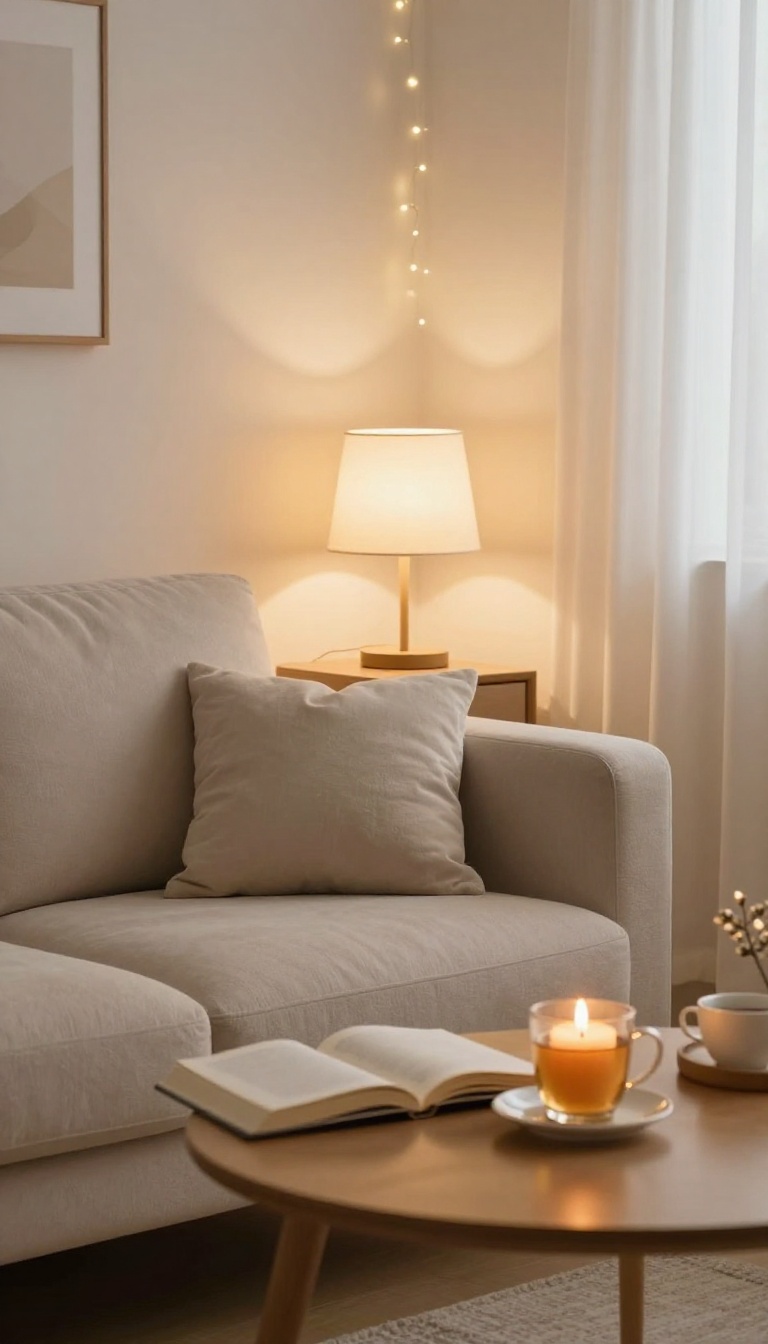
Sundays often carry a quiet pressure to prepare for the week ahead, but they can also be a gentle bridge back to calm. A wind-down routine signals to your mind that the weekend is complete and rest is allowed. It’s not about productivity—it’s about closing the loop with intention.
As the evening settles in, create a sensory shift that tells your body it’s time to relax. Dim the lights, light a candle, and put on something soft—acoustic playlists or ambient sounds work well. This simple change in atmosphere helps you transition from the activity of the day to a slower pace.
Set The Scene
Start by tidying up the spaces you’ll use—clear the couch, fluff pillows, and put away anything that feels visually noisy. Then, adjust the lighting: use lamps or fairy lights instead of overheads. A clean, dim environment makes it easier to unwind.
Gentle Body Care
A short skincare routine or a warm shower can be meditative. Focus on slow, deliberate movements—massage in your moisturizer, stretch your neck and shoulders, or do a few minutes of deep breathing. This isn’t about perfection; it’s about connecting with your body.
Unplug And Unwind
Put your phone on silent and leave it in another room. Pick up a book, journal, or simply sit with your thoughts. If you’re with family or a partner, talk without screens.
The goal is to let your mind settle without constant pings.
Prepare For Tomorrow, Lightly
Lay out your clothes, pack your bag, or jot down a short to-do list for Monday. Keep it minimal—just enough to feel organized without overwhelming yourself. This small act can make the morning smoother and help you sleep easier.
FAQ
How many of these glow up ideas should I try in one weekend?
Start with 3-5 ideas that feel most appealing. Trying to do all 23 will just stress you out. The goal is to feel refreshed, not overwhelmed.
Do I need to spend money to do a weekend glow up?
Not at all. Most of these ideas use items you already have at home, like tea, towels, or a journal. The focus is on simple, budget-friendly rituals.
What if I only have one day for a self-care reset?
Pick a few quick wins like a digital detox morning, a mindful walk, and a DIY face mask. Even 30 minutes of intentional self-care can make a difference.
Can I do these glow up ideas with friends or family?
Absolutely. Some ideas, like a mindful walk or a DIY spa night, can be shared. Just make sure everyone is on board with the calm vibe.
How often should I do a weekend reset?
There's no hard rule. Some people enjoy a mini reset every weekend, while others prefer once a month. Listen to your energy and schedule.
Conclusion
A weekend glow up doesn't have to be elaborate or expensive. It's about carving out small moments that make you feel cared for and grounded. Pick a few ideas that resonate with you, and let the rest go.
Even one or two intentional rituals can shift your whole week. The goal isn't perfection—it's showing up for yourself in a way that feels sustainable and kind. So this weekend, choose calm, and let your glow come from within.