A glow-up isn't about waiting for a big life change—it's about the small, deliberate shifts that make you feel like your best self every day. You don't need a spa day or a new wardrobe to start; you just need a checklist that works with your real life.
These 17 ideas are designed to be practical, quick, and easy to weave into your routine, whether you have five minutes or an hour.
Pick a few that resonate, and watch how tiny tweaks can spark a noticeable transformation in your energy, confidence, and overall vibe.
1. Start with a 5-Minute Morning Reset

Mornings can set the tone for your whole day, but you don't need a lengthy routine to feel put together. A quick 5-minute reset can shift your mindset from groggy to grounded, giving you a small win before the day even begins. This isn't about perfection—it's about showing up for yourself in a simple, repeatable way.
The magic of a morning reset lies in its simplicity. By focusing on three quick actions—making your bed, opening a window, and stretching—you signal to your brain that the day has started on your terms. These tiny gestures create a ripple effect, making you feel more organized and ready to tackle whatever comes next.
Why Making Your Bed Matters
Making your bed takes less than two minutes but instantly makes your room look neater. It’s a small accomplishment that kickstarts a sense of productivity. Plus, coming back to a tidy bed at night feels more inviting and calming.
Fresh Air For A Fresh Mind
Opening a window, even for a minute, lets in fresh air and natural light. This simple act can boost your mood and help you feel more alert. If you live in a busy area, just cracking the window for a few seconds can still make a difference.
Stretch Away The Sleepiness
A few gentle stretches—like reaching for the sky or touching your toes—loosen up stiff muscles and get your blood flowing. You don’t need a full yoga session; just 2 minutes of movement can shake off that morning fog and improve your posture.
2. Hydrate Before Caffeine
Your morning coffee might be non-negotiable, but what you drink before it can make a real difference. Starting your day with a glass of water—especially with a squeeze of lemon—rehydrates your body after a long night and primes your system for better energy. It’s a simple swap that takes less than a minute but sets a healthier tone for the day.
When you wake up, your body is naturally dehydrated, and reaching straight for caffeine can amplify that effect. Water with lemon helps kickstart your metabolism, aids digestion, and gives you a gentle, natural lift that coffee alone can't provide. Plus, it’s a small ritual that makes you feel intentional from the very start.
Why Water First?
Your body goes hours without fluids while you sleep, so it’s craving hydration. Drinking water before coffee helps you avoid the jitters and the mid-morning crash. It also supports your skin, focus, and overall energy levels, making that first cup of joe work even better.
The Lemon Boost
Adding lemon isn’t just for flavor. It provides vitamin C, supports your immune system, and gives your metabolism a gentle nudge. The citrus scent can also help you feel more alert and refreshed, which is exactly what you need before diving into your to-do list.
Make It A Habit
Keep a glass of water by your bed or set a reminder on your phone. Even better, prep a slice of lemon the night before so it’s ready to go. After a week, you’ll notice it feels weird to skip this step—and that’s a good sign.
3. Refresh Your Skincare Routine
Your skin changes with the seasons, your stress levels, and even your sleep schedule. A routine that worked last month might be falling short now. Instead of overhauling everything, focus on one or two tweaks that can bring back that glow.
Small swaps and additions often make the biggest difference.
Start by looking at your current products. Is your cleanser leaving your skin tight? Is your moisturizer not cutting it anymore?
Maybe your skin is craving more hydration or a little extra care. A single swap can change how your skin feels and looks.
Swap One Product For A Gentler Option
If your cleanser or toner leaves your skin feeling tight or irritated, swap it for a gentler, hydrating formula. Look for ingredients like glycerin, ceramides, or hyaluronic acid. Even a simple change like moving from a foaming cleanser to a cream cleanser can help maintain your skin's moisture barrier and boost your glow.
Add A Weekly Mask
Treat your skin to a weekly mask that targets your current concern—whether it's dullness, dryness, or breakouts. A hydrating sheet mask or a clay mask for oily spots can give your skin an instant pick-me-up. Keep it simple: pick one mask and use it consistently for a few weeks to see results.
Check Your Spf And Hydration
Sun protection is non-negotiable, but maybe your SPF feels heavy or leaves a white cast. Try a lightweight, gel-based SPF that doubles as a moisturizer. Also, make sure you're drinking enough water—hydration from within shows up on your skin.
A simple tweak like applying your moisturizer to damp skin can lock in extra moisture.
4. Declutter One Small Space
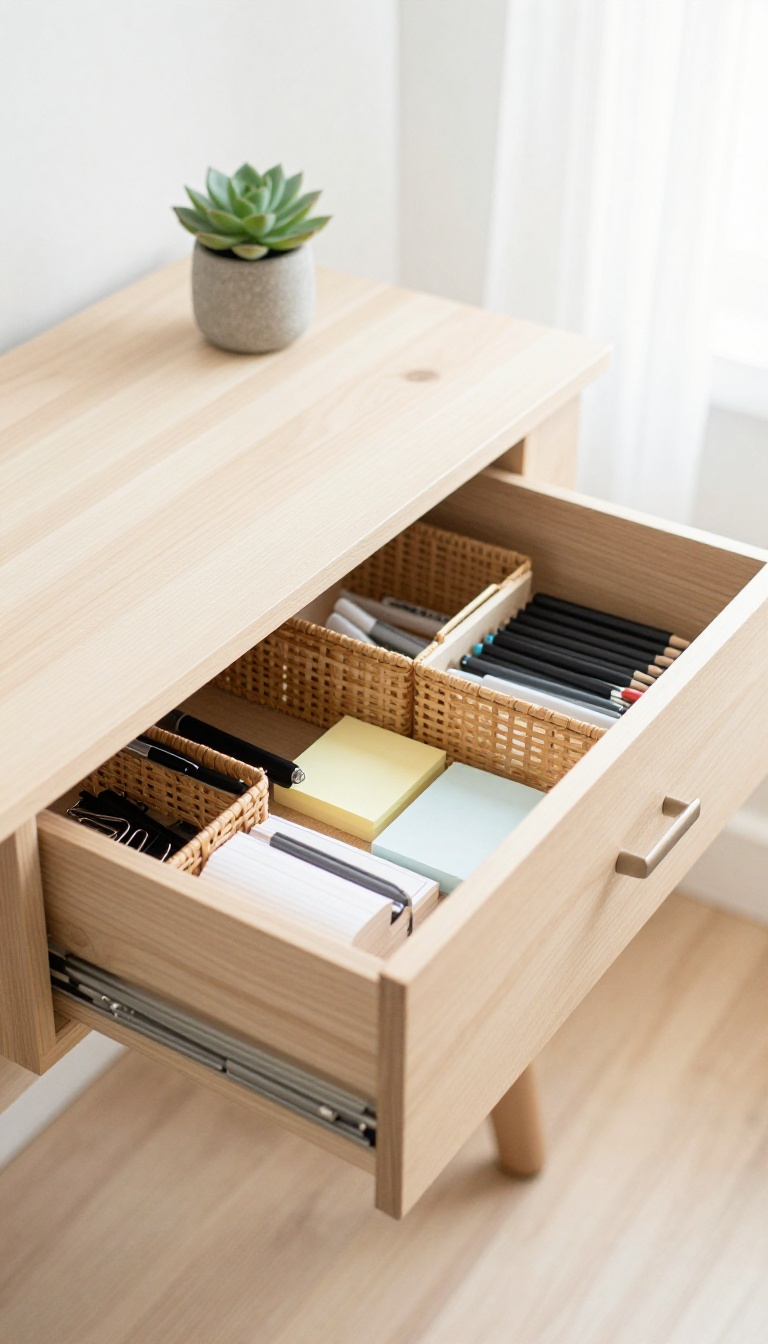
Clutter has a sneaky way of piling up in the corners we ignore most. That junk drawer or overflowing purse can quietly drain your mental energy. Clearing just one small area gives you a quick win and a visible sense of order.
You don't need to tackle the whole house to feel the glow-up. Pick one spot—a drawer, a shelf, or your handbag—and give it a mini makeover. The goal is to make it functional and calming, not perfect.
Pick Your Spot
Choose a space you use daily, like a kitchen drawer or your work bag. Starting small keeps the task manageable and the payoff immediate. Avoid picking a huge closet or garage—you want a quick victory.
Clear And Sort
Empty everything out and wipe down the surface. Sort items into keep, toss, and relocate piles. Be honest about what you actually use—if it's been sitting untouched for months, it's probably not essential.
Organize With Intention
Use simple containers like small bins or dividers to group similar items. Place frequently used things within easy reach. Labeling can help maintain the system, but don't overcomplicate it—just make it easy to put things back.
Maintain The Reset
Spend two minutes at the end of each day tidying that spot. This tiny habit prevents clutter from creeping back. You'll feel a sense of calm every time you open that drawer or reach into your bag.
5. Move Your Body for 10 Minutes
You don’t need a full workout to feel the glow-up benefits of movement. Ten minutes is enough to wake up your body, clear your head, and shift your mood. It’s not about intensity—it’s about consistency and showing up for yourself, even in small ways.
When you move, you’re not just burning calories—you’re telling your brain that you matter. A quick stretch after sitting all day, a brisk walk around the block, or a simple yoga flow can do wonders for your energy and confidence. The key is to pick something that feels good, not punishing.
Start With A Stretch
If you’ve been hunched over a desk or scrolling on your phone, your body is craving a release. Spend a few minutes stretching your neck, shoulders, and back. You can follow a short YouTube video or just move intuitively.
This helps undo the stiffness and brings your focus back to the present.
Take A Walk Outside
A quick walk, even if it’s just to the end of your street and back, can reset your mind. The fresh air and change of scenery do more than you’d think. If you can, leave your phone behind or put it on silent—this is your time to breathe and notice the world around you.
Try A Simple Yoga Flow
Yoga doesn’t have to be complicated. A few rounds of cat-cow, downward dog, and child’s pose can loosen up your muscles and calm your nervous system. It’s a gentle way to reconnect with your body and build a little inner strength.
You don’t need a mat—just a clear spot on the floor.
6. Upgrade Your Sleep Sanctuary

Your bedroom should be a retreat, not just a place to crash. If you're waking up groggy or tossing and turning, it's time to give your sleep space some attention. Small upgrades can make a big difference in how rested you feel, and that's a glow-up you'll notice every morning.
Start by washing your pillows—they collect dust, oils, and allergens that can disrupt your sleep. Then, swap out your curtains for blackout ones to block out early morning light. A white noise machine can also help drown out street sounds and create a consistent, calming audio backdrop.
These simple changes can transform your bedroom into a sanctuary that actually supports deep, restorative sleep.
Refresh Your Bedding
Wash your pillows and duvet regularly, and consider investing in breathable, natural-fiber sheets. If your mattress is older than 7 years, it might be time for an upgrade. A clean, comfortable bed invites you to unwind and signals your brain that it's time to rest.
Block Out The Light
Light is one of the biggest sleep disruptors. Blackout curtains or a sleep mask can make your room significantly darker, helping your body produce melatonin. Even small light sources like LED clocks or chargers can interfere, so cover them or move them out of sight.
Add Soothing Sounds
A white noise machine or a fan can mask unpredictable noises that wake you up. If you prefer something more natural, try a sound app with rain or ocean waves. Consistent background noise helps your brain stay in a deep sleep cycle, so you wake up feeling more refreshed.
7. Plan Your Day with Intentions
Ever feel like your day just happens to you? You wake up, react to emails, and before you know it, it's dark outside. Setting intentions flips that script.
It's a small mental shift that puts you back in the driver's seat. By writing down your top three priorities and one thing you're grateful for, you give your day a clear direction. It's not about cramming more in—it's about focusing on what actually matters.
Plus, gratitude has a sneaky way of boosting your mood before the chaos even starts.
This practice takes less than five minutes, but it can change how you show up all day. The key is to be specific and realistic. Instead of 'work on project, ' write 'finish the intro section of the report. ' Instead of 'be grateful, ' name one concrete thing, like 'my partner made me laugh this morning. ' Keep your list somewhere you'll see it—sticky note on your monitor, note on your phone, or a journal by your coffee maker.
When you finish a priority, cross it off. The visual progress feels amazing and keeps you motivated.
Pick Three Priorities, Not Ten
Limit yourself to three main tasks. That's it. If everything feels urgent, choose the ones that will make the biggest difference by the end of the day.
You can always add more later, but starting with three keeps you from feeling overwhelmed. It's about quality, not quantity.
Anchor Your Gratitude To A Moment
Don't just write 'I'm grateful for my health. ' Get specific: 'I'm grateful for the way the sun hit my face during my morning walk. ' Tying gratitude to a specific moment makes it feel real and sticks with you longer. It's a tiny mental snapshot you can revisit when things get stressful.
Review And Reset At Lunch
Midday is the perfect time to check in. Pull out your list and see how you're doing. Did you get sidetracked?
That's okay. Adjust your priorities for the afternoon. This quick review keeps you intentional instead of drifting through the second half of the day.
8. Do a Digital Detox Hour
Your phone is probably the first thing you reach for in the morning and the last thing you check at night. That constant connection can wear you down without you even noticing. A digital detox hour is a simple way to press pause and reclaim some mental space.
Set aside one hour each day to put your phone away. Use that time to read, journal, or simply be present. Your mind will thank you.
Choose Your Hour
Pick a time that works with your schedule—maybe right after work or before bed. Consistency helps, but don't stress if you miss a day. The goal is to make it a habit, not a chore.
Set Up Your Space
Create a phone-free zone where you can relax. Keep a book, a notebook, or a puzzle nearby. Having something ready makes it easier to resist the urge to grab your device.
Start Small
If an hour feels too long, begin with 15 or 20 minutes. Gradually increase the time as you get more comfortable. Even a short break can help clear your head and reduce stress.
9. Revamp Your Playlist

Music has a direct line to your mood, and sometimes all it takes is a fresh set of tracks to flip your energy. If your current playlist feels stale or tied to old habits, rebuilding it can be a surprisingly effective glow-up move. Curating sound for how you want to feel, not just what you're used to, makes a real difference.
Start by clearing out the songs that bring you down or remind you of a slump. Then build a few mini playlists for different moments: one for focus, one for workouts, and one for winding down. Let the tempo and lyrics match the vibe you're aiming for, and update it regularly so it doesn't go stale again.
Sort By Energy, Not Genre
Instead of organizing by artist or genre, group songs by how they make you feel. A high-energy rap track might fit right next to an upbeat pop song, while a mellow acoustic tune could pair with lo-fi beats. This way, you can grab the right playlist for your current mood without skipping tracks.
Add New Finds Weekly
Set a reminder to add a few new songs every week. Explore recommendations from friends, streaming algorithms, or even random playlists. Keeping your library fresh prevents boredom and ensures your music evolves with you.
Use Playlists As A Mood Tool
Treat your playlists like a remote control for your mindset. When you need to focus, hit the concentration mix. When you're feeling down, play the uplifting set.
Let the music do the heavy lifting to shift your state.
10. Try a New Healthy Recipe
Cooking the same meals on repeat can make eating well feel like a chore. Shake things up by picking one simple, nutritious recipe you've never tried before. It's a small adventure that pays off in flavor and a fresh sense of accomplishment.
Trying a new healthy recipe is more than just a meal—it's a mini glow-up for your skills and your body. You'll learn something new, nourish yourself with wholesome ingredients, and break the monotony that often leads to less healthy choices. Plus, the pride of making something from scratch is a boost in itself.
Start Simple
You don't need a five-star chef level recipe. Choose something with a short ingredient list and clear steps—like a one-pan veggie stir-fry or a quinoa bowl. The goal is to enjoy the process, not stress over it.
Pick A Nutrient Boost
Look for recipes that pack in colorful veggies, lean protein, or healthy fats. Think of it as fueling your glow from the inside. A simple salmon with roasted broccoli or a lentil soup can do wonders for your energy and skin.
Make It A Mini Event
Turn cooking into a ritual. Put on some music, pour a glass of water, and savor the prep. When you treat it as a moment for yourself, it feels less like a chore and more like self-care.
11. Practice Positive Affirmations
Your inner voice can be your toughest critic or your biggest cheerleader—and the choice is more in your control than you think. Affirmations aren't about pretending everything is perfect; they're about training your brain to focus on your strengths instead of your flaws. It might feel silly at first, but the more you repeat kind, true statements about yourself, the more natural they become.
Over time, you'll notice a shift in how you talk to yourself, especially on the days when you need it most.
Stand in front of the mirror and say three things you love about yourself. It feels awkward at first, but it rewires your self-talk and builds confidence.
Start Small And Specific
Pick affirmations that feel true to you, like 'I handled that meeting well' or 'I'm a good friend. ' Generic phrases like 'I am perfect' can backfire because they're hard to believe. Specific ones give your brain something concrete to hold onto.
Make It A Daily Ritual
Tie your affirmation practice to an existing habit, like brushing your teeth or making your morning coffee. That way, you don't have to remember to do it—it just becomes part of your routine. Even 30 seconds can make a difference.
Write Them Down
If speaking out loud feels too intense, jot your affirmations in a journal or on sticky notes. Seeing them written out reinforces the message and gives you a quick pick-me-up when you glance at them during the day.
12. Organize Your Digital Files

Your digital space is just as important as your physical one, and a messy desktop or overflowing photo roll can quietly drain your energy. When you can't find what you need, it adds friction to your day and makes you feel scattered. Taking a little time to tidy up your files can give you a surprising sense of calm and control.
Start by clearing your desktop of stray icons and moving everything into clearly labeled folders. Delete old screenshots and duplicates that you no longer need. For photos, sort them into albums by year or event, and delete any blurry or accidental shots.
This simple reset makes your devices feel lighter and more organized, which can boost your mood every time you open them.
Tackle The Desktop
Your desktop is the first thing you see when you boot up, so keep it clean. Create folders for projects, documents, and downloads, and drag everything in. Aim to have only your most-used apps and files visible.
This small change can make your computer feel faster and less stressful to use.
Declutter Your Downloads
The downloads folder is often a black hole of forgotten files. Go through it and delete anything you don't need, and move important files to their proper folders. Set a rule to clean it out weekly so it doesn't pile up again.
A tidy downloads folder means you can actually find what you're looking for.
Organize Your Photos
Your camera roll is probably full of screenshots, duplicates, and random shots. Spend a few minutes deleting the obvious junk, then create albums for trips, events, or people. This makes it easier to relive memories and keeps your phone's storage from getting clogged.
Plus, scrolling through a curated album feels much better than wading through chaos.
13. Take a Mindful Walk
Sometimes the fastest way to reset is to slow down and step outside. A mindful walk is a mini-retreat that doesn't require any gear or planning—just you and your surroundings. It's a chance to clear your head, notice the little things, and come back feeling lighter.
Leave your phone behind and walk for 15 minutes, noticing the sights and sounds around you. It's a simple way to reset your mind and get some fresh air.
Why It Works
When you walk without distractions, your brain gets a break from constant input. The rhythm of your steps and the changing scenery help quiet mental chatter, making it easier to think clearly or just relax.
How To Start
Pick a route that feels safe and pleasant—maybe a nearby park or a quiet street. Keep your pace easy, and let your attention drift to what you see, hear, and smell. If your mind wanders, gently bring it back to the present.
Make It A Habit
Try to fit this in at the same time each day, like after lunch or before dinner. Even a short walk counts, and consistency matters more than distance. Over time, you'll look forward to these mini resets.
14. Update Your Wardrobe Staples

Your closet can either make mornings effortless or turn them into a guessing game. If you're tired of staring at full racks and still feeling like you have nothing to wear, it's time for a reset. Updating your wardrobe staples doesn't mean blowing your budget—it's about keeping only what works and investing in pieces that make you feel put-together.
Start by pulling out everything you haven't worn in the past year. Be honest with yourself: if it doesn't fit, is outdated, or just doesn't make you feel good, it's taking up space. Donate those pieces and create room for items you'll actually reach for.
Then, focus on a few quality basics that fit well and mix easily—think a great pair of jeans, a crisp white tee, and a versatile jacket. A streamlined wardrobe cuts decision fatigue and makes getting dressed feel like a breeze.
The One-year Rule
Go through your closet and pull out anything you haven't worn in the last 12 months. If it's not seasonal or sentimental, it's probably not earning its hanger. Bag it up for donation or a clothing swap.
This simple rule clears clutter fast and shows you exactly what you actually wear.
Invest In Fit, Not Trends
Instead of chasing every trend, put your money toward pieces that fit your body well and flatter your shape. A tailored blazer or well-fitted trousers can elevate any outfit. You don't need a huge budget—just a few key items that make you feel confident every time you put them on.
Create A Capsule Mix
Aim for a small collection of items that all work together. Choose neutral colors and classic styles that you can layer or dress up. When everything coordinates, you can grab anything and look put-together in seconds.
This approach saves time, money, and mental space.
15. Set a Self-Care Sunday Ritual
Sundays often slip away in a blur of chores and looming Monday dread. But carving out a small pocket of time just for you can flip that script. A self-care ritual doesn't have to be elaborate—just a consistent act that signals your mind and body that the week ahead starts from a place of calm.
The magic of a Sunday ritual is in its predictability. When you know that at 4 p. m. the bath is drawn or the book is waiting, the day gains a gentle structure. It’s not about productivity; it’s about replenishment.
Over time, this small anchor becomes something you look forward to, a buffer between the weekend and the workweek.
Keep It Simple
You don’t need a full spa setup. A 15-minute foot soak, a quick journaling session, or a slow cup of tea with no screens can do the trick. The goal is to choose something that genuinely relaxes you, not something that feels like another task on your to-do list.
Make It Non-negotiable
Treat this time like any other appointment. Put it in your calendar, set a reminder, and let others know you’re off-limits for that half hour. When you guard the time, you’re telling yourself that your well-being matters, which is the whole point of a glow-up.
Rotate Your Rituals
If you do the same thing every week, it can start to feel stale. Keep a list of three or four self-care activities—like a face mask, a stretching routine, or a favorite podcast—and rotate them. This keeps the ritual fresh and gives you something to look forward to.
16. Learn Something New
Curiosity is a muscle, and like any muscle, it needs regular workouts. When you learn something new, you're not just filling your head with facts—you're building mental flexibility, boosting your mood, and opening doors to unexpected connections. It's a glow-up that doesn't require a mirror.
Feeding your mind is a glow-up for your brain. A quick TED talk, a podcast episode, or a fascinating article can shift your perspective and spark fresh ideas. The best part?
You can do it while commuting, cooking, or taking a break.
Start Small And Specific
Pick a topic you've always wondered about—maybe it's how black holes work, the history of coffee, or a new language phrase. You don't need a course; just a 10-minute video or a single article can ignite that spark. Choose something that genuinely excites you, not what you think you should learn.
Turn It Into A Habit
Set a recurring 'learning snack'—like a podcast during your morning walk or a TED talk with lunch. Consistency beats intensity. Before you know it, you'll have a mental library of interesting things to share and reflect on.
Apply What You Learn
The real magic happens when you use your new knowledge. Tell a friend, write a note, or try a small project. Applying what you learn cements it and makes the glow-up feel tangible.
17. End with an Evening Reflection

Winding down at night isn't just about turning off screens—it's a chance to close the day on your own terms. A quick evening reflection helps you process what happened, celebrate small wins, and set a positive tone for tomorrow. It's a simple habit that can improve your sleep and your mood.
Before bed, take two minutes to jot down one win from the day and one thing you're looking forward to tomorrow. This tiny ritual shifts your focus from stress to gratitude, making it easier to relax and drift off. Over time, you'll build a record of progress that reminds you how far you've come.
Why It Works
Reflection helps your brain file away the day's events while you sleep, which can reduce anxiety and improve problem-solving. By naming a win, you reinforce positive memories, and by anticipating tomorrow, you give your mind a clear starting point. It's like a gentle mental bookmark that helps you wake up ready.
Keep It Simple
You don't need a fancy journal or a long entry. A sticky note, a notes app, or even a voice memo works. The key is consistency, not length.
If you miss a night, don't stress—just pick it up again the next evening.
Make It A Ritual
Pair your reflection with another bedtime cue, like brushing your teeth or brewing herbal tea. This connection makes the habit automatic. Soon, you'll find yourself naturally winding down as you write, and your sleep quality may improve.
FAQ
How often should I do these glow-up checklist ideas?
You can do them daily, weekly, or whenever you need a reset. The key is consistency, so pick a few that fit your schedule and make them a habit.
Do I need to do all 17 ideas to see results?
No, start with 2-3 that resonate with you. Even small changes can make a big difference in how you feel. You can gradually add more as you get comfortable.
Can these ideas work for busy people?
Absolutely. Most ideas take 5-15 minutes, and they're designed to be flexible. You can adapt them to your schedule, whether you have a full day or just a few minutes.
What if I miss a day?
Don't stress. A glow-up is about progress, not perfection. Just pick up where you left off the next day.
Consistency over time matters more than being perfect.
How long until I notice a difference?
You might feel a shift in your mood and energy within a few days. Physical changes, like skin improvements, may take a couple of weeks. Stick with it, and you'll see results.
Conclusion
A glow-up doesn't have to be a massive overhaul. It's about the small, intentional choices you make every day that add up to a fresher, more confident you. Start with just one or two ideas from this list and build from there.
Remember, the goal isn't perfection—it's feeling good in your own skin. So pick a few that speak to you, make them your own, and enjoy the process of becoming your best self.