
Chasing that lit-from-within glow doesn't have to mean a shelf full of expensive serums or complicated 12-step routines. Real skin radiance comes from a mix of smart habits, consistent care, and a few simple tricks you can start tonight.
Whether you're battling dullness, dryness, or just want that fresh, healthy look, these 20 secrets are practical, budget-friendly, and totally doable. From hydration hacks to sleep upgrades, each one targets a different angle of the glow equation.
Pick a few that fit your lifestyle and watch your skin thank you.
1. Drink Water Like It's Your Job
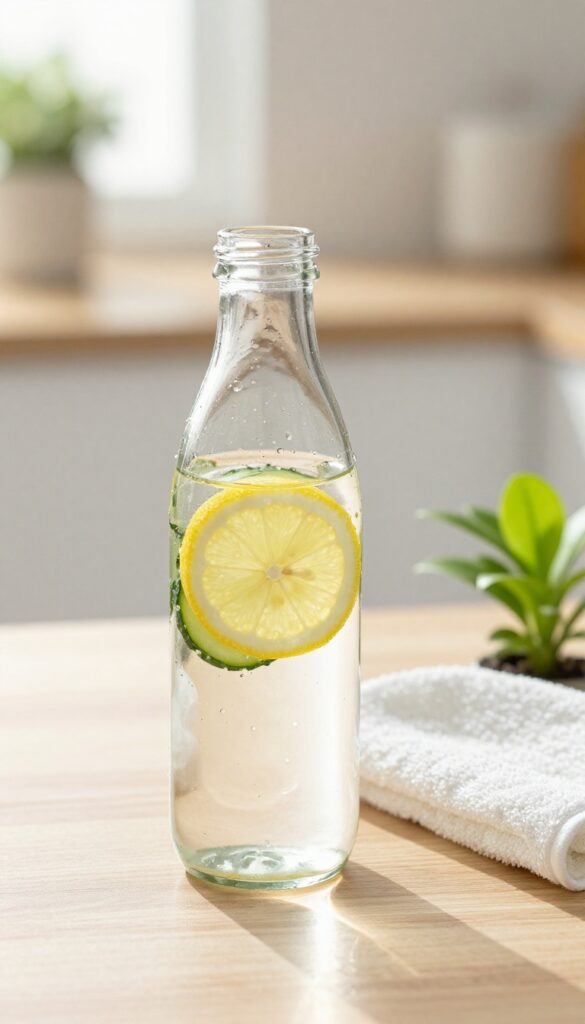
Your skin is mostly water, and when you're dehydrated, it shows up as dullness, flakiness, and fine lines. No serum can out-hydrate a body that's running on empty. So before you reach for another moisturizer, check your water intake first.
Hydration starts from within. Aim for at least 8 glasses a day, and add a slice of lemon or cucumber for a refreshing twist that supports skin elasticity. Keep a reusable bottle on your desk, set reminders on your phone, and sip steadily throughout the day instead of chugging all at once.
Why Water Matters For Glow
Water helps plump up skin cells, making your face look smoother and more supple. It also flushes out toxins that can cause breakouts and dullness. Even mild dehydration can make your skin look tired and sallow.
How Much Is Enough?
The classic 8×8 rule (eight 8-ounce glasses) is a good starting point, but your needs vary with activity, climate, and body size. A simple check: if your urine is pale yellow, you're well hydrated. Darker urine means you need more water.
Make It A Habit
Tie water drinking to existing routines, like having a glass right after waking up and before every meal. Flavor it with citrus, berries, or mint to keep it interesting. Use a marked bottle to track your progress throughout the day.
2. Double Cleanse at Night
Think of your skin after a full day: makeup, sunscreen, sweat, and city grime all layered on top. A single cleanser often just pushes that mix around, leaving residue that can clog pores and dim your natural glow. That's where double cleansing comes in—it's a two-step ritual that actually gets everything off, so your skin can breathe and repair overnight.
Start with an oil-based cleanser to melt away makeup and sunscreen, then follow with a gentle water-based cleanser to sweep away any leftover dirt. This one-two punch leaves your skin feeling clean, soft, and ready for your nighttime products to work their magic.
Why It Works
Oil attracts oil, so the first cleanse breaks down the stubborn, oil-based stuff like SPF and foundation. The second cleanse then removes the water-soluble grime, like sweat and pollution. Together, they prevent buildup that can make skin look tired and dull.
How To Do It Right
Massage the oil cleanser onto dry skin for about a minute, then emulsify with water and rinse. Follow with your water-based cleanser, working it into a lather. Don't rush—spend at least 30 seconds on each step.
Finish with lukewarm water, as hot water can strip your skin.
Best Cleanser Types
For the oil step, look for balms, oils, or cleansing creams that rinse off easily. For the second step, choose a gel, foam, or cream cleanser that suits your skin type—gel for oily, cream for dry. Avoid anything that leaves your face feeling tight or squeaky clean, as that's a sign of over-stripping.
3. Exfoliate, But Don't Overdo It
Dead skin cells can make your face look tired and dull, even if you're getting enough sleep. Exfoliating helps reveal the fresh, bright skin underneath, but it's easy to go overboard. The trick is finding that sweet spot where your skin feels smooth, not stripped.
A gentle chemical exfoliant, like lactic acid, is a great choice for most skin types. It dissolves the bonds between dead skin cells, so they slough off easily without harsh scrubbing. Start with 2-3 times a week, and always follow with a moisturizer to keep your barrier strong.
If your skin feels tight or looks red, dial back.
Why Lactic Acid Wins
Lactic acid is a mild alpha-hydroxy acid (AHA) that also attracts moisture to the skin. It's less irritating than stronger acids like glycolic, making it perfect for beginners or sensitive skin. Plus, it gives a subtle plumping effect that adds to that glow.
Listen To Your Skin
Your skin will tell you if you're overdoing it. Signs like stinging, flakiness, or increased sensitivity mean it's time to take a break. You can always exfoliate less often or switch to a gentler formula.
Consistency matters more than intensity.
Don't Forget Sunscreen
Exfoliating makes your skin more sensitive to the sun, so daily SPF is non-negotiable. Even on cloudy days, UV rays can cause damage that undoes all your hard work. A lightweight sunscreen with at least SPF 30 keeps your glow safe.
4. Vitamin C for Morning Brightness
Starting your day with a few drops of vitamin C serum is like giving your skin a morning coffee—it wakes up your complexion and preps it for whatever comes your way. This antioxidant powerhouse not only brightens dull skin but also shields it from pollution and UV damage. The best part?
It's simple to add to your routine, even if you're new to serums.
Vitamin C works by neutralizing free radicals and boosting collagen production, which leads to a more even tone and a natural glow. For best results, apply it in the morning before your moisturizer and sunscreen. Look for a stable form like ascorbic acid or magnesium ascorbyl phosphate, and store it away from light and heat to keep it effective.
Pick The Right Formula
Not all vitamin C serums are created equal. Choose one with a concentration between 10% and 20% for maximum benefit without irritation. If you have sensitive skin, start with a lower percentage and patch test first.
Also, check the packaging—an opaque or airtight bottle helps preserve the serum's potency.
Layer It Correctly
For the best absorption, apply vitamin C to clean, dry skin. Wait a minute or two before layering your moisturizer on top. This gives the serum time to sink in and work its magic.
Don't forget sunscreen afterward, since vitamin C can make your skin more sensitive to the sun.
Pair It With Other Antioxidants
Vitamin C plays well with other antioxidants like vitamin E and ferulic acid. Together, they create a stronger defense against environmental stressors. Many serums already include these ingredients, but you can also layer a separate product for an extra boost.
5. Never Skip Sunscreen

Here's the thing about sunscreen: it's the closest thing we have to a time machine for your skin. While it won't turn back the clock, it absolutely prevents the damage that makes you look older than you are. Think of it as your daily shield against the sun's sneaky UV rays that cause dark spots, fine lines, and that dull, tired look.
You might think you're safe on cloudy days or when you're mostly indoors, but those rays find their way through windows and clouds. The good news? A lightweight SPF 30 or higher is all you need, and today's formulas feel like nothing.
No greasy, white-cast mess—just invisible protection that keeps your glow intact.
Sunscreen is the ultimate glow keeper. It prevents the breakdown of collagen and elastin, which are the proteins that keep your skin firm and bouncy. Without them, you get sagging and wrinkles.
Plus, it stops hyperpigmentation from forming, so your skin tone stays even and bright. Make it a non-negotiable step every morning, even if you're just heading to the couch.
Pick A Formula You'll Actually Wear
The best sunscreen is the one you reach for daily. If you hate how it feels, you'll skip it. Look for lightweight, fast-absorbing options—like gel-based or water-cream textures.
Many now double as moisturizers or primers, so you can simplify your routine. Try a few samples until you find your match.
Reapply Like A Pro
One application in the morning isn't enough if you're outside or near a window. Set a reminder to reapply every two hours, especially if you're sweating or touching your face. Use a powder sunscreen for easy touch-ups over makeup, or a mist for a quick refresh.
Your future self will thank you.
Don't Forget Your Neck And Hands
Your face gets all the love, but your neck and hands show age just as fast. They're constantly exposed, so they need the same protection. Extend your sunscreen down to your collarbone and over the backs of your hands.
It's a simple habit that keeps your whole glow consistent.
6. Sleep on a Silk Pillowcase
Cotton pillowcases might feel soft, but they're secretly working against your skin while you sleep. The rough fibers create friction that can tug at your delicate facial skin, leading to sleep lines and even contributing to wrinkles over time. Plus, cotton is thirsty—it absorbs the moisture and skincare products you applied before bed, leaving your skin drier by morning.
Switching to a silk pillowcase is a simple luxury that pays off. Silk's smooth surface lets your skin glide instead of drag, and it won't soak up your serums or natural oils. It's a small change that helps you wake up with a more hydrated, refreshed-looking face.
Silk pillowcases are more than just a beauty trend—they're a practical tool for preserving your skin's glow. The smooth, tightly woven fabric reduces friction, which means fewer sleep lines and less irritation for sensitive skin. Unlike cotton, silk is naturally moisture-wicking but doesn't absorb your skincare, so your nighttime products stay where they belong: on your face.
Another bonus? Silk is gentler on your hair, too, reducing frizz and breakage. And because it's less absorbent, it helps maintain your skin's natural moisture barrier overnight.
If you're prone to waking up with creases on your cheek or forehead, this swap could be the fix you've been missing. Not all silk pillowcases are created equal, though. Look for 100% mulberry silk with a high momme count (around 19-25) for the best quality.
You don't need to splurge on a full set—just one pillowcase can make a difference. Wash it gently with a mild detergent and let it air dry to keep it smooth and long-lasting.
Why Cotton Works Against You
Cotton fibers are short and rough at a microscopic level, creating friction that can stretch and pull at your skin as you toss and turn. This repeated tugging can lead to fine lines and wrinkles over time. Cotton also absorbs moisture, so it can dry out your skin and reduce the effectiveness of your nighttime skincare routine.
The Silk Difference
Silk's smooth, tightly woven surface allows your skin to glide without resistance, minimizing sleep lines and irritation. It also retains moisture better, helping your skin stay hydrated throughout the night. Plus, silk is naturally hypoallergenic and resistant to dust mites, making it a great choice for sensitive or acne-prone skin.
How To Choose And Care For Silk
Opt for 100% mulberry silk with a momme weight of 19 or higher for durability and a smooth feel. Wash your silk pillowcase in cold water with a gentle detergent, or hand wash it, and let it air dry away from direct sunlight. Avoid using bleach or fabric softeners, as they can damage the silk fibers.
7. Add a Few Drops of Facial Oil
Sometimes your moisturizer just isn't enough, especially when the air gets dry or your skin feels tight by midday. That's where facial oils come in—they're like a secret weapon for locking in hydration and giving your skin that lit-from-within look. You don't need to overhaul your routine; just a few drops can make a noticeable difference.
If your skin feels tight, mix 2-3 drops of jojoba or squalane oil into your moisturizer. It seals in hydration and gives a healthy, dewy finish.
Why Jojoba And Squalane?
These oils are lightweight and closely mimic your skin's natural sebum, so they absorb quickly without leaving a greasy film. Jojoba helps balance oil production, while squalane is excellent for dry and sensitive skin. Both are non-comedogenic, meaning they won't clog pores.
How To Apply For Best Results
Warm the oil drops between your fingertips, then press them into your face after moisturizer while skin is still slightly damp. This helps lock in the water and creates a smooth, dewy base for makeup or a natural glow on its own.
When To Skip The Oil
If you have very oily or acne-prone skin, you might want to use oil sparingly or only at night. Start with just one drop and see how your skin reacts. You can always adjust the amount based on how your skin feels.
8. Use a Hydrating Face Mist
Your skin can start to feel tight and look tired by the afternoon, especially if you're in an air-conditioned office or spending time outdoors. A quick spritz of a hydrating face mist is like a mini drink of water for your complexion. It's a simple, refreshing pick-me-up that can instantly revive your glow.
Not all mists are created equal. Some are just water in a fancy bottle, while others are packed with skin-loving ingredients. For a real hydration boost, look for mists that contain hyaluronic acid, rose water, or glycerin.
These help draw moisture into your skin and keep it there. Keep one in your bag and give your face a few spritzes whenever it needs a lift.
Choose The Right Mist
Check the ingredient list before you buy. Rose water is great for soothing and refreshing, while hyaluronic acid is a hydration powerhouse. Avoid mists with alcohol or heavy fragrances, as they can dry out your skin or cause irritation.
A simple formula with minimal ingredients is often the best choice.
How To Apply For Best Results
Hold the bottle about 8-10 inches away from your face and spritz in an 'X' and 'T' pattern for even coverage. Then, gently pat the mist into your skin with your fingertips. Don't let it air-dry completely—this can actually pull moisture out of your skin.
Follow up with a light moisturizer to lock in the hydration.
When To Use It
Besides a midday refresh, use a face mist after cleansing, before applying serum or moisturizer, or as a setting step after makeup. It's also great after a workout or a long flight. Just a few spritzes can make your skin feel softer and look more dewy.
9. Don't Forget Your Neck and Chest

Your glow shouldn't stop at your jawline. The skin on your neck and chest is thinner and more delicate than your face, yet it often gets neglected in our daily routines. Extending your skincare down to your collarbone is a simple way to keep the whole area smooth, even-toned, and looking as fresh as your face.
Treat your neck and chest like an extension of your face. When you apply serums, moisturizers, and sunscreen, always swipe downward to include these areas. This helps prevent premature aging and keeps the skin tone consistent from chin to chest.
Extend Your Products Downward
After applying your face products, use the leftover product on your hands and gently press it into your neck and chest. This ensures those areas get the same active ingredients without needing extra product. For sunscreen, apply a generous amount to your neck and chest every morning—they're just as exposed to UV rays as your face.
Use Gentle Upward Strokes
When applying products to your neck, use upward strokes from your collarbone to your jawline. This helps stimulate circulation and can have a slight lifting effect. Avoid pulling or tugging, as the skin here is delicate and prone to creasing.
Don't Skip Exfoliation
Exfoliate your neck and chest once or twice a week with a gentle scrub or chemical exfoliant. This removes dead skin cells and boosts cell turnover, keeping the area smooth and bright. Just be sure to use a product that's suitable for sensitive skin, and follow up with moisturizer.
10. Eat Antioxidant-Rich Foods
Your skin is a reflection of what you put on your plate. While topical products work on the surface, true radiance starts from within. Antioxidants are your skin's best friends—they neutralize free radicals that cause premature aging and dullness.
Think of free radicals as tiny troublemakers that break down collagen and elastin. By loading up on antioxidant-rich foods, you're giving your skin the ammunition it needs to fight back. The result?
A natural, healthy glow that no serum can replicate.
Make your plate as colorful as possible. Berries, leafy greens, and nuts are packed with vitamins A, C, and E, which work together to repair and protect skin cells. A handful of blueberries, a spinach salad, or a few almonds can make a real difference over time.
Don't forget about other antioxidant powerhouses like dark chocolate, green tea, and tomatoes. These foods are easy to incorporate into your daily meals, and they taste great too. Your skin will thank you for the extra effort.
Berry Bliss
Blueberries, strawberries, and raspberries are loaded with anthocyanins, which give them their deep colors and powerful antioxidant properties. They help reduce inflammation and promote collagen production. Add a handful to your morning oatmeal or blend them into a smoothie for a tasty glow boost.
Leafy Greens
Spinach, kale, and Swiss chard are rich in vitamins A, C, and K, plus folate and iron. These nutrients help repair skin tissue and keep it hydrated. A simple side salad or a green smoothie can easily up your intake.
Nuts And Seeds
Almonds, walnuts, and sunflower seeds are excellent sources of vitamin E, an antioxidant that protects cell membranes from damage. They also provide healthy fats that keep skin supple. A small handful as a snack or sprinkled over yogurt works perfectly.
11. Get Your Beauty Sleep
You've heard it a thousand times, but it's true: beauty sleep is real. While you're catching Z's, your skin is busy repairing itself from the day's stressors. Skimping on sleep doesn't just make you tired—it shows up as dullness, fine lines, and under-eye circles.
Aim for 7 to 9 hours of quality rest each night. It's not just about quantity, though. How you sleep matters too.
Simple tweaks like a silk eye mask can block out light and help reduce puffiness, so you wake up looking as refreshed as you feel.
Your skin goes into repair mode overnight, boosting blood flow and collagen production. But if you're not getting enough deep sleep, that process gets interrupted. Over time, chronic sleep deprivation leads to a lackluster complexion and more visible aging.
Quality sleep means uninterrupted, deep rest. That means creating a bedtime routine that signals your body it's time to wind down. Keep your room cool, dark, and quiet, and put your phone away at least 30 minutes before bed.
Why Sleep Matters For Your Skin
During deep sleep, your body increases blood flow to the skin, which helps deliver oxygen and nutrients while clearing out waste. Growth hormone also peaks, aiding in cell repair and collagen production. Missing out on these hours means your skin misses out on its nightly renewal cycle.
How To Create A Sleep-friendly Environment
Make your bedroom a sanctuary for rest. Invest in blackout curtains or a silk eye mask to keep light out. Keep the temperature cool, around 65°F (18°C).
Use a white noise machine or earplugs if you're sensitive to sound. And swap your cotton pillowcase for a silk one—it's gentler on your skin and helps prevent sleep lines.
Nighttime Habits That Boost Glow
Wind down with a relaxing routine: take a warm bath, do some gentle stretching, or sip a cup of caffeine-free tea. Apply your nighttime skincare products at least 30 minutes before bed so they can absorb properly. And try to go to bed and wake up at the same time every day, even on weekends, to regulate your body's internal clock.
12. Steam Your Face for a Quick Glow

There's a reason spas always start with a steam: it's the fastest way to wake up tired skin. The gentle heat opens your pores and gets your blood moving, which brings oxygen to the surface for an instant rosy flush. You don't need any fancy equipment—just a bowl of hot water or a warm towel.
Add a few drops of essential oil if you like, and you've got a mini facial that takes ten minutes.
Steaming is a simple ritual that delivers real results. It softens the buildup of dead skin cells, making them easier to remove, and it helps your skincare products sink in deeper. The boost in circulation also gives your face that natural, healthy color we're all after.
Just be careful not to overdo it. Too much steam can strip your skin's moisture barrier, so stick to once a week and keep the water comfortably warm, not scalding.
How To Steam At Home
Fill a large bowl with hot water (not boiling) and place it on a stable surface. Lean over it with a towel draped over your head to trap the steam, keeping your face about 10 inches away. Stay for 5 to 10 minutes, then pat your skin dry and follow with your favorite serum or moisturizer.
The Perfect Follow-up
Once your pores are open, it's the ideal time to apply a clay mask. The steam softens the gunk inside your pores, so the clay can draw it out more effectively. Leave it on until it feels dry but not cracked, then rinse with warm water and finish with a light moisturizer.
Who Should Skip Steam?
If you have rosacea, very sensitive skin, or active breakouts, steam might aggravate things. In that case, try a warm (not hot) towel pressed gently on your face for a minute instead. It still boosts circulation without the intensity.
13. Use a Jade Roller or Gua Sha
Facial massage tools aren't just a trendy accessory—they actually work. A jade roller or gua sha stone helps move lymphatic fluid, which reduces puffiness and gives your skin that dewy, sculpted look. Plus, the ritual feels like a mini spa break at home, and that calm vibe shows up on your face.
Using a jade roller or gua sha is one of the simplest ways to boost circulation and encourage lymphatic drainage. The gentle pressure helps reduce fluid retention, especially around the eyes and jawline. It's a low-effort habit that pays off in a fresher, more awake appearance.
Why It Works
Your face has lymph nodes that can get sluggish, leading to puffiness and a dull complexion. Rolling or scraping stimulates this system, helping to flush out toxins and excess fluid. The result is a tighter, more lifted look without any invasive treatments.
Chill For Extra De-puffing
Pop your roller or gua sha in the fridge for 10–15 minutes before using. The cold constricts blood vessels, which calms redness and reduces swelling even more. On sleepy mornings, that cool touch is also a gentle wake-up call for your skin.
How To Use
Start with clean skin and a few drops of facial oil or serum to let the tool glide smoothly. Use upward and outward strokes, spending extra time on your jawline, cheekbones, and under-eye area. Aim for 2–3 minutes a day, but even a quick session a few times a week makes a difference.
14. Take Shorter, Cooler Showers
Long, hot showers feel amazing, but they're secretly sabotaging your glow. The heat strips away your skin's natural oils, leaving it tight, dry, and dull. Switching to lukewarm water and cutting your shower time can make a surprising difference in how fresh and supple your face looks.
Your skin has a protective barrier made of lipids and natural oils that lock in moisture. Hot water breaks down this barrier, causing water to escape and irritants to get in. The result?
Dehydrated, flaky skin that reflects light poorly. By turning down the temperature, you help that barrier stay intact, so your skin keeps its natural dewiness.
Why Hot Water Hurts
Think of hot water as a degreaser for your face. It dissolves the sebum that keeps your skin supple, and over time, this leads to increased dryness and even sensitivity. Your skin tries to compensate by producing more oil, which can clog pores and cause breakouts—the opposite of a glow.
The Sweet Spot: Lukewarm And Short
Aim for water that's just warm enough to be comfortable, not steaming. Keep your shower under 10 minutes, especially if you're prone to dry skin. This short window is plenty to get clean without stripping away your skin's natural moisture.
Extra Tips For Shower Glow
Avoid washing your face in the shower—the water pressure and temperature are too harsh. Instead, splash lukewarm water on your face at the sink before or after. Also, pat your skin dry with a soft towel instead of rubbing, and apply moisturizer within a few minutes of stepping out to lock in hydration.
15. Moisturize While Skin Is Damp
The secret to a dewy complexion isn't just the product you use—it's when you apply it. That window right after cleansing is a golden opportunity to lock in hydration. Here's how to make the most of those precious minutes.
Your skin is most receptive to moisture right after washing, when it's still slightly damp. This is because water on the surface helps pull in humectants from your moisturizer, making them more effective. By applying your moisturizer within three minutes, you're essentially trapping that water in your skin, which boosts hydration and gives you that fresh, plump glow.
Why The 3-minute Rule Works
After cleansing, your skin's natural barrier is temporarily compromised, and water evaporates quickly. Applying moisturizer to damp skin helps seal in that moisture, preventing transepidermal water loss. This simple timing trick can make even a basic moisturizer feel more luxurious and effective.
How To Apply On Damp Skin
Don't rub—gently press or pat the moisturizer into your skin. This helps the product absorb better without tugging. If your face dries before you get to it, just spritz a little facial mist or water to re-dampen it.
You'll notice your skin feels softer and looks more radiant almost immediately.
Pair It With The Right Product
This technique works with any moisturizer, but it's especially great with those containing hyaluronic acid or glycerin, which are humectants that draw water into the skin. For an extra boost, layer a hydrating serum under your moisturizer while your skin is still damp. Your skin will drink it all up.
16. Try a Weekly Honey Mask

If your skin has been looking a little tired or dull, a simple jar of raw honey might be the pick-me-up it needs. Honey has been used for centuries as a natural beauty treatment, and for good reason. It's packed with enzymes and antioxidants that help soften, brighten, and gently clarify the skin without any harsh chemicals.
Unlike complicated multi-step masks, this one is as easy as it gets. Just smooth on a thin layer, let it sit for a quarter of an hour, and rinse. The result?
A fresh, glowy complexion that feels as good as it looks.
Raw honey is a natural humectant, meaning it draws moisture into the skin, and its antibacterial properties make it a great choice for anyone dealing with the occasional breakout. It's also incredibly gentle, so even sensitive skin types can usually enjoy it without irritation. The key is to use raw, unprocessed honey, since the beneficial enzymes survive the minimal processing.
For best results, apply the mask to clean, dry skin. You can use your fingers or a soft brush for an even layer. Leave it on for about 15 minutes—longer if you want a deeper treat.
As it sits, you'll feel a slight warming sensation, which is normal. Rinse with warm water and pat dry. Your skin will feel instantly softer and look more radiant.
Why Raw Honey Works
Raw honey is a natural humectant, drawing moisture into the skin, and its antibacterial properties help keep breakouts at bay. It's also packed with antioxidants that support a healthy glow. Unlike processed honey, raw versions retain these beneficial enzymes, making them far more effective for your skin.
How To Apply It Right
Start with a clean, dry face. Spread a thin layer of raw honey evenly over your skin, avoiding the eye area. Let it sit for about 15 minutes—you might feel a gentle warmth, which is totally normal.
Rinse thoroughly with warm water and pat your face dry. Follow with your usual moisturizer to lock in the softness.
Extra Boosts To Try
Want to customize your honey mask? Add a pinch of turmeric for extra brightening, a few drops of lemon juice to help fade dark spots (but skip if you have sensitive skin), or a teaspoon of oatmeal for gentle exfoliation. These simple additions can target specific concerns while keeping the mask natural and effective.
17. Incorporate a Retinol at Night
Retinol is one of the most science-backed ingredients for achieving that fresh, healthy glow. It works by speeding up cell turnover, which means the newer, brighter skin cells underneath come to the surface faster. The result?
Smoother texture, reduced dullness, and a more even tone.
Starting retinol can feel a bit intimidating, but it doesn't have to be. The key is to ease in gently and let your skin adjust. Begin with a low concentration (like 0.
25% or 0. 3%) and apply it just twice a week at first. Always use it at night, since retinol can make your skin more sensitive to the sun.
And the next morning, never skip sunscreen—this is non-negotiable for protecting your newly revealed skin.
Start Slow And Steady
Your skin needs time to build tolerance. Start with once or twice a week, then gradually increase to every other night as your skin gets used to it. If you notice redness or peeling, pull back and give your skin a break.
Consistency beats intensity here.
Layer It Right
Apply retinol to clean, dry skin. Wait a few minutes after cleansing so your skin is completely dry—this helps reduce irritation. You can also apply a moisturizer before or after, depending on your skin's sensitivity.
The 'sandwich method' (moisturizer, retinol, moisturizer) is a great trick for sensitive skin.
Don't Forget Sunscreen
Retinol makes your skin more vulnerable to UV damage, so sunscreen is a must every morning. Use at least SPF 30, and reapply if you're out for long. This not only prevents sunburn but also stops premature aging and dark spots from forming.
18. Manage Stress with Deep Breathing
Stress doesn't just mess with your mood—it shows up on your face. When cortisol spikes, it can trigger breakouts, increase oil production, and leave your skin looking tired and dull. The good news?
You can fight back with something as simple as your breath. Deep breathing isn't just for meditation pros. It's a quick, free tool that calms your nervous system and helps your skin recover from the daily grind.
A few minutes a day can make a noticeable difference in how fresh and balanced your complexion looks.
Here's how deep breathing helps your skin and how to make it a daily habit.
Why Stress Wrecks Your Glow
When you're stressed, your body releases cortisol, a hormone that can ramp up oil production and inflammation. That often leads to clogged pores, redness, and breakouts. Chronic stress also slows down cell turnover, so your skin can look dull and tired.
By lowering stress levels, deep breathing helps keep those hormones in check. Less cortisol means fewer flare-ups and a calmer, more even-toned complexion.
The 4-7-8 Breathing Trick
One simple technique is the 4-7-8 method. Inhale through your nose for 4 seconds, hold your breath for 7 seconds, then exhale slowly through your mouth for 8 seconds. Repeat this cycle four times.
This pattern activates your parasympathetic nervous system, which signals your body to relax. It's a quick reset you can do at your desk, before bed, or whenever you feel tension building.
Make It A Daily Ritual
Consistency matters more than duration. Start with just two minutes a day, maybe right after you wake up or before you go to sleep. Pair it with your skincare routine—breathe deeply while applying your moisturizer or serum.
Over time, this habit can help you manage stress better, which shows up as a calmer, more radiant face. Plus, it's a moment of peace in a busy day.
19. Keep Your Hands Off Your Face
Your hands touch doorknobs, phones, keyboards, and countless other surfaces throughout the day, picking up oils, dirt, and bacteria along the way. Every time you rest your chin on your palm or absentmindedly scratch your cheek, you're transferring all that grime directly onto your skin. This can clog pores, trigger breakouts, and dull your natural glow.
Breaking this habit is one of the simplest yet most effective ways to keep your skin clear and fresh.
Your hands are a major source of pore-clogging impurities. Even if you wash them regularly, they still pick up germs and debris between washes. When you touch your face, you introduce these unwanted elements to your skin, which can lead to blackheads, whiteheads, and inflammation.
Plus, frequent touching can irritate the skin and disrupt its natural barrier, making it look tired and uneven.
Why Touching Your Face Hurts Your Skin
Each touch transfers oils, bacteria, and dirt that accumulate throughout the day. This can clog pores and cause breakouts, especially if you're prone to acne. It also spreads any bacteria from your hands to your face, increasing the risk of infection and irritation.
Over time, this habit can make your skin look dull and uneven, undoing the effects of your skincare routine.
Simple Ways To Break The Habit
Start by becoming more aware of when you touch your face. Keep your hands busy with a stress ball or fidget toy, and try to rest your hands on your lap or desk instead of your face. If you need to scratch an itch, use a tissue or the back of your hand.
Also, remind yourself that every touch is a chance to disrupt your glow.
The Hand-washing Rule Before Skincare
Before applying any skincare product, always wash your hands thoroughly with soap and water. This removes the day's grime and ensures you're not rubbing bacteria into your freshly cleansed skin. Make this a non-negotiable step in your morning and evening routines—it's a tiny effort that makes a big difference in how your products work.
20. Stay Consistent with Your Routine
Here's the thing about glowing skin: it's not about the fancy mask you use once a month or the expensive serum you save for special occasions. It's about showing up every single day. Your skin thrives on routine, not random acts of skincare.
When you stick to a simple, consistent regimen, you give your skin the stability it needs to repair and renew itself.
Consistency beats intensity. A basic routine—cleanser, moisturizer, SPF in the morning, and a gentle cleanser plus nourishing night cream at night—done daily will outperform any elaborate 10-step routine you only do on weekends. Your skin cells turn over roughly every 28 days, so products need time to work.
Give them at least 4-6 weeks before you judge results. Skipping days or switching products constantly confuses your skin and slows progress. Make your routine non-negotiable, like brushing your teeth.
Once it becomes a habit, you'll see the glow follow.
Start Small And Build
If you're new to skincare, don't try to overhaul everything at once. Pick two or three basics—a gentle cleanser, a moisturizer, and sunscreen—and use them consistently for a month. Once those feel automatic, add one active ingredient like vitamin C or retinol.
This way, you're not overwhelming your skin or your schedule, and you can actually tell what's working.
Track Your Progress
Your skin won't change overnight, so it helps to take a photo in natural light every week. You'll notice subtle improvements—a brighter tone, fewer dry patches—that you might miss day to day. Also, keep a simple journal of what you use and how your skin feels.
This helps you spot what works and what doesn't, so you can adjust without guesswork.
Don't Skip The Basics
Even on busy days, at least cleanse and moisturize. If you're exhausted, a quick splash of water and a layer of moisturizer is better than nothing. And never skip sunscreen in the morning, even if you're indoors.
Consistency in the basics builds the foundation for everything else.
FAQ
How long does it take to see results from these skin glow secrets?
Most people notice a difference in 2-4 weeks with consistent habits like hydration and sunscreen. For deeper changes like fading dark spots, give it 6-8 weeks.
Can I use all these tips at once?
It's best to introduce new products gradually, especially actives like retinol or acids. Start with a few basics, then add others one at a time to avoid irritation.
Are these secrets suitable for sensitive skin?
Yes, many are gentle, like hydration, sleep, and diet. For exfoliants or retinol, choose mild formulas and patch test first. Always listen to your skin.
Do I really need sunscreen if I stay indoors?
Yes, UV rays can penetrate windows and contribute to aging. Make SPF a daily habit, even on cloudy days or when indoors near windows.
What's the best way to apply facial oil?
Warm a few drops between your palms, then press gently onto your face after moisturizer. This seals in hydration without feeling greasy.
Conclusion
A glowing face isn't about chasing perfection—it's about finding a few simple habits that feel good and stick. Start with two or three from this list, like drinking more water or using a gentle SPF daily, and build from there. Your skin responds to consistency, not complexity.
Pay attention to what works for you and tweak as you go. Before long, that fresh, healthy look becomes second nature. Pick your favorites, keep it easy, and let your natural glow do the talking.