A new school year is the perfect excuse to reset your routine and show up as your best self. You don't need a complete makeover—just a few smart tweaks to your daily habits, from your morning skincare to how you organize your backpack.
These 23 glow-up ideas are practical, low-effort, and designed to help you feel more confident, focused, and ready to take on the semester.
Whether you're aiming for better skin, a tidier study space, or a fresh new hobby, there's something here to make your first day feel like a true fresh start.
1. Revamp Your Morning Skincare Routine
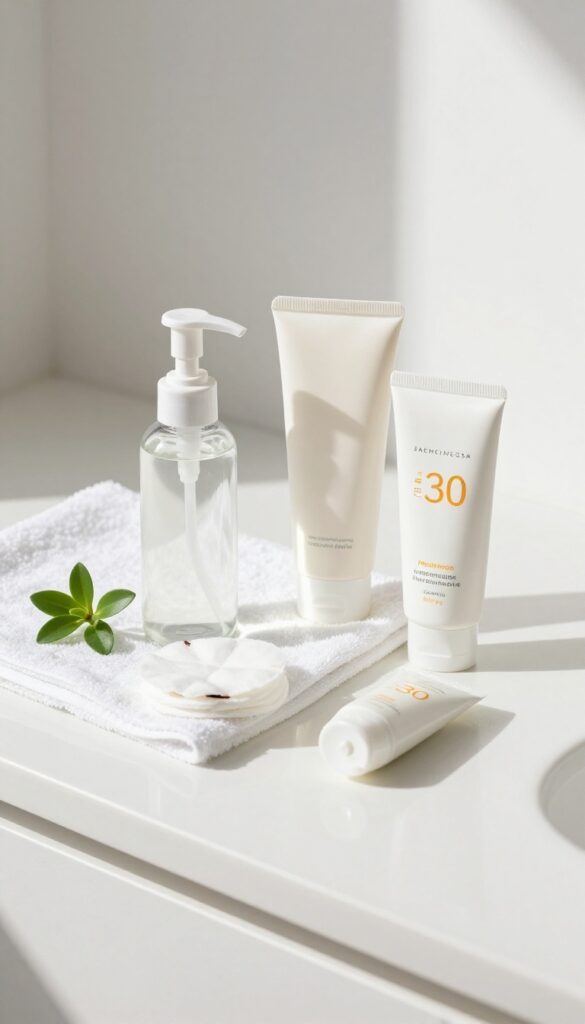
Starting your day with a simple skincare routine can do wonders for your confidence. You don't need a dozen products—just a few basics that work for your skin type. A consistent routine helps you feel fresh and ready to tackle whatever comes your way.
A simple three-step routine—cleanse, tone, moisturize—can transform your skin. Add a gentle exfoliator once a week for that extra glow. Keep it simple and stick with it, and you'll see a difference in no time.
Pick The Right Cleanser
Choose a gentle cleanser that matches your skin type. If you have oily skin, go for a foaming cleanser. For dry skin, a cream-based one works better.
Wash your face every morning to remove overnight buildup.
Don't Skip The Toner
Toner helps balance your skin's pH and tightens pores. Apply it with a cotton pad or just pat it on with your hands. It preps your skin for better absorption of moisturizer.
Moisturize And Protect
Finish with a lightweight moisturizer to keep your skin hydrated. If you're heading out, add a sunscreen with at least SPF 30. This step is key for long-term glow and protection.
2. Create a Signature Scent
A scent can instantly change how you feel and how others perceive you. It's a small detail that packs a punch, making you feel put-together and memorable. Finding your signature scent is like picking a personal soundtrack for your day—it sets the tone and gives you a quiet confidence boost.
Your signature scent doesn't have to be expensive or complicated. It's about finding something that feels like you and makes you smile when you catch a whiff. Here’s how to make it work for you.
Find Your Vibe
Think about the moods you want to evoke. Do you want fresh and clean, warm and cozy, or bold and energetic? Visit a store and test a few options—spray on paper strips first, then narrow it down to two or three on your skin.
Wear them for a few hours to see how they develop with your body chemistry.
Layer It Up
To make your scent last longer, layer it with matching or complementary products. Use a scented body wash, then a lotion, and finish with a spritz of perfume or mist. This creates a subtle but long-lasting effect that isn't overpowering.
Keep It Fresh
Apply your scent to pulse points—wrists, neck, and behind your ears—for the best projection. Avoid rubbing your wrists together, as that breaks down the fragrance. A small rollerball in your bag is perfect for quick touch-ups between classes.
3. Refresh Your Wardrobe Staples
You don't need a brand-new closet to feel like a whole new person. Sometimes the biggest glow-up comes from simply upgrading the basics you wear every day. Swapping out worn-out tees, faded jeans, or scuffed sneakers for fresh versions can instantly make you look more put-together—even if you're just heading to class.
The trick is to focus on quality staples that mix well with what you already own, so you get maximum style without blowing your budget.
Start by taking a quick inventory of your current wardrobe. Notice which pieces you reach for constantly and which ones are looking tired or stretched out. The goal isn't to toss everything—just to replace the items that are past their prime.
Then, add one or two trendy pieces that can be styled multiple ways, like a neutral oversized blazer or a pair of wide-leg trousers. These small upgrades will make your existing outfits feel fresh and intentional.
Invest In Quality Basics
When it comes to basics, quality matters more than quantity. A well-fitting white tee, a pair of dark-wash jeans, and a classic denim jacket are timeless pieces that never go out of style. Look for fabrics that feel good against your skin and hold their shape after washing.
Spending a little more on these essentials means they'll last longer and look better, which is a smart investment for your daily style.
Add One Statement Piece
You don't need to overhaul your entire wardrobe—just pick one trendy item that speaks to you. It could be a colorful puffer vest, a pair of chunky platform sneakers, or a fun printed scarf. The key is to choose something that can be dressed up or down and that pairs well with the neutral pieces you already have.
This way, you get a fresh look without feeling like you're wearing a costume.
Mix Old With New
The real magic happens when you combine your refreshed staples with your existing favorites. Try pairing a new structured blazer with your old graphic tee and ripped jeans for a cool, effortless vibe. Or style a new midi skirt with a cropped sweater you've had for years.
The contrast between new and old creates a look that feels both current and personal—exactly what a glow-up is all about.
4. Master a Simple Hairstyle
Mornings can be chaotic, and the last thing you want is to wrestle with your hair while rushing out the door. That's why having a go-to hairstyle that looks effortlessly put-together is a game-changer. It's not about complicated braids or perfect curls—just one style you can do in your sleep.
Pick something that flatters your face and fits your hair type, then practice it a few times before the first day. Once you've got it down, it'll become your automatic choice for busy mornings, bad hair days, and everything in between.
Mastering a simple hairstyle saves you time and stress, and it instantly elevates your look. The key is to choose something that works with your hair's natural texture and your daily routine. Whether it's a sleek low bun, a messy ponytail, or a half-up twist, the goal is to make it look intentional without much effort.
Practice makes perfect, so spend a few evenings experimenting. Watch a tutorial or two, and don't be afraid to adjust it to suit your face shape. Once you've found your signature style, you'll never have to think twice about your hair again.
Find Your Signature Style
Think about your hair length, texture, and how much time you're willing to spend. A sleek ponytail works for most hair types, while a low bun is great for medium to long hair. If you have bangs, a half-up style can keep them out of your face.
Try a few options and see which one makes you feel most confident.
Practice Makes Perfect
Set aside 15 minutes a few days before school starts and practice your chosen style. Use a mirror and maybe a tutorial. The more you repeat it, the faster you'll get.
Soon, it'll take less than 10 minutes, and you'll be able to do it without even thinking.
Prep Your Hair The Night Before
To make mornings even easier, prep your hair the night before. If you're planning a sleek ponytail, brush and tie it loosely before bed. For a messy bun, sleep with your hair in a high ponytail.
In the morning, just give it a quick refresh with a little dry shampoo or water.
5. Set Up a Study Sanctuary
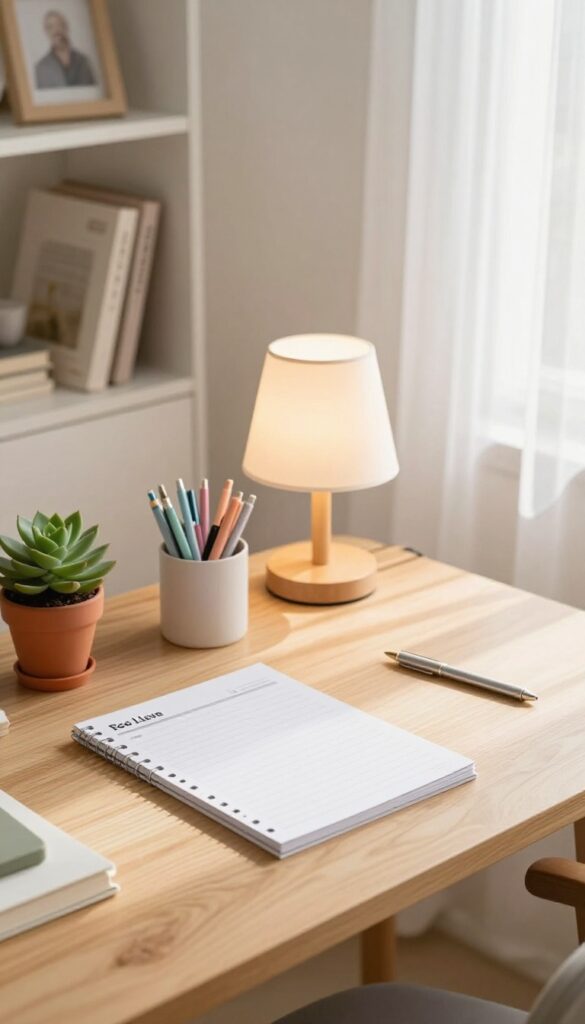
A cluttered desk can clutter your mind. When your study space is messy, it's harder to focus and easier to feel overwhelmed. Creating a dedicated, tidy spot for homework and studying can make a huge difference in your productivity and stress levels.
Start by clearing your desk completely. Wipe down the surface and only put back the essentials: a planner, a few pens, a lamp, and maybe a small plant for a touch of calm. Keep everything within arm's reach so you don't have to get up and lose your flow.
Declutter For Focus
Remove anything that doesn't serve your study time—old papers, snacks, or that pile of random stuff. A clean surface helps your brain associate that spot with work, not distractions. Use a drawer or a box to stash non-essentials nearby.
Light It Right
Good lighting is key. A warm, bright lamp reduces eye strain and keeps you alert. If you can, place your desk near a window for natural light during the day.
It boosts your mood and makes the space feel more inviting.
Make It Yours
Add a personal touch—a favorite mug, a motivational sticky note, or a small photo. Just keep it minimal. The goal is to make the space comfortable without creating new distractions.
A few personal items can make you actually want to sit down and work.
6. Practice Good Posture
You might not think about it, but the way you carry yourself speaks volumes before you even say a word. Good posture isn't just about looking taller—it's about projecting confidence and feeling more in control. Plus, it's a simple habit you can start today, no prep needed.
Slouching can make you feel tired and even bring down your mood. When you stand tall with your shoulders back, you automatically look more self-assured and approachable. It's like a free confidence boost that costs nothing but a little awareness.
Why Posture Matters
Your posture affects how others see you and how you feel about yourself. Studies show that sitting or standing upright can increase feelings of power and reduce stress. It also helps with breathing, which keeps you calm and focused during classes.
Quick Fixes For Better Posture
Try the 'wall test': stand with your back against a wall, heels a few inches away, and flatten your lower back. That's your neutral spine. Throughout the day, set a reminder on your phone to check your posture—every time you notice slouching, roll your shoulders back and lift your chin.
Posture-friendly Study Habits
Adjust your chair and desk so your feet rest flat and your screen is at eye level. Use a small cushion or rolled towel for lower back support. Taking short breaks to stretch your neck and shoulders can also prevent stiffness and keep you aligned.
7. Plan a Weekly Outfit System
Mornings are already a race against the clock, so why add outfit decisions to the chaos? A weekly outfit system takes the guesswork out of getting dressed and gives you one less thing to stress about. It's a simple habit that pays off in saved time and a more polished look every day.
Spend 20 minutes on Sunday night picking out outfits for the whole week. Hang them in order or snap a photo for each day. You'll wake up knowing exactly what to wear, which means more time for breakfast or a few extra minutes of sleep.
Start Simple
Pick five outfits that mix and match pieces you already love. Stick to a color palette so everything works together. You don't need new clothes—just a plan.
Prep The Details
Don't stop at the clothes. Pair each outfit with shoes, accessories, and even a backup plan for weather changes. Store them together so you can grab and go.
Make It A Habit
Set a Sunday night reminder to lay out your week. After a few weeks, it'll feel automatic. You'll walk into school feeling confident and put-together without the morning scramble.
8. Start a Gratitude Journal
When life gets busy, it's easy to focus on what's going wrong. A gratitude journal flips that script. Each night, jotting down three good things can train your brain to notice the positive, even on tough days.
It's a small habit with a big payoff for your mood and outlook.
Keeping a gratitude journal doesn't have to be fancy. A simple notebook or a notes app works fine. The key is consistency—make it part of your wind-down routine.
Over time, you'll build a collection of little wins that remind you how much good is actually in your day.
Why It Works
Gratitude shifts your focus from what you lack to what you have. Studies show it can boost happiness and reduce stress. When you write things down, you're more likely to remember them, and that positive memory can carry into the next day.
How To Start Tonight
Keep it simple. Before bed, write down three things you're grateful for. They can be tiny, like a good cup of coffee or a friend's text.
Don't overthink it—just let the words flow. You can also add a one-line summary of your day to capture the highlights.
Make It Stick
Pair your journal with an existing habit, like brushing your teeth or charging your phone. Keep your journal on your nightstand so it's easy to grab. If you miss a day, don't stress—just pick it back up the next night.
The goal is progress, not perfection.
9. Hydrate Like It's Your Job
You've heard it a thousand times, but water really is the simplest glow-up hack. When you're dehydrated, your skin looks dull, your energy dips, and even your focus takes a hit. Making hydration a non-negotiable part of your day can transform how you look and feel—without spending a dime.
Carrying a water bottle everywhere is the easiest way to make sure you're sipping throughout the day. Aim for about 8 glasses, but don't stress if you need to build up to that. Start with a refillable bottle you actually like, and keep it on your desk, in your bag, or right next to you during class.
Set reminders on your phone if you tend to forget, and soon it'll become second nature.
Why Hydration = Glow
Water helps flush out toxins and keeps your skin cells plump, which means fewer breakouts and a brighter complexion. Even mild dehydration can make you feel tired and sluggish, so staying hydrated keeps your energy steady throughout the school day.
Make It A Habit
Attach hydration to existing routines—drink a glass when you wake up, before each meal, and during study breaks. If plain water bores you, add lemon, cucumber, or a splash of fruit juice. The goal is to make drinking water effortless and enjoyable.
Track Your Intake
Use a marked bottle or a simple app to track your glasses. Seeing your progress can motivate you to hit your target. You can also set a rule: every time you check social media, take a sip.
Before you know it, you'll be hitting 8 glasses without even thinking about it.
10. Perfect Your Skincare Night Routine
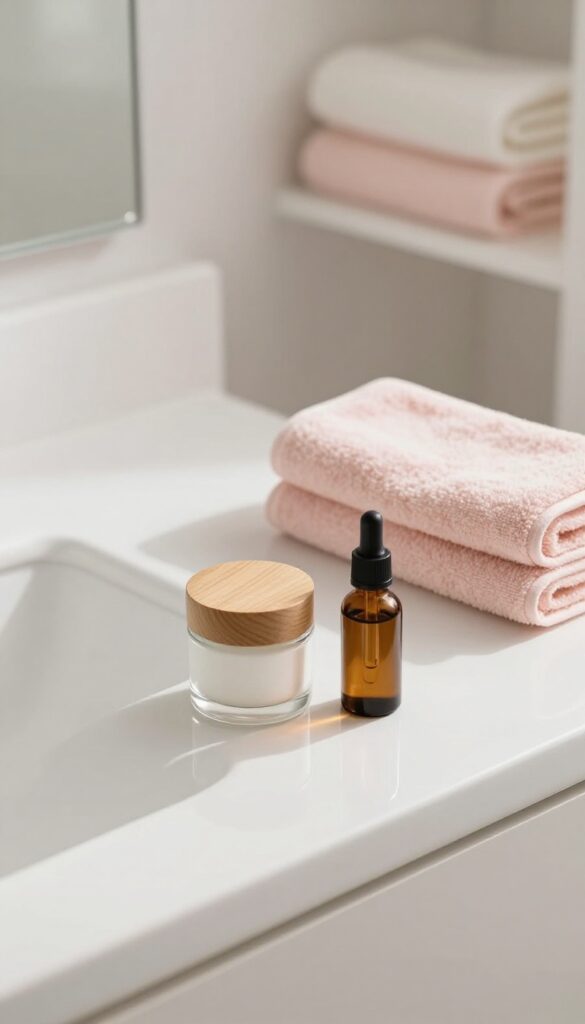
Your skin does its best repairing while you sleep, so a solid night routine is a game-changer. It's not about piling on products—just a simple cleanse, a treatment, and a moisturizer can make a huge difference. Consistency beats intensity, so start small and build a habit you can stick with.
A good night routine doesn't have to be complicated. Start by removing makeup and sunscreen with a gentle cleanser. Then, apply a treatment like a serum or retinol to target your specific concerns.
Finish with a moisturizer to lock everything in. Do this every night, and you'll wake up with skin that looks and feels better.
Keep It Simple
You don't need ten steps. A basic routine of cleanse, treat, and moisturize is enough for most people. If you're new to this, start with just a cleanser and moisturizer, then add a treatment once your skin adjusts.
Simple routines are easier to maintain, and consistency is what actually gives you results.
Pick The Right Treatment
Not all treatments are created equal. If you have acne, look for salicylic acid or benzoyl peroxide. For dullness, try vitamin C or niacinamide.
Retinol is great for anti-aging but can be irritating, so start slow. If you're unsure, a gentle serum with hyaluronic acid is a safe bet for most skin types.
Make It A Habit
The key is to make your routine feel automatic. Set a reminder on your phone or do it right after brushing your teeth. Keep your products in a visible spot so you don't forget.
After a few weeks, it'll become second nature, and your skin will thank you.
11. Learn a New Skill or Hobby
Starting a new hobby is like giving your brain a mini vacation. It breaks up the routine and adds a spark to your day. Plus, there's nothing quite like the thrill of getting a little better each time you practice.
Whether you want to learn guitar, try your hand at watercolor, or finally figure out coding, the new school year is the perfect excuse to start. You don't need to be perfect—just willing to try. The confidence you gain from mastering something new will spill over into everything else.
Pick Something You Actually Enjoy
Think about what makes you lose track of time. Maybe it's doodling in your notebook, tinkering with old electronics, or writing short stories. Your hobby should feel like a treat, not a chore.
Start with something that genuinely excites you, even if it seems silly. You're more likely to stick with it.
Set Tiny, Realistic Goals
Don't expect to paint like a pro or code an app in a week. Instead, aim for small wins. Learn three chords on the guitar, sketch your favorite character, or build a simple website.
Each little victory builds momentum and keeps you motivated. Celebrate those small steps—they add up.
Make Time In Your Routine
You don't need hours a day. Even 15 minutes a few times a week can make a difference. Slot it into your schedule like any other commitment.
Maybe it's right after homework or during a weekend morning. Consistency beats intensity, so find a rhythm that works for you.
12. Declutter Your Backpack
A messy backpack can make your whole day feel chaotic. Every time you dig for a pen or a charger, you lose a little bit of your cool. Let's fix that so you can walk into class feeling organized and ready.
Start by emptying everything out onto your bed or floor. Sort through the pile and toss anything that's broken, expired, or just plain useless. Old candy wrappers, dried-out markers, and crumpled notes from last semester?
They've got to go. Keep only what you actually use on a regular basis.
Sort And Toss
Dump everything out and make three piles: keep, toss, and maybe. The maybe pile should be small—if you haven't used it in a month, it's probably not essential. Recycle old papers and throw away broken pens.
You'll be amazed at how much lighter your bag feels.
Use Pouches For Everything
Pouches are your best friend. Use a small one for chargers and cables, another for pens and pencils, and a third for personal items like hand sanitizer and lip balm. This way, you never have to rummage around looking for a single item.
Plus, it keeps everything clean and easy to find.
Set Up A Weekly Reset
Make it a habit to do a quick 5-minute reset every Sunday evening. Take out any trash, wipe down the inside, and restock anything you're low on. This small routine keeps your backpack from turning into a black hole again.
13. Set Intentions for the Semester
Before the chaos of classes and assignments kicks in, take a quiet moment to think about what you actually want from this semester. It's not about a long list of resolutions—just a few clear intentions that give you direction. When you know why you're doing something, it's easier to stay motivated on the tough days.
Grab a notebook or your phone and jot down 2-3 specific goals. Maybe it's joining the photography club, raising your math grade by one letter, or simply making time to read for fun each week. Keep them realistic and personal—these are your intentions, not someone else's.
Write them where you'll see them daily, like on a sticky note on your mirror or as a reminder on your phone. Revisit them every Sunday to check your progress and adjust if needed. You'll feel more purposeful and less scattered when you have a clear 'why' behind your daily choices.
Why Intentions Beat Resolutions
Resolutions often feel like all-or-nothing demands, while intentions are more like gentle promises to yourself. They focus on the mindset and effort, not just the outcome. For example, instead of saying 'I'll get an A in every class, ' try 'I'll study for 30 minutes each evening. ' That shift makes it easier to stay consistent without the pressure.
How To Pick Your Intentions
Think about areas that matter most to you: academics, friendships, hobbies, or health. Ask yourself what would make you feel proud by December. Then narrow it down to two or three that feel both exciting and doable.
If you're stuck, consider what you'd regret not trying this semester—that often points you in the right direction.
Make Them Visible And Real
Once you've chosen your intentions, write them down in a place you'll see every day. Use a whiteboard on your desk, a sticky note on your laptop, or a digital reminder on your phone. The more you see them, the more they'll stay in your mind.
You can even share them with a friend for extra accountability—just make sure they're supportive.
14. Upgrade Your Water Bottle Game
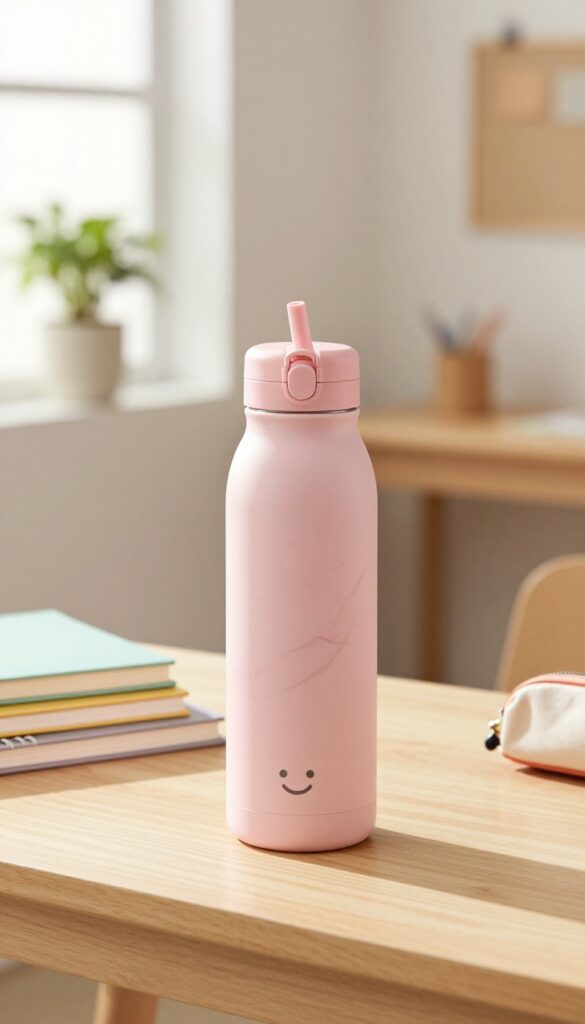
Let's be real—staying hydrated is a lot easier when your water bottle actually makes you smile. A cute, insulated bottle isn't just a container; it's a mini mood booster on your desk and a constant reminder to sip throughout the day. Plus, cold water just hits differently, especially during those long afternoon classes.
Investing in a bottle you love can turn a boring habit into something you actually look forward to.
Why Insulated Matters
Insulated bottles keep your water ice-cold for hours, even in a hot classroom or during a long commute. No more lukewarm sips that make you want to skip hydrating altogether. Look for double-wall vacuum insulation—it's the gold standard for keeping things cold.
Pick A Style You'll Actually Use
Choose a bottle that fits your vibe and your bag. Wide-mouth bottles are easy to fill with ice, while straw lids are perfect for sipping during class without tilting your head back. If you're always on the go, a slim bottle that slides into your backpack's side pocket is a win.
Make It A Desk Accessory
A bright color, a fun pattern, or a motivational quote can make your water bottle a cheerful addition to your study space. It's a small touch that adds personality and makes you want to keep it within arm's reach. Plus, you'll be less likely to forget it when you head to your next class.
15. Practice Positive Affirmations
Your brain believes what you tell it, especially first thing in the morning. A few kind words to yourself can set the tone for the whole day, making you feel more grounded and ready to handle whatever comes your way. Positive affirmations aren't about pretending everything is perfect.
They're about reminding yourself of your strengths and potential, so you walk into school with your head held high.
Affirmations are short, powerful statements that you repeat to yourself to challenge negative thoughts and build self-belief. When practiced regularly, they can help reduce stress, boost confidence, and improve your overall outlook. The key is to make them personal and present-tense, so they feel real and actionable.
Start Your Morning Right
Before you even get out of bed, take a deep breath and say something like, 'I am ready for today' or 'I am capable of handling challenges. ' It takes less than a minute but can shift your mindset from groggy to grounded. You can even set a reminder on your phone to say one affirmation while brushing your teeth.
Make It Personal
Generic phrases don't stick. Think about what you're struggling with—maybe it's public speaking, making new friends, or staying focused in class. Then turn that into an affirmation: 'I am a confident speaker, ' 'I am open to new connections, ' or 'I can concentrate on my work. ' Write them on sticky notes and place them on your mirror or notebook.
Turn It Into A Ritual
Consistency matters more than duration. Pick a time—like right after you wake up or before you leave for school—and repeat your affirmations out loud. You can even do it while looking in the mirror.
Over time, this small ritual rewires your brain to default to self-encouragement instead of self-doubt.
16. Get Moving with a Quick Workout
A quick workout before school isn't about getting ripped—it's about waking up your body and clearing your head. Even 15 minutes of stretching or a brisk walk can boost your energy and mood for the whole day. The trick is to find something you actually enjoy, so it doesn't feel like a chore.
Start with a simple routine that fits your mornings. You don't need equipment or a gym membership. A few yoga poses, jumping jacks, or a short jog around the block can do wonders.
The goal is to get your blood flowing and your brain alert, not to exhaust yourself before class.
Why Movement Matters
Exercise releases endorphins, which are natural mood lifters. It also improves focus and memory, which is perfect before a day of learning. Even a little movement can reduce stress and anxiety, helping you feel more prepared for whatever comes your way.
Easy Routines To Try
Try a 10-minute yoga flow, a quick HIIT circuit, or a brisk walk around your neighborhood. You can also dance to your favorite song while getting ready—it counts! The key is consistency, so pick something you look forward to.
Make It A Habit
Lay out your workout clothes the night before, or set a morning alarm with a fun ringtone. Pair your workout with something you enjoy, like listening to a podcast or a playlist. After a week, it'll feel like a natural part of your routine.
17. Organize Your Digital Life
Your phone is probably the first thing you touch in the morning and the last thing you see at night. If it's a chaotic mess of apps and notifications, that stress carries into your day. A quick digital declutter can make your phone feel like a tool, not a burden.
Start by clearing your home screen to only the apps you use daily. Move the rest into a folder or delete them entirely. Then, tackle your files—sort documents into folders like 'School' and 'Personal. ' Finally, turn off non-essential notifications so your phone stops buzzing for every little thing.
Declutter Your Home Screen
Delete apps you haven't used in the last month. Keep only the essentials on your first page—maybe Messages, Camera, and your study app. Group the rest in folders on the second page.
This makes your phone feel lighter and faster to navigate.
Tame Your Notifications
Go into settings and turn off notifications for social media and games. Keep only calls, texts, and important reminders. You'll be surprised how much less distracted you feel when your phone isn't constantly lighting up.
Organize Your Files
Create a simple folder system on your phone or cloud storage. Use names like 'School' and 'Personal' and move photos, documents, and downloads into them. This saves you from digging through chaos when you need a file fast.
18. Try a New Skincare Ingredient
Your skin is about to face a whole new semester of stress, sleep deprivation, and maybe a little more makeup than usual. Adding one new active ingredient now can give you a visible boost just in time for the first day. But the key is to start smart—not slather on everything at once.
Niacinamide and vitamin C are two of the most beginner-friendly actives out there. Niacinamide helps with redness, oil control, and texture, while vitamin C brightens and evens tone. Pick one, patch test it on your jawline for a few days, then introduce it slowly—maybe every other night to start.
Your skin will thank you for not shocking it.
Why Niacinamide Works
Niacinamide is a multitasker that strengthens your skin barrier, fades dark spots, and keeps excess oil in check. It's gentle enough for most skin types and plays well with other products. Look for a serum with 5% to 10% concentration and use it in the morning before moisturizer.
Vitamin C For That Glow
Vitamin C is your go-to for a bright, even complexion. It helps fade post-acne marks and gives you that lit-from-within look. Use a stable form like ascorbic acid or magnesium ascorbyl phosphate.
Apply it in the morning, and always follow with sunscreen—vitamin C makes your skin more sensitive to the sun.
How To Start Without Overwhelming Your Skin
Start with one product, not a whole new routine. Patch test behind your ear or on your jawline for 48 hours. Then use the new ingredient every other day for two weeks.
If your skin feels tight or stings, cut back. Slow and steady wins the glow-up race.
19. Create a Playlist That Energizes You

Music has a weird way of shifting your mood in seconds. One song can turn a sleepy morning into a mini concert in your head. That's exactly why a glow-up playlist is a game-changer.
Curating a few tracks that make you feel unstoppable isn't just about entertainment. It's a tool to get you pumped before you even step into the building. When you walk in with that energy, it shows.
Start by picking songs that genuinely hype you up—maybe that one track from your favorite artist or a throwback that never fails. Don't overthink it. Add anything that makes you want to move or sing along.
Aim for 10 to 15 songs so you have enough variety without repeating too much. Listen to it on your way to school, whether you're walking, on the bus, or in the car. Let the rhythm set your pace and your mindset.
By the time you arrive, you'll feel more awake and ready to tackle whatever comes your way.
Mix The Vibes
Don't just fill it with one type of energy. Start with something upbeat to wake you up, then slide into tracks that make you feel confident and powerful. Throw in a feel-good anthem or two.
This way, the playlist carries you through different moods and keeps things fresh.
Update It Weekly
A playlist that stays the same gets boring fast. Make it a habit to refresh it every Sunday. Swap out songs you're tired of and add new finds.
That keeps the excitement alive and gives you something to look forward to each week.
Use It As A Cue
Train your brain to associate the music with confidence and focus. When you hear the first notes, your mind will automatically switch into 'I've got this' mode. Over time, it becomes a powerful ritual that signals your brain it's time to shine.
20. Practice Mindfulness or Meditation
School days can get loud, busy, and overwhelming. Taking five minutes each morning to just breathe can change how you handle the chaos. It's not about emptying your mind—it's about giving yourself a moment of calm before the day takes off.
Mindfulness doesn't require sitting cross-legged for an hour. It can be as simple as focusing on your breathing while you wait for your toast to pop. This small practice helps lower stress and keeps you steady when tests or presentations loom.
Start Small
Begin with just two or three minutes. Set a timer on your phone, close your eyes, and pay attention to each inhale and exhale. If your mind wanders, that's okay—just bring it back gently.
Consistency matters more than duration.
Use A Guided App
Apps like Headspace or Calm offer short, beginner-friendly sessions. They guide you through breathing techniques and body scans, making it easier to stay focused. Pick one that feels relaxing and use it during your morning routine.
Try Mindful Moments In Class
You don't have to wait until morning to practice. Before a big exam or during a stressful group project, take a few deep breaths. Notice the feeling of your feet on the floor or the texture of your pencil.
This quick reset can sharpen your focus.
21. Update Your Social Media Profiles
Your social media is often the first thing people see before they even meet you. A quick refresh can make you feel more put-together and confident as you head back to school. It’s a small task that takes minutes but leaves a lasting impression.
Updating your profiles isn’t just about a new photo—it’s about aligning your online presence with who you are now. A clean, current profile helps you feel more authentic and ready to connect with new classmates or teachers.
Pick A Fresh Profile Picture
Choose a recent photo where you look happy and approachable. Avoid group shots or heavy filters—a clear, well-lit headshot works best. This small change instantly signals that you’re active and engaged.
Rewrite Your Bio To Match Your Vibe
Your bio should reflect your current interests and personality. Mention a hobby, a favorite subject, or a fun fact. Keep it short and genuine—no need to overthink it.
A simple line like 'Coffee addict and future marine biologist' says a lot.
Clean Up Old Posts And Tags
Scroll through your timeline and remove anything that feels outdated or doesn’t represent you anymore. Untag yourself from posts you’d rather not have associated with you. A tidy profile feels refreshing and reduces digital clutter.
22. Plan a Weekly Self-Care Night
A glow-up isn't just about how you look—it's about how you feel. And let's be real, school can drain you fast if you don't hit pause. That's where a weekly self-care night comes in.
One evening a week, you set aside time just for you. No homework, no scrolling, no guilt. Just a face mask, a bath, or whatever helps you unwind.
It's a small commitment that pays off big in mood and energy.
Think of it as a non-negotiable appointment with yourself. Pick a night that works with your schedule—maybe Sunday before the week starts, or Wednesday when you're halfway through. The key is consistency, not perfection.
Your self-care night doesn't have to be elaborate. It can be as simple as a 20-minute skincare routine, a warm bath with your favorite music, or curling up with a book. The goal is to recharge so you don't burn out by midterms.
Make It A Ritual, Not A Chore
Set a specific time and stick to it. Light a candle, put on a playlist, or wear your comfiest pajamas. When you turn it into a ritual, your brain starts to associate that time with relaxation, so you actually look forward to it.
Mix It Up To Keep It Fun
You don't have to do the same thing every week. Alternate between a face mask, a hair treatment, a DIY mani, or just a long stretch session. Trying new things keeps the night exciting and helps you discover what you really enjoy.
Keep It Simple And Realistic
Don't overplan. If you're tired, just do one thing—like a quick shower and moisturizer. The point is to feel refreshed, not to add more pressure.
Even 15 minutes counts, so don't skip it just because you're busy.
23. Visualize Your Success

Before the school year kicks off, take a quiet moment to picture yourself thriving. Close your eyes and imagine walking into class with confidence, raising your hand to answer a question, and nailing that big presentation. Visualization isn't just daydreaming—it's a mental rehearsal that can actually boost your performance.
Spending a few minutes each morning visualizing your goals can set a positive tone for the day. When you see yourself succeeding, your brain starts to believe it's possible, which makes you more likely to take the actions needed to get there. It's like giving yourself a mental pep talk before you even step out the door.
Make It Specific
Don't just think 'I want to do well. ' Picture the exact moment: you're sitting in class, you know the answer, and you feel that rush of pride. The more detailed your visualization, the more real it feels to your brain. Add in the sounds, the smells, and the emotions—make it a full sensory experience.
Pair It With Action
Visualization works best when you back it up with real effort. Use your mental image as a motivator to study a little harder, ask that question, or join that club. It's not about wishing—it's about training your mind to see the steps you need to take.
Do It Daily
Consistency is key. Spend just two minutes every morning visualizing your success before you start your day. Over time, this habit can build your confidence and reduce anxiety, making that 'future you' feel a lot more reachable.
FAQ
How many glow up ideas should I try before school starts?
You don't have to do all 23! Pick 3-5 that resonate most with you and focus on those. Consistency matters more than quantity.
Can I do a glow up in just one week?
Absolutely. Many of these ideas, like organizing your backpack or creating a playlist, can be done in a day. For skin and habits, start early and be consistent.
What's the most important glow up idea for school?
It depends on your needs, but a positive mindset and good posture can instantly change how you feel and how others perceive you. Confidence is key.
Do I need to spend money to glow up?
Not at all. Many ideas are free, like practicing gratitude, decluttering, or setting intentions. Even skincare can be budget-friendly with drugstore products.
How can I stay motivated to keep up with my glow up routine?
Set small, achievable goals and track your progress. Find a buddy to do it with, and remind yourself why you started. Celebrate your wins, no matter how small.
Conclusion
You don't need to overhaul your whole life to feel refreshed—just a few small changes can set the tone for a great school year. Pick two or three ideas that actually excite you, whether it's a new morning routine or a revamped study space, and start there. Consistency beats perfection, so keep it simple and build from what feels good.
Your glow-up is about showing up as your best self, one step at a time. Start today, and let that fresh energy carry you through the semester.