You've just stepped out of the shower, and your skin is still damp—that's your golden window for locking in moisture. Most people miss this critical moment, leading to dry, flaky skin by midday. The secret isn't just what you apply, but when and how you apply it.
From patting dry to layering products in the right order, these 20 after-shower steps will keep your skin hydrated for hours. No complicated routines, just smart, practical habits that make a real difference.
Ready to make every shower count? Let's dive in.
1. Pat Dry, Don't Rub
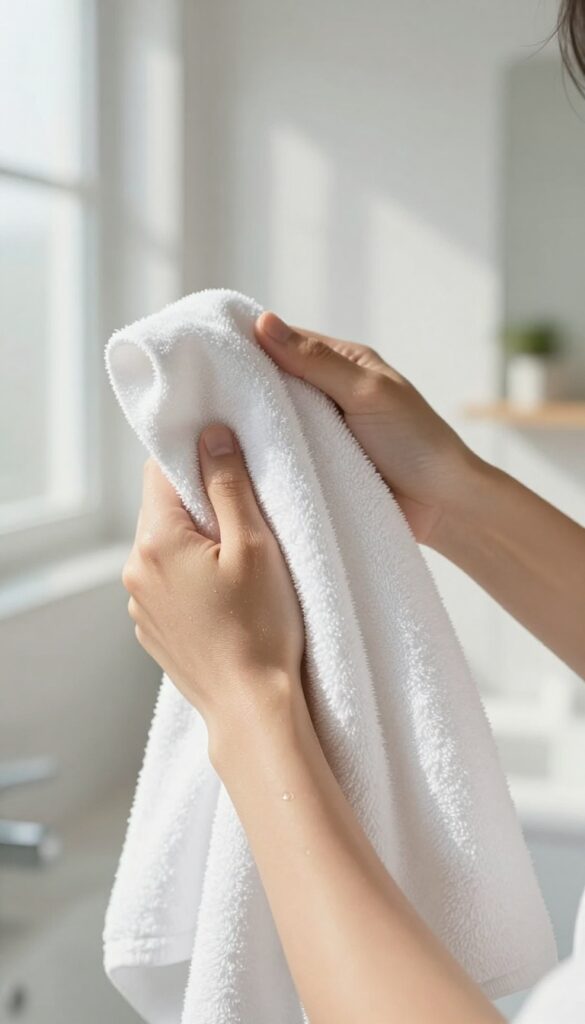
The way you dry off after a shower can make or break your skin's moisture levels. Rubbing vigorously with a towel might feel efficient, but it's actually stripping away the natural oils your skin needs to stay supple. Instead, a gentle pat-down leaves behind a thin layer of water that helps your moisturizer absorb better and lock in hydration for hours.
Why Rubbing Hurts
When you rub your skin with a towel, you're essentially exfoliating it—removing the top layer of dead skin cells along with precious oils. This can lead to irritation, redness, and increased dryness, especially if you have sensitive skin. Over time, it weakens your skin's barrier, making it harder to retain moisture.
The Pat-down Technique
Use a soft, clean towel and gently press it against your skin, letting it absorb the water without friction. Start with your face and neck, then move down your body. Don't aim for completely dry—leave your skin slightly damp, as that's the ideal canvas for your moisturizer.
Timing Is Everything
Moisturizer works best when applied within three minutes of stepping out of the shower. Patting dry speeds up this process because you're not wasting time rubbing. Once you're patted down, you can immediately layer on your hydrating products while your skin is still thirsty for moisture.
2. Apply Moisturizer Within 3 Minutes
The clock starts ticking the moment you turn off the water. That post-shower window is your skin's best chance to drink up moisture. Waiting even five minutes can mean the difference between soft, plump skin and a dry, tight feeling by lunchtime.
Damp skin is more permeable, so your moisturizer sinks in faster and deeper. It also helps seal in the water already on your skin, creating a longer-lasting hydration effect. This simple timing trick is backed by dermatologists and takes zero extra effort.
The '3-minute rule' ensures your skin is still damp, allowing creams to absorb deeper and hold moisture longer. Pat yourself partially dry—leave a thin film of water—then apply your moisturizer immediately. This locks in surface hydration and boosts product efficacy.
Why Damp Skin Works Better
When your skin is damp, the spaces between skin cells are more open, allowing moisturizer ingredients to penetrate deeper. Dry skin acts like a barrier, repelling many ingredients. Applying to damp skin can increase hydration levels by up to 10 times compared to dry application.
How To Master The 3-minute Window
Keep your moisturizer in the bathroom or within arm's reach of the shower. After patting dry with a towel, apply your product immediately. Don't rub vigorously—use gentle upward strokes.
Focus on driest areas like legs, arms, and torso first.
Best Moisturizer Types For Damp Skin
Creams and lotions with humectants (like glycerin or hyaluronic acid) work best because they pull water into the skin. Thicker ointments can also seal moisture but may feel heavy. For oily or acne-prone skin, a lightweight gel moisturizer is ideal.
3. Use a Humectant First
Humectants are your skin's best friend right after a shower. Ingredients like glycerin and hyaluronic acid act like magnets, pulling moisture from the air into your skin. Applying them before heavier creams ensures that water gets trapped deep down, not just sitting on the surface.
Why Humectants First?
Think of humectants as the foundation of your hydration routine. They draw water into the outer layer of your skin, prepping it for the occlusives and emollients that follow. Without this step, thicker creams can't lock in as much moisture because the skin hasn't been primed.
Best Humectants To Look For
Hyaluronic acid is a superstar for holding up to 1, 000 times its weight in water. Glycerin is another powerhouse that's gentle and effective for all skin types. Aloe vera and honey also work well, especially if you prefer natural options.
How To Apply
While your skin is still slightly damp, gently press or pat a few drops of your humectant serum or toner onto your face and body. Avoid rubbing—patting helps absorption without disturbing the moisture layer. Wait about 30 seconds before moving on to your moisturizer.
4. Layer with an Occlusive
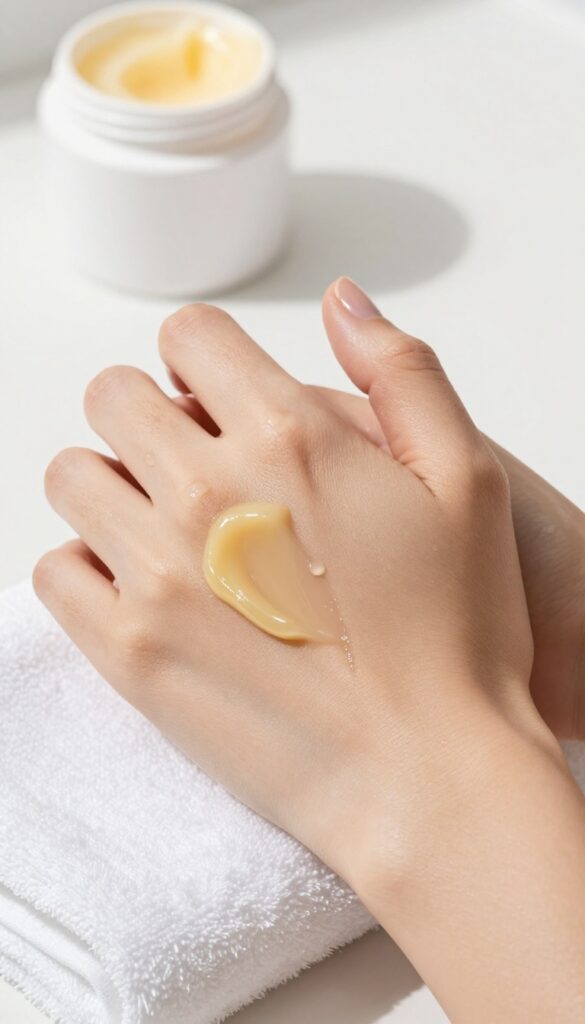
After you've applied your humectant and moisturizer, it's time to seal everything in with an occlusive. Think of it as a protective barrier that locks moisture inside your skin, preventing it from evaporating into the air. This step is crucial for anyone with dry or dehydrated skin, especially in harsh weather conditions.
Occlusives are rich, oil-based products that sit on top of your skin, creating a physical shield. They're the heavy hitters in your routine, perfect for nighttime or when you need extra protection. Look for ingredients like shea butter, petrolatum, lanolin, or beeswax.
Apply a generous layer over your damp skin, focusing on dry areas like elbows, knees, and heels.
Why Occlusives Matter
Without an occlusive, the humectants and moisturizers you applied earlier can lose their effectiveness. Water from the deeper layers of your skin can escape, leaving you dry again within hours. An occlusive locks everything in, extending hydration for up to 12 hours.
Best Occlusive Ingredients
Shea butter is a favorite for its rich, nourishing texture and skin-repairing vitamins. Petrolatum is the gold standard for sealing moisture, especially for extremely dry skin. Lanolin is great for lips and cuticles, while beeswax provides a breathable barrier.
Choose based on your skin type and preference.
How To Apply
Apply your occlusive within 3 minutes of stepping out of the shower, while your skin is still slightly damp. Use a generous amount and massage it in gently, focusing on areas prone to dryness. Don't forget your feet, hands, and any patches of eczema or irritation.
5. Don't Forget Your Neck and Décolletage
Your neck and chest are often the first places to show signs of aging, yet they're easy to skip in a rush. While you're diligently moisturizing your face, your décolletage and the back of your neck are left high and dry. That's a missed opportunity—these areas need the same love and hydration to stay smooth and youthful.
Extend your moisturizer down to your collarbone and around to the back of your neck. Use gentle upward strokes to avoid tugging on delicate skin. If you're using a richer cream or a face moisturizer with anti-aging ingredients, don't be shy—let your neck and chest benefit too.
A little extra product now means a lot less crepey skin later.
Why These Areas Need Extra Care
The skin on your neck and chest is thinner and has fewer oil glands than your face, making it prone to dryness and early wrinkles. Sun exposure, sleeping positions, and constant movement add to the wear and tear. Giving them a dedicated moisturizing step every time you shower helps maintain elasticity and a smooth texture.
How To Apply Without Wasting Product
After you've applied moisturizer to your face, use the leftover product on your hands to sweep down your neck and chest. If you need more, pump a pea-sized amount and warm it between your palms. Press and smooth from the base of your neck upward to your jawline, and don't forget the back of your neck—it's a common dry patch.
Best Ingredients For Neck And Décolletage
Look for moisturizers with hyaluronic acid, peptides, and antioxidants like vitamin C. These ingredients boost hydration, support collagen, and protect against environmental damage. If you're using a retinol product, extend it to your neck and chest too—but start slowly to avoid irritation.
Consistency is key: a few seconds of care each day adds up.
6. Lock in Lip Moisture
Lips have no oil glands, so they lose moisture faster than the rest of your face. That's why they need a two-step routine right after you shower, while they're still slightly damp. A quick swipe of hydrating balm followed by a thicker sealant keeps them soft for hours.
Start With A Hydrating Balm
While your lips are still damp from the shower, apply a hydrating lip balm that contains humectants like hyaluronic acid or glycerin. This pulls water into the lip tissue. Look for balms with shea butter or ceramides to soothe and protect.
Seal With An Occlusive Layer
After the balm sinks in for a minute, lock everything in with a thicker, occlusive product like petroleum jelly, lanolin, or a beeswax-based salve. This creates a barrier that prevents moisture from evaporating. A pea-sized amount is plenty.
Pro Tip: Exfoliate Gently First
If your lips are flaky, do a quick gentle exfoliation before your shower or while washing your face. A soft washcloth or a sugar scrub works. Just don't overdo it—once a week is enough.
Then follow the balm-and-seal routine for smooth lips.
7. Use a Body Oil Before Lotion
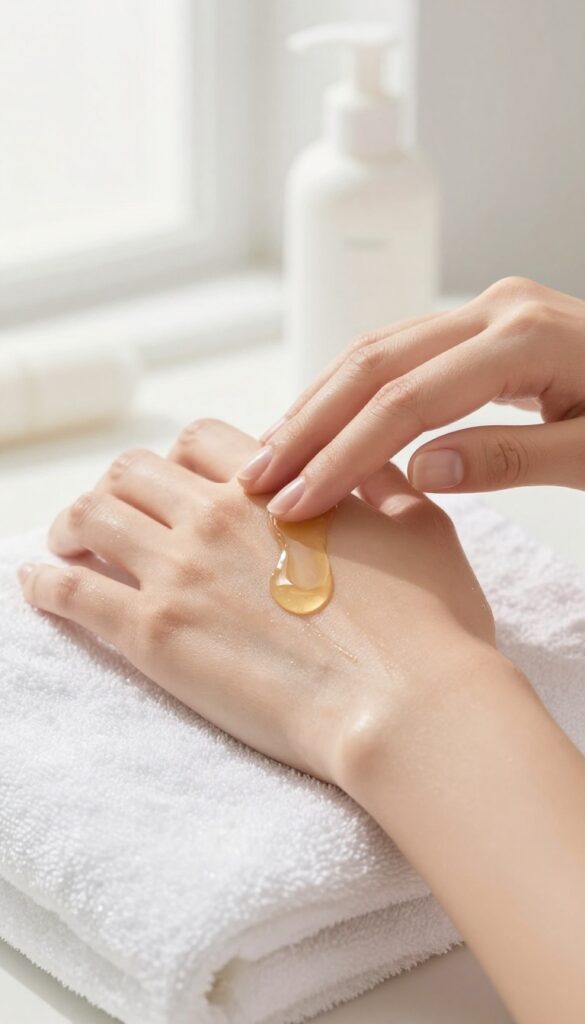
Oil on damp skin traps water. Follow with lotion to add emollients and lock the oil in place. It's a simple layering trick that makes a huge difference in how long your skin stays hydrated.
Applying body oil right after patting dry seals in moisture from the shower. Then layering lotion on top adds extra hydration and locks everything in. This two-step method keeps skin soft for hours.
Why Oil First Works
Oil is occlusive, meaning it forms a barrier that prevents water from evaporating. On damp skin, it traps that surface moisture. Lotion then adds humectants and emollients, so you get both sealing and nourishing benefits.
How To Apply For Best Results
After gently patting skin dry, leave it slightly damp. Dispense a few drops of body oil into your palms and massage over your body. Wait 30 seconds, then apply your regular lotion.
Focus on drier areas like elbows and knees.
Choosing The Right Oil
Look for non-comedogenic oils like jojoba, grapeseed, or squalane if you're prone to breakouts. For extra dryness, try almond or avocado oil. Avoid mineral oil—it sits on top without absorbing.
8. Target Dry Zones with Extra Care
Your elbows, knees, and heels have thicker skin and fewer oil glands, so they lose moisture faster than the rest of your body. A general lotion won't cut it for these stubborn dry spots. You need something richer and more occlusive to really lock in hydration.
After you've applied your all-over moisturizer, go back and give these areas a second layer with a thicker cream or a dedicated balm. Look for ingredients like shea butter, lanolin, or petrolatum, which create a stronger barrier. Don't forget the backs of your hands and your cuticles—they're often neglected but show dryness first.
Why These Spots Need More
Elbows and knees move constantly, which cracks the skin's surface and lets moisture escape. Heels bear your weight all day, so the skin thickens and becomes calloused. These areas simply can't retain water with a lightweight lotion.
A balm or butter stays put longer and penetrates deeper.
Best Products For Tough Zones
Look for foot creams containing urea or lactic acid to soften calluses, and elbow/knee balms with ceramides or coconut oil. If you're in a pinch, plain petroleum jelly works wonders. Apply it while your skin is still slightly damp to trap extra moisture.
How To Apply For Maximum Effect
Use a generous amount—don't be shy. Massage it in with circular motions for about 30 seconds per area to boost circulation and absorption. For heels, put on cotton socks afterward to let the product sink in overnight.
Consistency is key; do this after every shower, not just when you remember.
9. Try a Leave-On Body Mask Weekly
Once a week, give your skin an intensive moisture treatment with a leave-on body mask. Unlike a regular lotion that sinks in quickly, a mask delivers a thicker, more concentrated layer of hydration that stays on your skin for an extended period. It's like a spa day for your body, but in the comfort of your own bathroom.
Applying a body mask weekly helps replenish moisture that daily routines might miss. The key is to let it sit for at least 10 minutes so the ingredients can really penetrate. After the time is up, rinse off any excess with warm water, then pat dry—your skin will feel incredibly soft and supple.
Why A Weekly Mask Works
Your skin's moisture barrier can get depleted from environmental factors like dry air or hot showers. A weekly body mask acts as a deep conditioning treatment, delivering a high concentration of humectants and emollients. This extra boost helps repair the barrier and locks in hydration for days.
How To Choose A Body Mask
Look for masks with ingredients like shea butter, ceramides, hyaluronic acid, or colloidal oatmeal. Avoid anything with alcohol or strong fragrances, which can be drying. If you have sensitive skin, opt for a fragrance-free formula.
You can even make your own by mixing a thick cream with a few drops of facial oil.
Application Tips For Best Results
Apply the mask right after your shower while your skin is still slightly damp. Use generous amounts, focusing on dry areas like elbows, knees, and heels. Put on an old robe or loose clothing to avoid staining your clothes.
Set a timer for 10 minutes, then rinse off in the shower with cool water to seal the moisture.
10. Spritz with a Hydrating Mist
A quick spritz of a hydrating mist between your serum and moisturizer can make a surprising difference. It adds a thin layer of moisture that helps the next product spread more evenly and boosts overall hydration. Think of it as a moisture bridge that locks in everything you've applied so far.
Choose a mist with humectants like glycerin or rose water. Glycerin draws moisture from the air into your skin, while rose water soothes and refreshes. Hold the bottle about 6 inches from your face and mist lightly—you don't want to drench yourself.
Let it sit for a few seconds before moving on to your occlusive step.
Why It Works
Hydrating mists add an extra layer of water that your skin can absorb before you seal it all in. This is especially helpful if you live in a dry climate or have dehydrated skin. The mist also helps your final moisturizer or oil glide on smoothly.
Best Mists To Try
Look for mists with minimal ingredients—glycerin, rose water, or aloe vera are great. Avoid anything with alcohol, which can dry out your skin. You can even make your own by mixing a few drops of glycerin with distilled water in a spray bottle.
When To Spritz
Use the mist right after your serum or treatment, before your final moisturizer or oil. This is the perfect moment because your skin is still slightly damp from the serum, and the mist adds even more hydration to lock in.
11. Wear Cotton or Bamboo Loungewear

What you put on after your skincare routine matters just as much as the products themselves. Synthetic fabrics like polyester can trap heat and cause friction, which rubs away your carefully applied moisturizer. Natural fibers like cotton and bamboo are gentler on your skin and help maintain that just-moisturized feel longer.
Why Fabric Choice Matters
After you've layered on lotion or oil, your skin needs time to absorb it. Tight synthetic clothing can wipe off product and create micro-tears in your skin's barrier. Cotton and bamboo are breathable and smooth, reducing irritation and allowing moisture to sink in rather than get rubbed off.
Best Options For Post-shower
Look for loose-fitting items made from organic cotton or bamboo viscose. A soft robe is perfect for the first few minutes, then switch to a cozy lounge set. Avoid anything with rough seams or elastic cuffs that dig in.
Your skin will thank you.
Bonus: Temperature Regulation
Natural fibers help regulate body temperature, so you won't overheat and start sweating off your products. Bamboo is especially good at wicking moisture without drying out your skin. This keeps your moisturizer working longer and your skin comfortable.
12. Skip Harsh Soaps in the Shower
Not all soaps are created equal. Many body washes and bar soaps contain sulfates and high pH cleansers that strip your skin's natural oils, leaving it dry and tight before you even step out. The damage starts in the shower, so switching to a gentle, hydrating body wash is the first step to locking in lasting moisture.
Look For Sulfate-free Formulas
Sulfates like sodium lauryl sulfate (SLS) create that foamy lather but can be too harsh for your skin. Choose body washes labeled "sulfate-free" that use milder surfactants like coco-glucoside. Your skin will feel clean without the tightness.
Check The Ph Balance
Your skin's natural pH is around 4. 5 to 5. 5, but many soaps have a pH of 9 or higher.
A high pH disrupts the acid mantle, leading to moisture loss. Opt for a pH-balanced body wash that stays close to your skin's natural range.
Look For Hydrating Ingredients
Ingredients like glycerin, ceramides, and oatmeal help maintain moisture while you wash. These ingredients attract water to the skin and support the barrier, so you start your after-shower routine with a healthy base.
13. Apply Sunscreen on Exposed Areas
UV rays don't just cause sunburn—they actively dehydrate your skin by breaking down collagen and moisture barriers. After your morning shower, your skin is clean and receptive, making it the perfect time to protect it. A moisturizing sunscreen on your face, neck, and hands locks in hydration while shielding you from damage.
Choose A Moisturizing Formula
Look for sunscreens with ingredients like hyaluronic acid, glycerin, or ceramides. These add an extra layer of hydration without feeling greasy. Avoid alcohol-based formulas that can strip moisture.
Apply Before You Dress
Put sunscreen on while your skin is still slightly damp from moisturizer. This helps it spread evenly and absorb better. Don't forget your neck, ears, and the backs of your hands—they're often overlooked.
Reapply Throughout The Day
One application isn't enough if you're outdoors or near windows. Keep a travel-size sunscreen in your bag and reapply every two hours. Your skin stays hydrated and protected.
14. Use a Cool or Lukewarm Rinse

That hot shower feels amazing, but it's not doing your skin any favors. Heat opens pores and strips away natural oils, leaving your moisture barrier compromised. A simple switch at the end can make a big difference.
After you've washed and conditioned, turn the temperature down for the final 30 seconds. A cool or lukewarm rinse helps tighten pores and seals the cuticle, locking in hydration. Your skin will feel smoother and look less red or irritated.
Why Temperature Matters
Hot water dissolves the lipids that hold skin cells together, leading to transepidermal water loss. Cool water constricts blood vessels, reducing inflammation and helping your moisturizer absorb better.
How To Make The Switch
You don't need an ice-cold blast—just gradually lower the temp to lukewarm. Start with your usual warm shower, then dial it down for the last rinse. Focus on your torso and legs, where dryness is most common.
Bonus Benefits
A cool rinse also boosts circulation and can leave you feeling more alert. It's especially helpful after a hot, humid shower that might leave your skin feeling tight or itchy.
15. Exfoliate Gently Twice a Week
Dead skin cells build up fast, and they act like a shield blocking your moisturizer. That expensive lotion? It's just sitting on top instead of sinking in.
The fix is simple: exfoliate your body twice a week, but do it right after your shower while skin is still damp.
Exfoliating on damp skin is gentler and more effective. The water helps the product spread evenly, and your pores are already open from the steam. Stick to a mild scrub or a chemical exfoliant with lactic or glycolic acid—nothing too harsh.
Over-scrubbing can damage your moisture barrier, so think smooth, not raw.
Choose The Right Exfoliant
Physical scrubs with fine particles (like sugar or jojoba beads) are great for most skin types. Avoid crushed walnut shells or anything jagged. If your skin is sensitive, try a chemical exfoliant—they dissolve dead cells without rubbing.
Use Gentle, Circular Motions
Apply the exfoliant with your hands or a soft silicone brush. Move in small circles, starting from your feet and working upward toward your heart. Spend extra time on rough spots like elbows and knees, but keep it light on your chest and neck.
Rinse And Pat Dry
Rinse thoroughly with lukewarm water—hot water strips oils. Pat your skin dry (don't rub) with a soft towel. Your skin should feel smooth and slightly dewy, not tight or irritated.
Follow immediately with your moisturizer to seal in that fresh layer.
16. Apply Hand Cream After Every Wash
Your hands take a beating every day—constant washing, sanitizing, and exposure to the elements. That's why they're often the first place to show signs of dryness. The fix is simple: keep a rich hand cream next to every sink in your home and use it immediately after drying your hands.
This habit turns a moment of moisture loss into a hydration win.
Hands are washed more than any other body part, yet they're rarely moisturized properly. The key is timing—applying cream while hands are still slightly damp helps lock in moisture. Choose a cream with ingredients like shea butter, glycerin, or ceramides for lasting hydration.
Keep travel-sized tubes in your bag and at your desk so you never skip a step.
Why Hands Need Special Care
Hand skin is thin and has fewer oil glands, making it prone to dryness. Frequent washing strips natural oils, leaving hands tight and cracked. A dedicated hand cream replenishes moisture and creates a protective barrier.
Best Ingredients For Hand Creams
Look for shea butter, glycerin, and ceramides to hydrate and repair. Oils like jojoba or almond oil add nourishment without greasiness. Avoid alcohol-based formulas that can dry out skin further.
How To Build The Habit
Place a hand cream pump next to every sink—kitchen, bathroom, and laundry. Use it right after drying your hands. Keep a mini tube in your car or purse for on-the-go hydration.
17. Use a Humidifier in Dry Climates
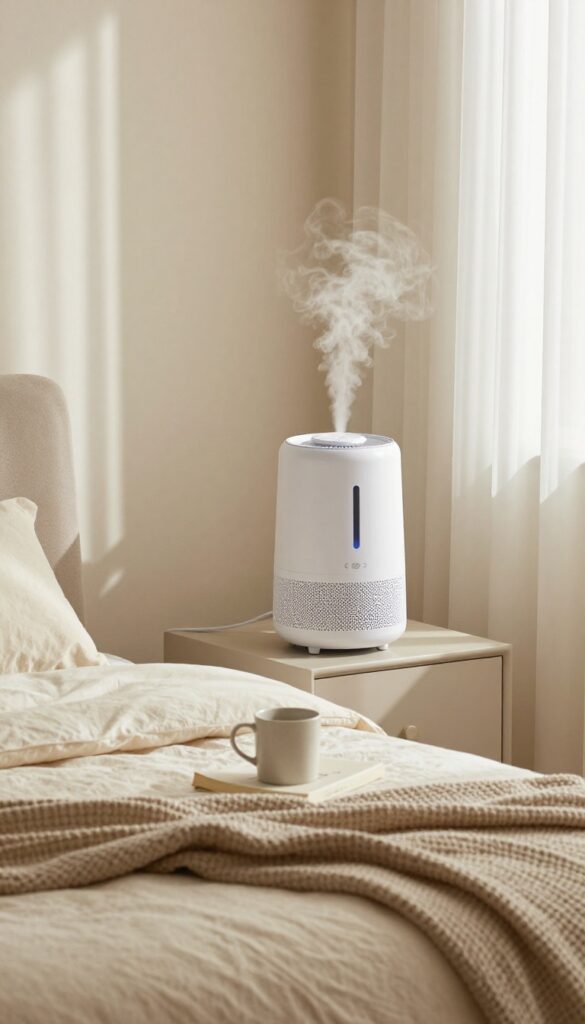
Indoor heating and air conditioning are notorious for sucking moisture out of the air—and your skin. Even after a thorough moisturizing routine, dry air can undo your hard work within hours. That's where a humidifier steps in to save the day, especially while you sleep.
Why Your Bedroom Needs One
Your skin loses moisture fastest when you're asleep because your body's repair processes are active, but the environment is often dry. A humidifier adds moisture back into the air, helping your skin stay supple and reducing transepidermal water loss. Aim for a humidity level between 40-60% for optimal skin hydration.
Choosing The Right Humidifier
Not all humidifiers are equal. For skin benefits, look for a cool-mist or ultrasonic model that's quiet enough for overnight use. Clean it weekly to prevent mold and bacteria buildup—otherwise, you're just blowing germs onto your skin.
A small bedroom-sized unit is plenty effective.
Maximizing The Effect
Place the humidifier near your bed, but not too close to avoid over-moisturizing the air directly around you. Use distilled water to prevent white dust from minerals settling on your skin. Pair it with your night cream or sleeping mask for a double dose of hydration.
18. Mist Your Body Before Reapplying Lotion
Even the best moisturizer can lose its power if your skin gets dry throughout the day. Instead of just slathering on more lotion, try giving your skin a quick spritz first. A fine mist of water or hydrating toner helps the new layer of lotion absorb better and keeps your skin from feeling sticky.
When your skin feels dry hours after your shower, reaching for lotion is instinct. But applying it to dry skin often means it sits on top rather than sinking in. A quick mist beforehand creates a damp base that helps the lotion spread evenly and lock in moisture longer.
Why Mist First?
Your skin absorbs products best when it's slightly damp. A water mist rehydrates the surface, making it more receptive to the emollients in your lotion. This simple step can double the effectiveness of your moisturizer.
What To Use
Plain filtered water works fine, but a facial toner with glycerin or hyaluronic acid is even better. Avoid anything with alcohol, which can dry you out. Keep a small spray bottle in your bag for easy reapplication.
How To Apply
Mist your skin lightly, then wait a few seconds before applying lotion. Pat gently to help it absorb, don't rub. This technique works especially well on hands, arms, and legs that tend to dry out mid-day.
19. Massage While Applying Products
Massage isn't just for relaxation—it's a game-changer for absorption. When you gently work your moisturizer or body oil into the skin, you boost circulation and help ingredients penetrate deeper. Plus, it feels amazing and turns a routine step into a mini self-care ritual.
Use upward strokes on your arms and legs to encourage lymphatic drainage and reduce puffiness. On joints like elbows and knees, switch to circular motions to soften rough patches. Spend an extra 30 seconds on each area, and you'll notice your skin stays softer longer.
Why Massage Boosts Hydration
Massaging increases blood flow to the skin's surface, which delivers oxygen and nutrients while carrying away waste. This helps moisturizing ingredients absorb more effectively, so you get more bang for your buck from every product.
Simple Techniques To Try
Start at your feet and work upward using long, sweeping motions. For your stomach, use gentle clockwise circles. On your arms, always stroke toward your heart.
Keep pressure light—you're not kneading dough, just encouraging absorption.
Best Products For Massaging
Thicker creams and body butters provide enough slip for a good massage without dragging. If you prefer oils, warm them between your palms first. Avoid quick-absorbing lotions for this step—they dry too fast to allow for meaningful massage.
20. End with a Foot Cream and Socks
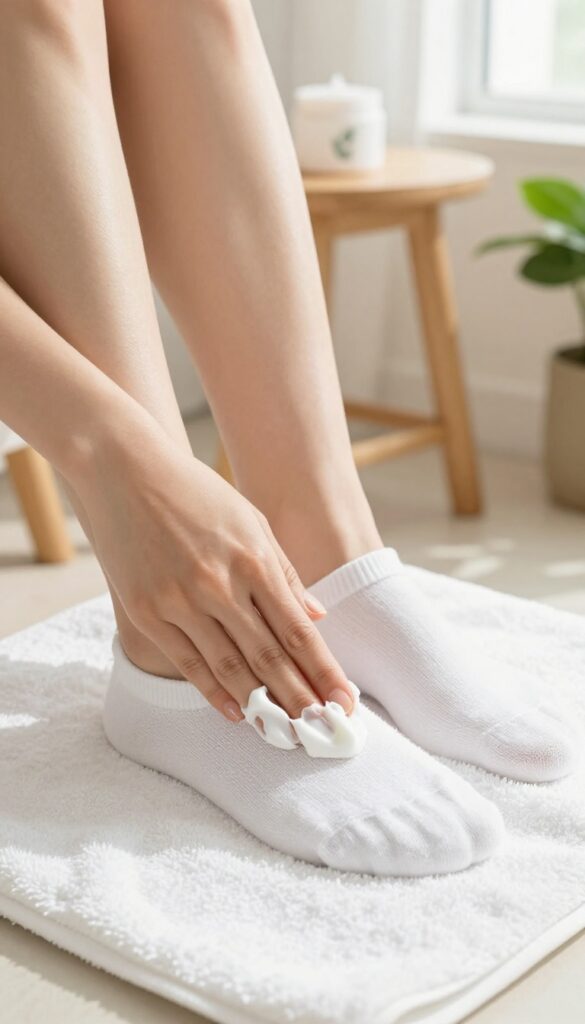
Your feet work hard all day, but they're often the most neglected part of an after-shower routine. The skin on your feet is thicker and prone to dryness, especially around the heels. A quick rinse isn't enough—they need targeted moisture to stay soft and crack-free.
After you've applied lotion to the rest of your body, don't forget your feet. They lose moisture faster than other areas because they have fewer oil glands. A thick foot cream with ingredients like shea butter, urea, or glycerin can make a huge difference.
Apply generously, then put on a pair of cotton socks for at least 20 minutes. This creates a mini-occlusive treatment that drives the cream deep into the skin. Your feet will feel noticeably smoother by morning.
Why Feet Need Extra Love
The skin on your feet is constantly under pressure and friction. It's also exposed to air and often trapped in shoes, which can dry it out. Without proper care, you'll end up with rough patches, calluses, or even painful cracks.
A dedicated foot cream after every shower prevents that buildup.
The Sock Trick Works
Cotton socks aren't just for warmth. They help seal in the moisture from the cream and keep it from rubbing off on your sheets or floors. The gentle pressure also improves absorption.
You don't need fancy spa socks—just clean, breathable cotton ones. Twenty minutes is enough, but wearing them overnight takes the results to another level.
Best Ingredients To Look For
Not all foot creams are created equal. Look for urea (softens tough skin), shea butter (deep moisture), or lactic acid (gentle exfoliation). Avoid light lotions—they evaporate too quickly.
A balm or butter consistency works best. Apply right after drying your feet, while they're still slightly damp, for maximum penetration.
FAQ
How long should I wait after showering to apply moisturizer?
Apply moisturizer within 3 minutes of stepping out, while your skin is still damp, for best absorption.
Can I use body oil instead of lotion?
Body oil seals in moisture but doesn't add hydration. Use oil on damp skin, then follow with lotion for best results.
What ingredients should I look for in a moisturizer?
Look for humectants like glycerin or hyaluronic acid, emollients like shea butter, and occlusives like petrolatum.
How often should I exfoliate my body?
Exfoliate 1-2 times per week with a gentle scrub or chemical exfoliant to remove dead skin without irritation.
Does the temperature of my shower affect moisture?
Yes. Hot water strips natural oils. Use lukewarm water and finish with a cool rinse to help seal moisture.
Conclusion
Locking in moisture after the shower doesn't require a complicated routine. Start with just two or three steps that target your skin's biggest needs—maybe a gentle pat-dry and a rich body oil while you're still damp. Small, consistent actions make the biggest difference over time.
Your skin will thank you with a hydrated, healthy glow that lasts all day. Pick the steps that feel right for your skin type and build from there. Consistency beats perfection every time.