You step out of the shower feeling clean, but within an hour your skin feels tight and your hair looks frizzy. That’s because most of us rush through washing without thinking about the experience. A few intentional tweaks can turn that daily rinse into a moment of genuine self-care.
Imagine stepping out not just clean, but calm, refreshed, and ready to take on the day. Your shower can become a mini sanctuary—a place where you reset both body and mind. The best part?
It doesn’t require expensive products or extra time. These 15 habits are simple, practical, and backed by real benefits.
1. Start with a Dry Brush Before You Step In
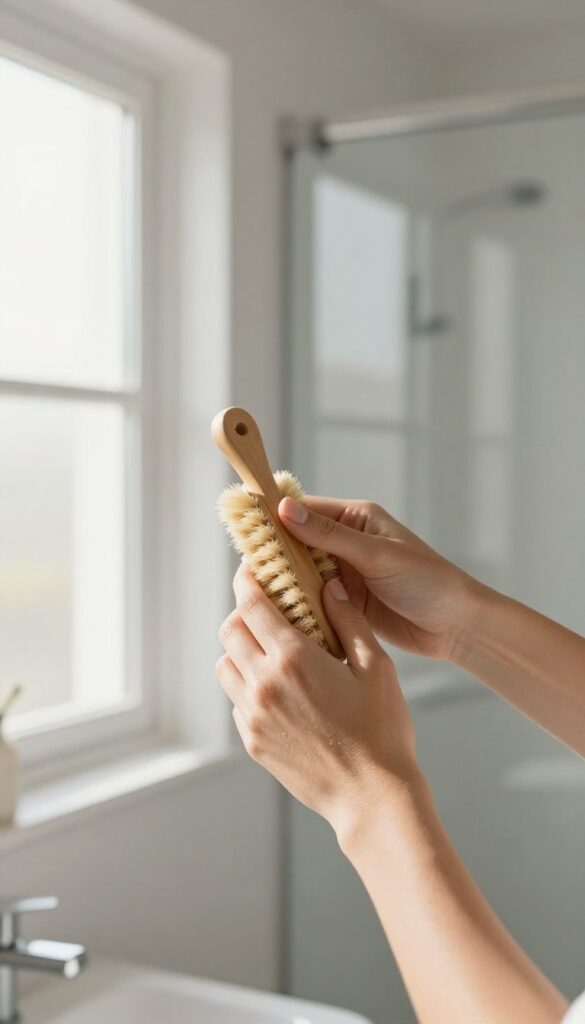
Before you even turn on the water, grab a dry brush. This simple pre-shower step wakes up your skin and gets your blood moving. It only takes a couple of minutes, but the payoff is smoother skin and a noticeable energy boost.
Dry brushing exfoliates dead skin cells, which helps your moisturizer absorb better later. It also stimulates your lymphatic system, aiding your body's natural detox process. Use gentle, upward strokes toward your heart—that follows the direction of lymph flow.
Avoid sensitive areas and never brush wet skin. Do it two to three times a week for best results.
Choose The Right Brush
Look for a brush with natural bristles and a long handle so you can reach your back easily. Soft bristles are best if you have sensitive skin. Replace your brush every six months to keep it hygienic.
Master The Technique
Start at your feet and work upward in long, sweeping motions. Use lighter pressure on thin skin areas like your inner arms and stomach. Always brush toward your heart to support circulation.
Follow With A Warm Rinse
After brushing, hop into a warm shower to wash away the loosened skin cells. Avoid hot water—it can irritate freshly exfoliated skin. Pat dry gently and apply a rich body lotion while your skin is still damp.
2. Set the Mood with Soft Lighting or a Candle
Harsh overhead lights can make a shower feel clinical rather than calming. Swapping them for softer options—like a dimmer switch or a simple candle—instantly shifts the vibe. Your brain starts associating the warm glow with relaxation, not just getting clean.
It's a small change that turns a routine task into a ritual.
Why Lighting Matters
Bright white light triggers alertness, which is the opposite of what you want before bed or during a wind-down shower. Soft, warm light encourages your nervous system to shift into rest mode. Even a single candle on the counter can make the space feel like a spa.
Easy Ways To Adjust
If you can't install a dimmer, try a smart bulb that lets you control brightness from your phone. Or simply light a soy candle with a calming scent like lavender or eucalyptus. Place it safely on a flat surface away from water.
The flicker alone adds a sense of calm.
Safety First
Never leave a burning candle unattended, and keep it out of reach of children and pets. Consider battery-operated flameless candles for a worry-free option—they still give off that warm glow without any risk.
3. Turn Your Shower into a Steam Room

You don't need a fancy spa membership to enjoy a steam session. Your bathroom can double as a personal steam room with just a small adjustment to your routine. The heat and moisture open up your pores, relax tight muscles, and make your whole shower feel more luxurious.
Preheat For Full Effect
Let the water run hot for a full minute before you step in. Close the bathroom door and any windows to trap the steam. The room will fill with warm, humid air that preps your skin and sinuses for the rest of your shower.
Add Aromatherapy Drops
Once the steam is going, add 3–5 drops of eucalyptus or peppermint essential oil to the shower floor—away from the direct stream. The heat will diffuse the scent, turning your shower into an aromatherapy session. Eucalyptus clears your head, while peppermint is invigorating.
Breathe Deeply For A Minute
Stand near the edge of the water and take a few slow, deep breaths. Let the steam and scent work together. This simple pause shifts your focus from rushing to relaxing.
It's a mini meditation that costs nothing.
4. Use a Scalp Massager While Shampooing
A silicone scalp massager is a small tool that makes a big difference. It helps distribute shampoo evenly, stimulates blood flow, and relieves tension. Spending just an extra minute with it can turn a routine wash into a soothing ritual.
Why It Works
The soft bristles gently exfoliate the scalp, removing product buildup and dead skin. Improved circulation delivers more oxygen and nutrients to hair follicles, which can promote healthier growth. Plus, the massaging motion feels incredibly relaxing.
How To Use It
After applying shampoo, use the massager in circular motions starting from the front of your scalp and moving to the back. Focus on areas that feel tight or tense. Do this for about one to two minutes before rinsing.
What To Look For
Choose a massager with soft, flexible silicone bristles that won't scratch your scalp. Look for one with an ergonomic handle for a comfortable grip, especially when your hands are wet.
5. Try a Cool Rinse at the End
That blast of cold water at the end of your shower might be the last thing you want, but it's one of the most effective ways to lock in benefits. Thirty seconds of cool water tightens pores, seals hair cuticles, and gives your circulation a quick boost. It's a simple finish that leaves you feeling awake and refreshed, not shivering and miserable.
The key is to gradually lower the temperature so your body can adjust. Start with your usual warm water, then slowly turn the dial toward cool over about 10 seconds. Aim for a temperature that feels brisk but not painful.
Focus the water on your legs and arms first, then your torso and back. You'll feel an immediate rush of alertness as your blood vessels constrict and your heart rate adjusts.
Why 30 Seconds Is Enough
You don't need a long cold shower to get the benefits. Studies show that 30 seconds of cool water can improve circulation and tighten skin without triggering a stress response. Any longer and you might start to shiver, which defeats the relaxing purpose.
Set a timer or count slowly to 30 while breathing deeply.
Best For Hair And Skin
Cool water seals the hair cuticle, which reduces frizz and adds shine. It also closes pores after cleansing, helping your skin retain moisture. If you have oily skin or acne, a cool rinse can help calm inflammation and reduce excess oil production.
Just don't use hot water afterward—that undoes the benefits.
How To Make It Enjoyable
Pair the cool rinse with a few deep breaths. Inhale for four counts, hold for four, exhale for four. This turns the shock into a refreshing ritual.
You can also finish with a quick dry brush or a spritz of toner afterward to extend the skin-tightening effect. Over time, you'll look forward to that final burst of cool.
6. Breathe Deeply for One Minute

Most of us hold our breath or breathe shallowly in the shower without realizing it. That missed opportunity to reset your nervous system is costing you calm. Standing under the water and taking five slow, deep breaths can shift your entire state in under a minute.
This simple practice works because deep breathing activates your parasympathetic nervous system, lowering cortisol and heart rate. The warm water and steam amplify the effect, making it easier to relax. Try it at the start of your shower to set a peaceful tone, or at the end to lock in the calm.
How To Breathe Correctly
Stand with your feet hip-width apart, close your eyes, and place one hand on your belly. Inhale through your nose for four counts, feeling your belly rise. Hold for four counts, then exhale slowly through your mouth for six counts.
Repeat four more times.
Why It Works So Well In The Shower
The warm steam opens your airways, making deep breaths feel fuller. The sound of water provides white noise that drowns out distractions. Combined, these elements create a mini sensory deprivation experience that helps your mind quiet down.
When To Use This Habit
Morning showers can start with this breathwork to shake off sleep inertia. Evening showers benefit from it as a transition from work mode to rest. On high-stress days, you can even repeat the cycle twice for a longer reset.
7. Exfoliate with a Natural Scrub Once a Week
Your skin sheds dead cells constantly, but sometimes it needs a little help. Exfoliating once a week with a gentle natural scrub removes that buildup without stripping your skin's protective barrier. The result is a smoother, brighter complexion that feels soft, not irritated.
Over-exfoliating is a common mistake that can lead to redness and sensitivity. By sticking to a weekly schedule, you give your skin time to recover and renew. Natural ingredients like sugar or coffee grounds provide just enough grit to slough away dead cells without the harsh microbeads found in many commercial products.
Why Natural Scrubs Work Better
Sugar granules dissolve as you scrub, so they're less likely to cause micro-tears. Coffee grounds are slightly coarser but packed with antioxidants that can help reduce inflammation. Both are biodegradable and free from synthetic chemicals that can irritate sensitive skin.
How To Exfoliate The Right Way
Apply your scrub to damp skin in the shower, using gentle circular motions. Focus on rough areas like elbows, knees, and heels, but avoid your face unless the scrub is specifically formulated for it. Rinse thoroughly and follow with a moisturizer to lock in hydration.
Diy Scrub Recipes To Try
Mix ½ cup brown sugar with ¼ cup coconut oil for a moisturizing body scrub. Or combine ½ cup used coffee grounds with 2 tablespoons olive oil for an invigorating treatment. Store in an airtight jar and use within two weeks.
8. Apply a Hair Mask While You Condition

Conditioner already asks you to wait a few minutes, so why not double that time with a treatment that actually transforms your hair? A hair mask or deep conditioner works best when it sits for 5–10 minutes—exactly the time you spend washing your body. Instead of standing around waiting, you multitask in a way that feels productive and indulgent.
Pick The Right Mask
Not all hair masks are created equal. Look for one that targets your hair type—moisture for dry hair, protein for damaged strands, or lightweight hydration for fine hair. Apply it from mid-length to ends, avoiding the scalp if you’re prone to oiliness.
A good mask should feel creamy, not greasy.
Time It Right
After shampooing, squeeze out excess water and apply the mask. Then clip your hair up and go about your body wash routine. Let it sit for at least 5 minutes—longer if your hair is very dry.
The steam from the shower helps the ingredients penetrate deeper, so you get salon-level results at home.
Rinse Cool For Shine
When you’re done washing your body, rinse the mask out with cool water. The cooler temperature seals the hair cuticle, locking in moisture and adding shine. Follow with a leave-in conditioner if you want extra softness.
Your hair will feel noticeably smoother after just one use.
9. Practice a Gratitude Pause
Ending your shower with a quick gratitude pause might sound simple, but it’s a powerful way to shift your mindset. Instead of rushing to dry off, take just ten seconds before you turn off the water to think of one thing you’re grateful for. It could be anything—a warm shower, a good night’s sleep, or a friend who made you laugh.
This tiny habit trains your brain to focus on the positive, setting a calm and appreciative tone for the rest of your day. It’s like a mini meditation that costs nothing but pays off in mood and perspective.
By pairing the physical refreshment of a shower with a mental reset, you transform a routine task into a self-care ritual. The gratitude pause helps you step out of the shower feeling not just clean, but also mentally lighter and more centered. Over time, this practice can improve your overall outlook and reduce stress, making your morning or evening shower a truly holistic experience.
Why It Works
Gratitude shifts your focus from what’s lacking to what’s abundant. In just ten seconds, you activate neural pathways associated with positivity and well-being. This small mental exercise can lower cortisol levels and increase feelings of contentment, making it a perfect antidote to morning rush or evening fatigue.
How To Make It Stick
Keep it simple. Don’t overthink what to be grateful for—just let the first genuine thought come to mind. You can even whisper it out loud or say it silently.
To build the habit, pair it with the physical action of reaching for the faucet. Over time, your brain will automatically associate turning off the water with a moment of gratitude.
Variations To Try
If ten seconds feels too short, extend it to a full minute. Or, focus on one person you’re grateful for and imagine sending them a silent thank you. You could also rotate themes—grateful for your body, for nature, or for a recent success.
The key is to keep it personal and authentic.
10. Use a Washcloth or Loofah Instead of Your Hands
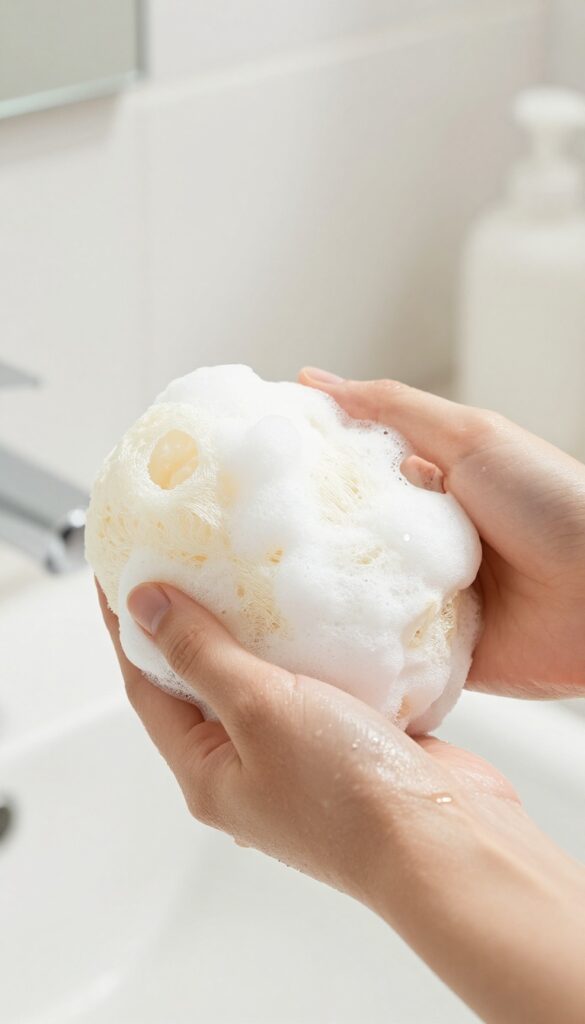
Relying on just your hands in the shower means you're missing out on gentle exfoliation and better product distribution. A washcloth or natural loofah adds a light scrub that sloughs off dead skin cells, leaving your body feeling smooth and refreshed. It also helps your body wash lather more effectively, so you use less product while getting better coverage.
Swapping your hands for a tool is a small change that makes a big difference in how your skin looks and feels. The physical exfoliation helps unclog pores and smooth rough patches, especially on elbows, knees, and heels. Plus, the act of using a washcloth or loofah adds a mindful, massaging sensation to your routine, turning a quick wash into a more deliberate self-care moment.
Choose The Right Texture
Not all washcloths or loofahs are created equal. For daily use, opt for a soft cotton washcloth or a natural konjac sponge—they're gentle enough for sensitive skin. If you want deeper exfoliation a couple times a week, a natural loofah or a sisal mitt works well.
Avoid plastic loofahs, as they can harbor bacteria and are harsh on the skin.
Keep It Clean And Dry
Your washcloth or loofah needs to dry completely between uses to prevent mold and bacteria growth. Hang it in a well-ventilated area, not on the shower floor. Replace washcloths every few days and loofahs every three to four weeks.
A quick rinse with hot water after each use helps too.
Use Gentle, Circular Motions
Instead of scrubbing back and forth, use small circular motions starting from your feet and moving upward. This technique boosts circulation and ensures even exfoliation. Don't press too hard—let the tool do the work.
Focus on rough areas, but be gentle on sensitive spots like your chest and inner arms.
11. Switch to a Filtered Shower Head
If your skin feels dry or your hair looks dull after showering, your water might be the culprit. Hard water contains chlorine and minerals that strip moisture and leave residue. A filtered shower head is a simple upgrade that changes how your skin and hair feel after every wash.
Why Hard Water Hurts Your Skin And Hair
Chlorine dries out your skin's natural barrier, leading to tightness and irritation. Minerals like calcium and calcium can build up on hair, making it look flat and lifeless. A filter traps these impurities so your skin stays hydrated and your hair keeps its shine.
What To Look For In A Filtered Shower Head
Look for a filter that reduces chlorine, heavy metals, and sediment. Some models use vitamin C or KDF filters, which are effective and easy to replace. You don't need to spend a fortune—many affordable options work well and install in minutes.
The Difference You'll Notice
Within a few washes, you might feel your skin is less dry and your hair is softer. Many people report less itching and fewer breakouts. It's a small change that makes your daily shower feel more like a spa treatment.
12. Massage Your Feet and Calves
Your feet carry you all day, yet they rarely get the attention they deserve. A quick massage while you soap up can release tension and boost circulation, especially if you're on your feet a lot. It's a simple addition that turns a routine step into a moment of relief.
While you lather, take 30 seconds to massage your feet and calves. Use your thumbs to press into the arches and your fingers to knead the calves. This helps release built-up tension and improves blood flow, leaving your legs feeling lighter.
Why It Works
Standing all day puts pressure on your feet and calves, leading to fatigue and poor circulation. Massaging these areas stimulates blood flow and relaxes tight muscles, reducing swelling and discomfort.
How To Do It
Start with your foot: use your thumbs to make small circles on the sole, then gently pull each toe. Move to your calf: use both hands to knead from ankle to knee, applying firm but comfortable pressure. Repeat on the other leg.
When To Focus
Spend extra time on any sore spots or areas that feel tight. If you've been standing or walking a lot, this massage can make a noticeable difference in how your legs feel after the shower.
13. Play a Calming Playlist
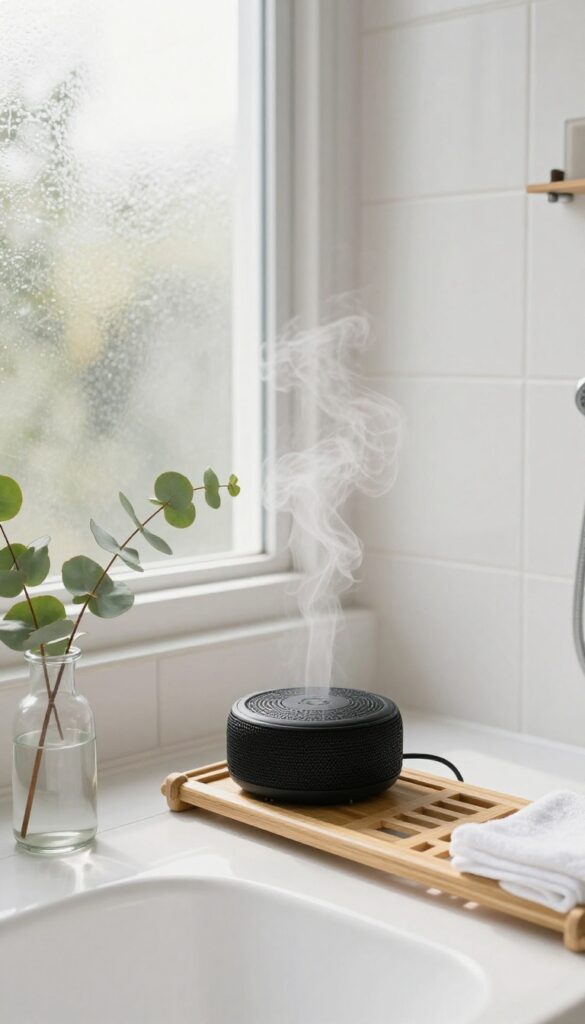
Music has a direct line to your emotions. A few carefully chosen tracks can transform your shower from a routine chore into a sensory escape. Instrumental or nature sounds work best because they don't compete with your thoughts—they just create a peaceful backdrop.
Choose The Right Sounds
Pick songs without lyrics or with minimal vocals. Think piano, acoustic guitar, ambient electronic, or recordings of rain and ocean waves. These sounds help your brain shift into a relaxed state without triggering the urge to sing along or analyze lyrics.
Keep It Short And Repeatable
Your playlist doesn't need to be long—10 to 15 minutes is plenty. That's roughly the length of a thorough shower. Having a go-to set of tracks means your brain starts associating that music with relaxation, making the calm feeling kick in faster each time.
Use A Waterproof Speaker
A small Bluetooth speaker designed for the bathroom lets you place it safely near the shower. No more craning your neck to hear from the other room. Just set it on the counter or hang it from the shower caddy, and let the music surround you.
14. Moisturize While Skin Is Still Damp
The clock starts ticking the moment you turn off the water. Within three minutes, your skin begins losing moisture to the air. That’s the sweet spot for locking in hydration.
Applying lotion or body oil on damp skin helps seal in water rather than just adding oil on top. Your skin absorbs product better when it’s still slightly wet, leaving you silky smooth without that greasy feel. Keep a bottle within arm’s reach of your towel so you never skip this step.
Why Damp Skin Works Better
Damp skin has open pores and a hydrated surface that pulls in emollients more effectively. Dry skin repels lotion, so you end up using more product for less benefit. Think of it as painting a wall—it sticks better when the surface is prepped.
The 3-minute Window
Set a mental timer or keep your moisturizer right by the shower. If you wait until you’re fully dry, you’ve missed the window. Pat yourself partially dry, then apply in long, upward strokes to boost circulation.
Pick The Right Product
Body oils lock in more moisture than lotions, but creams work well for normal skin. For very dry skin, try a butter formula. Avoid anything with alcohol, which can strip moisture.
A light, fast-absorbing oil is ideal for daily use.
15. End with a Quick Stretch
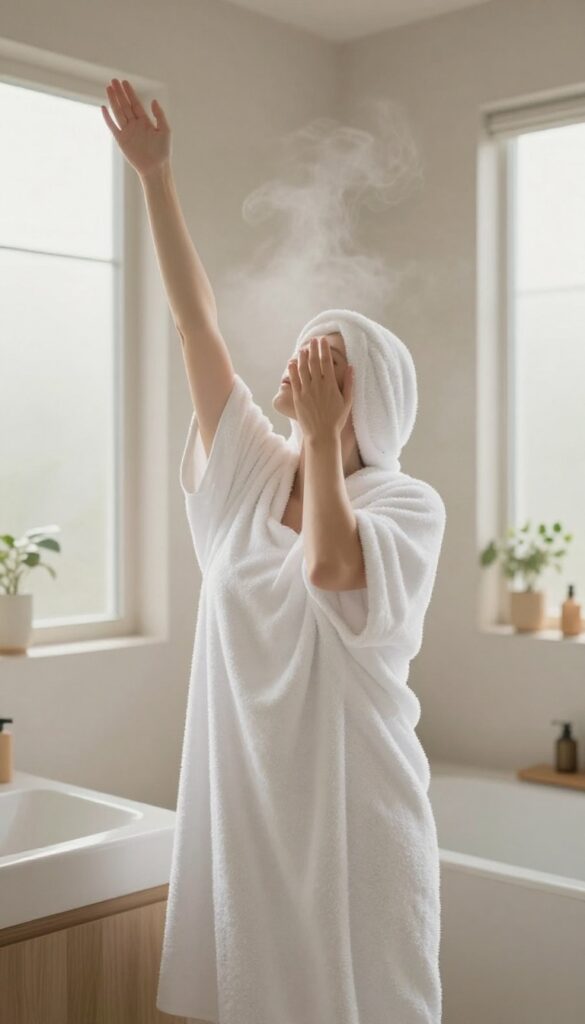
Your body holds tension even when you don't realize it—especially in your neck, shoulders, and lower back. A hot shower relaxes your muscles, making it the perfect time to release that tightness. Adding a minute of stretching before you towel off helps you carry that relaxed feeling into the rest of your day.
Stretching after a warm shower is more effective because your muscles are already warm and pliable. This simple habit can improve flexibility, reduce stiffness, and signal to your nervous system that it's time to shift from relaxation mode to whatever comes next. You don't need a full yoga sequence—just a few gentle moves will do.
Neck Rolls And Shoulder Shrugs
Start by slowly rolling your neck in circles, first one direction then the other. Follow with a few shoulder shrugs—lift your shoulders up toward your ears, hold for a second, then release. This combo releases the tension that builds up from hunching over screens or pillows.
Forward Fold For Lower Back
Stand with your feet hip-width apart and gently fold forward, letting your arms hang. Keep your knees slightly bent to avoid straining your hamstrings. Hold for 15–30 seconds, breathing deeply.
This stretch lengthens your spine and eases lower back tightness.
Side Stretch And Twist
Raise one arm overhead and lean to the opposite side, feeling a stretch along your ribcage. Switch sides. Then, place one hand on the opposite knee and gently twist your torso, looking over your shoulder.
These moves improve mobility and help you feel more grounded.
FAQ
How long should a self-care shower take?
It doesn’t need to be long. Even 10 minutes can include a few of these habits. The key is intentionality, not duration.
Can I do these habits if I have sensitive skin?
Yes. Choose gentle products, avoid harsh scrubs, and keep cool rinses brief. Always patch-test new tools or ingredients.
Is it safe to use essential oils in the shower?
Yes, but dilute them properly. Add a few drops to the shower floor away from direct skin contact, or use a shower steamer designed for aromatherapy.
What if I don’t have a bathtub or fancy shower?
No problem. All these habits work with a basic shower setup. A candle, a playlist, and a few mindful breaths cost nothing.
How often should I exfoliate in the shower?
Once or twice a week is plenty for most people. Over-exfoliating can irritate skin and damage its barrier.
Conclusion
You don't need to adopt all 15 habits at once. Start with one or two that resonate—maybe a dry brush before your shower or a cool rinse at the end—and notice how they shift your mindset.
Small, intentional tweaks can transform a rushed wash into a moment of genuine self-care. Over time, these simple routines become rituals you look forward to, not chores to check off.