Smooth, tangle-free hair starts long before you step out of the shower—it's all in how you treat your strands while they're wet. Small tweaks in your washing and conditioning routine can cut down on breakage, frizz, and those frustrating knots that make detangling a battle.
These 25 shower habits are the kind of practical moves that turn a basic wash into a game-changer. Pick a few that fit your hair type, and you'll notice the difference in how easily your comb glides through.
Let's make every rinse count.
1. Start with a Pre-Shower Brush
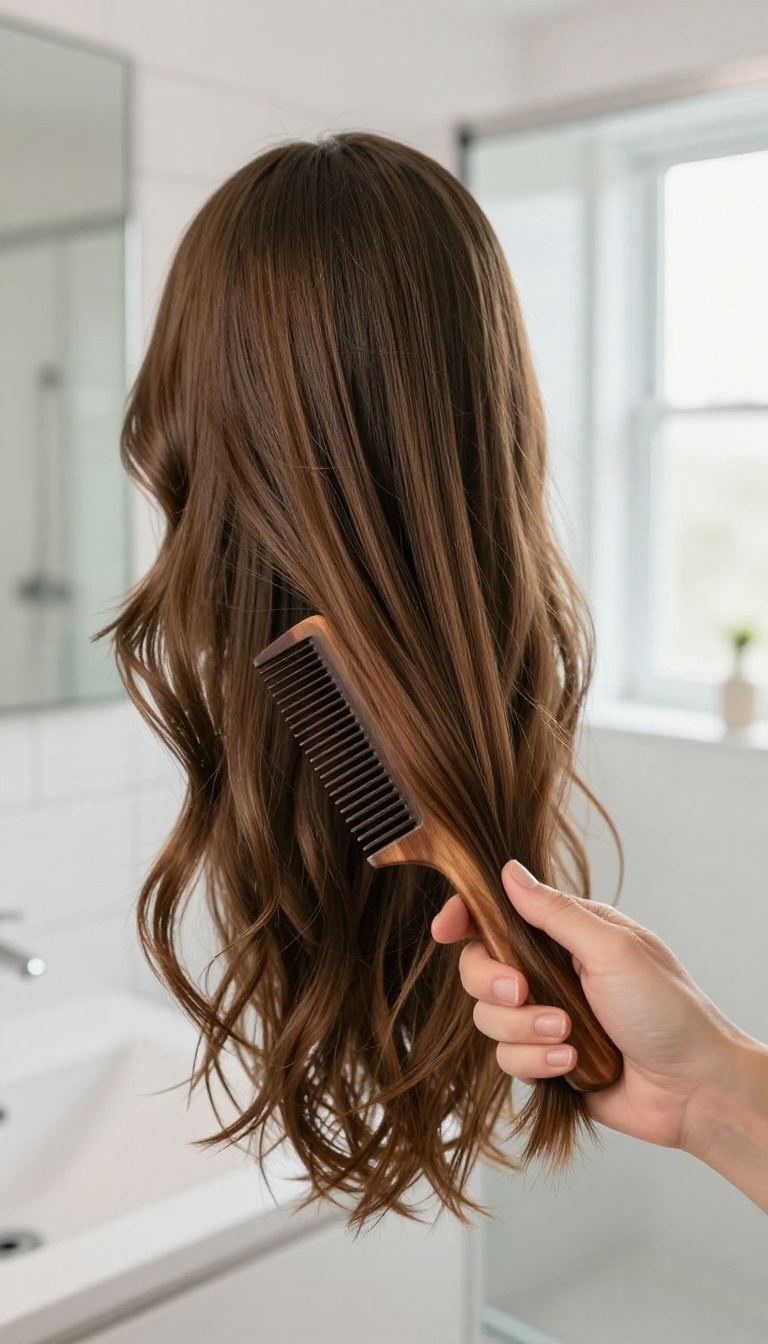
Before you even turn on the water, give your hair a gentle once-over with a wide-tooth comb or a soft-bristle brush. This simple step helps loosen tangles and remove loose dirt and product buildup, so your strands are ready for a smoother wash. It also reduces the amount of pulling and tugging you'll do later, which means less breakage and fewer knots.
Brushing before you get wet is a game-changer for anyone prone to tangles. It's especially helpful for those with curly or coily hair, where wet detangling can be a nightmare. Plus, it distributes your scalp's natural oils down the hair shaft, giving your strands a little extra nourishment before they hit the water.
Choose The Right Brush
Not all brushes are created equal when it comes to pre-shower detangling. Look for a wide-tooth comb or a brush with flexible bristles that glide through hair without snagging. Avoid fine-tooth combs or brushes with hard plastic bristles, as they can cause breakage, especially on wet hair.
Work In Sections
If your hair is thick or long, divide it into a few sections before brushing. Start from the ends and gently work your way up to the roots. This method prevents you from yanking through knots and reduces stress on your hair.
It also makes the process quicker and more efficient.
Don't Overdo It
A few gentle passes are all you need. Over-brushing can stimulate excess oil production and lead to frizz. The goal is to remove tangles, not to brush your hair a hundred times.
Keep it simple and gentle.
2. Rinse with Lukewarm Water
The temperature of your rinse can make or break your hair's smoothness. Hot water feels great, but it strips away natural oils and lifts the cuticle, leaving strands rough and prone to frizz. Lukewarm water is the sweet spot—it cleans without over-stripping and helps keep the cuticle flat and smooth.
When you switch to lukewarm water, you're not just protecting your hair's moisture barrier; you're also making detangling easier. Smooth cuticles mean less friction between strands, so your comb glides through without snagging. It's a simple change that pays off every time you step out of the shower.
Why Hot Water Causes Frizz
Hot water opens the hair cuticle, which is like lifting the shingles on a roof. This exposes the inner cortex, allowing moisture to escape and humidity to get in. The result?
Dry, rough strands that tangle easily and look frizzy. Over time, frequent hot rinses can also weaken the hair, leading to more breakage.
The Benefits Of Lukewarm
Lukewarm water (around body temperature) gently cleanses without stripping away the natural oils that keep your hair smooth and flexible. It helps keep the cuticle flat, which means less friction between strands and fewer tangles. Plus, it's more comfortable for your scalp and won't dry out your skin.
How To Make The Switch
If you're used to hot showers, gradually lower the temperature over a few days. Start by turning it down just a notch, then adjust again until it feels comfortably warm but not steaming. You can also do a final cold rinse after conditioning to seal the cuticle and add extra shine—but keep it brief to avoid discomfort.
3. Use a Clarifying Shampoo Once a Week
Product buildup is a silent enemy of smooth, tangle-free hair. Styling products, hard water minerals, and even your conditioner can leave a film on strands that makes them rough and sticky. That's where a clarifying shampoo comes in—it's like a reset button for your hair.
Once a week, swap your regular shampoo for a clarifying formula to deep-clean your scalp and strands. This removes the gunk that weighs hair down and causes tangles, leaving your hair feeling light, soft, and ready to detangle with ease.
Clarifying shampoos are stronger than your daily wash, so they're not for everyday use. But that weekly deep clean can make a huge difference in how your hair feels and behaves. Here's how to make it work without over-stripping your hair.
Why Buildup Causes Tangles
When product residue coats your hair, it disrupts the natural smoothness of the cuticle. This makes strands rough and causes them to catch on each other, leading to knots and friction. Clarifying shampoo lifts away that residue, restoring slip and shine.
How To Use It Right
Focus the shampoo on your scalp and roots, where buildup is worst, and let it rinse through the lengths. Follow with a hydrating conditioner or a hair mask to replenish moisture, since clarifying can be a bit drying. This keeps your hair smooth and manageable.
When To Skip It
If you have very dry, brittle, or color-treated hair, you might want to clarify every other week instead. Always check your shampoo's instructions and listen to your hair—if it feels stripped or straw-like, space out your clarifying sessions.
4. Focus Shampoo on the Scalp
Most of us lather up from roots to tips, but that's a one-way ticket to dry, brittle ends. Your scalp is where the oil and dirt live, so that's where the shampoo should do its job. The suds that slide down as you rinse are more than enough to clean the lengths.
When you focus shampoo on the scalp, you're not just saving product—you're protecting your hair's natural moisture balance. The ends are the oldest, most fragile part of your hair, and they don't need the harsh stripping that a full lather brings. By keeping the suds at the roots, you let the runoff do the gentle work below.
Why Scalp-focused Cleansing Works
Your scalp produces sebum, which travels down the hair shaft and naturally conditions the ends. Shampooing the entire length disrupts this process, leaving ends parched and prone to tangling. Focusing on the scalp removes buildup where it matters most, while the ends get just a light cleanse.
How To Apply Shampoo Correctly
Start with a quarter-sized amount of shampoo and work it into your scalp with your fingertips, using gentle circular motions. Avoid scrubbing the lengths or piling hair on top of your head—that causes friction and tangles. Let the suds rinse through naturally, and you're done.
Adjusting For Hair Type
If you have very oily hair, you might need a second lather on the scalp, but still avoid the ends. For dry or curly hair, this technique is a game-changer because it keeps the delicate ends from losing their natural oils. Fine hair benefits too, as it prevents the mid-lengths from getting weighed down.
5. Skip Sulfate-Heavy Formulas
If your hair feels straw-like no matter how much conditioner you use, the culprit might be sitting right in your shampoo bottle. Sulfates—the foaming agents that give that satisfying lather—are notorious for stripping away natural oils and leaving the cuticle rough and raised. That rough texture translates directly into tangles and frizz.
Switching to a sulfate-free cleanser is one of the simplest swaps you can make for smoother, more manageable hair. Your strands will hold onto moisture longer, and you'll notice fewer knots when you run a comb through. It's a small change with a big payoff.
Sulfates are essentially detergents, and while they do a great job at removing buildup, they're often too aggressive for everyday use. They can leave your hair feeling squeaky clean—which is actually a sign that your natural moisture barrier has been stripped away. Without that protective layer, the cuticle lifts, causing friction between strands and leading to tangles.
Sulfate-free formulas use gentler surfactants derived from natural sources like coconut or glucose. They cleanse without over-drying, so your hair stays smoother and more elastic. This is especially important if you color-treat your hair or have naturally dry or curly textures, which are more prone to breakage and knots.
If you're used to a rich lather, don't worry—sulfate-free shampoos have come a long way. They now produce a creamy, low-foam lather that still feels satisfying while being kind to your strands. Give your hair a couple of weeks to adjust, and you'll likely see a visible improvement in softness and manageability.
Look For Gentle Surfactants
When scanning ingredient labels, avoid anything with 'sulfate' in the name, like sodium lauryl sulfate (SLS) or sodium laureth sulfate (SLES). Instead, look for mild cleansing agents such as cocamidopropyl betaine, sodium cocoyl isethionate, or decyl glucoside. These are plant-derived and much less likely to strip your hair.
Adjust Your Washing Frequency
Sulfate-free shampoos are less aggressive, so you might not need to wash as often. Many people find they can go an extra day or two between washes without their scalp feeling greasy. This gives your natural oils a chance to distribute down the shaft, which helps keep ends smooth and tangle-free.
Pair With A Matching Conditioner
To maximize the smoothing benefits, use a conditioner from the same sulfate-free line. These are formulated to complement the shampoo and often contain ingredients that help seal the cuticle, like shea butter or argan oil. This combo will leave your hair feeling silky and easy to detangle.
6. Apply Conditioner from Mid-Length to Ends
Conditioner is a savior for dry, tangled ends, but it's a menace when slathered on your scalp. The roots already produce natural oils that travel down the shaft, so adding more there just weighs hair down and invites greasiness. Instead, focus your conditioner where it's needed most: the mid-lengths to ends, the oldest and driest parts of your strands.
When you condition with precision, you're targeting the areas that tangle and break the most. The ends are the most fragile, having endured heat styling, brushing, and the elements. By concentrating conditioner there, you're giving them the moisture and slip they crave, making detangling a breeze and reducing split ends.
Plus, your roots stay fresh and voluminous, so you can stretch out washes without looking oily.
Why The Scalp Doesn't Need It
Your scalp naturally produces sebum, which coats your hair from the root down. Adding conditioner to the scalp can clog hair follicles, lead to buildup, and make your hair look flat and oily by day two. If you have fine hair, this is especially important—extra moisture at the roots can make your hair look limp and greasy quickly.
How To Apply Like A Pro
After rinsing out shampoo, squeeze excess water from your hair—this helps the conditioner absorb better. Then, take a quarter-sized amount (adjust for length) and rub it between your palms. Starting at the mid-lengths, work the product downward, using a gentle squeezing motion or a wide-tooth comb to distribute it evenly.
Avoid rubbing, which can rough up the cuticle and cause frizz. Let it sit for 2-3 minutes before rinsing thoroughly with cool water to seal the cuticle.
Adjust For Your Hair Type
If you have curly or coily hair, you might need more conditioner and can even apply it closer to the roots, but still avoid the scalp itself. For fine or straight hair, stick to a lightweight formula and focus on the last few inches. If your ends are extremely dry, consider a leave-in conditioner or a few drops of hair oil after towel-drying, but keep it away from the roots.
7. Let Conditioner Sit for a Few Minutes
Most of us slather on conditioner and rinse it off within seconds, but that quick pass barely gives the product time to work. Conditioner needs a few minutes to soak into the hair shaft, soften the cuticle, and coat each strand with the slip that makes detangling a breeze. Think of it as a mini treatment rather than a rinse-off step—your patience pays off in smoother, more manageable hair.
When you rush the conditioning step, you're essentially washing away the benefits before they can fully absorb. The ingredients in your conditioner, like fatty alcohols and silicones, need time to bind to the hair and provide that silky feel. By letting it sit, you're giving the product a chance to penetrate deeper, especially on the mid-lengths and ends where tangles love to form.
This simple habit can dramatically reduce the tugging and pulling later.
How Long Is Long Enough?
Aim for at least two to three minutes, but if you have thick, coarse, or very dry hair, stretch it to five. You don't need to set a timer—just do your other shower tasks like shaving or washing your face while the conditioner works its magic. For an extra boost, pop on a shower cap to trap heat and help the product absorb even better.
Use The Time Strategically
Instead of standing idle, use those minutes to gently finger-comb your hair with the conditioner still in. This pre-detangles and distributes the product evenly, so you're not fighting knots later with a brush. Start from the ends and work upward, using your fingers to glide through snags without pulling.
The slip from the conditioner makes this step effortless and reduces breakage.
Rinse With A Cool Splash
When you're ready to rinse, do it with lukewarm water, then finish with a quick cool blast. Cold water helps seal the cuticle, locking in the conditioner's benefits and adding extra shine. It also makes the hair surface smoother, which means fewer tangles as you move on to drying and styling.
8. Use a Wide-Tooth Comb in the Shower
The shower is the best place to detangle, but only if you're using the right tool. A wide-tooth comb is a game-changer because it slides through wet hair without pulling or snapping strands. When your conditioner is still in, your hair has maximum slip, making it the perfect window to work out knots gently.
Using a wide-tooth comb while your conditioner is still in your hair is one of the simplest ways to prevent breakage and keep your strands smooth. The comb's wide spacing allows it to glide through tangles without tugging, and the conditioner provides the lubrication needed for a painless detangling session. Start from the ends and work your way up to avoid pushing knots down and making them worse.
Why Conditioner Matters For Detangling
Conditioner is packed with ingredients that coat the hair cuticle, smoothing it down and reducing friction. When you detangle with conditioner still in, you're essentially using it as a slip agent. This means less pulling on your hair, which translates to fewer split ends and less breakage over time.
Don't rinse it out before you comb—use that time wisely.
The Right Way To Comb Wet Hair
Start by sectioning your hair if it's thick or curly. Then, hold a section at the roots and gently comb from the ends upward, using short, smooth strokes. Never yank or force the comb through a stubborn knot.
If you hit a tangle, apply a little more conditioner or water to that spot. This method keeps your hair intact and makes the whole process feel effortless.
Choosing The Right Wide-tooth Comb
Not all combs are created equal. Look for one with smooth, rounded teeth and a comfortable grip. Avoid combs with sharp seams or rough edges that can snag your hair.
A comb made from plastic, wood, or a seamless resin is usually a safe bet. Keep it in your shower caddy so it's always within reach when you need it.
9. Rinse with Cool Water at the End
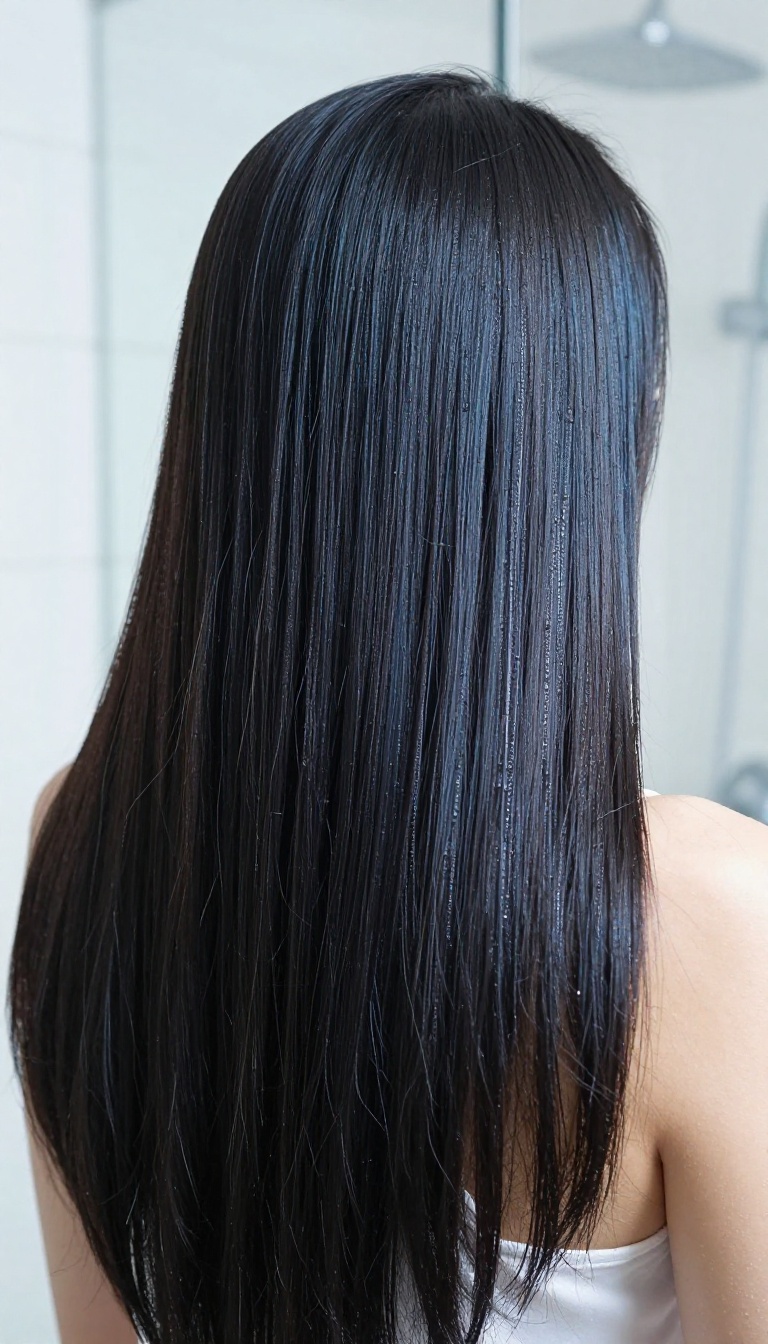
That final splash of cold water might feel like a shock, but it's doing your hair a huge favor. A cool rinse helps seal the outer layer of each strand, locking in moisture and smoothing down the cuticle. The result?
More shine, less frizz, and fewer tangles waiting for you after you step out.
Why Cold Water Works
Hot water lifts the cuticle, which can leave hair rough and prone to tangling. Cool water does the opposite—it flattens the cuticle, making strands feel smoother and look glossier. It also helps lock in the conditioner you just used, so your hair stays hydrated longer.
How To Do It Without Freezing
You don't need an ice-cold blast. Just turn the temperature down to lukewarm or cool for the last 10–15 seconds of your rinse. Focus on the lengths and ends, not your scalp, to avoid that uncomfortable chill.
If you're brave, a full cold rinse works too, but a quick cool-down is enough to see benefits.
Extra Perks Beyond Shine
Cool water can also help reduce static and keep your style in place longer. It's a simple trick that costs nothing and takes only a few seconds. Add it to the end of every wash, and you'll notice your comb glides through with less effort.
10. Try a Deep Conditioning Mask Weekly
Your regular conditioner is doing the daily heavy lifting, but it’s not always enough to keep strands smooth and tangle-free. That’s where a weekly deep conditioning mask steps in. Think of it as a hydration boost that repairs damage and prevents the breakage that leads to knots.
A deep conditioning mask works differently from your everyday conditioner. It’s packed with richer ingredients like shea butter, argan oil, or keratin that penetrate deeper into the hair shaft. Using it once a week gives your hair a concentrated dose of moisture, which keeps the cuticle smooth and less prone to tangling.
Choose The Right Mask For Your Hair Type
Not all masks are created equal. If your hair is fine, go for a lightweight formula that won’t weigh it down. For thick or curly hair, look for something heavier with butters or oils.
If your hair is color-treated, pick a mask that’s specifically designed to protect color while hydrating.
Apply It Correctly For Maximum Benefit
How you apply the mask matters just as much as the product itself. After shampooing, squeeze out excess water from your hair—this helps the mask absorb better. Focus the mask on the mid-lengths and ends, where tangles usually form.
Use a wide-tooth comb to distribute it evenly, then let it sit for the recommended time, usually 5 to 10 minutes.
Don’t Overdo It
Once a week is plenty for most hair types. Using a deep conditioning mask more often can lead to product buildup, making hair feel greasy or limp. If your hair is very dry or damaged, you might need to use it twice a week, but listen to your hair—if it starts to feel heavy, scale back.
11. Don't Skip Leave-In Conditioner
Even after you've rinsed out your regular conditioner, your hair still needs a little extra help. That's where leave-in conditioner steps in. It's like a lightweight shield that stays on your strands, keeping them smooth and protected long after you've stepped out of the shower.
Think of it as the finishing touch that seals in moisture and prevents tangles from forming in the first place. A few spritzes or a pea-sized amount can make a huge difference, especially if your hair tends to get knotty or frizzy.
Leave-in conditioner isn't just an extra step—it's a game-changer for smooth, tangle-free hair. It provides a layer of slip that makes combing easier and keeps your hair hydrated throughout the day. Plus, it protects against environmental stressors like humidity and heat styling.
Why Leave-in Matters
Your rinse-out conditioner works hard while you're in the shower, but once you rinse it away, the benefits wash down the drain. Leave-in conditioner stays put, offering continuous moisture and protection. It's especially beneficial for those with dry, curly, or color-treated hair that tends to tangle or break easily.
How To Apply It Right
The key is to apply it on damp, not dripping wet, hair. Squeeze out excess water first, then work a small amount through the mid-lengths and ends—avoid the roots to prevent greasiness. Use a wide-tooth comb to distribute it evenly, and you're ready to style or air-dry.
Choosing The Right Formula
Not all leave-ins are created equal. For fine hair, go for a lightweight spray or mist. For thick or curly hair, a creamy or oil-based formula can provide extra moisture and definition.
If your hair is damaged, look for ingredients like keratin or argan oil to help repair and strengthen.
12. Squeeze, Don't Rub, Your Hair
You've just finished rinsing out your conditioner, and your hair is soaking wet. The instinct is to grab a towel and rub it dry, but that rough motion is a one-way ticket to frizz and breakage. When you rub, you're literally scraping the cuticle, which makes strands rough and prone to tangling.
Instead, treat your hair like delicate fabric—squeeze out the excess water gently.
After your final rinse, use your hands to gently press out some water from your hair, working from roots to ends. Then, wrap a microfiber towel or an old cotton t-shirt around your hair and let it absorb moisture without friction. Microfiber is especially good because it's soft and highly absorbent, so you'll cut down on drying time and minimize damage.
If you're in a hurry, you can also use a wide-tooth comb while your hair is still wet and coated with conditioner—that's the easiest time to detangle without pulling.
Why Rubbing Is A No-go
Rubbing your hair with a towel creates friction, which lifts the cuticle and leaves the strand rough. That roughness translates to tangles, frizz, and dullness. Even if your hair feels dry after rubbing, you've already done invisible damage that shows up later.
The Right Way To Squeeze
Start by gently pressing your hair between your palms to remove the drips. Then, wrap a microfiber towel or a soft t-shirt around your head and press—don't rub—to soak up more water. Let it sit for a few minutes if you can.
This method cuts down on breakage and keeps your hair smooth.
Bonus: Detangle While Wet
The best time to detangle is in the shower, with conditioner still in your hair. Use a wide-tooth comb or your fingers to gently work out knots from the ends up. Rinse, then squeeze out water.
You'll step out with far fewer tangles, making the post-shower squeeze even easier.
13. Use a Microfiber Towel or Cotton T-Shirt

The way you dry your hair can make or break your smooth-hair goals. Traditional bath towels are rough and create friction, which leads to frizz and tangles. Switching to a softer option is a simple fix that pays off immediately.
Microfiber towels and cotton t-shirts are gentle on your strands and absorb water without roughing up the cuticle. They're a game-changer for anyone who wants to keep their hair smooth and tangle-free.
After your shower, skip the regular towel and reach for a microfiber towel or a clean cotton t-shirt. These materials are much gentler on your hair, reducing friction that causes frizz and tangles. They also absorb excess water faster, cutting down on drying time and preventing over-drying.
Here's how to make the switch and get the most out of this simple change.
Why Microfiber Works
Microfiber towels are made from ultra-fine synthetic fibers that are soft and highly absorbent. Unlike terry cloth, they don't have loops that can catch and pull on your hair. This means less friction and fewer tangles.
Plus, they dry your hair more quickly, which reduces the time your hair stays wet and vulnerable to damage.
The Cotton T-shirt Trick
If you don't have a microfiber towel, a plain cotton t-shirt works just as well. Cotton is naturally soft and smooth, and a t-shirt's flat weave won't snag your strands. Just make sure it's clean and free of any rough seams or tags.
This is a budget-friendly option that many curly-haired folks swear by.
How To Dry With Them
Instead of rubbing your hair vigorously, gently squeeze or press the towel or t-shirt against your hair to soak up water. You can also wrap your hair in a microfiber towel or t-shirt turban-style and leave it for a few minutes. This helps absorb moisture without disturbing your hair's natural pattern, reducing frizz and preventing tangles.
14. Apply Hair Oil Before Shampooing
A little oil before you even turn on the water can make a big difference. It's like a shield that keeps your hair from getting stripped dry by shampoo. Plus, it adds a softness that lasts long after you rinse.
This trick works best for dry, curly, or color-treated hair, but even fine hair can benefit with the right oil and amount. The key is to apply it to the lengths and ends, not the scalp, so you don't end up with greasy roots. Let it sit for about 15 minutes before you hop in the shower, and then wash as usual.
You'll notice your hair feels smoother and looks healthier.
Why It Works
Shampoo is designed to remove dirt and oil, but it can also strip away natural moisture. A pre-shower oil creates a protective layer that reduces that stripping effect. It also helps seal the cuticle, which means less frizz and fewer tangles later.
Best Oils To Use
Coconut, argan, and jojoba oils are all great choices. Coconut is heavier and perfect for thick or very dry hair. Argan is lighter and works well for most types.
Jojoba mimics your scalp's natural sebum, so it's gentle and balancing. If you have fine hair, go for a lightweight oil like grapeseed or a few drops of argan.
How To Apply
Start with a small amount—about a dime-size for medium-length hair. Warm it between your palms, then smooth it over the mid-lengths and ends, avoiding the roots. Comb through with your fingers to distribute evenly.
Leave it on for 10-20 minutes, then shampoo as normal. You might need to shampoo twice if you used a lot of oil, but that's okay.
15. Shampoo Twice if Your Hair is Oily
If your scalp tends to get greasy by the end of the day, one round of shampoo might not be cutting it. The first wash breaks up surface oil and product buildup, while the second actually cleanses the scalp and roots. This double cleanse leaves your hair feeling fresh without over-scrubbing, which can irritate your scalp and trigger even more oil production.
A double cleanse is a simple tweak that can make a big difference for oily hair. It ensures your scalp is truly clean without harsh scrubbing, which helps keep oil production balanced and prevents that heavy, weighed-down look. Here’s how to do it right.
How To Double Shampoo
Start by wetting your hair thoroughly. Apply a small amount of shampoo and massage it into your scalp using your fingertips, not nails. Rinse completely.
Then, apply a second, slightly smaller amount and repeat the massage, focusing on the roots. This second lather will foam up more, indicating a deeper clean.
When To Skip The Second Wash
If you have dry ends or color-treated hair, you might not need to shampoo twice every day. Listen to your hair—if it feels stripped or looks dull, reduce to one wash on some days. You can also focus the second lather only on the scalp and let the suds rinse down the lengths.
Choosing The Right Shampoo
For double cleansing, pick a gentle, sulfate-free shampoo that won't dry out your hair. Look for clarifying options once a week to remove buildup, but use a moisturizing shampoo for daily double washes to keep your hair balanced.
16. Don't Overwash—Stick to 2-3 Times a Week
It's tempting to wash your hair every day, especially if you love that just-shampooed feeling. But over-shampooing strips away the natural oils that keep your strands hydrated and protected. Dry hair is more prone to tangling, so cutting back on washes can make a surprisingly big difference in how smooth your hair feels.
When you wash too often, you're essentially telling your scalp to produce more oil to compensate, which can lead to a greasy-dry cycle. That extra dryness makes the hair cuticle rough, and rough cuticles mean more friction and knots. By spacing out your washes to 2-3 times a week, you give your hair a chance to maintain its natural moisture balance, which helps keep strands slippery and easy to detangle.
How To Stretch Between Washes
If you're used to daily washing, start by going every other day, then gradually extend the gap. Dry shampoo can be a lifesaver on non-wash days—apply it to your roots before bed to absorb oil overnight. A quick rinse with water alone can also refresh your hair without stripping it, as long as you don't scrub your scalp vigorously.
Signs You're Over-washing
Pay attention to how your hair feels after washing. If it feels tight, brittle, or looks dull and frizzy, you're likely washing too often. Another clue is if your scalp feels itchy or flaky, which can happen when natural oils are stripped away.
These are signals to cut back and let your hair recover.
Adjust For Your Hair Type
Fine hair might need a bit more frequent washing than thick or curly hair, but even then, aim for no more than every other day. For curly or textured hair, once a week might be enough. The goal is to find the sweet spot where your hair feels clean but not stripped, and tangles are less of a struggle.
17. Use a Shower Filter
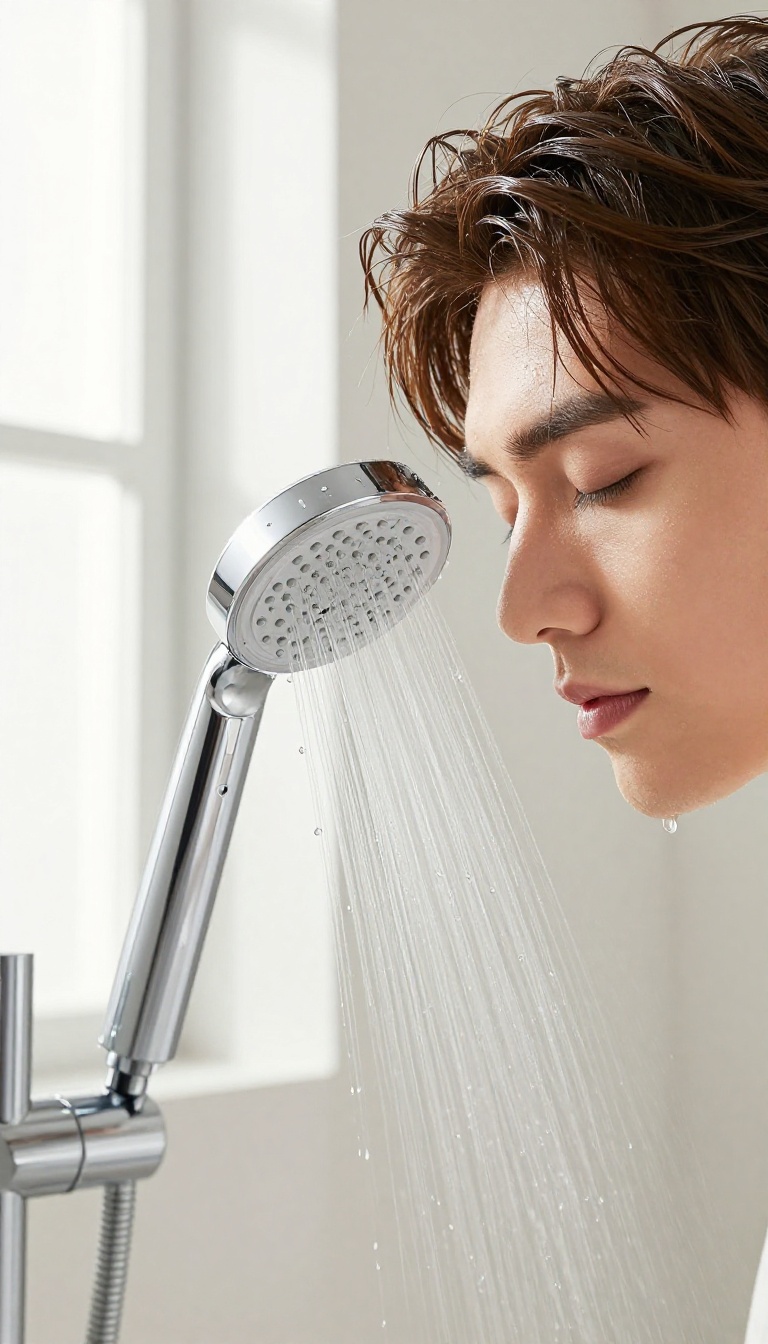
Tap water often carries minerals like calcium and magnesium that can build up on your hair, leaving it feeling rough and looking dull. A shower filter works by trapping these impurities before they ever touch your strands, so the water that hits your hair is softer and gentler. It's a simple upgrade that can make a noticeable difference in how smooth and manageable your hair feels after every wash.
Hard water is a common culprit behind frizz, tangles, and even color fading. When minerals cling to your hair, they create a rough surface that makes strands catch on each other, leading to knots and breakage. A shower filter helps neutralize these effects by reducing mineral content, so your hair stays smoother and less prone to tangling.
Plus, softer water means your shampoo and conditioner can lather better and work more effectively, which means you might even need less product.
Signs Your Water Is Hard
Not sure if hard water is affecting your hair? Look for clues like a filmy residue on your shower walls, difficulty getting a good lather with soap, or hair that feels stiff and straw-like even after conditioning. If you notice any of these, a shower filter is a smart investment.
What To Look For In A Filter
When choosing a shower filter, look for one that targets the specific minerals in your water. Many filters use KDF (kinetic degradation fluxion) media or vitamin C to neutralize chlorine and reduce mineral buildup. Check the filter's lifespan and replacement cost to make sure it fits your routine.
Easy Installation, Immediate Results
Most shower filters install in minutes without any tools—just unscrew your showerhead, screw in the filter, and reattach. You'll likely notice softer-feeling water right away, and over time, your hair should become easier to detangle and less prone to frizz.
18. Avoid Tight Hairstyles When Wet
You might think putting your hair up right after a shower keeps it out of the way, but tight styles are a fast track to breakage. Wet strands are at their most elastic and fragile state, so pulling them into a snug ponytail or bun stresses the hair shaft. That tension can cause snapping, split ends, and tangles that make your next detangling session a nightmare.
Instead of reaching for a tight elastic, let your hair air-dry loose or use a loose, low ponytail with a soft scrunchie. If you need to keep it contained, try a loose braid or a claw clip that doesn't pull at the roots. Giving your strands room to move while they dry helps them settle naturally and reduces the chance of knots forming.
Why Wet Hair Is More Vulnerable
When hair is wet, the cuticle lifts and the protein structure stretches, making it more prone to damage. Tight styles put constant pressure on these weakened strands, leading to micro-tears that show up as frizz and breakage later. Even gentle tugging can cause stress, so it's best to keep styles loose and low-tension.
Better Alternatives To Tight Styles
Swap tight elastics for spiral hair ties or silk scrunchies that grip without pulling. A loose, low bun secured with a claw clip keeps hair off your face without straining the roots. If you're sleeping with wet hair, try a loose braid or a pineapple with a silk scrunchie to minimize tangles while you toss and turn.
How To Detangle Without Tension
Before you style, gently work through knots with a wide-tooth comb or your fingers, starting from the ends and moving up. Use a leave-in conditioner or detangling spray to add slip, making the process smoother and less damaging. Never yank or brush aggressively—slow and steady wins the race.
19. Turn Down the Water Pressure
A powerful spray feels efficient, but it's not doing your hair any favors. The force of the water can actually rough up the cuticle, making strands feel coarse and more prone to tangling. Switching to a gentler stream is an easy fix that pays off in smoothness.
When you dial back the pressure, you're treating your hair to a calmer rinse. This simple change helps the cuticle lie flat, which means less friction and fewer knots later. It's a small tweak that makes a noticeable difference in how your hair feels.
Why Pressure Matters
High-pressure water acts like a mini assault on your hair. It pushes against the cuticle, lifting it up and creating roughness. Over time, this can lead to increased breakage and tangles.
A softer stream lets water flow over the hair smoothly, keeping the cuticle intact.
How To Adjust Your Showerhead
Most showerheads have multiple settings. Look for a 'mist' or 'soft' mode, or simply turn the dial to a lower pressure. If your showerhead doesn't have adjustable settings, try leaning back slightly so the water hits your hair at an angle, reducing direct impact.
The Benefit For Tangles
When the cuticle stays flat, hair strands slide past each other easily. That means fewer tangles and a smoother detangling session. You'll also notice less frizz and a shinier appearance, all from a simple change in water flow.
20. Comb from Bottom to Top
Starting at your roots with a comb is like trying to untangle a necklace from the clasp—you're just pulling knots tighter. When you begin at the ends and work upward, you give each snag room to loosen without yanking on your scalp. It's a simple switch that makes a huge difference, especially when your hair is wet and most vulnerable.
Wet hair is stretchy and prone to breakage, so the way you handle it matters. If you drag a comb from top to bottom, you're forcing every tangle to bunch up at once, which stresses the strands and can snap them. Going bottom-up lets you ease out each knot gradually, so your hair stays smooth and intact.
Why It Works
When you start at the ends, you're working with the hair's natural direction and giving each section a chance to release tension. This method reduces pulling on the roots and minimizes damage, which is especially important for fragile, wet strands. It also helps distribute your conditioner evenly as you go.
How To Do It Right
Section your hair into manageable parts, then hold each section gently above the knot to keep tension off your scalp. Begin combing about an inch from the ends, then gradually move up as each tangle releases. Use a wide-tooth comb or a detangling brush, and work in small increments for the best results.
When To Comb
The best time is while your conditioner is still in, because it adds slip and makes combing easier. You can also do a quick pre-shower detangle with your fingers or a wide-tooth comb to reduce knots before they get wet. Just remember to be gentle—rushing through it defeats the purpose.
21. Use a Hair Mask with Natural Oils
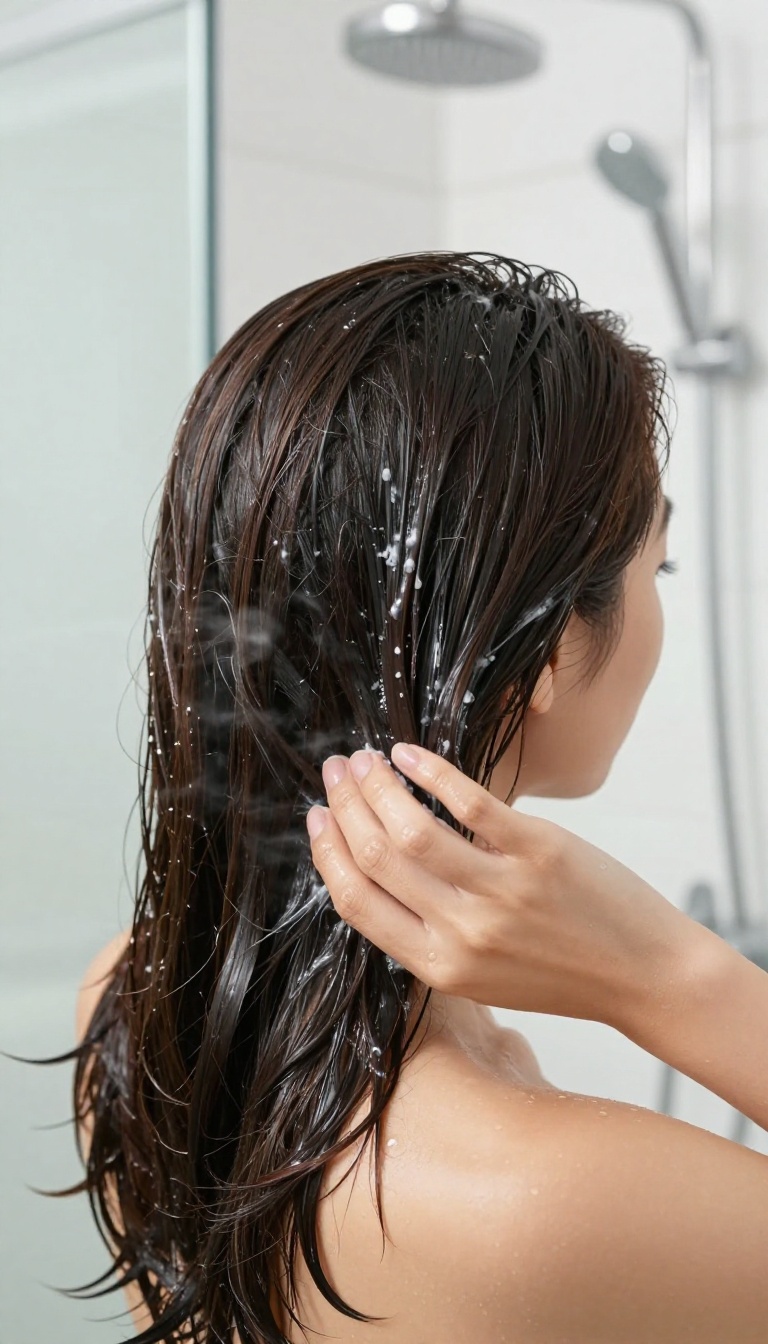
Your hair can feel parched and rough after a long week, especially if you're using heat tools or hard water. A weekly mask with natural oils is like a deep drink for your strands, targeting dryness from the inside out. Coconut and argan oil are the heavy hitters here—they penetrate the hair shaft to smooth the cuticle and lock in moisture.
The result? Softer, more manageable hair that resists tangles and frizz.
When you apply a mask, you're giving your hair concentrated nourishment that conditioners alone can't match. The oils help fill in gaps in the cuticle, which reduces friction between strands and prevents those annoying knots from forming in the first place. Use it once a week or every other week, depending on how dry your hair feels.
If your hair is fine, focus the mask on the mid-lengths and ends to avoid weighing down your roots.
Pick Your Oil Wisely
Coconut oil is great for deep penetration, but it can be heavy for fine hair. Argan oil is lighter and still gives great slip. For very dry or curly hair, shea butter or avocado oil work wonders.
Match the oil to your hair's needs, and don't be afraid to mix a few drops into your regular conditioner for a quick boost.
Apply It Right
Work the mask through damp, towel-dried hair, focusing on the ends where damage is worst. Use a wide-tooth comb to distribute it evenly, then let it sit for 5 to 10 minutes. If you have time, pop on a shower cap—the heat helps the oils absorb better.
Rinse thoroughly with cool water to seal the cuticle and boost shine.
Make It A Habit
Consistency is key. A single mask won't fix months of damage, but regular use will gradually improve elasticity and smoothness. Try to pair it with your weekly deep-conditioning session, and you'll notice your comb glides through with less effort each time.
22. Don't Skip the Final Cold Rinse
That last blast of cold water might make you shiver, but it's a secret weapon for smooth hair. The cool temperature helps seal the hair cuticle, locking in moisture and smoothing down the strands. This reduces static and frizz, making detangling a breeze.
Cold water constricts the hair cuticles, which are the outermost layer of each strand. When they lie flat, hair reflects light better and feels silkier. It also locks in the conditioner's benefits, so your hair stays hydrated longer.
Plus, the cool rinse helps prevent the tangles that happen when warm water causes the cuticles to swell and rough up.
How Cold Should It Be?
You don't need an ice bath—just cool or lukewarm water works fine. The goal is a temperature noticeably cooler than your shower water, but not so cold that it's unbearable. If you have color-treated hair, cold water also helps preserve color by sealing the cuticle.
Make It A Routine
Try to end every shower with a 10-15 second cold rinse. It's a small habit that pays off. If you can't handle cold water on your whole body, just lean your head back and focus the cold spray on your hair.
You'll still get the benefits without the full-body chill.
23. Pat Hair Dry Before Applying Products
Dripping wet hair is a product's worst enemy. When you apply conditioner, leave-in treatments, or styling creams to soaking strands, the water dilutes them and creates a barrier that blocks absorption. The result?
You use more product, yet your hair still feels undernourished and tangles easily.
Give your hair a gentle squeeze with a microfiber towel or an old cotton t-shirt before you reach for any products. This simple step removes excess water so the good stuff can actually sink in. Your strands will drink up the moisture they need, leaving them softer and easier to manage.
Why Dripping Hair Blocks Absorption
Water and oil don't mix. Most conditioners and serums are oil-based, so when your hair is soaked, they just sit on top instead of penetrating the cuticle. That means you're missing out on the benefits and wasting product.
The Right Way To Pat
Skip the rough towel rub—that causes friction and frizz. Instead, gently press sections of your hair between the towel to blot out moisture. Work from roots to ends, and let your hair stay slightly damp, not dripping.
When To Apply Each Product
For conditioners, apply after patting but before your hair starts to dry. For leave-ins and styling creams, wait a couple of minutes so the cuticle is slightly closed. This way, you get the best of both worlds: absorption and smoothness.
24. Switch to a Silk or Satin Pillowcase
Your shower routine doesn't end when you step out. The surface you rest your head on at night plays a huge role in how tangled your hair feels by morning. Cotton pillowcases create friction that roughs up the cuticle, leading to knots and frizz.
A silk or satin pillowcase lets your hair glide smoothly as you move in your sleep. It's a simple swap that works in the background, keeping your strands smoother and more manageable for the next day.
Cotton is a natural fiber, but it's also a rough one. Its weave creates tiny snags that catch on your hair, especially if it's damp or textured. Over the course of a night, that friction can turn smooth strands into a tangled mess.
Silk and satin, on the other hand, have a smooth, slippery surface that reduces friction dramatically. Your hair can slide freely, which means fewer knots and less breakage. This is especially helpful if you have curly, coily, or fine hair that tends to tangle easily.
Even if you have straight hair, you'll notice a difference in how easily your brush glides through in the morning. Plus, silk is gentle on your skin and can help prevent sleep lines, so it's a win-win.
Why Cotton Causes Tangles
Cotton fibers are short and rough, creating a lot of friction against your hair. When you toss and turn, the rough surface catches on your strands, causing them to rub against each other and knot up. Over time, this friction can also lead to split ends and breakage.
The Smoothness Of Silk And Satin
Silk and satin have a tightly woven, smooth finish that lets your hair slide without catching. This reduces friction and helps maintain your hair's natural moisture, preventing frizz and tangles. Satin is a more affordable vegan alternative that offers similar benefits.
How To Make The Switch
Look for a pillowcase made of 100% mulberry silk or a high-quality satin. You can also use a silk scarf or bonnet to wrap your hair at night. Make sure to wash it gently in cold water and let it air dry to keep the fabric smooth.
25. Trim Your Ends Regularly
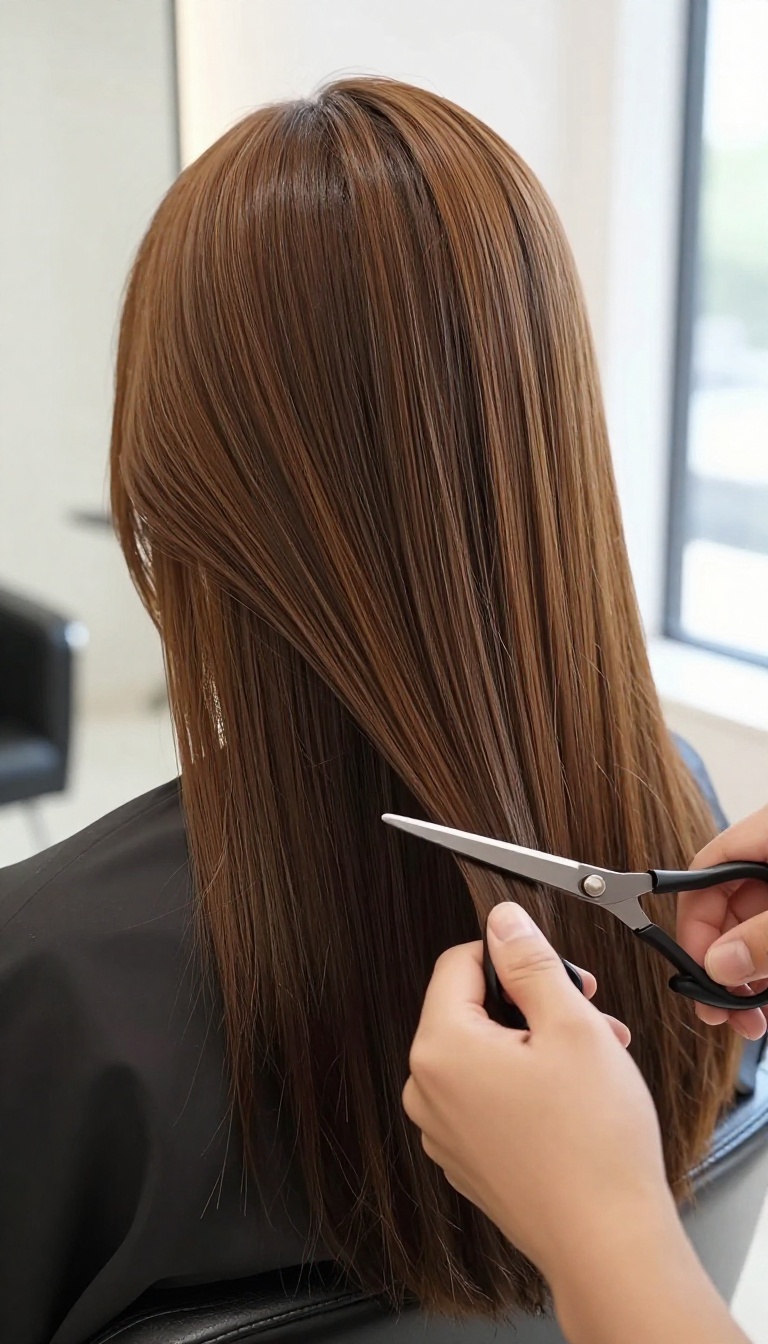
Split ends are like tiny cracks in a windshield—they start small but spread fast. Once the ends fray, they catch on each other and create tangles that make detangling a nightmare. Regular trims snip away those weak points before they travel up the shaft.
Book a trim every 8 to 12 weeks, depending on how fast your hair grows and how much damage you're dealing with. Even a quarter-inch removal makes a difference. If you're growing your hair out, don't skip trims—you'll actually retain more length because the ends won't break off.
Why Split Ends Cause Tangles
When the cuticle is damaged, the ends become rough and jagged. Those rough edges catch on neighboring strands, forming knots that are hard to brush out. Trimming removes the damaged part, so the ends are smooth and less likely to snag.
How Often To Trim
For most hair types, every 8 to 12 weeks is ideal. If you use heat styling or color frequently, lean toward the shorter end of that range. If your hair is very healthy and you're avoiding heat, you can stretch it to 12 weeks.
The 'search And Destroy' Method
Between trims, give your hair a quick once-over. Look for individual split ends and snip them off with sharp shears. This keeps your ends tidy and delays the need for a full trim.
Just don't get scissor-happy—only cut the split part.
FAQ
How often should I wash my hair to prevent tangles?
Washing 2-3 times a week is ideal for most hair types. Overwashing strips natural oils, leading to dryness and increased tangling.
Does cold water really make hair smoother?
Yes, a cool rinse helps flatten the hair cuticle, which reduces frizz and makes strands reflect light better, giving a smoother appearance.
Can I detangle my hair in the shower?
Absolutely. Use a wide-tooth comb while conditioner is in your hair. This adds slip and minimizes breakage compared to detangling dry hair.
What's the best towel for drying hair?
A microfiber towel or a soft cotton t-shirt is best. They are gentler and reduce friction, which helps prevent frizz and tangles.
Are shower filters worth it for hair?
If you have hard water, yes. A shower filter can remove minerals that make hair brittle and dull, leading to smoother, more manageable strands.
Conclusion
Smooth, tangle-free hair isn't about complicated routines—it's about consistency with a few key moves. Pick two or three tips that fit your shower habits, like using a wide-tooth comb on conditioner or rinsing with cool water, and stick with them for a couple of weeks. That's when you'll see the real difference in how your strands behave.
Start with one small change today, and let the rest follow naturally. Your future self will thank you every time you run a brush through your hair.