
Most of us treat the shower as a quick pit stop—scrub, rinse, and go. But with a few small tweaks, that daily rinse can do more than just clean. It can set you up for a fresher, more comfortable day without adding time or cost.
The secret isn't fancy products or complicated steps. It's about getting the basics right: water temperature, timing, and how you treat your skin and hair afterward. Even small adjustments can make a big difference in how you feel.
Here are 15 straightforward shower basics that are easy to stick with, even on busy mornings. No guesswork, no extra spending—just simple habits that keep you fresh with ease.
1. Start with a Lukewarm Rinse
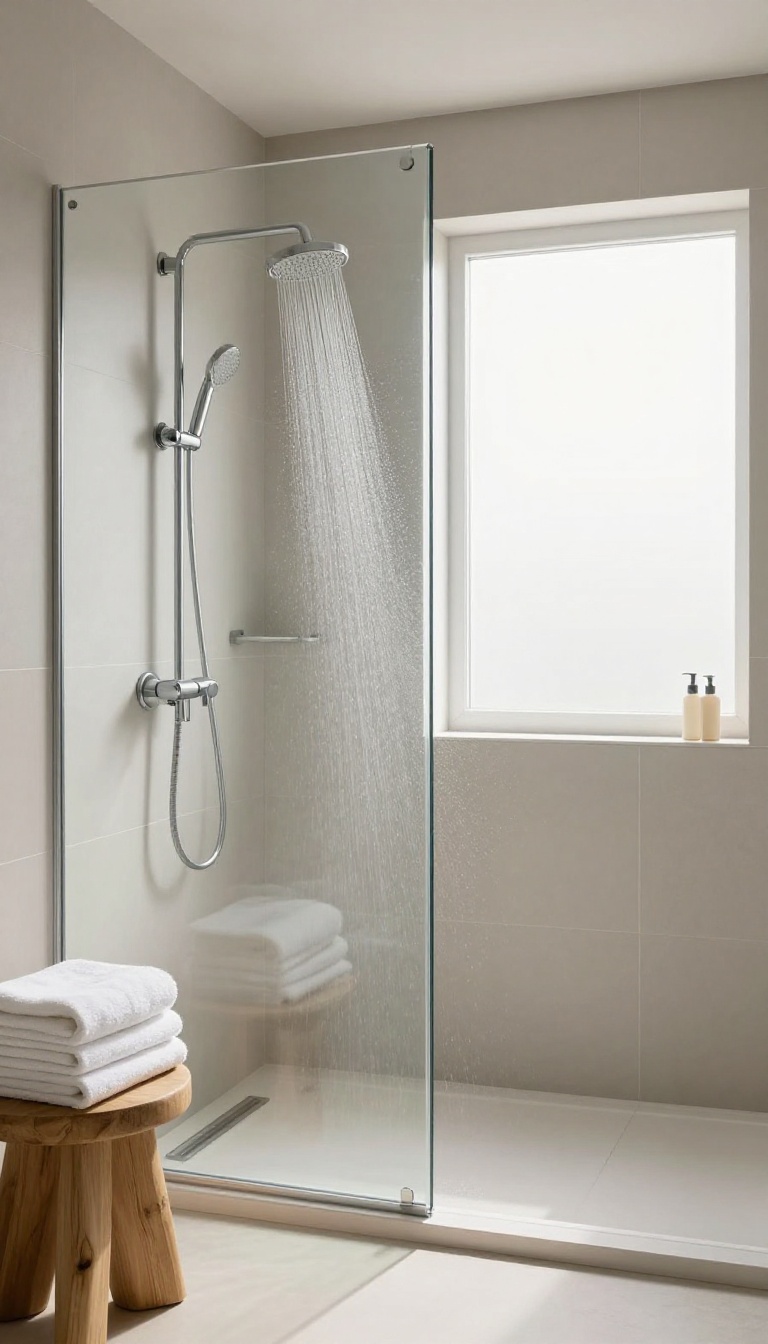
The temperature of your shower might be the most overlooked detail in your entire routine. Many of us crank the heat up for a steamy, relaxing soak, especially in the morning. But that hot water is actually working against you, stripping away the natural oils that keep your skin soft and protected.
A lukewarm rinse does the same cleaning job without the damage. It's gentle on your skin's moisture barrier, which means less dryness, less irritation, and a more comfortable feel after you step out. It's a simple switch that pays off every single day.
When you shower in hot water, you're essentially washing away the lipids that hold moisture in your skin. Over time, this leads to dryness, flakiness, and even conditions like eczema. Lukewarm water, on the other hand, effectively removes dirt and sweat while keeping your skin's natural defenses intact.
It's a win-win: you get clean without sacrificing comfort. If you're worried about feeling cold, don't be. Lukewarm doesn't mean freezing—it's just a few degrees cooler than what you're used to.
Your skin will thank you, and you'll likely find it easier to transition into the rest of your day.
Why Hot Water Hurts
Hot water breaks down the lipid barrier in your skin, which is like a protective shield. Once that's gone, moisture escapes and irritants can get in. You might notice tightness or itchiness after a hot shower—that's your skin crying out for help.
Over time, this can also worsen conditions like psoriasis or rosacea.
How To Find Your Ideal Temperature
Aim for water that feels warm but not steaming—think of a warm bath on a mild day. If your skin turns red or feels sensitive, it's too hot. You can test by placing your hand under the stream for a few seconds; if it's comfortable, you're good to go.
Adjust gradually if you're used to hot showers, and you'll adapt quickly.
The Benefits You'll Notice
Switching to lukewarm water can reduce dryness, improve skin texture, and even help your hair retain moisture. You'll also avoid the post-shower itch that comes from stripped oils. Plus, lukewarm water is less shocking to your system, so you'll feel more balanced and refreshed—not just clean.
2. Keep It Under 10 Minutes
Long showers can feel luxurious, but they’re not doing your skin any favors. Hot water strips away natural oils, leaving your skin dry and your hair brittle. Keeping your shower short helps you avoid that damage while still getting perfectly clean.
Aim for 5 to 10 minutes, which is plenty of time to wash, rinse, and get out. You’ll save water and energy, too. Your skin and hair will thank you for the shorter soak.
A quick shower doesn’t mean a less effective one. With a little focus, you can hit all the important spots in under ten minutes. Here’s how to make the most of your time without rushing.
Set A Timer Or Use A Playlist
If you tend to lose track of time, set a timer on your phone or play a song that’s about five minutes long. When the song ends, wrap it up. It’s a simple trick that keeps you on track without feeling rushed.
Do The Important Stuff First
Start by washing your hair and body, then rinse. If you have time left, you can shave or do a quick scrub. By prioritizing the essentials, you ensure you’re clean even if you have to cut it short.
Turn Down The Heat
Hot water feels great, but it’s tough on your skin. Use warm water instead—it’s just as effective for cleaning and much gentler. You’ll also be less tempted to linger when the water isn’t scorching.
3. Use a Mild, pH-Balanced Cleanser
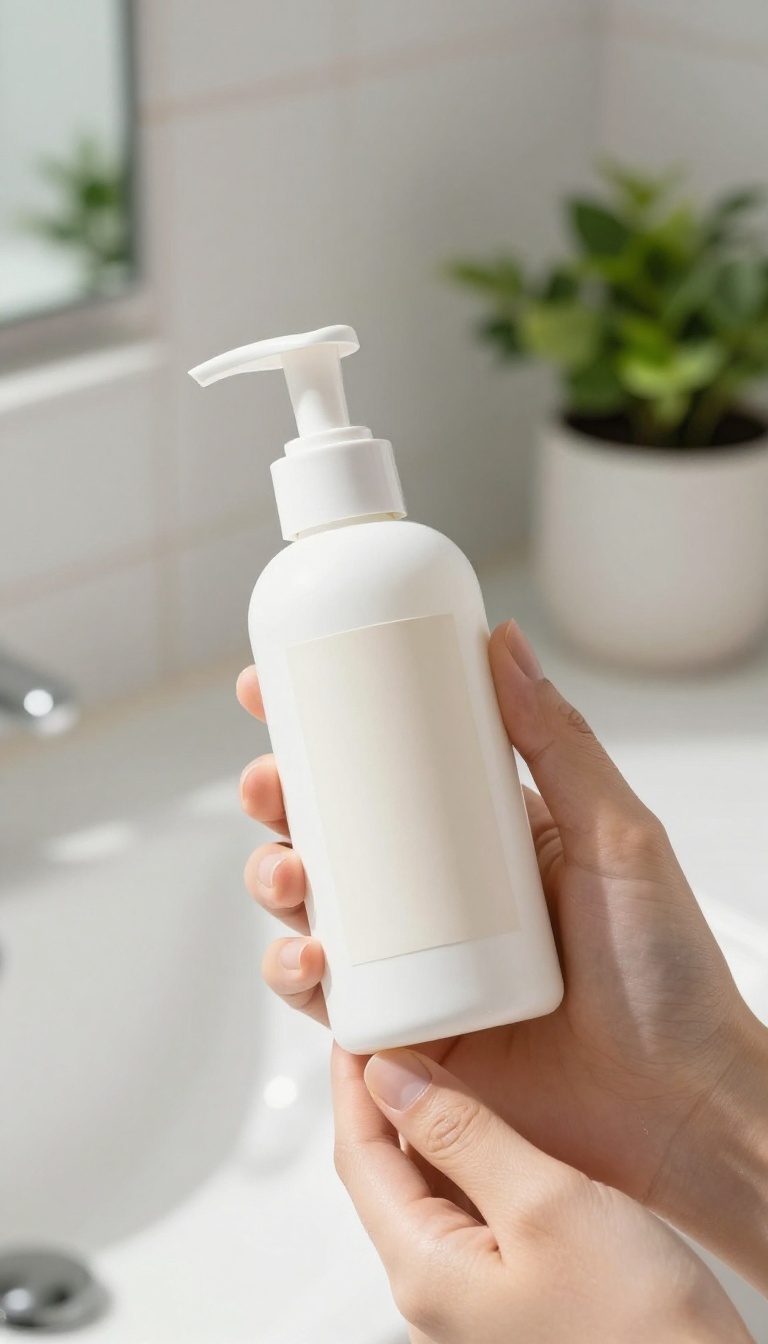
Your skin's natural pH hovers around 5. 5, slightly acidic, which keeps moisture in and irritants out. Many conventional soaps are alkaline and strip away those protective oils, leaving your skin tight, dry, and prone to itching.
Switching to a mild, pH-balanced cleanser helps maintain that delicate balance, so you stay comfortable and fresh all day.
Choosing the right cleanser isn't just about fragrance or lather. It's about what your skin actually needs. A pH-balanced formula cleans without disrupting your skin's barrier, which means less dryness, less irritation, and a more even feel.
Look for terms like 'gentle' or 'pH-balanced' on the label, and avoid products with harsh sulfates or heavy artificial fragrances.
Why Ph Matters
When your skin's pH is off, it can lead to dryness, flakiness, or even excess oil production as your skin tries to compensate. A balanced cleanser keeps that natural acid mantle intact, so your skin stays resilient and comfortable. It's a small switch that can prevent bigger problems down the line.
How To Pick A Good One
Check the ingredient list for mild surfactants like sodium coco-sulfate or decyl glucoside. Avoid products with alcohol, high levels of fragrance, or sulfates like sodium lauryl sulfate. If you have sensitive skin, look for labels that say 'dermatologist tested' or 'free from common allergens. '
A Simple Swap
You don't need to overhaul your entire shower. Just replace your current body wash with a pH-balanced option and see how your skin feels after a week. You'll likely notice less tightness and fewer dry patches.
It's an easy change that fits into your existing routine without any extra effort.
4. Don't Over-Scrub with Loofahs
Loofahs are a shower staple for many, but they can do more harm than good if you're not careful. The rough texture can create tiny tears in your skin, and the damp, porous material is a breeding ground for bacteria. That's not exactly the recipe for a fresh, clean feeling.
Over-scrubbing with a loofah can strip away your skin's natural oils, leaving it dry and irritated. Plus, those micro-tears make it easier for bacteria to enter, which can lead to breakouts or infections. The good news?
You don't need a loofah to get clean.
Why Loofahs Can Be Trouble
Loofahs are made of dried plant fibers with lots of tiny holes. Those holes trap dead skin cells, soap residue, and moisture, creating a perfect environment for bacteria to multiply. When you scrub, you're spreading those germs right back onto your skin.
Micro-tears from rough scrubbing also weaken your skin's barrier, making it more sensitive and prone to irritation.
Better Alternatives
Your hands are actually the gentlest and most hygienic tool you have. They're easy to wash, and you can still get a thorough clean. If you prefer a little extra exfoliation, a soft washcloth is a good option—just remember to use a fresh one each time.
Silicone scrubbers are another great choice because they're non-porous, dry quickly, and are less likely to harbor bacteria.
How To Care For Your Loofah
If you're not ready to give up your loofah, at least take care of it. Rinse it thoroughly after each use and squeeze out excess water. Hang it in a dry place, away from the shower stream.
Replace it every three to four weeks, or sooner if it starts to smell or look discolored. And never share your loofah with anyone—that's a fast track to spreading bacteria.
5. Pay Attention to Sweat Zones
Your armpits, groin, and feet are the hotspots where sweat and bacteria love to hang out. If you're just letting soapy water run over them, you might be missing the mark. Giving these areas a little extra attention in the shower can make a huge difference in how fresh you feel all day.
When you step out of the shower, you want to feel clean, not just wet. Targeting the areas that sweat the most helps prevent odor and keeps bacteria from building up. It's a simple step that takes just a few extra seconds.
Why These Areas Need Extra Care
Your underarms, groin, and feet have more sweat glands and are often covered, creating a warm, damp environment where bacteria thrive. That's what causes body odor. A quick rinse isn't enough to break down the oils and bacteria that accumulate there.
Choosing The Right Cleanser
You don't need anything fancy—just a gentle, antibacterial body wash or a mild soap. Look for something with ingredients like tea tree oil or salicylic acid if you're prone to breakouts or odor. Avoid harsh scrubs that can irritate sensitive skin.
How To Wash Effectively
Use your hands or a soft cloth to work up a lather. Spend at least 20 to 30 seconds on each area, making sure to get into all the creases. For your feet, don't forget between the toes.
Rinse thoroughly to remove all soap residue.
6. Rinse Thoroughly
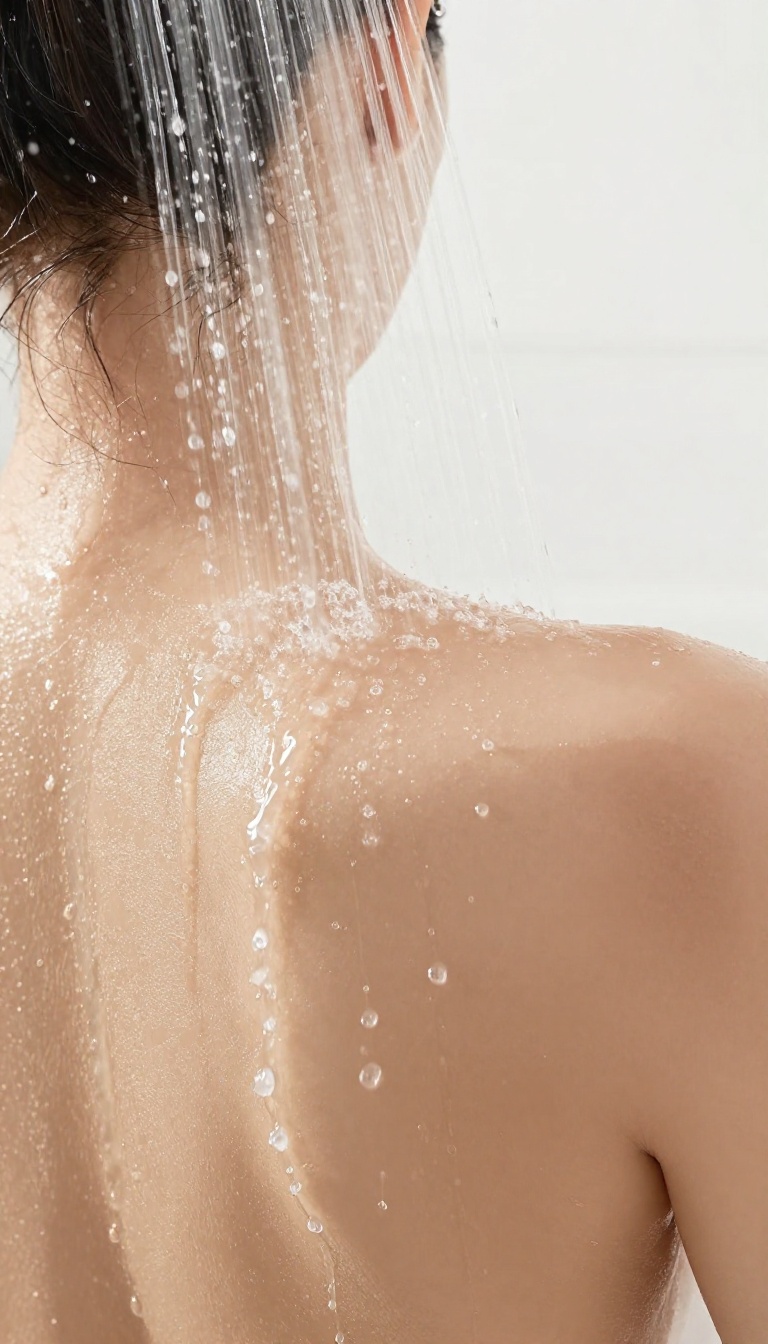
Skipping a proper rinse is like washing your dishes with soap and leaving them to dry—you’re just trading dirt for residue. That leftover soap film can clog pores, strip natural oils, and leave your skin feeling tight and itchy. A few extra seconds under the spray is all it takes to avoid that discomfort.
When you think you’re done, do a quick mental check: did you hit every spot? Shampoo can drip down your back, and body wash can hide in creases. Give yourself a final rinse from top to bottom, making sure no suds remain.
Target The Hidden Spots
Areas like underarms, behind knees, and between toes are easy to miss. Run your hands over these zones to feel for any slippery residue. If it’s still soapy, give them an extra splash.
Use Warm Water For The Final Rinse
Hot water feels great but can dry your skin. For the last rinse, switch to lukewarm or cool water. It helps close pores and seals in moisture, leaving your skin feeling smooth rather than stripped.
Check For Product Buildup
If you use conditioner, styling products, or body oils, they can cling to your skin and hair. After rinsing, run a hand over your hair—if it feels slippery, you’ve still got product left. Keep rinsing until it feels clean.
7. Wash Your Hair with Cooler Water
That hot water feels amazing on your shoulders, but your hair is paying the price. High temperatures strip away natural oils and rough up the cuticle, which is why hair often looks dull and frizzy after a steamy shower. Switching to a cooler rinse is a simple swap that can make a noticeable difference in shine and manageability.
When you finish washing and conditioning, turn the temperature down to lukewarm or cool for the final rinse. This helps the cuticles lie flat, locking in moisture and reflecting light better. You don't need an ice-cold blast—just a comfortable coolness that feels refreshing, especially on warm days.
Why Hot Water Hurts
Hot water lifts the hair cuticle, leaving it rough and prone to breakage. It also strips away the scalp's natural oils, which can lead to dryness and irritation. Over time, this can make hair look lifeless and increase frizz, especially in humid conditions.
The Cool Rinse Benefit
A cooler rinse helps seal the cuticle, which means smoother, shinier hair. It also reduces static and makes strands easier to manage. Plus, cool water can help preserve color-treated hair by preventing the dye from fading as quickly.
How To Make It Work
Start with your usual warm shower, then turn the water to cool for the last 30 seconds or so. Focus the stream on your hair and scalp, and don't linger too long—you want the benefit without the chill. If the idea of cold water is tough, try a gradual shift from hot to warm to cool over a few days.
8. Skip Daily Shampooing
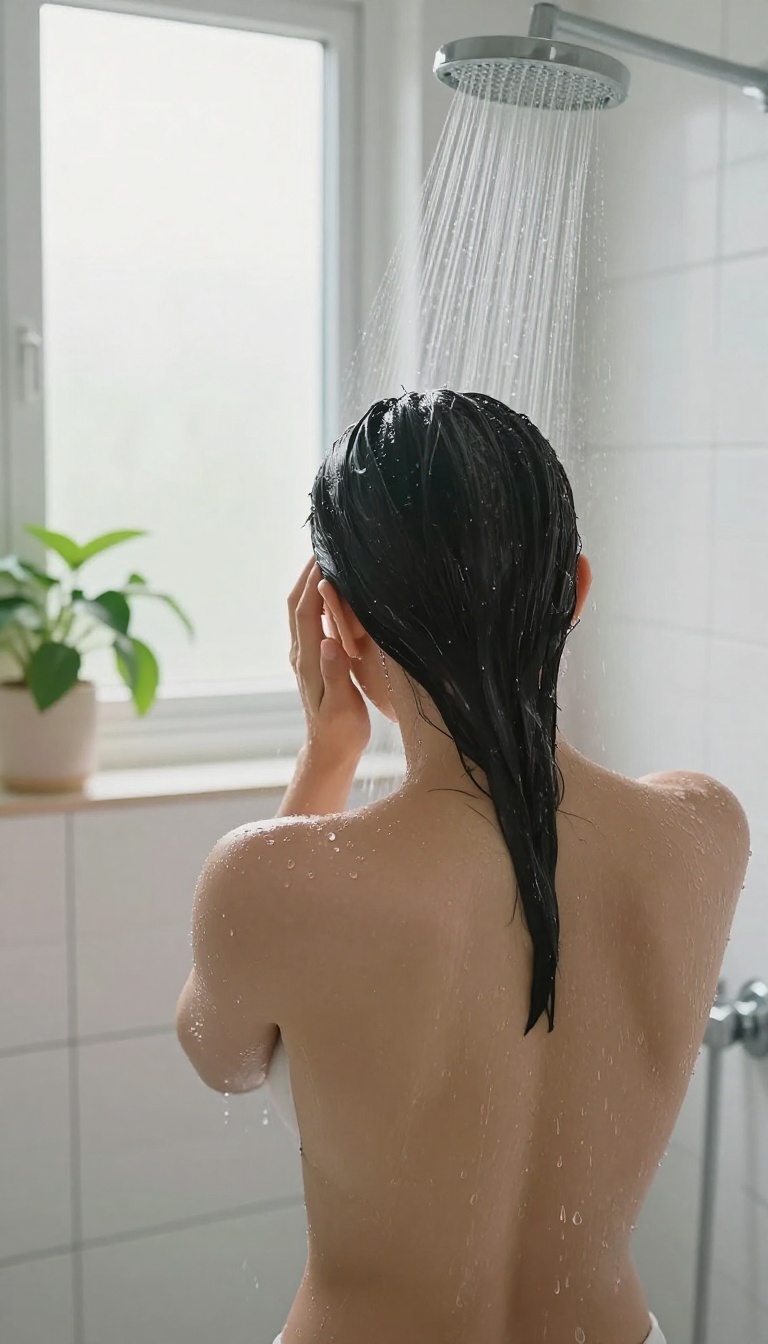
Your hair doesn't need a wash every single day. In fact, over-shampooing strips away the natural oils that keep your scalp healthy and your strands strong. Unless you've been sweating heavily or your hair is visibly dirty, try spacing out your washes.
Shampooing every other day is a simple change that can make a big difference. It helps maintain your scalp's natural moisture balance, reduces dryness and irritation, and keeps your hair from becoming brittle. Plus, it saves you time in the shower and extends the life of your hair color if you dye it.
Know Your Hair Type
Fine or oily hair might need more frequent washing, while thick, curly, or dry hair can go longer between washes. Pay attention to how your scalp feels and looks. If it's itchy or flaky, you might be washing too often.
If it's greasy by day two, you might need a gentle daily rinse or a dry shampoo.
Use Dry Shampoo Wisely
On off days, a good dry shampoo can absorb excess oil and add volume. Apply it at night so it works while you sleep, then brush it out in the morning. This keeps your hair looking fresh without stripping it.
Just don't rely on it too much—your scalp still needs a proper wash with water and shampoo regularly.
Rinse Instead Of Wash
If you're used to a daily shower, you can still wet your hair on non-shampoo days. A simple rinse with warm water helps remove sweat and product buildup without disrupting your scalp's natural oils. Follow with conditioner on the ends if needed, but skip the shampoo entirely.
9. Use a Clarifying Shampoo Weekly
Even if you wash your hair regularly, product buildup can sneak up on you. Styling products, hard water minerals, and natural oils can cling to strands, leaving hair looking dull and feeling heavy. That's where a clarifying shampoo comes in—it's like a reset button for your scalp and hair.
Once a week, swap your regular shampoo for a clarifying formula. This deep-cleansing treatment strips away residue that everyday shampoos miss, restoring bounce and shine. Use it in place of your usual wash, not in addition to it, to avoid over-drying.
How It Works
Clarifying shampoos contain stronger cleansing agents that break down stubborn buildup. They lift away excess oil, product residue, and even mineral deposits from hard water. This leaves your scalp feeling refreshed and your hair lighter and more manageable.
When To Use It
The best time is on a day when you can follow with a good conditioner, since clarifying shampoos can be slightly more stripping. If you have color-treated hair, choose a gentle clarifying formula and avoid using it more than once a week.
Follow Up Right
After clarifying, always condition the lengths and ends of your hair. You might also want to apply a hydrating hair mask once a month to keep everything balanced. Your scalp will thank you, and your hair will look visibly fresher.
10. Exfoliate Gently 2-3 Times a Week
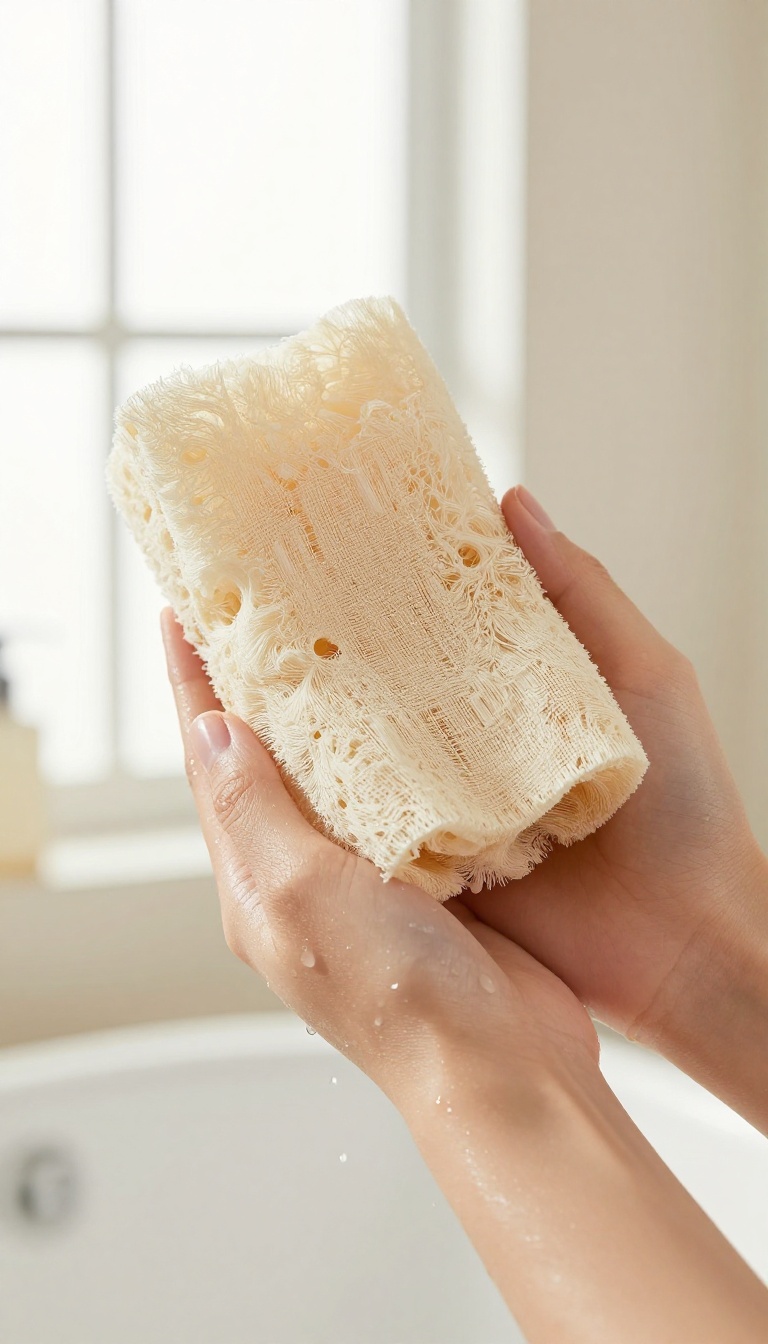
Your skin sheds dead cells constantly, but a quick scrub helps it along. Exfoliating two or three times a week reveals smoother skin and can prevent clogged pores. Just don't go overboard—too much scrubbing strips away natural oils and leaves your skin irritated.
Choose a gentle scrub with fine particles or a soft brush. In the shower, apply in circular motions, focusing on rough areas like elbows and knees. Spend about 30 seconds per zone, then rinse thoroughly.
Your skin will feel soft, not raw.
Pick The Right Exfoliant
Go for a scrub with fine, round beads or a chemical exfoliant with AHAs or BHAs. Avoid harsh, jagged particles like crushed shells. If you have sensitive skin, test on a small patch first.
How To Scrub Properly
Wet your skin first, then apply the product. Use light pressure and small circles. Don't scrub for more than a minute total.
Let the water do the rinsing—no need to rub hard.
Know When To Skip
If your skin feels tight, red, or stings after exfoliating, you're doing it too often or too hard. Take a break for a few days and switch to a milder product. Your skin will thank you.
11. Rinse with Cold Water at the End
That final blast of cold water might make you flinch, but it's worth it. A quick 30-second cold rinse at the end of your shower can do wonders for your body and mind. It's a simple habit that adds a refreshing jolt to your routine without much effort.
Switch to cold for the last half minute. It feels intense at first, but your body adapts quickly. You'll step out feeling more awake and ready to tackle the day.
Boosts Circulation
Cold water causes your blood vessels to constrict, which pushes blood to your organs. This improved circulation can help reduce muscle soreness and give you a natural energy kick.
Tightens Pores And Skin
After warm water opens your pores, cold water helps close them. This can make your skin look smoother and may reduce the chance of dirt and oil getting trapped.
Wakes Up Your Senses
The shock of cold water triggers a deep breath and a rush of alertness. It's a quick, natural way to feel more focused and present, especially on sluggish mornings.
12. Pat Dry, Don't Rub
How you dry off after a shower matters more than you might think. That rough towel scrub feels efficient, but it's actually doing your skin a disservice. Rubbing creates friction that can irritate and inflame, especially if you have sensitive skin or conditions like eczema.
Instead of rubbing, gently pat your skin dry with a clean towel. This simple switch helps lock in moisture from your shower, keeping your skin softer and less prone to flakiness. It's a small change that makes a noticeable difference.
Why Rubbing Is A Problem
Rubbing strips away your skin's natural moisture barrier and can cause micro-tears. This leads to dryness, irritation, and even redness. Over time, it can make your skin feel tight and uncomfortable.
The Right Way To Pat Dry
Use a soft, clean towel and press it gently against your skin in a patting motion. Start with your face, then move down your body. Don't forget areas like your back and legs.
The goal is to absorb water without dragging the towel across your skin.
When To Apply Moisturizer
For the best results, apply moisturizer within a few minutes of patting dry. This helps lock in the hydration from your shower. If you wait too long, your skin may lose that moisture before you get a chance to seal it in.
13. Apply Moisturizer Within 3 Minutes
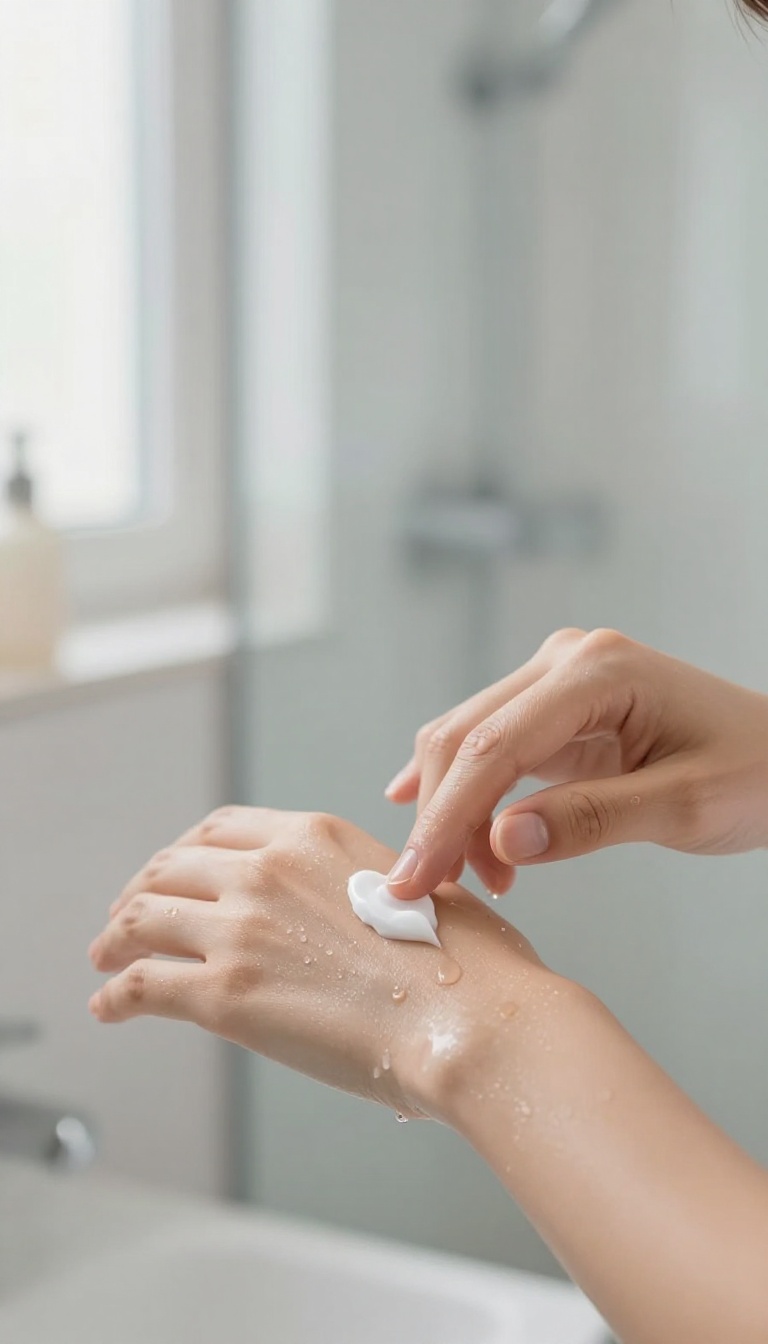
The clock starts ticking the moment you step out of the shower. Your skin is still damp and pores are open, making it the perfect time to lock in moisture. Waiting even a few extra minutes can let that hydration evaporate, leaving your skin feeling tight and dry.
Moisturizing right after your shower is a simple habit that pays off in softer, smoother skin. The key is to apply your lotion or cream while your skin is still slightly damp—within three minutes of stepping out. This helps seal in the water from your shower, keeping your skin hydrated longer.
For best results, choose a fragrance-free lotion that won't irritate sensitive skin. Gently pat your skin dry with a towel (no vigorous rubbing) and then smooth on the moisturizer in upward strokes. This quick step takes less than a minute but makes a world of difference in how your skin feels throughout the day.
Why Timing Matters
Your skin's moisture barrier is most receptive right after a shower. When you apply moisturizer to damp skin, you're essentially trapping water in the outer layer, which keeps it plump and hydrated. If you wait too long, that water evaporates, and your skin can become dry and flaky.
The three-minute window is your best chance to maximize absorption.
Choosing The Right Moisturizer
Not all moisturizers are created equal. Look for a fragrance-free, hypoallergenic formula that won't clog pores. Ingredients like ceramides, hyaluronic acid, and glycerin are excellent for locking in moisture.
If you have oily skin, opt for a lightweight gel or lotion; if you have dry skin, a richer cream might be better. The goal is to find something you'll actually use every day.
Quick Application Tips
To make this habit stick, keep your moisturizer within arm's reach of the shower. After patting dry, apply a generous amount to your legs, arms, and torso. Don't forget your feet and back.
Use gentle, upward strokes to encourage circulation. Let it absorb for a minute before getting dressed to avoid any sticky residue.
14. Dry Your Feet and Between Toes
After a shower, your feet are probably the last thing you think about—but they're the first place moisture likes to hide. That dampness between toes is a welcome mat for fungus, which can lead to athlete's foot and that not-so-fresh smell. A quick, thorough dry-down can save you a lot of trouble later.
Drying your feet properly is a simple habit that pays off in comfort and health. It's not just about rubbing a towel over them; it's about getting into those sneaky spots where water lingers. Here’s how to do it right.
Why Moisture Is The Enemy
Fungus thrives in warm, damp environments, and the spaces between your toes are perfect breeding grounds. If you leave them wet, you're inviting irritation, flaking, and odor. Taking an extra 10 seconds to dry thoroughly can prevent all that.
The Right Way To Dry
Use a clean, dry towel and gently pat your feet, paying special attention to each toe and the webbing between them. Don't rub harshly—patting is enough. If you're prone to sweaty feet, consider using a separate towel for your feet to avoid spreading bacteria.
Extra Steps For Extra Freshness
For an extra layer of protection, you can apply a dusting of foot powder or antifungal spray after drying. This helps keep moisture at bay throughout the day. Also, make sure your towel is changed regularly, as a damp towel can reintroduce moisture and germs.
15. Wash Your Shower Tools Regularly
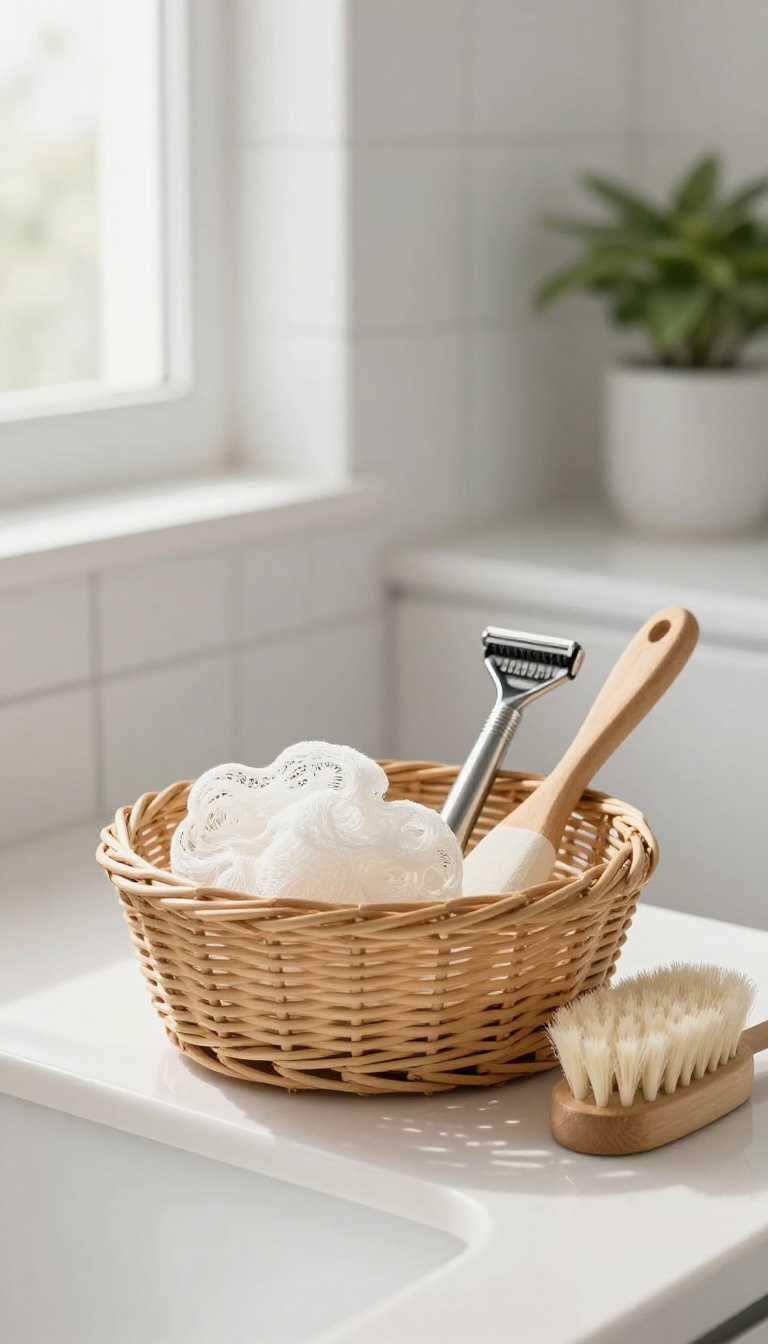
Your loofah, razor, and shower brush work hard to keep you clean, but they can become breeding grounds for bacteria if ignored. A damp, warm environment is exactly what germs love, and using dirty tools can undo all your good work. The fix is simple: clean or replace them weekly to keep your shower routine hygienic and effective.
Most of us never think about the gunk hiding inside our shower tools. But every time you scrub, you're spreading whatever is living on them back onto your skin. That can lead to irritation, breakouts, or even infections.
A quick weekly rinse or swap keeps your tools—and your skin—in better shape.
Loofahs And Poufs
Loofahs have tiny holes where dead skin and soap scum collect. Rinse them thoroughly after each use and squeeze out excess water. Once a week, soak them in a mixture of water and white vinegar for about 30 minutes, then air dry.
Replace natural loofahs every 3-4 weeks, and plastic poufs every 2 months.
Shower Brushes And Sponges
Brushes with stiff bristles can trap hair and product buildup. Remove loose hair after every use and rinse the bristles under hot water. Weekly, wash with a gentle soap or a diluted bleach solution, then let them dry completely.
Sponges should be replaced every month or two, depending on how often you use them.
Razors
Razors are easy to overlook, but they can rust and harbor bacteria. After shaving, rinse the blade well and store it in a dry place—not in the shower. You can also dip the blade in rubbing alcohol after each use to disinfect.
Replace disposable razors every 5-7 shaves, or when the blade feels dull.
FAQ
How often should I shower daily?
For most people, once a day is enough. If you're very active or live in a hot climate, a second quick rinse is fine, but avoid over-washing.
Is hot water bad for my skin?
Yes, hot water strips natural oils and can cause dryness and irritation. Stick to lukewarm water for a comfortable clean.
Can I use bar soap instead of body wash?
Yes, but choose a mild, moisturizing bar soap. Avoid harsh antibacterial soaps that can disrupt your skin's microbiome.
How long should a shower last?
Aim for 5-10 minutes. Longer showers can dry out your skin and hair, especially if the water is hot.
What's the best way to dry off?
Pat your skin dry with a clean towel, then apply moisturizer while your skin is still slightly damp to lock in hydration.
Conclusion
These 15 basics aren't about adding more steps—they're about making the ones you already do count. Small tweaks like adjusting water temperature or drying off properly can have a big impact on how fresh and comfortable you feel all day. Start with one or two changes that feel easy, then build from there.
Your skin, hair, and energy levels will thank you. A better shower routine doesn't have to be complicated—it just has to be consistent.