A peaceful lifestyle doesn't require a complete life overhaul. It's built through small, intentional habits that protect your energy and nurture your mind. These 25 self-care practices are designed to fit into real life—no complicated routines or expensive tools needed.
Each habit focuses on a different area of well-being, from physical rest to emotional boundaries. You'll find ideas that take five minutes and others that become cherished rituals.
The goal isn't perfection. It's about choosing one or two habits that resonate and letting them gently reshape your days into something calmer and more grounded.
1. Wake Up Without Your Phone

The moment your alarm goes off, your phone is probably right there—beckoning you to check emails, scroll social media, or catch up on news. That first digital hit can spike cortisol and pull your mind into reactive mode before you've even stood up. Giving yourself a tech-free buffer changes everything.
This habit is deceptively simple: for the first 10 minutes after waking, don't touch your phone. Use that time to stretch, breathe, or just lie still. It's a small boundary that tells your nervous system, "We start the day on our terms.
"
Why It Works
Morning cortisol is naturally high to help you wake up. Adding notifications and screen light can spike it further, triggering anxiety. By waiting, you let that natural rise settle, so you begin from a calmer baseline.
How To Make It Stick
Keep your phone across the room or in another room overnight. Use a physical alarm clock if needed. When you do pick up your phone, open an app that supports your intention—like a gratitude journal or a meditation timer—rather than email or social media.
2. Drink a Full Glass of Water First Thing
Your body goes hours without hydration while you sleep, so morning water is a gentle wake-up call for your entire system. It kickstarts your metabolism, helps flush out overnight toxins, and can even improve mental clarity within minutes. Many people find that starting the day hydrated reduces headaches and boosts energy without needing extra caffeine.
Make it a non-negotiable first step: before coffee, before scrolling, before anything else—drink a full glass of water. Keep a glass or bottle by your bed so you don't forget. If plain water feels boring, add a squeeze of lemon or a pinch of sea salt for electrolytes.
This tiny habit sets a tone of intentional care for the rest of the day.
Why It Works
Even mild dehydration can leave you feeling sluggish, foggy, or irritable. Replenishing fluids first thing helps your brain and body function at their best. It also supports digestion and gives your skin a natural glow over time.
How To Make It Stick
Place a glass or reusable bottle on your nightstand each evening. If you're a coffee-first person, train yourself to drink water while your coffee brews. Start with 8 ounces and work up to 16 if you can.
Level Up With Lemon
Adding a lemon wedge provides vitamin C, aids digestion, and adds a refreshing zing. It also makes the habit feel more like a ritual than a chore. Just rinse your mouth afterward to protect your enamel.
3. Set One Intention for the Day
Most mornings come with a mental avalanche of tasks, appointments, and obligations. Before you know it, you're reacting to everything instead of choosing what matters. Setting one intention flips that script—it gives you a quiet anchor for the hours ahead.
An intention isn't a to-do item. It's a feeling or a focus you want to carry with you. Maybe it's "patience" during a busy workday, or "presence" at dinner with family.
This single word or phrase becomes your compass when distractions pull you off course.
Why One Intention Works Better Than A List
A long to-do list can feel like a weight before you even start. It triggers urgency and stress, not peace. One intention does the opposite—it narrows your attention to what truly matters.
You still get things done, but from a grounded place rather than a frantic one.
How To Choose Your Intention
Pick something that aligns with how you want to feel, not just what you want to achieve. Ask yourself: "What quality would make today better? " It could be calm, curiosity, kindness, or courage.
Keep it simple—one word or a short phrase. Write it on a sticky note, set it as your phone wallpaper, or say it aloud during your morning coffee.
Letting Your Intention Guide Your Decisions
When you feel scattered or tempted to react, pause and recall your intention. Use it as a filter: "Does this choice support my intention? " Over time, this small practice trains your mind to stay centered.
You'll notice fewer regrets and more moments where you actually feel like you're living on purpose.
4. Stretch for Five Minutes
Your body holds tension from sleep positions, stress, and yesterday's activities. A quick morning stretch doesn't need to be complicated or time-consuming. Five minutes is enough to release stiffness, wake up your muscles, and signal to your brain that it's time to move into the day with ease.
You don't need a yoga mat or special clothes. Just a small space where you can stand or sit comfortably. Focus on gentle movements that feel good, not intense stretches that strain.
The goal is to invite blood flow and flexibility, not to achieve a perfect pose.
Simple Moves To Try
Start with a neck roll: drop your chin to your chest, then slowly circle your head to one side, back, and the other side. Follow with shoulder rolls—lift your shoulders toward your ears, then roll them back and down. Add a gentle side bend by reaching one arm overhead and leaning to the opposite side.
Finish with a forward fold: hinge at your hips and let your arms hang toward the floor, bending your knees if needed.
Why It Works
Morning stretching activates your parasympathetic nervous system, which helps you shift from sleep mode to a calm, alert state. It also loosens tight muscles, improves circulation, and reduces the risk of injury during daily activities. Plus, it's a mindful moment that sets a peaceful tone for the rest of your morning.
Make It A Habit
Keep it easy by stretching right after you get out of bed, before you grab your phone. Set a timer for five minutes or play one short song. If you miss a day, don't stress—just pick it up again tomorrow.
Consistency matters more than perfection.
5. Eat a Nourishing Breakfast

Breakfast sets the tone for your entire day—not just for your energy levels, but for your mood and mental clarity. A rushed pastry or skipped meal can leave you irritable and craving sugar by mid-morning. Instead, a balanced breakfast with protein, healthy fats, and fiber helps stabilize blood sugar and keeps you feeling steady.
Think of breakfast as fuel for your brain and body. When you eat a meal that includes protein (like eggs, yogurt, or tofu), healthy fats (avocado, nuts, seeds), and fiber (whole grains, fruit, vegetables), you avoid the energy spikes and crashes that lead to stress and poor food choices later. This simple habit supports emotional balance and makes it easier to stay calm and focused throughout the morning.
Build A Balanced Plate
Aim for at least 20 grams of protein, a source of healthy fat, and fiber-rich carbs. For example, scrambled eggs with spinach and avocado on whole-grain toast, or Greek yogurt with berries and chia seeds. This combination keeps you full and satisfied for hours.
Prep Ahead For Busy Mornings
Mornings can be hectic, so set yourself up for success. Overnight oats, hard-boiled eggs, or pre-portioned smoothie ingredients in the freezer make it easy to grab a nourishing meal even when you're short on time.
Listen To Your Body
Not everyone wakes up hungry, and that's okay. Start with something light—like a piece of fruit with nut butter or a small smoothie—and eat a larger meal later. The key is to fuel your body within a few hours of waking to maintain stable energy.
6. Take a Short Walk Outside
Sometimes the simplest actions have the biggest impact. Stepping outside for a walk—even just around the block—can break a stressful loop and give your brain a fresh perspective. It's not about exercise; it's about resetting your mental state with fresh air and movement.
A short walk outside is one of the most accessible self-care habits. It requires no equipment, no planning, and can fit into any schedule. The combination of gentle movement, natural light, and a change of scenery works wonders for your mood and clarity.
Why A Short Walk Works
Research shows that even 10 minutes of walking can lower cortisol levels and boost creativity. The key is consistency, not distance. A quick loop around your neighborhood or a nearby park gives your mind a break from screens and indoor air.
Make It A Daily Ritual
Pick a time that feels natural—right after lunch, mid-afternoon, or as a transition from work to home. Leave your phone behind or use it only for music or a podcast. Focus on your surroundings: the breeze, the sounds, the colors.
This simple act becomes a grounding anchor in your day.
7. Practice Deep Breathing
Your breath is always with you, yet most of the time you barely notice it. When stress hits, your breathing becomes shallow and fast, keeping your body in a low-level fight-or-flight mode. Deep breathing is the quickest way to flip that switch back to calm.
Taking just two minutes for intentional deep breathing can lower your heart rate, reduce blood pressure, and quiet your mind. It's a reset button you can press anywhere—at your desk, in traffic, or before a difficult conversation. The beauty is that it costs nothing and requires no equipment.
The 4-4-4 Method
Inhale through your nose for four counts. Hold that breath for four counts. Then exhale slowly through your mouth for four counts.
That's one cycle. Repeat it four or five times, and you'll notice your shoulders drop and your thoughts slow down. This pattern activates your parasympathetic nervous system, which is responsible for rest and relaxation.
When To Use It
Try deep breathing first thing in the morning to set a calm tone for the day. Use it during a midday slump to recharge without caffeine. And practice it right before bed to signal your body that it's time to wind down.
The more you use it, the more automatic it becomes.
Making It A Habit
Link deep breathing to an existing routine, like after brushing your teeth or before every meal. Set a gentle reminder on your phone. Over time, those two-minute pauses will become a natural part of your day, offering steady calm whenever you need it.
8. Declutter One Small Area
Clutter isn't just visual—it's mental. Every stray item on your counter or desk sends a tiny signal to your brain that there's unfinished business. The good news?
You don't need to tackle the whole house. Pick one small area—a single drawer, a shelf, or a corner—and clear it out. The immediate sense of relief is surprisingly powerful.
Start with something manageable, like a junk drawer or a bathroom cabinet. Set a timer for 10 minutes and sort through everything. Keep only what you truly use or love.
Trash the rest, donate what's still good, and put the keepers back neatly. That small win creates momentum and a little pocket of peace in your space.
Why Small Wins Work
Decluttering a tiny area feels achievable, so you're more likely to actually do it. Each completed spot becomes a visual reminder that you can create order. Over time, these small victories build a sense of control and calm that spreads to other parts of your life.
Where To Start
Look for a spot that annoys you every day—maybe the catch-all tray by the front door or the spice rack that's a mess. Choose one that takes less than 15 minutes. A nightstand drawer, a single bookshelf shelf, or the top of your dresser are great candidates.
The Ripple Effect
Once you clear that one area, you'll likely feel inspired to do another. The visual clarity translates to mental clarity. You'll find yourself breathing easier and focusing better in that space.
It's a simple habit that pays off immediately and keeps giving.
9. Write Down Three Things You're Grateful For

Gratitude is one of the quickest ways to shift your mindset from scarcity to abundance. When you intentionally focus on what's going well, your brain starts scanning for more positives throughout the day. This simple practice trains your mind to notice the good, even on tough days.
Keep a small notebook by your bed or desk. Each morning or evening, write down three specific things you're grateful for. They don't have to be big—a warm cup of coffee, a kind text from a friend, or a sunny afternoon all count.
Over time, this habit rewires your brain to default to appreciation rather than complaint.
Make It Specific
Instead of writing "my family, " try "the laugh my daughter shared at dinner. " Specificity makes the gratitude feel more real and memorable. It also helps you relive the positive moment, amplifying its emotional benefit.
Pick A Consistent Time
Anchor your gratitude practice to an existing routine. Write in your notebook right after brushing your teeth or while sipping your morning coffee. Consistency turns it into an automatic habit that sticks.
Don't Overthink It
Some days you might feel like there's nothing to be grateful for. That's okay. Write down something simple like "I have a roof over my head" or "I am healthy enough to do this.
" The act of writing itself shifts your perspective.
10. Set Boundaries with Your Time
Time is the one resource you can't get back. Every yes to something that doesn't matter is a no to something that does. Setting boundaries around your time isn't selfish—it's essential self-care that protects your peace and keeps your days aligned with what truly counts.
Start With Small Nos
If saying no feels uncomfortable, begin with low-stakes situations. Decline a coffee catch-up when you're tired, or skip a committee meeting that drains you. Each small no builds your confidence and reinforces that your time has value.
Communicate Clearly And Kindly
You don't need a long excuse. A simple, "I can't commit to that right now, but thanks for thinking of me, " is enough. Clear boundaries prevent resentment and leave room for the activities and people that truly energize you.
Schedule Your Priorities First
Block time for your non-negotiables—exercise, rest, hobbies—before others fill your calendar. When your priorities are protected, you naturally say no to requests that would crowd them out.
11. Unplug for 30 Minutes
Your phone buzzes, your laptop pings, and the TV hums in the background. Constant input keeps your brain in a low-grade state of alert, making real relaxation impossible. Setting aside just thirty minutes without screens gives your mind the break it desperately needs.
Pick a time that works for you—maybe right after work or before bed. Turn off notifications, put devices in another room, and do something that doesn't involve a screen. Read a physical book, doodle in a notebook, or simply sit and watch the world outside your window.
The first few minutes might feel strange, but soon you'll notice your shoulders dropping and your breathing slowing.
Why It Works
Screens constantly feed your brain new information, keeping it in a reactive mode. When you unplug, you give your prefrontal cortex a chance to rest and reset. This lowers cortisol levels and helps you feel more grounded.
What To Do Instead
Keep it simple and screen-free. Try journaling, stretching, listening to music (without looking at your phone), or just staring at the ceiling. The goal isn't productivity—it's giving your brain a break from processing.
Making It A Habit
Start with one 30-minute block a day. Stack it with an existing habit, like after dinner or right before your evening shower. Set a timer so you don't watch the clock.
Over time, you'll look forward to this quiet pocket of your day.
12. Listen to Music That Soothes You
Music has a direct line to your emotions. A single song can lift your mood, calm your nerves, or help you process a tough day. By intentionally curating a playlist of soothing tracks, you give yourself an easy, accessible tool for relaxation.
Research shows that listening to calming music lowers cortisol levels and reduces stress. It's not about genre snobbery—whatever makes you feel at ease counts. The key is to make it a deliberate practice, not just background noise.
Build Your Calm Playlist
Set aside 10 minutes to create a playlist of songs that genuinely relax you. Think instrumental pieces, acoustic covers, nature sounds, or even lo-fi beats. Include a mix of old favorites and new discoveries.
Name it something that reminds you to use it—like "Peace Mode" or "Unwind. "
Make It A Ritual
Use your playlist during specific moments: your morning coffee, a bath, before bed, or during a commute. The repetition trains your brain to associate the music with calm, making it even more effective over time. Even three minutes of a favorite song can reset your mood.
Experiment With Intentional Listening
Instead of multitasking, try listening with your full attention. Close your eyes, focus on the instruments or vocals, and let the music wash over you. This mindful listening deepens the relaxation response and can be a form of meditation in itself.
13. Take a Warm Bath or Shower

There's a reason warm water feels so comforting—it's one of the simplest ways to tell your nervous system it's safe to relax. The heat soothes tired muscles, lowers cortisol, and creates a natural transition from the busyness of the day into a calmer state. Whether you have five minutes or an hour, this habit can become a peaceful anchor in your routine.
Set The Scene
Make the experience intentional. Light a candle, dim the lights, or play soft music. If you're short on time, a warm shower with a few deep breaths still works wonders.
Add Soothing Elements
Epsom salts help relax muscles and ease tension. A few drops of lavender or chamomile essential oil can turn an ordinary bath into an aromatherapy session. Even a simple cup of herbal tea while you soak adds to the ritual.
Make It A Wind-down Cue
Use your bath or shower as a signal that the day is ending. When you step out, your body is warmer, your mind is quieter, and you're ready for rest. Pair it with a consistent bedtime for better sleep over time.
14. Journal Your Thoughts
Your mind is like a busy highway during rush hour. Thoughts zoom in and out, and sometimes they pile up until you can't see clearly. Journaling is the off-ramp that lets you pull over and untangle everything.
It's not about writing beautifully—it's about getting the noise out of your head and onto paper where you can actually look at it.
When you journal regularly, you create a space where your thoughts can breathe. You don't need fancy notebooks or a set time of day. Just a few minutes of free writing can untangle worries, spark ideas, and help you process emotions.
It's like decluttering your mental closet—suddenly, everything feels lighter.
Start With A Brain Dump
Set a timer for five minutes and write whatever comes to mind. Don't filter or judge. This isn't a diary entry—it's a mental garbage disposal.
You might write about a frustrating conversation, a random memory, or what you want for lunch. The goal is to empty your head so you can think clearly.
Try A Simple Prompt
If blank pages intimidate you, use a prompt like "Today I felt…" or "One thing I'm grateful for is…" Prompts give your brain a gentle nudge without forcing structure. Over time, you'll naturally start writing longer entries as the habit sticks.
Let Go Of Perfection
Your journal doesn't need to be neat or profound. Cross things out, write in bullet points, or doodle in the margins. This is for you and only you.
The magic happens when you stop worrying about how it looks and focus on how it feels.
15. Do One Thing Just for Fun
When was the last time you did something purely for the joy of it—no goal, no productivity, no guilt? Adult life has a way of squeezing out play, but fun is not a luxury; it's a reset button for your brain. Laughter and lightheartedness lower stress hormones, boost creativity, and remind you that life isn't all serious.
Pick one activity that makes you smile, even if it feels silly. Read a comic strip, play a quick round of a mobile game, or watch a funny video. The key is to do it without any agenda—just for the sheer pleasure of the moment.
This small act can shift your entire mood and break the cycle of constant responsibility.
Why Fun Matters
Fun activates your brain's reward system, releasing dopamine and reducing cortisol. It also gives your mind a break from problem-solving mode, which can lead to fresh insights later. Plus, sharing a laugh with someone strengthens connections and lightens the emotional load.
Quick Ideas To Try
Not sure where to start? Try a coloring book, a silly dance in your living room, or a 5-minute online puzzle. You could also revisit a childhood hobby like blowing bubbles or building with LEGOs.
The simpler, the better—no skill required.
Make It A Habit
Schedule fun like you would any other appointment. Set a timer for 10 minutes a day to do something playful. Over time, this practice rewires your brain to prioritize joy, making it easier to find moments of lightness even on tough days.
16. Connect with a Loved One
A quick call or text to someone you care about strengthens bonds and lifts your spirits. In our busy lives, it's easy to let days slip by without meaningful contact. But even a short check-in can remind you that you're not alone and that someone out there is thinking of you too.
Keep It Simple
You don't need a long conversation. A brief text saying you're thinking of them or a funny meme can be enough. The goal is connection, not a deep therapy session.
Schedule A Quick Call
If texting feels impersonal, set a timer for five minutes and call a friend or family member. Let them know you only have a few minutes, so there's no pressure. Those few minutes can brighten both your days.
Make It A Ritual
Turn this into a regular habit. Maybe every Tuesday you call your sibling during your lunch break, or you send a good morning text to a friend. Consistency builds stronger ties.
17. Practice a Hobby
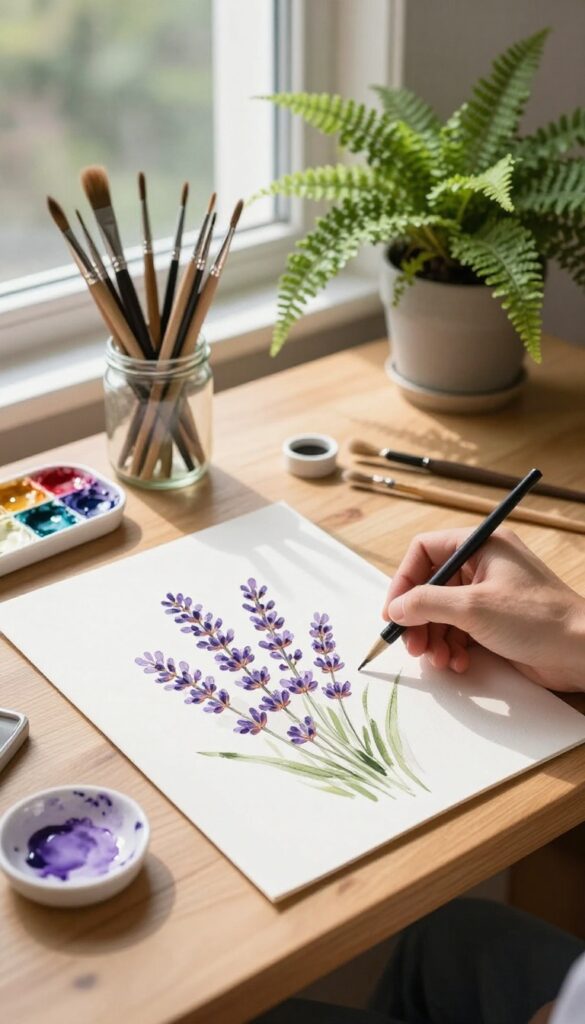
Hobbies aren't just time-fillers—they're a form of active rest. When you lose yourself in knitting, painting, or gardening, your mind gets a break from daily stressors. That focused, enjoyable activity can lower cortisol and boost your mood naturally.
The best part? You don't need to be good at it. The joy is in the doing, not the outcome.
Carving out time for a hobby might feel indulgent, but it's a powerful self-care tool. It shifts your brain into a flow state, where worries fade and you're fully present. Whether it's 15 minutes or an hour, that dedicated time becomes a sanctuary.
Over time, you'll notice increased creativity, patience, and a deeper sense of fulfillment.
Start Small And Simple
If you don't have a hobby yet, pick something low-pressure. Try adult coloring books, a small herb garden, or basic watercolor sets. The goal isn't mastery—it's enjoyment.
Set a timer for 10 minutes and see how it feels. You might surprise yourself.
Make It A Ritual, Not A Chore
Link your hobby to a calming routine. Maybe you knit while listening to a podcast, or garden every Saturday morning. When it becomes a regular part of your week, it stops feeling like an extra task.
It's simply your time to recharge.
18. Use a Weighted Blanket
Weighted blankets have gained popularity for good reason. The gentle, even pressure they apply across your body mimics a therapeutic technique called deep pressure stimulation, which can calm your nervous system and reduce stress. For many, this simple addition to the bedroom leads to deeper, more restorative sleep and a noticeable drop in nighttime anxiety.
How It Works
The weight of the blanket—typically between 5 and 30 pounds—stimulates the release of serotonin and melatonin while lowering cortisol. This hormonal shift helps you fall asleep faster and stay asleep longer. Think of it as a gentle, constant hug that tells your brain it's safe to rest.
Choosing The Right Weight
A good rule of thumb is to pick a blanket that's about 10% of your body weight. If you're between sizes, go lighter rather than heavier to avoid feeling trapped. Also consider the fill material—glass beads or ceramic beads offer even weight distribution without overheating.
When To Use It
Use your weighted blanket during sleep or while relaxing on the couch. Some people also find it helpful during meditation or anxious moments. Start with short sessions to see how your body responds, then gradually increase the time.
19. Create a Bedtime Ritual
Sleep is the foundation of a peaceful life, but many of us try to jump into it straight from a busy day. A bedtime ritual bridges that gap by telling your nervous system it's safe to unwind. It doesn't need to be long or elaborate—just a few consistent steps that signal the day is over.
A bedtime ritual works because it creates a predictable transition. When you repeat the same calming actions each night, your brain starts associating them with sleep. Over time, the ritual itself becomes a trigger for relaxation, making it easier to fall asleep and stay asleep.
Dim The Lights
Bright light, especially blue light from screens, suppresses melatonin. About an hour before bed, switch to soft, warm lighting. Use lamps instead of overhead lights, or try a salt lamp for a gentle glow.
This simple change tells your brain that night is coming.
Unplug From Screens
Phones, tablets, and TVs keep your mind alert. Put them away at least 30 minutes before bed. If you need something to do, pick up a physical book or listen to a calm podcast.
Your brain needs a break from constant stimulation to wind down.
Sip Something Soothing
A warm, caffeine-free drink can be a comforting part of your ritual. Chamomile tea, lavender tea, or a simple cup of warm milk are all great choices. The warmth and the act of sipping slowly help relax your body and mind.
Read For Pleasure
Reading a few pages of a fiction book can transport you away from daily worries. Choose something light and enjoyable, not work-related or stressful. The goal is to let your mind drift, not to finish a chapter.
20. Limit Caffeine After 2 PM
Caffeine is a wonderful pick-me-up in the morning, but it can sabotage your sleep if you drink it too late. Even a moderate dose in the afternoon can linger in your system for hours, making it harder to wind down at night. By cutting off caffeine after 2 PM, you give your body a chance to naturally transition into rest mode.
Swapping that afternoon coffee or soda for a calming herbal tea or a glass of water can make a surprising difference in your sleep quality. You might even notice you feel more relaxed and less jittery in the evenings. It's a simple shift that supports your body's natural rhythm.
Why Afternoon Caffeine Disrupts Sleep
Caffeine has a half-life of about 5 hours, meaning half of it is still in your system five hours after you drink it. A 3 PM coffee could still be affecting you at 8 PM, making it harder to fall asleep and reducing deep sleep cycles. Over time, this can leave you feeling tired and less resilient to stress.
Better Afternoon Drink Swaps
Herbal teas like chamomile, peppermint, or rooibos are naturally caffeine-free and can be soothing. Infused water with lemon, cucumber, or berries is refreshing without the stimulant. If you miss the ritual of a warm drink, try a mug of warm milk or a turmeric latte.
How To Make The Transition Easier
Start by gradually reducing your caffeine intake in the afternoon. Replace one cup at a time with a non-caffeinated alternative. Keep a water bottle on your desk to remind you to hydrate.
After a few days, you'll likely notice you feel calmer and sleep more soundly.
21. Practice Self-Compassion

The way you talk to yourself sets the tone for your entire day. If your inner voice is harsh or critical, it creates constant tension. Self-compassion is the habit of replacing that criticism with kindness, just as you would comfort a close friend.
When you make a mistake or feel down, pause and notice your self-talk. Ask yourself: Would I say this to someone I care about? If not, reframe the thought into something supportive.
For example, instead of 'I'm so stupid, ' try 'I made a mistake, and that's okay—I can learn from this. '
The Three Elements Of Self-compassion
Psychologist Kristin Neff identifies three components: self-kindness (being warm toward yourself), common humanity (recognizing that everyone struggles), and mindfulness (observing your feelings without over-identifying). Practicing these shifts your inner dialogue from judgment to understanding.
A Simple Self-compassion Break
Whenever you feel stressed or self-critical, try this: Place a hand on your heart, take a deep breath, and say silently, 'This is a moment of suffering. Suffering is part of life. May I be kind to myself. ' This 30-second practice can soften your inner critic and bring immediate calm.
22. Spend Time in Nature
Nature has a quiet way of resetting your nervous system. Even a short walk under trees or sitting by water can lower cortisol and bring your mind back to the present. You don't need a forest or a beach—a local park, your own backyard, or even a balcony with plants works.
Make nature a regular part of your self-care routine, not just an occasional escape. Start small: step outside for five minutes without your phone. Notice the breeze, the light, the sounds.
Over time, these moments become anchors of calm in your day.
Start With Five Minutes
You don't need an hour-long hike. Walk around the block, sit on a bench, or stand barefoot on grass for a few minutes. Consistency matters more than duration.
Engage Your Senses
Touch tree bark, listen to birds, smell the air after rain. Sensory connection deepens the calming effect and pulls you out of overthinking.
Make It A Ritual
Pair your nature time with a habit you already have—morning coffee on the porch, a lunch break in the park, or an evening stroll after dinner. This makes it easier to stick.
23. Do a Digital Detox Day
Your phone buzzes, dings, and lights up dozens of times a day, pulling your attention away from the present moment. That constant connectivity keeps your brain in a low-level state of alert, making true relaxation almost impossible. A digital detox day gives your mind the break it desperately needs.
Why It Matters
Social media and emails are designed to hook you with dopamine hits, but they also drain your mental energy. Stepping away for just one day lowers cortisol, improves focus, and helps you reconnect with what's right in front of you.
How To Do It
Pick one day a week—Sunday works well for many. Turn off notifications, log out of apps, and put your phone in a drawer. Let friends and family know you'll be offline so you don't worry about missing something urgent.
What To Do Instead
Fill the day with real-world activities: take a walk without headphones, cook a meal from scratch, read a physical book, or have a long conversation with someone you love. Notice how much richer these experiences feel without a screen nearby.
Making It Stick
Start with a half-day if a full day feels too daunting. The key is consistency—even a few hours of digital silence each week can reset your nervous system and make your everyday life feel more peaceful.
24. Get Enough Sleep
Sleep is when your body catches up on repairs and your mind sorts through the day's emotions. Skimping on it leaves you irritable, foggy, and more reactive—exactly the opposite of peaceful. Prioritizing 7-9 hours of quality rest is one of the most effective self-care habits you can adopt.
Getting enough sleep isn't just about quantity; quality matters too. Deep sleep is when your body repairs tissues and your brain processes emotions, helping you wake up refreshed and balanced. Without it, even the best daytime habits fall flat.
Create A Wind-down Routine
An hour before bed, dim the lights and put away screens. Read a book, take a warm bath, or do gentle stretches. This signals your nervous system that it's time to relax, making it easier to fall asleep and stay asleep.
Keep Your Bedroom A Sleep Sanctuary
Use blackout curtains, a white noise machine, or earplugs to block out disruptions. Keep the room cool—around 65°F (18°C)—and reserve your bed only for sleep and intimacy. This trains your brain to associate the space with rest.
Be Consistent, Even On Weekends
Going to bed and waking up at the same time every day reinforces your body's internal clock. Irregular sleep schedules confuse your circadian rhythm, making it harder to fall asleep and wake up naturally.
25. Reflect on Your Day

The end of the day is a quiet moment that often gets wasted on scrolling or worrying about tomorrow. Instead, use it to gently review what just happened. This isn't about analyzing mistakes—it's about training your brain to notice the good.
When you deliberately recall one positive moment from your day, you strengthen neural pathways that make optimism more automatic. Over time, this simple practice shifts your baseline mood and helps you fall asleep with a lighter heart.
Keep It Simple
You don't need a journal or an app. A mental note works just fine. If you prefer writing, one sentence is enough.
The key is consistency, not length.
Make It A Ritual
Pair your reflection with an existing habit like brushing your teeth or lying in bed. This creates a trigger that makes the practice stick without extra effort.
Why It Works
Your brain has a natural negativity bias—it remembers threats more easily than joys. By actively highlighting a win, you counterbalance that bias and build resilience over time.
FAQ
How many self-care habits should I start with?
Start with one or two that feel easiest. Adding too many at once can feel overwhelming. Build slowly and let the habits stick.
Can self-care really make me more peaceful?
Yes. Consistent small actions reduce stress, improve mood, and create a sense of control. Over time, they build a calmer baseline.
What if I don't have time for self-care?
Many of these habits take five minutes or less. Start with micro-habits like deep breathing or stretching. Small moments add up.
Are these habits suitable for everyone?
Most are universal and adaptable. Adjust them to fit your lifestyle, health needs, and preferences. Listen to your body.
How long until I notice a difference?
Some benefits are immediate, like feeling calmer after deep breathing. Others, like better sleep, may take a week or two of consistency.
Conclusion
Building a peaceful lifestyle doesn't happen overnight, but each small habit you choose adds a layer of calm to your day. You don't need to do all 25—just pick the ones that feel right for you. Start with one habit today.
Notice how it changes your mood, your energy, and your sense of peace. Over time, these small choices create a life that feels softer, more intentional, and truly your own.