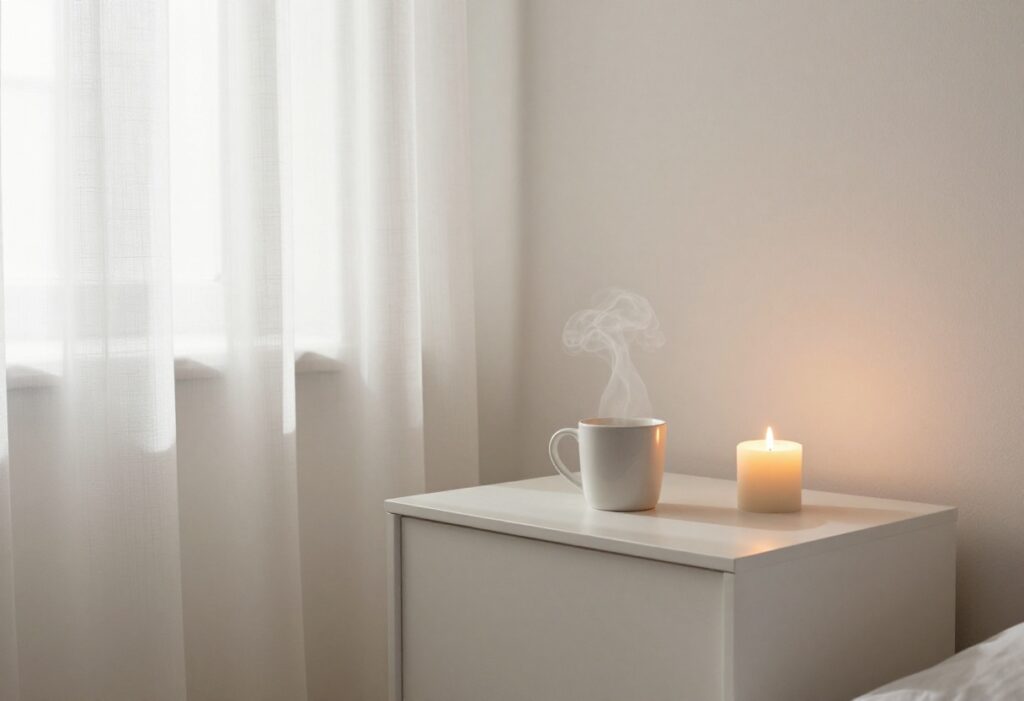
Sometimes the best way to reset is to get your hands busy. DIY self care projects let you slow down, create something meaningful, and shift your focus inward. They're not about perfection—they're about the process and the calm that comes with it.
These 20 ideas are designed to be simple, cozy, and genuinely helpful. No fancy supplies or hours of work required. Just small, intentional acts that make you feel more grounded and cared for.
Pick one that speaks to you today. The goal isn't to finish everything—it's to find a moment of peace in the making.
1. Create a Calm-Down Jar

A calm-down jar is like a snow globe for your emotions. Shake it up, then watch the glitter slowly settle as you take deep breaths. It's a simple, visual way to ground yourself when anxiety creeps in.
You only need a clear jar, water, glitter glue, and a drop of food coloring. The swirling motion and gradual stillness can help slow your racing thoughts. Plus, making it is a calming activity in itself.
Fill a jar with warm water, add a few tablespoons of glitter glue, and a couple drops of food coloring. Screw the lid on tight and shake. As the glitter swirls and eventually sinks, focus on your breathing.
Let the jar be a reminder that your mind can settle too.
Choosing Your Glitter
Pick colors that feel soothing to you—soft blues, greens, or pastels. Fine glitter settles faster, while chunky glitter takes longer. You can mix both for a layered effect.
Using The Jar
When you feel overwhelmed, shake the jar and set a timer for 2-3 minutes. Watch the glitter fall and breathe slowly. It's a mini meditation that fits in your hand.
Customizing The Experience
Add a few drops of lavender or chamomile essential oil to the water for an aromatherapy boost. Or write a calming word on the jar lid—like 'breathe' or 'peace'—as a gentle reminder.
2. Make Your Own Bath Salts
There's something incredibly soothing about a warm bath after a long day. Making your own bath salts is not only easy but also lets you control exactly what goes into your soak. Plus, the process itself is calming—mixing, smelling, and pouring into a pretty jar.
Start with a base of Epsom salt, which helps relax muscles and ease tension. Add baking soda to soften the water and a few drops of your favorite essential oil for aromatherapy. Lavender is great for relaxation, eucalyptus for congestion, or peppermint for an energy boost.
Store your blend in a mason jar and use about half a cup per bath.
Why Diy Bath Salts?
Store-bought bath salts can be pricey and often contain synthetic fragrances. Making your own is budget-friendly and lets you customize scents to your mood. Plus, it's a thoughtful homemade gift.
Simple Recipe To Try
Mix 1 cup Epsom salt, 1/4 cup baking soda, and 10–15 drops of essential oil. Stir well and store in an airtight container. For a festive touch, add dried lavender buds or rose petals.
How To Use Them
Add about 1/2 cup of your bath salts to warm running water. Swish to dissolve, then soak for 20 minutes. Light a candle, put on some soft music, and let the stress melt away.
3. Build a Cozy Reading Nook
You don't need a whole room or a fancy armchair to create a reading nook. A corner of your bedroom, a window seat, or even a spot in the living room can become your go-to relaxation zone. The magic is in the layers: soft textures, warm lighting, and a few personal touches that signal your brain it's time to unwind.
This project is less about buying new things and more about rearranging what you already have. Grab a throw blanket, stack your favorite pillows, and pull over a small side table for tea or coffee. In just a few minutes, you'll have a dedicated spot that invites you to sit, breathe, and get lost in a good book.
A cozy reading nook doesn't require renovation or a big budget. Start with a comfortable seat—a cushioned chair, a pile of floor pillows, or even the end of your bed. Add a soft blanket and a couple of pillows for back support.
A small side table or stack of books works as a surface for your drink. Finally, adjust the lighting: a warm lamp or string lights creates a calm ambiance. This simple setup transforms any unused corner into a personal retreat.
Pick Your Spot
Look for a quiet corner with good natural light if possible. A spot near a window is ideal, but any area that feels separate from high-traffic zones works. Even a closet with the doors removed can become a cozy hideaway.
Layer The Comfort
Soft textures are key. Use a chunky knit blanket, a faux fur throw, or a quilt. Add pillows of different sizes—one for lumbar support, one to hug.
The goal is to make the space feel enveloping and warm.
Add Functional Details
A small side table or shelf keeps your book, tea, and glasses within reach. A basket for extra blankets or magazines adds practicality. Consider a small plant or a candle for a sensory touch that enhances relaxation.
4. Craft a Vision Board
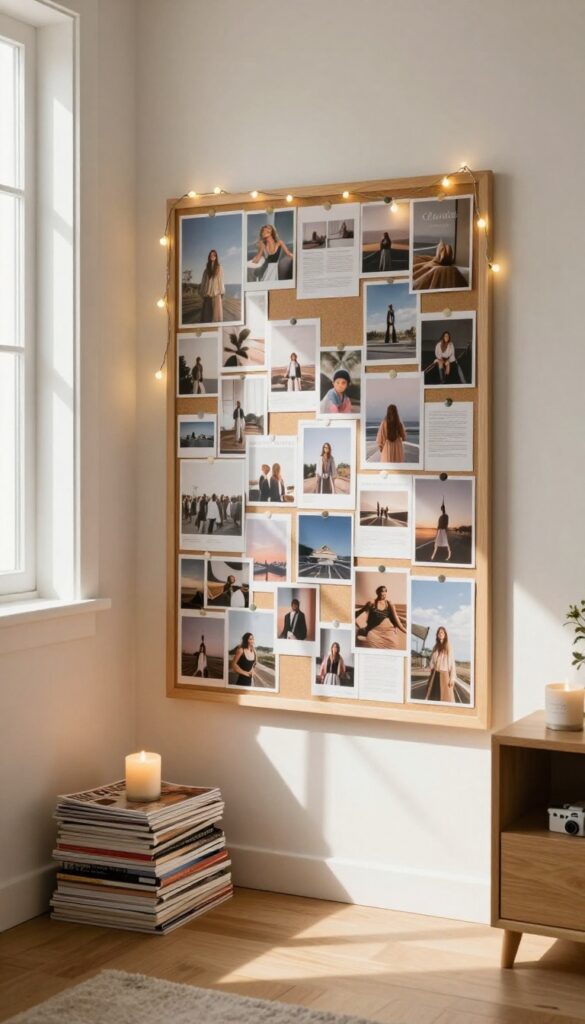
A vision board turns your hopes into something you can actually see every day. It's a simple craft that helps you clarify what you want and keeps those intentions front and center. No artistic talent required—just scissors, glue, and a stack of old magazines.
Gather a poster board, magazines, scissors, and glue. Flip through the pages and cut out any images, words, or phrases that spark joy or represent something you're working toward. Arrange them on the board without gluing first—move things around until the layout feels right.
Then glue everything down and hang it somewhere you'll pass by often, like above your desk or beside your bed.
What To Include
Think about different areas of your life: career, relationships, health, hobbies, travel. Look for pictures that evoke the feeling you want, not just the thing itself. A photo of a calm beach might represent peace, while a stack of books could symbolize learning.
Words matter too—cut out affirmations or single words like "grow, " "rest, " or "adventure. "
Where To Hang It
Pick a spot you see multiple times a day. Your bedroom wall, the inside of your closet door, or even a corner of your bathroom mirror all work well. The goal is regular, effortless reminders of what you're aiming for.
If you're short on wall space, try a smaller board or a digital version using a photo collage app.
Making It A Ritual
Turn vision boarding into a cozy self care session. Light a candle, put on calming music, and give yourself an hour to flip through magazines without rushing. You can update your board seasonally or whenever your goals shift.
The process itself is a meditation on what truly matters to you.
5. DIY Aromatherapy Rice Sachets
Warmth and scent together can melt tension fast. These little rice sachets are simple to make and incredibly comforting. They double as a neck warmer, a hand warmer, or just something cozy to hold while you breathe deeply.
You'll need small fabric pouches (cotton or muslin work best), dried rice, and a few drops of your favorite essential oil. Fill each pouch about two-thirds full with rice, add 3-5 drops of lavender or chamomile oil, and tie it closed. When you need a moment, pop one in the microwave for 30-60 seconds.
Test the temperature before applying—you want soothing, not scalding.
Choosing Your Fabric
Natural fibers like cotton, linen, or muslin breathe well and hold heat evenly. Old pillowcases or cotton socks work great if you're repurposing. Avoid synthetics—they can melt or smell weird when heated.
Scent Blends For Different Moods
Lavender and chamomile are classic for relaxation. For an energizing boost, try peppermint and rosemary. A blend of orange and clove feels cozy and festive.
Experiment with what makes you feel best.
How To Use Your Sachet
Place it on your neck or shoulders after a long day. Hold it in your hands while you meditate. Tuck it under your pillow for a calming bedtime scent.
You can even use it chilled—just pop it in the freezer for a cooling compress.
6. Start a Gratitude Jar
A gratitude jar is a simple but powerful way to collect small moments of joy throughout the year. Decorate a jar however you like—paint, ribbon, or just a label—and make it a habit to drop in a note whenever something good happens, no matter how small. On days when everything feels heavy, pull out a random note and let it remind you of the light.
What You'll Need
A clean jar with a lid (mason jars work great), some paper or sticky notes, a pen, and any decorations you like—washi tape, markers, or fabric scraps. Keep it simple or go all out; the jar is yours to personalize.
How To Make It A Habit
Place the jar somewhere you see every day, like your nightstand or kitchen counter. Set a reminder on your phone for a specific time—maybe right before bed—to jot down one thing you're grateful for. It only takes 30 seconds, and the payoff is huge.
When To Read The Notes
Reserve the jar for tough moments. Feeling stressed, sad, or overwhelmed? Open it, pick a note at random, and let that memory sink in.
You can also do a weekly or monthly ritual of reading a handful of notes to boost your mood.
7. Make Herbal Tea Blends
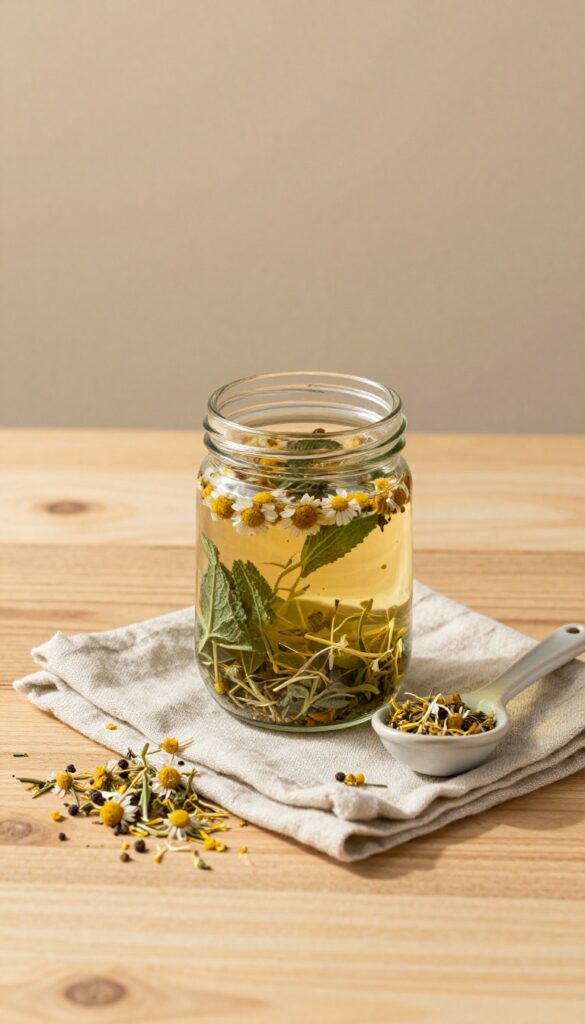
Brewing your own tea blends is like creating a little bottle of calm. You get to choose the flavors and benefits that speak to you, and the process itself is meditative. Plus, having a jar of your custom mix ready to go makes it easy to pause and reset anytime.
Start with a base like dried chamomile for relaxation, then add peppermint for a refreshing lift and lemon balm for a gentle mood boost. Mix them in a clean glass jar, and scoop a teaspoon into a tea infuser whenever you need a moment. Store it in a cool, dark place, and it'll stay fresh for months.
Choosing Your Herbs
Pick dried herbs that match your needs. Chamomile and lavender are great for winding down, while peppermint and ginger can energize. Lemon balm and rose petals add a floral note that feels luxurious.
Mixing And Storing
Use a 2: 1: 1 ratio for a balanced blend—two parts base herb, one part accent, one part flavor. Store in an airtight jar away from sunlight. Label it with the date and ingredients so you can tweak it next time.
Brewing Your Cup
Use one teaspoon of blend per cup of just-boiled water. Steep for 5-7 minutes, then strain or remove the infuser. Sip slowly, and let the warmth and aroma do their thing.
8. Create a Playlist for Relaxation
Music has a direct line to your mood. A well-curated playlist can shift your energy from scattered to serene in seconds. Instead of scrolling through random tracks, take a few minutes to handpick songs that genuinely help you unwind.
Start by thinking about the sounds that calm you—maybe it's acoustic guitar, ambient synth, or gentle piano. Include nature sounds like rain or ocean waves if that's your thing. Name your playlist something soothing like "Reset Mode" or "Soft Landing" to set the intention.
Keep it around 30–45 minutes so it fits a short break or a cozy evening routine.
Choose Your Vibe
Decide on a mood: dreamy, grounding, or uplifting. For a wind-down playlist, stick to slow tempos and minimal lyrics. Instrumental or foreign-language songs can help you focus on the feeling rather than the words.
Mix Familiar And New
Include a few beloved tracks that instantly relax you, but also add one or two new discoveries. This keeps the playlist fresh while still feeling safe and comforting. Streaming services have curated playlists like "Peaceful Piano" or "Ambient Chill" you can borrow from.
Make It A Ritual
Use your playlist as a cue for self care. Press play when you light a candle, take a bath, or journal. Over time, the music alone will trigger a relaxation response, making it easier to switch off.
9. Sew a Weighted Eye Pillow
A weighted eye pillow is a small luxury that can transform your rest time. The gentle pressure over your eyes signals your nervous system to relax, making it easier to drift off or simply unwind. Making one yourself adds a layer of intentionality—you choose the fabric, the scent, and the perfect weight.
Sewing a weighted eye pillow is straightforward even if you're new to stitching. You'll end up with a custom self-care tool that costs a fraction of store-bought versions.
What You'll Need
Pick a soft, breathable fabric like flannel, cotton, or silk. You'll also need dried flaxseed (or rice) for weight, dried lavender for calming scent, a needle and thread (or sewing machine), and a small funnel.
Simple Sewing Steps
Cut two rectangles about 5 by 9 inches. Place them right sides together and sew three sides closed, leaving one short end open. Turn it right side out.
Mix ½ cup flaxseed with 1 tablespoon dried lavender, then funnel the mixture into the pillow. Don't overfill—leave room for the seeds to shift. Hand-stitch the opening closed.
How To Use It
Warm the pillow in the microwave for 15–20 seconds (test first! ) or chill it in the fridge for a cooling effect. Lie down, place it over your eyes, and breathe deeply for a few minutes. The weight and scent work together to ease tension and quiet your mind.
10. Design a Self-Care Checklist
A self-care checklist is your personal roadmap to small, daily acts of kindness toward yourself. It takes the guesswork out of resetting and turns it into a simple habit. Think of it as a gentle nudge rather than a to-do list.
Write down a few things that genuinely make you feel better, then keep them visible so you remember to pause.
What To Include
Start with micro-actions that take less than five minutes. Examples: 'drink a glass of water, ' 'stretch for 60 seconds, ' 'write down one thing you're grateful for, ' or 'read a short poem. ' Pick items that feel nourishing, not overwhelming.
Make It Pretty And Visible
Use a nice piece of paper, add a bit of color or a simple doodle, then laminate it or put it in a small frame. Place it where you'll see it daily—by your bed, on your desk, or on the bathroom mirror.
Keep It Flexible
Your checklist isn't set in stone. Change it with the seasons or whenever your needs shift. The goal is to have a friendly reminder that adapts with you, not a rigid list that feels like a chore.
11. Make Beeswax Candles
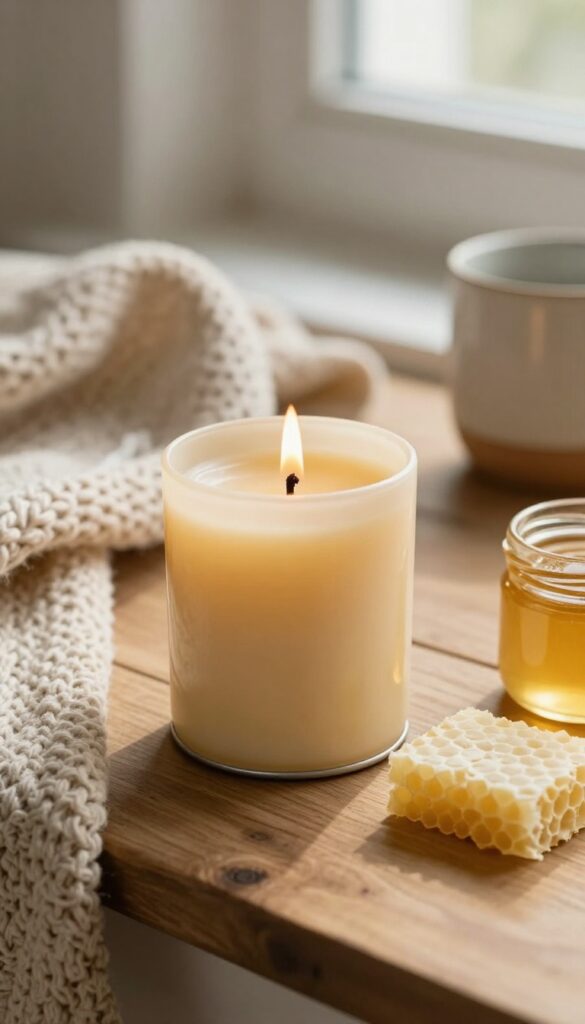
There's something deeply satisfying about lighting a candle you made yourself. Beeswax candles burn cleanly and release a subtle honey scent that instantly warms a room. Plus, the process itself is meditative—measuring, melting, and pouring forces you to slow down and focus on one simple task.
Why Beeswax?
Beeswax is a natural air purifier—it releases negative ions that help neutralize dust and allergens. It also burns longer than paraffin and drips less. The warm, golden glow feels cozier than any artificial light.
What You'll Need
Beeswax sheets, a cotton wick with a tab, small tins or molds, and a heat source. You can find pre-cut sheets at craft stores or online. No need for fancy equipment—a double boiler or a heat-safe bowl over a pot of water works perfectly.
The Simple Steps
Melt the beeswax gently over low heat. While it melts, press the wick tab into the bottom of your tin. Pour the melted wax carefully, leaving a little space at the top.
Let it cool completely—about an hour—then trim the wick to about ¼ inch. That's it.
Customize Your Candle
Add a few drops of essential oil like lavender or eucalyptus for a personalized scent. You can also layer colors by pouring small amounts of dyed wax in stages. Or keep it pure—the natural honey aroma is lovely on its own.
12. Paint a Rock for Mindfulness
Sometimes the simplest tools make the biggest difference. Painting a rock gives you a tiny canvas where you can focus completely on the moment. The smooth surface, the brush strokes, the color choices—all of it pulls your mind away from stress and into the present.
It's meditation you can hold in your hand.
Find a smooth, palm-sized stone from outside or a craft store. Wash it and let it dry. Choose a calming color—soft blue, muted green, or warm beige—and paint the whole rock.
Once that's dry, add a simple word like 'breathe, ' 'peace, ' or 'here. ' You can also paint a small design like a dot mandala, a leaf, or a heart. The key is to keep it simple and intentional. Let the painting process be slow and deliberate.
When you're done, seal it with a clear varnish if you want it to last. Hold it during meditation, keep it on your desk, or slip it into your pocket as a grounding touchstone throughout the day.
Why It Works
Painting a rock combines tactile focus with creative expression. The repetitive motion of brushing paint onto a smooth surface calms your nervous system. Having a physical object to hold during stressful moments gives your hands something to do, which helps quiet racing thoughts.
What You'll Need
A smooth rock (about palm-size), acrylic paint in calming colors, a small paintbrush, a cup of water, and optional clear sealant. That's it. No artistic skill required—simple shapes and words are perfect.
How To Use Your Rock
Keep it in your pocket or bag. When you feel anxious or distracted, take it out and hold it. Focus on its weight, texture, and temperature.
Breathe slowly and let the rock remind you to return to the present moment. You can also place it on your nightstand as a visual cue to unwind before sleep.
13. Create a Digital Detox Box
Screen time can quietly drain your energy without you noticing. A digital detox box gives you a physical cue to step away from devices and into something hands-on. Decorate a small box with calming colors or words that remind you to unplug.
Fill it with items that engage your hands and mind: a simple puzzle, a journal, a coloring book, and a few pens. When you feel the urge to scroll, grab the box instead. It's a gentle nudge toward presence without the pressure to meditate or do nothing.
What To Put Inside
Choose activities that don't need a screen. A crossword book, a sketchpad, or even a small craft kit work well. The key is to have variety so you always have something that fits your mood.
Making It A Habit
Place the box somewhere visible—on your coffee table or nightstand. Whenever you reach for your phone, pick up the box first. Over time, it becomes a natural signal to reset.
14. DIY Lip Balm
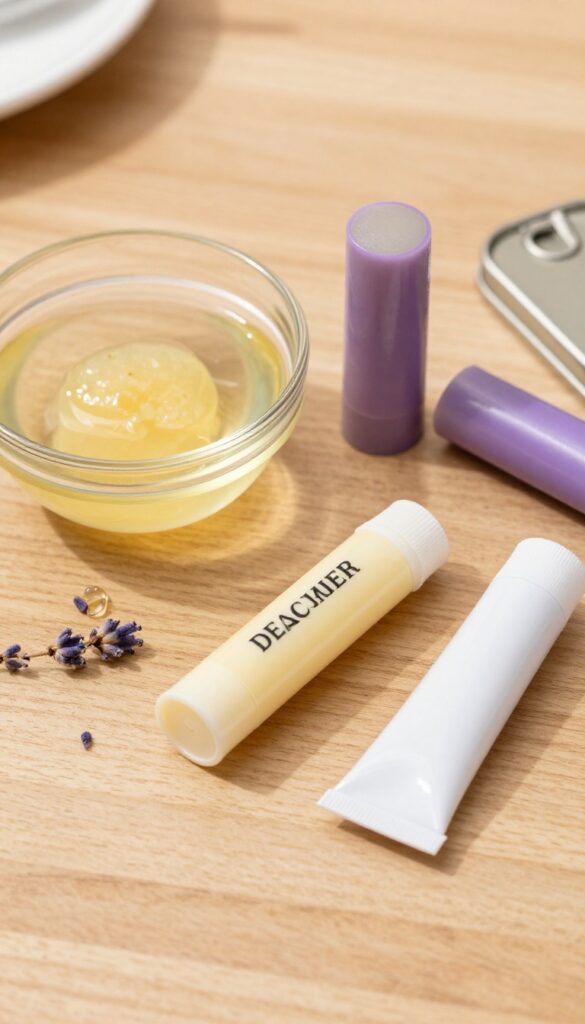
Your lips deserve a little love, especially during chilly months or dry indoor air. Making your own lip balm is surprisingly easy and lets you control exactly what goes on your skin. Plus, the process itself is soothing—melting, stirring, and pouring feels like a tiny ritual.
This simple recipe uses just three ingredients you can find at any craft store or online. The result is a smooth, nourishing balm that leaves lips feeling soft without any greasy residue. You can customize it with your favorite essential oils or even add a hint of natural color.
What You'll Need
Grab 1 tablespoon beeswax pastilles, 1 tablespoon coconut oil, and about 10 drops of peppermint or lavender essential oil. You'll also need small tins or empty lip balm tubes—reuse old ones or buy a pack for cheap.
The Simple Process
Melt the beeswax and coconut oil together in a double boiler or a heatproof bowl over simmering water. Stir until completely liquid, then remove from heat. Add the essential oil, stir quickly, and pour into your containers.
Let them cool completely before capping.
Tips For Success
Work fast once you add the oil because the mixture starts to set. If you want a tinted balm, stir in a tiny bit of beetroot powder or a piece of lip-safe mica. Store at room temperature—it'll last for months.
15. Build a Terrarium
Creating a tiny ecosystem in a glass jar is like bringing a piece of nature indoors. It's a slow, mindful project that rewards you with a living sculpture. Plus, watching your succulents thrive gives a quiet sense of accomplishment.
Terrariums are surprisingly easy to assemble and require minimal upkeep. The layering process itself is meditative, and the result is a low-maintenance green companion for your desk or nightstand. Choose a clear container—anything from a mason jar to a geometric glass vessel works.
What You'll Need
Gather pebbles or gravel for drainage, activated charcoal to keep things fresh, potting soil suited for succulents, and a selection of small succulents or air plants. Optional: decorative moss, tiny figurines, or colored sand for a personal touch.
Step-by-step Assembly
Start with a 1-2 inch layer of pebbles at the bottom. Add a thin layer of charcoal, then a generous layer of soil. Plant your succulents using tweezers or a spoon, leaving space between them.
Finish with a top dressing of pebbles or moss. Mist lightly with water.
Daily Care Ritual
Place your terrarium in bright, indirect light. Water only when the soil is dry—about once a week. Use a spray bottle to mist the plants and clean the glass.
This quick check-in becomes a calming pause in your day.
16. Make a Sleepy Time Mist
Your pillow can be a powerful sleep trigger—if you train it right. A simple linen spray made with calming essential oils tells your brain it's time to wind down. This takes five minutes and costs pennies per use.
Start with a 2-ounce glass spray bottle. Fill it with distilled water, leaving a little room at the top. Add 10 drops of lavender essential oil and 5 drops of cedarwood essential oil.
Screw on the mister and shake well. That's it. Spritz your pillow and sheets lightly before bed.
The scent lingers just enough to create a calm atmosphere without being overwhelming.
Why These Oils Work
Lavender is the most researched essential oil for sleep. It lowers heart rate and blood pressure, easing you into rest. Cedarwood adds a warm, woody base that feels grounding.
Together they mimic the scent of a peaceful forest at night.
Customize Your Blend
Swap cedarwood for frankincense if you prefer something softer. Add a drop of chamomile for extra floral notes. Just keep the total drops under 20 so the scent stays subtle.
Always shake before each use because oil and water separate.
Safety Notes
Use a glass bottle—essential oils can degrade plastic over time. Keep the mist away from your eyes and face. If you have sensitive skin, do a patch test on your pillowcase first.
Store in a cool, dark place and use within a month.
17. Knit or Crochet a Simple Scarf
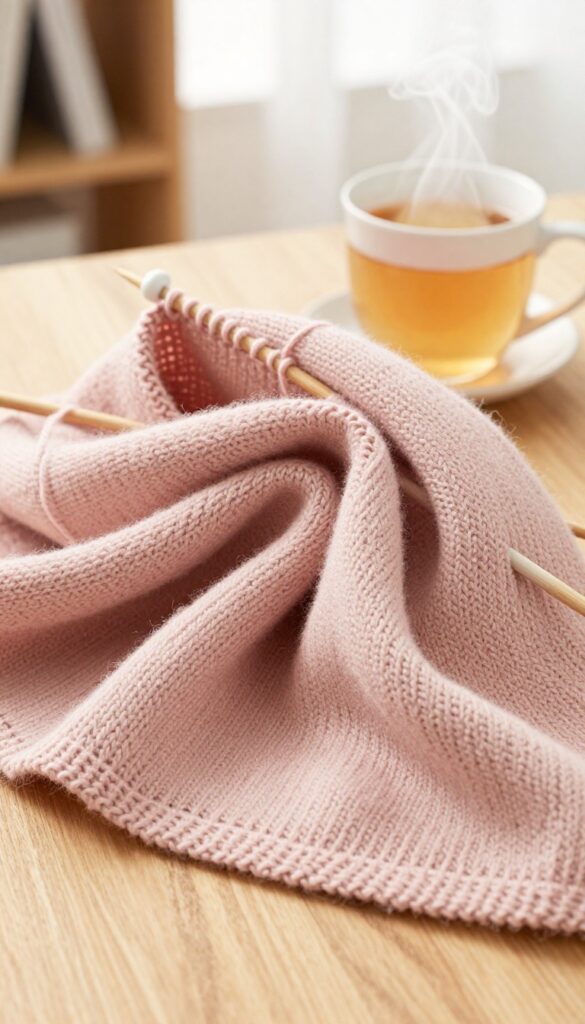
There's a reason knitting and crocheting have been calming hobbies for generations. The repetitive motion of creating stitches can quiet a busy mind, and a simple scarf is the perfect beginner project. You don't need to be an expert—just a ball of soft yarn and a pair of needles or a hook.
Pick a chunky yarn in a color that makes you happy. The thicker the yarn, the faster your scarf will grow, which is incredibly satisfying. Watch a few basic tutorials online for casting on and the knit or single crochet stitch.
Then let your hands find a rhythm while you sit with a cup of tea or listen to a podcast.
Why It Works
The repetitive stitch patterns act like a moving meditation. Each loop pulls your focus to the present moment, away from worries. Plus, you end up with a cozy accessory that reminds you of your calm time.
Getting Started
Look for a beginner scarf kit that includes yarn, needles, and instructions. Or visit a local yarn shop—staff love helping newbies. Start with a 10-inch width and keep going until the scarf feels long enough to wrap twice around your neck.
Make It Your Own
Add a simple fringe by cutting yarn strands and knotting them into the ends. Or switch colors halfway for a striped effect. No pressure to be perfect—every stitch is part of your self-care practice.
18. Create a Morning Ritual Tray
Mornings set the tone for the whole day, but they often feel rushed or chaotic. A morning ritual tray is a simple way to carve out a few minutes of calm before the world demands your attention. It's a small, intentional setup that invites you to slow down and start your day on your own terms.
Think of it as a visual cue for self-care. When you see that tray waiting for you, it gently reminds you to take a breath, sip something warm, and be present. No phone, no to-do list—just you and a tiny moment of peace.
Your morning ritual tray doesn't need to be elaborate. The key is choosing items that feel soothing and personal. A favorite mug for tea or coffee, a small candle, a journal, and a fresh flower or a pretty stone are classic picks.
Arrange them on a small tray or a pretty cloth so they feel special and intentional. Place the tray somewhere you'll see it first thing—your nightstand, kitchen counter, or a corner of your desk. Each morning, light the candle, pour your drink, and spend just five minutes writing, reflecting, or simply sitting quietly.
Over time, this tiny ritual becomes a anchor for your day.
What To Put On Your Tray
Start with the basics: a warm drink (tea, coffee, or hot water with lemon), a candle or essential oil diffuser, and something to write in. Add a small plant or flower for a touch of nature, and maybe a crystal or a photo that makes you smile. Keep it minimal—only include items that genuinely help you feel grounded.
How To Build The Habit
Place your tray somewhere visible the night before so it's ready when you wake up. Commit to just five minutes—no pressure to journal for an hour. If you miss a day, that's okay.
The goal is consistency, not perfection. Over time, this small act will train your brain to associate mornings with calm.
Seasonal Variations
Switch up your tray with the seasons. In winter, add a cozy blanket scrap or a cinnamon stick. In spring, use fresh flowers and a lighter tea.
Let your tray reflect what you need most right now. This keeps the ritual feeling fresh and responsive to your changing moods.
19. DIY Sugar Scrub
A simple sugar scrub can turn your shower into a mini spa moment. Mixing your own means you control the ingredients—no mystery chemicals, just pure, skin-loving goodness. Plus, the act of making it is calming in itself.
Why It Works
Brown sugar is gentler than white sugar, making it perfect for sensitive skin. Coconut oil moisturizes deeply while the granules exfoliate dead skin cells. Vanilla adds a warm, comforting scent that lingers.
How To Make It
Combine 1 cup brown sugar with ½ cup melted coconut oil. Stir in 1 teaspoon vanilla extract. Mix until it looks like wet sand.
Store in an airtight jar—it keeps for up to a month.
How To Use It
In the shower, scoop a small amount and gently massage onto damp skin in circular motions. Focus on rough areas like elbows and knees. Rinse well and pat dry.
Use 2–3 times a week for soft, glowing skin.
20. Write a Letter to Your Future Self

Picking up a pen and writing a letter to your future self is a quiet act of self-compassion. It gives you space to reflect on where you are right now—your hopes, worries, and small joys—without judgment. Six months from now, opening that envelope will feel like a gentle check-in with someone who knows you better than anyone.
This project takes just 15 minutes but offers a lasting sense of connection across time. You don't need fancy stationery—any paper and pen will do. The magic is in the honesty of your words.
What To Write About
Start with what's true today. What made you smile this week? What's weighing on your mind?
What are you proud of, even if no one else notices? You can also ask your future self a question or make a small prediction. There are no wrong answers.
How To Seal And Store It
Fold your letter and place it in a sealed envelope. Write your name and a future date on the front—six months from now works well. Store it somewhere safe but not too hidden, like a journal or a drawer you open often.
Set a calendar reminder to open it on that day.
Why It Works As Self Care
Writing slows your mind and helps you process emotions. It's a snapshot of your present self, offered as a gift to the person you're becoming. When you finally read it, you'll see how far you've come—and that's a powerful reminder of your own resilience.
FAQ
Do I need special skills to try these DIY self care projects?
Not at all. Most projects require basic supplies and simple steps. They're designed for beginners and focus on the relaxing process, not perfection.
How much time do these projects take?
Many can be done in 15–30 minutes. Some, like knitting a scarf, may take longer but can be spread over several sessions.
Can I do these with kids?
Absolutely. Projects like the calm-down jar, gratitude jar, and rock painting are great for children and can become shared self-care moments.
What if I don't have all the supplies?
Feel free to substitute. The goal is to adapt each idea to what you have on hand. Creativity is part of the self-care experience.
How often should I do these projects?
There's no set schedule. Pick one when you feel the need to reset. Even a single project can bring a sense of calm and accomplishment.
Conclusion
Wellness resets don't need to be elaborate—just intentional. Pick one or two projects that spark joy, whether it's making a calming candle or stitching a cozy pillow. Let your hands guide you toward calm.
Over time, these small creative acts build a sanctuary you can return to anytime. Start with what feels good today.