A digital detox doesn't have to feel like a punishment. In fact, stepping away from screens can open up space for small, meaningful rituals that actually restore your energy. The best part?
Most of these activities cost nothing and require minimal planning. Whether you have five minutes or a full afternoon, these 20 self-care ideas are designed to fit into real life. No fancy equipment, no apps, no pressure.
Just simple ways to reconnect with yourself and the world around you. From quiet moments to playful experiments, each suggestion is a gentle invitation to slow down. Pick one that feels right for today, and see what happens when you give yourself permission to simply be.
1. Take a Mindful Walk Without a Destination

Walking without a destination is one of the simplest ways to reset your mind. Without the constant ping of notifications, your senses can fully engage with the world around you. This isn't about exercise or counting steps—it's about moving slowly and noticing what's there.
Leave your phone at home and step outside with no agenda. Notice the sounds, smells, and textures around you. A short, aimless walk can clear your head and ground you in the present moment.
What To Notice
Pay attention to the crunch of leaves under your feet, the pattern of light through trees, or the distant hum of traffic. Let your curiosity guide you—follow a path you've never taken or pause to watch a bird.
How Long To Walk
Even five minutes can make a difference. If you have more time, aim for 20–30 minutes. The key is to stay present, not to reach a certain distance or pace.
Making It A Habit
Try incorporating a mindful walk into your daily routine, perhaps right after waking up or during a lunch break. Over time, this small practice can become a cherished anchor in your day.
2. Write a Handwritten Letter to Someone You Care About
Texting is convenient, but it rarely feels special. A handwritten letter, on the other hand, carries a weight that pixels can't replicate. It's a deliberate act of care—choosing paper, forming each letter, and sealing an envelope just for someone else.
This small ritual is both grounding for you and deeply meaningful for the recipient.
Grab a pen and paper, and let your thoughts flow without worrying about grammar or length. Share a memory, express gratitude, or simply say what you've been meaning to say. The physical act of writing slows you down, making the message more intentional.
And when your loved one finds it in their mailbox, they'll feel a connection that no notification can match.
Why It Works
Handwriting engages your brain differently than typing, promoting mindfulness and emotional processing. It forces you to pause and choose each word, which can be surprisingly therapeutic. Plus, receiving a letter releases dopamine—making it a win-win for both writer and reader.
Getting Started
No need for fancy stationery. Any paper and pen will do. Find a quiet spot, take a few deep breaths, and think of one person you appreciate.
Start with a simple "I've been thinking of you" and see where it goes. If you're stuck, describe something you love about them or a shared memory.
Make It A Habit
Consider writing one letter per week during your digital detox. It doesn't have to be long—even a short note can brighten someone's day. You'll build a meaningful practice that strengthens relationships and gives you a screen-free creative outlet.
3. Try a 10-Minute Guided Meditation (No App Needed)
Meditation doesn't require a subscription or a fancy app. In fact, the simplest version might be the most effective. All you need is a quiet spot and a willingness to sit still for ten minutes.
Set a timer, close your eyes, and focus on the natural rhythm of your breath. When your mind wanders—and it will—gently guide it back without judgment. That's it.
No music, no voice guiding you, just you and your breath. Even a short session like this can lower stress and improve focus. It's a powerful reset that fits perfectly into a digital detox, reminding you that calm is already within reach.
Find Your Spot
Choose a place where you won't be disturbed. It could be a corner of your bedroom, a cushion on the floor, or even a chair by the window. The key is consistency—using the same spot can help signal your brain that it's time to unwind.
Focus On The Breath
Close your eyes and take a few deep breaths to settle in. Then let your breathing return to normal. Pay attention to the sensation of air entering and leaving your nostrils, or the rise and fall of your chest.
Whenever your mind drifts, just note it and return to the breath.
Let Thoughts Float By
Don't try to empty your mind—that's a myth. Instead, imagine your thoughts as clouds passing through the sky. Observe them without getting caught up.
If you find yourself planning or worrying, simply label it "thinking" and come back to your breath.
4. Cook a Simple Meal from Scratch

There's something grounding about making food with your own hands, especially when there's no screen competing for your attention. Cooking from scratch turns a daily necessity into a sensory experience—the smell of garlic hitting hot oil, the sound of a knife through fresh herbs, the satisfaction of tasting as you go. It doesn't have to be complicated; a simple pasta with tomato sauce or a veggie stir-fry can be just as rewarding as an elaborate dish.
When you cook without distractions, you're practicing active mindfulness. Each step requires focus, from measuring ingredients to adjusting seasoning. This presence pulls you out of your head and into the moment.
Plus, you end up with a nourishing meal that you made yourself, which feels infinitely better than ordering takeout while scrolling your phone.
Pick A Recipe With Few Ingredients
Start with something manageable—a recipe that calls for five to seven ingredients you likely already have. Think scrambled eggs with toast and avocado, a simple lentil soup, or a one-pan chicken and veggies. Fewer ingredients mean less prep and cleanup, so you can focus on the process rather than feeling overwhelmed.
Engage All Your Senses
Notice the colors of the vegetables as you chop them, the texture of dough between your fingers, the sizzle as ingredients hit the pan. Cooking without a phone nearby lets you fully immerse in these small details. You might even find that food tastes better when you've been present through its creation.
Turn It Into A Ritual, Not A Chore
Set the mood with soft music or open a window for fresh air. Light a candle or pour a glass of water with lemon. By treating cooking as a deliberate act of self-care, it stops feeling like another task on your to-do list and becomes a moment you look forward to during your digital detox.
5. Create a Cozy Reading Nook and Dive into a Book
There's a special kind of magic in curling up with a physical book, especially when you're taking a break from screens. A cozy reading nook doesn't need much—just a comfortable spot, good lighting, and a few personal touches. This simple ritual can transport you to another world without a single notification.
Pick a physical book or magazine and find a quiet corner. Add a blanket, a cup of tea, and soft lighting. Losing yourself in a story is one of the best screen-free escapes.
Aim for at least 20 minutes of uninterrupted reading to fully unwind.
Choosing Your Spot
Look for a corner with natural light or a comfy chair near a lamp. A window seat, an armchair, or even a pile of cushions on the floor can work. The key is comfort and minimal distractions.
Setting The Mood
Add a soft throw blanket, a warm drink, and maybe a candle or fairy lights. Keep your phone in another room to avoid temptation. The goal is to create a sanctuary that invites you to stay awhile.
Selecting Your Read
Choose something you're genuinely excited about—a novel, a memoir, or a collection of short stories. Avoid anything that feels like a chore. This is about pleasure, not productivity.
6. Practice Gentle Stretching or Yoga
Your body holds tension you don't even notice until you stop and check in. Stretching is a quiet way to release that buildup without needing a gym or any gear. Just a few minutes of slow movement can shift how you feel physically and mentally.
No mat or experience needed. Just stretch your arms, roll your shoulders, and move your body slowly. Focus on how each movement feels.
It releases tension and improves circulation.
Start With Your Neck And Shoulders
Most of us carry stress right here. Slowly tilt your head side to side, then roll your shoulders forward and backward. Even 30 seconds of this can ease that tightness from hunching over devices.
Try A Simple Seated Twist
Sit comfortably, place one hand on the opposite knee, and gently twist your torso. Hold for a few breaths, then switch sides. This movement helps release lower back tension and wakes up your spine.
End With A Forward Fold
Stand or sit, then slowly hinge at your hips and let your head hang heavy. Let your arms dangle. Breathe deeply for five counts.
This calms your nervous system and stretches your hamstrings and back.
7. Declutter One Small Area of Your Home

There's a quiet satisfaction in tidying up a single spot, especially when your mind feels cluttered from constant screen time. You don't need to tackle the whole house—just one drawer, a shelf, or your nightstand will do. The physical act of sorting and organizing can ground you in the present moment, offering a sense of control and calm.
Choose Your Spot
Pick a small area that's been bothering you—maybe a junk drawer, a messy bookshelf, or the top of your dresser. Keep it manageable; you want to finish in 15-20 minutes. The goal is a quick win, not a deep clean.
Sort And Decide
Take everything out and place it in front of you. Ask yourself: Do I need this? Do I love it?
If the answer is no, set it aside to donate, recycle, or toss. Be honest—holding onto things out of guilt or "just in case" only adds mental weight.
Arrange With Intention
Put back only what you truly want to keep. Arrange items so they're easy to see and access. A neat, intentional space can feel like a breath of fresh air.
Take a moment to appreciate your work before moving on.
8. Listen to a Podcast or Audiobook (Offline)
There's a reason why listening to a story or conversation can feel so nourishing during a digital detox. It engages your imagination without demanding your eyes or constant attention. By downloading something ahead of time, you remove the temptation to scroll or check notifications, creating a truly screen-free experience.
Whether you choose an inspiring podcast or a captivating audiobook, the key is to let the audio fill the space while you do something simple. Fold laundry, take a walk, or just sit and listen. This activity transforms passive listening into an active act of self-care.
The beauty of offline audio is that it gives your eyes a rest while keeping your mind engaged. It's a perfect bridge between doing nothing and doing something productive. You can tailor the experience to your mood—energizing, calming, or thought-provoking.
Why Offline Audio Works
Downloading content beforehand eliminates the urge to multitask or check your phone. You're fully present with the audio, which can deepen relaxation and focus. Plus, it's a great way to discover new ideas or stories without the noise of ads or notifications.
What To Listen To
Choose something that aligns with your detox goals. For inspiration, try a personal development podcast or a memoir. For pure escape, pick a fiction audiobook or a comedy show.
The key is to select content that feels like a treat, not a chore.
How To Make It A Ritual
Set aside a specific time for listening, like during your morning coffee or before bed. Pair it with a simple activity like stretching, drawing, or making tea. This turns listening into a cherished ritual rather than background noise.
9. Spend Time with a Pet or Animal
Animals have a way of pulling you into the present moment. Their simple routines and unconditional affection can be a powerful antidote to screen-induced stress. Whether you own a pet or just enjoy watching wildlife, this is one of the most grounding activities you can do during a digital detox.
If you have a pet, give them your full attention. Play, cuddle, or go for a walk. If not, visit a local animal shelter or simply watch birds from your window.
Animals are natural stress relievers.
The Power Of Presence
Pets don't care about notifications or deadlines. When you focus on them, you naturally step away from digital noise. Even ten minutes of playing fetch or brushing a cat can lower cortisol levels and boost oxytocin.
Ideas For Pet Owners
Try a new activity together: a different walking route, a puzzle toy, or even a gentle grooming session. Notice how your pet responds to your undivided attention. You might be surprised at how much more connected you feel.
No Pet? No Problem
Visit a local animal shelter and offer to walk dogs or socialize cats. Many shelters welcome volunteers for short shifts. Alternatively, set up a bird feeder outside your window and spend a few minutes observing the visitors.
It's a simple, screen-free way to appreciate nature.
10. Take a Long, Unhurried Bath or Shower
When was the last time you took a bath or shower without rushing? A digital detox is the perfect excuse to turn your bathroom into a mini sanctuary. No phone, no timer—just you and the warm water.
Let the water do its work. The heat helps release muscle tension, while the quiet gives your mind a break from constant notifications. Stay until the water cools or until you feel fully relaxed.
This is your time.
Set The Mood
Dim the lights or light a candle. Add Epsom salts or a few drops of essential oil if you have them. The goal is to create a calm, sensory experience that feels like a retreat.
Leave Your Phone Outside
Resist the urge to bring your phone for music or podcasts. Instead, listen to the sound of water or your own breathing. This is about being present, not multitasking.
Stay As Long As You Like
There's no schedule here. If you want to soak for ten minutes or an hour, that's fine. Let your body tell you when you're done.
You might even find yourself dozing off—that's a good sign.
11. Do a Creative Project with Your Hands
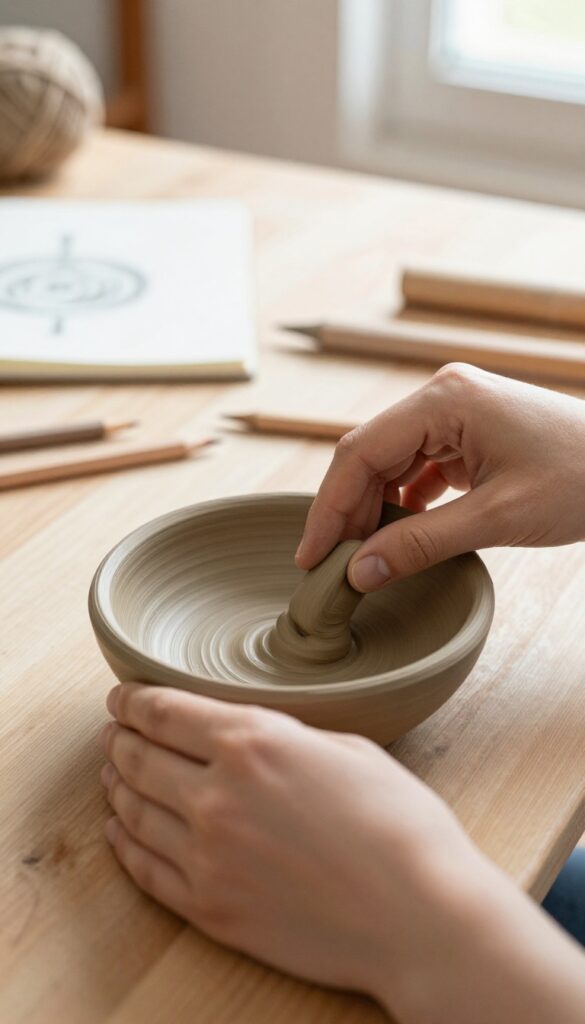
Your hands remember how to make things. When you put down the phone, pick up something tactile—clay, yarn, paper, or even a simple pencil. The act of creating with your hands quiets the mental noise and brings a rare kind of focus.
No screen, no notifications, just the satisfaction of shaping something real.
Creative projects don't have to be complicated or polished. The point is the process, not the result. Let your hands lead the way and see where they take you.
Start Small And Simple
You don't need a full art studio. Grab a coloring book and some crayons, or doodle in the margins of a notebook. Knitting a simple scarf or molding a small clay bowl takes only a few supplies and zero experience.
The goal is to get your fingers moving and your mind off the screen.
Focus On The Feel, Not The Finish
Notice the texture of the clay, the rhythm of the knitting needles, the scratch of the pencil. This sensory input grounds you in the present moment. When you stop worrying about making something “good, ” you free yourself to enjoy the act itself.
Build Something Tangible
LEGOs, wooden blocks, or even a simple puzzle give you a physical result you can hold. Unlike a digital file that disappears into a folder, a hand-built creation sits on your desk as a reminder of your quiet time. It's proof that you can make something without a single notification.
12. Write in a Journal Without Any Rules
Journaling during a digital detox is like opening a pressure valve for your brain. Without the constant ping of notifications, your thoughts have room to surface—and a notebook gives them a place to land. No structure required, no judgment allowed.
Just you, a pen, and whatever wants to come out.
Grab any notebook and write whatever comes to mind. Stream of consciousness, gratitude lists, or even doodles. There's no right or wrong way to journal.
It's a private space to process thoughts without filters or expectations. The goal isn't to produce something polished—it's to let your mind wander freely on paper.
Start With One Sentence
If a blank page feels intimidating, begin with a single line. "Today I noticed. . . " or "Right now I feel. . .
" can unlock the flow. One sentence often leads to another, and before you know it, you've filled a page.
Try Different Styles
Mix it up to keep it fresh. Write a list of things you're grateful for, sketch a quick doodle of your surroundings, or jot down a memory from childhood. Bullet points, poems, or even a letter you'll never send—all fair game.
No Need To Reread
The act of writing is the therapy, not the reading. You never have to look back at what you wrote. Tear out pages if you want, or keep the notebook closed.
The point is the release, not the record.
13. Have a Tech-Free Conversation with a Friend or Family Member
Real connection doesn't need a screen. Invite someone over for a walk or a cup of tea, and put your phones away. Deep conversations strengthen bonds and remind you that presence is the best gift.
Set The Stage
Choose a quiet, comfortable spot where you won't be interrupted. A park bench, a cozy corner of a café, or even your own living room works. Let your friend know ahead of time that this will be a phone-free catch-up, so you're both on the same page.
Ask Open-ended Questions
Skip the usual "How are you? " and dive deeper. Ask about what's been on their mind, a recent memory that made them smile, or something they're looking forward to.
These questions spark richer conversations and show you genuinely care.
Listen Without Interrupting
Practice active listening. Nod, make eye contact, and resist the urge to jump in with your own story. When they finish, reflect back what you heard.
This simple act makes people feel valued and heard.
End With Gratitude
Before you part ways, share one thing you appreciated about the conversation. A simple "I really needed this" or "Thanks for sharing that with me" leaves you both feeling connected and grateful.
14. Explore a New Hobby That Requires No Screen
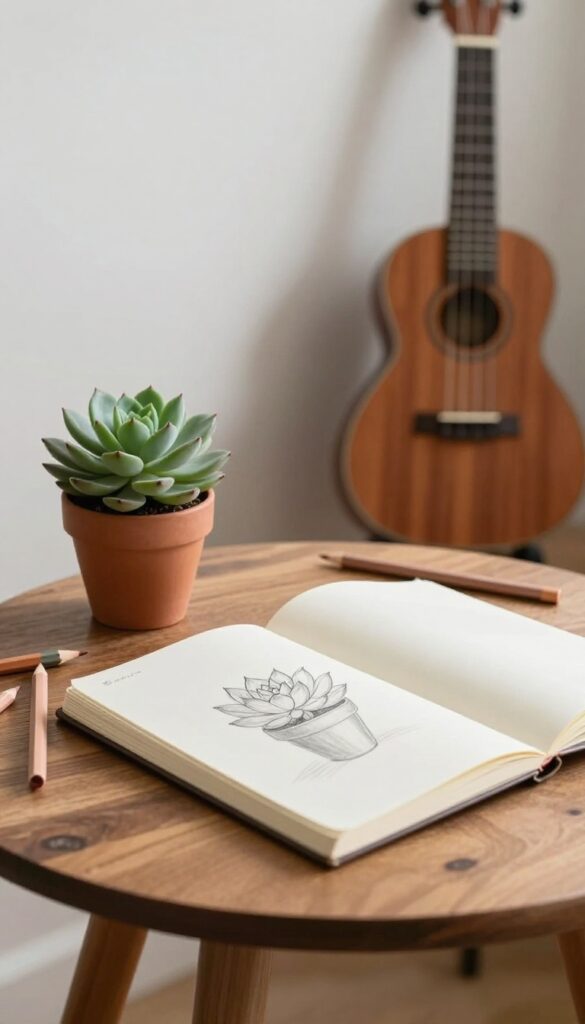
Picking up a hands-on hobby is one of the most rewarding ways to spend your screen-free time. It shifts your focus from passive scrolling to active creation, and it gives you something tangible to show for your efforts. The best part?
You don't need to be good at it—just curious.
Start with something that genuinely intrigues you. Gardening lets you connect with nature and watch things grow. Birdwatching turns a walk into a treasure hunt.
Calligraphy or drawing uses your hands in a meditative way. Playing a simple instrument like a ukulele or harmonica can be surprisingly satisfying. The key is to begin small—buy a cheap starter kit, borrow a friend's guitar, or grab a notebook and pen.
There's no pressure to master anything. The learning curve itself is part of the joy.
Why Hands-on Hobbies Work
When you're learning something physical, your brain has to focus on the present moment. That naturally quiets the mental chatter and reduces stress. Plus, the sense of progress—even tiny wins—boosts your mood.
How To Choose Yours
Think about what you loved as a kid: building models, drawing, collecting things. Or ask yourself what you've always wanted to try but never made time for. The answer is usually right there.
Keep It Low Pressure
Set a timer for 15 minutes and just play. No goals, no expectations. The point is to enjoy the process, not to become an expert overnight.
If it clicks, great. If not, try something else.
15. Do a Digital Declutter of Your Physical Space
Your environment shapes your mental state more than you realize. When you clear out digital noise, it’s the perfect time to tackle the physical clutter that’s been nagging at you. Sorting through papers or reorganizing a drawer can feel surprisingly satisfying, and it gives your hands something productive to do while your brain unwinds.
Start With One Surface
Don’t try to declutter your whole home at once. Pick one surface—your desk, a kitchen counter, or a nightstand. Clear it completely, then put back only what you need and love.
That small win often sparks momentum.
Create A Simple Filing System
Gather stray bills, receipts, and important documents. Sort them into categories like “bills paid, ” “taxes, ” and “warranties. ” Use a few folders or a small accordion file. You’ll know exactly where to find things later.
Digitize What You Can
While you’re offline, you can still scan documents using a dedicated scanner or a camera (save the photos for later). Shred what you don’t need. This reduces paper pileup and makes your space feel lighter.
16. Practice Deep Breathing Exercises
When your mind is racing and the urge to check your phone is strong, your breath is the quickest reset button you have. Deep breathing exercises are a portable, zero-cost tool that can shift your nervous system from fight-or-flight to rest-and-digest in minutes. No app needed, just your lungs and a quiet moment.
Sit comfortably, close your eyes if it helps, and inhale through your nose for four counts. Hold that breath for four counts, then exhale slowly through your mouth for four counts. Repeat this cycle for three to five minutes.
That simple pattern—called box breathing—signals your body that it's safe to relax. It lowers cortisol, steadies your heartbeat, and clears mental fog. You can do it at your desk, in bed, or while waiting for your tea to steep.
Why It Works
Deep breathing activates the vagus nerve, which runs from your brainstem down to your abdomen. When stimulated, it triggers the parasympathetic nervous system—your body's natural de-stress mechanism. That's why a few conscious breaths can literally change how you feel.
Try Different Patterns
Box breathing is a great start, but you can also explore 4-7-8 breathing (inhale 4, hold 7, exhale 8) or simple diaphragmatic breathing. Each pattern offers a slightly different effect. Experiment to find what calms you fastest.
Make It A Ritual
Pair your breathing practice with a specific cue, like right after you turn off your phone for the night or before your morning coffee. Consistency turns a simple exercise into a powerful anchor for your digital detox routine.
17. Go Stargazing or Cloud Watching

There's something humbling about lying under a vast sky. Without city lights or screen glare, the stars or drifting clouds become a natural show that shifts your focus outward. It’s a quiet reminder that the world is bigger than your to-do list.
No telescope or app required. Just a blanket, a clear spot, and a few minutes of stillness. Let your eyes adjust and see what patterns emerge—constellations, satellites, or just the slow dance of clouds.
Pick Your Spot
Find a place away from streetlights—a backyard, a park, or even a balcony with a clear view. Bring a blanket or reclining chair so you can lie back comfortably. The less artificial light, the more you'll see.
Daytime Vs. Nighttime
Cloud watching works best in the afternoon when cumulus clouds are fluffy and slow-moving. At night, give your eyes 20 minutes to adapt to darkness for the best stargazing. Both offer a different kind of calm.
Make It A Mini Ritual
Bring a thermos of tea or cocoa, and leave your phone behind. You can go solo for deep reflection or invite a friend for shared silence. No need to talk—just be present under the sky.
18. Bake Something Simple and Enjoy the Aroma
Baking is a full-sensory experience that pulls you into the present moment. The simple act of measuring flour, cracking an egg, or waiting for the timer to ding can be surprisingly grounding. Plus, your kitchen fills with a cozy scent that no candle can replicate.
Baking engages all your senses—the smell of vanilla, the feel of dough, the warmth of the oven. Even a basic recipe like cookies or banana bread can be a comforting ritual.
Choose A Low-stress Recipe
Start with something forgiving, like no-knead bread or mug cakes. Avoid recipes with complicated steps or hard-to-find ingredients. The goal is relaxation, not a baking competition.
Focus On The Process, Not The Outcome
Let yourself enjoy mixing, kneading, and watching the batter come together. It doesn't matter if your cookies are perfectly round or your loaf sinks a little. The joy is in the doing.
Savor The Aroma And The Taste
Once it's out of the oven, take a moment to breathe in the smell before you eat. Share with a neighbor or enjoy it with a cup of tea. This is self-care you can literally taste.
19. Create a Vision Board with Magazines and Scissors
Grab a stack of old magazines, a pair of scissors, and a blank piece of paper or corkboard. This isn't about artistic perfection—it's about letting your hands guide you toward what excites you. Flip through pages and cut out any image, word, or color that sparks a feeling of possibility.
No overthinking allowed.
Once you have a pile of clippings, arrange them on your board without glue at first. Move things around until the layout feels right. Then stick them down.
The act of physically cutting and placing helps your brain connect with your aspirations in a way that scrolling never can.
What To Look For
Don't limit yourself to obvious goals like career or fitness. Grab anything that makes you pause—a cozy room, a travel photo, a random quote, a texture you love. Your subconscious knows what it needs.
Make It A Ritual
Set a timer for 20 minutes and treat this like a mini ceremony. Light a candle, put on some lo-fi music, and let the process be meditative. The goal is to enjoy the act of creating, not to produce a masterpiece.
Display It Somewhere Visible
Hang your vision board where you'll see it daily—next to your desk, on your bedroom wall, or inside a closet door. It's a gentle reminder of what matters when digital noise fades away.
20. Do Absolutely Nothing for 10 Minutes

In a world that glorifies busyness, doing nothing can feel almost rebellious. But sitting still without any input—no phone, no book, no music—is one of the most restorative things you can do. It gives your brain a rare chance to power down and just be.
Why It Works
Constant stimulation keeps your mind in a reactive state. Ten minutes of stillness allows your default mode network to activate, which is linked to creativity, self-reflection, and emotional processing. It's like a reset button for your nervous system.
How To Do It
Find a quiet spot. Set a timer for 10 minutes. Sit on a chair with your feet flat or lie on the floor.
Close your eyes or gaze softly at a blank wall. Let your thoughts come and go without chasing them. That's it.
What To Expect
The first few minutes might feel awkward or boring. Your mind may race or you might feel the urge to grab your phone. Stick with it.
By the end, many people feel a sense of calm or clarity they didn't know they were missing.
FAQ
How long should a digital detox last?
It can be as short as a few hours or as long as a weekend. Start with a half-day and see how you feel. The goal is quality, not duration.
What if I need my phone for emergencies?
Keep your phone nearby but on silent or airplane mode. You can check it periodically for urgent messages, but avoid mindless scrolling.
Can I still use a laptop for work during a detox?
If work requires a computer, treat it as a tool—only open necessary tabs and avoid social media. The detox is about intentional use, not total abstinence.
What if I feel anxious without my phone?
That's normal. Start with short breaks and gradually increase. Have a non-screen activity ready, like a book or a puzzle, to ease the transition.
How do I stay accountable during a digital detox?
Tell a friend or family member about your plan. You can also set a timer or use a physical checklist. The key is to replace screen time with something enjoyable.
Conclusion
You don't need to tackle all 20 ideas at once. Start with one or two that feel genuinely refreshing—maybe a nature walk or an afternoon without screens. The point isn't perfection; it's reconnecting with yourself.
Let your digital detox be a gentle reset, not another chore. Small, intentional breaks from tech can bring surprising clarity and calm.