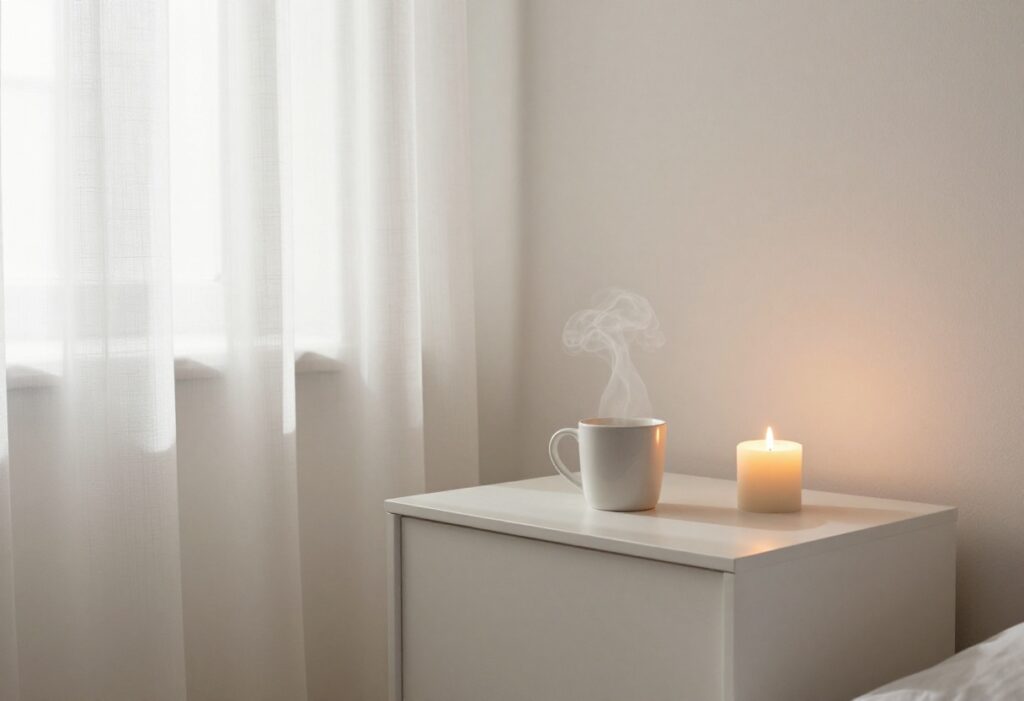
You know that feeling when you're lying in bed but your mind is still racing through the day's to-do list? A night shower can be more than just a quick rinse—it's a chance to signal your body that it's time to slow down. The key is to approach it with intention, not just habit.
Many of us rush through evening showers, treating them like a chore. But with a few small tweaks, you can turn this everyday act into a powerful wind-down ritual.
Think of it as a bridge between the busyness of the day and the calm of sleep. These 20 habits are designed to help you transition smoothly, using simple sensory cues like temperature, scent, and timing.
1. Set the Mood with Dim Lighting
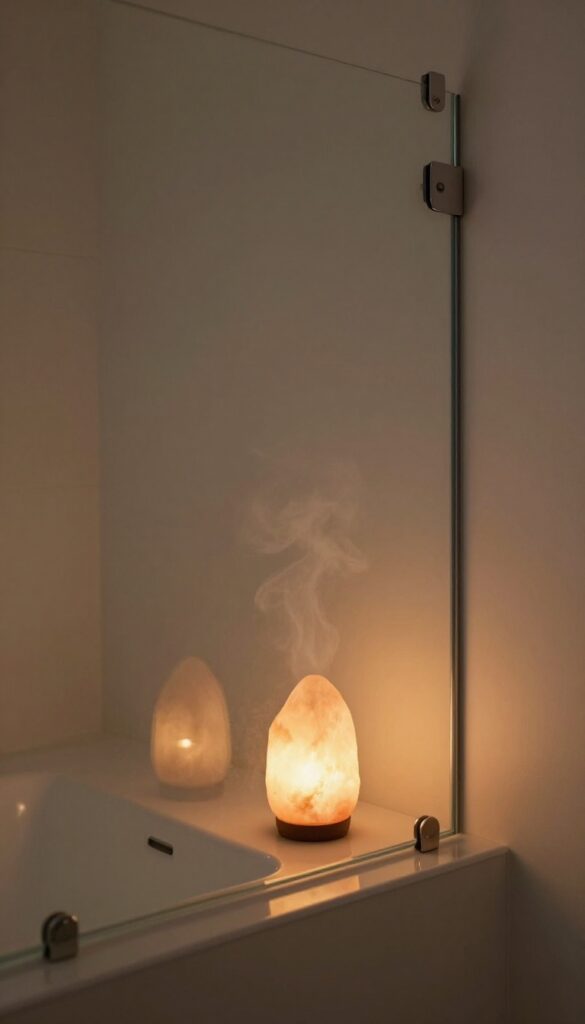
Bright overhead lights can feel like a wake-up call when you're trying to unwind. Your brain associates harsh illumination with alertness, making it harder to shift into relaxation mode. The fix is simple: dim the lights before you step into the shower.
Switching to softer lighting tricks your mind into slowing down. A salt lamp or a small candle on the counter can cast a warm, gentle glow that feels instantly calming. If your bathroom has a dimmer switch, even better—you can adjust the brightness to match your mood.
Why It Works
Light directly affects your circadian rhythm. Bright white light suppresses melatonin, the sleep hormone, while warm, low light encourages its production. By dimming the lights, you're sending a clear signal to your body that it's time to power down.
Easy Ways To Dim Your Bathroom
Don't have a dimmer? No problem. Use a small nightlight or a flameless candle for a soft glow.
You can also switch your regular bulbs to warm-toned, lower-wattage ones. Even just turning off the main light and relying on a candle can make a difference.
What To Avoid
Steer clear of blue-toned or very bright lights right before bed. That includes the harsh mirror lights many bathrooms have. If you can't dim them, turn them off and use a smaller light source instead.
2. Start with a Warm, Not Hot, Shower
It's tempting to crank up the heat when you step into the shower, especially after a long day. But hot water can actually backfire when it comes to sleep. A warm shower—around body temperature—helps your body cool down naturally afterward, which is a key signal for drowsiness.
Hot water raises your core temperature, and that can keep you wired. A warm shower gently increases blood flow to your skin, and when you step out, your body quickly cools, mimicking the natural drop in temperature that happens before sleep. Keep the water warm enough to feel soothing, but not so hot that it leaves your skin red or steams up the mirror.
Why Hot Water Disrupts Sleep
Your body's internal thermostat is closely tied to your sleep-wake cycle. A hot shower spikes your core temp, and then your body has to work harder to cool down, which can delay the onset of sleep. Studies show that a warm shower 60–90 minutes before bed improves sleep quality, while hot water can have the opposite effect.
Finding Your Perfect Warm Temperature
Aim for water that's around 98–100°F (37–38°C). If it feels comfortably warm on your wrist without being scalding, you're in the right range. You should be able to stay under the stream without feeling the need to adjust the temperature down.
The Cool-down Effect
After your warm shower, your body's blood vessels dilate, releasing heat. This natural cooling process is a powerful sleep trigger. To maximize it, keep your bathroom slightly cool and avoid bundling up immediately.
Let your body do its thing.
3. Use a Calming Essential Oil Blend
Scents have a direct line to the brain's emotional center, making them powerful tools for relaxation. Lavender and chamomile are well-studied for their ability to lower cortisol and promote calm. Adding them to your shower routine turns the steam into a gentle aromatherapy session.
You don't need a fancy setup. A few drops of essential oil on a shower steamer or in a diffuser placed nearby is enough. Inhaling these compounds during your shower helps shift your nervous system from fight-or-flight to rest-and-digest, easing you into a peaceful state.
Choose Your Oil
Lavender is the go-to for sleep support, but chamomile, frankincense, or ylang-ylang also work well. Pick one that you genuinely enjoy—if the scent feels off, it won't relax you. Start with 2-3 drops and adjust as needed.
How To Use It In The Shower
Place a few drops on a wooden shower steamer or a cotton ball near the drain (but not directly in the water stream). Alternatively, add oil to a small diffuser on the bathroom counter. The steam will carry the scent without overwhelming you.
Safety First
Essential oils are potent—never apply them directly to skin or ingest them. Keep oils away from eyes and sensitive areas. If you're pregnant or have respiratory issues, check with a doctor before using new oils.
4. Practice Deep Breathing Under the Water

The sound of falling water is naturally calming, but you can amplify its effect by syncing your breath with it. Deep breathing under the shower turns a passive rinse into an active relaxation technique. It's simple, requires no extra tools, and works almost instantly.
Why It Works
When you focus on slow, deliberate breaths, you shift your nervous system from fight-or-flight to rest-and-digest. The warm water and white noise help drown out distractions, making it easier to stay present. This combo lowers cortisol and prepares your body for sleep.
How To Do It
Start by standing under the stream and taking a few normal breaths. Then inhale through your nose for four counts, hold for four, and exhale through your mouth for six counts. Repeat for one to two minutes.
Let the rhythm of the water guide you—each drop can be a cue to breathe deeper.
Make It A Habit
Tie this practice to a specific moment, like after you've shampooed or before you turn off the water. Consistency is key. Over time, just stepping into the shower will trigger a relaxation response, making your wind-down automatic.
5. Give Yourself a Scalp Massage
Your head and neck carry a surprising amount of daily tension. While you're shampooing, take an extra minute to massage your scalp with your fingertips. This simple act releases tight muscles and signals your nervous system to shift into relaxation mode.
Focus on circular motions, starting at the base of your skull and working up to the crown. Use gentle pressure—no need to scrub hard. The goal is to soothe, not stimulate.
Pair it with a calming shampoo scent like lavender or chamomile for an even deeper effect.
Why It Works
The scalp is packed with nerve endings that connect to your brain's relaxation centers. A gentle massage lowers cortisol levels and increases serotonin, helping you feel calm and drowsy.
How To Do It Right
Use your pads, not nails, to avoid irritation. Start at the temples, then move in slow circles across the entire scalp. Spend about 30 seconds to a minute—long enough to feel the tension melt away.
Extra Tip
Try a silicone scalp massager for a more thorough, satisfying experience. It's especially helpful if you have thick hair or sensitive fingertips.
6. Switch to a Cool Rinse at the End
That blast of cold water at the end of your shower might seem shocking, but it's actually a powerful sleep cue. A brief cool rinse helps lower your core body temperature, which is one of the key signals your body needs to initiate sleep. It also tightens pores and leaves your skin feeling refreshed.
The cool rinse doesn't need to be long or uncomfortable. Just 30 seconds of cooler water at the end of your shower can make a noticeable difference in how quickly you drift off. The slight chill triggers a calming reflex, helping to quiet a busy mind and prepare your body for rest.
Why Temperature Matters
Your body's natural sleep cycle involves a drop in core temperature. A cool rinse mimics that process, telling your brain it's time to wind down. It's a simple but effective way to hack your biology for better sleep.
How To Do It Comfortably
Start with your usual warm shower, then gradually turn the dial to cool. Aim for a temperature that feels refreshing but not painful. Focus on your legs and arms first, then let the water run over your torso and back.
Breathe deeply to ease the transition.
Bonus Benefits For Skin And Hair
Cool water helps seal the cuticle of your hair, reducing frizz and adding shine. For your skin, it tightens pores and reduces inflammation. It's a win-win for both relaxation and beauty.
7. Use a Gentle, Natural Body Scrub
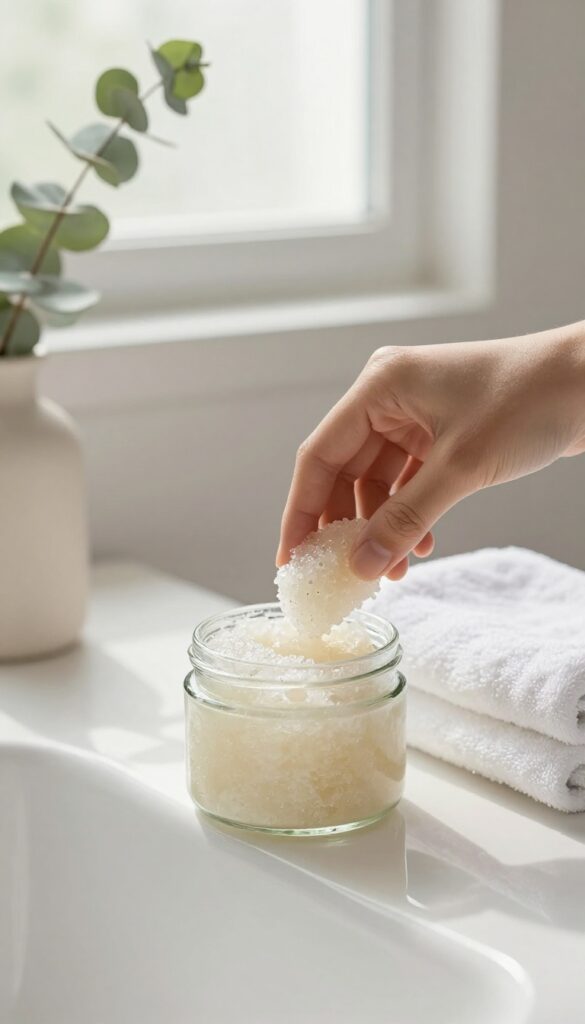
Exfoliating before bed does more than just smooth your skin. The slow, circular motions of applying a scrub can become a kind of moving meditation, helping you focus on the present moment rather than tomorrow's worries. Plus, removing dead skin and residue lets your skin breathe overnight.
Choose a scrub with fine, natural granules like sugar or oatmeal, and avoid harsh microbeads that can irritate. The key is to move slowly and deliberately, paying attention to each stroke. This repetitive focus can quiet a busy mind.
Why It Works
The gentle friction stimulates blood flow, which can ease muscle tension and promote relaxation. The ritual itself—dipping fingers into the jar, scooping the scrub, and massaging it in—creates a sensory anchor that signals bedtime.
How To Make It A Habit
Keep your scrub in a visible spot in your shower. Use it 2-3 times a week, not every night, to avoid over-exfoliating. Pair it with a calming scent like lavender or chamomile for an extra layer of relaxation.
8. Sing or Hum Softly
Your voice is more than just a tool for conversation—it's a built-in relaxation device. Humming or singing a quiet tune vibrates your vocal cords and stimulates the vagus nerve, which promotes a calm state. It also shifts your focus away from worries and into the present moment.
Why It Works
The vagus nerve runs from your brainstem to your abdomen, and stimulating it activates the parasympathetic nervous system—your 'rest and digest' mode. Humming creates a gentle vibration that naturally triggers this response, lowering heart rate and easing tension.
What To Hum
Stick to slow, simple tunes without lyrics—like a lullaby or a calm instrumental melody. The goal isn't performance; it's the vibration and breath control. If you feel self-conscious, just hum under your breath or mouth the tune silently.
Try This Routine
As you stand under the warm water, take a deep breath. On the exhale, hum a low, steady note for as long as it feels comfortable. Repeat three to five times.
You can vary the pitch slightly to feel different vibrations in your chest and head.
9. Apply a Moisturizing Mask to Your Hair
A hair mask isn't just for dry strands—it's a built-in pause button. While you shower, let a deep conditioner sit for a few minutes. The warmth helps it absorb, and the act of waiting encourages you to slow down and breathe.
Why It Works
The steam opens up your hair cuticles, allowing the mask to penetrate deeper. But the real magic is the forced pause. You can't rush a mask, so you stand there, letting the warm water and scent calm your nervous system.
How To Make It A Habit
Keep your mask in the shower so you see it every night. Apply it right after shampooing, then do the rest of your routine—shave, scrub, or just stand still. Rinse it out as your last step.
Pick The Right Mask
Look for ingredients like shea butter, coconut oil, or aloe vera. If your hair is fine, choose a lightweight formula to avoid weighing it down. The scent matters too—lavender or chamomile adds extra relaxation.
10. Do a Quick Body Scan
Your mind might be ready for bed, but your body often holds onto the day's stress without you realizing it. A quick body scan in the shower is a simple way to bridge that gap. As warm water runs over you, you get a chance to check in with each part of your body and consciously let go of tension.
Start at your feet and work your way up to the crown of your head. Feel the water on your skin and notice any areas that feel tight or sore. When you find a spot that's holding tension—like your shoulders or jaw—take a slow breath and imagine the water softening that area.
This isn't about perfection; it's about building awareness. Over time, this practice trains your body to relax more quickly when you hit the pillow.
Start From The Ground Up
Begin with your toes and feet. They've carried you all day, so give them a moment of attention. Wiggle them slightly and notice any tightness in your arches or ankles.
Then move to your calves, knees, and thighs. With each area, take one slow breath and imagine the warmth of the water melting away any stiffness.
Don't Skip The Middle
Your torso, back, and hips are common tension holders. Place a hand on your belly and take a deep breath. As you exhale, feel your rib cage soften.
Then shift your attention to your lower back—a spot that often tightens from sitting. Let your hips relax as the water cascades down.
Finish At The Top
Finally, bring your awareness to your neck, jaw, and scalp. Unclench your teeth and let your tongue rest gently. Roll your shoulders back and down.
Imagine any leftover stress draining out through your crown. By the time you step out, your whole body will feel lighter and more ready for rest.
11. Use a Loofah or Soft Brush for Dry Brushing
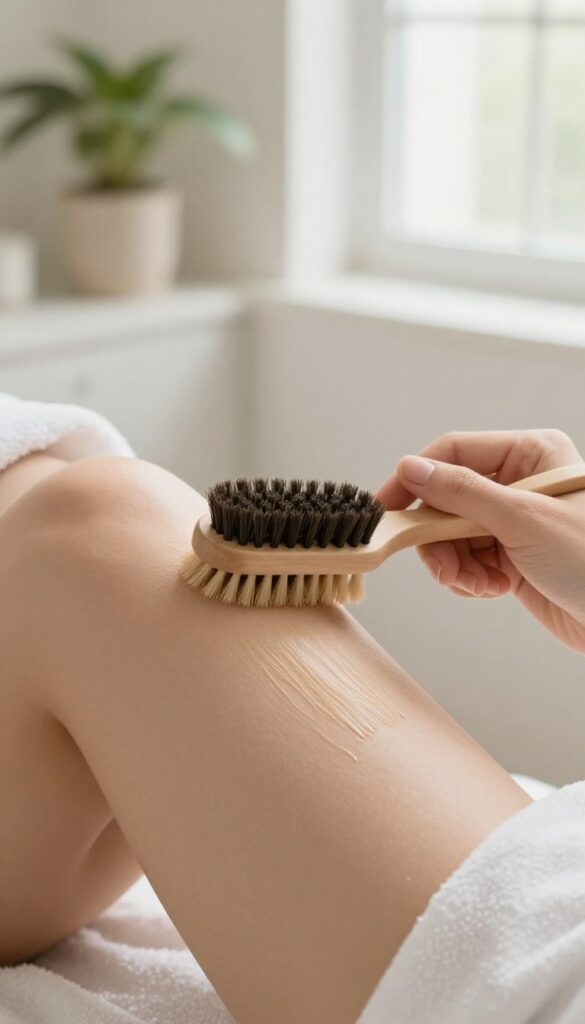
Dry brushing isn't just for your morning routine—it can be a surprisingly calming pre-shower ritual. The gentle, rhythmic strokes help stimulate lymph flow and exfoliate dead skin, leaving you feeling refreshed and grounded. Plus, the repetitive motion naturally slows down your breathing and signals your nervous system to unwind.
Start with a soft-bristled brush or a natural loofah. Before stepping into the shower, take a few minutes to brush your dry skin in long, upward strokes toward your heart. Focus on your legs, arms, and torso, avoiding sensitive areas.
The sensation is both invigorating and soothing, making it easier to transition from a busy day to a calm evening.
Choose The Right Tool
Look for a brush with natural bristles—synthetic ones can be too harsh. A long-handled brush helps you reach your back, while a smaller one works well for arms and legs. If you have sensitive skin, opt for a softer bristle or a gentle loofah.
Master The Technique
Always brush toward your heart to support lymphatic drainage. Use light pressure—this isn't about scrubbing hard. Start at your feet and work upward, using long, smooth strokes.
Spend extra time on areas that feel tense, like your shoulders or lower back.
Make It A Mindful Moment
Pair dry brushing with deep breathing. Inhale as you brush upward, exhale as you lift the brush. The combination of touch and breath creates a mini-meditation that helps quiet your mind before the shower even begins.
12. Keep Your Shower Products Simple
It's tempting to line up a dozen bottles in the shower, but more isn't always better—especially when you're trying to unwind. Too many competing scents and active ingredients can actually overstimulate your senses, making it harder to relax. Simplifying your product lineup helps your brain associate the shower with calm, not chaos.
Stick to one or two products you genuinely love, preferably with soothing ingredients like oatmeal, aloe, or chamomile. A gentle cleanser and a simple moisturizing body wash are plenty. When you reduce the number of decisions and sensory inputs, your shower becomes a more peaceful, automatic ritual.
Why Less Is More
Your sense of smell is directly linked to the limbic system, which controls emotions and memory. A barrage of different fragrances can trigger alertness rather than relaxation. By choosing just one calming scent—like lavender or unscented—you create a consistent cue that tells your brain it's time to wind down.
Ingredients That Soothe
Look for products with colloidal oatmeal, which calms irritation and itchiness; aloe vera, which hydrates without heaviness; or chamomile extract, known for its gentle anti-inflammatory properties. Avoid anything with a long list of synthetic fragrances or harsh sulfates, as these can be drying and distracting.
How To Streamline Your Shelf
Start by removing anything you haven't used in the past week. Keep only your go-to cleanser and one multi-purpose product, like a 2-in-1 shampoo-conditioner or a body wash that also moisturizes. If you use a face wash, choose one with a mild, non-foaming formula.
The goal is to make your shower feel effortless.
13. Play Soft Instrumental Music
Sound has a direct line to your nervous system. The right music can lower your heart rate and quiet a busy mind before you even step out of the shower. Instrumental tracks or nature sounds work especially well because there are no lyrics to distract you.
If your bathroom allows, a waterproof speaker is a game changer. Place it on a shelf or hang it from a hook, and let the melodies fill the space. The consistent sound masks household noises like footsteps or running appliances, helping you stay in your relaxation bubble.
Choose Your Soundscape
Not all music is created equal when it comes to winding down. Look for playlists labeled "ambient, " "spa, " or "sleep. " Piano, acoustic guitar, or soft synth pads work well.
Nature sounds like rain, ocean waves, or a forest stream are also excellent options. Avoid anything with a strong beat or sudden changes in volume.
Set The Volume Low
The goal is background music, not a concert. Keep the volume just loud enough to hear clearly but soft enough that you can still hear the water running. This creates a gentle cocoon of sound that feels calming rather than stimulating.
Sync The Music With Your Routine
Start the music before you get in the shower so it sets the mood from the first step. Let it play throughout your entire routine—while you wash, while you stand under the water, and even while you dry off. The continuity helps your brain associate the music with relaxation.
14. Visualize Letting Go of the Day

As the water cascades over you, it's easy to just stand there and zone out. But what if you used those few minutes to actively release the day's weight? Visualization is a simple mental trick that can turn your shower into a mini therapy session.
The best part? You don't need any extra products or time—just a willingness to imagine.
The concept is straightforward: as the water flows down the drain, picture it carrying away your stress, worries, and any negative thoughts. This isn't just woo-woo—it's a form of mindfulness that helps your brain let go. You can focus on specific events, like a tense conversation, and imagine the water washing that tension away.
Or keep it general and let the water symbolize a clean slate. Over time, this habit trains your mind to associate the shower with release, making it easier to transition into relaxation.
Picture The Water As A Cleansing Light
Imagine the water isn't just water—it's a warm, glowing light that dissolves any heaviness. Start at the top of your head and let it flow down, washing away the day's clutter. You can even say a quiet mantra like 'I let this go' as it moves over your shoulders and back.
This works especially well if you've had a tough day; the visual of light breaking through darkness can be surprisingly soothing.
Use The Drain As A Symbolic Release
Watch the water spiral down the drain and think of it as your worries disappearing. If a specific thought keeps nagging you, mentally place it in the water and watch it circle away. You can pair this with a deep exhale as the water goes down.
It's a small act, but it reinforces the idea that you don't need to carry everything with you.
Pair With Breathing For Extra Effect
Combine the visualization with slow, deep breaths. Inhale as you imagine the water bringing in calm, and exhale as you picture it carrying out tension. This syncs your body and mind, making the release feel more physical.
Try it for just three breaths—you'll notice your shoulders drop and your jaw unclench.
15. Use a Plush, Absorbent Towel
The towel you reach for after a shower can make or break that calm, relaxed feeling. A scratchy, thin towel can feel jarring, while a soft, plush one wraps you in comfort. This simple swap encourages you to slow down and treat drying off as part of the ritual, not just a rushed afterthought.
Patting yourself dry instead of rubbing is a small but powerful shift. Rubbing can be harsh on your skin and feels hurried. Patting, on the other hand, is gentle and deliberate.
It gives you a moment to be present, feeling the soft fabric against your skin. Choose a towel that's large and absorbent so you can wrap yourself up and take a few deep breaths before moving on to pajamas or skincare.
Why Fabric Matters
Not all towels are created equal. Look for 100% cotton with a high GSM (grams per square meter) for maximum plushness. A towel that feels heavenly against your skin instantly signals luxury and self-care.
Avoid synthetic blends that can feel rough or don't absorb well.
The Pat-down Technique
After turning off the water, take a moment to stand and breathe. Then gently press the towel against your skin, moving from your shoulders down to your feet. Don't rush.
This mindful drying helps transition your body from warm and wet to cozy and dry, reinforcing the wind-down process.
Keep It Warm
For an extra touch of comfort, warm your towel beforehand. You can toss it in the dryer for a few minutes or hang it on a heated towel rack. The warmth feels like a gentle hug, making the post-shower experience even more soothing.
This small step can become a cherished part of your nightly routine.
16. Apply Body Oil While Skin Is Damp
Timing matters when it comes to locking in moisture. Applying body oil right after your shower, while your skin is still slightly damp, helps seal hydration and leaves your skin feeling silky smooth. Plus, the gentle massage motion turns a simple task into a mindful moment.
Choose a body oil with a calming scent like lavender or chamomile. Warm a few drops in your palms, then slowly smooth it over your arms, legs, and torso. The repetitive motion and soothing fragrance help anchor you in the present, easing the transition from shower to sleep.
Why Damp Skin Works Best
Damp skin absorbs oil more effectively than dry skin. The water droplets act as a carrier, allowing the oil to spread evenly and lock in moisture. This prevents that greasy feeling and keeps your skin hydrated longer.
Make It A Ritual
Treat this step like a mini self-massage. Use slow, deliberate strokes, starting from your feet and working upward. Focus on areas that feel tense, like your shoulders or lower back.
The sensory input signals your nervous system to relax.
17. Put on Cozy, Breathable Pajamas

What you slip into after your shower matters more than you think. The right pajamas can extend that post-shower calm and help your body ease into sleep mode. Breathable fabrics like cotton or bamboo let your skin breathe and regulate temperature, so you don't wake up sweaty or chilly.
Choosing sleepwear made of natural fibers is a simple but powerful habit. Cotton and bamboo are soft, lightweight, and moisture-wicking, which keeps you comfortable all night. The act of dressing slowly after a shower reinforces the shift from daytime to nighttime mode, signaling to your brain that it's time to rest.
Why Fabric Matters
Synthetic fabrics like polyester can trap heat and moisture, leading to restless sleep. Cotton and bamboo are breathable and gentle on skin, reducing irritation. They also feel naturally cozy without being too warm.
Make It A Ritual
Instead of rushing into any old T-shirt, take a moment to choose your pajamas mindfully. Fold them neatly before your shower so they're ready. The simple act of putting them on slowly can become a calming transition.
Keep A Dedicated Pair
Reserve a specific set of pajamas just for after your night shower. This creates a mental cue that sleep is next. Over time, your brain will associate that fabric with relaxation.
18. Sip a Warm Caffeine-Free Drink
There's a reason why a warm mug feels so comforting after a shower. As your body temperature drops post-rinse, a gentle warmth from the inside helps extend that relaxed state. Keep a cup of something soothing nearby, and make it a ritual.
Choose Your Calming Brew
Chamomile tea is a classic for a reason—it's naturally calming and mild. If you prefer something creamier, warm milk (dairy or plant-based) with a pinch of nutmeg works wonders. Avoid anything with caffeine, as that can undo the relaxation you just built.
Sip Slowly, Not Gulping
Treat this as a mindful moment. Take small sips while you're still wrapped in a towel or sitting on the edge of your bed. Let the warmth spread through your chest and belly.
It's a simple way to signal your body that the day is truly over.
Pair It With Your Post-shower Routine
Have your drink ready before you step into the shower so it's waiting for you. As you apply lotion or get into pajamas, sip between steps. This keeps your hands busy and your mind focused on the present moment.
19. Write Down One Good Thing from the Day
Before you leave the bathroom, jot down a positive moment from your day on a small notepad. This trains your brain to focus on gratitude, not worry.
Gratitude is a powerful tool for shifting your mindset, and doing it right after a relaxing shower makes it even more effective. Your mind is calm, your body is warm, and you're in a quiet space—perfect for reflecting. Keeping a notepad in the bathroom ensures you won't forget, and it becomes a simple ritual that ends your shower on a high note.
Why It Works
Your brain has a negativity bias—it naturally dwells on problems. Actively recalling a good moment rewires your neural pathways toward positivity. Over time, this habit can improve sleep quality and overall mood.
How To Make It Stick
Place a waterproof notepad and pen near your shower or on the bathroom counter. Keep it short—one sentence is enough. Don't overthink it; even "coffee tasted great this morning" counts.
What To Write
Focus on small wins, kind interactions, or simple pleasures. Avoid vague entries like "good day"—be specific. Example: "My coworker smiled when I shared my snack.
" This specificity makes the gratitude feel real.
20. End with a Gratitude or Affirmation

The final moments of your night shower are a golden opportunity to set a peaceful intention. Instead of rushing to grab a towel, try pausing for a few seconds. A simple gratitude or affirmation can shift your mindset from the day's stress to a calm, restful state.
Stand still under the last rinse and take a slow breath. Let the water wash away any lingering tension. Then, silently or aloud, say something like “I am grateful for today” or “I am ready to rest. ” This small practice anchors your mind in the present and signals to your brain that the day is complete.
Over time, it becomes a powerful cue for relaxation.
Choose A Simple Phrase
Keep it short and personal. It could be “I did enough today” or “I release what I can't control. ” The goal isn't perfection—it's to acknowledge your effort and let go. Repeat the same phrase each night to build a comforting ritual.
Pair With A Deep Breath
As you say your affirmation, take a slow, deep inhale through your nose and a long exhale through your mouth. This combines the mental reset with a physical relaxation response. You'll feel your shoulders drop and your heart rate slow.
Let It Be The Last Thought Before Drying
After your affirmation, step out of the shower with that peaceful feeling still fresh. Avoid immediately checking your phone or thinking about tomorrow. Let the gratitude linger as you towel off and prepare for bed.
FAQ
How long should a night shower be for relaxation?
Aim for 10 to 15 minutes. Too short won't trigger the relaxation response, and too long can dry out your skin or raise your core temperature too much.
Is it better to shower right before bed or an hour earlier?
Showering about 60 to 90 minutes before bed is ideal. This gives your body time to cool down and enter a sleep-friendly state.
Can a night shower help with insomnia?
Yes, a warm shower followed by a cool-down period can lower your core body temperature, which is a natural signal for sleep. Combined with calming habits, it can improve sleep onset.
What essential oils are best for a relaxing shower?
Lavender, chamomile, ylang-ylang, and bergamot are top choices. They have proven calming effects and blend well with warm water steam.
Should I avoid washing my hair every night?
If you have oily hair, a quick rinse is fine, but daily shampooing can strip natural oils. Use a shower cap on non-wash days and focus on body relaxation instead.
Conclusion
A night shower routine doesn't have to be elaborate to be effective. By weaving in a few intentional habits—like dimming the lights, using calming scents, or practicing deep breathing—you can turn a simple shower into a powerful wind-down ritual.
Start with just one or two changes that feel doable. Over time, these small shifts will help your brain associate the shower with relaxation, making it easier to let go of the day and drift into restful sleep.