The night before school sets the tone for how you'll show up in the morning. Instead of scrolling through your phone until your eyes hurt, you can turn those final hours into a mini reset that leaves you feeling polished and ready.
These 23 glow up ideas aren't about perfection—they're about small, doable moves that make tomorrow feel lighter and brighter. From calming your mind to prepping your space, each one takes just a few minutes.
Pick a few that feel right, and let your evening become the secret weapon for your best morning self.
1. Set Your Intentions

Ever wake up feeling like you're already behind? That happens when your brain spends the night running through a mental to-do list without ever writing it down. Setting an intention flips that script.
It's not about planning every hour—just naming one thing that matters for tomorrow. That tiny act tells your brain, "This is what we're focusing on, " so you can actually relax tonight.
Grab a notebook or even the notes app on your phone. Write down one thing you want to accomplish tomorrow. It could be finishing a project, asking a question in class, or just getting through the day with a positive attitude.
Keep it specific but simple. When you write it down, you're making a promise to yourself. Your brain will start working on it in the background, and you'll wake up with a clearer sense of direction.
Why It Works
Your brain loves clarity. When you name a goal, it stops worrying about all the other stuff. It's like giving your mind a filter for tomorrow.
You'll notice that you're more focused and less distracted because you already know what matters.
How To Make It Stick
Keep it short. One sentence is enough. Write it in a place you'll see in the morning—sticky note on your mirror, phone wallpaper, or a journal by your bed.
The visual reminder reinforces your intention before your day even starts.
2. Curate a Calming Playlist
Music can be a powerful tool to shift your mood and signal to your body that it's time to slow down. Instead of letting your mind race with tomorrow's to-dos, a carefully chosen playlist can guide you into a relaxed state. It's like giving your brain a gentle nudge that says, "Hey, we're done for today.
"
The right songs can lower your heart rate and quiet the mental chatter that keeps you awake. By making a playlist specifically for winding down, you create a repeatable ritual that tells your nervous system it's safe to relax. Plus, it's a simple pleasure that makes your evening feel more intentional.
Pick The Right Vibe
Go for slow tempos, soft vocals, and minimal beats. Think lo-fi, acoustic covers, or ambient sounds. Avoid anything with a strong beat or high energy, as that can rev you up instead.
Aim for tracks that feel like a warm blanket for your ears.
Keep It Ready
Create a dedicated playlist and update it regularly so you don't have to search for songs every night. Save it to your phone or streaming app, and make it a habit to hit play as soon as you start your bedtime routine. That way, it becomes a cue for your brain to start unwinding.
Use It As A Timer
Set a sleep timer on your music app so the playlist fades out after 20-30 minutes. This prevents you from staying up to listen to just one more song. It also helps you drift off without worrying about turning it off.
3. Lay Out Your Outfit
Mornings can be chaotic enough without staring at a closet full of options. Deciding what to wear the night before takes one decision off your plate and helps you walk out the door feeling confident. It's a small habit that pays off in saved time and mental energy.
Pick your clothes, accessories, and shoes before you go to bed. This simple step removes the morning scramble and ensures you look put-together without any last-minute panic. Plus, you can double-check that everything is clean, ironed, and ready to go.
Think About The Day Ahead
Consider what you have planned—classes, after-school activities, or a presentation. Choose an outfit that fits the vibe and the weather. If you're unsure, go for something comfortable but polished, so you feel good no matter what.
Check The Details
Make sure your shoes are clean and your accessories match. Lay everything out in one spot, from socks to jacket. This way, you won't be hunting for a missing earring or a belt when you're already running late.
Make It A Habit
Tying this to your nightly routine helps it stick. After you brush your teeth or pack your bag, take two minutes to set out your outfit. Soon it'll feel automatic, and you'll wonder how you ever managed without it.
4. Pack Your Bag
There's a special kind of stress that comes from scrambling to find your homework at 7 a. m. Packing your bag the night before is a simple way to erase that chaos. It takes just a few minutes and saves you from a frantic morning search.
When everything is in its place, you can walk out the door with confidence. You won't forget that permission slip or your charger. Plus, a neat bag sets a calm tone for the day ahead.
Use A Checklist
Keep a small checklist on your phone or sticky note. Write down the essentials: books, notebooks, pencil case, water bottle, and any special items like gym clothes or art supplies. Check each item off as you pack it.
This way, you'll never miss something important.
Pick A Spot By The Door
Place your packed bag in a consistent spot, like a hook or a chair near the entrance. This makes it the last thing you see before you leave. You'll grab it automatically, even if you're still half asleep.
Do A Quick Double-check
Before you zip up, give your bag one final glance. Make sure your homework is in the right folder and your laptop is charged. A quick scan takes less than a minute but can save you from a stressful morning.
5. Prep a Quick Breakfast

Mornings can be a blur, especially when you're trying to get out the door. A little prep the night before can make breakfast a no-brainer. You'll save time and actually eat something that fuels you for the day.
Instead of staring into the fridge with a sleepy brain, you can have something ready to grab. Overnight oats, smoothie packs, or pre-cut fruit are all simple options. You'll feel more put-together and avoid that hangry feeling before lunch.
Overnight Oats: Set It And Forget It
Mix rolled oats with milk or yogurt, add your favorite toppings, and let it sit in the fridge. In the morning, it's creamy, cold, and ready to eat. You can even make a few jars for the week.
Smoothie Packs: Just Blend And Go
Chop up fruits and veggies, portion them into bags, and pop them in the freezer. In the morning, dump a bag into the blender, add liquid, and you have a fresh smoothie in seconds. No chopping required.
Fruit Prep: Grab And Crunch
Wash and cut fruit like apples, berries, or melon, and store them in containers. Pair with yogurt, nuts, or a granola bar for a balanced bite. It's a simple way to make healthy choices easier.
6. Do a 10-Minute Yoga Flow
A quick yoga session before bed is like a reset button for your body and mind. It helps release the physical tension that builds up from sitting at a desk all day, and it signals to your brain that it's time to wind down. You don't need to be flexible or experienced—just a few gentle stretches can make a big difference.
Yoga doesn't have to be complicated. A simple flow that focuses on breathing and stretching can calm your nervous system and prepare you for a restful night. Plus, it's a great way to clear your head after a long day of classes and homework.
Start With Deep Breaths
Begin by sitting comfortably and taking five deep breaths. Inhale through your nose, letting your belly expand, and exhale slowly. This instantly tells your body to relax and helps you let go of any lingering stress from the day.
Move Through Simple Poses
Try a few basic poses like Child's Pose, Cat-Cow, and Standing Forward Fold. These stretches target your back, shoulders, and hamstrings—areas that get tight from sitting and carrying heavy bags. Hold each pose for about 30 seconds and move slowly.
Finish With A Relaxing Savasana
End your flow by lying on your back in Savasana (corpse pose) for a couple of minutes. Close your eyes, let your arms rest at your sides, and focus on your breathing. This final relaxation helps your body fully absorb the benefits of the practice and eases you into sleep.
7. Try a Hair Mask
Your hair takes a beating from school days—heat styling, ponytails, and just general life. A quick overnight mask is an easy way to give it some extra love without adding time to your morning routine. You just apply, sleep, and rinse.
That's it.
Overnight hair masks are a game-changer for busy mornings. They work while you snooze, so you wake up with softer, shinier strands. Plus, they're super easy to do—just a few minutes before bed, and you're set.
Pick The Right Mask
Look for a mask that matches your hair type. If your hair is dry or damaged, go for something with shea butter or argan oil. For fine hair, choose a lightweight formula that won't weigh it down.
You can even make a DIY mask with coconut oil and honey.
Apply And Protect
Work the mask through the mid-lengths and ends, avoiding the roots to prevent greasiness. Then, pop on a shower cap or wrap your hair in a silk scarf. This keeps the mask from rubbing off on your pillow and helps it penetrate better.
Rinse In The Morning
In the morning, just rinse it out with lukewarm water and style as usual. Your hair will feel softer and look shinier without any extra effort. It's a small step that makes a big difference.
8. Give Yourself a Mini Facial
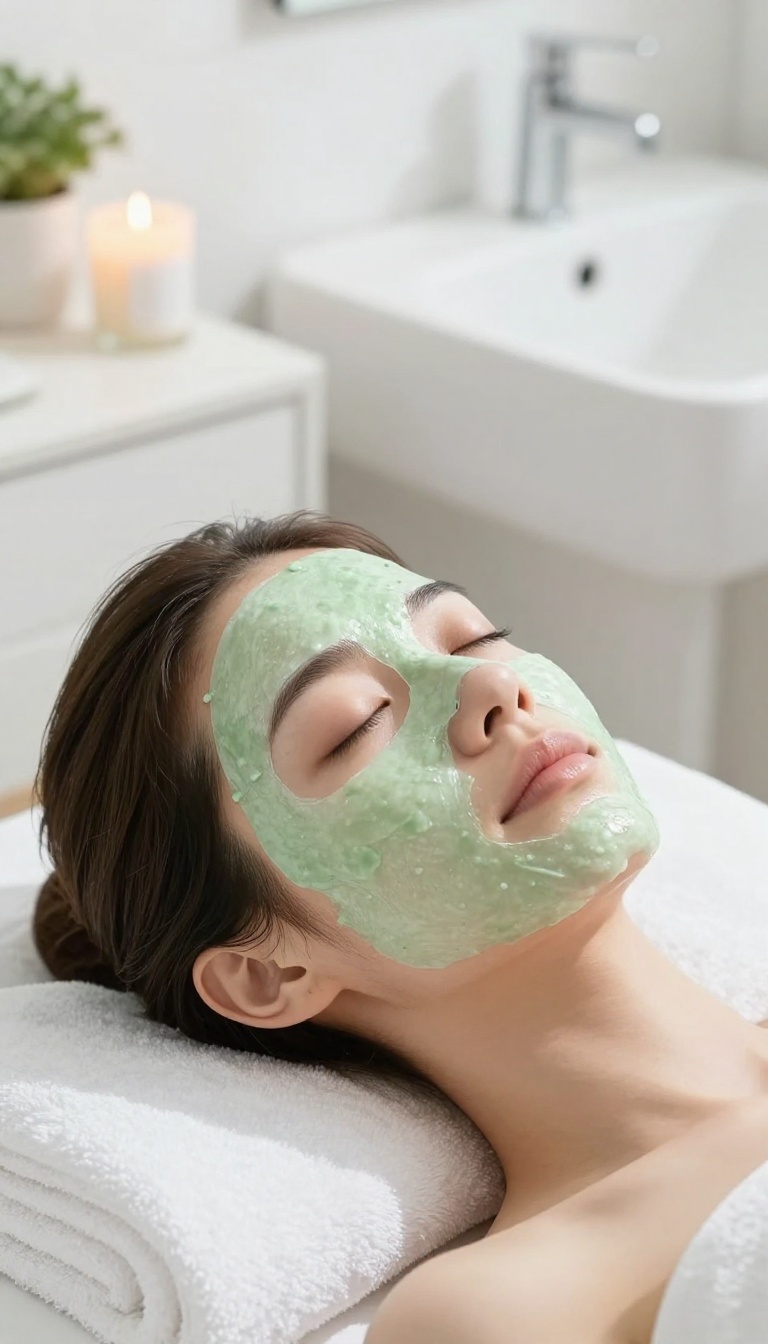
Your skin does a lot during the school day—from battling pollution to just dealing with your hands touching your face in class. A mini facial at night is a simple way to press pause and give your skin some much-needed attention. It doesn't have to be a full spa routine; just a few steps can make a difference.
Start by cleansing your face to remove the day's buildup. Then, gently exfoliate to slough off dead skin cells—this helps your skin look brighter and feel smoother. Follow up with a hydrating mask that suits your skin type, and leave it on while you do your other nighttime tasks.
When you rinse it off, your skin will feel soft and look refreshed.
Why It Works
Exfoliating at night removes the dull layer of dead skin, so your skin can better absorb the mask's moisture. Hydrating masks deliver a boost of water and nutrients, which helps your skin repair overnight. By morning, you'll wake up with a natural glow that makes you look rested—even if you didn't get as much sleep as you wanted.
How To Keep It Simple
You don't need a dozen products. A gentle cleanser, a mild exfoliator, and a sheet or cream mask are enough. If you're short on time, just cleanse and apply a mask—even five minutes helps.
Keep a stash of single-use sheet masks in your drawer for nights when you need a quick pick-me-up.
Make It A Mini Ritual
Turn this into a relaxing pre-bed habit. Light a candle or play soft music while the mask sits. Use the time to unwind—maybe do a few deep breaths or think about one good thing from the day.
This turns a simple skincare step into a calming ritual that signals your body it's time to wind down.
9. Hydrate Inside and Out
Water is the cheapest beauty hack you already own, and the night before school is the perfect time to cash in. Your skin and brain both run on hydration, so a little extra H2O now can mean fewer headaches and a brighter complexion tomorrow. Pair that with a light moisturizer, and you're basically giving yourself a mini spa treatment while you sleep.
Start with a full glass of water about an hour before bed—not right before, unless you want to wake up at 2 a. m. for a bathroom run. Then, after your usual face wash, apply a light moisturizer that sinks in quickly. The goal is to lock in moisture overnight, so you wake up with that lit-from-within glow instead of a tight, dry feeling.
Why Hydration Matters Overnight
Your body repairs itself while you sleep, and water is essential for that process. Dehydrated skin can look dull, and even mild dehydration can affect your focus the next day. Drinking water before bed helps your cells work better, so you wake up feeling more refreshed and looking more awake.
Choosing The Right Moisturizer
You don't need anything heavy or fancy—just a moisturizer that suits your skin type. If you're oily, go for a gel-based formula. If you're dry, a cream works better.
The trick is to apply it while your skin is still slightly damp from washing, so it locks in that extra water.
Quick Extra Glow Boosters
If you want to go a step further, add a few drops of a hydrating serum before your moisturizer. Or, keep a small spray bottle with rose water on your nightstand and spritz your face before bed. These little extras take seconds but can make a noticeable difference by morning.
10. Write a Gratitude List
Ending the day with a gratitude list is like giving your brain a gentle hug before sleep. It pulls your focus away from worries about tomorrow and settles it on what's already good today. That small shift can make a big difference in how quickly you drift off and how refreshed you feel in the morning.
When you're stressed about a quiz or a group project, your mind tends to spiral into worst-case scenarios. Writing down three things you're grateful for interrupts that spiral and reminds you that your life has plenty of positives. It's a simple act, but it trains your brain to notice the good stuff more often, which makes falling asleep easier and waking up lighter.
Keep It Simple
You don't need a fancy journal or a long list. A sticky note, a notes app, or even the back of an old homework sheet works fine. The point is to get the thoughts out of your head and onto something tangible.
Make It Specific
Instead of writing 'my family, ' try 'my mom made my favorite dinner tonight' or 'my dog was extra cuddly. ' Specific details make the gratitude feel more real and give your brain a stronger positive signal.
Do It At The Same Time
Tie your gratitude list to something you already do every night, like brushing your teeth or getting into bed. That way, it becomes a habit without you having to remember it. Consistency turns this tiny practice into a powerful sleep ritual.
11. Organize Your Study Space
A cluttered desk can clutter your mind. When your study area is a mess, it's harder to focus and easier to feel overwhelmed. Taking a few minutes tonight to tidy up and set out your materials can make tomorrow morning feel calmer and more organized.
You don't need a full makeover—just clear the surfaces, gather your supplies, and maybe add a small touch that makes you smile. This simple act can boost your productivity and reduce morning chaos.
Start by clearing off your desk or study area. Throw away trash, stack papers, and put away anything that doesn't belong. Wipe down the surface if you have time.
Then, think about what you'll need for tomorrow's classes: textbooks, notebooks, pens, and chargers. Place them in a neat pile or in a caddy so they're ready to grab. A clean, organized space can help you feel more in control and less stressed.
Plus, when you sit down to study, you won't waste time searching for things. Make it a habit to do this each night, and you'll notice a difference in your focus and mood.
Clear The Clutter
Remove everything from your desk and sort it into three piles: keep, trash, and relocate. Wipe down the surface with a cloth or disinfecting wipe. Put back only the items you use regularly, like your laptop, lamp, and a few pens.
Store away anything that's not essential for your study sessions.
Set Out Tomorrow's Essentials
Gather the books, notebooks, and supplies you'll need for your first few classes. Place them in a neat stack or in a basket on your desk. If you have a backpack, pack it now with these items, so you're ready to grab it in the morning.
Double-check that your chargers and devices are included.
Add A Calming Touch
A small plant, a favorite photo, or a scented candle can make your study space feel more inviting. Just keep it minimal to avoid distractions. A clean, pleasant environment can help you feel more relaxed and ready to focus when you sit down to work.
12. Diffuse Relaxing Essential Oils
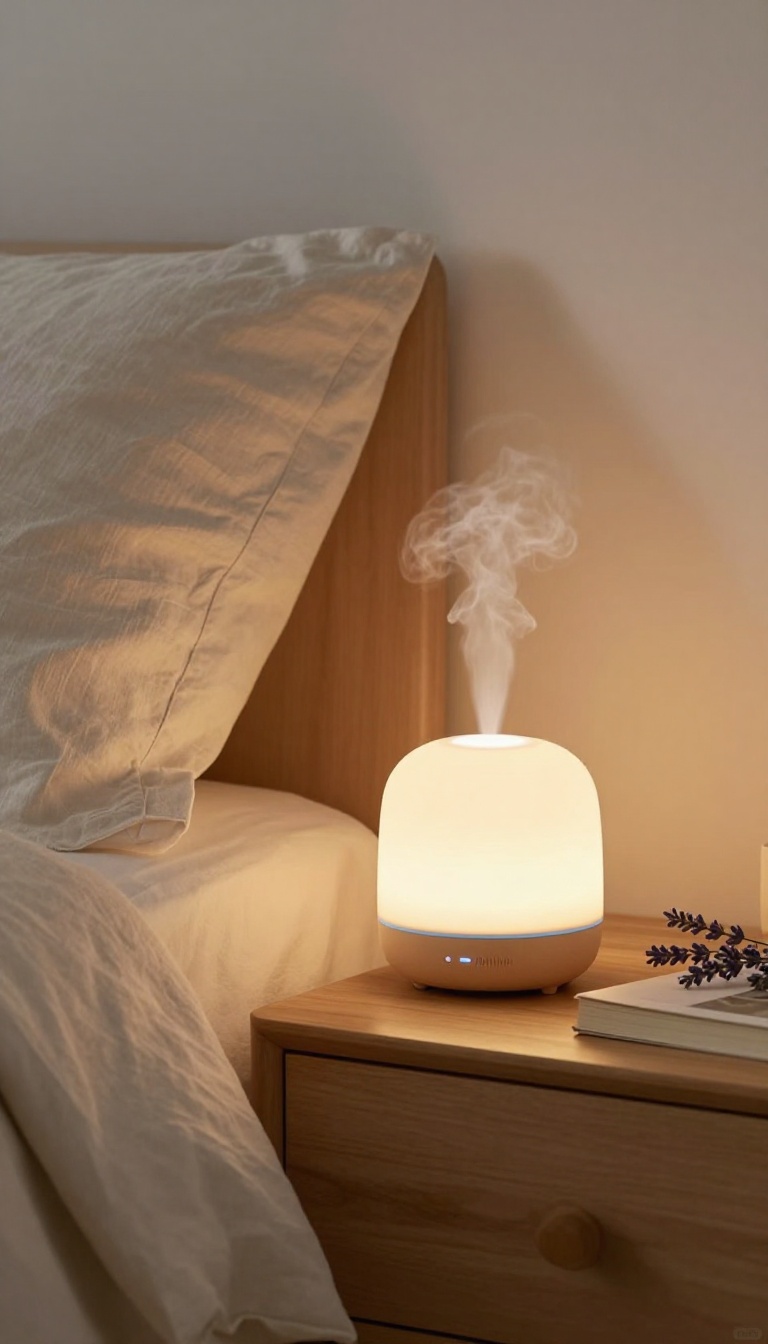
Your sense of smell is a direct line to your brain's relaxation center. A few drops of lavender or chamomile in a diffuser can signal your body that it's time to wind down, making it easier to drift off and stay asleep. It's a simple, chemical-free way to turn your bedroom into a calm sanctuary.
Pick Your Scent
Lavender is the classic choice for sleep, but chamomile is just as soothing. If you want something a little earthier, try cedarwood or vetiver. Experiment to find the scent that feels most calming to you.
Set The Mood
Start the diffuser about 30 minutes before you plan to sleep. Keep it on a low setting so the scent is subtle, not overpowering. Pair it with dim lighting and a quiet activity like reading to reinforce the wind-down vibe.
Make It A Ritual
Consistency helps your brain associate the smell with sleep. Use the same oil blend each night, and soon just catching a whiff will make you feel drowsy. It's a tiny habit that pays off in better rest.
13. Prep Your Skincare Fridge
If you've got a skincare fridge, tonight's the night to put it to work. The cool temperature does more than just feel nice—it helps reduce puffiness and gives your skin a fresh, awake look by morning. It's a simple step that takes seconds but makes a noticeable difference.
Pop your eye cream or a facial roller in the fridge a few hours before bed. When you apply them in the morning, the cold constricts blood vessels, which calms under-eye bags and depuffs your face. Plus, the chill gives you a little jolt of energy to start the day.
Why Cold Works
Cold temperatures reduce inflammation and slow down fluid buildup, which is exactly what causes that puffy morning look. It also helps tighten pores and makes your skin look smoother and more radiant.
What To Chill
Not everything needs to go in the fridge. Stick to eye creams, gel moisturizers, sheet masks, and facial rollers. Avoid products with active ingredients like retinol or vitamin C, as cold can reduce their effectiveness.
Quick Morning Routine
In the morning, apply your chilled eye cream with your ring finger, then use the roller in upward strokes from your chin to your forehead. This boosts circulation and helps de-puff in under two minutes.
14. Do a Digital Detox
Your phone is probably the last thing you touch before bed, and that's a problem. The blue light from screens tricks your brain into thinking it's still daytime, which messes with your sleep hormones. Giving your eyes a break at least 30 minutes before lights out can make falling asleep easier and help you wake up feeling more rested.
A digital detox doesn't mean tossing your phone across the room—just a simple wind-down routine that lets your mind settle. When you put your device away, you're not only avoiding blue light but also reducing the mental stimulation from notifications, social media, and endless scrolling. That quiet time can be the difference between tossing and turning and drifting off peacefully.
Swap Screens For Something Calmer
Instead of scrolling, pick up a book, listen to a podcast, or do a few gentle stretches. These activities don't emit sleep-disrupting light and give your brain a chance to shift into rest mode. Even ten minutes of reading can signal your body that it's time to wind down.
Set A Tech Curfew
Pick a specific time to put your phone away—maybe right after you finish your homework or dinner. Set an alarm or use a charging station outside your bedroom to make it easier to stick to. Once your phone is out of sight, it's much easier to resist the urge to check it one last time.
Create A Pre-sleep Ritual
Use those 30 minutes to do something you enjoy that doesn't involve a screen. Maybe it's journaling, taking a warm shower, or listening to chill music. Having a consistent routine helps your brain associate these activities with sleep, making it easier to drift off when your head hits the pillow.
15. Read a Few Pages
There's a reason why reading before bed is a classic wind-down ritual. It pulls your mind away from the buzz of screens and into a calmer, more focused space. Even ten pages of a novel or a magazine can signal to your brain that it's time to slow down and prepare for rest.
Reading isn't just about escaping into a story—it's a practical way to improve your sleep quality. The soft light of a lamp, the quiet turn of pages, and the rhythm of sentences all work together to ease you into a more relaxed state. Plus, it gives your eyes a break from the blue light that can keep you wired.
Pick Something Light
Choose a book or magazine that doesn't get your heart racing. Thrillers or intense non-fiction might make it harder to switch off. Instead, go for something gentle—a cozy mystery, a travel memoir, or a lifestyle magazine.
The goal is to unwind, not to stay up for 'just one more chapter. '
Set A Time Limit
It's easy to lose track of time when you're absorbed in a good read. Set a timer for 15 or 20 minutes, or decide to read until a certain page. That way, you get the benefit without accidentally staying up too late.
You can even use a bookmark to mark your stopping point.
Make It A Ritual
Pair your reading with a cozy blanket, a cup of herbal tea, or a comfy chair. When you repeat this pattern night after night, your brain starts to associate reading with sleep. Soon, just opening your book will signal that it's time to wind down.
16. Prep Your Supplements

Supplements only work if you actually take them, and the chaos of a school morning can easily make you forget. Setting them out the night before is a tiny habit that removes all friction. You'll wake up to a visual reminder that's hard to ignore, especially when it's sitting right next to your water glass.
When your vitamins are already laid out, there's no digging through cabinets or trying to remember if you took them. This simple prep step also helps you stay consistent, which is what really matters for any health routine. Plus, it feels oddly satisfying to check that small task off your list before the day even begins.
Pick A Visible Spot
Choose a place you'll definitely see in the morning—like on your desk, beside your toothbrush, or on the kitchen counter. Keep the supplement bottles nearby so you can refill the spot each night. If you have multiple pills, use a small dish or a weekly organizer to keep them sorted.
Pair It With Water
Set a full glass of water next to your supplements. This does double duty: it reminds you to take them, and it ensures you're hydrated first thing. If you like, add a slice of lemon or a splash of electrolyte powder for an extra morning boost.
Make It Part Of Your Wind-down
Tie supplement prep to an existing bedtime habit, like brushing your teeth or plugging in your phone. When you do it automatically, you won't even have to think about it. Over time, this tiny ritual becomes a signal that your day is officially done.
17. Set a Morning Alarm Routine
Waking up is only half the battle—actually getting out of bed is the other half. A smart alarm setup can make sure you don't hit snooze and end up rushing out the door. Here's how to make your alarm work for you, not against you.
Place your alarm across the room so you have to physically get up to turn it off. This simple trick stops the snooze cycle and gets your body moving right away. Pair it with a consistent wake-up time, even on weekends, to regulate your internal clock.
Why Distance Matters
When your alarm is within arm's reach, it's too easy to hit snooze and drift back to sleep. Moving it across the room forces you to stand up, which breaks the sleep inertia and makes it easier to stay awake. You'll be less likely to crawl back under the covers once you're already on your feet.
Choose The Right Sound
A harsh, jarring alarm can make you groggy. Opt for a sound that starts softly and gradually increases, like a nature sound or a gentle chime. Some alarms even use light to simulate sunrise, which can help you wake up more naturally.
Test a few options to find what works best for you.
Create A Wake-up Ritual
Once you're up, have a simple routine ready. Stretch, drink a glass of water, or do a quick breathing exercise. This signals to your body that it's time to start the day.
Keeping a consistent ritual makes waking up feel less like a chore and more like a positive habit.
18. Do a Face Yoga Exercise
Your face holds onto stress just like your shoulders do, and that tension can show up as puffiness or a tired look by morning. Face yoga is a quick, no-equipment way to release that tightness and wake up with a softer, more lifted appearance. These gentle moves take only a few minutes before bed, and they double as a calming ritual.
You don't need to be a pro—just follow along and let your facial muscles unwind.
Face yoga isn't about magic—it's about increasing blood flow and relaxing muscles that stay clenched all day. When you release that tension, your face looks fresher and more rested, even if you didn't get perfect sleep. Plus, it's a mindful pause that helps you transition from homework mode to sleep mode.
A few simple stretches can make a real difference in how you feel and look in the morning.
Why Face Yoga Works
Your face has more than 40 muscles, and most of them get tight from screen time, stress, or just concentrating. Face yoga helps relax those muscles, which can reduce the appearance of fine lines and give you a natural glow. It also boosts circulation, bringing oxygen to your skin cells.
That means less puffiness and a brighter complexion when you wake up.
Simple Moves To Try Tonight
Start with the 'V' shape: place your index and middle fingers at the corners of your eyes, gently press, and try to squint. Hold for a few seconds and release. Then try the 'jaw release': tilt your head back, look at the ceiling, and move your lower jaw forward and back.
This helps release jaw tension and can even define your jawline over time.
Make It A Mini Ritual
Pair your face yoga with a few deep breaths to double the relaxation. You can do it right after brushing your teeth or while listening to a calming playlist. Keep it short—two or three moves are enough.
The goal is to unwind, not to add another chore to your night.
19. Prep Your Lunch
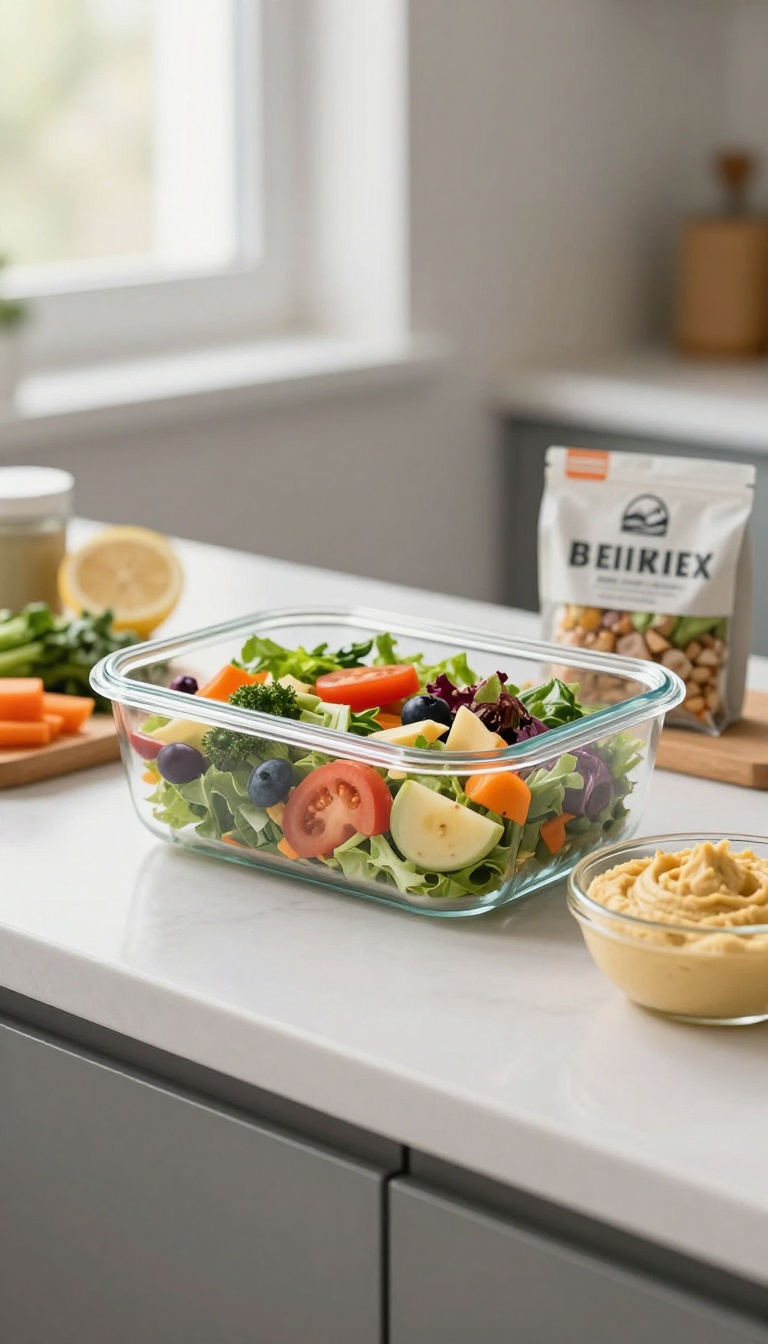
Mornings are a race, and making lunch is usually the last thing you want to do. That's why doing it the night before feels like a cheat code. You'll save precious minutes and actually eat something decent instead of grabbing whatever's fastest.
When you prep lunch ahead, you're not just saving time—you're setting yourself up to make better food choices. A little effort tonight means you won't be tempted by vending machine snacks or skipping a meal entirely tomorrow.
Pack It Fully
If you can, make the whole lunch and pop it in the fridge. Sandwiches, wraps, salads, or leftovers all work. Just grab and go in the morning.
Pre-portion Snacks
Cut up veggies, portion out hummus, or bag up trail mix. When everything is ready, you're more likely to actually take it with you.
Set Up A Quick Assembly Station
If you prefer fresh assembly, lay out containers and ingredients the night before. That way, you just put things together in a couple of minutes.
20. Take a Warm Bath
A warm bath is more than just a way to get clean—it's a full-body reset that tells your nervous system it's time to slow down. The heat helps your muscles let go of the day's tension, and the steam can clear your head after hours of homework or screens. Adding Epsom salts or a bath bomb turns it into a mini spa ritual.
The magnesium in Epsom salts can ease soreness, while the scent from bath bombs adds an aromatherapy boost. You don't need a long soak—even 15 minutes can make a difference.
The key is to make the bath work for your sleep, not against it. Keep the water warm, not hot, and avoid staying in too long. Follow up with a quick cool rinse or just pat dry and slip into cozy pajamas.
That drop in body temperature after a bath is a natural signal for your brain to start producing melatonin, making it easier to fall asleep.
Why It Helps You Sleep
Warm water raises your core temperature, and when you step out, the sudden cooling effect mimics what happens naturally as you drift off. This temperature shift can help you fall asleep faster and enjoy deeper rest. Plus, the quiet time alone gives your mind a break from constant stimulation.
Make It A Mini Ritual
Light a candle, play a calm playlist, or add a few drops of lavender essential oil to the water. These small touches create a routine your brain starts to associate with relaxation. Over time, just stepping into the bathroom can trigger a sense of calm.
Keep It Simple
You don't need a fancy setup. A basic tub, some Epsom salts, and a towel are enough. If you're short on time, a warm shower with a eucalyptus or mint body wash can give a similar effect.
The goal is just to unwind, not to create another chore.
21. Plan Your Study Schedule
A clear plan for tomorrow's studying can be the difference between a frantic morning and a calm one. When you map out your study blocks the night before, you're not just organizing tasks—you're giving your brain a head start. This simple act lowers anxiety and helps you walk into class with confidence.
Start by listing what's due or what you need to review. Break big tasks into smaller, manageable chunks. Then, assign each chunk a specific time slot for the next day.
Keep it realistic—don't cram every minute. Leave some buffer time for unexpected delays. This way, you'll know exactly what to do and when, so you can focus on learning instead of worrying.
Why It Works
Planning ahead reduces decision fatigue. When you know what's next, you don't waste energy figuring out where to start. It also gives you a sense of control, which calms your mind before bed.
You'll sleep better knowing you have a clear roadmap for the day.
How To Do It Quickly
You don't need a fancy planner. A simple notebook or a notes app works fine. Spend five minutes listing your top three priorities for tomorrow.
Then, assign a rough time frame to each. Keep it flexible—if something takes longer, adjust on the fly. The goal is to have a loose structure, not a rigid schedule.
Make It Stick
Turn this into a nightly habit. Set a reminder on your phone or leave your planner on your desk. After a few nights, it'll feel automatic.
You'll notice that mornings feel less rushed, and you're more focused during study sessions. Plus, you'll be less likely to procrastinate because you have a clear plan.
22. Practice Positive Affirmations
The words you say to yourself right before bed can linger into the morning. Instead of letting worries or self-doubt take over, try repeating a few positive affirmations. This simple practice can shift your mindset and help you wake up with more confidence and calm.
Affirmations are short, powerful statements that you repeat to yourself. They can be about how you feel, what you want to achieve, or how you want to show up. By saying them out loud or in your head, you're training your brain to focus on the positive.
This can be especially helpful the night before school, when you might be feeling anxious about a test, a presentation, or just the general pressure of the day.
Keep It Simple And Specific
Choose affirmations that feel true to you and your situation. Instead of a vague "I am great, " try something like "I am prepared for my math test" or "I am calm and focused. " The more specific you are, the more believable it feels.
You can even write them down on sticky notes and place them where you'll see them in the morning.
Make It A Mini Ritual
Weave affirmations into your existing bedtime routine. For example, say them while you're brushing your teeth or as you're getting into bed. Repeating them consistently helps reinforce the positive message.
You could also pair them with a few deep breaths to help you relax and really absorb the words.
Say Them Like You Mean It
Don't just mumble the words—say them with intention. Look at yourself in the mirror if you can, and speak clearly. You might feel a little silly at first, but that's okay.
The more you practice, the more natural it becomes. Over time, you'll start to believe the words you're saying, and that belief can carry you through your school day.
23. Get Enough Sleep

Sleep is the ultimate glow up tool, and it's free. When you're well-rested, your skin looks brighter, your eyes are less puffy, and your mood is steadier. It's the foundation that makes every other effort count.
You might think staying up late to finish one more thing helps, but it actually backfires. A tired brain works slower and makes more mistakes. Prioritizing sleep sets you up for a sharper, more confident day.
Getting enough sleep is non-negotiable for a real glow up. Aim for 8 to 10 hours, depending on your age and activity level. That might mean setting an alarm to remind you to wind down, not just to wake up.
Your body does its best repair work while you sleep—skin cells regenerate, hormones balance, and your brain processes what you learned. Skimping on sleep shows up as dark circles, dull skin, and a foggy mind. Make sleep your top priority tonight.
Set A Wind-down Alarm
An hour before bed, set a gentle alarm on your phone. When it goes off, start your bedtime routine: brush your teeth, wash your face, and put on pajamas. This signal tells your body it's time to switch off.
Create A Sleep-friendly Environment
Make your room cool, dark, and quiet. Use blackout curtains or an eye mask, and consider a white noise machine if you're easily disturbed. A comfortable mattress and pillow also make a big difference.
Power Down Screens
The blue light from phones and laptops tricks your brain into thinking it's daytime. Try to put devices away at least 30 minutes before bed. If you need to unwind, read a book or listen to calming music instead.
FAQ
How early should I start my night routine?
Start about 1-2 hours before you plan to sleep. This gives you enough time to complete your glow up activities without rushing.
Can I do all 23 ideas every night?
You don't need to do all of them every night. Pick a few that work for you and rotate them based on your needs and schedule.
What if I have limited time?
Focus on the most impactful ideas like laying out your outfit, packing your bag, and getting enough sleep. Even 15 minutes of prep can make a difference.
Are these ideas suitable for all skin types?
Yes, but always patch test new products. Choose skincare items that match your skin type and concerns.
How can I make my morning routine easier?
The night before, set out everything you need for the morning, including clothes, breakfast, and your bag. This minimizes decisions and saves time.
Conclusion
The night before school is your secret weapon—not for perfection, but for a calmer, more confident morning. Pick just one or two ideas that feel doable tonight, and let them work their magic. Small, consistent choices beat a frantic overhaul every time.
You don't need to nail all 23 at once; start with what feels good and build from there. Wake up tomorrow feeling a little more ready, a little more refreshed, and a lot more like you. That's the real glow up.