You know that moment when your skin just looks tired, dull, and a little blah? It happens to all of us, especially after a late night or a stressful week. But achieving that lit-from-within glow isn't about luck or expensive products.
It's about building a consistent routine that respects your skin's natural balance. This guide breaks down 20 practical steps that cover everything from cleansing to sun protection. Whether you're a skincare newbie or a seasoned enthusiast, these steps will help you create a routine that feels good and delivers visible results.
No fluff, just real advice you can start using today. Let's dive in and give your skin the love it deserves.
1. Start with Double Cleansing
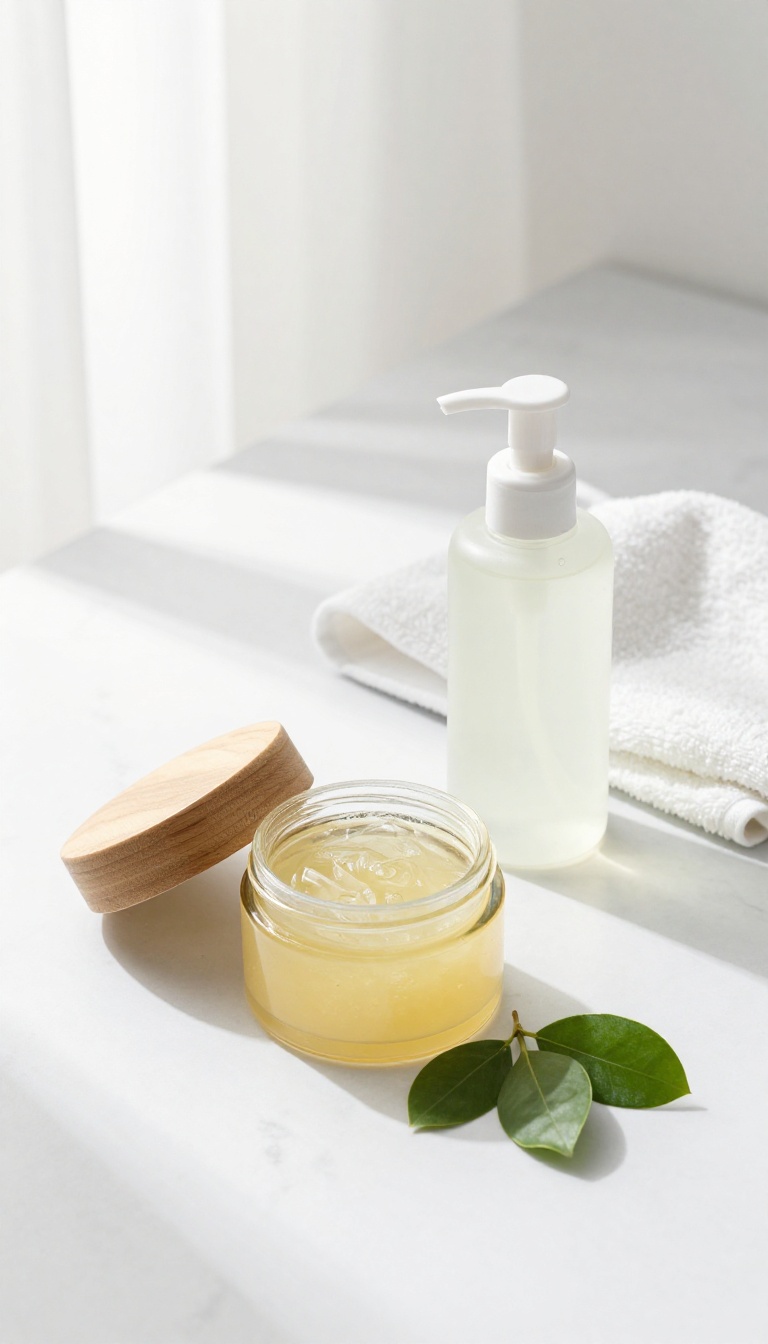
Think of your skin as a canvas—you wouldn't paint over a dirty surface, right? The same goes for your skincare. Double cleansing is the first step to a truly clean face, and it's a game-changer for anyone dealing with makeup, sunscreen, or city grime.
This method involves two different cleansers: an oil-based one to break down oil-based impurities like makeup and SPF, and a water-based one to sweep away sweat, dirt, and any leftover residue. It's thorough yet gentle, so your skin feels fresh, not stripped.
Why Oil First?
Oil dissolves oil. An oil-based cleanser (or cleansing balm) easily lifts away sunscreen, makeup, and excess sebum without harsh rubbing. This prevents clogged pores and leaves your skin ready for the next step.
Follow With Water
A water-based cleanser, like a gel or foam, then removes water-based impurities like sweat and pollution. It also clears away any oily residue, ensuring your skin is perfectly clean but still balanced.
Don't Overdo It
Double cleansing is meant for evenings or when you wear heavy products. In the morning, a single gentle cleanse is enough. Over-cleansing can strip your skin's natural oils, so listen to your skin's needs.
2. Exfoliate Weekly, Not Daily
Scrubbing your face every day might feel productive, but it’s actually a fast track to irritation. Your skin sheds dead cells on its own, and over-exfoliating strips away the protective barrier that keeps moisture in and irritants out. The result?
Redness, flakiness, and breakouts—the opposite of glow. A gentler approach works better. By exfoliating just once or twice a week with a chemical exfoliant, you help your skin renew itself without overwhelming it.
This steady, patient method reveals a smoother, brighter complexion over time.
Think of exfoliation as a reset button, not a daily chore. Your skin’s natural turnover slows down as you age, so a little help is great—but too much backfires. Stick to 1-2 sessions per week, and you’ll see results without the damage.
Why Over-exfoliating Backfires
Over-exfoliating disrupts your skin’s acid mantle, which is the slightly acidic layer that keeps bacteria out and moisture in. When that’s compromised, your skin becomes vulnerable to dryness, sensitivity, and even acne. You might notice tightness or stinging after applying products—a clear sign you’ve gone too far.
Choose The Right Exfoliant
Skip harsh physical scrubs with jagged particles. Instead, reach for a gentle chemical exfoliant. AHAs (like glycolic or lactic acid) work on the surface to brighten and smooth, while BHAs (like salicylic acid) unclog pores.
Start with a low concentration and patch test first.
Listen To Your Skin
Your skin’s needs change with the seasons, stress, and product use. If it feels tight, itchy, or looks red, dial back to once a week or take a break. If it’s handling well, you can stick to twice.
The goal is a healthy glow, not a raw one.
3. Use a Hydrating Toner
After cleansing, your skin's pH can shift, leaving it slightly out of balance. A hydrating toner swoops in to restore equilibrium and prep your skin for the next steps. Think of it as a refreshing drink for your face—it quenches thirsty skin and sets the stage for better absorption of serums and moisturizers.
Toners often get a bad rap from the old astringent days, but today's formulas are all about hydration. Look for ingredients like hyaluronic acid, glycerin, or rose water to give your skin an instant moisture boost. Apply it with a cotton pad or your hands, gently patting it into your skin.
This simple step makes a noticeable difference in how your skin feels and looks.
Why Ph Matters
Your skin's natural pH is slightly acidic, around 4. 5 to 5. 5.
Cleansers, especially foaming ones, can disrupt this balance. A hydrating toner helps bring it back to normal, creating an environment where your skin functions optimally. This reduces the risk of irritation and keeps your moisture barrier strong.
Key Ingredients To Look For
Hyaluronic acid is a superstar for attracting and holding moisture. Rose water is soothing and lightly fragrant, perfect for sensitive skin. Glycerin is another humectant that draws water into the skin.
Avoid toners with high alcohol content—they can dry you out instead of hydrating.
How To Apply
Pour a few drops into your palm or onto a cotton pad. Press it gently into your skin, starting from the center of your face and moving outward. Don't rub—patting helps the product absorb better and feels more refreshing.
Follow up with your serum or moisturizer while your skin is still slightly damp to lock in that extra hydration.
4. Apply Essence for Extra Hydration
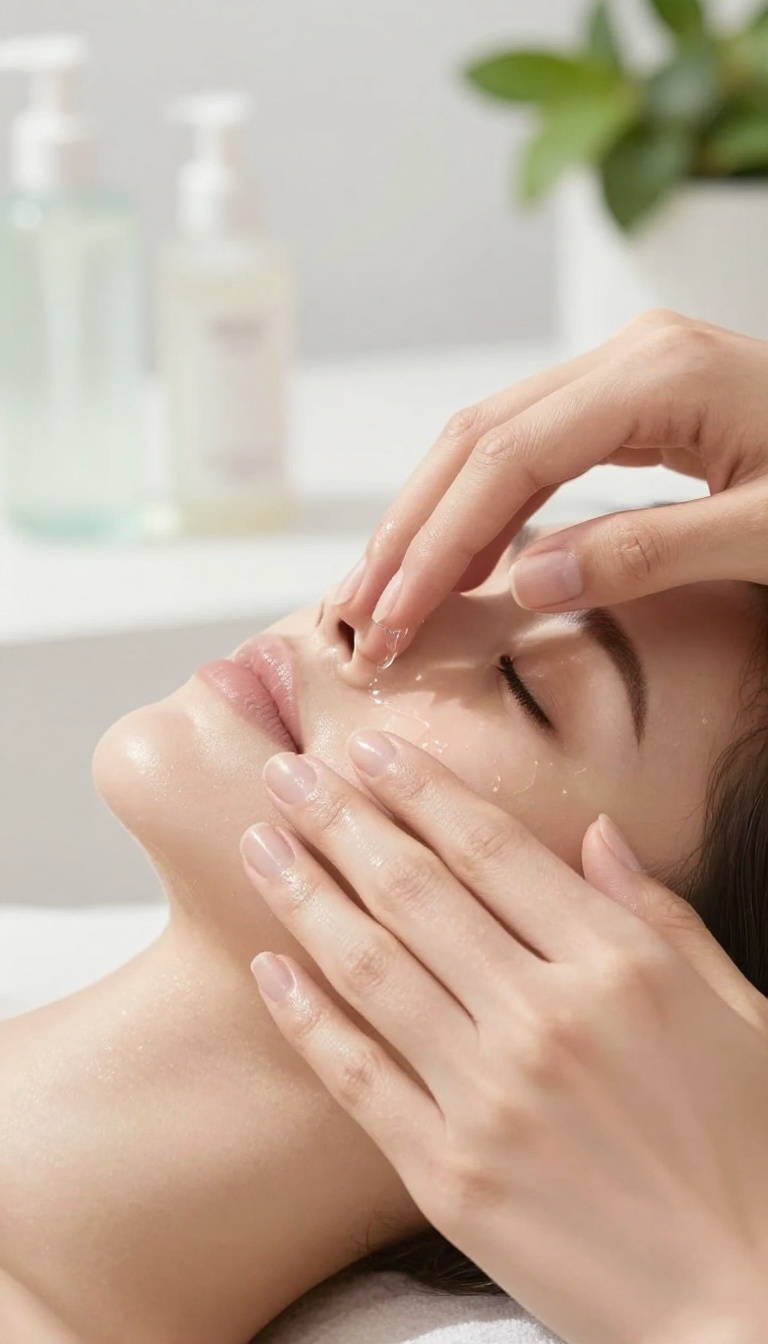
Essences are the secret step that often gets skipped, but they can make a real difference. These lightweight, watery formulas are packed with hydrating ingredients that penetrate deeper than your typical toner. Adding one to your routine is like giving your skin a drink of water before you lock everything in with a moisturizer.
Not only do essences boost hydration, but they also prep your skin to absorb the rest of your products better. Think of them as a primer for your skincare—they help everything else work harder. Whether you have dry, oily, or combination skin, an essence can balance things out and leave you with that dewy, healthy glow.
Essences are a game-changer for extra hydration. They deliver a concentrated dose of moisture and nutrients right where your skin needs it. Here’s how to make the most of them.
Why Essences Matter
Essences are thinner than serums but more concentrated than toners. They're designed to hydrate the skin at a deeper level, plumping up fine lines and giving you a fresh, dewy look. They also help balance your skin's pH, which can get thrown off after cleansing.
This means your skin is more receptive to the next steps in your routine.
How To Apply
After cleansing and toning, pour a few drops of essence into your palms. Gently pat it onto your face and neck, pressing it into the skin. Don't rub—patting helps the product absorb better and stimulates circulation.
You can also use a cotton pad if you prefer, but your hands are just as effective and create less waste.
Choosing The Right Essence
Look for essences with ingredients like hyaluronic acid, glycerin, or fermented extracts. These are great for drawing in moisture and boosting your skin's natural barrier. If you have sensitive skin, opt for a fragrance-free formula.
For oily skin, a lightweight, water-based essence works best. Test a patch first if you're trying something new.
5. Incorporate a Vitamin C Serum
Morning routines often focus on cleansing and moisturizing, but adding a vitamin C serum can be a game-changer. This antioxidant works hard to brighten your complexion and defend against daily stressors. It's a simple step that delivers noticeable results over time.
Vitamin C is a powerhouse ingredient that tackles dullness, dark spots, and environmental damage. Using it consistently helps your skin look more radiant and even-toned. Plus, it boosts collagen production, which keeps your skin firm and youthful.
Why Vitamin C Works
Vitamin C neutralizes free radicals from UV rays and pollution, preventing premature aging. It also inhibits melanin production, fading hyperpigmentation and sun spots. Over time, this leads to a brighter, more luminous complexion.
How To Apply It
Apply a few drops of vitamin C serum to clean, dry skin in the morning. Gently pat it in, then follow with moisturizer and sunscreen. This ensures maximum absorption and protection throughout the day.
Choosing The Right Formula
Look for serums with 10-20% vitamin C, preferably in the form of ascorbic acid. Check the packaging—it should be opaque and airtight to prevent oxidation. Start with a lower concentration if you have sensitive skin.
6. Don't Skip Eye Cream
The skin around your eyes is the thinnest on your body, and it's often the first place to show signs of fatigue and aging. While your regular moisturizer might cover the basics, it's not formulated to address the specific needs of this delicate area. That's where a dedicated eye cream comes in—it can target puffiness, dark circles, and fine lines more effectively.
Eye creams are packed with ingredients that are too potent for the rest of your face but perfect for the eye area. Caffeine helps constrict blood vessels to reduce puffiness, while peptides can boost collagen production to firm and smooth. Plus, the right eye cream can provide a hydrating barrier that keeps the area plump and youthful.
Why Your Eyes Need Special Care
The skin around your eyes lacks oil glands, making it prone to dryness and irritation. It also moves constantly—blinking, squinting, and smiling—which leads to fine lines over time. A gentle eye cream can lock in moisture and protect this fragile skin from environmental stressors.
How To Apply It Right
Use your ring finger to dab a pea-sized amount of product under each eye, starting from the inner corner and moving outward. Avoid rubbing or pulling, as that can cause more damage. Let it absorb for a minute before layering on sunscreen or makeup.
Key Ingredients To Look For
Caffeine is your best friend for morning puffiness, while retinol or peptides help with fine lines. Hyaluronic acid adds hydration, and vitamin C can brighten dark circles. Choose a formula that suits your primary concern, and be consistent—results take time.
7. Layer a Hydrating Serum
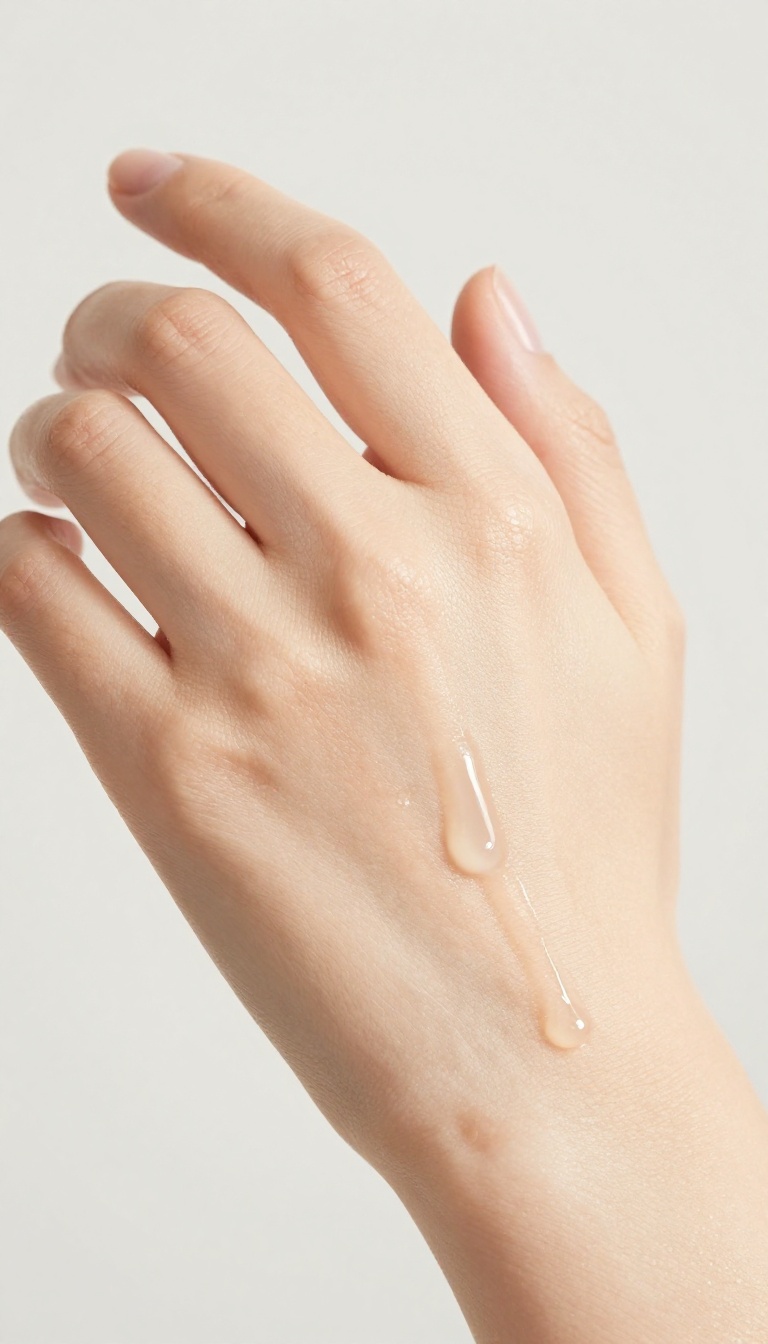
Think of serums as the heavy lifters in your skincare routine. They're packed with concentrated ingredients that target specific concerns, and for glow, hydration is key. A good hydrating serum can plump up your skin, smooth out fine lines, and give you that dewy, healthy look.
But here's the trick: how you apply it matters just as much as what's in it. If you're slapping it on dry skin, you're not getting the full benefit. The right technique can make a huge difference in how well your skin absorbs all those good-for-you ingredients.
When it comes to layering a hydrating serum, the goal is to lock in moisture and boost your skin's natural glow. Here's how to do it right.
Pick The Right Serum
Look for serums with hyaluronic acid, glycerin, or aloe vera. These ingredients are humectants, meaning they draw water into the skin. If you have dry or dehydrated skin, a thicker, gel-like serum might work better.
For oily skin, a lightweight, water-based formula is your friend. Don't overcomplicate it—just choose one that feels good and fits your skin's needs.
Apply On Damp Skin
This is the secret to getting the most out of your serum. After cleansing, pat your face dry with a towel, but leave it slightly damp. Then, apply your serum.
The water on your skin helps the serum spread more easily and allows it to penetrate deeper. You'll notice your skin drinks it up faster, and it feels more hydrated right away.
Use The Right Amount
A few drops are usually enough to cover your whole face. You don't need to drench your skin in product. Start with a pea-sized amount, warm it between your fingertips, and gently press it into your skin.
This technique helps the serum absorb without pulling or tugging. If you need more, add another drop, but less is often more.
Seal It In With Moisturizer
Serums are great, but they're not a replacement for a moisturizer. To keep all that hydration locked in, follow up with a moisturizer while your skin is still a little tacky. This creates a barrier that prevents water from evaporating and keeps your skin plump and glowing throughout the day.
8. Seal with a Moisturizer
Your serums just delivered a concentrated dose of actives, but they need a partner to keep everything locked in. That's where moisturizer steps in—it's the final barrier that prevents water loss and keeps your skin supple. Without it, all those potent ingredients can evaporate, leaving your skin feeling tight and looking dull.
Choosing the right moisturizer isn't about grabbing the most expensive jar. It's about matching the formula to your skin's needs. Gel-based options work wonders for oily skin, while richer creams are a godsend for dry types.
The key is to apply it while your skin is still slightly damp to maximize absorption.
Applying moisturizer is more than just slapping it on. The technique matters. Use gentle upward strokes to encourage lymphatic drainage and avoid tugging at your skin.
This simple habit supports your skin's natural barrier and keeps it looking lifted and healthy.
Pick The Right Texture
Your skin type should dictate the consistency of your moisturizer. Oily and combination skin often prefers a lightweight gel or water-based lotion that hydrates without clogging pores. Dry or mature skin thrives on richer creams or balms that provide a deeper layer of nourishment.
Normal skin can usually handle either, but a lotion is a safe middle ground.
Apply On Damp Skin
For maximum hydration, apply your moisturizer right after cleansing or toning, while your skin is still slightly damp. This helps lock in that extra moisture and creates a smooth canvas for makeup or sunscreen. Pat the product in with your fingertips rather than rubbing, which can irritate the skin.
9. Add a Facial Oil for Extra Nourishment
If your skin feels tight or flaky, a few drops of facial oil can provide lasting hydration and essential fatty acids. Press it into your skin after moisturizer to seal in moisture. Oils are not just for dry skin—they can balance combination and oily skin types too.
Facial oils are like a cozy blanket for your skin, locking in all the goodness from your previous steps. They help strengthen your skin barrier, which keeps irritants out and moisture in. Choose a lightweight oil like squalane or jojoba if you're oily, or go for richer options like marula or rosehip if you're dry.
How To Choose The Right Oil
Not all oils are created equal. Look for non-comedogenic oils that won't clog pores. Squalane and jojoba mimic your skin's natural sebum, making them safe for most skin types.
For extra nourishment, try rosehip oil, which is packed with vitamins and antioxidants.
The Right Way To Apply
Warm 2-3 drops between your palms, then gently press the oil onto your face and neck. Avoid rubbing—pressing helps the oil absorb without disturbing your moisturizer. Use it as the final step in your evening routine, or mix a drop into your moisturizer for a lighter feel.
When To Skip The Oil
If your skin is very oily or prone to breakouts, you might not need a facial oil every day. Listen to your skin—if it feels greasy or breaks out, reduce usage to a few times a week or skip it altogether. Oils work best when your skin actually needs them.
10. Use a Sheet Mask Once a Week
Sheet masks are like a mini spa day you can do at home. They're soaked in serums that deliver a concentrated dose of hydration and soothing ingredients straight to your skin. Plus, the 15-20 minutes you leave them on forces you to slow down and relax, which is a bonus for your mind as well as your face.
Once a week, swap your regular mask for a sheet mask. It's an easy way to boost your glow without adding extra steps to your daily routine.
Why Sheet Masks Work
The fabric acts as a barrier, trapping moisture and keeping the active ingredients in close contact with your skin. This helps them absorb better than a traditional cream mask. Look for ingredients like hyaluronic acid for hydration, niacinamide for brightening, or centella asiatica to calm redness.
How To Pick The Right One
Not all sheet masks are created equal. Choose one that targets your current skin concern. If your skin feels dry, go for a hydrating mask with hyaluronic acid.
If you're looking to brighten, try one with vitamin C. For sensitive skin, opt for a soothing mask with aloe or green tea.
Make It A Ritual
Set aside 15-20 minutes, put on your favorite playlist, and let the mask do its thing. While it's on, you can lie down, read a book, or just close your eyes. After you remove it, gently pat the remaining serum into your skin.
Don't rinse it off—let it sink in.
11. Apply SPF Every Morning
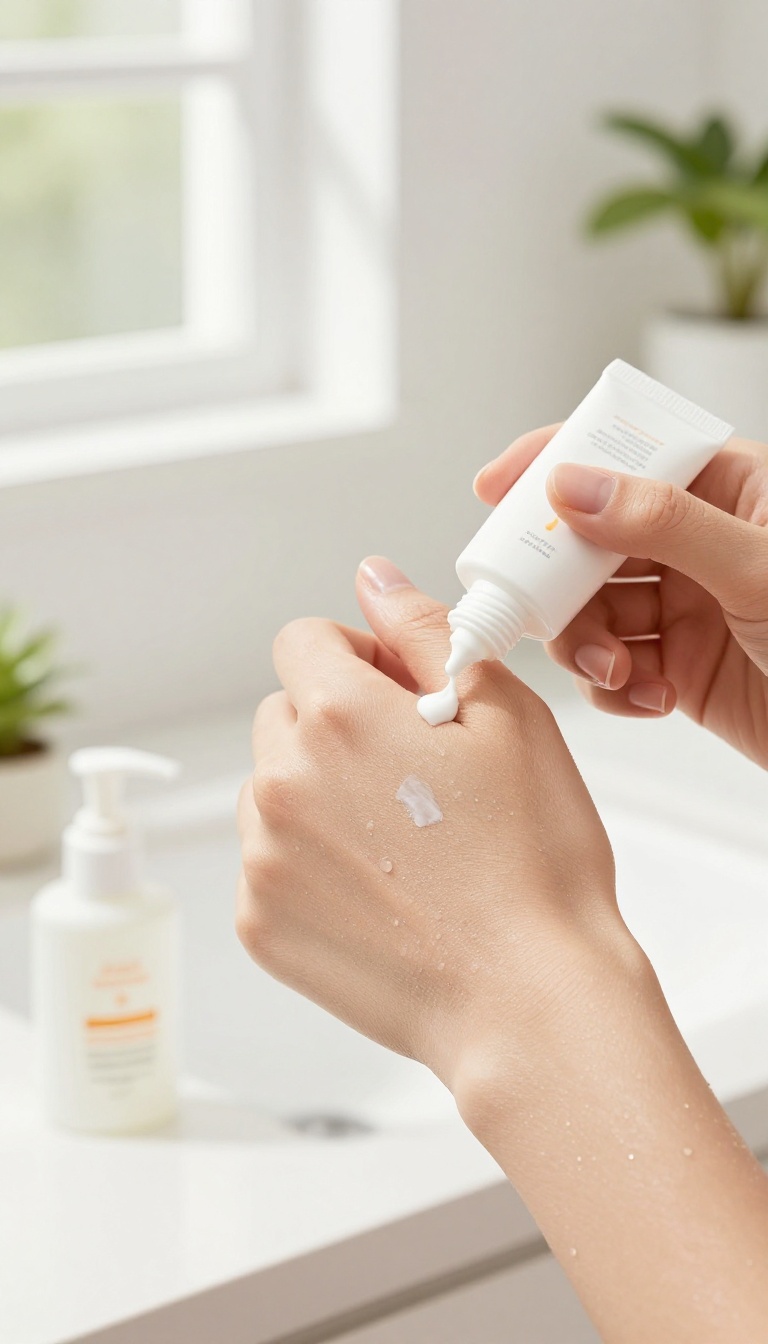
Here's the thing about sunscreen: it's not just for beach days. UV rays hit your skin every single day, even through clouds and windows. That daily exposure adds up, leading to dark spots, fine lines, and an uneven tone.
Making SPF a non-negotiable morning step is the simplest way to protect all the hard work your routine does.
Sunscreen is the ultimate shield for your skin. It prevents premature aging, keeps your complexion even, and stops sun damage before it starts. The key is consistency—apply it every morning, no exceptions.
Choose a broad-spectrum SPF 30 or higher, and make it the final step of your morning routine. If you're worried about greasiness, there are plenty of lightweight, mattifying formulas that sit beautifully under makeup.
Why Spf Is Non-negotiable
Think of SPF as your daily insurance policy against UV damage. UVA rays age you, and UVB rays burn you. Broad-spectrum SPF 30 blocks about 97% of UVB rays, while SPF 50 blocks about 98%.
That extra percentage matters if you spend lots of time outdoors. Even on cloudy days, up to 80% of UV rays can penetrate the clouds, so skipping SPF is never a good idea.
How To Make Spf A Daily Habit
Stick your sunscreen bottle right next to your toothbrush or moisturizer so you see it every morning. Use about two finger-lengths' worth for your face and neck. If you're applying makeup, wait two minutes for the SPF to set, then go ahead with foundation or powder.
And don't forget your ears, the back of your neck, and your hands—they age too.
Choosing The Right Spf For Your Skin
For oily skin, go for gel or fluid formulas that absorb quickly. Dry skin loves cream or lotion SPFs with added glycerin or hyaluronic acid. Sensitive skin should look for mineral sunscreens with zinc oxide or titanium dioxide—they sit on top and are less likely to irritate.
And if you're worried about a white cast, tinted sunscreens can blend seamlessly into deeper skin tones.
12. Don't Forget Your Neck and Chest
Your face gets all the attention, but your neck and chest are just as exposed to the sun and environmental damage. They often show signs of aging just as early as your face, if not sooner. Extending your skincare routine down to these areas is a simple way to keep the whole area looking smooth and youthful.
When you apply your serums, moisturizers, and sunscreen, don't stop at your jawline. Sweep them down your neck and onto your chest. This helps prevent crepey skin and keeps the area hydrated.
It's an easy habit that pays off in the long run.
Why The Neck And Chest Need Extra Care
The skin on your neck and chest is thinner and has fewer oil glands than your face, making it more prone to dryness and wrinkles. It's also often neglected in daily routines, so it can age faster. Giving it the same love as your face helps maintain a more uniform complexion.
How To Apply Products Correctly
Use upward strokes when applying products to your neck and chest. This helps with lymphatic drainage and prevents tugging. Don't forget the back of your neck, especially if you wear your hair up.
A little extra product goes a long way.
Don't Skip Sunscreen Here
Your neck and chest are constantly exposed to the sun, so sunscreen is non-negotiable. Apply a generous amount and reapply throughout the day if you're outdoors. This is one of the most effective ways to prevent premature aging and dark spots in these areas.
13. Incorporate a Clay Mask for Deep Cleansing
Once a week, your skin deserves a deeper clean than your daily cleanser can provide. That's where clay masks come in—they're like a magnet for the gunk hiding in your pores. Using one regularly can help prevent breakouts and leave your complexion looking noticeably fresher.
Clay masks work by absorbing excess oil and drawing out impurities from deep within your pores. This weekly ritual is especially helpful if you have oily or combination skin, but even drier skin types can benefit from a gentle clay mask applied only to the T-zone. The key is to choose the right clay for your skin and not overdo it.
Choosing The Right Clay For Your Skin
Not all clays are created equal. Kaolin clay is gentle and great for sensitive skin, while bentonite clay is more powerful and best for oily, acne-prone skin. French green clay is another option that’s rich in minerals and helps detoxify without stripping your skin.
Start with a small patch test to see how your skin reacts.
How To Apply For Best Results
Start with a clean, dry face. Apply a thin, even layer of the mask, avoiding the eye area. Leave it on for about 10-15 minutes or until it feels dry, but don’t let it crack—that can pull moisture from your skin.
Rinse off with warm water using gentle circular motions, then pat your skin dry.
When And How Often To Use It
Once a week is a good starting point for most people. If your skin is very oily, you might use it twice a week, but listen to your skin—if it feels tight or irritated, cut back. Always follow up with a hydrating moisturizer to replenish your skin’s moisture barrier.
14. Use a Facial Roller or Gua Sha
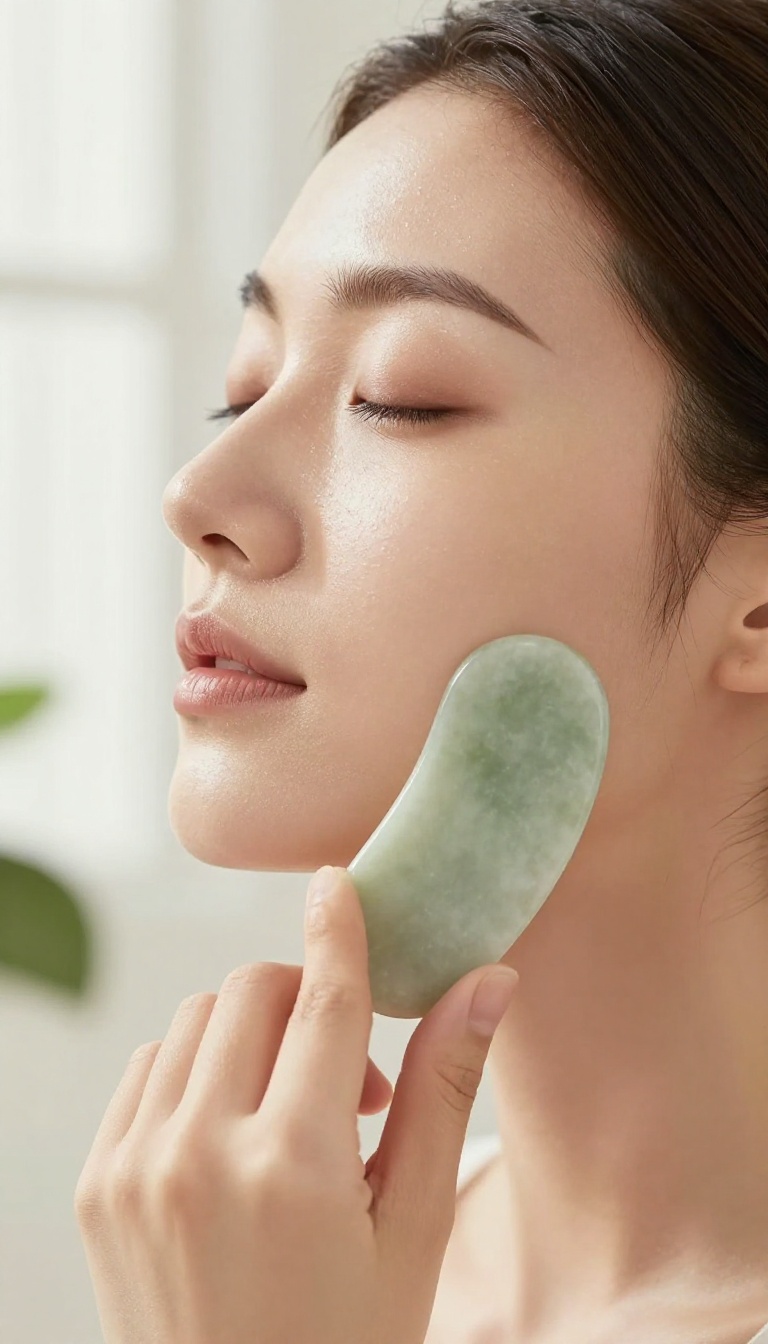
Your skincare routine doesn't have to end with serums and moisturizers. Adding a quick facial massage with a jade roller or gua sha can take your glow to the next level. It feels amazing, and the benefits go beyond just relaxation.
Facial massage tools like jade rollers and gua sha stones have been used for centuries in traditional Chinese medicine. They help boost circulation, reduce puffiness, and promote lymphatic drainage, which can give your skin a firmer, more radiant look. Plus, they help your skincare products absorb better by gently pressing them into the skin.
Why It Works
The gentle pressure and sweeping motions of a roller or gua sha stimulate blood flow, bringing oxygen and nutrients to your skin cells. This can brighten your complexion and give you that healthy, dewy glow. It also helps reduce fluid retention, so your face looks less puffy, especially in the morning.
How To Use It
Start with a clean face and apply a few drops of facial oil or serum to give the tool some slip. Use the roller with light pressure, rolling upward and outward from the center of your face. For gua sha, hold the stone at a 15-degree angle and glide it along your jawline, cheekbones, and forehead.
Spend about 2-3 minutes per session, and do it daily or a few times a week.
Pro Tips
Keep your roller or gua sha in the fridge for a cooling, de-puffing effect. Clean it regularly with a gentle soap or alcohol wipe to avoid bacteria buildup. And don't forget to be gentle—no need to press hard.
Consistency is more important than intensity.
15. Get Enough Sleep
Sleep is when your skin goes into repair mode. While you're catching Zzz's, your body is busy rebuilding collagen, boosting blood flow, and balancing hydration. Missing out on those hours doesn't just leave you tired—it shows up on your face as dullness, puffiness, and fine lines.
Aim for 7 to 9 hours of quality shut-eye each night. It's a simple habit, but it's one of the most powerful things you can do for your complexion. Think of it as your skin's nightly reset button.
Getting enough sleep is non-negotiable for glowing skin. During deep sleep, your skin's blood flow increases, which helps deliver oxygen and nutrients to cells. Your body also produces more human growth hormone, which aids in repairing daily damage.
Plus, your skin's pH balance and moisture levels regulate overnight, so you wake up looking more rested and radiant. If you're not hitting that 7-9 hour mark, you might notice more pronounced lines, dark circles, and a sallow tone. Over time, chronic sleep deprivation can accelerate skin aging.
Making sleep a priority is one of the easiest, most cost-effective skincare steps you'll ever take.
Stick To A Consistent Schedule
Your body loves routine. Going to bed and waking up at the same time every day—even on weekends—helps regulate your internal clock. This consistency improves sleep quality, so your skin gets the full benefit of its nightly repair cycle.
Try setting a relaxing bedtime alarm to remind you to wind down.
Create A Sleep-friendly Environment
Your bedroom should be a sanctuary for sleep. Keep it cool, dark, and quiet. Use blackout curtains or an eye mask to block light, and consider a white noise machine to drown out disturbances.
Also, invest in a silk or satin pillowcase—it's gentler on your skin and reduces friction that can cause wrinkles and sleep lines.
Wind Down Before Bed
A calming pre-sleep routine signals your body that it's time to rest. Avoid screens at least 30 minutes before bed, as blue light can disrupt melatonin production. Instead, try gentle stretching, reading, or a warm bath.
You can also apply your nighttime skincare products as part of this ritual—it not only helps your skin but also reinforces a relaxing habit.
16. Stay Hydrated Inside and Out
Water is the unsung hero of glowing skin. While your moisturizer works on the surface, true hydration starts from within. When you're dehydrated, your skin loses elasticity and looks dull, no matter how many serums you pile on.
The fix? Drink up and give your skin a direct hit of moisture with a refreshing mist.
Start your day with a glass of water before coffee or tea. Keep a reusable bottle on your desk or in your bag as a visual reminder. If plain water bores you, infuse it with cucumber, lemon, or mint for a subtle flavor boost.
Aim for at least eight glasses a day, but listen to your body—thirst is a signal you're already behind. Pair that internal hydration with an external one: a hydrating mist with ingredients like hyaluronic acid or rose water. Keep it in your bag and spritz whenever your skin feels tight or tired, especially after a long flight or a day in air conditioning.
It's a quick pick-me-up that instantly refreshes and plumps.
Make Water A Habit
Set phone reminders or use an app to track your intake. Link drinking water to existing habits, like every time you check your email or take a break. Before you know it, you'll hit your goal without even thinking about it.
Choose The Right Mist
Not all mists are equal. Look for ones with humectants like glycerin or hyaluronic acid, which draw moisture into the skin. Avoid alcohol-based mists that can dry you out further.
A quick spritz after cleansing or before moisturizer boosts absorption.
Don't Overdo It
While hydration is key, too much water won't magically erase wrinkles. And over-spritzing can strip your skin's natural oils if you let it evaporate. Use a mist 2-3 times a day, and follow with a moisturizer to lock in the moisture.
17. Eat a Balanced Diet

Your skin is a reflection of what you put on your plate. A diet rich in antioxidants, healthy fats, and vitamins can work wonders from the inside out. Think of food as your daily dose of internal skincare.
Nourishing your body with the right nutrients helps combat oxidative stress, reduce inflammation, and maintain skin elasticity. It's not about strict diets—just making smarter choices that show up as a healthier glow.
Antioxidant-rich Berries
Blueberries, strawberries, and raspberries are packed with vitamin C and other antioxidants that help protect your skin from free radical damage. Toss a handful into your morning oatmeal or yogurt for a tasty boost.
Healthy Fats For Hydration
Avocados, nuts, and olive oil provide essential fatty acids that keep your skin's moisture barrier strong. A small handful of almonds or a drizzle of olive oil on your salad can make a difference in how supple your skin feels.
Leafy Greens For Vitamins
Spinach, kale, and other leafy greens are loaded with vitamins A, C, and E, which support skin repair and renewal. Add a handful to your smoothies or sauté them as a side dish to up your nutrient intake.
18. Manage Stress Levels
Stress doesn't just mess with your mood—it shows up on your skin. When you're tense, your body releases cortisol, which can trigger oil production and lead to breakouts. That's why managing stress is a key step in any glow routine.
Your skin and brain are closely connected. High stress can cause inflammation, making existing skin issues worse and leaving your complexion looking tired. By finding ways to unwind, you help your skin stay calm and clear.
Try Mindful Breathing
A few minutes of deep breathing can lower stress hormones and improve blood flow to your skin. Try inhaling for four counts, holding for four, and exhaling for four. Do this a few times a day, especially when you feel overwhelmed.
Move Your Body
Exercise is a powerful stress reliever. It boosts circulation, which nourishes skin cells and gives you a natural glow. You don't need a hard workout—a brisk walk or gentle yoga can do wonders.
Prioritize Sleep
Lack of sleep ramps up stress and slows skin repair. Aim for 7-9 hours of quality sleep each night. A consistent bedtime routine can help you wind down and wake up with fresher-looking skin.
19. Clean Your Makeup Brushes
If you wear makeup, your brushes and sponges are probably the dirtiest things in your beauty bag. Every time you use them, they pick up oil, dead skin, and old product—and then you smear all that back onto your face. That's a fast track to clogged pores and breakouts, even if the rest of your routine is on point.
Giving your tools a weekly wash is one of the easiest ways to keep your skin clear and your makeup looking fresh.
Washing your makeup brushes isn't just about hygiene—it's a game-changer for your skin. Dirty brushes can harbor bacteria that cause acne, irritation, and even infections. Plus, clean brushes apply product more evenly, so you get a smoother, more natural finish.
Make it a habit to wash them at least once a week, and you'll notice a difference in both your skin and your makeup application.
Why Dirty Brushes Wreck Your Skin
Think about everything your brushes touch: your face, your hands, your counter, maybe even the floor if they fall. They collect oil, dead skin cells, and makeup residue, which become a breeding ground for bacteria. When you use those brushes again, you're transferring all that gunk directly onto your skin, leading to clogged pores, redness, and breakouts.
Regular cleaning stops this cycle before it starts.
How To Wash Them The Right Way
You don't need fancy products—a gentle cleanser or baby shampoo works great. Wet the bristles with lukewarm water, add a drop of cleanser, and swirl the brush in your palm or on a silicone mat. Rinse until the water runs clear, then reshape the bristles and lay them flat to dry.
Avoid soaking the ferrule (the metal part) because water can loosen the glue and ruin the brush.
How Often Should You Clean?
For daily-use brushes, like foundation or concealer brushes, aim for a deep clean once a week. Eye brushes and blending sponges can go a little longer, but if you use them daily, try to wash them every 7–10 days. If you have sensitive or acne-prone skin, consider cleaning them even more often.
A quick spray of brush cleaner between washes can help in a pinch.
20. Be Consistent and Patient
Glowing skin doesn't happen overnight, and that's okay. The real magic lies in showing up for your skin every day, even when you don't see immediate results. Think of your routine as a long-term investment—the payoff comes with time and dedication.
Most dermatologists agree that it takes at least 4 to 6 weeks for your skin to complete a full cell turnover cycle. That means the new, radiant skin you're hoping for is just a few weeks away, but only if you stick with it. So, resist the urge to switch products every few days or expect a miracle after one week.
Consistency is the secret ingredient in any skincare routine. Your skin thrives on predictability, so keep your routine simple and repeat it morning and night. This doesn't mean you can't tweak things, but give each product a fair chance to work before making changes.
Track your progress with photos every couple of weeks—you'll likely notice subtle improvements that you'd otherwise miss. Patience is just as important as consistency. Some steps, like using a new active ingredient, might even make your skin look worse before it looks better.
That's normal. Stick with it, and your skin will thank you.
The 4-6 Week Rule
Your skin's natural renewal cycle takes about a month. So, when you introduce a new product or step, give it at least four to six weeks to show its true effect. If you're still not seeing improvement after that, then consider adjusting.
But don't throw in the towel early—you might be on the verge of a breakthrough.
Track Your Progress
Take a photo of your bare skin in the same lighting every week. Compare them side by side. You'll start to notice small wins—a smoother texture, a more even tone, or fewer breakouts.
These little victories are what keep you motivated. Plus, it's a great way to see what's actually working.
Don't Skip Days
Life gets busy, but try to stick to your routine even on lazy days. Missing one day won't undo everything, but frequent skipping can disrupt your skin's balance. Keep it simple if you're short on time—a quick cleanse and moisturizer are better than nothing.
Your skin will appreciate the consistency.
FAQ
How often should I exfoliate my skin?
Exfoliate 1-2 times a week, depending on your skin type. Over-exfoliating can irritate your skin and damage your barrier. Start slowly and adjust based on how your skin reacts.
Can I use vitamin C every day?
Yes, vitamin C is safe for daily use, preferably in the morning. It helps brighten skin and provides antioxidant protection. If you have sensitive skin, start with a lower concentration and gradually increase.
Do I need to wear sunscreen indoors?
Yes, if you're near windows or using screens, UV rays can still reach your skin. Wearing SPF daily, even indoors, helps prevent photoaging and hyperpigmentation.
What's the best way to apply facial oil?
Warm a few drops of oil between your palms, then gently press it onto your face and neck. Apply after your moisturizer to lock in hydration without feeling greasy.
How long does it take to see results from a skincare routine?
Most skin cells renew every 28 days, so it typically takes 4-6 weeks to see noticeable changes. Consistency is more important than using many products.
Conclusion
Building a glowing complexion doesn't have to be complicated. By following these 20 steps, you're giving your skin the care it needs to look and feel its best. Remember, it's not about perfection—it's about consistency and listening to your skin.
Start with a few steps that feel manageable, and gradually add more as you get comfortable. Your skin is unique, so adjust the routine to suit your needs. With time and patience, you'll see the glow you've been chasing.