Ever noticed how K-beauty fans rave about that lit-from-within glow—not just on their faces, but all over? That's because Korean body care treats your skin like a canvas, layering hydration and gentle exfoliation from neck to toes. The good news?
You don't need a 10-step routine or fancy gadgets to get there. These 15 secrets focus on simple, consistent habits that make a real difference. Whether you're tackling rough patches or just want that smooth, glassy finish, there's something here for you.
Ready to upgrade your shower game and beyond? Let's get into it.
1. Dry Brushing Before You Shower
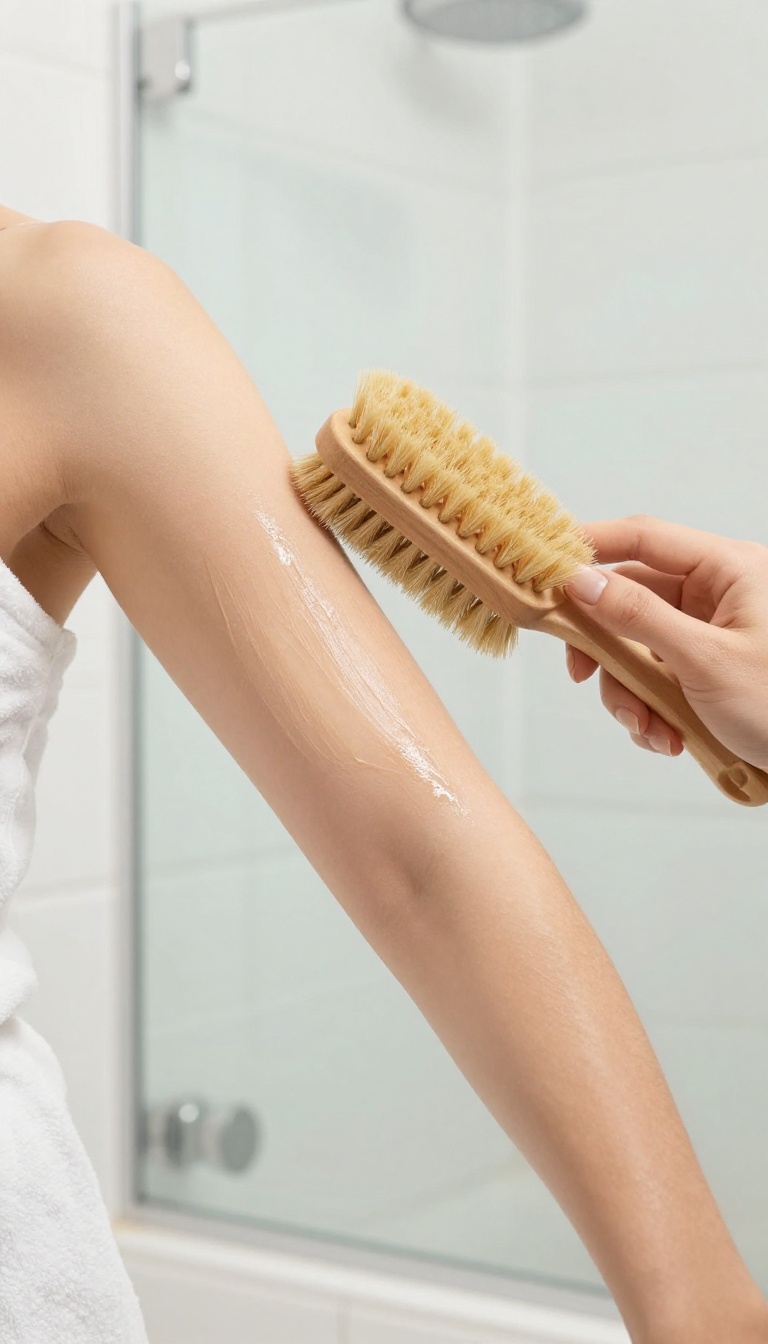
Dry brushing might sound like a spa-only ritual, but it's actually a simple habit you can add to your routine in minutes. The idea is to use a firm, natural-bristle brush on dry skin before you get wet. This helps wake up your circulation and gently slough off dead cells, leaving your skin smoother and more receptive to the moisturizers you'll apply afterward.
Start with a dry brush with natural bristles—synthetic ones can be too harsh. Begin at your feet and brush upward toward your heart using long, sweeping strokes. Keep the pressure light, especially on sensitive areas like your stomach or inner thighs.
Do this for about five minutes, then hop into the shower to rinse away the loosened skin cells.
Why It Works
Dry brushing boosts blood flow, which can give your skin a temporary glow and help with that 'glassy' look. It also unclogs pores and helps your body get rid of toxins through the lymphatic system. Plus, it makes your skin feel incredibly soft, almost like you've had a mini exfoliation treatment.
How To Do It Right
Keep your brush dry and clean—wash it with mild soap once a week. Always brush on dry skin before showering, and avoid broken or irritated areas. Use gentle, upward strokes, and don't overdo it: two to three times a week is plenty for most skin types.
After your shower, follow up with a rich body lotion or oil to lock in moisture.
Common Mistakes To Avoid
One big mistake is brushing too hard or too often, which can irritate your skin. Another is brushing right after a shower—your skin is more sensitive then. And don't forget to replace your brush every few months, as bristles wear down and can become less effective or even scratchy.
2. Double Cleansing for Your Body
You already know the magic of double cleansing for your face, but have you ever thought about giving your body the same VIP treatment? Your skin doesn't stop at your chin—it goes all the way down to your toes. Sweat, sunscreen, and daily grime can cling to your body, leaving it feeling dull and clogged.
A quick two-step cleanse can change that.
Start with an oil-based cleanser or cleansing balm to break down the stubborn stuff—sunscreen, sweat, and any lingering body oils. Massage it onto dry skin, then rinse. Follow up with a gentle body wash to sweep away the residue and any remaining dirt.
This one-two punch leaves your skin clean, soft, and ready to absorb all the good stuff you'll layer on next.
Why Oil First?
Oil attracts oil. The first cleanse dissolves the day's buildup without stripping your skin's natural moisture barrier. Think of it as a pre-wash that makes the second cleanse more effective.
It’s especially great after a sweaty workout or a day at the beach.
Picking Your Cleansers
For the oil step, look for lightweight oils or balms with nourishing ingredients like jojoba or squalane. For the second cleanse, choose a pH-balanced body wash with mild surfactants. Avoid anything with harsh sulfates that can leave your skin feeling tight and dry.
When To Double Cleanse
You don't need to do this every single day—just on days when you've worn sunscreen, exercised, or spent time in polluted environments. On lazy days, a single gentle cleanse is fine. Listen to your skin and adjust.
3. Gentle Physical Exfoliation
Scrubbing your skin raw isn't the answer. Korean body care favors gentle physical exfoliation that removes dead cells without stripping your skin's barrier. The classic Italy towel—a textured viscose mitt—is a cult favorite for a reason.
It delivers that smooth, glassy finish without the redness or micro-tears that harsh scrubs can cause.
Using an Italy towel on damp skin is a game-changer. It works best in the shower after your skin has softened. Move in long, sweeping motions from your limbs toward your heart.
You'll see little rolls of dead skin—that's the good stuff. Rinse off and follow with a moisturizer while your skin is still slightly damp to lock in hydration.
Why Italy Towels Beat Scrubs
Italy towels are made of tightly woven viscose, which creates gentle friction that lifts dead cells away. Unlike sugar or salt scrubs, they don't rely on sharp particles that can cause tiny tears. They're also reusable, making them a more sustainable choice for your routine.
How To Use One The Right Way
Soak in warm water for 5–10 minutes to soften your skin. Then, with the towel wrapped around your hand, rub in long, firm strokes. Focus on rough areas like elbows, knees, and heels.
Rinse off the dead skin and follow with a hydrating body lotion or oil.
How Often Should You Exfoliate?
Twice a week is plenty for most skin types. If your skin is sensitive, start with once a week and see how it reacts. Over-exfoliating can disrupt your moisture barrier, leaving your skin dry and irritated.
Listen to your skin and adjust accordingly.
4. Chemical Exfoliation with AHAs/BHAs
Physical scrubs can feel satisfying, but they often do more harm than good, especially on sensitive body skin. Chemical exfoliants, on the other hand, work smarter by dissolving the bonds between dead skin cells so they can slough off naturally. The result?
Smoother, brighter skin without the micro-tears.
Adding a body lotion or spray with AHAs or BHAs is like giving your skin a gentle reset. AHAs (like glycolic or lactic acid) are water-soluble and work on the surface to fade dark spots and even out tone. BHAs (like salicylic acid) are oil-soluble, so they dive into pores to clear out gunk and reduce bumps.
Using them a few times a week can transform rough, dull skin into a glassy canvas.
Start Slow And Steady
If you're new to chemical exfoliation, don't go all in. Start with a product at 5-10% AHA or 2% BHA, and apply it just twice a week. Your skin needs time to adjust.
Overdoing it can lead to irritation, which defeats the purpose.
Layer With Hydration
Chemical exfoliants can be drying, so pair them with a rich moisturizer right after. Look for ceramides, hyaluronic acid, or shea butter to lock in moisture. This keeps your skin barrier happy and your glow intact.
Don't Forget Sunscreen
AHAs can make your skin more sensitive to the sun, so if you're using them on exposed areas like arms or legs, apply SPF daily. This prevents new dark spots from forming while the acids fade existing ones.
5. Shower in Warm, Not Hot, Water
There's nothing like a hot shower after a long day, but your skin might be paying the price. Hot water strips away the natural oils that keep your body soft and supple, leaving it dry and tight. The fix?
Turn the temperature down to lukewarm. It's a small change that makes a big difference for your skin's moisture barrier.
Lukewarm water cleanses effectively without robbing your skin of its protective oils. This helps prevent dryness, irritation, and even conditions like eczema flare-ups. Plus, it keeps your skin's barrier strong, so it can lock in hydration better.
If you love a steamy shower, try ending with a cool rinse to seal in moisture and boost circulation.
Why Hot Water Hurts
Hot water breaks down the lipids in your skin's outer layer, which act as a natural barrier. Once that barrier is compromised, moisture escapes and irritants get in. This leads to that uncomfortable, tight feeling and can make existing skin issues worse.
Over time, it accelerates signs of aging.
The Perfect Shower Temperature
Aim for water that feels comfortably warm, not hot—around 98°F to 104°F (37°C to 40°C). Test it with your wrist: if it feels too hot there, it's too hot for your body. Keep showers under 10 minutes to minimize moisture loss.
Extra Tips For A Skin-friendly Shower
Use a gentle, sulfate-free body wash and apply it with your hands or a soft cloth. After showering, pat your skin dry with a towel—don't rub. Then, within three minutes, slather on a rich moisturizer to lock in the water your skin just absorbed.
6. Pat Dry, Don't Rub

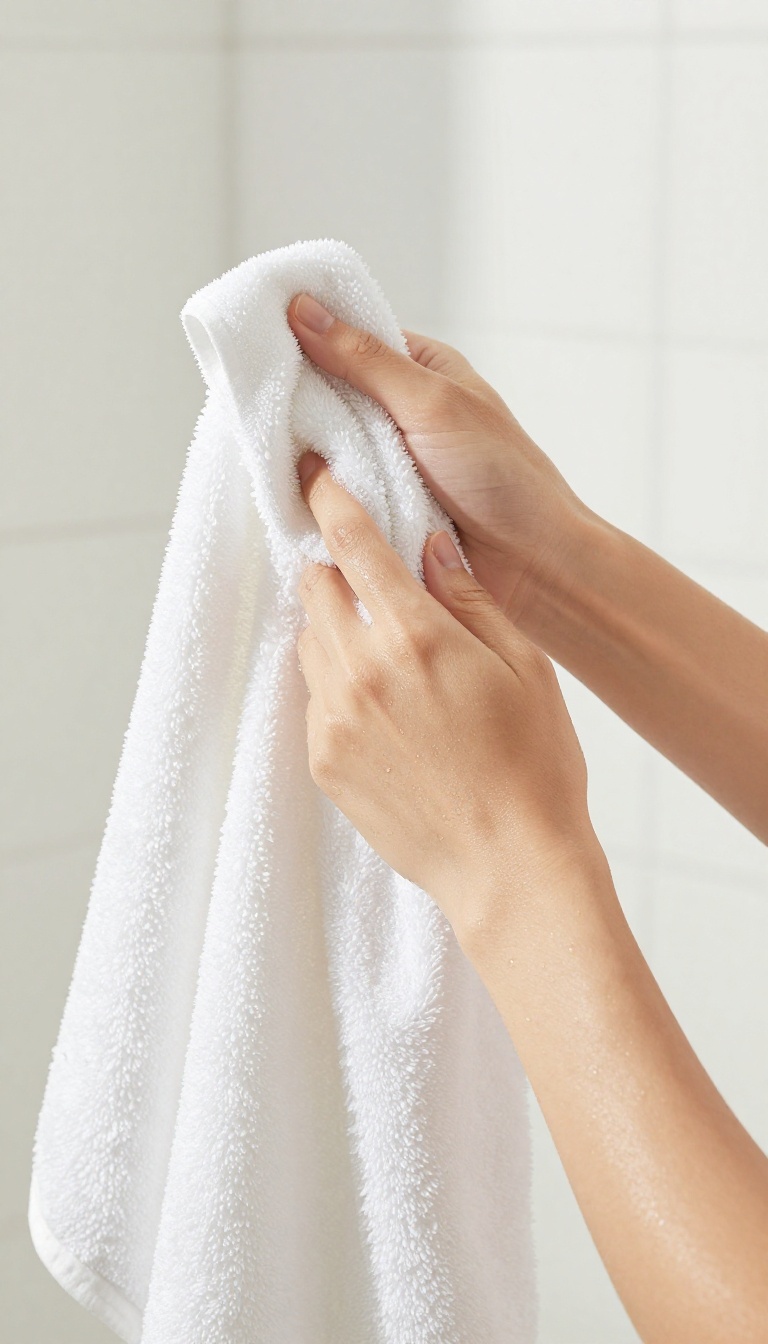
How you dry off after a shower matters more than you'd think. Rubbing your skin with a towel creates friction that can lead to micro-tears, especially on delicate areas. This can irritate sensitive skin and undo all the good work from your cleansing and moisturizing routine.
Instead, gently pat your skin dry with a soft towel. This simple switch helps maintain your skin's natural moisture barrier and keeps it calm. Think of it as the finishing touch to your shower—just as important as the products you use.
Why Rubbing Is A No-go
When you rub, you're essentially scrubbing away the top layer of your skin. Over time, this can cause redness, flakiness, and even worsen conditions like eczema. Your skin is more fragile than you think, especially when it's wet and soft from the shower.
The Right Way To Pat
Use a clean, soft towel and press it gently against your skin, moving from your shoulders down to your toes. Don't forget spots like behind your knees and elbows. Patting takes a few extra seconds, but your skin will thank you.
Moisturize While Damp
The best time to lock in hydration is right after patting, when your skin is still slightly damp. This helps seal in moisture and keeps your skin soft and smooth. Apply your body lotion or oil within a few minutes of drying for maximum benefits.
7. Layer Your Moisturizers
Layering isn't just for your face. The same logic applies to your body: start with a watery layer, then seal it in with something richer. This two-step approach gives your skin a serious moisture boost and that glassy finish you're after.
Start Damp
Right after you step out of the shower, don't towel off completely. Leave your skin slightly damp. This is the perfect time to apply a hydrating toner or essence.
The water helps pull the product in, so you're not just coating the surface—you're actually infusing your skin with moisture.
Seal With A Cream
Next, follow up with a rich body lotion or cream. This locks in all that hydration and creates a protective barrier. Look for ingredients like shea butter, ceramides, or squalane.
They'll keep your skin soft and smooth long after you've gotten dressed.
Don't Forget The Extras
For extra dry areas like elbows, knees, and heels, add a few drops of body oil on top. This gives those spots an extra layer of nourishment. It's a simple step that makes a big difference in how your skin looks and feels.
8. Use a Body Essence for Extra Hydration
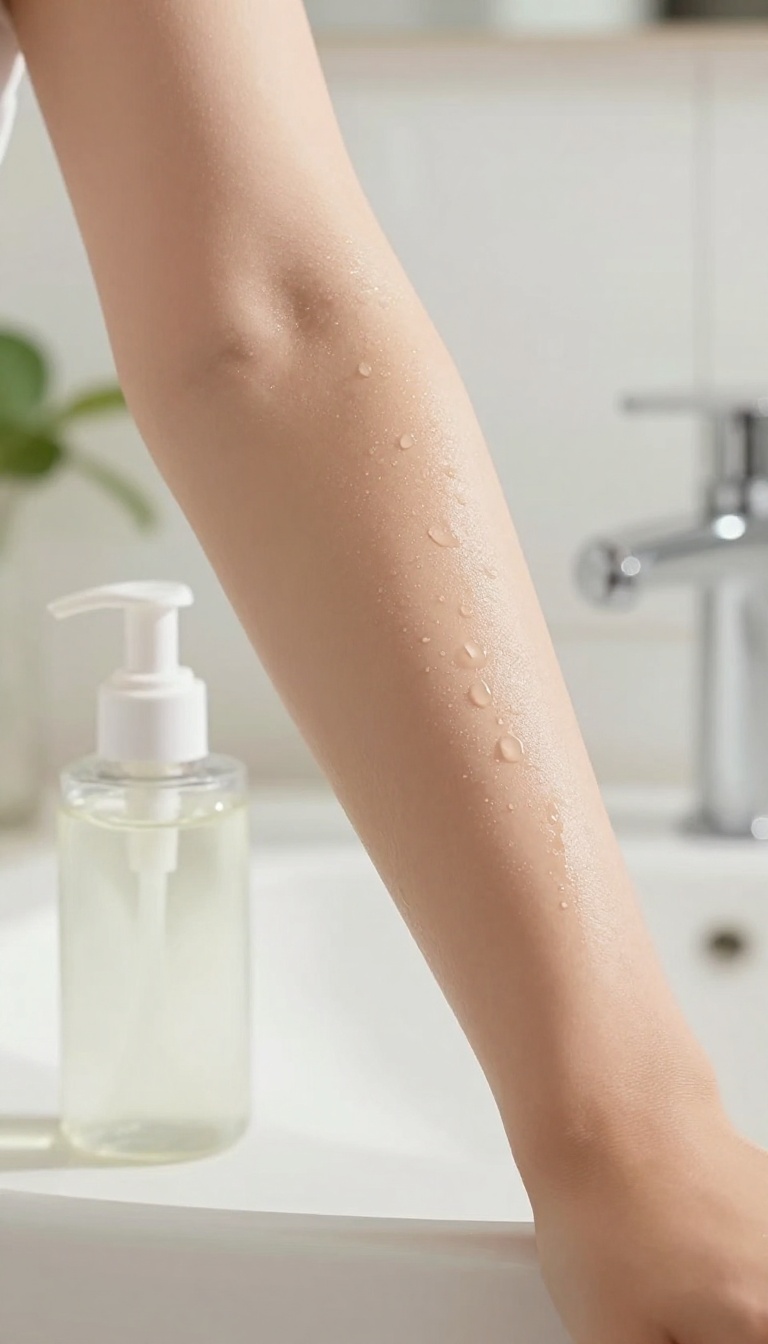
You've probably heard of facial essences—those watery, skin-quenching steps that prep your face for the rest of your routine. But did you know your body can get the same treatment? A body essence is a lightweight, fast-absorbing layer that adds a serious dose of hydration without feeling heavy or sticky.
Think of it as the bridge between your shower and your moisturizer. It helps lock in moisture and leaves your skin feeling soft, plump, and ready for whatever comes next. If you've been dealing with dry patches or just want that glassy look from head to toe, this step is a game-changer.
Body essences are typically water-based and packed with hydrating ingredients like hyaluronic acid, glycerin, or ceramides. They're designed to be applied right after you towel off, while your skin is still slightly damp. This helps trap moisture and creates a smooth base for your lotion or cream.
What sets them apart from regular moisturizers is their texture—they're much thinner and more fluid, so they sink in almost instantly. You won't have to wait around before getting dressed. Plus, they're perfect for layering, so you can use them year-round, even in humid weather.
Why Your Body Needs An Essence
Your skin on your body is thicker and less sensitive than your face, but it still loses moisture throughout the day. A body essence delivers a quick hit of hydration that reaches deeper layers, making your skin look more supple and radiant. It's especially helpful if you live in a dry climate or spend a lot of time in air-conditioned spaces.
How To Apply It Like A Pro
The best time to apply body essence is right after a shower, when your pores are open and your skin is still damp. Pour a small amount into your palms, then press or pat it onto your skin—don't rub it in aggressively. Follow up with your regular body lotion or oil to seal everything in.
You'll notice the difference in how smooth and hydrated your skin feels.
Choosing The Right Formula
Look for essences with ingredients like hyaluronic acid for deep hydration, niacinamide to brighten, or ceramides to strengthen your skin barrier. If you have sensitive skin, opt for fragrance-free options. A little goes a long way, so start with a small amount and adjust based on how your skin feels.
9. Don't Forget Your Neck and Décolletage
Your neck and chest are often the first places to show signs of aging, yet they're easy to overlook in your daily routine. The skin here is thinner and more delicate than the rest of your body, making it prone to dryness and fine lines. The good news?
Extending your facial skincare down to these areas is a simple habit that pays off.
When you apply your serums, moisturizers, and sunscreens, don't stop at your jawline. Sweep them down to your neck and chest, using the same products you trust for your face. This helps keep the skin firm and smooth, and it's an easy way to maintain a consistent glow from face to décolletage.
Why This Area Needs Extra Care
The skin on your neck and chest has fewer oil glands and less collagen than your face, so it loses moisture and elasticity faster. Daily exposure to sun, phone screens, and even your sleeping position can accelerate wrinkles and crepey texture. Treating it like part of your face is the first step to preventing premature aging.
Simple Ways To Extend Your Routine
After applying your face products, use any leftover product on your hands to pat down your neck and chest. Follow with a moisturizer or facial oil to lock in hydration. Don't forget sunscreen—apply it generously to these areas every morning, just like you would on your face.
Quick Neck And Chest Massage
Boost circulation and product absorption with a gentle massage. Using upward strokes from your collarbone to your jaw, massage for a minute or two. This not only feels relaxing but also helps keep the skin looking lifted and smooth.
10. Massage with a Gua Sha or Roller
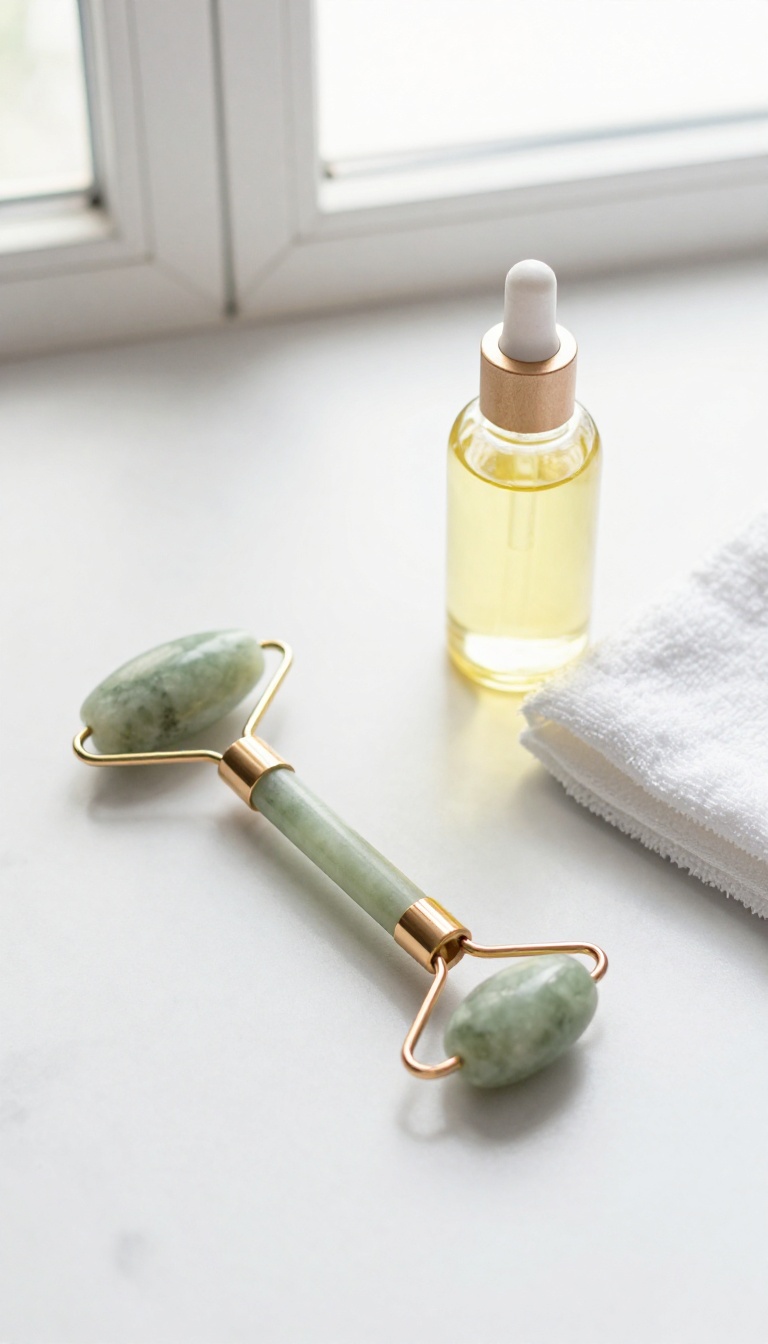
Your moisturizer can only do so much if it just sits on the surface. Massaging it in with a gua sha or roller takes things up a notch. This simple step boosts circulation, helps de-puff, and lets your lotion sink in deeper.
Think of your body as an extension of your face. The same tools you use for facial massage work wonders on arms, legs, and even your tummy. Spend a few extra minutes after applying your moisturizer to roll or scrape in an upward motion.
It feels luxurious and helps your skin look more toned and glowy.
Why It Works
Gua sha and rollers stimulate blood flow, which brings oxygen and nutrients to the skin's surface. That's what gives you that healthy, lit-from-within look. Plus, the gentle pressure helps move lymphatic fluid, reducing water retention and making your limbs feel lighter.
How To Do It Right
Always use a little oil or lotion so the tool glides smoothly. Start at your ankles and work up toward your heart, using long strokes on larger areas and small circles on joints. For your arms, go from wrist to shoulder.
Repeat each move 5-10 times, and don't press too hard—you want to feel relaxed, not sore.
When To Do It
Evening is ideal because you're winding down and your skin is more receptive to absorption. But a quick morning roll can also wake you up and de-puff overnight bloating. Keep your tool on your nightstand or bathroom counter as a visual reminder.
11. Apply Sunscreen to Exposed Skin
You probably slather SPF on your face every morning, but what about your arms, legs, and the back of your neck? Your body needs sun protection just as much as your face. Unprotected sun exposure leads to dark spots, rough texture, and premature aging—the exact opposite of that glassy-skin look you're after.
Make it a habit to apply a lightweight, non-sticky sunscreen to any exposed skin before heading out, even on cloudy days.
Think of sunscreen as the final step in your body care routine. It locks in all the moisture and actives you've applied, while shielding your skin from UV damage. Choose a broad-spectrum formula with at least SPF 30, and look for words like "non-comedogenic" or "fast-absorbing" so it doesn't feel greasy.
Apply it generously and reapply every two hours if you're outdoors, especially after swimming or sweating.
Why Your Body Needs Spf Too
Your body's skin is just as susceptible to sun damage as your face. UV rays can cause collagen breakdown, leading to sagging and wrinkles. They also trigger excess melanin production, which shows up as uneven patches and dark spots.
By applying sunscreen daily, you're preventing these issues before they start.
How To Choose A Body Sunscreen
Look for a lightweight gel or lotion that absorbs quickly and doesn't leave a white cast. Gel-based sunscreens are great for oily skin, while lotions work well for dry skin. If you're in the water or sweating, pick a water-resistant formula.
And don't forget your hands, feet, and the tops of your ears—they're often overlooked but just as exposed.
Make It A Daily Habit
Incorporate sunscreen into your morning routine, right after moisturizer. Keep a travel-sized bottle in your bag for touch-ups. If you're spending time outdoors, set a reminder to reapply every two hours.
It's a small step that pays off big in the long run.
12. Sleep in Cotton or Silk
Your skin repairs itself while you sleep, but the wrong fabrics can undo all that good work. Rough sheets and tight pajamas create friction that irritates skin, especially if you're prone to dryness or sensitivity. Switching to smooth, breathable materials is one of the easiest upgrades you can make for your body care routine.
Cotton and silk are the two best choices for sleepwear and bedding. Cotton is breathable and gentle, perfect for warmer nights or if you sweat easily. Silk takes it a step further—its smooth surface reduces friction, which means fewer creases on your skin and less chance of waking up with irritated patches.
Plus, silk doesn't absorb as much moisture as cotton, so your skin stays hydrated longer.
Why Friction Matters
When you toss and turn, rough fabrics tug at your skin. Over time, this micro-friction can lead to redness, rough texture, and even fine lines. Silk and high-quality cotton glide over your skin instead of pulling at it, helping you wake up to smoother, calmer skin.
Choosing The Right Fabric
Look for 100% cotton with a high thread count, or opt for mulberry silk with a momme weight of 19 or higher. If silk feels too pricey, satin or bamboo viscose can be good alternatives. Avoid synthetic fabrics like polyester, which trap heat and can irritate sensitive skin.
Extra Tips For Better Sleep Skin
Wash your pillowcases and pajamas with a gentle, fragrance-free detergent to avoid irritation. Also, try to keep your bedroom cool and slightly humid—this helps your skin retain moisture overnight. And don't forget to apply a rich body lotion or oil before bed to lock in hydration while you sleep.
13. Stay Hydrated from Within
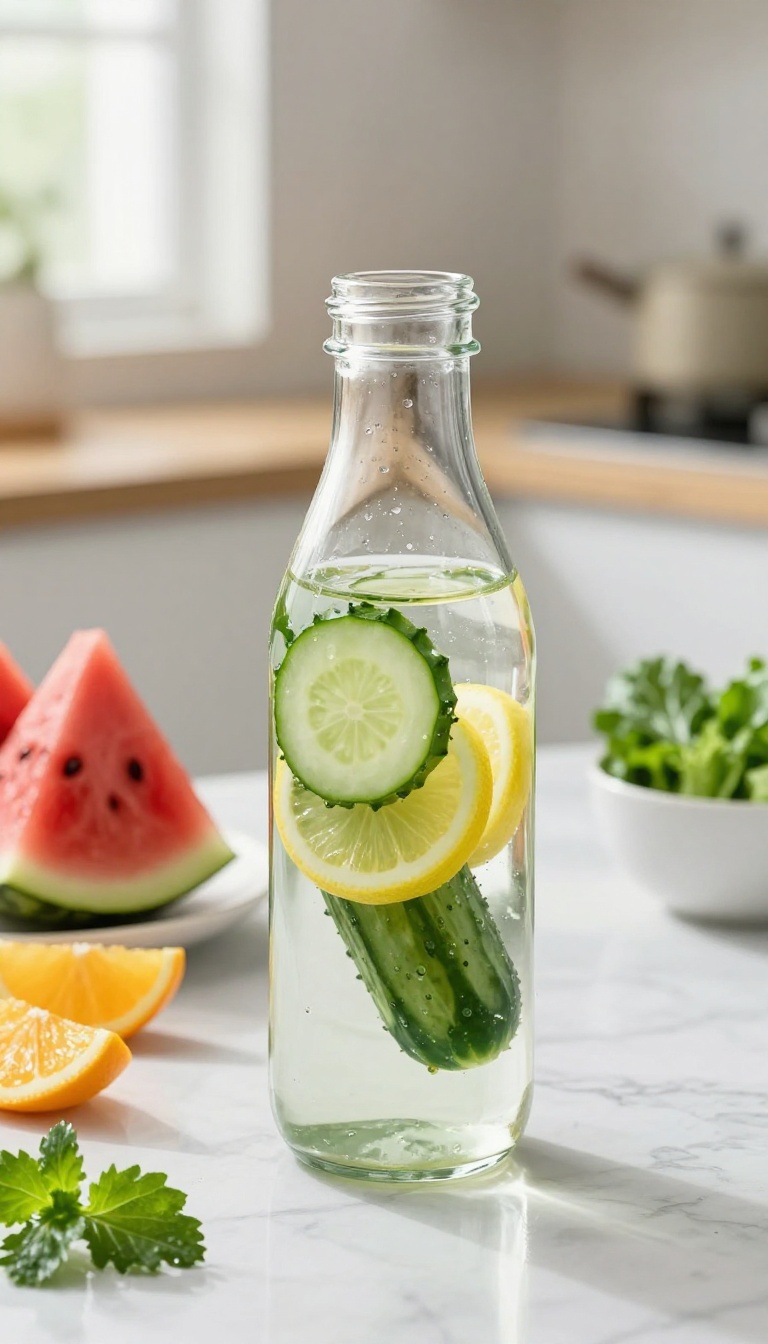
Your skin is mostly water, so it makes sense that what you drink shows up on the surface. When you're dehydrated, your skin can look dull, tight, and more prone to fine lines. That's why Korean beauty insiders treat water like a secret weapon for that glassy glow.
It's not about chugging gallons—it's about consistent, mindful hydration throughout the day. Pairing water with hydrating foods and electrolyte-rich drinks can take your skin from parched to plump.
Why Water Matters For Skin
Water helps maintain your skin's elasticity and supports its natural barrier. When you're well-hydrated, your skin cells are plump, which reduces the appearance of fine lines and gives you that bouncy, dewy look. Dehydration, on the other hand, can make your skin look tired and accentuate dryness.
How Much To Drink
Aim for at least 8 glasses (about 2 liters) a day, but adjust based on your activity level, climate, and body size. A simple trick: keep a reusable water bottle with you and sip regularly. If you're not a fan of plain water, infuse it with cucumber, lemon, or berries for a refreshing twist.
Hydrating Foods And Electrolytes
Water isn't the only way to hydrate. Foods like watermelon, cucumber, oranges, and leafy greens are packed with water and skin-loving vitamins. For an extra boost, consider electrolyte drinks or coconut water, especially after workouts, to help your body retain moisture.
14. Eat Skin-Loving Foods
Your skin is a reflection of what you put on your plate, not just what you put on your body. While topical care works wonders, the right foods can amplify that glow from the inside out. Think of it as fueling your skin with the nutrients it craves to stay smooth, supple, and glassy.
Incorporating antioxidant-rich berries, omega-3-packed fish, and healthy fats like nuts and avocados can reduce inflammation and lock in moisture. These foods help your skin repair itself and maintain that bouncy, lit-from-within look. Small dietary swaps can make a big difference over time.
Antioxidants For A Natural Glow
Blueberries, strawberries, and dark leafy greens are packed with antioxidants that fight free radicals—those pesky molecules that cause dullness and fine lines. Add a handful to your morning smoothie or snack on them throughout the day. Your skin will thank you with a brighter, more even tone.
Healthy Fats For Supple Skin
Omega-3s from salmon, walnuts, and chia seeds keep your skin's lipid barrier strong, preventing dryness and flakiness. Healthy fats also help your skin absorb fat-soluble vitamins like A and E, which are crucial for a smooth texture. Aim for a few servings a week to keep your skin plump and hydrated.
Hydrating Foods For Extra Moisture
Cucumbers, watermelon, and celery are high in water content, giving your skin an extra hydration boost from within. Pair them with your water intake to keep your skin dewy and elastic. These foods are also low in calories, making them easy to add to any meal.
15. Consistency Over Intensity
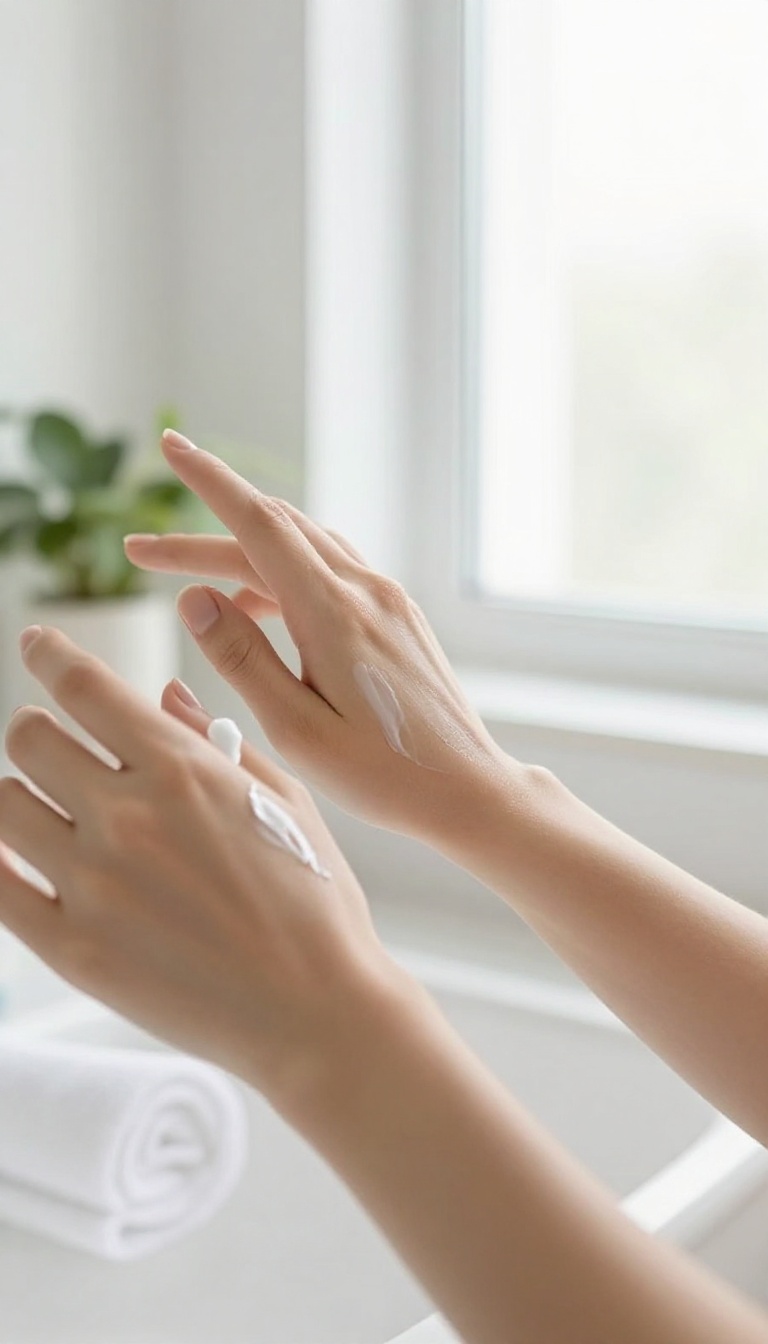
The biggest mistake people make with body care is going all-in for a week, then quitting. But Korean beauty philosophy isn't about dramatic overhauls—it's about showing up for yourself every single day. A simple routine you stick with will always beat a complicated one you abandon.
Think of your skin like a plant. You can't water it once and expect it to thrive. It needs a little bit of care every day.
The same goes for your body. Daily moisturizing, gentle exfoliation, and sun protection add up over time to create that smooth, glassy look. It's not about doing everything perfectly—it's about doing the basics consistently.
Start Small, Stay Consistent
Don't try to overhaul your entire routine overnight. Pick one or two habits—like moisturizing right after your shower or using a gentle scrub twice a week—and stick with them for a month. Once they feel automatic, add another step.
This gradual approach builds lasting habits without feeling overwhelming.
Track Your Progress
It's easy to get discouraged if you don't see results immediately. Take a photo of your skin every week in the same lighting. You'll be surprised by the subtle changes—smoother texture, fewer dry patches, a healthier glow.
Seeing your progress on your phone can keep you motivated to stay on track.
Forgive The Off Days
Life happens. You'll skip a night or forget your body lotion when you're in a rush. That's okay.
Consistency doesn't mean perfection. Just get back to your routine the next day. The goal is to be consistent over months and years, not to be perfect every single day.
FAQ
How often should I dry brush?
Start with 2-3 times a week. If your skin tolerates it well, you can do it daily, but always be gentle to avoid irritation.
Can I use the same exfoliator on my face and body?
It's best to use separate products. Body exfoliators are often more abrasive, which can be too harsh for facial skin.
What's the best way to apply body lotion?
Apply while your skin is still slightly damp after showering. This helps lock in moisture and improves absorption.
Do I really need a separate body sunscreen?
Yes, body sunscreens are formulated to cover larger areas and often have a different texture. They provide better protection without feeling greasy.
How long until I see results?
With consistent care, you may notice smoother skin within a week. For deeper changes like fading dark spots, give it 4-6 weeks.
Conclusion
Glassy skin isn't about chasing perfection—it's about building small, consistent habits that respect your skin's natural barrier. Start with one or two of these Korean-inspired steps that feel doable, like double cleansing or sealing in moisture with a lightweight oil. Give your body a few weeks to adjust, and you'll notice a smoother, more radiant finish.
The real secret isn't a single product; it's showing up for yourself daily. Pick what works for you, stay gentle, and let your skin's natural glow do the talking.