
Smooth, supple skin isn't just about genetics—it's about the little things you do every day. You don't need a cabinet full of fancy products to get that soft, healthy glow.
In fact, some of the most effective body care tricks are surprisingly simple and budget-friendly. Whether you're dealing with dry patches, rough elbows, or just want to elevate your routine, these 25 tips will help you achieve the smooth skin you've been craving.
From shower habits to post-care rituals, each tip is designed to be easy to incorporate and genuinely effective.
1. Exfoliate Smarter, Not Harder

Exfoliation is a game-changer for smooth skin, but too much of a good thing can backfire. The goal is to remove dead skin cells without stripping your skin's natural moisture barrier. A gentle approach, two to three times a week, keeps your skin soft and glowing without irritation.
The right exfoliant makes all the difference.
When you exfoliate, you're essentially sweeping away the buildup that makes skin look dull and rough. But scrubbing vigorously or using harsh particles can cause micro-tears and redness. Instead, think of exfoliation as a delicate balance—enough to reveal fresh skin, but not so much that you compromise its health.
Opt for a soft scrub with fine, rounded beads or a chemical exfoliant containing AHAs like glycolic or lactic acid. These work gently to dissolve the bonds between dead skin cells, leaving your skin smoother and more even-toned. Always follow up with a moisturizer to lock in hydration.
Choose The Right Exfoliant For Your Skin
Not all exfoliants are created equal. If you have sensitive skin, avoid gritty scrubs with jagged particles like crushed walnut shells. Instead, look for products with smooth, synthetic beads or a creamy texture.
For body care, a salicylic acid body wash can help with rough, bumpy areas like the backs of arms. Always patch-test a new product on a small area first.
Master The Right Technique
How you exfoliate matters just as much as what you use. Apply the product to damp skin in gentle, circular motions, and let the product do the work—don't press hard. Spend no more than a minute on each area, and avoid exfoliating broken or sunburned skin.
Rinse thoroughly with lukewarm water, not hot, to prevent dryness.
Time It Right
Exfoliating in the evening is ideal because your skin repairs itself overnight. Avoid exfoliating right before sun exposure, as fresh skin is more sensitive to UV damage. If you're using a chemical exfoliant, start with once a week and gradually increase to two or three times as your skin adjusts.
Always wear sunscreen the next day.
2. Shower in Warm, Not Hot Water
Your morning shower might feel like a mini spa session, but if the water is too hot, it's actually working against your skin. Hot water strips away the natural oils that keep your skin hydrated, leaving it tight, itchy, and flaky. Switching to warm water is a simple fix that makes a big difference.
When you turn the dial down, you're protecting your skin's moisture barrier. This barrier helps lock in hydration and keeps irritants out. Lukewarm showers also reduce inflammation, which is great if you have conditions like eczema or psoriasis.
Your skin will feel calmer and look healthier.
The Science Behind The Steam
Hot water breaks down the lipids in your skin's outer layer, which are essential for retaining moisture. Once they're gone, water evaporates quickly, and your skin loses its natural softness. Warm water cleanses effectively without that harmful side effect.
Signs You're Using Water That's Too Hot
If your skin looks red or feels itchy right after a shower, or if you notice dry patches later in the day, your water temperature is likely too high. Another clue is if you feel the need to slather on lotion immediately after drying off—that's a sign your skin's barrier is compromised.
How To Find The Perfect Temperature
Aim for water that's warm to the touch but not steaming. A good test is to hold your hand under the stream for a few seconds—if it feels too hot for your hand, it's too hot for your body. You can also lower the temperature gradually until you find a comfortable setting that doesn't leave your skin feeling parched.
3. Don't Overdo the Soap
It's tempting to lather up with fragrant body washes, but your skin's natural barrier is more delicate than you think. Over-soaping strips away protective oils and disrupts the pH balance, leaving skin tight, dry, and prone to irritation. The fix isn't to ditch soap entirely—just to be smarter about where and how you use it.
Your skin has its own microbiome and acid mantle that keep it healthy and resilient. Harsh soaps with sulfates and synthetic fragrances can wipe out these good guys, leading to dryness, itchiness, and even breakouts. The goal is to cleanse effectively without stripping your skin's natural moisture.
Spot-clean Instead Of Full-lather
You don't need to soap every inch of your body every day. Focus on the areas that actually get sweaty and smelly—underarms, groin, feet, and maybe your back if you're prone to acne. For the rest, a quick rinse with warm water is enough to remove dirt and sweat without drying out your skin.
Pick A Gentle, Fragrance-free Cleanser
Look for body washes or bars labeled 'mild, ' 'fragrance-free, ' or 'for sensitive skin. ' Avoid sulfates (like sodium lauryl sulfate) and synthetic perfumes, which are common irritants. A gentle cleanser with glycerin or ceramides will clean without leaving your skin feeling tight.
Let Water Do The Heavy Lifting
For most of your body, plain water is surprisingly effective at rinsing away everyday grime. If you've been sweating heavily, a quick rinse with water can refresh you without needing soap. Save the soap for when you really need it—like after a workout or a day at the beach.
Rinse Thoroughly And Pat Dry
Leftover soap residue can be just as irritating as using too much soap. Make sure you rinse completely, especially in skin folds. After your shower, pat your skin dry with a towel instead of rubbing—this helps lock in moisture and prevents irritation.
4. Pat Dry, Don't Rub
After a shower, it's tempting to grab a towel and rub yourself dry. But that friction can cause tiny tears in your skin, leading to irritation and dryness. Switching to a gentle patting motion is a simple fix that helps preserve your skin's natural moisture and keeps it feeling smooth.
When you rub your skin with a towel, you're not just removing water—you're also stripping away natural oils and disturbing the skin barrier. This can leave your skin feeling tight and looking flaky. Patting, on the other hand, is much gentler and lets your skin retain the hydration it just absorbed.
Plus, it's a calming way to end your shower routine.
Why Rubbing Hurts
Vigorous rubbing can cause micro-tears that are invisible to the eye but can lead to redness and sensitivity. Over time, this friction can also contribute to premature aging and make existing skin conditions worse. Your skin is delicate, so treat it with care.
How To Pat Dry Properly
Use a clean, soft towel and gently press it against your skin, moving from top to bottom. Let the towel absorb the water without dragging it across your body. Pay extra attention to areas that are prone to dryness, like your arms and legs, and make sure they're not left damp.
When To Apply Moisturizer
The best time to lock in moisture is right after patting dry, while your skin is still slightly damp. This helps seal in the water and keeps your skin hydrated longer. Apply your favorite body lotion or oil within a few minutes of stepping out of the shower for the smoothest results.
5. Moisturize Within 3 Minutes
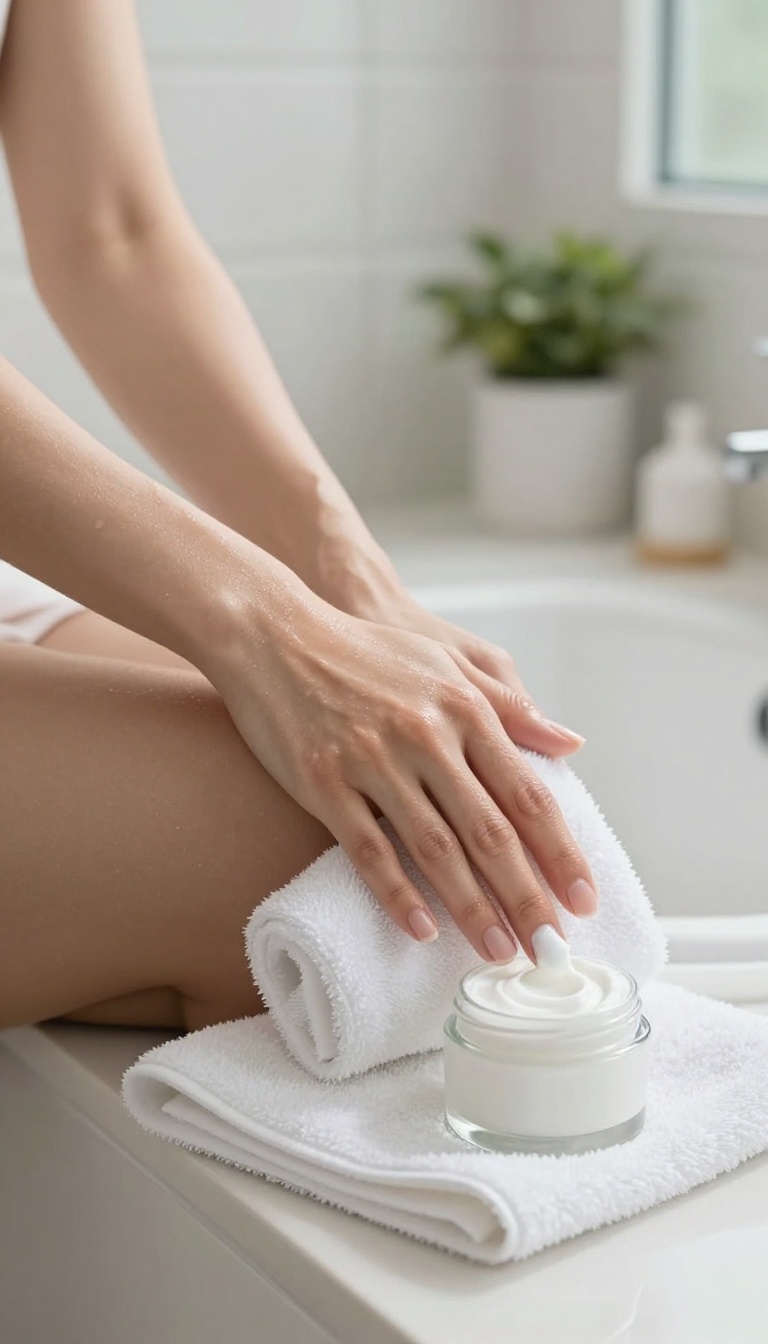
You might be unknowingly sabotaging your moisturizer's effectiveness by waiting too long after your shower. The secret to maximum hydration is timing. Your skin is most receptive to moisture when it's still damp, so that three-minute window is your golden opportunity.
Applying moisturizer while your skin is still damp helps trap water in the outer layers, locking in hydration and leaving your skin noticeably softer. This simple timing trick can make a huge difference in how your skin feels and looks.
Why Damp Skin Works Better
When your skin is damp, it's more permeable, allowing moisturizer ingredients to penetrate deeper. The water on your skin acts as a carrier, pulling the product in and helping it absorb more effectively. Plus, the moisturizer seals that moisture in, preventing evaporation.
How To Do It Right
After stepping out of the shower, gently pat your skin with a towel—don't rub. You want it slightly damp, not dripping. Then, within three minutes, apply your moisturizer using upward strokes.
Focus on drier areas like elbows, knees, and heels. If you're using a body oil, apply it first, then follow with a cream to seal everything in.
Don't Forget The Extras
For an extra boost, keep a travel-size moisturizer in your bathroom so it's within reach. You can also mix in a few drops of hyaluronic acid serum for added hydration. And remember, this works for your face too—just use a facial moisturizer instead of a body lotion.
6. Use a Rich Body Butter for Dry Areas
Your elbows, knees, and heels work hard every day, and they show it. These spots have thicker skin and fewer oil glands, so they tend to dry out faster than the rest of your body. A lightweight lotion might not cut it—they need something richer.
That's where a thick body butter comes in.
Body butters are formulated with heavy emollients like shea butter, cocoa butter, or mango butter. These ingredients create a protective layer that locks in moisture and softens even the roughest patches. Unlike lotions, which are mostly water, butters are oil-heavy, so they provide lasting hydration.
Apply them right after showering when your skin is still slightly damp to seal in extra moisture.
Why Body Butter Beats Lotion
Lotions are great for everyday hydration, but they evaporate quickly on dry areas. Body butters have a thicker consistency and stay on the skin longer, giving those stubborn spots a deep drink of moisture. Plus, they often contain natural oils that help repair the skin barrier over time.
Best Times To Apply
The most effective time is right after a shower or bath, when your pores are open and your skin is still damp. This helps the butter absorb better and traps water in your skin. You can also apply a little before bed and let it work overnight—just wear old pajamas to avoid greasy stains.
Targeted Areas That Need Extra Care
Focus on your elbows, knees, and heels—places that bend and rub against clothing. These areas tend to build up rough, dry patches. Massage a small amount of butter into each spot in circular motions for a minute or two.
This boosts circulation and helps the product sink in.
7. Don't Forget Sunscreen on Your Body
You probably slather SPF on your face every morning, but what about the rest of you? Your neck, chest, arms, and legs see just as much sun—and they show the damage just as clearly. Skipping body sunscreen is one of the fastest ways to undo all your smoothing efforts.
Sun exposure breaks down collagen and elastin, which are the proteins that keep skin firm and smooth. Over time, that leads to wrinkles, sagging, and rough, leathery texture. A daily body sunscreen protects your skin from these effects and helps maintain that soft, even glow you're working toward.
Pick A Body-friendly Spf
Choose a broad-spectrum sunscreen with at least SPF 30. Look for lightweight, non-greasy formulas designed for the body—they absorb faster and don't leave a sticky film. If you're prone to breakouts on your chest or back, go for oil-free or non-comedogenic options.
Cover The Often-missed Spots
Don't forget the back of your neck, tops of your feet, and the backs of your hands. These areas are constantly exposed and often neglected. A quick sweep of sunscreen over each area ensures you're protected everywhere.
Reapply When You're Outdoors
Sunscreen wears off with sweat, water, and time. If you're spending the day outside, reapply every two hours—or more often if you're swimming or sweating. For everyday wear, a single morning application is usually enough, but don't skip it just because you're indoors all day—UV rays can still reach you through windows.
8. Hydrate from the Inside Out
You've probably heard it a thousand times, but water really is your skin's best friend. When you're dehydrated, your skin can look dull and feel tight, no matter how much lotion you use. Drinking enough water helps keep your skin cells plump and elastic, which directly supports that smooth, healthy look you're after.
Aim for at least eight glasses a day, but remember that your needs can vary based on activity level and climate. If you struggle to drink plain water, try infusing it with fruit or herbs for a refreshing twist. Your skin will thank you.
Why Hydration Matters For Skin
Your skin is made up of about 30% water, and that water helps maintain its structure and elasticity. When you're dehydrated, your skin can lose its bounce, making fine lines more noticeable. Proper hydration also supports your skin's natural barrier, helping it lock in moisture and fend off irritants.
How Much Water Do You Really Need?
The classic advice is eight 8-ounce glasses a day, but that's just a starting point. Factors like exercise, hot weather, and even your diet can increase your needs. A simple way to check: if your urine is light yellow, you're likely well-hydrated.
Darker urine can be a sign to drink up.
Easy Ways To Drink More Water
Carry a reusable water bottle with you and set reminders on your phone. Add slices of lemon, cucumber, or mint to make it more appealing. You can also eat water-rich foods like watermelon, cucumber, and oranges, which count toward your daily intake.
Small changes can make a big difference.
9. Eat Foods Rich in Omega-3s

Your skin's smoothness isn't just about what you put on it—it's also about what you put in your body. Omega-3 fatty acids are a key nutrient for maintaining that soft, supple feel. These healthy fats help build your skin's natural lipid barrier, which locks in moisture and keeps irritants out.
When your lipid barrier is strong, your skin stays hydrated and looks plump. Without enough omega-3s, your skin can become dry, flaky, and more prone to irritation. The good news?
Adding these foods to your diet is simple and delicious.
Omega-3s are essential fats your body can't produce on its own, so you need to get them from food. They work by strengthening the cell membranes in your skin, which helps retain water and keeps your complexion smooth. Plus, they have anti-inflammatory properties that can calm redness and roughness.
Aim to include omega-3-rich foods in your meals a few times a week. Fatty fish like salmon, mackerel, and sardines are top sources, but plant-based options like walnuts, flaxseeds, and chia seeds work too. If you're not a fan of fish, consider a high-quality algae-based supplement to fill the gap.
Top Omega-3 Food Sources
Start with fatty fish—salmon, trout, and tuna are easy to add to salads or grill for dinner. For plant-based options, sprinkle ground flaxseeds on yogurt or oatmeal, toss walnuts into a stir-fry, or blend chia seeds into smoothies. Even edamame and kidney beans offer a small boost.
How Much Do You Need?
There's no one-size-fits-all number, but most experts suggest eating fatty fish at least twice a week. If you're vegetarian or vegan, aim for a daily serving of ground flaxseeds or chia seeds. You'll start noticing smoother skin within a few weeks of consistent intake.
Supplements As A Backup
If your diet falls short, omega-3 supplements can help. Look for fish oil or algae oil with both EPA and DHA, the two most beneficial types. Always check with your doctor before starting a new supplement, especially if you're on blood thinners.
10. Use a Humidifier in Dry Climates
Dry air is a silent enemy of smooth skin, especially when the heater is running or you live somewhere arid. It pulls moisture from your skin, leaving it tight, flaky, and prone to irritation. A humidifier puts that moisture back into the air, and your skin will thank you for it.
When the air around you is dry, your skin loses water faster than it can replenish it. That's why your legs feel like sandpaper in the winter or after a long flight. A humidifier adds water vapor to the room, which helps your skin hold onto its natural moisture.
It's a simple fix that works around the clock, even while you sleep.
Why It Works
Your skin's outer layer is made of cells that act like a barrier. When humidity drops, that barrier weakens and water escapes. By keeping indoor humidity between 30% and 50%, you give your skin a fighting chance to stay hydrated.
It also helps your moisturizer work better, since it's not fighting the air for hydration.
Where To Place It
Put a humidifier in the room where you spend the most time—usually your bedroom or living room. Place it on a table or dresser, a few feet off the floor, and away from walls or electronics. Keep the door closed to trap the moisture in, and clean it regularly to prevent mold and bacteria.
Best Times To Use It
Run it at night while you sleep, because that's when your skin repairs itself. If you work in a dry office, a small desk humidifier can help too. Just don't overdo it—too much humidity can make the air feel stuffy and encourage dust mites.
11. Exfoliate Your Lips Gently
Your lips work hard all day, but they often get overlooked when it comes to exfoliation. Dead skin can build up, making your lip balm less effective and leaving your pout looking dull. A gentle scrub can make a world of difference.
Exfoliating your lips removes flaky skin, smooths the surface, and helps your balm sink in better. The key is to be gentle—your lip skin is thin and delicate. Over-scrubbing can cause irritation, so keep it to once or twice a week.
Diy Sugar Scrub
Mix a teaspoon of brown sugar with a few drops of honey or olive oil. Massage the mixture onto your lips in tiny circles for about 30 seconds, then rinse with warm water. The sugar granules buff away dead skin while the honey or oil nourishes.
Soft Toothbrush Method
If you don't have a scrub on hand, grab a clean, soft-bristled toothbrush. Gently brush your lips in small circular motions for a few seconds. Make sure your lips are damp, and don't press too hard.
Follow up with a rich balm to lock in moisture.
Post-exfoliation Care
After exfoliating, your lips are extra receptive to hydration. Apply a thick, nourishing balm or a lip mask immediately. This helps seal in moisture and keeps your lips soft and smooth for longer.
Reapply throughout the day as needed.
12. Treat Your Feet to a Weekly Soak
Your feet carry you around all day, yet they often get the least attention in your body care routine. A weekly foot soak isn't just a luxury—it's a simple way to soften rough skin and ease tired muscles. All you need is a basin of warm water, some Epsom salts, and a few quiet minutes.
Start by filling a basin with warm—not hot—water and adding a handful of Epsom salts. Soak your feet for 10–15 minutes to soften calluses and relax your soles. Afterward, gently buff away dead skin with a pumice stone, then slather on a rich foot cream and slip into cotton socks to lock in moisture.
Why Epsom Salts Work
Epsom salts are rich in magnesium, which helps ease muscle tension and reduce swelling. The warm water also increases blood flow, making your skin more receptive to softening. This simple combo turns a basic soak into a mini spa treatment.
The Right Way To Exfoliate
Don't scrub aggressively—let the soak do the heavy lifting. Use a pumice stone in gentle circles, focusing on heels and the balls of your feet. Over-exfoliating can cause micro-tears, so keep it light and follow up with moisturizer immediately.
Lock In The Softness
After drying your feet, apply a thick cream containing urea or shea butter. These ingredients deeply hydrate and help repair cracked skin. Wearing cotton socks overnight boosts absorption and keeps your sheets clean.
13. Massage Your Skin to Boost Circulation
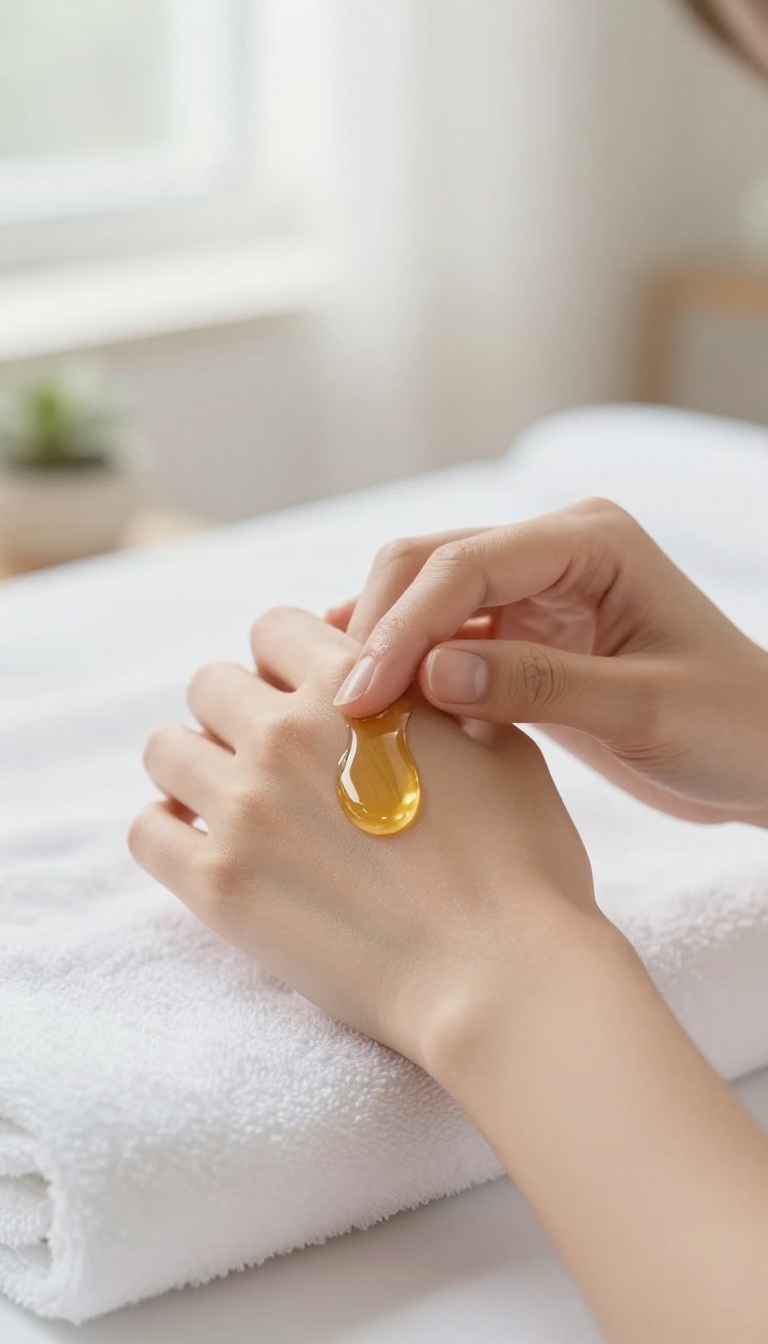
Your skin thrives on good blood flow, and a little massage goes a long way. When you stimulate circulation, you bring oxygen and nutrients to the surface, which helps even out tone and improve texture. It's like a mini workout for your skin, and it feels amazing too.
You don't need a pricey spa session to get the benefits. A simple dry brush or even your own hands can do the trick. The key is consistency and using the right technique to wake up your skin and get it glowing.
Massaging your body not only feels relaxing but also boosts circulation, which can lead to smoother, more radiant skin. By increasing blood flow, you help your skin cells regenerate and repair more efficiently. Plus, it can help reduce the appearance of cellulite and promote lymphatic drainage, which reduces puffiness.
Here's how to make massage a regular part of your body care routine for maximum benefits.
Dry Brushing Basics
Dry brushing is a simple way to boost circulation and exfoliate at the same time. Use a natural-bristle brush and start at your feet, moving in long, sweeping strokes toward your heart. Do this on dry skin before you shower.
It not only stimulates blood flow but also helps unclog pores and smooth rough patches. Keep it gentle—no need to press hard. A few minutes a day is plenty.
Hand Massage Techniques
If you don't have a brush, your hands work just fine. Use a nourishing body oil or lotion to reduce friction. Warm the product between your palms, then use firm, circular motions on your arms, legs, and torso.
Focus on areas that feel tight or have rough skin. You can also use a tool like a jade roller or a massage mitt for extra stimulation. The key is to move toward your heart to encourage lymphatic flow.
When To Massage For Best Results
The best time to massage is after a warm shower or bath when your skin is still slightly damp. This helps lock in moisture and makes the massage more comfortable. If you're dry brushing, do it before you get wet.
For a post-shower massage, apply your favorite body oil or cream while your skin is still a bit damp to seal in hydration. Aim for a few minutes each day, and you'll notice a difference in how your skin looks and feels.
14. Choose the Right Body Wash for Your Skin Type
Not all body washes are created equal, and using the wrong one can leave your skin feeling tight, dry, or even more oily. Your body wash is the first step in your shower routine, so it makes sense to pick one that actually works with your skin, not against it. The right formula can make a big difference in how your skin feels after you step out of the shower.
Here’s how to match your body wash to your skin type for smoother, happier skin.
Your skin type should guide your body wash choice. If you have sensitive skin, look for fragrance-free, hydrating formulas with ingredients like glycerin or ceramides. For oily or acne-prone skin, a clarifying body wash with salicylic acid can help keep breakouts at bay.
Dry skin benefits from creamy, moisturizing washes with shea butter or hyaluronic acid, while combination skin might do well with a gentle, balanced formula that doesn't strip moisture.
Sensitive Skin: Keep It Simple
Sensitive skin reacts easily to harsh ingredients and fragrances. Choose a body wash labeled "fragrance-free" and "hypoallergenic. " Look for soothing ingredients like aloe vera, oatmeal, or chamomile.
Avoid sulfates, which can be drying and irritating. A gentle, creamy formula will cleanse without stripping your skin's natural barrier.
Oily Or Acne-prone Skin: Clarify And Exfoliate
If you deal with body breakouts or excess oil, a clarifying body wash can help. Salicylic acid is a beta-hydroxy acid that penetrates pores to clear out oil and dead skin cells. Use it a few times a week to avoid over-drying.
You can also look for tea tree oil or benzoyl peroxide for their antibacterial properties, but start slowly to see how your skin reacts.
Dry Skin: Lock In Moisture
Dry skin needs extra hydration, so choose a body wash that cleanses without stripping. Creamy formulas with shea butter, coconut oil, or hyaluronic acid are great options. Avoid hot water and long showers, which can worsen dryness.
After washing, pat your skin dry and apply a rich moisturizer while your skin is still slightly damp to lock in hydration.
15. Incorporate a Body Oil for Extra Glow
If your skin still feels a bit dull after moisturizing, a body oil might be the missing step. Oils are great at locking in hydration and leaving a subtle, healthy sheen. They're not just for dry skin—anyone can use them to give their body a lit-from-within look.
Think of body oil as the final seal over your moisturizer. It helps trap the water and cream underneath, so your skin stays soft longer. Plus, the glow it adds can make your legs and arms look more polished, especially in summer or before an event.
How To Apply For Best Results
The trick is to apply oil while your skin is still slightly damp after a shower. This helps lock in extra moisture. Use a few drops, warm it between your palms, and press it into your skin rather than rubbing vigorously.
Focus on drier areas like elbows, knees, and shins.
Choosing The Right Oil For Your Skin Type
Not all oils are created equal. If you have dry skin, go for richer options like jojoba, argan, or avocado oil. For oily or acne-prone skin, lighter oils like squalane or grapeseed work better.
Always check for non-comedogenic labels to avoid clogged pores.
When To Skip The Oil
On very humid days, you might want to skip the oil to avoid feeling greasy. Also, if you're heading to the beach or pool, oil can make you slippery and attract sand. Save it for evenings or days when you're staying dry and want that extra glow.
16. Wear Breathable Fabrics
Your skin needs to breathe, and the clothes you wear can either help or hinder that process. Tight, synthetic fabrics trap heat and moisture against your skin, which can lead to clogged pores, irritation, and even breakouts on your body. Switching to breathable materials is one of the easiest ways to keep your skin comfortable and clear.
Choose natural fibers like cotton, linen, or bamboo for everyday wear, especially in warm weather or during workouts. These fabrics allow air to circulate and wick moisture away from your skin, reducing the chance of friction and sweat-related issues. If you exercise, look for moisture-wicking activewear that pulls sweat off your body rather than letting it sit.
Why Synthetic Fabrics Cause Problems
Synthetic materials like polyester and nylon are often non-porous, trapping sweat and bacteria against your skin. This creates a warm, damp environment that can lead to body acne, folliculitis, or chafing. Over time, constant friction from tight synthetic clothing can also irritate your skin's barrier, making it more sensitive.
Best Fabrics For Skin Health
Cotton is a classic choice because it's soft, breathable, and gentle on sensitive skin. Linen is another great option for hot days, as it's lightweight and allows airflow. Bamboo fabric is becoming popular for its moisture-wicking properties and natural antibacterial qualities.
For workouts, look for synthetic blends that are specifically designed to wick moisture away, but make sure they fit loosely enough to avoid trapping sweat.
Tips For Choosing Your Wardrobe
When shopping, check the fabric content on labels and prioritize natural fibers for your base layers. Avoid tight-fitting clothes made entirely from synthetic materials, especially in areas prone to sweat like your back, chest, and thighs. If you do wear synthetic activewear, change out of it as soon as possible after your workout and shower to rinse off sweat.
17. Shave with the Grain

Rushing through a shave often means dragging the razor in any direction that feels easiest. But that quick pass against the grain can leave your skin angry, red, and dotted with ingrown hairs. The fix is simpler than you think: follow the natural direction your hair grows.
Shaving with the grain means moving the razor in the same direction the hair is growing. It might not give you the closest shave possible, but it dramatically reduces irritation. For most people, that’s a fair trade-off for smoother, happier skin.
Why Against The Grain Backfires
Going against the grain cuts the hair very short, sometimes below the skin’s surface. That can lead to razor burn and ingrown hairs as the hair tries to grow back. It’s especially common on sensitive areas like the bikini line, underarms, and legs.
How To Find Your Hair Growth Direction
Let your hair grow out for a day or two, then run your hand over the area. If it feels smooth, you’re going with the grain; if it feels rough, you’re against it. On legs, hair often grows downward, but it can vary, so check each area.
Extra Tips For A Smoother Shave
Always use a sharp, clean razor and plenty of shaving cream or gel. Exfoliate gently before shaving to lift hairs and remove dead skin. And don’t press hard—let the razor glide.
Rinse with cool water and pat dry, then moisturize to lock in hydration.
18. Use a Sharp Razor
Dull blades are a sneaky culprit behind razor burn, nicks, and those little red bumps that show up after shaving. When the blade isn't sharp, it tugs at the hair instead of slicing through cleanly, which irritates the skin and increases the chance of cuts. Swapping in a fresh razor regularly is one of the simplest ways to keep your skin smooth and happy.
Sharp blades make a world of difference in how your skin feels during and after shaving. A clean, sharp edge glides effortlessly, reducing friction and allowing for a closer shave with fewer passes. This means less irritation and a lower risk of ingrown hairs, so your skin stays smooth for longer.
How Often To Replace
As a general rule, replace your razor every 5 to 7 shaves, or every two weeks if you shave daily. If you notice any pulling, tugging, or rust spots, it's time to switch it out sooner. Using a dull blade not only feels uncomfortable but also forces you to press harder, which can lead to razor burn.
Signs Your Blade Is Dull
Pay attention to how your skin reacts. If you're seeing more nicks than usual, experiencing redness, or noticing that your shave isn't as close, your blade is likely past its prime. Another telltale sign is the razor skipping or catching on the skin.
When you notice these signs, don't hesitate to reach for a fresh one.
Tips For Extending Blade Life
To get the most out of each razor, rinse it thoroughly after every stroke and store it in a dry place. Avoid leaving it in the shower where moisture can dull the blade faster. You can also dip the blade in rubbing alcohol after shaving to help keep it clean and sharp.
19. Apply Aftershave or Soothing Lotion
Shaving can leave your skin feeling raw and irritated, especially if you have sensitive skin. The right post-shave care makes all the difference, helping to calm redness and prevent razor burn. Instead of reaching for anything with alcohol, which can sting and dry out your skin, choose a soothing lotion or an alcohol-free aftershave.
Look for ingredients like aloe vera or chamomile to help your skin recover quickly and stay smooth.
After you finish shaving, your skin is vulnerable. A good aftershave or soothing lotion helps to restore moisture, reduce inflammation, and keep your skin feeling comfortable. Here’s how to get the most out of this step.
Why Alcohol-free Matters
Traditional aftershaves often contain alcohol, which gives that sharp sting but also strips away natural oils. This can lead to dryness and irritation. Alcohol-free options are much gentler, especially for those with sensitive skin.
They soothe without the burn, helping your skin stay calm and hydrated.
Best Ingredients To Look For
Aloe vera is a superstar for post-shave care—it cools and hydrates. Chamomile and witch hazel are also great for calming redness. If you prefer a lotion, choose one with shea butter or glycerin to lock in moisture.
Avoid fragrances and dyes if your skin tends to react.
How To Apply For Best Results
Pat your skin dry after shaving, then apply a small amount of aftershave or lotion to the shaved area. Gently massage it in with upward strokes. Let it absorb for a minute before getting dressed.
For extra soothing, keep your aftershave in the fridge—the coolness feels amazing on freshly shaved skin.
20. Take Collagen-Boosting Supplements
Collagen is the protein that gives your skin its structure and bounce, but production naturally slows down as you age. That's where supplements can step in. Collagen peptides, usually in powder or capsule form, have been shown to support skin elasticity and hydration from the inside out.
Before you start, though, it's smart to check with your doctor, especially if you have underlying health conditions or take other medications.
Collagen supplements aren't a magic fix, but they can be a solid addition to your routine. Many people notice smoother, plumper skin after consistent use, though results take time—usually a few months. Pairing them with a balanced diet rich in vitamin C can help your body absorb and use the collagen more effectively.
What To Look For
Choose hydrolyzed collagen peptides, as they're broken down into smaller particles that are easier for your body to absorb. Look for products that list the source (bovine, marine, or chicken) and avoid added sugars or artificial flavors. Marine collagen is often praised for its smaller particle size, which may be absorbed even better.
How To Take It
Most collagen powders dissolve easily in water, coffee, or smoothies, making them a simple addition to your morning routine. Consistency matters more than timing, so pick a time you'll remember. Some people prefer capsules for convenience, but you'll likely need to take several to get an effective dose.
What To Expect
Don't expect overnight changes. Collagen supplements typically need at least 8 to 12 weeks of daily use to show visible effects. You might notice improved skin hydration and a reduction in fine lines, but individual results vary.
If you don't see a difference after a few months, it might not be the right approach for you—and that's okay.
21. Get Enough Sleep for Skin Repair

You might not realize it, but your skin does some of its best work while you're catching Zzz's. During deep sleep, your body goes into repair mode, boosting blood flow to the skin and producing new collagen. That's why a good night's rest can make you look and feel more refreshed—literally from head to toe.
Sleep is when your skin cells regenerate and repair damage from the day, like UV exposure and pollution. Without enough quality sleep, your skin can look dull, and fine lines become more noticeable. Aim for 7-9 hours each night to give your body the time it needs to work its magic.
Why Sleep Matters For Skin
During deep sleep, your body releases growth hormones that help repair and rebuild skin cells. Blood flow to the skin increases, giving you that natural morning glow. Skimping on sleep raises cortisol levels, which can lead to inflammation and breakouts.
Tips For Better Sleep
Stick to a consistent sleep schedule, even on weekends. Keep your bedroom cool, dark, and quiet. Power down screens at least an hour before bed—blue light can disrupt your natural sleep cycle.
Try a relaxing bedtime routine like reading or gentle stretching.
Sleeping Positions And Skin
Sleeping on your back is best for your skin, as it prevents sleep lines and reduces the risk of clogged pores from pillow contact. If you're a side sleeper, use a silk pillowcase to minimize friction and help retain moisture.
22. Manage Stress to Prevent Breakouts
Ever notice how a stressful week shows up on your skin? It's not your imagination. When you're stressed, your body pumps out cortisol, which can trigger oil production and inflammation, leading to breakouts and dullness.
The good news? You can fight back by calming your mind.
Stress doesn't just mess with your mood—it wreaks havoc on your skin. By managing stress, you're not only helping your mental health but also giving your skin a chance to stay clear and calm. Here's how to make stress less of a skin saboteur.
Why Stress Shows Up On Your Skin
When you're stressed, your body goes into fight-or-flight mode, releasing cortisol and adrenaline. This can increase oil production, clog pores, and worsen conditions like eczema and psoriasis. Stress also impairs your skin's barrier, making it easier for irritants to cause redness and breakouts.
Quick Calming Techniques To Try
You don't need an hour of meditation to see benefits. Try deep breathing for a few minutes, take a short walk, or do a quick stretching session. Even five minutes of mindfulness can lower cortisol levels and help your skin stay balanced.
Build A Stress-relief Routine
Incorporate stress management into your daily routine. Set aside time for activities you enjoy, like reading, journaling, or listening to music. Regular exercise is also a powerful stress-buster.
Aim for at least 20 minutes of movement most days to keep stress and your skin in check.
23. Use a Body Scrub with Coffee or Sugar
Coffee and sugar scrubs are a classic duo for a reason—they physically buff away dead skin cells while giving your circulation a little wake-up call. The gritty texture works wonders on rough patches like elbows and knees, and the scent alone can make your shower feel like a mini spa session. Plus, both ingredients are gentle enough for weekly use when you pick the right grain size.
Regular exfoliation with a coffee or sugar scrub doesn't just smooth your skin—it also helps your moisturizer sink in deeper, so you get more bang for your buck. The caffeine in coffee can temporarily tighten and energize skin, while sugar's natural humectant properties draw in moisture. Either way, you're left with a fresh, glowing canvas.
Pick The Right Grain
Not all scrubs are created equal. Fine sugar works well for sensitive areas, while coarser coffee grounds are better for tougher spots like feet or elbows. If you're prone to irritation, test on a small patch first and always use gentle, circular motions—no aggressive scrubbing.
How Often To Scrub
Aim for one to two times a week. Over-exfoliating can strip your skin's natural oils and cause micro-tears. Listen to your skin: if it feels tight or looks red, cut back.
Consistency beats intensity when it comes to maintaining that smooth feel.
Diy Vs. Store-bought
You can easily mix your own scrub with coffee grounds or sugar, a carrier oil like coconut or jojoba, and a few drops of essential oil. Store-bought versions often include extra nourishing ingredients, but DIY lets you control the texture and scent. Either way, the key is to rinse thoroughly and follow up with a rich moisturizer while your skin is still damp.
24. Don't Skip the Back of Your Hands
Your hands are often the first place to show signs of aging, but they're easy to overlook in your body care routine. The skin on the backs of your hands is thin and delicate, making it prone to dryness, sun damage, and wrinkles. Giving this area a little extra attention can keep your hands looking smooth and youthful for years to come.
When you apply hand cream or sunscreen, don't just rub it into your palms—make a point to cover the backs of your hands thoroughly. This simple habit can make a big difference in how your hands age. Plus, it feels nice and takes only a few extra seconds.
Why The Backs Of Your Hands Age Faster
The skin on the back of your hands is thinner and has fewer oil glands than other parts of your body, so it loses moisture quickly. It's also constantly exposed to the sun, UV rays, and harsh soaps, which break down collagen and elastin over time. That's why wrinkles, age spots, and crepey texture often show up here first.
How To Protect And Hydrate
Use a rich hand cream with ingredients like shea butter, glycerin, or hyaluronic acid to lock in moisture. Apply it after washing your hands and before bed. For sun protection, choose a hand cream with SPF 30 or higher, or layer sunscreen over your moisturizer.
Don't forget to reapply throughout the day, especially if you're outdoors.
A Quick Routine For Smoother Hands
Once a week, exfoliate the backs of your hands with a gentle sugar scrub to remove dead skin cells. Follow up with a thick moisturizer or a hand mask. You can even apply a few drops of facial oil to keep the area supple.
Consistency is key—make it part of your nightly routine.
25. Listen to Your Skin's Needs
Your skin isn't static—it shifts with the seasons, your hormones, and even your stress levels. What worked in July might leave you flaky in January. The trick is to pay attention and adjust your routine accordingly.
Instead of sticking to one product year-round, think of your body care as a flexible plan. A heavier cream in winter and a light lotion in summer can make all the difference. Your skin will thank you when you give it exactly what it craves.
Start by checking in with your skin each week. Notice if it feels tight, oily, or just 'off. ' Then tweak your moisturizer, shower temperature, or exfoliation frequency. Small changes can prevent big problems like dryness or breakouts.
Also, consider your age. As you get older, your skin produces less oil, so you might need richer formulas. Don't be afraid to upgrade your body butter or add a facial oil to your routine.
Listening is about being proactive, not reactive.
Seasonal Swaps
Winter air is dry, so switch to a cream with ceramides or shea butter. In summer, a gel or lotion with hyaluronic acid keeps you hydrated without feeling heavy. Don't forget to adjust your exfoliation—less in winter, more in summer.
Age Adjustments
In your 20s, a basic lotion might be enough. By your 30s and 40s, your skin needs more nourishment. Look for ingredients like peptides or niacinamide to support elasticity.
It's not about anti-aging hype—it's about giving your skin what it lacks.
Listen To Your Body
Stress, diet, and sleep all show up on your skin. If you're breaking out or feeling dull, check your habits. A calming routine with a fragrance-free moisturizer can help when your skin is sensitive.
Trust your instincts—if a product stings, stop using it.
FAQ
How often should I exfoliate my body?
Exfoliating 2-3 times a week is ideal for most skin types. Over-exfoliating can irritate your skin, so listen to your skin's response and adjust accordingly.
What's the best time to apply body lotion?
The best time is immediately after showering, while your skin is still damp. This helps lock in moisture and keeps your skin hydrated longer.
Can I use face products on my body?
While some face products are gentle enough for body use, they are often more expensive and may not be formulated for larger areas. It's better to use dedicated body products for cost-effectiveness and targeted benefits.
How can I prevent ingrown hairs after shaving?
Exfoliate before shaving, use a sharp razor, and shave in the direction of hair growth. After shaving, apply a soothing lotion with salicylic acid to prevent ingrown hairs.
Is it necessary to use body oil if I already use lotion?
Body oil can provide extra hydration and lock in moisture, especially for very dry skin. It's not mandatory, but it can enhance your routine, especially in colder months.
Conclusion
Smooth skin isn't about perfection—it's about consistency with a few habits that actually work for you. Pick two or three tips from this list that fit your lifestyle, like moisturizing while damp or choosing the right exfoliation frequency, and stick with them for a few weeks. That's when you'll notice the real difference in how your skin feels.
Start small, stay consistent, and let your routine become second nature. Your skin will thank you.