Your hair works hard for you every day, but it doesn't have to look like it. If you've been dealing with dryness, frizz, or just a general lack of luster, small tweaks to your routine can bring back that healthy shine.
You don't need a salon visit or expensive products to see a real difference. The secret to a hair glow up is consistency and paying attention to what your hair actually needs.
It's about the little things: how you wash, dry, and style, plus the habits you might not think about. These 25 tips are practical, easy to implement, and designed to give you softer, fresher hair without the guesswork.
1. Start with a Scalp Reset
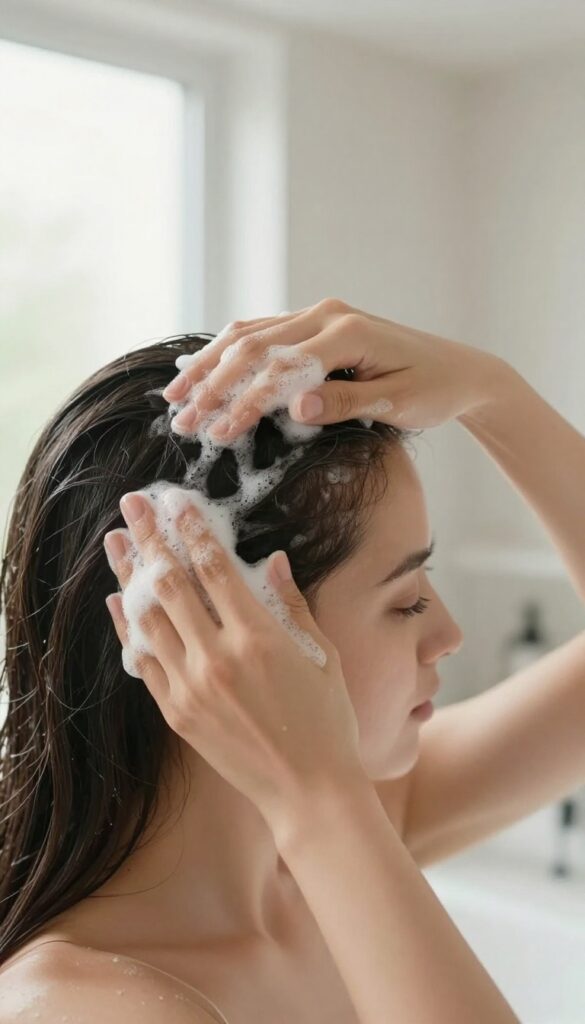
Think of your scalp as the soil your hair grows from. If it's clogged with product buildup, excess oil, or dead skin, your strands can't thrive no matter what you put on them. A weekly reset clears the way for softer, healthier hair from the root up.
A scalp reset is more than just a deep clean—it's a chance to rebalance your scalp's environment. When your scalp is happy, your hair follicles get the oxygen and nutrients they need to produce strong, shiny strands. Plus, the massage from scrubbing feels amazing and boosts circulation.
Choose The Right Scrub
Not all scalp scrubs are created equal. Look for one with fine, gentle exfoliants like jojoba beads or sugar, and avoid harsh physical scrubs that can cause micro-tears. If you have a sensitive scalp, opt for a chemical exfoliant with salicylic acid or a soft silicone brush instead.
How To Massage Properly
Use your fingertips (not nails) to massage the scrub in small circles. Spend at least two minutes working through your entire scalp, focusing on the crown and hairline where buildup tends to collect. This stimulates blood flow and helps loosen dead skin without irritation.
Follow Up With A Hydrating Mask
After scrubbing, your scalp is prepped to absorb moisture, so don't skip the conditioner or a lightweight scalp serum. A hydrating mask on your lengths and a few drops of a soothing oil on your scalp can lock in balance and prevent your scalp from overproducing oil to compensate.
2. Wash Smarter, Not More Often
Most of us are conditioned to wash our hair every single day, but that habit is often doing more harm than good. Daily washing strips away the natural oils that keep your strands soft and protected, leaving them dry and prone to breakage. The fix isn't to scrub harder—it's to rethink your entire washing routine.
Instead of focusing on frequency, shift your attention to technique and timing. By washing less often and being more deliberate about how you do it, you'll give your hair a chance to rebalance and actually look fresher between washes.
Your scalp produces sebum, a natural conditioner that travels down your hair shaft. When you wash too often, you're removing that protective layer, which makes your hair work overtime to compensate. Over time, this leads to a cycle of dryness and excess oil production.
The goal is to find a rhythm that works for your hair type. Most people do well with 2-3 washes a week, but you might need to adjust based on your activity level and hair texture. The key is to listen to your hair and let it guide you.
Find Your Ideal Wash Frequency
Not all hair is the same, so there's no one-size-fits-all number. Fine, straight hair might need a bit more frequent washing, while thick or curly hair can often go longer. Start with 2-3 times a week and see how your hair responds.
If it feels greasy by day two, you might need a dry shampoo or a quick water rinse instead of a full wash.
Use Lukewarm Water, Not Hot
Hot water feels great in the shower, but it's terrible for your hair. It opens up the cuticle and causes moisture to escape, leaving your strands dry and frizzy. Lukewarm water is gentle enough to clean without stripping.
Finish with a cool rinse to seal the cuticle and add extra shine.
Shampoo The Scalp, Condition The Ends
A common mistake is piling shampoo onto the lengths of your hair, which dries them out. Focus the shampoo on your scalp, where oil and buildup accumulate, and let the suds rinse down naturally. Conditioner, on the other hand, belongs on the mid-lengths and ends, which are the oldest and most damaged parts of your hair.
3. Condition the Mid-Lengths and Ends
Most of us slather conditioner all over our heads without thinking, but that's a mistake. Your scalp produces natural oils that keep your roots moisturized, so piling on conditioner there just weighs hair down and makes it look greasy fast. The real damage lives in the mid-lengths and ends, where hair is oldest and most exposed to heat, brushing, and the elements.
Focusing your conditioner where it's actually needed does two things: it hydrates the fragile parts without flattening the roots, and it helps prevent split ends from traveling further up the shaft. This simple shift in technique can make a noticeable difference in softness and manageability within a week or two.
When you apply conditioner, start about two inches below your scalp and work it through to the tips. Use a wide-tooth comb or your fingers to distribute it evenly, and let it sit for a minute or two before rinsing. This gives the ingredients time to penetrate and smooth the cuticle.
If your ends are extra dry, consider a leave-in conditioner or a few drops of hair oil on the very tips after towel-drying. That extra layer of protection can be a game-changer for preventing breakage and keeping your hair looking fresh between washes.
Why Roots Don't Need It
Your scalp's natural sebum already coats the roots, so adding more moisture there just creates buildup. That's why hair can look flat or oily by the end of the day even if you just washed it. By skipping the roots, you let your hair's own oils do their job and keep your style lighter and bouncier.
Signs Your Ends Are Crying For Moisture
If your ends feel rough, look dull, or tangle easily, they're likely under-moisturized. Split ends are another obvious sign. When you notice these, it's time to be extra generous with conditioner on the lower half of your hair, and maybe trim a quarter-inch to stop the damage from spreading.
How Long To Leave It On
The clock matters more than you think. A quick rinse after a few seconds barely gives the conditioner time to work. Aim for at least one to two minutes, and use that time to brush your teeth or wash your body.
For deep conditioning, five minutes can make a big difference, but don't overdo it—leaving it on too long can make hair feel heavy.
4. Try a Hair Mask Once a Week
Your hair deals with a lot—heat styling, pollution, and even your pillowcase rubbing against it all night. Over time, that takes a toll, leaving strands feeling rough and looking dull. A weekly hair mask is like a reset button: it floods your hair with moisture and nutrients that everyday conditioners just can't deliver.
You don't need a fancy salon product either. Simple kitchen ingredients like coconut oil, honey, or mashed avocado can work wonders. The key is to pick a mask that matches your hair's needs—whether that's extra hydration, repair, or a boost of shine—and to use it consistently.
A hair mask isn't just an extra step; it's a targeted treatment that goes deeper than your regular conditioner. Once a week, swap your conditioner for a mask, or apply it as a pre-shampoo treatment. Leave it on for the recommended time, then rinse thoroughly.
You'll notice softer, more manageable hair almost immediately, and with regular use, the results only get better.
Choose The Right Mask For Your Hair Type
Not all masks are created equal. If your hair is fine, go for a lightweight, protein-based mask that won't weigh it down. For thick or curly hair, a rich, creamy mask with shea butter or argan oil will provide deep moisture.
If your hair is damaged from coloring or heat, look for masks with keratin or amino acids to help rebuild strength.
Diy Masks That Actually Work
You don't have to spend a lot to get great results. A simple coconut oil mask: warm a few tablespoons of coconut oil, massage it into your scalp and lengths, and leave it on for 30 minutes before shampooing. For extra softness, mix honey with plain yogurt—honey is a humectant that draws in moisture, while yogurt's lactic acid gently exfoliates your scalp.
Mashed avocado is another favorite, packed with vitamins and healthy fats that smooth frizz.
How To Apply For Maximum Benefit
How you apply the mask matters. Focus on the mid-lengths and ends, which are the oldest and most damaged parts of your hair. Avoid the roots if you have fine hair, as too much product can make it look greasy.
Use a wide-tooth comb to distribute the mask evenly, then cover your hair with a shower cap or warm towel. The heat helps the ingredients penetrate deeper.
5. Rinse with Cool Water
That final blast of cold water might feel like a shock, but it's one of the quickest ways to boost your hair's shine. The cool temperature helps flatten the outer layer of your hair, making it reflect light better and feel smoother. It's a simple trick that adds a professional touch to your routine.
When you finish your shower, switch the water to cool and give your hair a final rinse. This helps seal the cuticle, locking in moisture and preventing frizz. You don't need ice-cold water—just a few seconds of cool water makes a difference.
Why Cool Water Works
Hot water can strip natural oils and leave the cuticle raised, which leads to dullness and frizz. Cool water helps the cuticle lie flat, so your hair feels smoother and looks glossier. It also helps close the hair shaft, keeping hydration locked in.
How To Do It Without Dreading It
You don't have to endure a freezing shower. Just turn the temperature down at the very end and focus the water on your hair, not your whole body. Start with lukewarm and gradually switch to cool.
You can also do a quick dunk in a basin of cool water if that's easier.
When To Skip It
If you have very dry or damaged hair, cool water alone won't fix everything. Pair it with a leave-in conditioner or hair oil to maximize the benefits. And if you're in a rush, even a quick cool blast for a few seconds is better than nothing.
6. Ditch the Cotton Towel
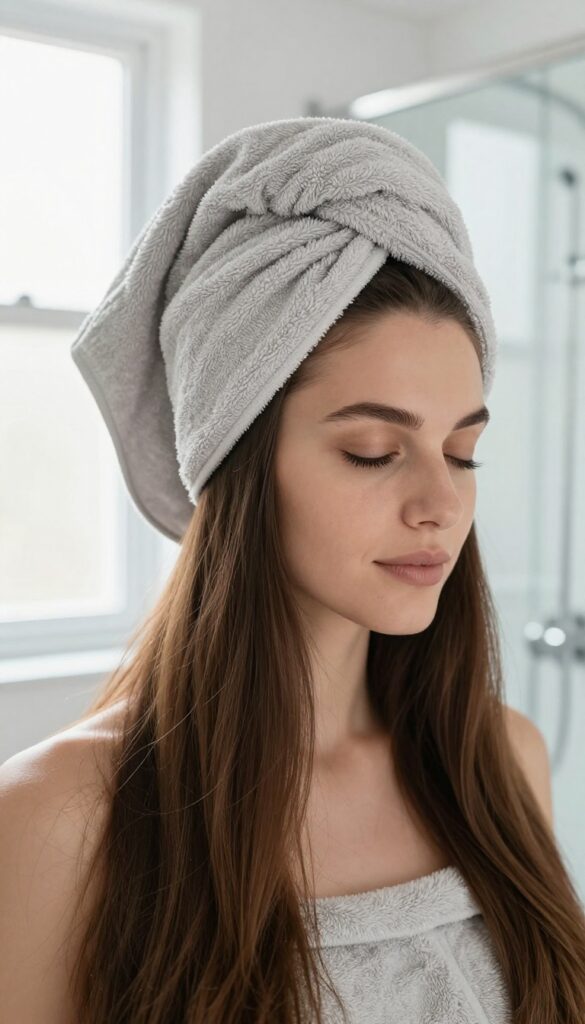
That fluffy cotton towel feels nice, but it's secretly rough on your hair. The coarse fibers create friction, which lifts the cuticle and leads to frizz, breakage, and dullness. Switching to a gentler drying method is an easy win for softer, smoother strands.
Cotton towels are too harsh for wet hair, which is at its most fragile state. The rough texture causes friction that roughens the hair cuticle, resulting in frizz and split ends. By swapping to a microfiber towel or an old cotton t-shirt, you reduce friction and help your hair dry faster and smoother.
Why Microfiber Works
Microfiber towels are made of ultra-fine synthetic fibers that are much softer than cotton. They absorb water quickly without roughing up the cuticle, so your hair dries with less frizz and more shine. Plus, they're lightweight and quick-drying, making them a practical upgrade.
The T-shirt Trick
If you don't have a microfiber towel, grab a clean, soft cotton t-shirt. The smooth, tight weave creates less friction than a terry cloth towel. Wrap your hair in the shirt and gently squeeze out excess water—no rubbing.
This simple swap can make a noticeable difference in softness.
How To Dry Properly
Instead of rubbing your hair vigorously, blot or squeeze it gently. Start by wrapping the towel or shirt around your hair and pressing to absorb water. Let it sit for a few minutes, then unwrap and air-dry or style as usual.
This reduces stress on the hair shaft and keeps the cuticle smooth.
7. Air-Dry When You Can
Heat styling is convenient, but it takes a toll on your hair's moisture and elasticity. Giving your strands a break from hot tools a few times a week can make a noticeable difference in softness and overall health. Air-drying is the easiest way to let your hair recover without extra effort.
When you skip the blow dryer, your hair retains more natural moisture, which means less frizz and more flexibility. To keep it looking polished while it dries, apply a leave-in conditioner or a lightweight styling cream to damp hair. This helps lock in hydration and smooths the cuticle, so you don't end up with a crunchy or dull finish.
Prep Your Hair For Air-drying
Start with a microfiber towel or an old cotton t-shirt to gently squeeze out excess water—rough towel drying can rough up the cuticle and cause frizz. Then, work a leave-in conditioner through the mid-lengths and ends, and comb through with a wide-tooth comb to distribute it evenly. If you have curly or wavy hair, scrunching in a curl cream can help define your natural texture.
Let It Down Or Style It Up
You don't have to just let your hair hang loose while it dries. Try a loose braid, a twisted bun, or a claw clip to create soft waves or gentle bends. Once it's fully dry, you can shake it out or run your fingers through it for a relaxed, lived-in look.
This adds variety to your routine and keeps air-drying from feeling boring.
Know When To Skip Air-drying
There are times when air-drying isn't the best choice. If you're in a hurry, need a sleek finish, or have very thick hair that takes hours to dry, a blow dryer with a heat protectant is fine. The goal is to give your hair a break when you can, not to make air-drying a strict rule.
8. Use a Heat Protectant Every Time
Heat styling is convenient, but it takes a toll on your hair's moisture and elasticity. A heat protectant acts like a shield, reducing the impact of high temperatures and keeping your strands from turning brittle or frizzy. Skipping this step is one of the fastest ways to undo all your other good habits.
Why It Matters
Your hair's outer layer, the cuticle, is delicate. When exposed to heat without protection, it can lift and crack, leading to moisture loss and breakage. A good heat protectant forms a protective barrier that distributes heat more evenly, so your hair doesn't take the brunt of the damage.
How To Choose One
Look for lightweight sprays or serums that suit your hair type. If you have fine hair, a mist is best to avoid weighing it down. For thicker or coarser hair, a cream or oil-based protectant can add extra moisture and control.
Always check the label for heat protection up to the temperature you use.
Application Tips
Apply the product to damp hair before blow-drying, and reapply if you're using a flat iron or curling wand on dry hair. Focus on the mid-lengths and ends, where damage shows first. Comb through to ensure even distribution, then style as usual.
Don't overdo it—a light coating is all you need.
9. Turn Down the Heat
That sizzle when your flat iron touches your strands? It's not a good sign. High heat can literally boil the moisture inside your hair, leaving it brittle and prone to split ends.
The good news is you don't have to give up styling to protect your hair—just dial back the temperature.
Most styling tools go up to 450°F, but your hair rarely needs that much heat. Fine or damaged hair should stay under 300°F, while thick or coarse hair can handle up to 375°F. Start low and only increase if you need to.
You'll still get sleek results, minus the damage.
Find Your Hair's Sweet Spot
If you're not sure what temperature to use, think about your hair's texture and condition. Fine, color-treated, or heat-damaged hair should stick to 250–300°F. Normal hair can handle 300–350°F.
Coarse or curly hair might need up to 375°F, but never go beyond that.
Use A Heat Protectant Every Time
A heat protectant creates a barrier between your hair and the heat, reducing moisture loss. Spray it on damp hair before blow-drying, and again before using any hot tool. It's the easiest way to keep your hair soft and shiny, even when you style daily.
Let Your Hair Cool Down
After you finish styling, let your hair cool completely before touching or brushing it. This helps the style set and prevents breakage. If you're in a rush, use the cool shot button on your blow dryer to speed up the process without adding more heat.
10. Sleep on Silk or Satin
Your nighttime routine can make or break your hair's morning mood. Cotton pillowcases, while cozy, create friction that leads to tangles, breakage, and frizz. Switching to silk or satin is a simple swap with big payoffs.
Silk and satin pillowcases are smoother than cotton, so your hair glides over them instead of snagging. This reduces friction, which means fewer tangles and less breakage. Plus, they're gentler on your skin, too—no sleep creases.
Why Cotton Causes Chaos
Cotton fibers are rough and absorb moisture. As you toss and turn, your hair rubs against that rough surface, causing cuticles to lift and moisture to escape. The result: frizz, split ends, and a dull look by morning.
The Benefits Of Silk And Satin
Silk and satin have a smooth, tightly woven surface that lets hair slide freely. This helps maintain your hair's natural oils and prevents moisture loss. You'll wake up with less frizz, fewer tangles, and a smoother overall texture.
How To Make The Switch
Look for a pillowcase labeled 100% mulberry silk or high-quality satin. If you're on a budget, satin is a great alternative. Just make sure it's smooth and not too slippery—you still want it to stay on your pillow.
Wash it gently with a mild detergent to keep it in good shape.
11. Get Regular Trims
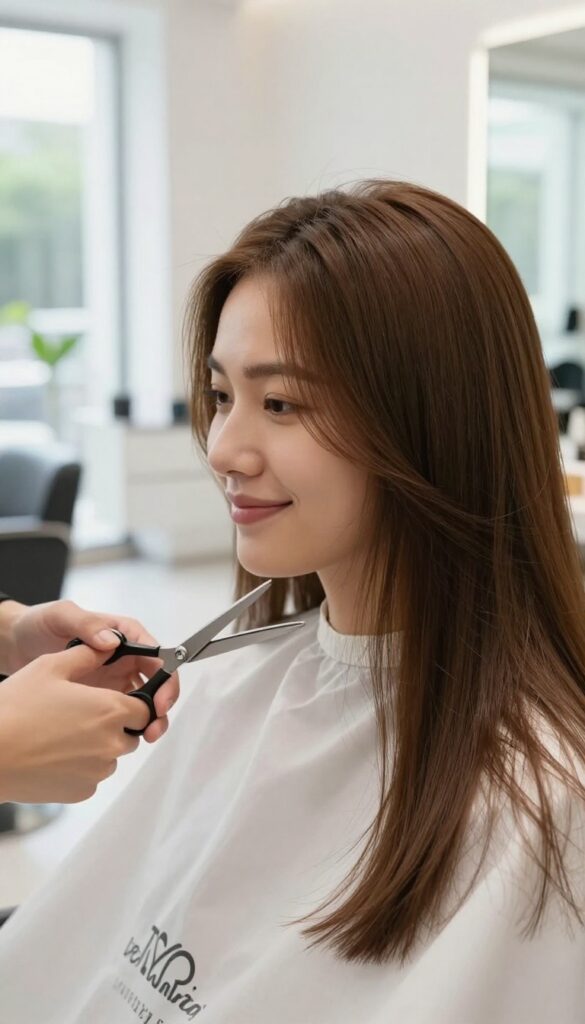
It might feel counterintuitive to cut your hair when you're trying to grow it out, but regular trims are one of the best things you can do for a fresh, healthy look. Split ends travel up the hair shaft, causing breakage and making your hair look dull and frizzy. By snipping them off every 8-12 weeks, you keep your ends strong and your hair looking its best.
Trimming doesn't mean losing length—it just removes the damaged parts so your hair can grow longer and healthier. Think of it as a reset for your ends. Even a small trim can make a big difference in how your hair feels and looks.
Why Trims Matter
Split ends aren't just ugly; they make your hair tangle easily and look dry. When you skip trims, the damage worsens, and you end up having to cut off more later. Regular trims keep your hair in shape and prevent breakage, so you can actually retain length.
How Often Should You Trim?
For most hair types, every 8-12 weeks is ideal. If you use heat styling often or have color-treated hair, you might need a trim closer to the 8-week mark. If your hair is natural and low-maintenance, you can stretch it to 12 weeks.
Listen to your hair—if the ends feel rough or look see-through, it's time for a trim.
Trim Vs. Big Chop
You don't always need a dramatic cut. A dusting—just a quarter-inch off—can refresh your ends without sacrificing length. Save the big chop for when you want a major change or need to remove significant damage.
Regular small trims are the secret to keeping your hair looking consistently healthy.
12. Brush Gently from the Ends
Rough brushing is a sneaky culprit behind split ends and breakage. When you yank a brush through tangled hair, you're not just smoothing—you're stressing the strands. The fix is simpler than you think: switch to a gentler approach and start from the bottom.
Detangling from the ends first prevents the brush from catching on knots and pulling on the roots. This small change reduces stress on your hair shaft, which means fewer broken strands and a smoother overall look. Plus, it's a more mindful way to care for your hair, especially when it's wet and more fragile.
Choose The Right Tool
A wide-tooth comb is your best friend for wet hair, as it glides through without snagging. For dry hair, a soft bristle brush or a detangling brush with flexible bristles works well. Avoid cheap plastic combs with sharp seams that can catch and tear.
Work In Sections
Divide your hair into manageable sections before brushing. This keeps tangles from building up and lets you focus on each part individually. Start at the very ends, gently working out knots, then move upward in short, slow strokes.
Don't Rush It
Haste makes waste—especially with hair. Take your time, especially when your hair is wet or has been styled. A few extra minutes of patience now saves you from split ends and frizz later.
13. Protect Your Hair from the Sun
Sunny days feel great, but your hair pays the price. UV rays can fade your color and strip away moisture, leaving strands dry and brittle. Just like your skin, your hair needs protection when you're outdoors.
A little prevention goes a long way. Whether you're at the beach or just running errands, a few simple habits can keep your hair looking fresh and healthy all summer long.
Sun damage is sneaky because it builds up over time. You might not notice it right away, but eventually your hair can feel straw-like and look dull. The good news?
You can easily shield your hair from the sun's harmful effects. Start by making a hat your go-to accessory on sunny days. Wide-brimmed styles offer the most coverage, but even a baseball cap helps.
If hats aren't your thing, a UV-protectant spray is a lightweight alternative that won't weigh your hair down. Remember that the sun's rays are strongest between 10 a. m. and 4 p. m. , so be extra mindful during those hours. Reapply protection if you're swimming or sweating, and give your hair some extra TLC with a deep conditioning mask after a long day outdoors.
Why Sun Protection Matters
UV rays break down the protein structure of your hair, which leads to weakness and breakage. They also oxidize the color molecules, making dyed hair fade faster. Even natural color can get a brassy, dull tone after too much sun exposure.
Easy Ways To Shield Your Hair
A hat is the simplest barrier, but you can also use a leave-in conditioner with SPF. Look for products that contain UV filters, and apply them before heading outside. If you're swimming, wet your hair with fresh water first to reduce salt or chlorine absorption, then add a protective oil or cream.
Post-sun Hair Care
After a day in the sun, rinse your hair with cool water to remove any product buildup. Follow up with a hydrating mask or a few drops of argan oil to replenish moisture. This helps repair any damage and keeps your hair soft and manageable.
14. Eat for Healthy Hair
What you put on your plate matters just as much as what you put on your strands. Hair is made of protein, and it needs a steady supply of nutrients to grow strong and shiny. If your diet is short on key vitamins and minerals, your hair can look dull, thin, or brittle—no matter how good your shampoo is.
Think of food as your hair's daily supplement. By adding a few nutrient-packed ingredients to your meals, you can support your hair from the inside out. It's not about strict diets or supplements; it's about simple, delicious choices that nourish your body and your mane.
Protein: The Building Block
Your hair is mostly protein, so it makes sense that you need enough of it in your diet. Without enough protein, hair growth can slow down, and strands can become weak and prone to breakage. Include lean meats, eggs, fish, beans, and legumes in your meals to give your hair the amino acids it craves.
Even a handful of nuts or a scoop of Greek yogurt can make a difference.
Omega-3s For Shine
Omega-3 fatty acids are like a moisturizer from within. They help keep your scalp hydrated and your hair flexible, which reduces brittleness and adds a natural shine. Fatty fish like salmon and mackerel are top sources, but you can also get omega-3s from walnuts, flaxseeds, and chia seeds.
Aim for a couple of servings a week to see the glow-up.
Vitamins That Work Overtime
Vitamins A, C, and E are hair heroes. Vitamin A helps your scalp produce sebum, a natural conditioner, while vitamin C boosts collagen production and helps your body absorb iron. Vitamin E is an antioxidant that protects your hair from oxidative stress.
Spinach, sweet potatoes, citrus fruits, and almonds are all packed with these vitamins—easy to add to salads, smoothies, or stir-fries.
15. Stay Hydrated

Water isn't just for your skin—your hair needs it too. When you're dehydrated, your strands can turn dry, brittle, and more prone to breakage. That's because water helps deliver nutrients to the hair follicles and keeps the scalp balanced.
So that daily glass count? It shows up in your hair's texture and shine. Hydration is a simple, free way to support softer, fresher hair from the inside out.
You might not immediately connect your water intake with your hair's health, but the link is real. Your hair shaft is about 25% water, and when you're low on fluids, your hair can lose its flexibility and luster. Drinking enough water helps maintain the moisture balance in your scalp, which can reduce dryness and flakiness.
Plus, well-hydrated hair is more elastic, meaning it's less likely to snap when you brush or style it. So grab that reusable bottle and make hydration a non-negotiable part of your hair care routine.
How Much Water Is Enough?
The classic advice is eight 8-ounce glasses a day, but your needs can vary based on activity level, climate, and diet. A good rule of thumb is to drink when you're thirsty and aim for pale yellow urine as a sign of proper hydration. If you're active or live in a hot area, you'll need more.
Keep a water bottle at your desk or in your bag to make sipping easier throughout the day.
Beyond Drinking: Hydrating Your Hair Directly
While drinking water is essential, your hair can also benefit from topical hydration. Use a leave-in conditioner or a water-based hair mist to add moisture to the strands, especially if you live in a dry climate. You can also try a weekly hydrating hair mask with ingredients like aloe vera or glycerin.
These help lock in moisture and keep your hair soft and manageable.
Signs Your Hair Needs More Hydration
If your hair feels straw-like, looks dull, or tangles easily, it might be crying out for water. Also, watch for an itchy or flaky scalp, which can be a sign of dehydration. Pay attention to how your hair responds after you increase your water intake—you might notice a difference in softness and shine within a few weeks.
Consistency is key, so make hydration a daily habit.
16. Try a Scalp Massage
Think of your scalp as the foundation of your hair—if it's tight or neglected, your strands can suffer. A few minutes of daily massage can do wonders for circulation and relaxation. It's not just about feeling good; boosting blood flow to the follicles can encourage healthier growth and give your hair a natural lift.
Plus, it's a zero-cost habit you can do while watching TV or before bed.
Scalp massage is a simple yet powerful tool for hair health. By increasing blood flow to the hair follicles, you deliver more oxygen and nutrients, which can strengthen roots and promote growth. It also helps distribute natural oils along the hair shaft, adding shine and softness.
Regular massage can reduce stress, which is a known contributor to hair shedding. When you're relaxed, your body is better able to focus on repair and renewal. Aim for a few minutes each day, using your fingertips in gentle, circular motions.
How To Do It Right
Start with dry or slightly damp hair. Use your fingertips, not nails, and apply gentle pressure. Move in small circles across your entire scalp, from the nape of your neck to your temples.
You can also use a scalp massager tool for extra ease.
When To Fit It In
The best time is when you're already winding down, like in the shower or before bed. You don't need a dedicated session—just a few minutes here and there adds up. Consistency beats duration.
Boost It With Oils
For an extra treat, add a few drops of a lightweight oil like jojoba or argan. This not only lubricates the scalp but also adds moisture to your strands. Just be sure to wash it out if you're doing it during the day.
17. Use a Leave-In Conditioner
If your hair tends to dry out between washes, a leave-in conditioner can be a game-changer. Unlike rinse-out conditioners that get washed away, leave-ins stay in your hair to provide continuous moisture and protection. They're perfect for anyone dealing with tangles, frizz, or just wanting an extra layer of softness.
A lightweight leave-in conditioner can work wonders for your hair's texture and manageability. It helps to lock in moisture, smooth the cuticle, and shield your strands from daily stressors like heat styling and pollution. The best part?
It's incredibly easy to incorporate into your routine—just apply a small amount to damp hair and go.
How To Apply It Right
Don't just squirt it on randomly. After washing, gently squeeze out excess water from your hair. Then, take a small amount of leave-in conditioner—about the size of a coin for medium-length hair—and rub it between your palms.
Apply it evenly, focusing on the mid-lengths and ends, which are the driest and most damaged parts. Avoid the roots unless your product is specifically designed for that.
Pick The Right Formula
Not all leave-ins are created equal. If you have fine hair, opt for a lightweight spray or mist that won't weigh it down. For thicker or curlier hair, a creamy or oil-based formula can provide deeper hydration.
Look for ingredients like glycerin, aloe vera, or argan oil, and steer clear of heavy silicones if they tend to build up on your hair.
Extra Benefits Beyond Moisture
Many leave-in conditioners also offer heat protection, UV filters, and detangling properties. That means fewer knots, less breakage, and better defense against environmental damage. Some even help define curls or control frizz, making them a versatile addition to your styling routine.
18. Avoid Tight Hairstyles
We all love a sleek ponytail or a neat bun, but if your scalp is constantly pulling, your hair is paying for it. Tight styles can stress the roots, leading to breakage and even traction alopecia. The good news?
You don't have to give up updos entirely—just give your hair more breathing room.
When you pull your hair back tightly, you're putting tension on the follicles. Over time, this can weaken the hair shaft and cause it to snap, especially around the hairline. It can even lead to permanent hair loss if you're not careful.
The fix is simple: loosen up and let your hair relax.
The Damage Of Constant Tension
Tight hairstyles pull on the roots, which can irritate the scalp and damage the hair follicle. Over time, this can lead to thinning and breakage. If you notice soreness or small bumps along your hairline, that's a sign to ease up.
Styles That Give Your Hair A Break
Swap your tight ponytail for a loose, low bun or a soft braid. Let your hair air-dry and wear it down more often. If you need to tie it back, use a scrunchie or a spiral hair tie, and position it lower to reduce tension.
How To Protect Your Hair When You Need An Updo
When you do want an updo, keep it loose and change the position regularly. Avoid sleeping with your hair tied up, and give your scalp a gentle massage at night to relieve any tension. This way, you can still have style without sacrificing your hair's health.
19. Let Your Hair Down at Night
Nighttime is when your hair should recover, not get stressed out. But if you're sleeping with tight ponytails or buns, you're putting unnecessary tension on your strands all night long. That can lead to breakage, split ends, and even a sore scalp by morning.
A simple switch to looser styles can make a big difference. Your hair needs room to move and breathe while you sleep, just like the rest of your body. With the right nighttime routine, you'll wake up to softer, less frizzy hair that looks like you actually slept well.
Tight hairstyles at night are a hidden culprit behind hair damage. The constant pulling can weaken the hair shaft, especially around the hairline. Over time, this can cause thinning and breakage that's hard to reverse.
Instead, opt for a loose braid or a low, relaxed ponytail. If you must tie it up, use a soft scrunchie or a silk scrunchie—never a tight elastic band. Silk or satin materials reduce friction, so your hair glides instead of snagging.
Another great option is to wear a silk bonnet or use a silk pillowcase. Both protect your hair from rubbing against cotton, which can cause frizz and dryness. You'll wake up with smoother, more manageable hair.
Why Tight Styles Are A Problem
Tight styles pull on the roots, which can strain the hair follicles and lead to traction alopecia over time. Even if you don't notice immediate damage, the constant tension weakens the hair shaft, making it more prone to snapping. Your hair is most fragile when it's wet, but sleeping with tight styles can cause damage even when dry.
The Best Loose Alternatives
A loose braid is a classic choice—it keeps hair contained without pulling. If you prefer a ponytail, keep it low and use a scrunchie that doesn't grip too tightly. You can also try a loose topknot with a silk scrunchie, positioned high on your head to avoid lying on it.
The goal is to keep hair secure but not strained.
Silk Bonnets And Pillowcases
Silk and satin are gentle on hair because they create less friction than cotton. A silk bonnet or a silk pillowcase helps retain moisture, reduce frizz, and prevent breakage. They're especially helpful if you have curly or textured hair, but anyone can benefit.
Just make sure to wash them regularly to keep them clean and effective.
20. Clarify Your Hair Monthly
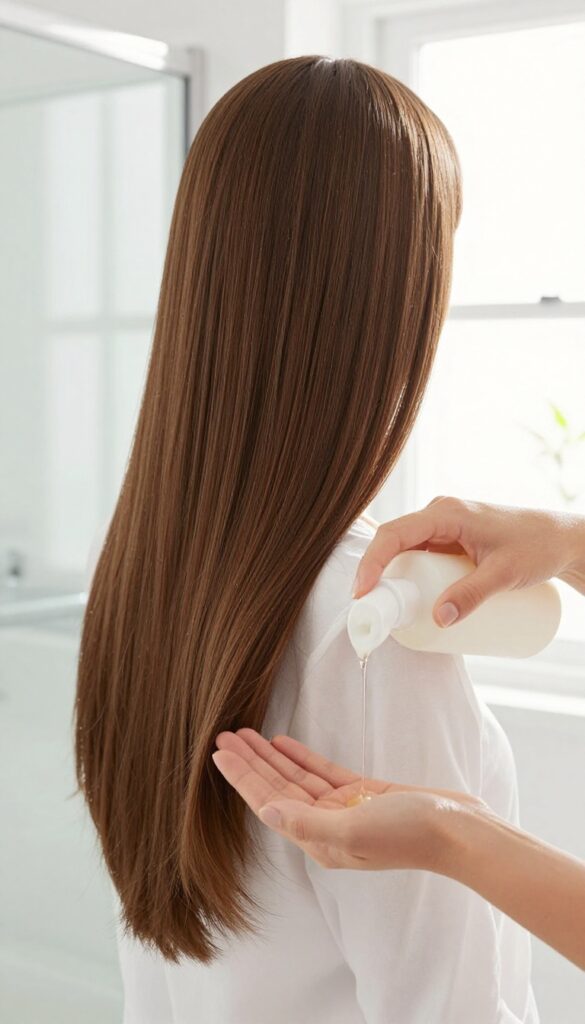
Even with a solid routine, product buildup and hard water minerals can sneak up on your strands, leaving them looking flat and feeling heavy. A monthly clarifying treatment resets your hair, stripping away the gunk that regular shampoo can't always remove. Think of it as a deep clean for your scalp and lengths—the kind that makes everything else work better afterward.
A clarifying shampoo is a stronger cleanser designed to remove residue from styling products, oils, and mineral deposits. Using it once a month helps restore your hair's natural bounce and shine. It's especially helpful if you use dry shampoo, hairspray, or live in an area with hard water.
Just follow up with a hydrating conditioner or mask, because clarifying can be slightly stripping.
Why Buildup Happens
Every product you use leaves a trace behind, and over time, those traces add up. Hard water adds calcium and magnesium, which cling to the hair shaft and make it feel rough. This buildup can block moisture from getting in, leaving your hair dry and dull no matter how much conditioner you use.
How To Choose A Clarifying Shampoo
Look for a formula that's strong enough to deep clean but not so harsh that it strips your color or leaves your hair feeling like straw. Sulfate-free options are gentler, while those with chelating agents like EDTA are better for hard water. If your hair is color-treated, pick a clarifying shampoo labeled safe for colored hair.
Make It A Monthly Habit
Add a clarifying wash to your calendar once a month. If your hair is very oily or you use lots of products, you might need it every two weeks. If your hair is dry or curly, stick to once a month and always follow with a deep conditioner.
This simple reset keeps your hair looking fresh and helps your other products perform better.
21. Try a Rice Water Rinse
Rice water isn't just a trendy TikTok hack—it's a centuries-old beauty secret from East Asia. When you soak rice, the water becomes packed with amino acids, vitamins, and minerals that can strengthen hair from the outside in. The result?
Softer, shinier strands that look healthier overall.
Using rice water is simple: rinse your hair with it after shampooing, leave it on for a few minutes, then rinse it out with plain water. The proteins in the water help smooth the hair cuticle, which reduces frizz and boosts shine. It's a gentle, natural way to give your hair a boost without spending extra money.
Why It Works
Rice water contains inositol, a carbohydrate that penetrates the hair shaft and helps repair damage from the inside. It also coats the strands to protect against future breakage. Over time, regular use can make hair feel thicker and look glossier.
How To Use It
After washing your hair, pour the rice water over your lengths and scalp. Massage it in for a minute or two, then let it sit for 3–5 minutes. Rinse thoroughly with cool water to seal the cuticle and lock in the benefits.
Don't Overdo It
Rice water is potent, so once a week is plenty. Using it too often can lead to protein overload, making hair stiff and brittle. If your hair feels straw-like, cut back and use a moisturizing conditioner instead.
22. Trim Your Own Split Ends
You don't have to wait for your next salon appointment to keep split ends in check. A quick at-home dusting can make a surprising difference in how fresh your hair looks and feels. All it takes is a little patience, the right scissors, and a good mirror.
Split ends are one of those things that can make otherwise healthy hair look dull and frayed. Even if you're growing your hair out, trimming just the damaged tips every few weeks helps prevent the splits from traveling up the shaft. Doing it yourself is easier than you think, as long as you're careful and use the proper tools.
Gather The Right Tools
The most important thing is to use sharp haircutting shears, not kitchen scissors or dull craft scissors. Dull blades will crush the hair and cause more damage. You'll also want a wide-tooth comb, a spray bottle with water, and good lighting.
A handheld mirror can help you see the back of your head.
Work In Small Sections
Start with clean, dry hair and part it into small, manageable sections. Twist each section gently so the ends fan out slightly. This makes it easier to spot the split ends and trim them individually or in tiny snips.
Take your time and only cut about a quarter of an inch at a time—less is more.
Know When To Stop
If you notice a lot of splits or your hair feels rough, it might be time for a real trim by a professional. At-home dusting is meant for maintenance, not a major cut. Also, if you have curly or textured hair, consider trimming when it's dry and styled as usual to see the true shape.
23. Use a Silk Scarf or Bonnet
Cotton pillowcases might feel soft, but they're secretly rough on your hair. The friction can cause breakage, frizz, and tangles by morning. A simple switch to silk can make a huge difference.
Silk or satin creates a smooth surface that lets your hair glide as you move. It also helps lock in moisture, so you wake up with softer, more manageable strands. Plus, it keeps your hairstyle intact, whether you've got curls, waves, or a blowout.
Wrapping your hair in a silk scarf or wearing a silk bonnet is one of the easiest nighttime upgrades. It reduces friction, prevents split ends, and stops your hair from rubbing against rough fabrics. Over time, this simple habit can noticeably improve your hair's texture and shine.
Not only does silk protect your hair, but it's also gentler on your skin, preventing sleep lines and reducing acne. It's a win-win for your beauty routine.
Choose The Right Material
Look for 100% mulberry silk or high-quality satin. Silk is breathable and naturally smooth, while satin is a more affordable option that still offers similar benefits. Avoid synthetic materials that can cause static or trap heat.
Wrap It The Right Way
Start with slightly damp hair if you're wrapping it overnight. Fold the scarf into a triangle, place it over your hair, and tie it securely at the nape of your neck. For a bonnet, simply pull it over your hair and adjust the elastic so it's snug but not tight.
Make It A Habit
Keep your silk scarf or bonnet on your pillow or nightstand so you don't forget. Consistency is key—the more you use it, the more you'll see the benefits. Your hair will thank you in the morning.
24. Be Gentle When Towel Drying
The way you dry your hair can make or break your frizz levels. Most of us grab a towel and rub vigorously, but that rough friction causes the cuticle to lift and leads to tangles and breakage. Switching to a gentler method is one of the easiest swaps you can make.
Your hair is weakest when it's wet, so treating it with extra care during this stage pays off with smoother, softer strands.
Instead of rubbing your hair with a towel, gently squeeze out excess water to prevent frizz and damage.
Why Rubbing Causes Frizz
When you rub wet hair with a towel, you're roughing up the cuticle—the outermost layer that lies flat when healthy. This roughing causes it to lift, which lets moisture escape and creates that fuzzy, frizzy look. It also makes hair more prone to tangling, and tugging on wet strands can lead to breakage.
The Squeeze-and-press Method
To dry your hair gently, start by pressing the towel against your hair and squeezing out the excess water. Work in sections, moving from roots to ends. Avoid wringing or twisting.
If you have long hair, you can also wrap it in a microfiber towel or an old cotton t-shirt to absorb moisture without friction.
Choose The Right Towel
A regular cotton terry towel is heavy and rough. Switch to a microfiber towel or a soft t-shirt—both are gentler on the cuticle and reduce frizz. If you don't have one, use a clean cotton t-shirt.
It's a simple swap that makes a noticeable difference.
25. Give Your Hair a Break from Heat
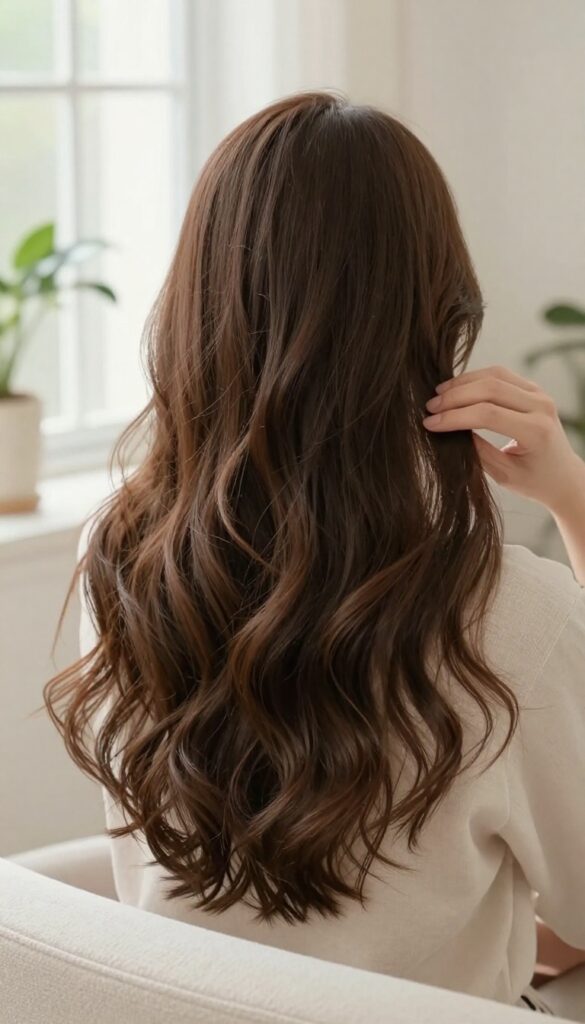
Constant heat styling can leave your hair dry, brittle, and prone to breakage. Even if you use a heat protectant, the high temperatures take a toll over time. Taking a break from hot tools doesn't mean you have to sacrifice style—there are plenty of heatless ways to get beautiful results.
Heatless styling is all about working with your hair's natural texture while it dries. It's a gentle approach that reduces damage and helps your hair retain moisture. Plus, it's a great way to give your strands a much-needed rest from the daily grind of curling irons and straighteners.
Braids For Effortless Waves
Dampen your hair slightly, apply a light styling cream, and braid it into two or four sections. Leave them in overnight, and in the morning you'll have soft, beachy waves. For tighter waves, do smaller braids; for looser waves, go bigger.
Buns For Volume And Curls
Twist your hair into a high bun while it's still damp, then let it air dry. When you take it down, you'll get gentle curls with added volume at the roots. For a more defined curl, try a sock bun or a donut bun.
Foam Rollers For Bouncy Curls
Foam rollers are a classic heatless option that gives you bouncy, defined curls without any heat. Roll sections of damp hair around the rollers, secure them, and let your hair dry completely. The result is long-lasting curls that are kind to your hair.
FAQ
How often should I wash my hair for a glow up?
It depends on your hair type, but generally 2-3 times a week is ideal. Overwashing strips natural oils, so find a schedule that keeps your scalp balanced.
What's the best way to dry my hair to avoid frizz?
Use a microfiber towel or an old t-shirt to gently squeeze out water. Avoid rubbing, and let your hair air-dry when possible.
Can I get a hair glow up without heat styling?
Absolutely! Try heatless styles like braids, buns, or foam rollers for waves and curls. Your hair will thank you for the break.
How important is a scalp massage for hair health?
Scalp massage boosts blood circulation, which can promote hair growth and improve overall scalp health. It's a simple, relaxing habit.
What foods help improve hair softness and shine?
Foods rich in omega-3 fatty acids (salmon, walnuts), protein (eggs, lean meats), and vitamins A and C (spinach, citrus) support healthy hair.
Conclusion
There you have it—25 simple yet effective tips to give your hair the glow up it deserves. You don't have to do them all at once; pick a few that resonate with you and start there. Consistency is key, and soon you'll notice softer, fresher-looking hair.
Remember, your hair is unique, so listen to what it needs. With a little patience and care, you can achieve that healthy shine you've been after. Here's to your best hair days yet!