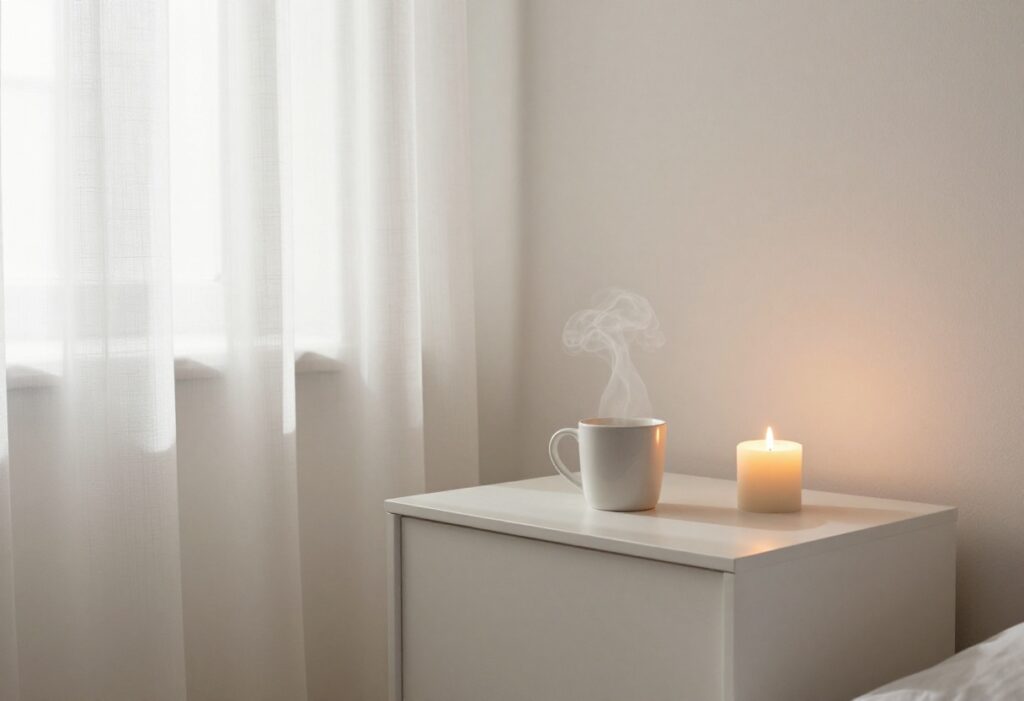
A glow up doesn't have to mean a full life overhaul—it's about tiny, doable resets that build a calmer rhythm. These 23 steps are low-effort, budget-friendly, and designed to fit into even the busiest days. You don't need perfection, just a few minutes of intentional care.
Start with a five-minute check-in or a single decluttered drawer, and you'll already feel the shift. The goal is to make self-care feel less like a chore and more like a gentle habit you actually enjoy.
Pick one or two steps that resonate today, and let them stack into a more grounded version of you. No pressure, no guilt—just small, steady progress toward a softer, more centered life.
1. Start with a 5-Minute Morning Check-In

Before the day grabs you, give yourself five quiet minutes. Sit somewhere comfortable, close your eyes, and just notice. How does your body feel?
What's the mood floating around in your head? This isn't about fixing anything—just observing. A check-in like this is a gentle anchor.
It helps you start from where you actually are, not where you think you should be. That small pause can make the rest of the day feel less rushed and more intentional.
A morning check-in is your first act of self-care. It's a tiny ritual that grounds you before the noise begins. You don't need any special tools—just a chair, a quiet corner, and a few minutes.
The goal is to tune in, not to perform. Over time, this habit can become a favorite part of your morning routine.
The Simple Steps
Start by sitting comfortably with your feet on the floor. Close your eyes and take three slow breaths. Then, ask yourself two questions: "How do I feel physically?
" and "What's on my mind? " Don't judge the answers. Just let them surface.
If your mind wanders, gently bring it back.
Why It Works
This practice lowers stress by interrupting the autopilot rush. It also builds self-awareness, which makes it easier to make kind choices all day. You'll notice tension you didn't know you were holding, and you'll catch worries before they snowball.
Make It Your Own
You can use a journal to jot down what comes up, or just sit in silence. Some people like to pair it with a cup of tea. The key is consistency, not perfection.
Even two minutes on busy days counts. Over time, this tiny pause becomes a calming anchor.
2. Declutter One Small Space
A cluttered corner can quietly weigh on your mind, even if you don't notice it. Picking one tiny area—like a drawer or a nightstand—and giving it a quick reset can feel surprisingly satisfying. It's not about deep cleaning; it's about creating a small win that sets a calm tone for the day.
Start by choosing a spot that's easy to tackle in under ten minutes. A junk drawer, a bathroom shelf, or the top of your dresser all work well. Grab a trash bag and a damp cloth, then pull everything out.
Wipe down the surface, toss what's broken or expired, and put back only what you actually use or love. That's it—no need to organize every last paperclip. The goal is a visible difference that makes you feel lighter.
Why Small Wins Matter
When you clear a tiny space, your brain registers a sense of accomplishment. That boost can carry over into the rest of your day, making you more likely to stick with other self-care habits. It's a low-pressure way to build momentum without feeling overwhelmed.
Pick A Spot That Bothers You
Think about which cluttered area catches your eye most often. Maybe it's the pile of mail on the counter or the messy bedside table. Choosing a spot you see frequently means you'll enjoy the payoff every time you walk past it.
That constant reminder of your small win can keep you motivated.
Keep It Simple And Fast
Set a timer for ten minutes and don't let yourself overthink. Speed through the sorting process—if you hesitate on an item, it probably doesn't need to stay. The point isn't perfection; it's the act of clearing space.
Once you're done, step back and appreciate the difference. You might even want to do another spot tomorrow.
3. Swap One Screen Habit for a Calming Ritual
Your phone is probably the first thing you reach for when you need a break, but that endless scroll often leaves you more drained than refreshed. Instead of trying to quit cold turkey, pick just one moment in your day—like after lunch or before bed—and swap it for something that actually soothes you. It’s a small change that can make a big difference in how calm you feel.
The key is to choose a time when you usually scroll without thinking, then replace it with a ritual that feels like a treat, not a chore. You don’t need to carve out an hour; even five minutes of stretching or sipping tea can shift your mood. Over time, these swaps become habits that support a quieter mind and a more intentional day.
Pick Your Scroll Trigger
Notice when you reach for your phone out of habit—maybe it’s during your lunch break, right after work, or when you’re waiting for water to boil. Choose one of those moments to replace. Don’t worry about the rest of your screen time; just focus on this single slot.
Choose A Ritual That Feels Good
The replacement should be something you genuinely enjoy, not another task. Try a few options: gentle stretching, writing down three things you’re grateful for, or brewing a cup of herbal tea. The goal is to give your brain a break, not to add pressure.
Make It Easy To Start
Keep your new ritual simple and accessible. Leave a yoga mat unrolled, place a journal on your nightstand, or set your tea kettle on the counter. The fewer steps between you and the activity, the more likely you’ll actually do it.
4. Drink a Glass of Water Before Coffee
Your body just spent hours without fluids, so a glass of water first thing is a gentle wake-up call. It rehydrates you, kickstarts your metabolism, and gives your skin a little morning glow. Plus, it makes that first cup of coffee work better—less jitter, more steady energy.
Start your day with a simple swap: water before caffeine. This small habit sets a calm tone and supports your body in ways you'll feel throughout the morning. It's a zero-cost step that pays off in focus, digestion, and overall well-being.
Why Water First Matters
After a night of sleep, you're mildly dehydrated. Drinking water first helps your brain and body wake up naturally, without the shock of straight caffeine. It also primes your stomach for coffee, which can be gentler on digestion.
How To Make It Stick
Keep a glass or bottle by your bed and fill it the night before. Or, place a sticky note on your coffee maker as a reminder. Even a few sips count—don't overthink it, just make it your new first step.
The Ripple Effect
This tiny ritual can set a mindful tone for the rest of your day. You'll likely feel more hydrated, less sluggish, and more in tune with your body's needs. It's a small win that builds momentum for other healthy choices.
5. Write Down Three Things You're Grateful For

Gratitude is one of those habits that sounds almost too simple to matter, but it rewires how you see your day. When you pause to name three good things, you train your brain to notice what's going right instead of what's missing. It's a quiet reset that takes less than two minutes, yet it can soften the edges of even a rough week.
You don't need a fancy journal or a perfect morning routine. A scrap of paper, a notes app, or even a mental list works. The key is consistency—do it at the same time each day, and let it become a small anchor of calm.
Start by picking a time that feels natural—maybe with your first cup of coffee or right before bed. The goal is to make it a ritual, not another chore. Keep your three things specific and personal: a warm chat with a friend, the smell of rain, or finishing a task you'd been putting off.
The size doesn't matter; what counts is that you genuinely felt it. If you're stuck, try looking for small pleasures, not big wins. Gratitude isn't about pretending everything is perfect—it's about noticing the good that already exists.
Over time, this simple practice can shift your baseline mood and make the rest of your glow-up steps feel lighter.
Why Three Is The Sweet Spot
Three is enough to stretch your brain without feeling overwhelming. One is too easy, and five can become a chore. Three forces you to scan your day for positives, building that gratitude muscle without burning out.
How To Make It Stick
Pair it with an existing habit, like brushing your teeth or waiting for your coffee to brew. If you miss a day, don't beat yourself up—just pick it up again tomorrow. The point is to build a gentle rhythm, not a perfect streak.
6. Take a 10-Minute Walk Outside
Sometimes the simplest reset is just stepping out the door. A short walk breaks the loop of overthinking and gives your eyes a break from screens. It's not about fitness—it's about clearing your head and letting your body move at its own pace.
You don't need a scenic trail or special gear. A quick loop around your block, a stroll to a nearby park, or even a wander through your neighborhood works. The point is to change your scenery and let your senses tune into the world around you.
A ten-minute walk is a gentle way to hit pause on your to-do list. It gets your blood flowing, which can lift your energy and mood. Plus, the fresh air and natural light help regulate your sleep and stress levels.
Think of it as a moving meditation. Notice the feel of the ground under your feet, the temperature of the air, the sounds of birds or traffic. You don't have to be mindful the whole time—just let your thoughts wander.
Often, the best ideas come when you're not forcing them. If you're pressed for time, even five minutes counts. The goal is to make walking a regular, easy habit.
You might find that a short break outdoors actually makes you more focused and productive when you return.
How To Make It A Habit
Start by attaching your walk to an existing routine, like right after lunch or when you finish a task. Put on your shoes and step out before you second-guess it. If you're worried about forgetting, set a gentle reminder on your phone.
You can also make it more inviting by choosing a route you enjoy, listening to a podcast or your favorite playlist, or inviting a friend to join. The easier you make it, the more likely you'll stick with it.
What To Focus On
Don't stress about pace or distance. Just walk at a comfortable speed and let your mind settle. Pay attention to your breath, the rhythm of your steps, or the details you usually miss—like the color of a door or the shape of a leaf.
If your thoughts keep pulling you back to worries, gently bring your attention to your surroundings. This mini-break can help you return to your day with a clearer perspective.
When You Can't Get Outside
Bad weather or a busy schedule might get in the way. On those days, you can still get a similar benefit by walking around your home or doing a few stretches near an open window. Even a few minutes of movement and deep breathing can help.
The key is to stay flexible. A shorter walk or an indoor alternative is better than skipping it entirely. The habit matters more than the perfect conditions.
7. Create a Realistic Bedtime Routine
A good night's sleep is the foundation of a calm glow up, but many of us treat bedtime as an afterthought. You might crash whenever you're tired, or scroll through your phone until your eyes hurt. A realistic bedtime routine doesn't have to be elaborate—it just needs to signal to your body that it's time to slow down.
Start by picking a wind-down time that you can actually stick to, even on weekends. It doesn't have to be 9 PM; just choose a time that gives you enough sleep before your alarm. Then, create a simple sequence of calming actions that you repeat each night.
The key is consistency, not perfection.
Dim The Lights And Put Away Screens
Bright light, especially from screens, tricks your brain into thinking it's daytime. About an hour before bed, start dimming the lights in your home. Put your phone on the charger outside the bedroom, or at least switch it to night mode.
This small shift helps your body produce melatonin naturally.
Choose A Calming Activity
Replace the endless scroll with something that soothes your mind. Reading a physical book, doing a few gentle stretches, or listening to a quiet playlist are all great options. The activity doesn't matter as much as the fact that it's relaxing and doesn't involve a screen.
Keep it simple so you'll actually do it.
Keep It Flexible
Life happens, and some nights you'll fall into bed exhausted. That's okay. A realistic routine leaves room for imperfection.
If you only have 10 minutes, just dim the lights and take a few deep breaths. The goal is to make bedtime feel like a gentle ritual, not another chore on your to-do list.
8. Do a Digital Detox for One Hour
Your phone is a portal to endless noise, but it's also the easiest place to lose an hour without noticing. A one-hour digital detox each day gives your brain a break from the constant pinging and scrolling. It's not about going cold turkey—just a small, intentional window to reconnect with the real world.
Set a timer for 60 minutes and put your phone in another room or in a drawer. Use that time for something that actually fills you up, like reading, stretching, or calling a friend. The key is to make it a non-negotiable part of your day, like brushing your teeth.
Pick The Right Hour
Choose a time when you're most likely to mindlessly reach for your phone—maybe right after work or before bed. Stick to the same slot daily so it becomes a habit. If evenings are chaotic, try a lunchtime break instead.
Have A Replacement Ready
Decide beforehand what you'll do with that hour. Keep a book, a journal, or a puzzle nearby so you're not tempted to grab your phone out of boredom. Having a go-to activity makes the detox feel like a treat, not a punishment.
Notice The Shift
After a few days, you'll likely feel less scattered and more present. You might even look forward to this quiet hour. Pay attention to how your mind settles—that's the glow up happening.
9. Try a New Healthy Recipe
Cooking something simple and nourishing can feel like a small victory. You don't need to be a chef or spend hours in the kitchen—just pick a recipe that uses fresh ingredients and tastes good. The act of making a meal for yourself is a form of self-care that often gets overlooked.
When you're trying to reset your routine, food is a great place to start. A new recipe can break the monotony of your usual meals and introduce you to flavors you might not have tried. Plus, the process of chopping, stirring, and plating can be surprisingly calming—it's a hands-on way to focus on the present moment.
Pick A Simple, Wholesome Recipe
Look for recipes with five to seven ingredients that you can find easily. Think one-pan roasted veggies with chicken, a hearty lentil soup, or a colorful grain bowl. The goal isn't perfection—it's about getting something healthy on your plate without stress.
If you're new to cooking, start with something forgiving like a stir-fry or a sheet-pan dinner.
Make It A Mindful Ritual
Treat cooking as a break from screens and distractions. Put on some music or a podcast, but keep your focus on the task. Notice the colors and textures of the ingredients, the sizzle of the pan, and the smell of the herbs.
This turns a chore into a mini meditation that leaves you feeling grounded.
Enjoy The Result Without Judgment
However your dish turns out, it's a step forward. Don't compare it to a restaurant version or beat yourself up if it's not perfect. The act of nourishing yourself is what matters.
Take a moment to appreciate your effort, and if you like it, save the recipe for next time. If not, you've learned something new.
10. Stretch for Five Minutes

Your body holds tension in places you might not even notice until you move. A quick five-minute stretch can release that tightness, boost blood flow, and leave you feeling lighter and more focused. It's a simple reset that fits right into a calm self-care restart.
Stretching isn't about touching your toes or doing splits—it's about giving your muscles a break from the day. You can do it in the morning, before bed, or even at your desk. The key is consistency, not intensity.
Why It Works
Gentle stretching improves circulation, which helps deliver oxygen to your muscles and brain. It also signals your nervous system to relax, lowering stress hormones and easing that nagging tension in your neck and shoulders.
Easy Moves To Start
Try a neck tilt, shoulder roll, and a forward fold. Hold each for about 20 seconds and breathe deeply. You don't need any equipment—just a little floor or a chair.
Make It A Habit
Attach it to something you already do, like after brushing your teeth or before your morning coffee. Set a timer or play a calming song to keep it short and sweet.
11. Set One Small Intention for the Day
Mornings can feel like a race before you even get out of bed. Instead of juggling a dozen tasks, pick just one small intention to guide your day. It’s a gentle anchor that keeps you focused without the mental load of a long to-do list.
A single intention is like a compass for your mood. It’s not about achieving everything—just about staying aligned with what matters most. Whether it’s ‘be patient’ or ‘drink more water, ’ this tiny commitment can reduce overwhelm and bring a sense of calm.
Why One Intention Works
When you narrow your focus, your brain feels less scattered. It’s easier to make decisions and stay present. Plus, you’re more likely to follow through on a simple, specific action than a vague goal.
How To Choose Your Intention
Think about what you need most today—maybe it’s kindness, energy, or focus. Keep it short and positive, like ‘stay calm’ or ‘move more. ’ Write it down or say it out loud to make it stick.
Weave It Into Your Day
Set a reminder on your phone or place a sticky note where you’ll see it. When you feel distracted, take a breath and return to your intention. It’s a small reset that can shift your whole mood.
12. Unfollow Accounts That Drain You
Your feed should feel like a cozy corner of the internet, not a highlight reel that leaves you questioning your own life. If scrolling makes you feel anxious, inadequate, or just plain tired, it's time to do a little digital decluttering. This isn't about being dramatic—it's about protecting your peace.
Start by noticing which accounts make you feel bad. Maybe it's that fitness guru with the perfect abs, or the influencer whose life looks like a constant vacation. When you see their posts, do you feel inspired or deflated?
If it's the latter, hit that unfollow button without guilt. You're not being mean; you're curating a space that supports your glow up.
Do A Quick Audit
Spend 10 minutes scrolling through your following list. Ask yourself: Does this account add value, teach me something, or make me smile? If not, unfollow or mute.
You don't have to announce it—just quietly clean house. It's like clearing out a cluttered drawer, but for your mind.
Replace With Content That Lifts You
Once you've cleared the noise, fill your feed with accounts that genuinely inspire you—think cozy home accounts, slow living tips, or artists who create beautiful things. Follow people who share real, unfiltered moments. Your feed should feel like a breath of fresh air, not a source of pressure.
Set Boundaries For Good
You can also use features like 'mute' or 'restrict' for accounts you aren't ready to unfollow (like that cousin who posts political rants). Set a rule for yourself: if a post makes you feel bad, you scroll past it. Over time, you'll train your algorithm to show you more of what you love.
13. Take a Warm Bath or Shower with Intention
There's a reason warm water feels so comforting—it's a simple way to signal your body that it's time to unwind. But you can turn an ordinary rinse into a mini ritual that resets your mood. The trick is to slow down and bring your senses into the moment.
Instead of rushing through your usual routine, treat your bath or shower as a private sanctuary. Choose a scent that calms you—lavender, eucalyptus, or something citrusy if you need a lift. Let the water run over you and take a few deep breaths, imagining the day's stress melting away.
Set The Mood
Dim the lights or light a candle if it's safe. Play a soft playlist or just enjoy the quiet. The goal is to make the space feel different from your everyday bathroom—more like a spa corner you can step into.
Breathe And Release
As the water flows, focus on your breath. Inhale slowly for four counts, hold for a moment, then exhale for six. With each exhale, picture tension leaving your shoulders, jaw, and forehead.
You don't need to be perfect—just a few mindful breaths can shift your state.
Finish With A Cool Rinse
If you're up for it, end with a quick cool rinse. It can boost circulation and leave you feeling fresh and alert. Or skip it—warm is perfectly fine.
The point is to end feeling clean and calm, not rushed.
14. Practice Deep Breathing for Two Minutes

When stress spikes, your breath often gets shallow and quick. Taking just two minutes to breathe deeply can flip a switch in your nervous system, shifting you from fight-or-flight to rest-and-digest. It's a quiet reset that costs nothing and works almost anywhere—at your desk, in the car, or before bed.
Deep breathing isn't just about filling your lungs; it's about slowing down your heart rate and signaling safety to your brain. The key is to make the exhale longer than the inhale, which activates the calming parasympathetic response. Even a short session can lower cortisol and clear mental fog, leaving you feeling steadier and more grounded.
Why Longer Exhales Calm You Down
Your exhale is directly linked to your vagus nerve, which helps regulate stress. When you breathe out slowly, you're telling your body it's safe to relax. Try inhaling for four counts, holding for two, and exhaling for six—this pattern naturally slows your heart rate and eases tension.
How To Fit It Into A Busy Day
You don't need a quiet room or a meditation app. Do it while waiting for your coffee to brew, during a work break, or right before a tough conversation. Set a timer for two minutes, close your eyes if possible, and focus only on the rhythm of your breath.
Those two minutes can change the tone of your whole afternoon.
Pair It With A Simple Cue
Anchor your breathing practice to something you already do, like sitting down at your desk or getting into bed. When you connect the habit to a regular moment, it becomes automatic. Over time, just seeing that cue reminds you to take a few slow breaths, making calm a natural part of your day.
15. Write a Brain Dump Before Bed
Your mind can feel like a browser with too many tabs open when you're trying to sleep. A brain dump is a simple way to close those tabs by getting everything out of your head and onto paper. It's a quiet, calming ritual that helps you drift off without the mental clutter.
Spend five minutes before lights-out writing down whatever is swirling around—worries, to-dos, random ideas. This isn't about making a perfect list; it's about giving your brain permission to let go. You'll often find that what felt overwhelming becomes manageable once it's written down.
What To Write Down
Include anything that's taking up mental space: that email you need to send, a nagging worry, a creative spark, or even a grocery item. Don't filter—just let it flow. The act of writing signals to your brain that you've got it covered, so it can stand down.
Keep It Simple
Use a notebook or a notes app—whatever feels easiest. There's no need for fancy journaling or structure. A few messy lines are enough.
The goal is to clear your head, not to create a beautiful diary entry.
Make It A Ritual
Pair your brain dump with a calming cue, like a cup of herbal tea or a few deep breaths. Doing it at the same time each night helps your body recognize it's time to wind down. Over time, this small habit can become a signal that the day is done.
16. Do a Quick Skincare Routine with What You Have
You don't need a shelf full of fancy products to give your skin some love. A simple routine with what's already in your bathroom can work wonders. The key is consistency, not complexity.
Start by cleansing your face to remove dirt and oil. Then, apply a moisturizer to keep your skin hydrated. Finally, don't skip sunscreen—even on cloudy days, it protects your skin from damage.
That's it. Three steps, a few minutes, and you're done.
Keep It Simple
Stick to the basics: cleanser, moisturizer, and sunscreen. You don't need ten products. A simple routine is easier to stick with, and your skin will thank you for the consistency.
Make It A Habit
Do your routine at the same time every day, like after brushing your teeth. This helps it become automatic. Even if you're tired, a quick cleanse and moisturize can make a difference.
Listen To Your Skin
Pay attention to how your skin feels. If it's dry, use a richer moisturizer. If it's oily, go for a lighter one.
Adjust based on what your skin needs, not what the label says.
17. Read a Few Pages of a Book
Cracking open a book might feel like a luxury you don't have time for, but it's actually one of the simplest ways to press pause on a busy mind. Studies show that just six minutes of reading can slow your heart rate and ease muscle tension, making it a powerful tool for stress relief. You don't need to commit to a chapter—a few pages are enough to shift your mood and give your brain a break from screens and to-do lists.
Reading is a quiet escape that doesn't require any special gear or a big time investment. It's a chance to step into another world, learn something new, or simply enjoy a story. Even ten minutes a day can help you feel more grounded and less overwhelmed.
The key is to keep it low-pressure: no goals, no quotas, just the simple pleasure of turning pages.
Pick Something Light
Choose a book that feels like a treat, not a task. That might be a fluffy romance, a gripping mystery, or a collection of short essays. The goal is to make reading feel like a reward, not another obligation.
If you're not sure where to start, ask a friend for a recommendation or browse a local bookstore for something that catches your eye.
Set A Tiny Time Window
You don't need an hour—just ten minutes will do. Try reading during your morning coffee, on a lunch break, or right before bed. Setting a small, consistent window makes it easier to actually do it.
You can even keep a book on your nightstand or in your bag so it's always within reach.
Make It Cozy
Pair your reading time with a cozy ritual to make it feel extra special. Grab a blanket, brew a cup of tea, or light a candle. These small touches turn reading into a self-care moment rather than just another task.
The more pleasant the experience, the more likely you'll want to repeat it.
18. Listen to a Calming Playlist
Sometimes the quickest way to reset your mood is through your ears. A well-curated playlist can lower your heart rate, quiet racing thoughts, and make even a mundane commute feel like a mini retreat. You don't need to create a perfect mixtape—just a few tracks that make you exhale.
Music is a direct line to your nervous system. Slow tempos, gentle melodies, and nature sounds can trigger a relaxation response, helping you shift from stressed to soothed in minutes. The best part?
It's free and available wherever you are.
Start With Your Favorites
Open your streaming app and pick 10–15 songs that already make you feel calm. Think acoustic covers, lo-fi beats, or soft piano. Don't overthink it—if it helps you breathe easier, it belongs on the list.
Build A Work Break Version
Create a shorter playlist for quick breaks—maybe 15 minutes of ambient tracks. Use it during lunch, between tasks, or whenever you need a mental reset. Keep it separate from your deep-focus list so you don't mix signals.
Make It A Wind-down Ritual
Use your playlist as a cue for bedtime. Play it while you stretch, journal, or just sit quietly for a few minutes. Over time, your brain will start associating those first notes with relaxation, making the transition to sleep smoother.
19. Connect with a Friend or Family Member

A quick call or text can do more than pass the time—it can actually lift your mood and remind you that you're not alone. Social connection is a core human need, and even a five-minute chat can help you feel grounded and cared for. When life feels heavy, reaching out might be the last thing you want to do, but it's often the first step toward feeling lighter.
You don't need a long conversation to feel the benefits. A simple "thinking of you" text or a short voice note can strengthen your bond without adding pressure. The key is to be present—put your phone on speaker, listen actively, and let yourself laugh or vent.
You'll likely end the call feeling more connected and less isolated.
Keep It Simple
You don't need a big plan. Send a meme that made you laugh, or ask how their day went. Even a quick emoji-filled text can spark a conversation.
The goal is to break the ice and remind each other you're there.
Schedule A Regular Check-in
If you tend to forget, set a recurring reminder for a weekly call or coffee date. Having a set time takes the guesswork out of staying in touch. It becomes a small ritual you both look forward to, not another task on your to-do list.
Mix It Up
Variety keeps things fresh. Sometimes a voice call is best, other times a video chat feels more personal. Try a walk-and-talk phone call or a handwritten note for a change.
The effort shows you care, and that's what matters.
20. Do One Act of Kindness for Yourself
We're often quick to show kindness to others, but when it comes to ourselves, we can be our own toughest critic. This step is about flipping that switch and treating yourself with the same warmth you'd offer a friend. It's a simple, powerful way to reset your relationship with yourself.
Start small. Buy your favorite coffee, take a guilt-free nap, or write a note of appreciation to yourself. The act doesn't have to be grand—it just needs to be intentional.
By doing something kind for yourself, you're sending a message that you matter, which can shift your whole mood and outlook.
Why Self-kindness Matters
When you're constantly giving to others, it's easy to deplete your own reserves. Self-kindness is like refilling your cup, so you have more to give. It also reduces self-criticism, which can be a major source of stress and anxiety.
A little kindness goes a long way in building a calmer, more compassionate inner world.
Simple Ways To Be Kind To Yourself
You don't need a spa day to practice self-kindness. It can be as simple as taking five minutes to breathe, listening to a favorite song, or making yourself a nourishing meal. The key is to choose something that genuinely makes you feel cared for, not something you feel obligated to do.
Making It A Habit
Try to incorporate one small act of self-kindness into your daily routine. It could be a morning affirmation, a mid-day stretch, or an evening gratitude journal. Over time, these small gestures build a foundation of self-worth and resilience that supports your overall glow up journey.
21. Review Your Progress Weekly
A weekly check-in isn't about grading yourself—it's about noticing what actually feels good. You might discover that a 10-minute walk does more for your mood than a full skincare routine, or that journaling at night beats journaling in the morning. That kind of insight is gold.
Taking a few minutes each week to reflect keeps your glow up plan flexible and forgiving. Instead of pushing through habits that aren't working, you can tweak them or swap them out. The goal is to build a routine that feels sustainable, not one that drains you.
Look Back Without Judgment
Grab your journal or just think back over the last seven days. What did you actually do? What felt easy, and what felt like a chore?
Don't label anything as 'good' or 'bad'—just notice. This is data, not a report card.
Tweak One Small Thing
Pick one habit that felt off and make a tiny adjustment. Maybe you tried meditating in the morning but kept skipping it—try a lunchtime session instead. Or you planned a nightly stretch but your bed was calling—move it to after your morning coffee.
Small shifts can make a big difference.
Celebrate The Wins
Give yourself credit for what you did manage, even if it wasn't perfect. Did you drink more water? Take three walks?
Write one grateful thought? That counts. Acknowledging progress keeps motivation alive and reminds you that you're moving forward, one gentle step at a time.
22. Celebrate Small Wins
It's easy to brush off tiny victories when you're focused on the big picture. But acknowledging your efforts—even the small ones—builds momentum and makes the glow up feel real. Celebrating isn't about throwing a party for every little thing; it's about giving yourself credit where it's due.
When you take a moment to recognize what you've done, you're telling your brain that progress matters. This simple act boosts motivation and keeps you going, especially on days when self-care feels like a chore. So, start giving yourself a mental high-five for showing up.
Why Small Wins Matter
Small wins create a positive feedback loop. Each time you acknowledge a win, your brain releases a little dopamine, which makes you feel good and want to repeat the behavior. Over time, this builds confidence and makes it easier to stick with your glow-up plan.
How To Celebrate Without Overdoing It
You don't need a reward for every single task. Instead, pick a few key wins each week and give them a moment of recognition. This could be a mental note, a quick journal entry, or a small treat like a favorite snack or a relaxing bath.
The point is to make it meaningful, not extravagant.
Make It A Daily Habit
Try ending your day by listing three wins, no matter how small. They could be as simple as drinking enough water or taking a five-minute walk. This practice shifts your focus from what you didn't do to what you did, which is a powerful mindset shift for a calmer restart.
23. Be Patient with Yourself

Change rarely happens overnight, and that's okay. Some days you'll feel motivated, and other days you might want to hide under a blanket. The trick is to meet yourself where you are, not where you think you should be.
Patience is a form of self-respect. When you're kind to yourself during the messy middle, you're more likely to stick with your glow-up plan. Remember, you're not behind—you're just on your own timeline.
Why Patience Matters
Rushing yourself only adds stress. Patience gives you room to learn and grow without pressure. It also helps you notice small wins that you'd otherwise miss.
How To Practice Patience Daily
Start by lowering your expectations for one day. If you only do one tiny thing, that's enough. Speak to yourself like you'd speak to a friend—gentle and encouraging.
What To Do On Hard Days
On tough days, simplify even more. Maybe just drink water or take three deep breaths. Remind yourself that rest is part of progress, not a setback.
FAQ
What is a glow up plan?
A glow up plan is a set of intentional steps to improve your physical, mental, and emotional well-being. It’s about feeling more confident and grounded, not about changing who you are.
How long does it take to see results?
It varies. Some habits, like drinking more water, can show effects quickly. Others, like better sleep, may take a few weeks.
Consistency matters more than speed.
Do I need to spend money to glow up?
No. Many steps are free or low-cost, like walking, journaling, or decluttering. The focus is on habits and mindset, not products.
Can I do all 23 steps at once?
It’s better to start small. Pick a few that resonate and build from there. Overwhelming yourself defeats the purpose of a calm restart.
What if I miss a day?
That’s okay. A glow up isn’t about perfection. Just get back on track the next day.
Self-compassion is part of the process.
Conclusion
A calm restart doesn't demand a perfect plan—just a few gentle shifts that feel right for you. Choose two or three steps from this list that fit your energy this week, and let them take root without pressure.
Small, consistent actions will quietly build momentum, and before you know it, those little resets become your new normal. Start where you are, keep it simple, and let the calm carry you forward.