A school glow up doesn't have to mean a full makeover or a big shopping spree. It's about small, smart tweaks that make you feel more confident and put-together without overhauling your whole life.
From easy hair fixes to simple posture habits, these 17 tips are designed to fit into your real schedule. No perfection required, just a few practical moves that actually stick.
Ready to start the semester feeling your best? Let's ease into the first one.
1. Start with a Simple Skincare Routine
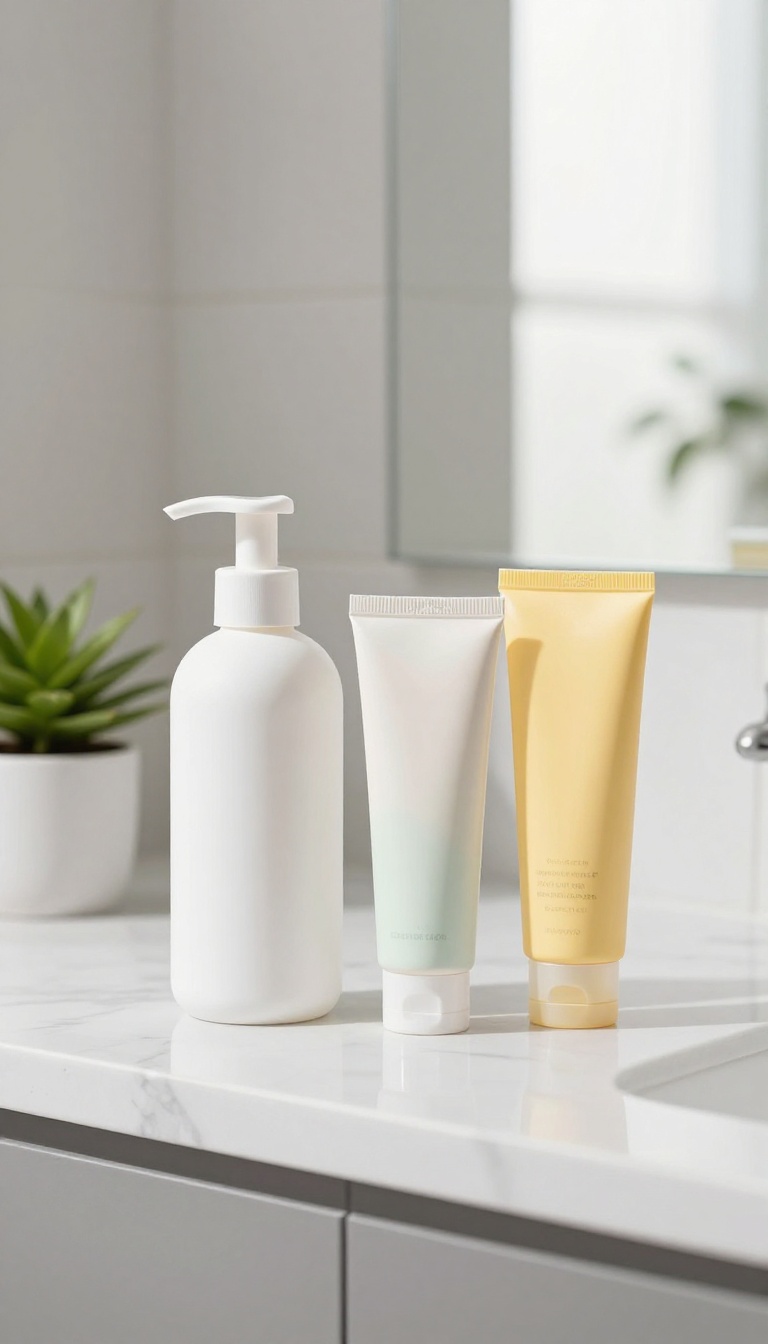
A glow up doesn't need a cabinet full of serums or a 10-step routine. In fact, the simpler you keep it, the easier it is to stick with it. Just three basics—cleanser, moisturizer, and sunscreen—can make a big difference in how your skin looks and feels.
Consistency beats complexity. When you use the same gentle products daily, your skin gets a chance to balance out. Plus, you save time and money, which is always a win during the school year.
Think of skincare as a daily reset. In the morning, wash your face to remove overnight buildup, then apply moisturizer and sunscreen. At night, cleanse again to wash off the day's grime, then moisturize.
That's it. No need for fancy tools or complicated layering. If you're new to this, start with a gentle cleanser that won't strip your skin.
Pair it with a lightweight moisturizer and a sunscreen with at least SPF 30. These three products work together to keep your skin clear, hydrated, and protected.
Morning Routine In 2 Minutes
Splash your face with water, apply a pea-sized amount of cleanser, and rinse. Pat dry, then moisturize while your skin is still slightly damp to lock in hydration. Finish with sunscreen, even if it's cloudy.
That's your whole morning—quick and effective.
Evening Routine To Wash Off The Day
Before bed, cleanse to remove sweat, dirt, and any leftover makeup or sunscreen. Follow with moisturizer to help your skin repair overnight. If you're feeling extra dry, you can add a thin layer of a simple moisturizer with ceramides or hyaluronic acid—but it's optional.
Picking Products That Work For You
Look for labels that say 'non-comedogenic' (won't clog pores) and 'fragrance-free' to avoid irritation. If you have oily skin, choose a gel-based moisturizer. For dry skin, go with a cream.
Sunscreen comes in lotions, gels, and even powders—pick one that feels comfortable so you'll actually wear it.
2. Drink More Water (Yes, Really)
Hydration is the easiest health hack that often gets ignored. When you're running on low water, your skin looks dull, your energy dips, and focusing in class becomes a struggle. The fix is simple: drink more water throughout the day.
It's not about chugging a gallon at once. Small, consistent sips keep your body and brain in gear. Plus, staying hydrated can curb those mid-afternoon snack cravings and help you feel more alert during lectures.
Set A Daily Water Goal
Aim for about 8 cups a day, but adjust based on your activity level and climate. Start by filling a large bottle in the morning and tracking how much you drink. If you hit your goal by lunch, you're on the right track.
Use a marked bottle or a simple app to remind you to sip regularly.
Make It Taste Better
Plain water can get boring, so add natural flavor. Drop in lemon, cucumber, or a few berries. Herbal teas count too.
Having a flavored option on hand makes it easier to reach for water instead of soda or energy drinks.
Link It To Your Routine
Tie drinking water to habits you already have. Drink a glass when you wake up, before each meal, and after using the restroom. These small anchors make hydration automatic.
Soon you'll be sipping without even thinking about it.
3. Get Enough Sleep, Even on Weekends
Sleep is the ultimate glow up hack that nobody talks about. When you're well-rested, your skin looks brighter, your eyes are clearer, and your mood is steadier. It's not about sleeping in until noon on Saturday—it's about keeping a rhythm that works for your body.
Consistent sleep helps your body recover and your brain stay sharp. Aim for 7-9 hours and try to keep a regular schedule, even when you don't have early classes. This means going to bed and waking up around the same time every day, not just on school nights.
Set A Wind-down Routine
Your body loves predictability. Create a simple pre-sleep ritual like reading, stretching, or listening to calming music. Avoid screens for at least 30 minutes before bed—blue light messes with your melatonin.
A consistent routine signals your brain that it's time to shut down.
Catch Up Without Breaking Your Rhythm
If you're behind on sleep, a long nap might seem tempting, but it can throw off your nighttime schedule. Instead, try a short power nap (20-30 minutes) in the early afternoon. On weekends, sleep in by no more than an hour or two.
This way, you recharge without wrecking your Monday morning.
Make Your Bedroom A Sleep Sanctuary
Your environment matters. Keep your room cool, dark, and quiet. Invest in blackout curtains or a comfortable pillow if you can.
Even small changes like removing clutter or using a white noise app can make a big difference. When your space feels restful, falling asleep becomes easier.
4. Find a Hairstyle That’s Easy and Flattering
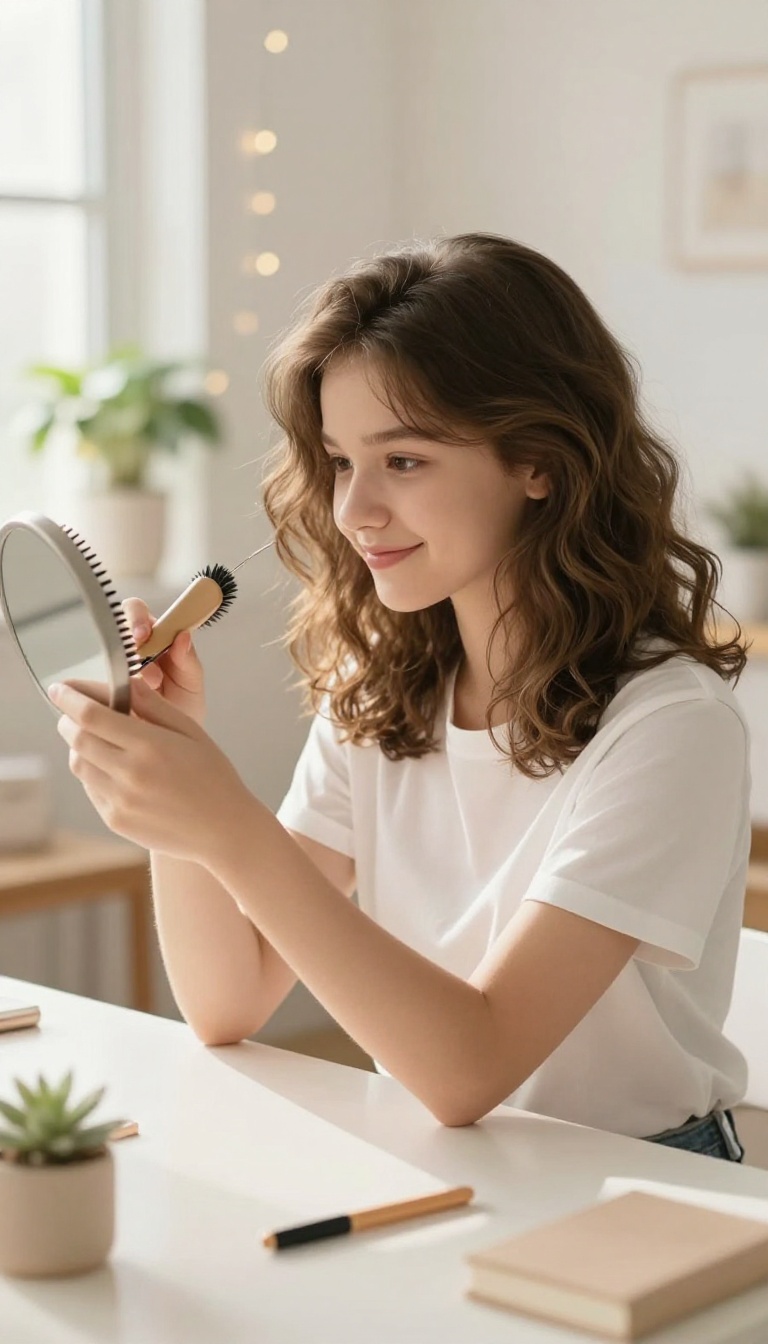
Your hair is one of the first things people notice, and when it looks good, you feel good. But who has time for complicated styling before school? The trick is to find a cut or routine that works with your natural texture, not against it.
Once you nail that, a great hair day becomes the norm, not the exception.
The right hairstyle can save you time and stress every morning. It’s not about chasing trends—it’s about finding what suits your face shape, hair type, and daily routine. A low-maintenance style that flatters you will boost your confidence without demanding constant upkeep.
Work With Your Natural Texture
Embrace what you’ve got. If your hair is curly, find a routine that enhances those curls rather than fighting them. If it’s straight, a simple blunt cut or long layers can add movement.
The goal is to make your hair look intentional with minimal effort.
Pick A Cut That Grows Out Well
Choose a haircut that still looks good as it grows. That way, you can stretch out salon visits and avoid the awkward in-between phase. Styles like a shoulder-length lob or face-framing layers are forgiving and easy to maintain.
Master A Quick Styling Routine
Learn a few go-to styles that take under five minutes. A messy bun, a sleek ponytail, or a simple half-up style can look polished with a little practice. Keep a few hair accessories handy for those rushed mornings.
Use Products That Simplify
Invest in a few multitasking products like a leave-in conditioner or dry shampoo. They can refresh your hair, add texture, and cut down on washing and styling time. Less effort, more consistency.
5. Upgrade Your Wardrobe with a Few Key Pieces
You don't need a new closet to look more polished. A few well-fitting basics can transform your everyday outfits from blah to put-together. Think of it as building a small capsule of pieces that work hard for you.
Start by focusing on fit. A pair of jeans that actually fits your body can make you look instantly more pulled together. Same goes for a simple tee that isn't baggy or too tight.
These basics become the foundation for any outfit.
The Power Of A Perfect Fit
Look for clothes that skim your body without clinging. Try on different sizes and styles to see what feels best. A good tailor can also work wonders, but even just buying the right size makes a huge difference.
Invest In Versatile Staples
Choose pieces that mix and match easily. A solid jacket, a pair of dark jeans, and a neutral sweater can be styled in multiple ways. These staples save you time and decision fatigue in the morning.
Add One Statement Piece
You don't need a whole new wardrobe, but one statement piece—like a colorful scarf or a cool pair of sneakers—can elevate a simple outfit. It gives your look personality without trying too hard.
6. Master the Art of the Quick Morning Routine
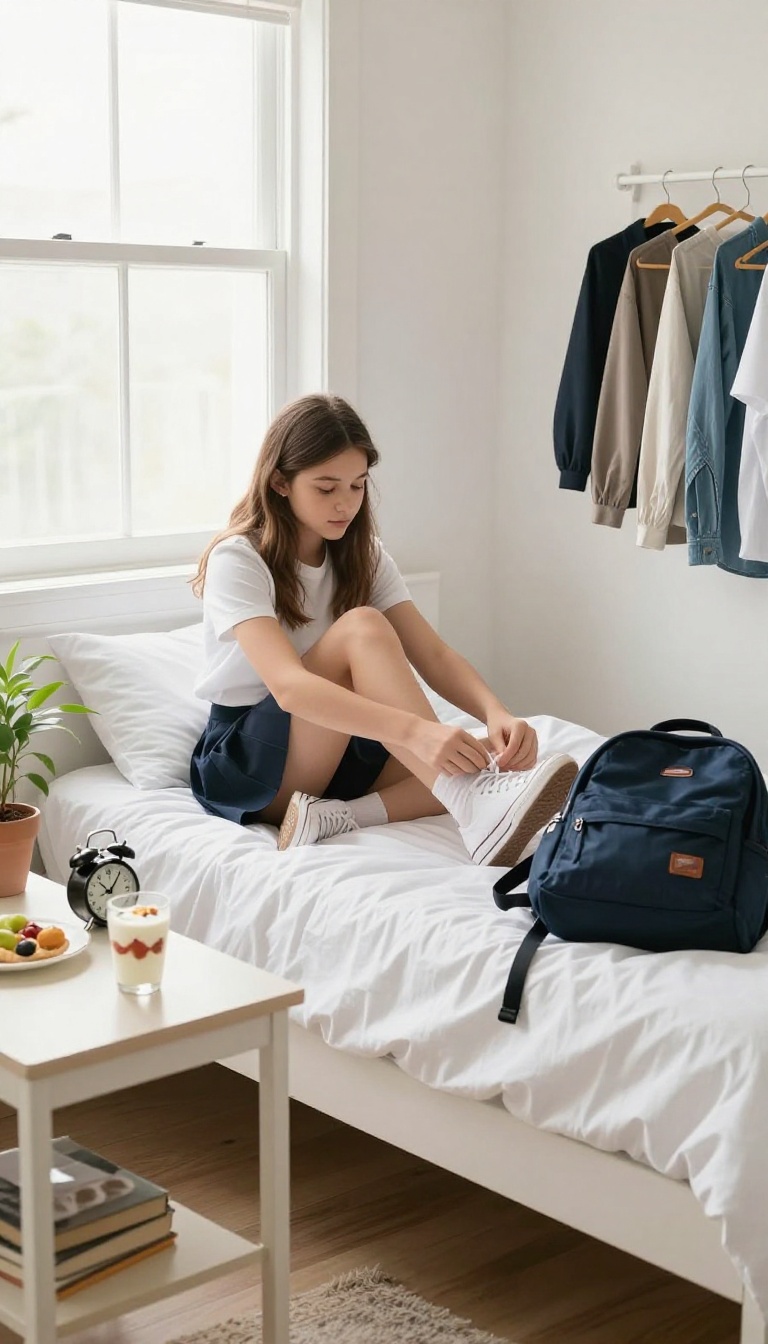
Mornings can set the tone for your whole day. If you're constantly rushing, you start school already frazzled. A simple morning routine can change that.
It's not about waking up at 5 AM; it's about making your current routine smoother.
The key is to do some work the night before. Pick your outfit, pack your bag, and prep your breakfast. That way, you can sleep a little longer and still get out the door on time.
Streamlining your morning steps means less decision fatigue and more calm.
Prep The Night Before
Spend ten minutes before bed getting ready for tomorrow. Lay out your clothes, including socks and shoes. Pack your backpack with everything you need.
Make your lunch or at least have a plan for it. This small habit saves you from morning chaos.
Keep Your Morning Steps Simple
Your morning should be a series of easy tasks, not a puzzle. Do the same things in the same order each day. Wash your face, brush your teeth, get dressed, grab your bag.
Having a routine means you don't have to think, you just do.
Give Yourself A Time Buffer
Set your alarm for ten minutes earlier than you think you need. This buffer handles unexpected delays like a missing shoe or a slow breakfast. It also gives you a moment to breathe before you head out.
7. Practice Good Posture
Good posture is one of those silent confidence boosters. When you stand tall, you instantly look more awake and put-together, even if you're wearing a simple outfit. It also affects how you feel—sitting up straight can actually lift your mood and energy.
Why It Matters
Slouching can make you look tired and less confident, even when you're not. On the flip side, good posture signals to others that you're self-assured and ready to take on the day. Plus, it helps prevent back and neck pain, which is a big win for long school days.
Quick Fixes For Better Posture
You don't need a fancy posture corrector. Start by rolling your shoulders back and down, and imagine a string pulling the top of your head toward the ceiling. When sitting, keep both feet flat on the floor and avoid crossing your legs for long periods.
Set a reminder on your phone to check in with your posture a few times a day.
Posture-boosting Habits
Incorporate small stretches into your routine, like shoulder rolls or a chest opener, especially if you're hunched over a desk or phone. Also, try to keep your phone at eye level instead of looking down at it. Over time, these small tweaks become automatic.
8. Smile More (It’s Contagious)
A genuine smile is one of the simplest ways to boost your glow up. It makes you instantly more approachable and can even lift your own mood. When you smile, your brain releases feel-good chemicals that reduce stress and make you feel more confident.
And the best part? It costs nothing and takes just a second.
Smiling isn't just about looking happy—it's a tool for feeling better and connecting with others. Here's how to make it a natural part of your school day.
Start Your Morning With A Smile
Before you even get out of bed, take a moment to smile at yourself in the mirror. It sounds silly, but it sets a positive tone. You can even think of one thing you're looking forward to, like seeing a friend or eating a favorite snack.
That little mental boost can carry you through the morning.
Smile At Others—it Builds Connections
When you pass someone in the hallway, a quick smile can make both of you feel good. It shows you're friendly and open, which can help you make new friends or just brighten someone's day. You don't have to be best friends with everyone, but a smile is a universal hello.
Use Smiles To Break The Ice
Feeling nervous about talking to someone new? A smile can be the perfect icebreaker. It makes you seem more relaxed and approachable, so conversations start more easily.
Plus, smiling when you're nervous can actually calm you down—your brain thinks you're happy, so your body relaxes.
Don't Overthink It—just Smile
You don't need to force a huge grin all day. A small, natural smile is enough. If you're not feeling it, try a gentle smile anyway—it might just turn your mood around.
The more you practice, the more natural it becomes.
9. Keep Your Nails Clean and Tidy

Your hands are always in view—writing, texting, or just resting on the desk. Neat nails don't require a salon trip, but they do make a difference. A quick trim and a clean edge can instantly make you look more put-together, even if you're wearing no polish at all.
Forget expensive manicures. The goal is simply to keep your nails short, even, and clean. This small habit takes less than five minutes a week and pays off in how polished you feel.
Plus, it's one less thing to worry about when you're raising your hand in class or handing in an assignment.
The Five-minute Trim
Set aside a few minutes once a week to clip and file your nails. Keep them short enough that they don't catch on things, and smooth out any rough edges with a file. This prevents snags and keeps them looking neat without any extra effort.
Clean Under The Tips
Use a nail brush or just soap and water to scrub under your nails. Dirt and grime can build up quickly, especially if you're active or eat with your hands. A quick clean each day keeps your nails looking fresh and healthy.
Skip The Polish?
You don't need polish to have tidy nails. A clear coat can add shine and protect your nails, but it's optional. If you do wear polish, make sure it's not chipped—chipped polish looks messier than no polish at all.
10. Develop a Simple Skincare Routine for Your Body
Your face gets all the love, but your body deserves some attention too. A quick body care routine can make your skin feel smoother, look healthier, and boost your overall glow. And it doesn't take much time—just a few minutes after your shower.
Start by moisturizing right after you towel off. This locks in moisture and keeps your skin soft all day. Pick a lightweight lotion or a rich cream if you have dry patches.
Don't forget your elbows, knees, and heels—they tend to get rough.
Moisturize While Skin Is Damp
The best time to apply lotion is within a few minutes of stepping out of the shower. Your skin is still slightly damp, which helps the product absorb better. Use gentle, upward strokes and give extra attention to dry areas like elbows and knees.
Exfoliate Weekly For Smoothness
Once a week, use a body scrub or a gentle exfoliating mitt to slough off dead skin cells. This helps prevent rough patches and keeps your skin looking fresh. Focus on areas like your arms, legs, and back, but avoid scrubbing too hard—your skin will thank you.
Pick Scents That Make You Happy
Choosing a body lotion or scrub with a scent you love can turn a basic routine into a little self-care moment. Whether it's vanilla, coconut, or something fresh, a pleasant fragrance can boost your mood and add to that glow-up feeling.
11. Eat More Fruits and Veggies
Your skin and energy levels are directly linked to what you eat. A colorful plate isn't just about looking healthy—it actually makes you feel better from the inside out. Swapping chips for carrots or apples is a small change that adds up fast.
When you load up on fruits and veggies, you're giving your body the vitamins it craves. Vitamin C in berries helps brighten your skin, while the fiber in apples keeps your digestion on track. Plus, the natural sugars give you steady energy for classes and after-school activities.
Snack Smarter
Keep a bag of baby carrots, cherry tomatoes, or grapes in your backpack. When you get the munchies between classes, you'll have a crisp, satisfying option ready. Pair them with hummus or yogurt dip for extra flavor and protein.
Add Color To Every Meal
Try to include at least two different colored fruits or veggies at lunch and dinner. Think spinach in your sandwich, bell pepper strips on the side, or a handful of blueberries in your morning yogurt. The more colors, the more vitamins you're getting.
Make It Easy And Fun
Pre-wash and chop your produce on Sunday so it's grab-and-go all week. You can also blend fruits into smoothies or sneak veggies into pasta sauce. If you make it convenient, you're way more likely to actually eat them.
12. Move Your Body Every Day
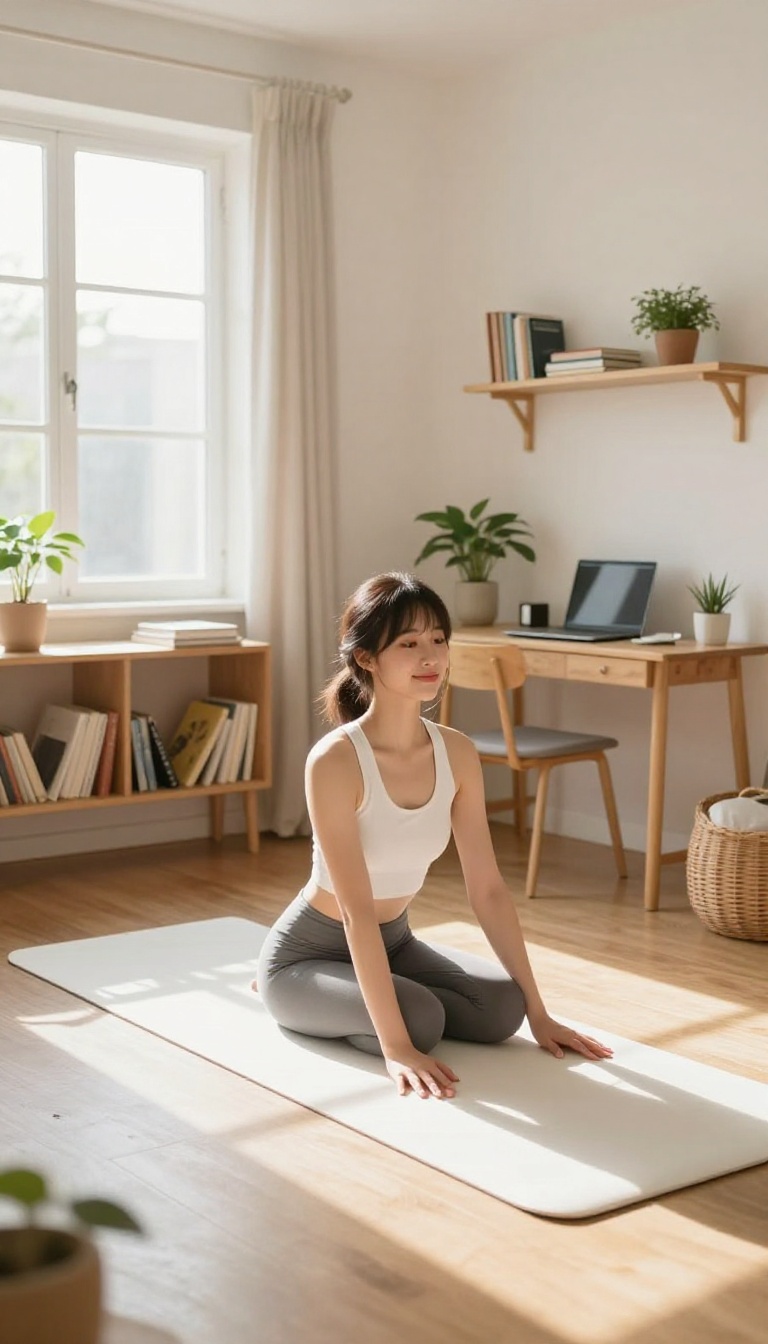
You don't need a gym membership or a fancy workout plan to feel the glow-up benefits of movement. Simple, everyday activity can boost your mood, sharpen your focus, and give you that natural energy that shows in your smile and posture. Think of it as a daily reset for your body and mind, not another chore on your list.
Whether it's a brisk walk between classes, a quick stretch before studying, or a spontaneous dance party in your room, moving your body regularly does wonders. It increases blood flow, which brings oxygen to your skin and brain, making you look and feel more alive. Plus, it's a proven stress-buster, helping you handle school pressures with a calmer mindset.
Start Small And Simple
You don't have to commit to an hour of exercise. Even 10 minutes of movement counts. Try taking the stairs instead of the elevator, or walk to school if you can.
These little bursts add up and create a habit that feels easy to stick with.
Make It Fun, Not A Chore
Choose activities you genuinely enjoy. If you hate running, don't run. Dance to your favorite playlist, try a yoga video, or join an intramural sport.
When it feels like play, you're more likely to keep doing it.
Use Movement To Reset
Feeling stuck on homework or stressed about a test? Stand up and stretch for a few minutes. A quick walk around the block can clear your head and help you return to your work with fresh eyes.
It's a productive break that boosts your focus.
13. Take Care of Your Mental Health
A glow up isn't just about how you look—it's about how you feel inside. When your mind is calm and clear, it shows. Stress and anxiety can weigh you down, making even the best outfit feel off.
Prioritizing your mental health is a game-changer. It helps you show up as your best self, ready to learn and connect. Here's how to build that inner glow.
Your mental health is the foundation of your glow up. Without it, all the surface changes won't stick. Start by checking in with yourself daily.
A few minutes of quiet can reset your mood. Talking to someone you trust—a friend, family member, or counselor—can lighten the load. Don't wait until you're overwhelmed.
Asking for help is a strength, not a weakness.
Start A Simple Mindfulness Routine
You don't need to meditate for hours. Just take five minutes each morning to breathe deeply and set an intention. Close your eyes, focus on your breath, and let go of yesterday's stress.
This small habit can make you feel more centered and ready for the day.
Talk It Out
Keeping worries bottled up only makes them louder. Reach out to a trusted person and share what's on your mind. Whether it's a parent, teacher, or friend, a fresh perspective can ease your load.
You might be surprised how much lighter you feel after a good chat.
Give Yourself A Break
School can be intense, but you're not a machine. Schedule downtime just for you—maybe a walk, a favorite show, or a hobby. Taking breaks actually boosts your focus and energy.
Be kind to yourself, especially on tough days.
14. Organize Your Backpack and Study Space
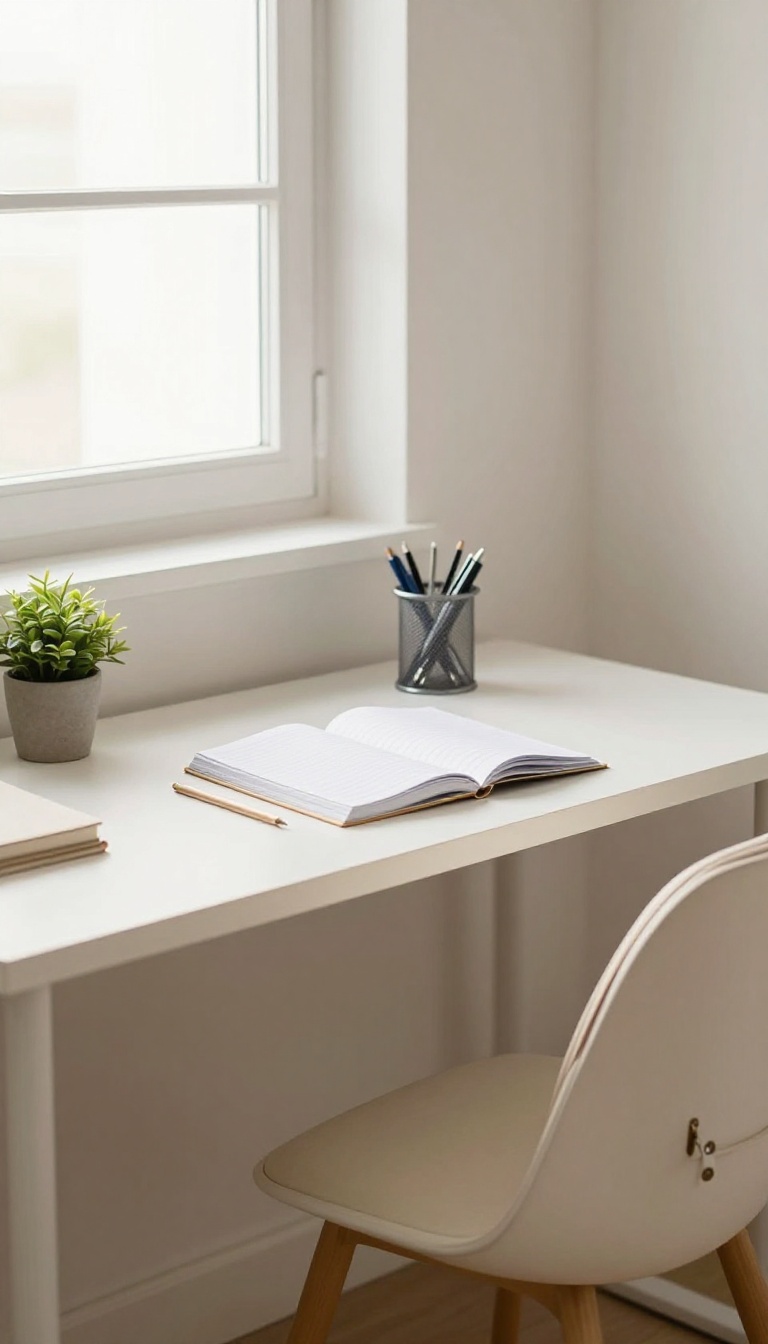
A cluttered environment can quietly drain your focus and energy. When your backpack is a mess and your desk is piled with old papers, it's hard to feel ready to learn. Cleaning up isn't just about tidiness—it's a simple way to reset your mind and start the school day with clarity.
Start by giving your backpack a weekly reset. Empty it out, toss the trash, and sort everything into pockets. Keep only what you need for the day, and use a small pouch for chargers and pens.
A tidy bag makes it easier to find things and feels lighter on your shoulders. Your study space matters just as much. Clear off your desk, wipe it down, and keep only your current work within reach.
Add a small plant or a favorite photo to make it feel inviting. When your space is organized, you'll feel more in control and ready to focus.
Weekly Backpack Reset
Set a reminder to clean out your backpack every Sunday evening. Remove old snacks, crumpled papers, and anything you don't need. Use small pouches for cords, pens, and personal items so they don't get lost.
A quick five-minute tidy can make a big difference.
Desk Declutter Routine
Keep your desk surface clear by storing supplies in drawers or bins. After each study session, put away books and materials. Wipe down the desk once a week to keep it fresh.
A clean desk helps you think more clearly and reduces stress.
Smart Storage Solutions
Use a few simple organizers like a pencil holder, a tray for papers, and a small shelf for books. Label drawers or bins so you know where everything goes. When everything has a home, it's easier to keep your space tidy and find what you need.
15. Set Small Goals for the Semester
Big resolutions are easy to make and even easier to break. Instead, choose one or two small, specific goals that genuinely matter to you—like joining a club or improving your grade in a tricky subject. Having a clear target gives your days direction and a little extra motivation.
When you set a goal, you're not just checking a box—you're building momentum. Small wins add up, and each one makes you feel more capable and confident. Plus, working toward something you care about makes the school grind feel less like a grind and more like a game you're actually playing.
Pick Goals That Actually Matter
Don't just pick something because it sounds impressive. Choose a goal that feels meaningful to you, like making the soccer team or getting better at sketching. When the goal resonates, you'll be more likely to stick with it even on tough days.
Break It Down
A big goal can feel overwhelming. Break it into tiny steps you can do weekly. For example, if you want to raise your math grade, commit to doing one extra practice problem each day.
Small actions add up faster than you'd think.
Track Your Progress
Keep a simple checklist or use a notes app to mark your wins. Seeing your progress visually boosts your motivation. It also helps you spot what's working and adjust if you're stuck.
16. Limit Screen Time Before Bed
Scrolling late into the night is one of those habits that feels relaxing but actually works against your glow up. The blue light from your phone tricks your brain into thinking it's still daytime, which messes with your sleep hormones. And when you don't sleep well, it shows up in your skin, your energy, and your mood.
Think of this as a small trade that pays off big. Swapping just 20 minutes of screen time for something calmer can help you fall asleep faster and wake up feeling more rested. You don't have to go full digital detox—just shift the last little bit of your evening away from your phone.
Why Blue Light Disrupts Your Sleep
Blue light suppresses melatonin, the hormone that tells your body it's time to wind down. Even a short scroll can delay that signal, making it harder to drift off. Over time, this can leave you groggy and less focused during the school day.
What To Do Instead
Try reading a physical book, listening to a chill playlist, or doing a few gentle stretches. These activities signal to your brain that the day is ending. You'll likely fall asleep faster and wake up feeling more refreshed.
How To Make It Stick
Set a phone alarm 30 minutes before bed as a reminder to put your phone down. Keep your charger across the room so you're not tempted to reach for it. It's a tiny change that can make a big difference in how you feel all day.
17. Be Kind to Yourself

Glowing up isn't about hitting some perfect standard overnight. It's a process, and the way you talk to yourself along the way matters just as much as any change you make. When you're kind to yourself, you build real confidence that shows.
Start by noticing how you talk to yourself. If you catch negative thoughts, flip them into something supportive. Celebrate small wins, like trying a new hairstyle or getting to class on time.
Progress is progress, no matter how tiny.
Catch The Negative Self-talk
We all have that inner critic, but you don't have to listen. When you hear 'I look tired' or 'I can't do this, ' pause and replace it with a kinder thought. Try 'I'm doing my best' or 'I'm learning. ' Over time, this rewires your mindset.
Celebrate Small Wins
Did you actually stick to your morning routine? That's worth a mental high-five. Small wins build momentum.
Write them down or just acknowledge them. You'll feel more motivated and less likely to quit.
Stop Comparing Your Behind-the-scenes To Everyone's Highlight Reel
Social media shows the best moments, not the messy reality. Remind yourself that everyone has off days. Instead of comparing, focus on your own growth.
You're on your own timeline, and that's okay.
FAQ
How long does it take to see results from a glow up?
It depends on the changes you make. Some things, like better posture or a new hairstyle, show results immediately. Others, like skincare or fitness, may take a few weeks.
Be patient and consistent.
Do I need to spend a lot of money to glow up?
Not at all. Many glow-up tips are free or low-cost, like drinking water, getting enough sleep, and practicing good hygiene. Focus on habits rather than products.
What’s the most important glow-up tip?
Confidence is key. When you feel good about yourself, it shows. Start with small changes that make you feel comfortable and build from there.
Can I glow up without changing my style?
Absolutely. A glow up is about enhancing what you already have. You can keep your personal style and just focus on grooming, posture, and mindset.
How do I stay motivated during a glow up?
Set realistic goals and track your progress. Celebrate small wins and remember that it’s okay to have off days. Consistency matters more than perfection.
Conclusion
A school glow up doesn't mean a total makeover—just a few small wins that make you feel put-together. Start with one or two tips that actually fit your mornings, like a quick outfit prep or a five-minute skincare step. That little boost can change how you walk into class.
The trick is keeping it simple and consistent, not perfect. Pick what feels doable, stick with it for a couple of weeks, and you'll notice the confidence shift. The real glow up is showing up as your best self, one easy habit at a time.