A glow up doesn't have to mean a full lifestyle overhaul—it's the tiny, repeatable habits that quietly shift your day. These 20 hacks are designed to slide into your routine without adding stress, from quick morning stretches to smarter sleep tweaks.
Each one is a small win you can stack, so you feel lighter and more in control by tonight. Start with just a few that click, and let the momentum build naturally.
Ready to make today feel a little fresher? Let's dive in.
1. Start with a 5-Minute Morning Stretch
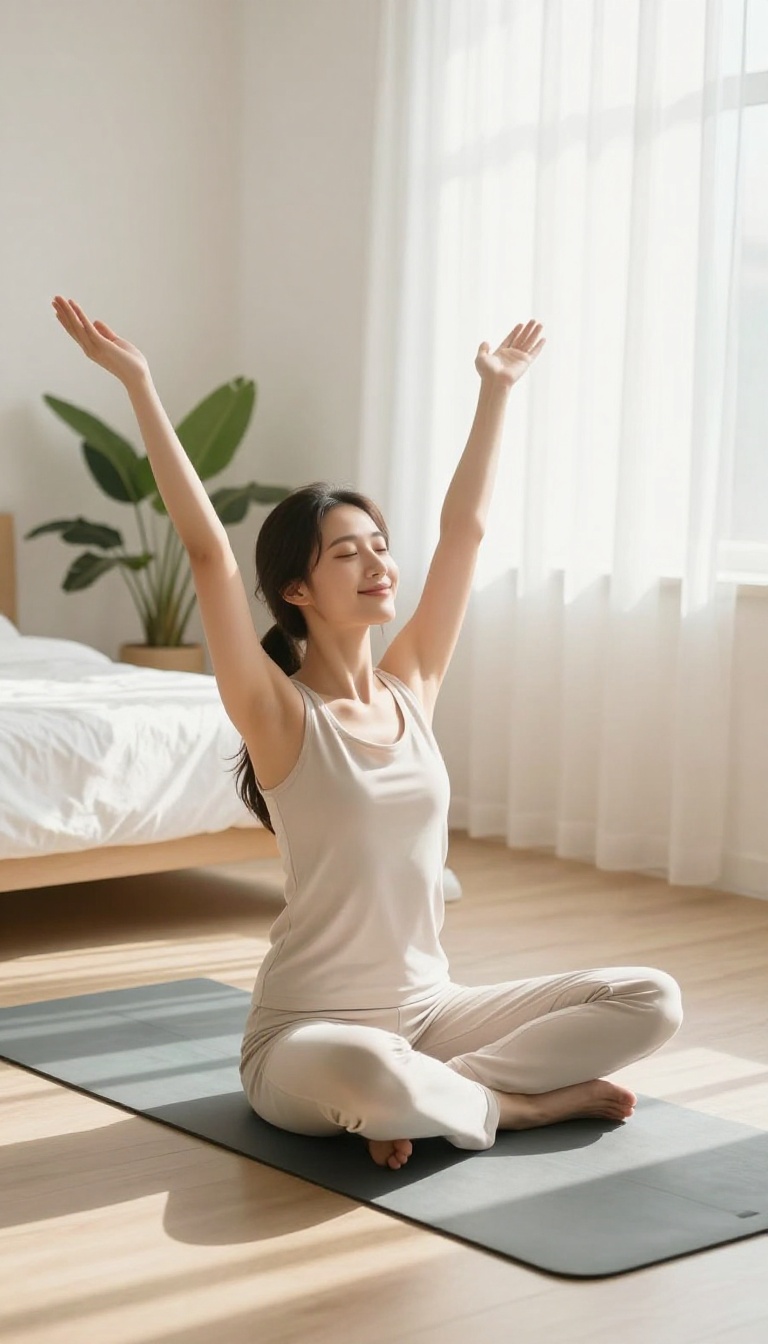
Mornings can feel like a race, but a quick stretch changes the pace. Before you check your phone or pour coffee, give your body five minutes to wake up. It's not about flexibility—it's about signaling to your brain that today is yours.
A short stretch routine loosens tight muscles from sleep and boosts blood flow, which helps you feel more alert without the jolt of caffeine. It also gives you a moment of stillness, so you start the day with a clear head instead of a racing mind.
Keep It Simple
You don't need a fancy yoga sequence. Just a few gentle moves—neck rolls, shoulder shrugs, a forward fold, and a standing side stretch—are enough. The goal is to move your body, not to perfect a pose.
Pair It With Something You Already Do
Attach your stretch to an existing habit, like right after you brush your teeth or while your coffee brews. That way, you're more likely to remember and stick with it, without adding extra decisions to your morning.
Let It Be A Mental Reset
As you stretch, focus on your breath. Inhale deeply, exhale slowly. This mini mindfulness practice can lower stress hormones and set a calm, grounded tone for whatever comes next.
2. Hydrate Before Caffeine
That first cup of coffee might feel non-negotiable, but your body is actually crying out for water after hours of sleep. You wake up dehydrated, and caffeine only makes it worse. Shifting your order of operations—water first, coffee second—can change how your skin looks and how your energy feels all day.
Starting your day with water is one of the simplest ways to support your glow up. It rehydrates your cells, kickstarts your metabolism, and helps your skin look plump and awake. Plus, you'll feel less sluggish and more clear-headed before you even take that first sip of caffeine.
Why Water First Matters
Your body loses fluids overnight, so you're naturally dehydrated in the morning. Drinking water before anything else helps restore balance and primes your system for the day. It also gives your skin that dewy, fresh look that no serum can replicate.
How It Boosts Your Energy
Caffeine works better when you're hydrated. When you're dehydrated, caffeine can make you jittery and crash harder. Water first helps your body absorb caffeine more smoothly, giving you steady energy instead of a spike and drop.
Easy Ways To Remember
Keep a glass of water on your nightstand or set a bottle by your coffee maker. You can also add a slice of lemon for flavor and a vitamin C boost. The goal is to make it effortless, so you actually do it every morning.
3. Make Your Bed Every Morning
It's the smallest task on your to-do list, but making your bed can set the tone for the entire day. That simple act of tidying up gives you an immediate sense of accomplishment before you've even had your coffee. Plus, walking back into a neat bedroom later feels like a mini retreat, not a mess you have to face.
When you make your bed, you're not just straightening sheets—you're signaling to your brain that you're in control. It's a quick, low-effort win that builds momentum for tackling bigger tasks. And the visual calm of a made bed reduces mental clutter, making your space feel more peaceful and less stressful.
The 60-second Rule
You don't need to spend ten minutes perfecting hospital corners. Just pull up the duvet, smooth the pillows, and give it a quick fluff. Sixty seconds is all it takes to create that 'I've got this' feeling.
Make It A Non-negotiable
Tie this habit to something you already do, like brushing your teeth. When it becomes automatic, you won't even think about it—you'll just do it. And the payoff is a room that instantly looks more put-together.
The Evening Payoff
When you crawl into a made bed at night, it feels more inviting and comfortable. It's a small luxury that makes your bedroom feel like a sanctuary, not just a place to crash.
4. Swap Your Phone for a Journal

That reflexive scroll through social media the second you wake up? It's not doing you any favors. Instead of letting someone else's highlight reel set your mood, try spending those first five minutes with a journal.
It's a simple swap that clears your head and sets a calmer tone for the day.
Keep a notebook and pen by your bed. When you reach for your phone, grab the journal instead. Write down whatever's on your mind—a to-do list, a worry, or just a few things you're grateful for.
This small ritual helps you start the day with intention, not distraction.
Start With A Brain Dump
Before you check messages, write down everything swirling in your head. It could be tasks, worries, or random thoughts. Getting them on paper clears mental clutter and makes your day feel more manageable.
Set A Daily Intention
After the brain dump, pick one simple intention for the day. It might be 'stay patient' or 'finish that report. ' This gives you a gentle focus without turning into a rigid to-do list.
End With Gratitude Tonight
If you're not a morning person, do this swap at night instead. Jot down three good things from the day. It shifts your mind to the positive and helps you sleep better.
You can even use the same journal for both.
5. Create a Simple Skincare Routine
Your skin doesn't need a 12-step ritual to look its best. In fact, the simpler the routine, the easier it is to stick with—and consistency is what really brings that glow. Strip it down to the essentials: cleanse, moisturize, and protect with SPF.
A basic routine works for almost everyone and takes less than five minutes in the morning and evening. Cleansing removes dirt and oil, moisturizer keeps your skin barrier happy, and SPF shields you from sun damage that causes premature aging. That's it—no need for serums, toners, or masks unless you genuinely enjoy them.
Start With A Gentle Cleanser
Pick a cleanser that doesn't strip your skin. Look for words like 'hydrating' or 'cream-based' if your skin feels tight after washing. Splash with lukewarm water—hot water can dry you out.
Moisturize While Skin Is Damp
Apply moisturizer right after cleansing, when your skin is still slightly damp. This locks in hydration and makes the product work better. Even oily skin needs moisture—just choose a lightweight, oil-free formula.
Never Skip Spf
Sun protection is non-negotiable. Use a broad-spectrum SPF 30 or higher every morning, even on cloudy days. It's the single most effective anti-aging step you can do.
If you're indoors all day, a quick morning application is still worth it.
6. Take a Short Walk Outside
Sometimes the best reset button is just a few steps away—literally. A 10-minute walk outside can break the mental fog and give you a fresh perspective without any extra planning. It's a low-effort, high-reward habit that fits into any schedule, even on busy days.
Walking outside isn't just about stretching your legs; it's a mini escape from screens and stressors. The combination of gentle movement, natural light, and a change of scenery works wonders for your mood and focus. You don't need a gym membership or special gear—just a comfortable pair of shoes and a few minutes.
Why It Works
Even a short walk boosts blood flow and releases endorphins, which are natural mood lifters. Sunlight triggers vitamin D production, supporting bone health and immunity. Plus, being outdoors reduces cortisol levels, helping you feel calmer and more centered.
How To Fit It In
You don't need a big time block—just a quick lap around the block or a stroll during a break. Try pairing it with a task like walking while on a phone call, or use it as a transition between work and home. The key is consistency, not duration.
Make It A Habit
Set a simple reminder on your phone or leave your walking shoes by the door as a visual cue. Even on rainy days, a covered porch or a quick mall walk counts. The goal is to make it so easy you can't say no.
7. Declutter One Small Area
A cluttered space can quietly drain your mental energy, even if you don't notice it. You don't need to tackle the whole house—just pick one small spot and give it a quick reset. The relief you feel will be immediate, and it might just spark a little momentum for the rest of your day.
Start with a drawer, a shelf, or the corner of your desk. Set a timer for 15 minutes and sort through everything. Keep what you use or love, toss or donate the rest, and give the surface a quick wipe.
The goal isn't perfection—it's just a clearer spot that helps you breathe a little easier.
Pick A Spot That Bothers You Most
Think about which small area makes you sigh every time you see it. Maybe it's the junk drawer in the kitchen or the pile of mail on your desk. Choose that spot—it'll give you the biggest sense of relief once it's done.
Sort Into Three Piles
As you go through your items, make three piles: keep, toss, and donate. Be honest with yourself about what you actually use. If you haven't touched something in a year, it's probably safe to let it go.
This simple system keeps the process fast and decision-free.
Create A Simple System
Once the area is clear, set up a basic organizational system. Use a small tray for everyday items, a basket for loose papers, or drawer dividers for odds and ends. The goal is to make it easy to put things back, so the clutter doesn't creep in again.
8. Prep a Healthy Snack
When hunger strikes between meals, your future self will thank you for having something good ready. Prepping a snack ahead of time takes two minutes now and saves you from a vending machine later. It's a simple way to keep your energy steady without any extra stress.
Cut up some carrots, celery, or bell peppers and store them in a jar with a little water to keep them crisp. Portion out nuts or fruit into small bags so they're grab-and-go. Even just washing an apple and leaving it on the counter makes a difference.
Make It Visible
Put your prepped snack at eye level in the fridge or on the counter. Out of sight really is out of mind, so keep it front and center. When you see it, you're more likely to reach for it.
Pair It For Satisfaction
Combine a carb with a protein or healthy fat to stay fuller longer. Apple slices with peanut butter, carrots with hummus, or a handful of almonds with some grapes. That combo keeps cravings at bay and fuels you properly.
Keep It Simple
Don't overcomplicate it. A few chopped veggies or a piece of fruit is all you need. The goal is to have something better than chips within arm's reach, not to create a gourmet snack station.
9. Practice Deep Breathing for 2 Minutes
When stress spikes, your breath often shortens without you noticing. That quick, shallow pattern keeps your body in a low-level alarm state, which fuels anxiety and fatigue. A simple two-minute breathing reset can interrupt that loop and bring your nervous system back to baseline.
You don't need a meditation app or a quiet room—just a few slow, intentional breaths. The goal is to make this a tiny habit you reach for during transitions, like before a meeting or after a tough email.
Deep breathing works because it activates your parasympathetic nervous system, the part that handles rest and relaxation. When you exhale longer than you inhale, your heart rate slows and your blood pressure drops. That physical shift sends a signal to your brain that you're safe, which is why you feel more grounded almost immediately.
To get the most out of two minutes, focus on the quality of each breath rather than counting. Let your belly expand fully on the inhale, then let the exhale be slow and complete. Even a handful of these breaths can make a noticeable difference in how tense you feel.
The 4-6 Breath Pattern
A simple rhythm to try: inhale through your nose for four counts, then exhale through your mouth for six counts. The longer exhale is what triggers the relaxation response. Repeat for two minutes, and you'll likely feel your shoulders drop and your mind quiet down.
When To Sneak It In
You can do this anywhere—at your desk, in the car, or while waiting in line. Pair it with a regular trigger, like before you check your phone in the morning or right after you sit down to work. That way, it becomes a natural part of your routine instead of another task on your list.
Why It Beats A Coffee Refill
Caffeine gives you a temporary jolt, but it can also ramp up anxiety. Deep breathing gives you calm energy without the crash. If you're feeling frazzled, try two minutes of breathing before you reach for another cup.
You might find you don't need it.
10. Set a Daily Intention
Mornings can feel like a race before you even get out of bed. A daily intention is a gentle anchor that pulls you back when the day gets chaotic. It's not a to-do list—just one small, meaningful focus that keeps you grounded.
Choosing a single intention each morning takes less than a minute, but it sets a subtle tone for the whole day. It could be something like 'stay present during meetings' or 'drink water before coffee. ' The key is to keep it simple and achievable, so you never feel overwhelmed.
How To Pick Your Intention
Ask yourself what you need most today. Maybe it's patience, focus, or just a moment of calm. Write it on a sticky note or set it as your phone wallpaper.
The act of naming it makes it real.
Make It Stick
Tie your intention to an existing habit, like your morning coffee or brushing your teeth. That way, you're more likely to remember it. If you slip up, no big deal—gently bring it back to mind when you notice.
Let It Go At Night
At the end of the day, take a few seconds to reflect. Did you honor your intention? Even a small yes counts.
This isn't about perfection—it's about showing up for yourself in a low-key way.
11. Do a Digital Detox Hour

Your phone is probably the first thing you touch in the morning and the last thing you see at night. That constant connection can keep your brain buzzing even when you're trying to unwind. A digital detox hour is a simple way to hit pause and give your mind a break.
Pick one hour each day to step away from screens entirely. Use that time to read, stretch, or just sit with your thoughts. It's not about being dramatic—just a small, intentional gap between you and the noise.
Pick A Time That Actually Works
The best hour is the one you'll stick to. Maybe it's right after work, before dinner, or the last hour before bed. Don't force it into a busy stretch—choose a slot where you're naturally winding down.
Consistency matters more than perfection.
Swap Screens For Something Tangible
Keep a book, a journal, or a puzzle near your usual spot. When you feel the urge to grab your phone, reach for that instead. Even a few minutes of physical activity—like stretching or walking—can fill the gap and reset your focus.
Tell Your People (so They Don't Text You)
Let friends and family know you'll be offline for that hour. Set your phone to Do Not Disturb or leave it in another room. When you're not waiting for a reply, the break feels less like a test and more like a treat.
12. Upgrade Your Sleep Environment
Your bedroom should be the easiest place to unwind, but if it’s cluttered, bright, or stuffy, it’s working against you. A few simple tweaks can turn it into a sleep sanctuary that helps you drift off faster and wake up refreshed. Better sleep isn’t just about feeling rested—it’s a key part of that glow-up glow.
Start by dimming the lights an hour before bed and swapping your phone for a book. Keep the room cool—around 65°F is ideal. Invest in blackout curtains to block out early morning light, and try a white noise machine if street sounds bother you.
These small changes signal to your body that it’s time to wind down.
Set The Mood
Swap bright overhead lights for warm, low-wattage lamps. Use essential oils like lavender or chamomile in a diffuser to create a calming scent. Keep the room tidy—clutter can subconsciously stress you out.
Block Out Distractions
Blackout curtains are a game-changer, especially if you live in a city or have early sunrises. If you can’t hang them, a sleep mask works just as well. Also, consider a white noise machine or a fan to drown out random noises.
Cool It Down
Your body temperature drops as you sleep, so a cooler room helps you fall asleep faster and stay asleep. Aim for around 65°F (18°C). Use breathable cotton sheets and a lightweight duvet to regulate temperature naturally.
Create A Tech-free Zone
Keep your phone charger outside the bedroom or at least across the room. The blue light from screens suppresses melatonin, making it harder to fall asleep. Try reading a physical book or doing a quick stretch instead.
13. Try a New Healthy Recipe
Cooking something simple and nutritious can be fun and rewarding. It's a great way to nourish your body and break the routine. Even if you're not a kitchen pro, a new recipe can be a mini adventure that leaves you feeling accomplished.
Pick a recipe that fits your time and energy level. It doesn't have to be fancy—a colorful stir-fry, a hearty soup, or a grain bowl with your favorite toppings. The act of chopping, stirring, and tasting can be surprisingly soothing, and the payoff is a meal that's both good for you and satisfying.
Start With A Flexible Formula
Instead of following a rigid recipe, try a flexible formula: a protein, a grain, and a handful of veggies. Mix and match based on what's in your fridge. This cuts down on decision fatigue and makes cooking feel less like a chore.
Prep A Little, Save A Lot
Spend 15 minutes washing and chopping veggies or cooking a batch of grains. Having these ready makes it easier to throw together a healthy meal later, even on busy days. You'll be more likely to cook at home instead of grabbing something less nutritious.
Make It A Mini Ritual
Turn cooking into a mindful break. Put on some music, pour a glass of water, and focus on the process. It’s a chance to step away from screens and do something with your hands.
The result is a meal that feels more like a treat than a task.
14. Use a Dry Brush Before Showering
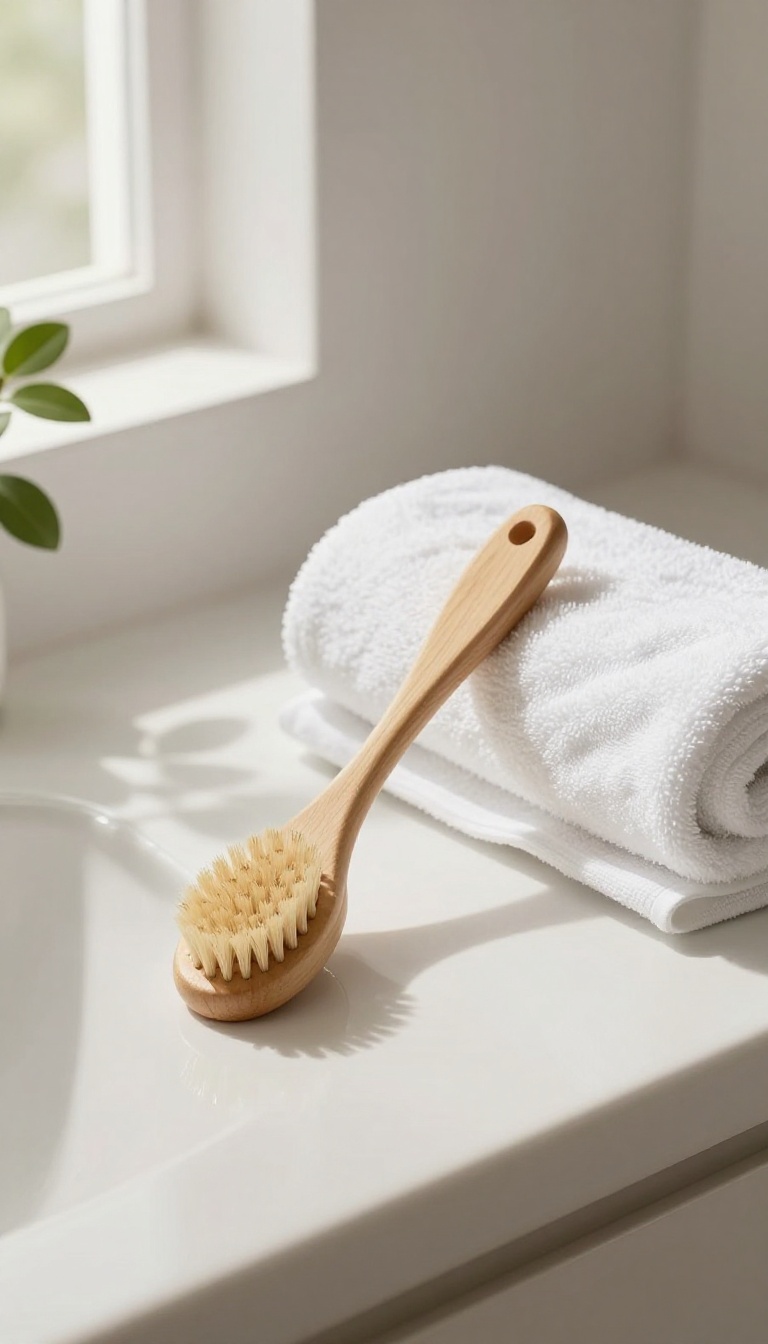
Dry brushing is one of those simple rituals that feels like a mini spa treatment at home. It takes just a few minutes, and the payoff is real: smoother skin, better circulation, and a gentle wake-up for your body. Plus, it’s a low-effort way to add a little self-care to your day without any extra stress.
Grab a natural-bristle brush and start at your feet, moving in long, sweeping strokes toward your heart. Keep the pressure light—this isn’t about scrubbing hard, just stimulating the skin. Do it before you hop in the shower, then follow with warm water and moisturizer to lock in the benefits.
The Basics: How To Dry Brush
Start with dry skin, ideally before your shower. Use a brush with firm, natural bristles and a long handle so you can reach your back. Begin at your feet and move upward in long, smooth strokes, always toward your chest.
Avoid sensitive areas like your face or any broken skin. Keep the pressure gentle—if it hurts, you’re pressing too hard.
Why It Works: Circulation And Lymphatic Flow
The bristles stimulate blood flow near the skin’s surface, which can give you a natural glow and a little energy boost. It also encourages lymphatic drainage, helping your body flush out toxins. Over time, this can help reduce the appearance of cellulite and leave your skin feeling firmer and more toned.
Make It A Low-stress Ritual
You don’t need to turn this into a big production. Keep your brush in the bathroom where you’ll see it, and spend just two or three minutes while your shower warms up. Pair it with a calming playlist or just enjoy the quiet.
The key is consistency, not intensity—a quick daily brush beats a long session once in a while.
15. Write Down 3 Things You're Grateful For
Gratitude is a simple but powerful way to reset your mindset. When you jot down three things you're thankful for, you train your brain to notice the good stuff, which naturally lowers stress and boosts your mood. It's a tiny habit that takes less than two minutes but can change how you see your whole day.
Start a small gratitude journal or just use a sticky note. The key is consistency—do it at the same time each day, like with your morning coffee or before bed. Keep it easy: don't overthink it.
Even small things count, like a warm cup of tea or a friendly text from a friend.
Why It Works
Gratitude shifts your focus from what's missing to what's already there. This simple reframe reduces cortisol, the stress hormone, and increases dopamine and serotonin, the feel-good chemicals. Over time, it rewires your brain to naturally look for positives, making you more resilient to daily stressors.
How To Start Today
Grab any notebook or open a notes app. Write down three things you're grateful for right now. They can be as simple as a good night's sleep or a sunny morning.
Don't repeat the same things every day—challenge yourself to notice new details. If you're stuck, think about people, small comforts, or moments that made you smile.
Make It Stick
Pair your gratitude practice with an existing habit, like brushing your teeth or waiting for your coffee to brew. You can also use a habit tracker or set a daily reminder on your phone. The goal is to make it automatic, so it becomes a natural part of your routine without adding any extra stress.
16. Stretch Your Legs Every Hour
Sitting for hours on end can leave your body feeling stiff and your mind foggy. A quick hourly stretch break is a simple way to reset both. You don't need a full yoga session—just a minute of movement can make a big difference.
Set a timer to remind yourself to stand up and stretch every hour. Walk to the kitchen, do a few shoulder rolls, or touch your toes. These micro-breaks keep your blood flowing and your energy steady.
They also give your eyes a break from screens, which is a bonus.
Why It Works
Prolonged sitting tightens your hip flexors and hamstrings, which can lead to lower back pain. Stretching counteracts that by lengthening those muscles and improving circulation. It also gives your brain a quick reset, helping you refocus when you sit back down.
Easy Ways To Remember
Use a free app or a simple alarm on your phone. Pair the stretch with a regular trigger, like after checking emails or finishing a task. Keep a sticky note on your monitor as a visual cue.
The key is to make it automatic, not something you have to think about.
Quick Stretches To Try
Try standing hamstring stretches, neck tilts, or a gentle spinal twist. You can also do calf raises or roll your shoulders. If you're at a desk, a seated forward fold works well.
Pick one or two that feel good and rotate them throughout the day.
17. Incorporate a Face Roller or Gua Sha
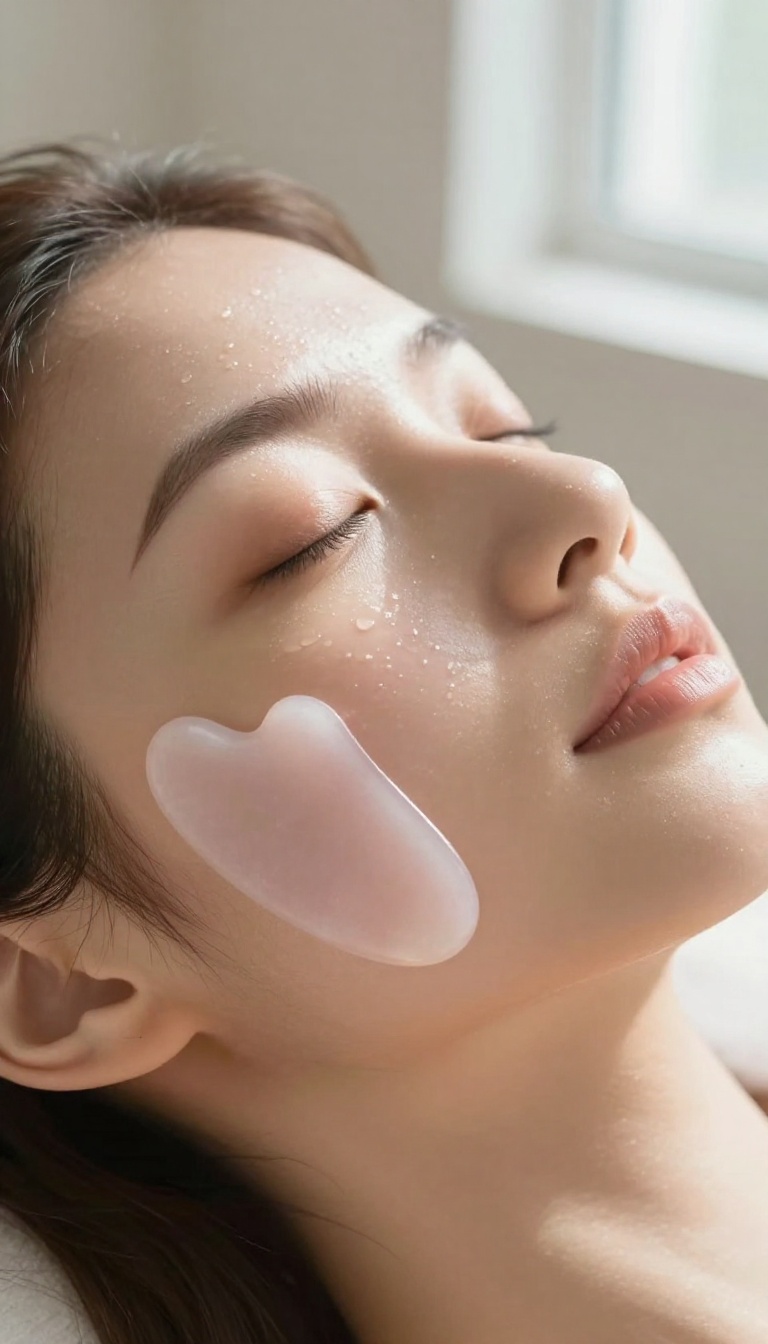
Your face can hold onto tension and puffiness without you even noticing. A quick massage with a face roller or gua sha tool is a five-minute ritual that wakes up your skin and calms your mind. It’s not about fancy techniques—just a few gentle strokes can boost circulation and help your skincare absorb better.
Plus, the cool sensation feels like a mini spa break right at home.
Using a face roller or gua sha regularly can visibly de-puff your face, especially in the morning. The lymphatic drainage helps flush out excess fluid, giving you a more sculpted look. It’s also a mindful moment to slow down and check in with yourself.
Start with clean skin and a few drops of facial oil or serum to let the tool glide smoothly. Use light pressure and always move outward and downward—toward your ears and down your neck—to encourage drainage. Consistency matters more than intensity, so even two minutes a day can make a difference.
Why It Works
The rolling motion reduces puffiness by stimulating lymph flow, which carries away waste and excess water. Gua sha, with its flat edge, can also release muscle tension in your jaw and forehead. Over time, this can lead to a brighter, more relaxed appearance.
How To Use It
Apply a few drops of your favorite facial oil or serum to damp skin. Start at the center of your face and roll outward, following your cheekbones and jawline. For gua sha, hold the tool at a 15-degree angle and gently scrape along the same paths.
Repeat each stroke 3 to 5 times, and don’t forget your neck.
Pick Your Tool
Jade rollers are cooling and great for a gentle massage, while rose quartz adds a touch of self-care. Gua sha tools come in different shapes—choose one that fits your face comfortably. Both are affordable and easy to clean, so you can keep them on your desk or nightstand for a quick pick-me-up.
18. Plan Your Outfit the Night Before
Mornings can feel like a race against the clock, and standing in front of your closet trying to decide what to wear only adds to the rush. By picking your outfit the night before, you eliminate that decision entirely, giving you a head start on a calm, smooth morning. It's a tiny time investment that pays off in saved minutes and reduced stress.
When you plan your outfit ahead, you're not just saving time—you're also making better choices. You can check the weather, consider your day's activities, and even lay out accessories, so everything coordinates without last-minute panic. This simple habit also helps you avoid the frustration of realizing your favorite pants are in the laundry or that your shoes don't match.
Choose A Full Look, Not Just Clothes
Don't stop at picking a shirt and pants. Think about shoes, jewelry, and even a backup layer in case the temperature changes. Hang the complete outfit together in your closet or drape it over a chair, so you can literally grab and go.
Including accessories keeps your look polished and prevents those 'what was I thinking? ' moments.
Check The Forecast And Your Schedule
A quick peek at tomorrow's weather and your calendar can save you from being underdressed for a meeting or overdressed for a casual outing. If you have a workout, lay out your gym clothes separately. If it's a rainy day, set out an umbrella and waterproof shoes.
This foresight makes your morning decisions almost automatic.
Make It A Relaxing Evening Ritual
Turn outfit planning into a wind-down moment. While you're tidying up or listening to music, take two minutes to set out your clothes. It's a small act of self-care that signals your brain the day is done and tomorrow is handled.
Plus, you'll wake up feeling organized and ready to tackle whatever comes your way.
19. Practice Positive Self-Talk
The way you talk to yourself in your head can either lift you up or drag you down. Negative self-talk is a sneaky stressor that many of us don't even notice. By swapping harsh words for kinder ones, you can shift your whole mood and lower your stress levels.
Start by catching those automatic negative thoughts. When you mess up, do you call yourself names or say things like 'I'm so stupid'? That inner critic is often louder than it needs to be.
Instead, try to reframe those thoughts as if you were talking to a friend. You'd never tell a friend they're a failure for making a mistake, so why say it to yourself?
Catch The Negative Loop
Pay attention to the moments when you're being hard on yourself. It might be when you're running late, or when you forget something. Just noticing the pattern is the first step.
Once you're aware, you can gently interrupt it.
Swap In A Kind Phrase
Have a few go-to affirmations ready, like 'I'm doing my best' or 'Mistakes help me learn. ' When the negative thought pops up, replace it with one of these. It feels awkward at first, but with practice, it becomes more natural.
Make It A Daily Habit
Try to start your day with a positive statement about yourself. It could be as simple as 'I am capable' or 'Today is going to be a good day. ' Repeating this each morning sets a supportive tone for the rest of the day.
20. End Your Day with a Digital Sunset

The blue light from screens can trick your brain into thinking it's still daytime, making it harder to fall asleep. A digital sunset is a simple ritual that signals your body it's time to wind down. It’s not about strict rules—just a gentle shift away from glowing rectangles.
Start by setting a timer 30 minutes before you plan to sleep. When it goes off, put your phone on the charger outside the bedroom, or at least face-down. Then replace the screen with something that feels calming: a few pages of a book, a short meditation, or some light stretching.
The goal is to let your mind slow down without the constant buzz of notifications.
Swap The Scroll For A Story
Instead of checking social media or the news, pick up a physical book or an e-reader without a backlight. Reading fiction in particular can help you detach from the day’s worries. If you’re not a reader, try a podcast with a soothing voice, but keep the volume low and the screen off.
Create A Calm Environment
Dim the lights in your bedroom and maybe light a candle or use a salt lamp. This visual cue helps your body produce melatonin naturally. You can also open a window for fresh air or adjust the thermostat to a cooler temperature—both promote better sleep.
Make It A Habit
Consistency is key. Try to do this at the same time every night, even on weekends. After a few days, you’ll notice you fall asleep faster and wake up feeling more refreshed.
It’s a small commitment with a big payoff.
FAQ
How many glow up hacks should I try at once?
Start with one or two that feel easy and manageable. Once they become habits, add more. Trying too many at once can feel overwhelming.
Can these hacks really reduce stress?
Yes. Many of these hacks focus on mindfulness, movement, and organization, which are proven to lower stress levels and improve mood.
Do I need to buy anything for these glow up hacks?
No, most hacks are free or use items you already have. A journal, water, and comfortable shoes are all you need to start.
How long until I see results?
Some benefits, like improved mood and hydration, are immediate. Others, like skin glow and better sleep, may take a few weeks of consistency.
What if I miss a day?
That's okay. Glow up is about progress, not perfection. Just pick up where you left off the next day without guilt.
Conclusion
A glow up doesn't have to mean a full lifestyle overhaul—it's about picking a few small changes that make you feel better right away. Start with one or two hacks that feel effortless, like a 10-minute morning stretch or a quick skincare swap, and let them build momentum.
Before you know it, you'll have a routine that feels fresh, not forced. Choose what fits your day, keep it simple, and let the little wins stack up into a calmer, more confident you.