
We all want skin that feels as good as it looks, but between busy schedules and endless product options, it's easy to fall into a rut. The secret to head-to-toe softness isn't a single miracle product—it's a consistent, thoughtful routine that treats every inch of your body with care.
This guide walks you through 15 practical steps that build on each other, from the shower to the bedroom. You'll learn how to exfoliate without overdoing it, lock in moisture at the right moments, and even give your feet and hands the attention they deserve.
No complicated rituals or expensive treatments required.
1. Start with a Warm, Not Hot, Shower

Your shower sets the tone for everything that follows. It's tempting to turn up the heat, especially after a long day, but that's one of the quickest ways to sabotage your skin's softness. Hot water strips away the natural oils that keep your skin supple, leaving it tight and flaky.
A warm shower is just as effective at cleaning, without the damage.
Warm water opens your pores just enough to wash away dirt and sweat, but it doesn't disrupt your moisture barrier. That barrier is your skin's first line of defense, and when it's intact, your skin holds onto hydration far better. Think of it as the foundation for every lotion and oil you'll apply later.
Why Hot Water Is The Enemy
Hot water feels relaxing, but it's actually a degreaser. It breaks down the lipid barrier that traps moisture, so your skin loses water faster than it can replenish it. Over time, this leads to chronic dryness, flakiness, and even irritation.
If you've been noticing itchy patches after showers, your water temperature might be the culprit.
The Sweet Spot: Lukewarm
Aim for water that feels comfortably warm—just above body temperature, around 98–104°F (37–40°C). It should feel soothing, not scalding. If your skin turns pink, it's too hot.
A quick test: if you can hold your hand under the stream for a full minute without discomfort, you're in the right range.
Quick Shower, Better Skin
Long showers are another moisture thief. The longer you linger, the more water evaporates from your skin, pulling hydration with it. Keep your shower under 10 minutes—just enough time to cleanse, shave, and rinse.
This simple habit makes a huge difference in how soft your skin feels afterward.
2. Use a Gentle, Sulfate-Free Body Wash
Your skin's natural moisture barrier is delicate, and harsh cleansers can strip it away, leaving you tight and flaky. Sulfates, the foaming agents found in many body washes, are often the culprits behind that uncomfortable feeling. Switching to a sulfate-free formula is a simple change that makes a big difference in how your skin feels after every shower.
A good body wash should cleanse without disrupting your skin's protective lipid layer. Sulfate-free options use milder surfactants that lift dirt and sweat without over-drying. They also tend to be more gentle on sensitive skin, reducing the risk of irritation and redness.
When you rinse off, your skin should feel clean but never squeaky or tight.
Why Sulfates Are A Problem
Sulfates like sodium lauryl sulfate (SLS) and sodium laureth sulfate (SLES) are effective at creating foam, but they can be too aggressive for your body. They strip away natural oils, which can lead to dryness, itching, and even eczema flare-ups. If you have sensitive skin, you've probably noticed that some body washes leave you feeling parched right after you towel off.
What To Look For Instead
Scan the ingredient list for gentle alternatives like cocamidopropyl betaine, decyl glucoside, or sodium cocoyl isethionate. These are derived from coconut or other plant sources and clean effectively without the harsh effects. Also, look for added moisturizers like glycerin, aloe vera, or shea butter to give your skin an extra boost of hydration while you wash.
How To Make The Switch
Switching is simple: just swap your current body wash for a sulfate-free option. You might notice less foam, but that doesn't mean it's not working. Give your skin a week or two to adjust, and you'll likely see and feel a difference—less dryness, less irritation, and a softer overall texture.
Pair it with a soft washcloth or loofah to gently exfoliate at the same time.
3. Exfoliate 2-3 Times a Week with a Soft Scrub
Dead skin cells build up quickly, leaving your skin looking dull and feeling rough. Exfoliating a few times a week helps sweep them away, revealing the fresh, soft skin underneath. The trick is to be gentle—over-scrubbing can cause irritation, so a soft scrub or a mild chemical exfoliant is your best bet.
Think of exfoliation as a reset button for your skin. It smooths rough patches, boosts circulation, and helps your moisturizer sink in deeper. With consistent use, you'll notice a visible difference in texture and glow.
Exfoliation is a key step in any body care routine, but it's easy to overdo it. Aim for two to three sessions per week, depending on your skin's sensitivity. Always listen to your skin—if it feels tight or irritated, back off.
Focus on areas that tend to get rough, like elbows, knees, and heels, but don't neglect your torso and arms. Choose a scrub with fine, round particles (like sugar or jojoba beads) to avoid micro-tears. Or, go the chemical route with a lotion containing AHAs or BHAs.
These gently dissolve dead skin without any scrubbing. Whichever you pick, apply it in circular motions on damp skin, then rinse thoroughly.
Pick The Right Scrub
Not all scrubs are created equal. Avoid harsh ingredients like crushed walnut shells or large salt crystals that can cause micro-tears. Instead, look for sugar or coffee grounds, which dissolve as you massage, or opt for a chemical exfoliant with lactic or glycolic acid.
These are often gentler and more even in results.
Master The Technique
Exfoliate on damp, not soaking wet, skin. Apply the scrub with your hands or a soft mitt, using gentle, circular motions. Spend extra time on rough spots, but don't press too hard.
Rinse with warm water and pat your skin dry—never rub—before moving on to moisturizing.
Don't Forget Your Feet
Your feet work hard and deserve extra attention. Use a pumice stone or a foot file on dry skin before showering, or apply a thick scrub and let it sit for a few minutes. Focus on heels and the balls of your feet, then rinse.
Follow up with a rich foot cream to lock in softness.
Follow Up With Moisture
Exfoliating removes the barrier that holds moisture in, so it's crucial to rehydrate immediately. Within a few minutes of stepping out of the shower, apply a body lotion or oil to damp skin. This seals in hydration and leaves you feeling silky, not sticky.
4. Don't Forget Your Back and Shoulders

Your back and shoulders often get ignored in a daily routine, but they're prone to buildup, sweat, and the occasional breakout. The skin here is thicker and can feel rough if neglected. A little extra attention goes a long way toward that all-over softness you're after.
Start by exfoliating your back and shoulders a few times a week. Use a long-handled brush or a back scrubber to reach every spot, especially the middle of your back where it's hardest to reach. This helps slough off dead skin, prevent clogged pores, and smooth out rough patches.
Follow up with a lightweight, non-comedogenic moisturizer to keep the area hydrated without feeling heavy.
Exfoliate With A Back Brush
A long-handled brush with natural bristles is perfect for this. In the shower, gently scrub in circular motions, focusing on the upper back and shoulders where oil and dead skin build up. Do this 2–3 times a week to keep the area smooth and clear.
Cleanse With Salicylic Acid
If you're prone to back breakouts, swap your regular body wash for one containing salicylic acid. It penetrates pores to clear out excess oil and prevents future bumps. Use it a few times a week, and always rinse thoroughly.
Moisturize Without The Grease
Reach for a fast-absorbing lotion or spray that won't clog pores. Look for ingredients like glycerin or hyaluronic acid. Apply right after the shower while your skin is still slightly damp to lock in hydration, and don't forget the shoulder blades.
5. Rinse with Cool Water to Seal in Moisture
That final blast of hot water feels amazing, but it's not doing your skin any favors. Heat opens pores and strips away natural oils, leaving your skin parched before you even step out. A quick cool rinse at the end changes the game—it's like pressing the reset button on your skin.
Cool water helps tighten pores and lock in the moisture you've just added with your cleanser and scrub. It also boosts circulation, which gives your skin a healthy, natural glow. This simple switch takes just a few seconds but makes a noticeable difference in how soft and refreshed you feel all day.
Why Cool Water Works
When you rinse with cool water, the temperature drop causes your blood vessels to constrict, which reduces puffiness and helps your pores appear smaller. More importantly, it helps seal the moisture barrier you've built up during your shower. Hot water opens pores and evaporates quickly, taking hydration with it.
A cool rinse closes things down and keeps that hydration where it belongs—in your skin.
How To Do It Right
You don't need an ice-cold shower to get the benefits. Just turn the dial to lukewarm or slightly cool for the last 30 seconds. Focus on areas that tend to get dry, like your arms, legs, and back.
Move the water over your body quickly, then step out and pat yourself dry with a soft towel. Avoid rubbing, which can irritate skin and undo the good work.
When To Skip It
If you have a condition like eczema or very sensitive skin, a cool rinse might feel uncomfortable. In that case, stick to lukewarm water throughout and rely on a rich moisturizer applied right after showering. Listen to your skin—if it feels tight or irritated, adjust the temperature to what works for you.
6. Pat Dry, Don't Rub
After a warm shower, your skin is at its most vulnerable. The protective barrier is softened, and the top layers are brimming with water. How you dry off in those next few minutes can either seal in that moisture or strip it away.
Rubbing vigorously with a towel creates friction that can cause micro-tears in the skin's surface. This leads to irritation, redness, and even flakiness, especially if you have sensitive skin. Instead, gently pat your skin dry with a clean, soft towel.
This simple switch helps retain the water your skin just absorbed, keeping it hydrated and supple.
Why Rubbing Hurts
The rough back-and-forth motion of rubbing can damage the delicate lipid barrier that holds moisture in. Over time, this can make your skin feel tight, itchy, and more prone to irritation. Patting, on the other hand, is gentle and preserves the natural oils that keep your skin soft.
The Right Way To Pat
Use a clean, dry towel and press it against your skin, then lift. Work from top to bottom, patting rather than wiping. Don't forget areas like your back and legs.
The goal is to leave your skin slightly damp, not bone-dry, so you can lock in moisture with your next step.
When To Apply Moisturizer
The best time to apply lotion or body oil is within three minutes of patting dry. This is when your skin is still slightly damp, allowing the product to absorb more effectively and trap that extra hydration. Patting first sets the stage for a smoother, more effective moisturizing routine.
7. Apply Body Oil While Skin Is Still Damp

The moment you step out of the shower, your skin is like a sponge—ready to soak up anything you put on it. That's why applying body oil right after towel-drying (but while still slightly damp) is a game-changer. The oil locks in the water your skin just absorbed, creating a moisture barrier that lasts all day.
Here’s the simple science: water hydrates, oil seals. When you apply oil to damp skin, it traps that water inside, keeping your skin plump and soft for hours. Plus, a lightweight oil absorbs faster and feels less greasy than slathering it on dry skin.
It’s the easiest way to get that lit-from-within glow without any extra effort.
Why Damp Skin Matters
Your skin’s outer layer is more permeable when wet, so it drinks up the oil more effectively. Dry skin repels oil, leaving a sticky film that doesn’t penetrate. Damp skin, on the other hand, lets the oil sink in quickly, delivering moisture right where it’s needed.
How To Apply It Right
After a shower, pat yourself dry with a towel—don’t rub. You want your skin to be damp, not dripping. Pour a few drops of body oil into your palms, rub them together, and press the oil onto your skin in gentle, sweeping motions.
Focus on drier areas like elbows, knees, and shins, but don’t forget your back and shoulders.
Choosing The Right Oil
Not all oils are created equal. For everyday use, go for lightweight, fast-absorbing options like jojoba, squalane, or grapeseed oil. Heavier oils like coconut or shea butter are better for a night treatment or very dry skin.
Look for oils with added vitamins or antioxidants for extra benefits.
8. Lock It In with a Rich Body Butter or Cream
Oils are great, but they don't always deliver the deep, lasting hydration your skin craves. That's where a rich body butter or cream steps in, acting like a cozy blanket that seals in all the moisture from your previous steps. These thicker formulas are packed with emollients and humectants that work on a deeper level.
They not only soften your skin on the spot but also help maintain that softness throughout the day, so you're not reapplying every few hours.
When you apply a body butter or cream right after your oil, you're essentially locking in all that goodness. The oil creates a barrier, but the butter or cream adds an extra layer of protection and nourishment. This combo is especially effective for dry areas like elbows, knees, and heels.
Don't be afraid to use a generous amount. Your skin will drink it up, and you'll notice the difference in texture and suppleness almost immediately.
Why Butter Beats Lotion
Lotions are mostly water, so they evaporate quickly and don't offer long-term hydration. Body butters and creams have a higher oil content, which means they stay on your skin longer and provide a more intense moisturizing effect. If you have dry or mature skin, butters are your best friend.
Key Ingredients To Look For
Shea butter is a classic for a reason—it's rich in vitamins and fatty acids. Ceramides help restore your skin's natural barrier, while hyaluronic acid draws moisture in. Look for products that list these ingredients near the top, and avoid anything with heavy fragrances if you have sensitive skin.
How To Apply For Best Results
Warm a small amount between your palms before smoothing it over your body. Use upward strokes to encourage circulation and focus on dry patches. Give it a few minutes to absorb before getting dressed, so you don't feel sticky or transfer product onto your clothes.
9. Give Extra Attention to Dry Zones (Elbows, Knees, Heels)
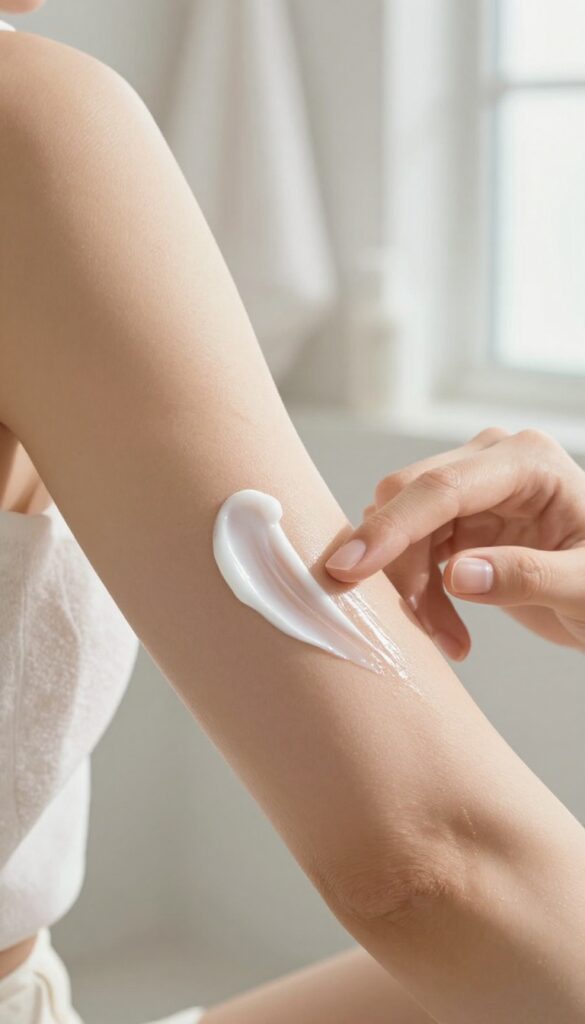
Your elbows, knees, and heels work hard every day, and their skin is thicker and more prone to dryness. They don't get the same oil flow as the rest of your body, so they need a little extra love. A dedicated balm or heavy cream can make a huge difference in how smooth and comfortable these spots feel.
Why These Areas Need More
The skin on your elbows, knees, and heels is naturally thicker and has fewer oil glands. That means it loses moisture faster and can feel rough or cracked if ignored. Friction from clothing, walking, and daily movement only adds to the problem, so these zones often need a richer product than your regular body lotion.
Pick The Right Product
Look for a balm or cream with ingredients like shea butter, urea, or ceramides. These help soften thick skin and lock in moisture for longer. Avoid watery lotions that evaporate quickly—you want something that feels substantial and stays put.
A little goes a long way, so start with a small amount and add more if needed.
How To Apply For Best Results
Apply right after your shower when skin is still slightly damp. Massage the product in with circular motions to boost circulation and help it absorb. For heels, focus on the rough edges and don't forget the sides of your feet.
For elbows and knees, bend your joint slightly so the skin isn't stretched—this lets the product reach every crease.
Make It A Habit
Consistency matters more than intensity. A quick dab of balm every night, even on non-shower days, keeps these areas from drying out again. Keep a small tube in your bag or by your bed as a reminder.
Within a week or two, you'll notice softer, smoother skin that feels as good as it looks.
10. Use a Hydrating Face Mask Once a Week
Your face works hard every day, facing sun, wind, and whatever else comes its way. A weekly hydrating mask is a simple way to give it a concentrated dose of moisture that your regular moisturizer can't always provide. Think of it as a mini spa treatment at home.
It's not about luxury—it's about keeping your skin barrier strong and your complexion looking fresh and dewy.
A hydrating mask can make a real difference, especially if your skin feels tight or looks dull. It's a quick, effective way to boost moisture levels and keep your face feeling soft and supple. Here's how to get the most out of your weekly mask session.
Choose The Right Mask For Your Skin
Not all hydrating masks are the same. Look for ingredients like hyaluronic acid, glycerin, or aloe vera, which draw water into the skin. If you have sensitive skin, avoid masks with heavy fragrances or alcohol.
Gel-based masks are great for oily skin, while cream masks work better for dry or mature skin.
Apply On Clean, Damp Skin
For best results, apply your mask right after cleansing, while your skin is still slightly damp. This helps lock in extra moisture. Use a clean brush or your fingertips to spread an even layer, avoiding the eye area unless the mask is specifically designed for that zone.
Follow Up With Moisturizer
After rinsing off the mask (or leaving it on if it's a sleeping mask), don't skip your regular moisturizer. This seals in the hydration and keeps your skin soft until morning. For an extra boost, gently pat your skin with your palms before applying moisturizer to help it absorb better.
11. Don't Skip Hand Cream After Every Wash
Your hands take a beating every single day—constant washing, sanitizing, and exposure to the elements. That's why they often show signs of dryness and aging before the rest of your body. The fix is simple: keep hand cream within arm's reach and make it a habit to apply after every wash.
The skin on your hands is thinner and has fewer oil glands than the rest of your body, making it more susceptible to moisture loss. Every time you wash with soap, you strip away natural oils. If you don't replenish them, you end up with tight, flaky, and eventually cracked skin.
A quick dab of hand cream after each wash locks in hydration and keeps your hands soft and comfortable.
Why Hands Dry Out So Fast
Frequent hand washing is essential, but it's also the number one culprit behind dry hands. Soap removes the protective lipid barrier, and water evaporates from the skin's surface, leaving it parched. Add cold weather or air conditioning, and you've got a recipe for rough, cracked hands.
Pick A Cream You'll Actually Use
The best hand cream is one you enjoy using—so it becomes a habit. Choose a formula that absorbs quickly without leaving a greasy residue, especially if you're applying it on the go. Look for ingredients like shea butter, glycerin, or ceramides.
Keep travel-sized tubes in your bag, by the sink, and on your desk.
Make It A Habit, Not A Chore
Pair the habit with something you already do. Apply hand cream right after you wash your hands, just like you'd put on lotion after a shower. Before long, it'll feel weird to skip it.
A few seconds of effort now saves you from painful cracks later.
12. Treat Your Feet with a Pumice Stone and Rich Foot Cream
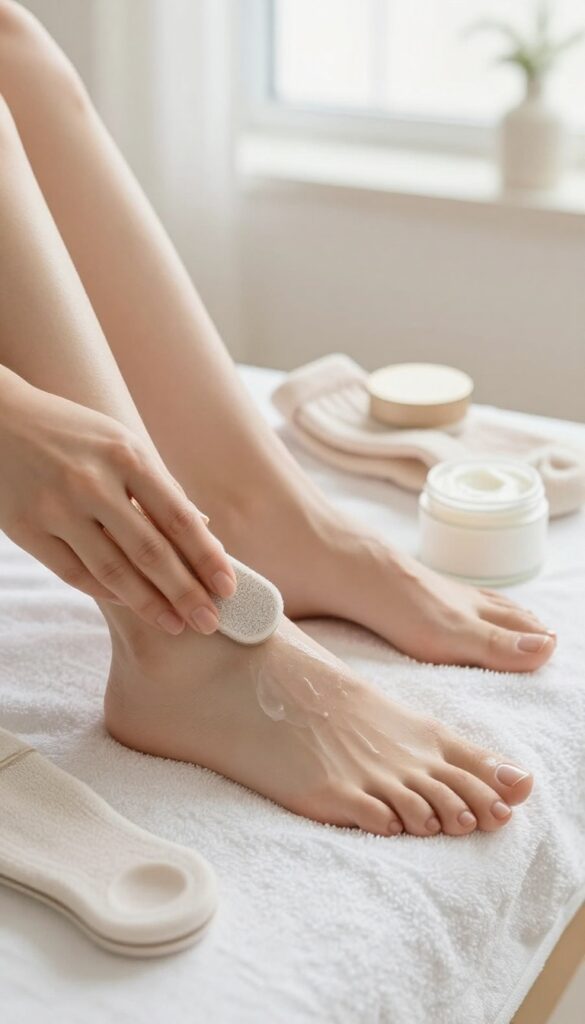
Your feet carry you all day, yet they often get the least attention in your routine. Calluses and rough patches can build up quickly, especially on heels and balls of the feet. A few minutes of care can keep them smooth and ready for sandals or cozy socks.
Start by softening your feet in warm water for about 10 minutes—this makes buffing easier and gentler on your skin. Then, gently glide a pumice stone over damp skin in circular motions, focusing on rough areas. Avoid pressing too hard; let the stone do the work.
After drying, slather on a rich foot cream containing shea butter or urea, and put on cotton socks to lock in moisture overnight.
Soften Before You Buff
A quick soak in warm water softens calluses so they come off more easily. Add a few drops of mild soap or Epsom salt for extra relaxation. Keep the soak short—overdoing it can strip natural oils.
The Right Way To Use A Pumice Stone
Use short, gentle strokes on wet skin, focusing on heels and balls of feet. Rinse the stone often to remove dead skin. Never use it on broken or irritated skin, and don't forget to sanitize your stone regularly.
Lock In Moisture With A Rich Cream
Choose a foot cream with ingredients like shea butter, glycerin, or urea for deep hydration. Apply generously, massaging upward toward the ankle. For an extra boost, wear cotton socks overnight to help the cream absorb and prevent transfer to sheets.
13. Incorporate a Weekly Hair Mask or Scalp Treatment
Your hair and scalp work hard, and they deserve a little extra TLC beyond your daily shampoo and conditioner. A weekly mask or scalp treatment can restore moisture, boost shine, and keep everything feeling soft and healthy. It’s a simple step that makes a noticeable difference in how your hair looks and feels.
Think of a hair mask as a deep-conditioning session for your strands, while a scalp treatment targets the skin underneath. Together, they address dryness, dullness, and buildup, leaving your hair touchably soft from root to tip. Plus, taking 10-15 minutes once a week to pamper yourself is a nice little ritual.
Pick The Right Mask For Your Hair Type
Not all masks are created equal. If your hair is dry or damaged, look for ingredients like shea butter, argan oil, or keratin to rebuild moisture. For fine or oily hair, choose a lighter formula with aloe vera or jojoba oil to avoid weighing it down.
Match the mask to your needs, and apply it generously from mid-length to ends, avoiding the roots unless it’s specifically for scalp use.
Give Your Scalp Some Love
A healthy scalp is the foundation for soft, shiny hair. Once a week, massage a few drops of a nourishing scalp oil (like tea tree, peppermint, or jojoba) into your scalp before washing. This boosts circulation, helps balance oil production, and can reduce flakiness.
Leave it on for 15-20 minutes, then shampoo as usual. You’ll notice your hair feels lighter and your scalp feels refreshed.
Make It A Mini Spa Ritual
Turn your weekly treatment into a relaxing moment. Apply the mask, wrap your hair in a warm towel or shower cap, and let it sit while you take a bath or do a face mask. The warmth helps the ingredients penetrate deeper.
Rinse with cool water to seal the cuticle and add extra shine. Your hair will thank you, and you’ll feel like you’ve had a mini spa day at home.
14. Stay Hydrated and Eat Skin-Friendly Foods
Your skin is a reflection of what you put into your body, not just what you apply on top. If you're drinking enough water and fueling yourself with the right nutrients, you'll notice a difference in how soft and supple your skin feels all over. Hydration and diet work together to support your skin's natural moisture barrier and elasticity.
One of the simplest ways to boost your skin's softness is to make sure you're drinking enough water throughout the day. Aim for at least eight glasses, and adjust based on your activity level and climate. Pair that with foods rich in omega-3 fatty acids, like salmon and walnuts, which help keep your skin's lipid barrier strong.
Antioxidant-packed berries and leafy greens fight free radicals that can make skin look dull and dry.
Why Water Matters For Your Skin
Water helps maintain your skin's elasticity and flushes out toxins that can contribute to dryness. When you're dehydrated, your skin can look tired and feel rough. Keep a reusable bottle handy and sip throughout the day—your skin will thank you.
Omega-3s And Healthy Fats
Omega-3 fatty acids are like a moisturizer from the inside. They support the skin's natural oil barrier, keeping it flexible and less prone to cracking. Add fatty fish, chia seeds, or flaxseeds to your meals a few times a week for a noticeable difference.
Vitamins And Antioxidants For A Glow
Vitamins A, C, and E are your skin's best friends. They help repair damaged cells, boost collagen production, and protect against environmental stressors. Snack on citrus fruits, almonds, and sweet potatoes to give your skin the nutrients it craves.
15. Wear Sunscreen Daily to Prevent Premature Aging
Here's a step you might be tempted to skip, especially on cloudy days or when you're just running errands. But daily sunscreen is one of the most powerful tools you have for keeping your skin soft and youthful from head to toe. UV rays don't take a day off, and they're a major cause of rough, uneven texture and fine lines.
Think of sunscreen as your skin's daily shield. It's not just for the beach—it's for every commute, every walk, and every time you sit by a window. Making it a non-negotiable part of your morning routine is simpler than you think, and your future skin will thank you.
Sun damage is sneaky. It builds up over time, breaking down collagen and elastin, which are the proteins that keep your skin plump and smooth. The result?
Dryness, sagging, and a rough, leathery feel. By applying sunscreen every day, you're not just preventing burns—you're preserving that soft, supple quality that makes skin feel amazing to the touch. The best part?
You don't need a heavy, greasy formula. Modern sunscreens come in lightweight, fast-absorbing textures that feel like nothing at all. You can find options for your face, body, and even your lips, so you can protect every inch without any discomfort.
Make it easy by pairing sunscreen with another habit, like brushing your teeth. Keep a bottle by the door for last-minute touch-ups. Once it becomes automatic, you'll never leave home without it.
Pick A Broad-spectrum Spf 30 Or Higher
Not all sunscreens are created equal. Look for a broad-spectrum formula that shields you from both UVA and UVB rays—UVA ages you, UVB burns you. SPF 30 is the sweet spot for daily wear, but if you're spending extended time outdoors, go higher.
And don't forget your neck, chest, and hands; they show age just as much as your face.
Apply Generously And Reapply
Most people apply only a fraction of the recommended amount. For your face, that's about a nickel-sized dollop; for your body, a shot glass full. And sunscreen wears off over time, especially with sweat or towel drying.
If you're out and about, reapply every two hours. For workdays, a midday touch-up on exposed areas is a good habit.
Make It A Morning Habit
The easiest way to remember sunscreen is to link it to something you already do. Apply it right after your moisturizer, before you get dressed. Keep a travel-size bottle in your bag for quick top-ups.
Once it's part of your routine, it takes less than a minute—and it's a minute that pays off for decades.
FAQ
How often should I exfoliate my body?
Aim for 2-3 times a week. Over-exfoliating can irritate your skin, so listen to your skin and adjust if you notice redness or sensitivity.
Should I use body oil or body lotion?
Both are great. For best results, apply body oil on damp skin to lock in moisture, then follow with a lotion or cream to seal it in.
Can I use the same moisturizer on my face and body?
It's best to use separate products. Facial moisturizers are formulated for delicate skin, while body creams are thicker and may clog facial pores.
What's the best way to soften rough feet?
Soak your feet in warm water, gently buff with a pumice stone, then apply a rich foot cream. Wearing cotton socks overnight helps lock in moisture.
How long does it take to see results from a body care routine?
With consistent care, you may notice softer skin within a week. For deeper changes, give it 2-4 weeks to see significant improvement.
Conclusion
Once you weave these steps into your daily rhythm, soft skin stops feeling like a chore and starts feeling like self-care. Even picking two or three favorites can make a noticeable difference in how your body looks and feels.
Start small, stay consistent, and let your skin remind you why it’s worth the effort. Your future self—and your morning mirror—will thank you.