
You know the drill: you shave your chest, legs, or back, and within hours, your skin feels like a battlefield. Razor burn, bumps, and that annoying itch can turn a simple grooming task into a painful chore.
But it doesn't have to be that way. A few smart tweaks to your routine can make a world of difference.
Whether you're a seasoned pro or just starting to trim below the neck, these tips will help you get a close, comfortable shave without the aftermath. Let's dive into the 17 body shaving routine tips that will leave your skin feeling smooth and looking calm.
1. Soften Your Skin with a Warm Shower
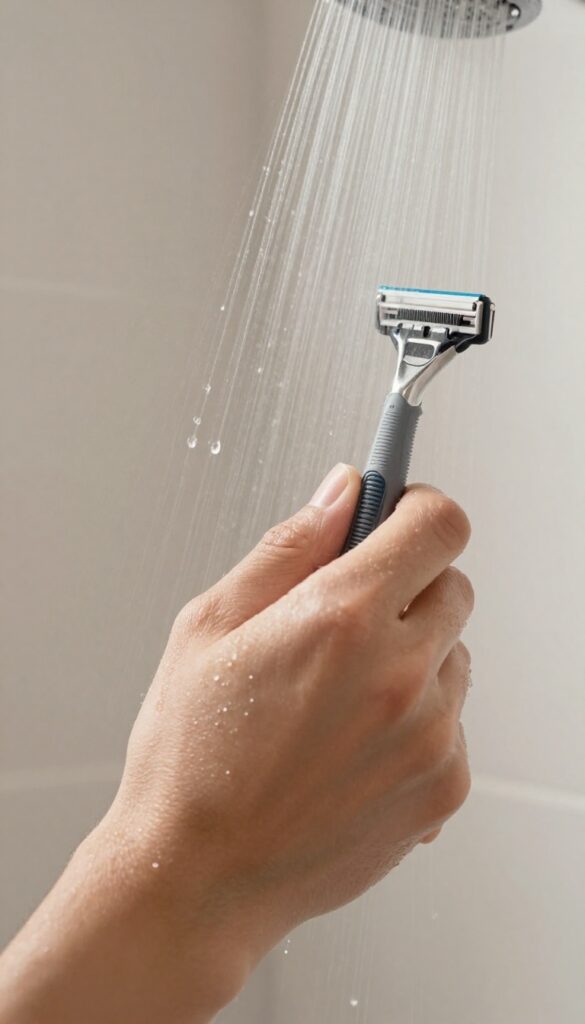
Jumping straight into shaving without prepping your skin is like trying to cut through a dry sponge—it’s rough, uneven, and leaves a mess. A warm shower does more than just wake you up; it softens your hair and opens up your pores, which makes the razor glide smoothly and reduces the chance of irritation. This simple step is the foundation for a comfortable shave.
When you step into a warm shower, the heat works its magic on your body. The warm water softens the keratin in your hair, making it easier to cut, and it also relaxes your skin and opens up your pores. This means your razor can get closer to the surface without tugging or pulling, which cuts down on razor burn and ingrown hairs.
Plus, the steam helps hydrate your skin, leaving it feeling supple and calm after you’re done.
Why Warm Water Works
Warm water, not hot, is key. Hot water can strip away your skin’s natural oils, leaving it dry and irritated. Aim for a temperature that’s comfortable to the touch—like a warm bath, not a hot tub.
The warmth relaxes the hair follicles and softens the hair shaft, so each stroke of the razor feels smooth and effortless. If you’re in a hurry, you can also hold a warm, damp towel on the area for a few minutes to get the same effect.
The Ideal Shaving Window
The best time to shave is at the end of your shower, after you’ve let the water run over your skin for at least five minutes. This gives the heat time to work its magic. If you shave at the start, your hair is still stiff and your pores are tight, which can lead to nicks and irritation.
So, let the water do its job, then shave as the last step before you step out.
Don’t Overdo The Exfoliation
While it’s tempting to scrub away dead skin before shaving, going overboard can actually backfire. Exfoliating too hard or too often can make your skin sensitive and prone to razor burn. A gentle scrub with a loofah or a mild body scrub a couple of times a week is plenty.
On shave days, just let the warm water and your cleanser do the work—your skin will be soft and ready without the extra irritation.
2. Exfoliate Before You Even Pick Up a Razor
Exfoliating might seem like an extra step, but it's the secret to a smoother shave. It removes dead skin cells that can clog your razor and cause tugging, and it helps lift ingrown hairs so they don't get trapped. Do it the day before, not right before shaving, to give your skin time to recover.
Think of exfoliation as prepping the canvas. It clears away the gunk so your razor can glide effortlessly, reducing irritation and giving you a closer shave. Plus, it helps prevent those pesky ingrown hairs that show up days later, leaving you with calmer, smoother skin.
Why 24 Hours Makes A Difference
Exfoliating right before shaving can leave your skin raw and sensitive, especially if you're using a physical scrub. Giving it a full day lets your skin's natural barrier recover, so you're not shaving over micro-tears. This means less sting and a more comfortable shave overall.
Pick The Right Exfoliator For Your Body
Your face isn't the same as your legs or chest, so don't use a harsh facial scrub on your body. A gentle body scrub with fine granules works well, or you can use a chemical exfoliant with AHAs or BHAs if your skin is sensitive. Just avoid anything too abrasive—your skin should feel smooth, not raw.
Focus On The Trouble Zones
Pay extra attention to areas prone to ingrown hairs, like the bikini line, underarms, and the back of your thighs. These spots benefit from a bit more exfoliation, but don't overdo it. A few gentle circular motions are enough to lift dead skin without irritating the area.
3. Choose the Right Razor for the Job
Your razor is the workhorse of your routine, and picking the wrong one can sabotage your skin before you even start. A dull or flimsy blade tugs at hair, causing micro-tears and irritation. The right razor, though, glides smoothly, reducing friction and leaving your skin calm.
Multi-blade Vs. Single-blade
Multi-blade razors (like 3 or 5 blades) are great for larger areas like legs or chest because they lift hair and cut it cleanly with less passes. Single-blade razors are better for precision areas like the bikini line or underarms, where you want more control and less chance of nicking. For most body shaving, a multi-blade razor is your best bet.
Look For A Flexible Head
A razor with a pivoting or flexible head hugs the contours of your body—knees, ankles, shoulders—so you don’t have to press hard. Pressing too hard is a common cause of razor burn. A flexible head does the work for you, making the shave smoother and safer.
Don’t Skimp On Quality
Invest in a razor from a trusted brand, even if it costs a bit more. Cheap razors often have blades that dull fast and handles that slip when wet. A good razor will last longer and give you a more comfortable shave, so you’re actually saving money in the long run by avoiding irritation products.
4. Swap Your Shaving Cream for a Thick Gel
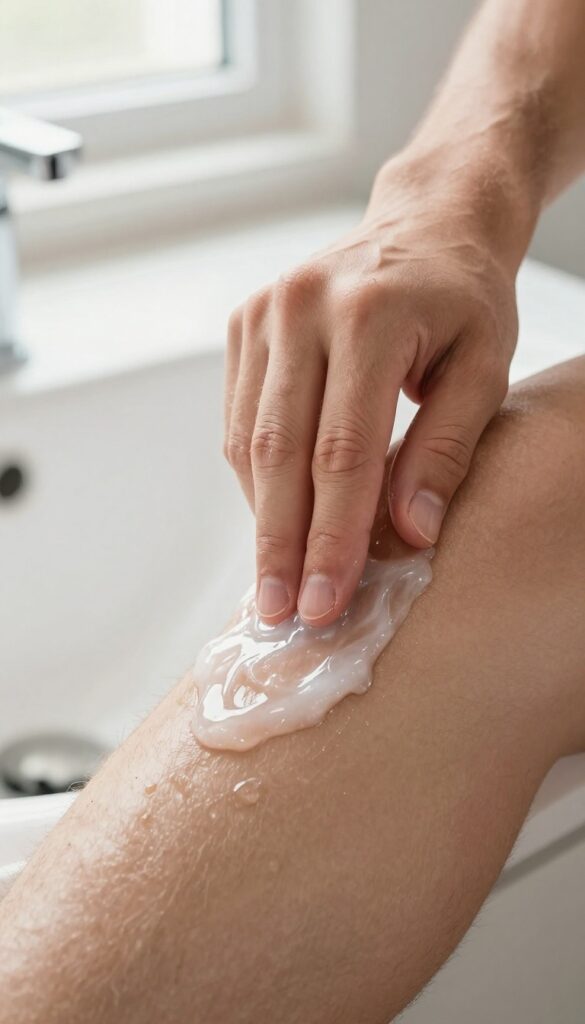
Most shaving creams and foams are mostly air. They look like they're giving you coverage, but they barely lubricate the skin. A thick gel, on the other hand, stays put and creates a real cushion between the blade and your skin.
This is especially important for body shaving, where you're covering larger areas and dealing with curves and angles. A gel that doesn't dry out or slide off means fewer nicks, less irritation, and a smoother result.
Thick shaving gels are formulated with more moisturizers and lubricants than foams or soaps. They cling to the skin, so you don't have to reapply as often. They also let you see the area you're shaving, which helps you avoid missing spots or going over the same area twice.
For sensitive areas like the bikini line or underarms, a gel with soothing ingredients like aloe or chamomile can make a big difference. It reduces friction and helps prevent razor burn before it starts.
Why Foam And Soap Fall Short
Foam is mostly air, so it doesn't provide much glide. Soap can dry out your skin, making it more prone to irritation. Neither offers the protection your skin needs, especially on larger body surfaces.
How To Pick The Right Gel
Look for a gel that's clear or translucent, so you can see where you're shaving. Check the ingredients for moisturizers like glycerin, aloe, or shea butter. Avoid gels with heavy fragrances or alcohol, which can sting and dry out skin.
Application Tips For Best Results
Apply a generous layer to damp skin and let it sit for a minute. This softens the hair and gives the gel time to work. You don't need a thick coat—just enough to cover the area evenly.
Reapply if the gel starts to dry out.
5. Shave in the Direction of Hair Growth
Here's a rule that sounds counterintuitive if you're chasing a baby-smooth finish: go with the grain, not against it. Shaving in the direction your hair grows reduces friction and irritation, which means fewer razor burns and ingrown hairs. It's the gentlest way to get the job done, and your skin will thank you later.
When you shave against the grain, you're tugging at the hair follicle and cutting the hair at a sharper angle, which can lead to irritation and those dreaded red bumps. Shaving with the grain keeps the razor gliding smoothly, minimizing trauma to your skin. If you need a closer shave, that's fine—just do a second pass against the grain after you've already gone with it once.
This two-step approach gives you the smoothness you want without the aftermath.
How To Find Your Grain
The direction your hair grows isn't always obvious, especially on tricky areas like the back of your thighs or your chest. A quick trick: run your hand over the area—if it feels smooth, you're going with the grain; if it feels rough, you're against it. Take a moment to map out the patterns so you know which way to shave.
When To Go Against The Grain
Going against the grain isn't always a no-no. If you have coarse hair or want that extra-smooth feel, a second pass against the grain can be safe—as long as you've prepped well and use a sharp razor. Just keep it to one extra pass, and don't overdo it on sensitive spots like the bikini line or underarms.
Listen To Your Skin
Your skin will tell you if you're being too aggressive. If you notice redness, bumps, or a burning sensation, you're probably shaving against the grain too much. Ease up, switch to with-the-grain only, and let your skin recover before trying again.
6. Don't Press Down – Let the Razor Do the Work
A heavy hand is a common culprit behind razor burn and nicks. When you press the razor into your skin, you're not just cutting hair—you're scraping away the top layer of skin, which leads to irritation and redness. Instead, hold the razor lightly and let its weight do the cutting.
Glide it over your skin with minimal pressure, and you'll get a close shave without the damage. It takes a little practice, but your skin will thank you.
Pressing down might feel like you're getting a closer shave, but it actually causes the blade to dig into your skin, increasing the risk of cuts and irritation. The razor is designed to cut hair at the surface level, not to be forced into the skin. When you apply pressure, you also compress the skin, which can cause the hair to retract, making it harder to cut and leading to a less smooth result.
Light strokes allow the blade to glide smoothly, cutting hair cleanly without tugging or pulling.
The Right Grip
Hold the razor by the handle, not the head, and use a relaxed grip. Your fingers should be loose, not clenched. This helps you maintain a light touch and prevents you from instinctively pressing down.
Short, Slow Strokes
Use short, slow strokes rather than long, sweeping ones. This gives you more control and reduces the temptation to press harder. Let the razor move at its own pace, and don't rush.
Rinse And Repeat
Rinse the razor after every stroke to keep the blade clean and sharp. A clogged razor requires more pressure to cut, which defeats the purpose. Keep the blade free of hair and shaving cream for a smooth glide.
7. Rinse the Blade After Every Stroke
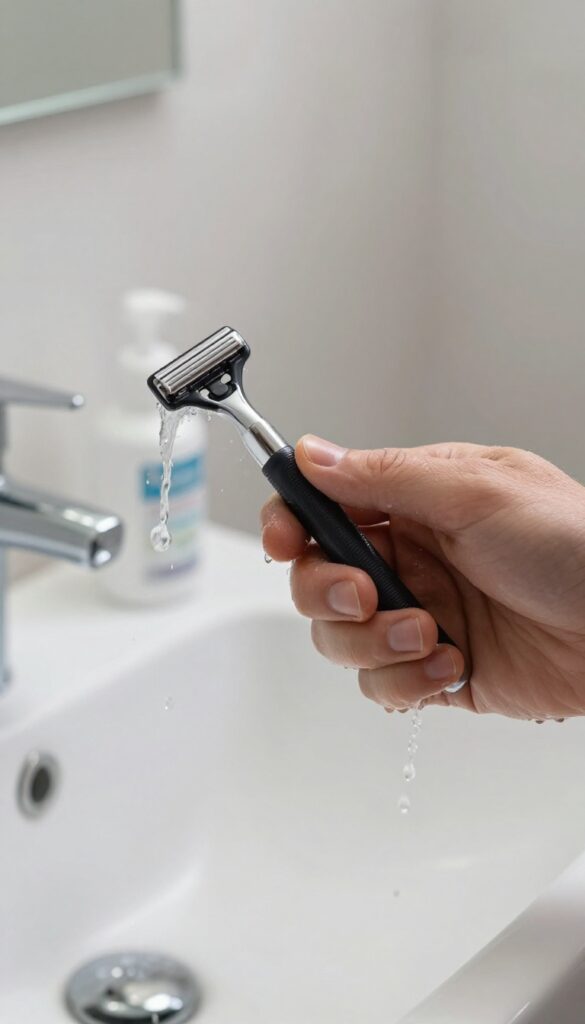
A quick rinse might not seem like a big deal, but it makes a huge difference in how your shave feels. When hair and cream build up between the blades, the razor starts to drag and pull instead of gliding smoothly. That tugging is what leads to nicks, irritation, and an uneven result.
Getting into the habit of running the razor under water after each pass keeps the blades clean and sharp. It also helps you see exactly where you've already shaved, so you don't go over the same spot twice and irritate your skin.
Rinsing the blade after every stroke is a simple habit that pays off in smoother, more comfortable shaves. It prevents buildup, reduces friction, and helps you avoid common problems like razor burn and ingrown hairs.
Why It Matters
When you shave, tiny hairs, shaving cream, and dead skin cells get trapped between the blades. If you don't rinse them away, the razor becomes clogged and less effective. The blade can't cut cleanly, so it pulls at the hair instead.
That pulling irritates the skin and increases the chance of cuts and bumps.
The Right Way To Rinse
Use warm water and give the razor a good shake or swipe under the stream. You don't need to scrub it—just a quick rinse is enough to clear out the gunk. If you're shaving in the shower, let the water flow over the blades for a second.
For dry shaves, keep a cup of water nearby and dip the razor between strokes.
When To Replace Your Razor
Rinsing helps extend the life of your razor, but it doesn't last forever. If you notice the blades are dull, rusty, or still tugging even after a thorough rinse, it's time for a fresh one. A good rule is to swap out your razor every 5 to 10 shaves, depending on how coarse your hair is.
8. Stretch the Skin for a Smoother Surface
When you shave over loose, wrinkled skin, the blade can catch and skip, leading to nicks and an uneven cut. By stretching the area you're working on, you create a flat, taut surface that lets the razor glide smoothly. This simple technique is a game-changer for tricky spots like knees, ankles, and underarms.
Stretching the skin isn't just for barbers—it's a pro trick you can use at home. It minimizes the risk of cuts and ensures every hair is trimmed evenly. Here's how to do it right.
Why Stretching Matters
Tight skin gives the blade a consistent surface to follow. When skin is loose, it can bunch up in front of the razor, causing it to catch and potentially cut you. Stretching also helps the razor glide over contours like knees and elbows, reducing the chance of missing spots or applying uneven pressure.
How To Stretch Different Areas
For legs, use your free hand to pull the skin upward or to the side. On knees, bend slightly to naturally tighten the skin, then hold it with your fingers. For underarms, raise your arm overhead and use your other hand to stretch the skin around the area.
Always stretch in the direction opposite to your shave stroke for maximum tautness.
Combine With The Right Technique
Stretching works best when paired with a sharp razor and light pressure. Don't pull too hard—just enough to create a smooth surface. Use short, controlled strokes, and rinse the blade often to keep it gliding.
This combo will give you a close shave without the irritation.
9. Take Your Time – Slow and Steady Wins
Rushing through a shave is like speed-reading a recipe – you're bound to miss something important. When you hurry, you're more likely to press too hard, skip spots, or nick yourself on awkward angles. Slowing down isn't just about being careful; it's about giving your skin the respect it deserves.
A relaxed pace lets you feel the blade's path and adjust your pressure and angle as needed. It also helps you cover every area thoroughly, so you don't have to go back for touch-ups that irritate the skin. Think of shaving as a mindful ritual rather than a chore – your skin will thank you.
The Cost Of Rushing
When you're in a hurry, you tend to use more pressure to compensate for speed, which increases the risk of razor burn and cuts. You might also miss spots, leading to uneven results that tempt you to re-shave dry skin – a recipe for irritation. Slowing down prevents these common pitfalls.
Tricky Zones Deserve Extra Patience
Areas like knees, ankles, and underarms have curves and contours that require careful maneuvering. Going slow lets you stretch the skin gently and guide the razor smoothly over these uneven surfaces. A little extra time here means fewer nicks and a closer, more even shave.
Build A Steady Rhythm
Find a pace that feels controlled and consistent. Use short, light strokes and rinse the blade often. This rhythm not only improves the quality of your shave but also makes the process more relaxing.
You'll soon find that a mindful shave becomes a calming part of your routine.
10. Rinse with Cool Water to Soothe the Skin
The temperature of your final rinse might not seem like a big deal, but it can be the difference between a calm, comfortable shave and one that leaves you red and irritated. After all the work you've put into prepping and shaving, a cool rinse is the perfect way to signal to your skin that the ordeal is over. Cold water helps constrict blood vessels, which reduces redness and inflammation.
It also helps close the pores, making it harder for dirt and bacteria to sneak in and cause breakouts or bumps. Think of it as a reset button for your skin.
Once you've finished shaving, switch the water to cool (not ice-cold) and rinse the shaved area thoroughly. Let the water run over your skin for a few seconds, making sure you've washed away all the shaving cream and any loose hairs. This step not only calms the skin but also helps remove any residual product that could clog pores.
After the rinse, gently pat your skin dry with a clean towel—no rubbing, as that can cause friction and irritation.
Why Cool Water Works
Warm water opens up your pores and softens the hair, which is great for the shave itself. But after you're done, you want to reverse that effect. Cool water tightens the skin and pores, which helps lock in moisture and keeps irritants out.
It also numbs the area slightly, providing immediate relief from any razor burn or sensitivity.
How To Do It Right
Don't just splash a little cold water on—make sure the water actually reaches the skin. If you're in the shower, turn the temperature down for the final rinse. If you're at the sink, cup some cool water and pour it over the shaved area, or use a clean washcloth soaked in cool water and press it gently against your skin for a few seconds.
Just avoid using ice directly, as it can be too harsh and cause further irritation.
When To Skip It
If you have very sensitive skin or are prone to conditions like eczema, extreme cold might not be your best friend. In that case, use lukewarm water instead. The goal is to soothe, not shock.
Listen to your skin—if cool water feels uncomfortable, stick with tepid and move on to moisturizing.
11. Pat Dry – Don't Rub

How you dry your skin after a shave matters more than you'd think. A rough towel rub can undo all the care you just put in, leaving your skin angry and inflamed. The fix is simple: pat, don't rub.
After shaving, your skin is at its most vulnerable. The top layer is freshly exfoliated, and the hair follicles are open. Rubbing with a towel creates friction that can irritate the skin, cause micro-tears, and even lead to ingrown hairs.
Patting gently minimizes this trauma and helps your skin stay calm.
Use A Clean, Soft Towel
Reach for a fresh, soft towel that won't feel scratchy against your skin. Old, rough towels can be abrasive, even when patting. A clean towel also avoids transferring bacteria to freshly shaved areas, which helps prevent breakouts or irritation.
Let It Air-dry First
Instead of reaching for a towel right away, let your skin air-dry for a minute or two. This gives your skin a moment to recover and reduces the need for any rubbing. You'll still want to pat off excess water, but air-drying first makes the process gentler.
Follow With Moisturizer While Damp
Once you've patted dry, apply a soothing moisturizer or aftershave balm while your skin is still slightly damp. This locks in hydration and creates a protective barrier. The dampness helps the product absorb better, so your skin stays smooth and calm longer.
12. Apply a Fragrance-Free Moisturizer
Your skin has just been through a lot, and the right moisturizer is like a soothing hug after a long day. It locks in hydration, calms any lingering irritation, and creates a protective barrier that keeps your skin feeling smooth and looking calm. But not all lotions are created equal—especially when your skin is freshly shaved and extra sensitive.
Reach for a fragrance-free moisturizer right after you pat your skin dry. Fragrances, even natural ones, can sting or trigger a reaction on freshly shaved skin. A simple, gentle formula with ingredients like aloe vera, shea butter, or ceramides will do the job without any drama.
Apply it while your skin is still slightly damp to trap in that extra moisture and help your skin absorb the product better.
Why Fragrance-free Wins
That fresh scent might smell nice, but it's often a mix of chemicals that can irritate freshly shaved skin. Fragrance-free doesn't mean boring—it means you're skipping a potential irritant. Your skin's top layer is more vulnerable right after shaving, so keeping things simple is the smartest move.
How To Apply For Best Results
Use a generous amount but don't go overboard. Massage it in gently with upward strokes, and pay extra attention to areas that tend to dry out, like your knees or elbows. If you're shaving your legs, start from your ankles and work your way up—it helps with circulation and feels amazing.
When To Moisturize
The best time is within a few minutes after shaving, while your pores are still open and your skin is still slightly damp. This locks in hydration and creates a protective layer that keeps your skin calm all day. If you wait too long, your skin might start to dry out and feel tight.
Extra Tips For Sensitive Skin
If you're prone to razor burn or redness, look for a moisturizer with soothing ingredients like oat extract or chamomile. You can also keep your moisturizer in the fridge for a cooling effect that feels incredible on freshly shaved skin. Just make sure it's fragrance-free and gentle enough for your face if you're shaving there too.
13. Use an Aftershave Balm for Extra Calm
Your skin has just been through a lot, and the right aftershave balm is like a soothing hug after a long day. Many guys skip this step, but it's a game-changer if you're prone to redness or razor burn. A good balm calms the skin, reduces irritation, and helps it recover faster.
Aftershave balms are different from splashes or lotions. They're typically alcohol-free and packed with skin-soothing ingredients that help reduce inflammation and hydrate. Applying a balm right after shaving can make a huge difference in how your skin feels for the rest of the day.
Why Alcohol-free Matters
Alcohol-based aftershaves might feel refreshing, but they can dry out your skin and worsen irritation. Alcohol strips away natural oils, leaving your skin tight and more prone to redness. An alcohol-free balm, on the other hand, locks in moisture and calms the skin without that stinging sensation.
Key Ingredients To Look For
Look for balms with aloe vera, chamomile, or calendula. These ingredients are known for their anti-inflammatory properties and help soothe sensitive skin. Other great additions include shea butter, glycerin, or hyaluronic acid to keep your skin hydrated and soft.
How To Apply For Best Results
After you've dried off, take a small amount of balm and warm it between your palms. Then gently press it onto the shaved area, rather than rubbing it in aggressively. This helps the balm absorb better and avoids further irritating your skin.
Let it sit for a minute before getting dressed.
14. Skip Shaving the Same Spot Twice
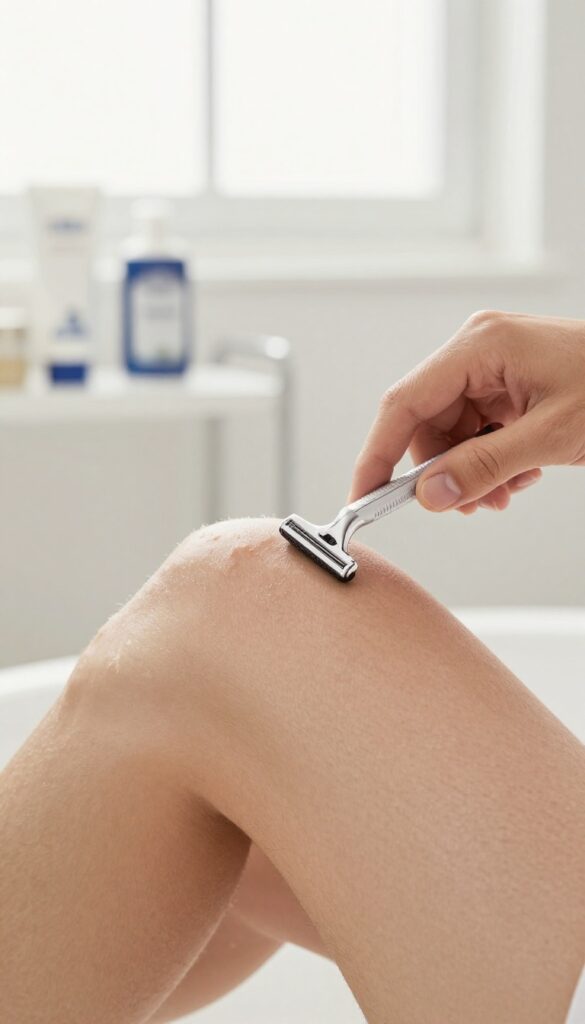
It's tempting to go over a missed patch right away, but that second pass is a one-way ticket to irritation. Your skin's protective barrier is already compromised after the first stroke, so dragging a blade over it again just invites redness and razor burn. Instead, resist the urge to fix it in the moment.
One pass is all your skin can handle comfortably, and a tiny missed spot is not worth a week of discomfort.
Shaving the same area twice means the blade is scraping against skin that's already been stripped of its natural oils and some of its top layer. That friction is what leads to razor burn, ingrown hairs, and that angry, itchy feeling. Plus, the hair is shorter on the second pass, so it's more likely to get caught under the skin.
If you notice a patch you missed, just leave it. It's barely noticeable, and it will be gone by your next shave. Your skin will thank you for the break.
Why One Pass Is Enough
A single, smooth stroke removes the hair without over-stressing the skin. Going over it again doesn't make it smoother—it just adds trauma. Trust your first pass and move on.
What To Do About Missed Spots
If you spot a missed patch, don't grab the razor again. Wait until your next shaving session to fix it. By then, your skin will have recovered, and the hair will be at a more even length.
15. Change Your Razor Blade Regularly
A dull blade is a recipe for razor burn. When the edge loses its sharpness, it tugs at the hair and scrapes the skin instead of cutting cleanly. That extra friction is what leads to redness, bumps, and that annoying stinging sensation.
Replacing your razor or blade every 5-7 shaves keeps it sharp and hygienic. A fresh blade glides smoothly, reducing the risk of nicks and irritation. Plus, a clean blade means fewer bacteria, which is especially important for sensitive areas.
How Often Should You Replace It?
As a rule of thumb, swap out your blade after 5 to 7 shaves. If you shave large areas like legs or a back, you might need to change it sooner. Watch for signs like tugging, skipping, or visible rust—those are clear signals it's time for a new one.
Signs Your Blade Is Dull
Pay attention to how your skin feels during and after shaving. If you notice more pulling, a rough glide, or increased irritation, your blade is likely past its prime. Also, if you see any rust or buildup on the blade, don't risk it—replace it immediately.
Tips For Extending Blade Life
Rinse your razor thoroughly after each stroke and store it in a dry place. Avoid leaving it in the shower where moisture can dull the edge faster. You can also pat it dry with a towel to keep it in top shape longer.
16. Wear Loose Clothing After Shaving
The shave is done, and your skin feels amazing. But what you put on next can either keep it that way or undo all your hard work. Tight clothes are a sneaky culprit behind post-shave irritation, rubbing against those fresh follicles and triggering friction, redness, and even ingrown hairs.
Switching to loose, breathable fabrics for a few hours gives your skin room to recover. It’s a small change that makes a big difference, so your smooth results actually last.
After shaving, your skin is in a sensitive state. Tight clothing creates constant friction, which can lead to razor burn, bumps, and discomfort. Loose clothing lets air circulate, reducing moisture and allowing your skin to breathe.
This simple step helps prevent irritation and keeps your skin calm and comfortable.
Why Tight Clothing Causes Irritation
When you wear snug jeans or a tight shirt right after shaving, the fabric constantly rubs against the freshly exposed skin. This friction can cause redness, chafing, and even micro-tears, which become entry points for bacteria. It also traps sweat and moisture, creating a breeding ground for irritation and ingrown hairs.
Best Fabrics To Choose
Opt for loose, breathable materials like cotton, bamboo, or linen. These fabrics allow air to flow and wick moisture away from the skin, keeping the area dry and cool. Avoid synthetic materials like polyester or nylon, which can trap heat and sweat and increase friction.
How Long To Wait
Ideally, give your skin at least 15 to 30 minutes to settle before getting dressed. If you can, wear loose clothing for the rest of the day, especially if you’ve shaved sensitive areas like the bikini line or underarms. This gives your skin time to recover and reduces the risk of irritation.
17. Give Your Skin a Break Between Shaves

Shaving every day might seem like the best way to stay smooth, but your skin pays the price. Each pass with a razor strips away a layer of natural oils and irritates the hair follicles, even when you do everything right. If you're dealing with constant redness or tiny bumps, the problem might not be your technique—it could be how often you're shaving.
Your skin needs time to recover and rebuild its protective barrier. By spacing out your shaves, you give those irritated areas a chance to calm down. This simple change can make a huge difference in how your skin looks and feels.
Shaving too frequently is one of the most overlooked causes of chronic skin irritation. When you shave, you're not just cutting hair—you're exfoliating the top layer of skin and causing micro-trauma to the follicles. If you don't leave enough time between sessions, your skin never fully heals.
That's why a few days off can be more effective than any fancy product. Think of it like a workout: your muscles need rest days to grow stronger. Your skin works the same way.
By giving it a break, you allow inflammation to settle and the moisture barrier to repair itself. The result? Fewer bumps, less redness, and a smoother overall look.
How Long Should You Wait?
There's no one-size-fits-all answer, but a good rule of thumb is to wait at least two to three days between shaves. If your skin is sensitive or prone to razor burn, stretch it to four or five days. Pay attention to how your skin feels—if it's still tender or red, give it another day.
Over time, you'll learn your skin's ideal recovery window.
Signs You're Shaving Too Often
Your skin will tell you when it's overwhelmed. Look out for persistent redness, itching, or a burning sensation right after shaving. If you notice tiny red bumps that don't go away, or if your skin feels tight and dry, those are clear signs to slow down.
Another clue? If you're reaching for soothing creams more often than usual, your skin is begging for a break.
What To Do On Your Days Off
Use the time between shaves to care for your skin. Moisturize daily with a fragrance-free lotion to keep the area hydrated. You can also gently exfoliate once or twice a week to prevent ingrown hairs, but skip it if your skin is already irritated.
Let your skin breathe—avoid tight clothing or harsh products that could aggravate it further.
FAQ
How often should I shave my body to avoid irritation?
It depends on your hair growth and skin sensitivity. Generally, shaving every 2-3 days is fine, but if you notice irritation, give your skin more time to recover.
Can I use the same razor for my face and body?
It's better to use separate razors for your face and body to prevent transferring bacteria and to ensure the blade is suited for the hair thickness. Body hair is often coarser, so a dedicated razor works best.
What's the best way to prevent razor burn on sensitive areas?
Always shave after a warm shower, use a thick shaving gel, and shave with the grain. Apply a soothing aftershave balm and avoid tight clothing afterward.
Should I exfoliate before or after shaving?
Exfoliate before shaving, but not immediately before. Do it 24 hours prior to remove dead skin cells and lift hairs, which helps prevent ingrown hairs and gives a smoother shave.
Is it okay to shave against the grain for a closer shave?
Shaving against the grain can give a closer shave but increases the risk of irritation and ingrown hairs. If you do it, only on a second pass and use plenty of lubrication.
Conclusion
You don’t need a ten-step ritual to get smooth, calm skin—just a few smart habits that fit your routine. Start with the tips that feel easiest, then build from there as your skin responds.
Consistency beats perfection every time, so pick what works and stick with it. Before long, that post-shave irritation will feel like a distant memory, and your skin will thank you.