Ever step out of the shower only to feel less than fresh a few hours later? The secret to lasting cleanliness isn't just soap—it's the small, intentional habits you build into your routine.
From pre-shower prep to finishing moves, these 20 hacks are designed to keep you feeling clean and refreshed all day long. No gimmicks, just practical tweaks that actually work.
Ready to upgrade your daily rinse? Let's get into it.
1. Brush Your Hair Before You Get In
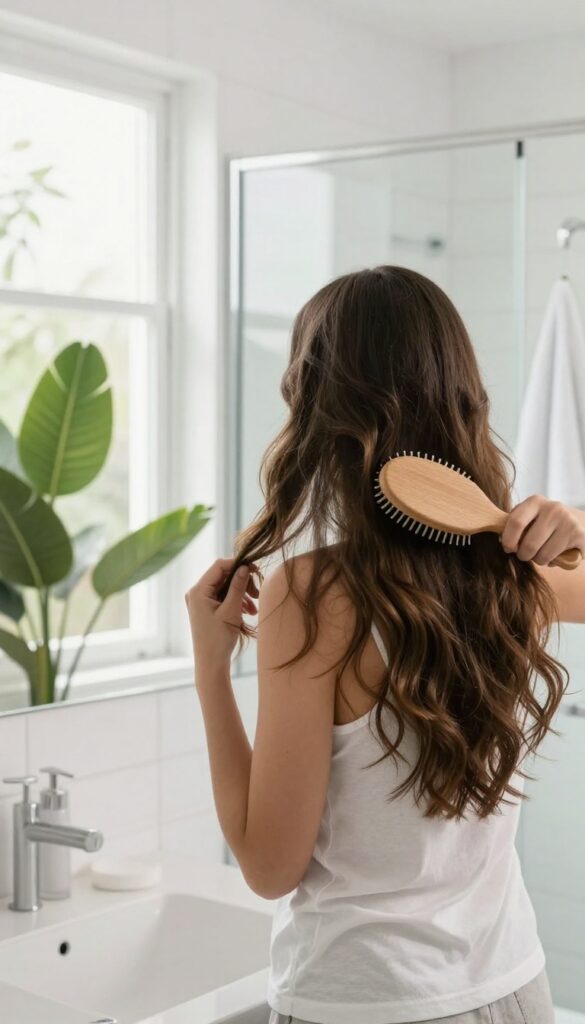
Most of us jump straight into the shower without a second thought, but a quick brush beforehand can make a big difference. Brushing dry hair loosens dirt, product buildup, and loose strands, so your shampoo can actually reach your scalp instead of just coating the surface. It also distributes natural oils from your roots to your ends, giving your hair a healthier look and feel.
Adding a pre-shower brush to your routine takes just 30 seconds but pays off in fewer tangles and less hair in the drain. It’s especially helpful if you have long or curly hair, where knots can turn washing into a battle. Plus, it cuts down on breakage because wet hair is more fragile and prone to snapping when you try to detangle it mid-shampoo.
Choose The Right Brush
Not all brushes are created equal for dry brushing. Look for one with flexible bristles and a cushion base—boar bristle blends work well for distributing oils, while wide-tooth combs are gentler on thick or curly hair. Avoid fine, sharp bristles that can scratch your scalp.
Brush In Sections
For best results, section your hair and brush from the ends upward, working through tangles slowly. This prevents yanking and reduces stress on your hair follicles. A few gentle strokes per section is all you need.
Don’t Overdo It
A quick detangle is enough—over-brushing can actually stimulate excess oil production or irritate your scalp. Stick to 10–15 strokes total, and you’ll get the benefits without any downsides.
2. Use a Shower Filter for Softer Water
Hard water might be the hidden culprit behind that dry, itchy feeling you get after showering. Minerals like calcium and magnesium cling to your skin and hair, making it hard for soap to rinse away completely. A shower filter strips out chlorine, heavy metals, and other impurities, turning harsh tap water into something much gentler.
Installing a shower filter is a simple upgrade that pays off fast. You'll notice your soap lathers better, your shampoo rinses cleaner, and your skin feels less stripped after each wash. Plus, filtered water can help prevent buildup on your showerhead and tiles, so cleaning gets easier too.
What A Shower Filter Actually Does
Most shower filters use activated carbon or a combination of media to reduce chlorine, chloramines, and heavy metals. Some also soften water by swapping calcium and magnesium ions for sodium or potassium. The result is water that's kinder to your skin and hair, and that helps your cleansers work more effectively.
Signs You Might Need One
If your skin feels tight or flaky after showering, or your hair looks dull and lifeless no matter what products you use, hard water could be the issue. Other clues include white scale on your shower fixtures, soap that doesn't lather well, or a lingering chlorine smell. A filter can address all of these.
Easy Installation And Maintenance
Most shower filters screw directly onto your existing shower arm or hose—no tools required. They typically last six months or 10, 000 gallons before needing a replacement cartridge. Just check the indicator or mark your calendar, and swap it out when it's time.
3. Start with Warm Water, Finish Cool
You've probably heard this tip before, but do you actually do it? Most people pick one temperature and stick with it the whole shower. But alternating warm and cool water does more than feel nice—it actually changes how your skin and body respond.
Warm water opens your pores and relaxes muscles, while a cool rinse seals everything up and boosts circulation.
Why Warm Water First?
Starting with warm water helps loosen dirt and oil from your pores. The heat also relaxes tight muscles and preps your skin for a deeper clean. Just don't go too hot—scalding water strips natural oils and dries you out.
The Power Of A Cool Finish
A quick cool rinse at the end tightens your pores and cuticles, which helps lock in moisture and keeps dirt out. It also wakes up your nervous system and leaves you feeling alert and refreshed. Aim for 30 seconds of cool water—you don't need an ice bath.
How To Make The Transition Comfortable
If the cold shock is too much, start by turning the temperature down gradually over the last minute of your shower. Focus the cool water on your legs and arms first, then your core. You'll get used to it quickly, and the benefits are worth the brief discomfort.
4. Exfoliate with a Silicone Scrubber
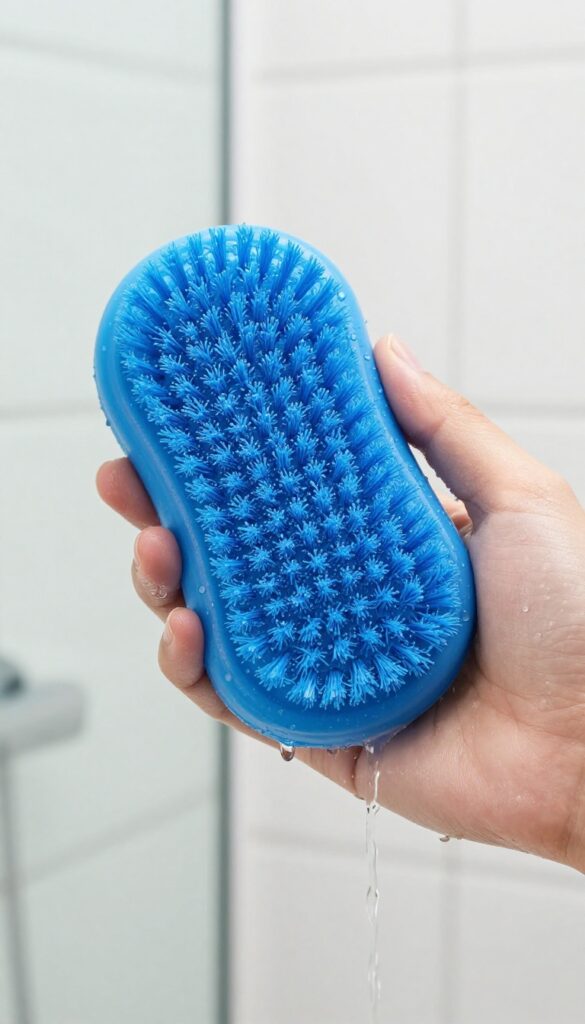
Loofahs and washcloths can harbor bacteria and shed microplastics. A silicone scrubber is a game-changer—it's non-porous, dries quickly, and gently exfoliates without scratching. Plus, it's easy to clean and lasts for years.
Silicone scrubbers are gentle, hygienic, and easy to clean. They remove dead skin without microplastic shedding, keeping your skin smooth and your shower clean.
Why Silicone Beats Loofahs
Loofahs trap dead skin and bacteria, leading to breakouts and odors. Silicone scrubbers are non-porous, so they rinse clean and dry fast. No more replacing a moldy loofah every month.
How To Use For Best Results
Apply your body wash directly to the scrubber, then massage in circular motions. Focus on rough areas like elbows and knees. Rinse the scrubber after each use and let it air dry.
Easy Maintenance
Once a week, toss it in the dishwasher or boil it for a few minutes to sanitize. Silicone doesn't degrade, so you'll save money and reduce waste.
5. Double Cleanse on Oily Days
If your skin tends to get greasy by midday, your regular shower gel might not be cutting it. That's where double cleansing comes in—a technique borrowed from skincare that works wonders for your body, too. Start with an oil-based cleanser to break down sunscreen, sweat, and excess sebum, then follow with a gentle foaming wash to remove any residue.
The result? Deeply clean skin that doesn't feel stripped or dry.
Double cleansing is a game-changer for oily skin types. It ensures you're actually removing all the grime without over-cleansing, which can trigger even more oil production. Here's how to make it work in the shower.
Choose The Right Oil Cleanser
Look for a lightweight, non-comedogenic oil cleanser that rinses cleanly. Avoid heavy oils that might clog pores. Apply it to dry skin before stepping into the shower, massaging gently for about a minute.
This step dissolves stubborn sunscreen and oil-based impurities.
Follow With A Gentle Foaming Wash
After rinsing off the oil, use a mild foaming cleanser to wash away any leftover residue. Go for something sulfate-free to avoid stripping your skin's natural barrier. Focus on areas prone to oiliness like the chest, back, and shoulders.
Don't Overdo It
Double cleansing is meant for days when you feel extra oily or have worn heavy sunscreen. Stick to once a day max, and skip it if your skin feels dry or irritated. Listen to your skin—it will tell you what it needs.
6. Shampoo Twice for Oily Hair
If your roots look greasy by lunchtime, you might be doing your shampoo routine wrong. A single wash often isn't enough to cut through the oil and product buildup that accumulates on your scalp. That's why many stylists recommend a double shampoo—especially for those with oily hair.
The first pass breaks down surface-level dirt, excess oil, and styling residue. The second wash actually cleanses the scalp, allowing the shampoo to lather properly and remove deeper impurities. This two-step process leaves your hair feeling lighter and your roots fresher for longer.
Why One Wash Isn't Enough
Think of the first shampoo as a pre-clean. It removes the obvious grime, but your scalp still has a layer of oil and buildup. The second wash gets down to the skin, balancing oil production and preventing that weighed-down look.
How To Double Shampoo Correctly
Wet your hair thoroughly, then apply a quarter-sized amount of shampoo and scrub your scalp for 30 seconds. Rinse and repeat with the same amount, this time focusing on the roots and massaging for a full minute. Follow with conditioner only on the ends to avoid greasiness.
7. Apply Conditioner Before Shampooing
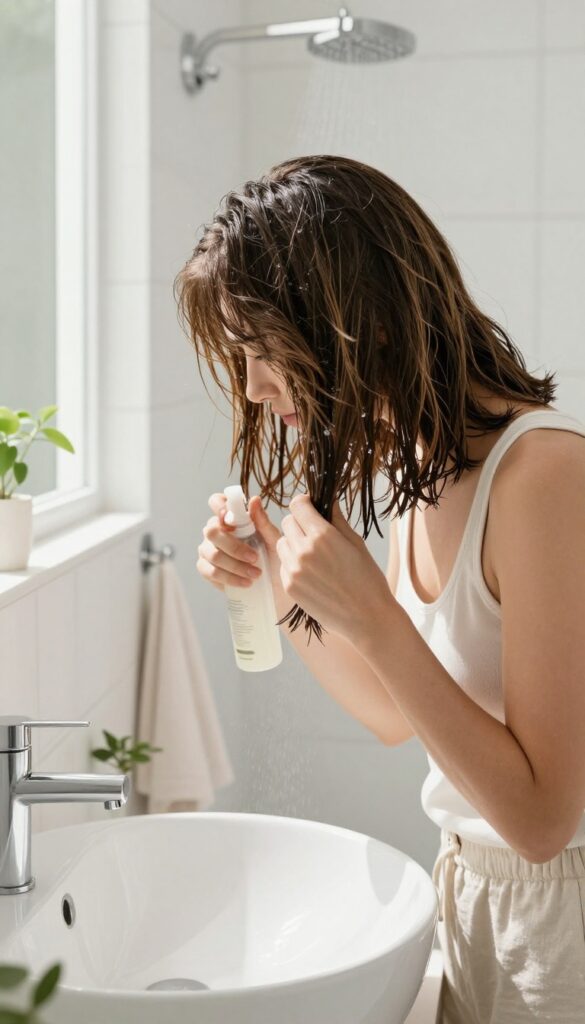
Reverse washing—conditioner first, then shampoo—protects fine or oily hair from being weighed down while still providing moisture where needed. It’s a game-changer for anyone who finds regular conditioner too heavy or who battles limp locks by midday. This simple swap can leave hair cleaner, softer, and more voluminous.
Why Reverse Washing Works
Conditioning first coats the hair shaft with moisture, then shampooing removes excess without stripping all the good stuff. Fine or oily hair gets hydration exactly where it’s needed—the ends—while the roots stay light and clean.
How To Do It Right
Apply conditioner only to the mid-lengths and ends, avoiding the scalp. Leave it on for a minute, then rinse. Follow with a gentle shampoo, focusing on the roots.
You’ll notice less greasiness and more bounce.
Who Benefits Most
This hack is ideal for those with fine, thin, or oily hair. It also helps people who wash daily but struggle with dryness at the ends. Even curly hair types can try it for lighter moisture without sacrificing definition.
8. Use a Scalp Massager for Better Circulation
A silicone scalp massager is a simple tool that makes a big difference. It stimulates blood flow to your scalp, which can promote healthier hair growth and help remove dead skin cells and product buildup. Plus, the gentle massage feels incredibly relaxing and can even reduce stress after a long day.
Using a scalp massager in the shower is easy and effective. Just wet your hair, apply shampoo, and use the massager in circular motions all over your scalp. The soft silicone bristles work up a gentle lather and reach areas your fingers might miss.
You'll notice a deeper clean and a soothing sensation that makes your shower feel more like a spa treatment.
Why It Works
The massager increases blood flow to hair follicles, which can encourage growth and strengthen roots. It also helps exfoliate the scalp, removing dry flakes and excess oil that can lead to dandruff or itchiness. The massage action even helps distribute shampoo and conditioner more evenly for a thorough clean.
How To Use It Right
Start with wet hair and a quarter-sized amount of shampoo. Gently press the massager against your scalp and move it in small circles from front to back and side to side. Focus on areas that feel tense or tight.
Rinse thoroughly and follow with conditioner. Use it 2-3 times per week for best results.
Choosing The Best One
Look for a silicone massager with soft, flexible bristles that won't scratch your scalp. Avoid hard plastic or sharp edges. Many have ergonomic handles for a comfortable grip.
You can find them online or at beauty stores for under $10—a small investment for a noticeable upgrade to your shower routine.
9. Keep a Squeegee in the Shower
That lingering musty smell in your bathroom isn't from your towels—it's from soap scum and moisture trapped on shower walls and doors. A quick swipe with a squeegee after every shower takes 30 seconds and prevents buildup before it starts. Think of it as the final step of your shower routine.
Not only does it keep glass and tile sparkling, but it also cuts down on mold and mildew growth, so your bathroom stays fresher between deep cleans.
Squeegeeing your shower walls and doors after each use is one of the simplest ways to maintain a clean bathroom. It removes water droplets that would otherwise dry into hard water stains and soap scum. Over time, this habit reduces the need for harsh chemical cleaners and keeps your shower looking new.
Why It Works
Water left on surfaces evaporates, leaving behind minerals and soap residue. That residue feeds mold and mildew. By removing the water, you eliminate their food source.
Plus, it takes less effort than scrubbing later.
Pick The Right Squeegee
A small, rubber-bladed squeegee with a hook works best. Mount it inside your shower or on the door so it's always within reach. Avoid cheap plastic ones that leave streaks—spend a few extra dollars for a quality silicone blade.
Make It A Habit
Keep the squeegee visible and grab it right after you turn off the water. Start from the top and work your way down in overlapping strokes. It becomes automatic after just a few showers.
10. Hang a Eucalyptus Bundle for Aromatherapy
Transform your shower into a spa-like retreat with a simple bundle of fresh eucalyptus. The steam releases essential oils that clear your sinuses, ease tension, and leave you feeling refreshed long after you step out. It's an easy, natural way to upgrade your routine without any fancy gadgets.
Hanging eucalyptus in your shower isn't just about the scent—it's about creating a calming ritual. The heat activates the oils, filling the space with a clean, invigorating aroma that helps you breathe deeper and unwind. Plus, it looks beautiful and lasts up to two weeks.
How To Hang It Right
Buy a fresh bundle of eucalyptus from a farmer's market or grocery store. Tie the stems together with kitchen twine or a rubber band, then hang it from your showerhead or a hook so the water doesn't directly hit it. The steam does the work—just let it do its thing.
When To Replace
You'll know it's time to swap when the leaves start to dry out and the scent fades. Usually, a bundle lasts about two weeks with daily showers. Toss it in the compost when you're done—it's biodegradable and waste-free.
Bonus Benefits
Beyond relaxation, eucalyptus can help with congestion from allergies or colds. The vapors act as a natural decongestant, making it a smart addition during flu season. It's a simple hack that doubles as aromatherapy and respiratory relief.
11. Use a Loofah on a Stick for Hard-to-Reach Areas
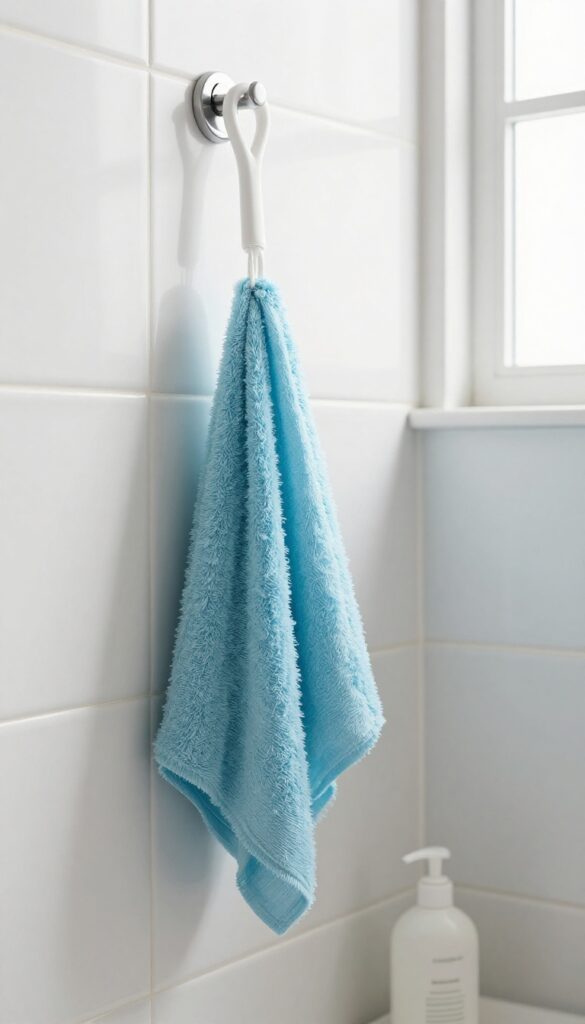
Twisting and contorting to scrub your back can leave you missing spots and feeling frustrated. A long-handled loofah takes the strain out of reaching those tricky areas like your upper back and the backs of your legs. It's a simple swap that makes your shower routine more thorough and comfortable.
Using a loofah on a stick ensures every inch of your skin gets exfoliated and cleansed without you having to bend or stretch awkwardly. This helps prevent bacne and keeps your skin smooth all over. Plus, it's gentle on your joints and makes showering easier if you have limited mobility.
Why It Works
The extended handle lets you apply even pressure across your back, which is hard to do with a regular loofah. The long bristles or mesh head also reach into crevices, lifting dirt and dead skin effectively. Consistent use can reduce breakouts on your back and shoulders.
Choosing The Right One
Look for a loofah with a non-slip grip and a detachable head for easy cleaning. Natural loofah heads are great for exfoliation, while synthetic mesh ones dry faster and resist bacteria. Replace the head every month to keep it hygienic.
How To Use It
Lather up the loofah with your body wash, then reach it over your shoulder or behind your back in a gentle circular motion. Focus on areas prone to oil and sweat, like the middle of your back. Rinse the loofah thoroughly after each use and hang it to dry.
12. Rinse with Apple Cider Vinegar for Shiny Hair
If your hair feels dull or weighed down even after washing, product buildup might be the culprit. A simple apple cider vinegar rinse can strip away residue and restore your hair's natural shine and softness. It's an old-school trick that still works wonders.
Mix one part apple cider vinegar with three parts water and pour it over your hair after shampooing. Let it sit for a minute, then rinse thoroughly. The vinegar smell disappears once your hair dries.
Use this once a week for best results—your hair will look glossier and feel smoother.
Why It Works
Apple cider vinegar is mildly acidic, which helps balance your scalp's pH and smooth the hair cuticle. This reduces frizz and enhances light reflection, giving you that salon-like shine. It also dissolves mineral and product buildup that regular shampoo can't remove.
How To Use It
After shampooing, apply the diluted vinegar mixture evenly from roots to ends. Massage it into your scalp for a few seconds, then let it sit for about a minute. Rinse with cool water to seal the cuticle.
Follow with conditioner if needed, but many find they can skip it.
Tips For Best Results
Start with a weaker dilution if you have sensitive skin. Always use raw, unfiltered apple cider vinegar with the "mother" for maximum benefits. Avoid overdoing it—once a week is plenty to maintain shine without drying out your hair.
13. Apply Body Oil While Skin Is Damp
Most people slather on lotion after they're completely dry, but that misses a key window. When your skin is still slightly damp, it absorbs moisture more effectively. Applying body oil right after patting dry locks in hydration and leaves your skin soft without feeling greasy.
The trick is to use just a few drops and spread it evenly while your skin is still dewy. This seals in the water from your shower, keeping your skin hydrated longer. It also creates a protective barrier that helps your skin stay smooth and supple throughout the day.
Why Damp Skin Works Best
Damp skin has open pores and a slightly moist surface that allows oils to penetrate deeper. When you apply oil to dry skin, it mostly sits on top and can feel heavy. But on damp skin, the oil mixes with the water and absorbs more evenly, giving you that silky finish without the slickness.
How To Apply Without The Mess
After your shower, gently pat your skin with a towel until it's just damp—not dripping. Then pour a few drops of body oil into your palms, rub them together, and smooth it over your arms, legs, and torso. Wait a minute before getting dressed so the oil can absorb.
You'll stay soft and hydrated all day.
14. Use a Foot Scrubber for Smooth Heels
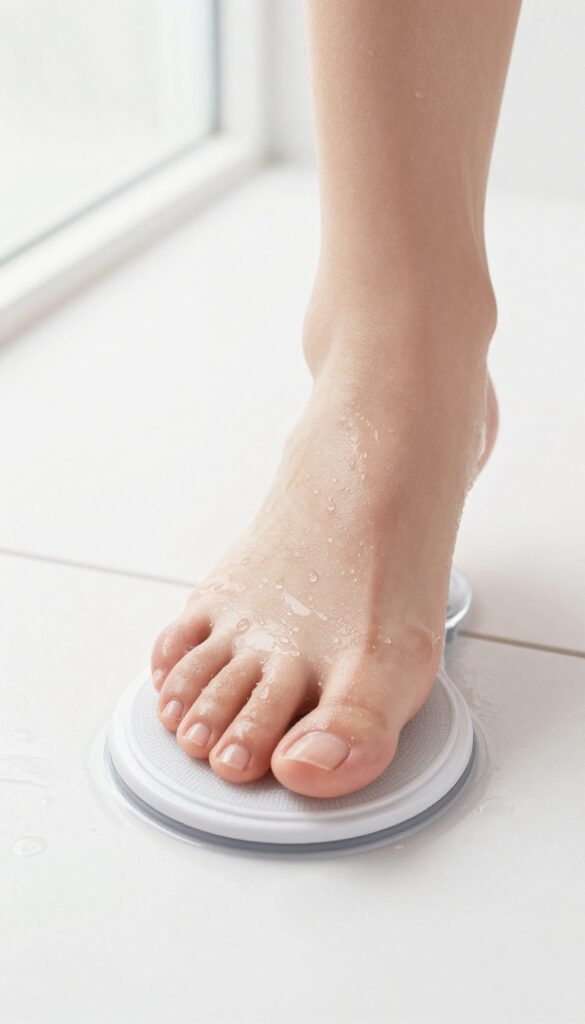
Your feet take a beating every day, but they rarely get the attention they deserve in the shower. A quick pass with soap isn't enough to keep heels soft and crack-free. Adding a foot scrubber to your routine changes that—it's a small tool that makes a big difference.
A pumice stone or foot scrubber in the shower makes it easy to slough off dead skin from heels. Do it weekly for sandal-ready feet.
Why It Works
Warm water softens the skin, making dead cells easier to remove without harsh scraping. A foot scrubber gently exfoliates while you stand, so you don't have to bend over or balance on one leg.
How To Use It Right
Wet your feet and the scrubber, then gently rub heels and rough spots in circular motions for about a minute. Rinse and follow with a thick moisturizer while skin is still damp for best results.
Pick The Right Tool
Look for a scrubber with a handle or suction cups so it stays put in the shower. Pumice stones work well for tough calluses, while silicone or plastic scrubbers are gentler for maintenance.
15. Try a Shower Steamer for Congestion Relief
When allergies or a cold leave you feeling stuffed up, your shower can do more than just clean you. Shower steamers are like bath bombs, but designed for the floor of your shower. They fizz and release menthol, eucalyptus, or peppermint vapors that help clear your sinuses and open up your airways.
It's a simple swap that turns your daily rinse into a mini steam session. No extra effort required—just drop one in and let the steam do the work. You'll step out feeling both cleaner and more clear-headed.
What Are Shower Steamers?
Shower steamers are small, scented tablets made with essential oils and baking soda. Unlike bath bombs, they aren't meant for soaking—they activate when water hits them, releasing aromatic vapors into the steam. They're designed to sit on the shower floor or a ledge, away from the direct stream, so they fizz slowly.
How To Use Them Effectively
Place your steamer near the drain but not directly under the water flow. The goal is for it to get splashed occasionally, not fully submerged. As it dissolves, the steam carries the essential oils throughout your shower.
Breathe deeply and let the menthol or eucalyptus work its magic on your sinuses.
Choosing The Right Scent
Menthol and eucalyptus are classic for congestion, but peppermint and tea tree are great alternatives. If you're sensitive to strong scents, start with a half-tablet. Many brands offer multi-packs so you can find your favorite without committing to a full box.
Diy Steamer Option
You can make your own with baking soda, citric acid, and a few drops of essential oil. Mix, press into silicone molds, and let dry for 24 hours. This way you control the intensity and avoid any additives you don't want.
16. Keep a Timer to Avoid Over-Showering
Long, hot showers feel amazing, but they're secretly sabotaging your skin. The heat and water strip away natural oils, leaving you dry and itchy. A simple waterproof timer can help you break the habit.
Set a timer for 10 minutes and stick to it. That's plenty of time to wash and rinse without overdoing it. Your skin will thank you, and you'll save water too.
Why 10 Minutes Is The Sweet Spot
Dermatologists agree that showers longer than 10 minutes can damage the skin barrier. A timer keeps you honest and prevents that post-shower tightness.
Best Waterproof Timers For The Shower
Look for a suction-cup timer that sticks to the tile. Digital ones with large numbers are easy to read through steamy glass. Some even have magnetic backs for metal surfaces.
How To Gradually Shorten Your Shower
If you're used to 20-minute showers, start by cutting just 2 minutes each week. Your body will adjust, and soon 10 minutes will feel normal.
17. Use a Microfiber Hair Towel to Reduce Frizz
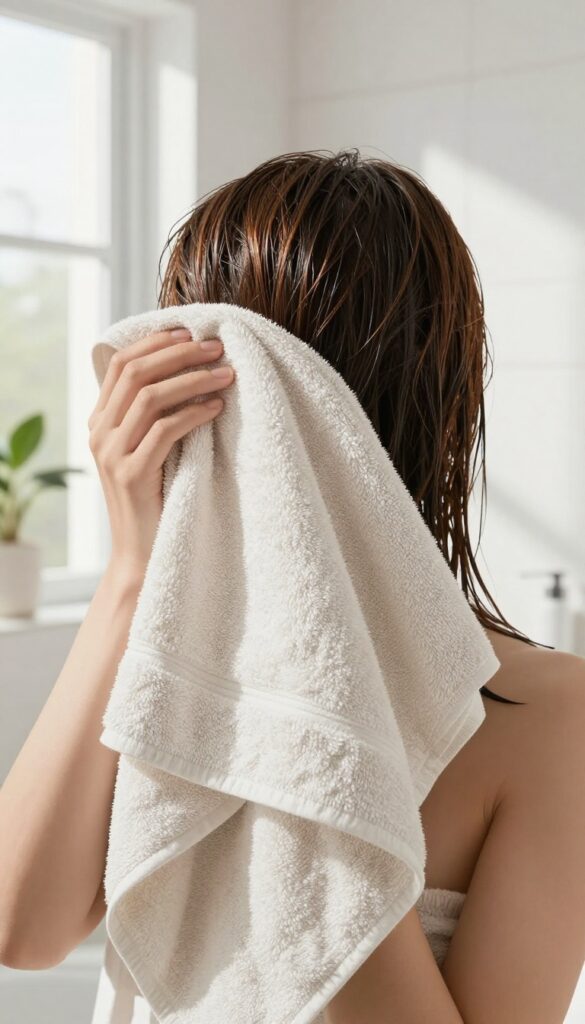
If you're still using a regular bath towel on your hair, you might be causing more frizz than you realize. Standard towels have rough loops that snag and roughen the hair cuticle, leading to puffiness and breakage. Microfiber towels are a game-changer—they're super absorbent and gentle, so they dry your hair faster without the friction.
Switching to a microfiber hair towel is one of the easiest swaps you can make. It cuts down drying time significantly, which means less heat damage if you blow-dry, and it minimizes frizz by keeping the cuticle smooth. Plus, they're lightweight and dry quickly themselves, so you can toss one in your gym bag or use it post-swim.
How It Works
Microfiber is made of ultra-fine synthetic fibers—usually polyester and polyamide—that are split to create a huge surface area. This lets them absorb several times their weight in water without rubbing or twisting. Instead of roughing up the hair, they gently wick moisture away, reducing the chance of frizz and split ends.
How To Use It Right
After showering, gently squeeze excess water from your hair (don't wring or rub). Wrap the microfiber towel around your head, twisting the ends and tucking them in. Leave it on for 10–15 minutes while you do your skincare or get dressed.
Then unwrap, apply your usual products, and style as desired. Your hair will be damp, not dripping, and much smoother.
Why It Beats A Cotton Towel
Cotton towels are abrasive—they lift the cuticle and create static, which equals frizz. They also take longer to dry, meaning your hair stays wet longer, which can weaken strands over time. Microfiber towels are gentler, faster, and more hygienic because they resist mildew and bacteria buildup.
18. Clean Your Showerhead Monthly
That steady stream of water might feel great, but over time, mineral deposits and bacteria can build up inside your showerhead. A simple monthly soak can restore water pressure and keep your shower more hygienic.
Why It Matters
Hard water leaves calcium and lime scale that clog the nozzles, reducing flow and creating a breeding ground for bacteria. A clean showerhead means better pressure and fewer germs hitting your skin.
How To Do It
Fill a plastic bag with white vinegar, secure it over the showerhead with a rubber band, and let it soak overnight. In the morning, remove the bag and run the water for a minute to flush out loosened deposits.
When To Replace
If soaking doesn't restore flow or you see rust, it's time for a new showerhead. Look for models with rubber nozzles that are easier to wipe clean.
19. Switch to a Bar Soap with Minimal Packaging
Bar soaps are making a serious comeback, and for good reason. They often contain fewer synthetic ingredients than liquid body washes and come wrapped in paper or cardboard instead of plastic. That swap alone can cut down your bathroom waste significantly.
But not all bars are created equal—some can leave your skin feeling tight or filmy. The trick is choosing one with moisturizing oils like shea butter or coconut oil that rinse clean without stripping your skin's natural barrier.
Making the switch to bar soap is a small change that pays off for both your skin and the planet. Many bar soaps are formulated with gentle, natural ingredients that clean effectively without harsh detergents. Look for options labeled "syndet" (synthetic detergent) bars if you have sensitive skin, as they have a neutral pH.
To avoid that annoying soap scum residue, store your bar on a draining soap dish so it dries between uses. You'll get a longer-lasting bar and a cleaner shower experience.
Why Bar Soap Wins On Ingredients
Liquid body washes often contain sulfates, parabens, and a long list of preservatives to keep the formula stable. Bar soaps, especially those made with traditional saponification, rely on oils and lye—nothing extra. Many artisan bars use high concentrations of nourishing oils like olive, almond, or avocado, which leave your skin soft instead of squeaky clean.
If you're prone to dryness or eczema, a well-formulated bar soap can be a game-changer.
How To Pick A Bar That Doesn't Leave Residue
Not all bar soaps rinse off easily. Look for ones with "glycerin" high on the ingredient list—glycerin is a humectant that attracts moisture and rinses cleanly. Avoid bars with added waxes or heavy butters that can coat your skin.
A good test: after your shower, run your hand over your skin. If it feels slippery or waxy, that bar might not be for you. Opt for transparent or semi-transparent bars, which tend to have a lighter formula.
20. End with a Cold Rinse for Energy

That final blast of cold water might make you gasp, but it's one of the simplest ways to wake up your body and lock in freshness. A quick cold rinse at the end of your shower does more than just startle you—it triggers real physiological benefits that help you feel clean and energized.
The shock of cold water tightens your pores and improves circulation, which can reduce puffiness and give your skin a firmer look. It also boosts alertness by increasing your heart rate and oxygen intake, making it a natural alternative to that second cup of coffee. Plus, the cold helps seal your hair cuticles, adding shine and reducing frizz.
How Long To Go Cold
You don't need to endure a freezing shower for minutes. Start with just 15–30 seconds at the end of your routine. Gradually work up to a minute if you can handle it.
The key is consistency—even a short blast delivers benefits.
Make It More Comfortable
Ease into the cold by lowering the temperature gradually during the last minute of your shower. Focus on your legs and torso first, then let the water hit your back and shoulders. Some people find it helps to take a deep breath right before the cold hits.
When To Skip It
If you have a heart condition or are pregnant, check with your doctor before trying cold rinses. Also, skip it if you're already feeling chilled or overly tired—the goal is a gentle boost, not a shock to your system.
FAQ
How often should I exfoliate in the shower?
For most skin types, 2-3 times per week is enough. Over-exfoliating can irritate skin and strip natural oils.
Can a shower filter really make a difference?
Yes, especially if you have hard water. It reduces chlorine and minerals, leading to softer skin and shinier hair.
Is it bad to take very hot showers?
Hot water strips natural oils, leading to dry, itchy skin. Lukewarm water is better for your skin and hair.
How do I prevent mold in my shower?
Squeegee after each use, keep the bathroom ventilated, and clean grout and corners weekly with a mildew spray.
What's the best way to dry off to stay clean?
Pat dry with a clean towel instead of rubbing. Use a separate towel for your face to avoid transferring bacteria.
Conclusion
These 20 hacks are simple ways to upgrade your shower routine without adding much time or cost. Small changes—like using a filter or ending with a cold rinse—can make a big difference in how clean and refreshed you feel.
Pick two or three that address your biggest frustrations and try them for a week. You might be surprised how much better a few tweaks can make your daily shower experience.