
Your shower routine can be the secret to silky, healthy skin—or the reason it feels dry and dull. Most of us rush through it, missing simple steps that make a real difference. From water temperature to how you dry off, these 23 basics turn a quick rinse into a skin-loving ritual.
You don't need fancy products or hours of time. Small tweaks, like limiting your shower to 10 minutes or moisturizing within three minutes of drying, can transform your skin's texture and glow. The best part?
These habits are easy to adopt and cost little to nothing. Ready to upgrade your daily shower?
1. Start with the Right Water Temperature

The temperature of your shower water can make or break your skin's moisture balance. Many people love a steaming hot shower, but that heat strips away natural oils, leaving skin dry and irritated. Lukewarm water is the sweet spot—it cleanses effectively without damaging your skin barrier.
Why Hot Water Hurts
Hot water dissolves the lipid barrier that keeps moisture locked in. Over time, this leads to dryness, flakiness, and even eczema flare-ups. If you notice red or tight skin after showering, your water is likely too hot.
How To Find Your Ideal Temperature
Aim for water that feels warm to the touch but not hot—around 98-100°F (37-38°C). A quick test: if your skin turns pink, it's too hot. Adjust gradually until it feels comfortable without that steamy rush.
The Benefits Of Lukewarm Showers
Lukewarm water helps maintain your skin's natural moisture while still removing dirt and sweat. It also prevents blood vessels from dilating too much, which can cause redness. Your skin stays calm, hydrated, and ready for the next steps.
2. Limit Shower Time to 10 Minutes
Long, steamy showers might feel relaxing, but they're actually stripping your skin of its natural oils. Hot water breaks down the lipid barrier that keeps moisture locked in, leaving you with dryness, irritation, and even flakiness. The fix is simpler than you think: keep your shower under ten minutes.
Aim for a quick, efficient rinse rather than a long soak. Use a timer or play a short song to stay on track. This small change helps your skin retain hydration and prevents the uncomfortable tightness that often follows a long shower.
Why 10 Minutes Is The Sweet Spot
Dermatologists agree that most people don't need more than 5 to 10 minutes in the shower. Beyond that, water starts to break down the skin's protective barrier, especially if it's hot. By keeping it short, you preserve natural moisture and reduce the risk of eczema flare-ups or general dryness.
How To Stick To The Limit
Set a timer on your phone or use a waterproof clock in the shower. Focus on washing efficiently: lather up, scrub gently, and rinse. If you love the feeling of warm water, try lowering the temperature a few minutes before you finish to signal your body it's time to wrap up.
What If You Have Long Hair?
Washing and conditioning long hair can easily eat up those ten minutes. Try timing your hair routine separately—maybe a quick body shower on non-hair days, and a slightly longer but still timed wash when needed. You can also turn off the water while you scrub or condition to save time and prevent overexposure.
3. Use a Gentle, pH-Balanced Body Wash
Not all body washes are created equal. Many traditional soaps and cleansers are formulated with harsh surfactants that can strip your skin's natural oils and disrupt its protective acid mantle. When your skin's pH is thrown off balance, it becomes more prone to dryness, irritation, and even breakouts.
The fix? Switch to a body wash that's gentle, sulfate-free, and pH-balanced—typically around 5. 5, which matches your skin's natural state.
This small swap helps your skin retain moisture and stay calm, even with daily use.
A pH-balanced body wash cleanses effectively without compromising your skin barrier. Look for labels that say "sulfate-free" and "pH-balanced" or have ingredients like glycerin, ceramides, or oatmeal to soothe and hydrate. Avoid products with sodium lauryl sulfate (SLS) or high alcohol content, as these can be overly drying.
Your skin will thank you with a smoother, more resilient feel.
How Ph Affects Your Skin
Your skin's surface is naturally slightly acidic, with a pH around 4. 5 to 5. 5.
This acidity helps fend off harmful bacteria and lock in moisture. When you use a high-pH soap (many bar soaps are around 9-10), it temporarily neutralizes this barrier, leaving skin vulnerable to irritation and water loss. A pH-balanced body wash helps maintain that delicate balance, so your skin stays healthy and hydrated.
What To Look For On The Label
Scan the ingredients list for gentle cleansers like cocamidopropyl betaine, decyl glucoside, or sodium cocoyl isethionate. Avoid sulfates (SLS, SLES) and high-foaming detergents. Also look for added moisturizers such as glycerin, shea butter, or aloe vera.
Many dermatologist-recommended brands now clearly state "pH-balanced" on the front of the bottle.
When To Use A Medicated Or Specialty Wash
If you have specific skin concerns like acne, eczema, or keratosis pilaris, you might need a body wash with active ingredients like salicylic acid, lactic acid, or colloidal oatmeal. Even then, choose a formula that is still pH-balanced and gentle. For everyday use, stick with a simple, hydrating body wash and reserve medicated washes for targeted areas or as directed by your dermatologist.
4. Exfoliate 2-3 Times a Week
Dead skin cells can build up fast, leaving your skin looking dull and feeling rough. Exfoliating a few times a week sweeps away that layer, revealing the fresh, smooth skin underneath. It also boosts circulation, giving you a natural glow that no lotion can fake.
Exfoliation is a game-changer for silky skin. But more isn't better—overdoing it can irritate and dry you out. Stick to 2-3 times per week, and choose a method that suits your skin type.
Physical Vs. Chemical Exfoliants
Physical scrubs with fine particles (like sugar or jojoba beads) work well for normal skin. For sensitive skin, a chemical exfoliant with AHAs or BHAs is gentler and more effective. Avoid harsh walnut shells or large grains that can cause micro-tears.
How To Exfoliate Properly
Apply your exfoliant to damp skin in gentle, circular motions. Focus on rough areas like elbows, knees, and heels. Rinse thoroughly and follow with a moisturizer to lock in hydration.
Never exfoliate on sunburned or broken skin.
Best Exfoliating Tools
A soft silicone brush or a gentle loofah can enhance your scrub. For chemical exfoliants, use a cotton pad or your hands. Avoid stiff brushes or overly abrasive gloves that can strip your skin's natural barrier.
5. Invest in a Quality Loofah or Silicone Brush
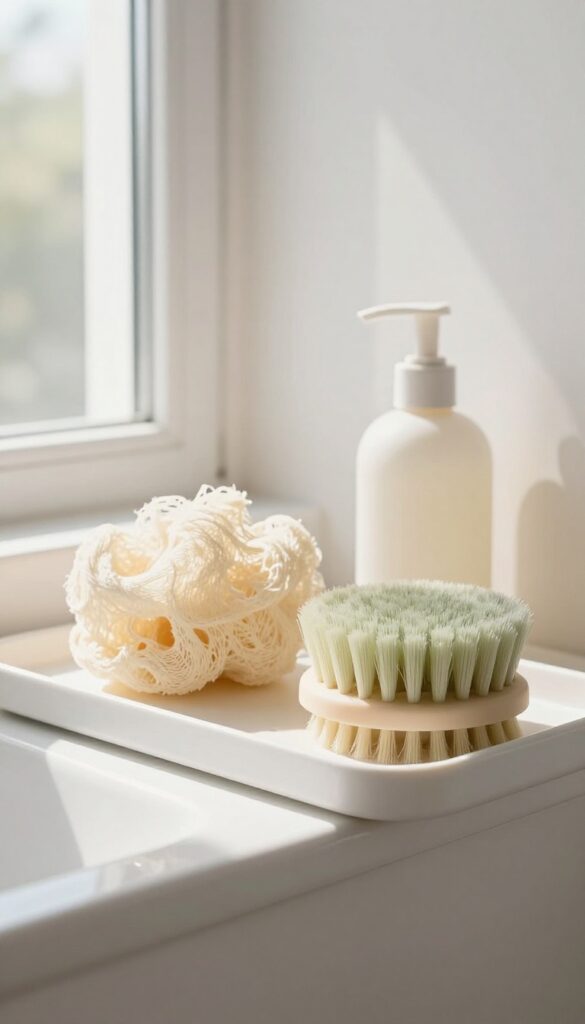
Your hands alone can only do so much. A good loofah or silicone brush helps distribute body wash evenly while gently sloughing off dead skin. The result?
Smoother, more radiant skin without harsh scrubbing.
Choosing the right tool and keeping it clean is key. Natural loofahs are great for gentle exfoliation, but they need regular replacement. Silicone brushes are hygienic, easy to clean, and last longer.
Whichever you pick, use it with light pressure and replace it monthly to avoid bacteria buildup.
Natural Loofah Vs. Silicone Brush
Natural loofahs offer a soft, porous texture that lathers well and provides mild exfoliation. However, they can harbor bacteria if not dried properly. Silicone brushes are non-porous, dry quickly, and are gentler on sensitive skin.
They also come with different bristle textures for customized exfoliation.
How Often To Replace
Loofahs should be replaced every four weeks to prevent mold and bacteria growth. Silicone brushes can last several months, but wash them with soap and hot water weekly. If you notice any musty smell or discoloration, toss it immediately.
Proper Use Technique
Wet the loofah or brush, apply a small amount of body wash, and create a rich lather. Use gentle circular motions, starting from your feet and moving upward. Avoid scrubbing too hard—let the tool do the work.
Rinse thoroughly and hang to dry in a well-ventilated area.
6. Don't Forget Your Feet
Your feet work hard every day, but they're often the most neglected part of a shower routine. Rough heels and calluses can build up quickly, especially if you're on your feet a lot. A little extra attention in the shower can leave them feeling smooth and looking great.
Exfoliate With A Pumice Stone
While your skin is still wet and soft from the warm water, gently rub a pumice stone or foot file over any rough areas. Focus on your heels and the balls of your feet, using circular motions. Don't scrub too hard—let the stone do the work.
Use A Foot Scrub For Extra Polish
For an even deeper clean, apply a foot scrub with exfoliating granules like sea salt or crushed walnut shells. Massage it into your feet for a minute, paying attention to between your toes and along the sides. Rinse thoroughly.
Lock In Moisture With Rich Foot Cream
After drying off, slather on a thick foot cream or balm while your feet are still slightly damp. Ingredients like shea butter, urea, or glycerin work wonders. For an overnight treatment, put on cotton socks to help the cream absorb deeply.
7. Wash Your Back Properly
Your back is a notorious trouble zone for breakouts and clogged pores, mostly because it's so hard to reach. A quick splash of soap and a half-hearted scrub with your hands won't cut it. To keep your back clear and smooth, you need the right tools and technique.
Using a long-handled brush or a back scrubber ensures you actually clean every inch. This not only prevents acne but also helps exfoliate dead skin cells that can accumulate. Make it a habit to scrub your back in circular motions, focusing on the middle and lower areas where sweat and oil tend to linger.
Choose The Right Tool
A long-handled brush with natural bristles works great for dry brushing before a shower, while a silicone back scrubber is gentle enough for daily use with body wash. Look for one with a non-slip handle and enough length to reach your entire back easily.
Scrub Technique Matters
Start from the top of your shoulders and work downward in circular motions. Don't press too hard—gentle, consistent pressure is enough to remove dirt and dead skin. Spend about 30 seconds on your back, and rinse thoroughly to avoid any residue.
Don't Forget To Exfoliate Weekly
Once or twice a week, use a gentle body scrub or an exfoliating glove on your back. This helps prevent ingrown hairs and keeps the skin smooth. Follow up with a non-comedogenic moisturizer to keep the skin hydrated without clogging pores.
8. Rinse Thoroughly to Remove All Product

Even the best body wash or shampoo can backfire if you leave residue behind. Those leftover suds can clog pores, cause irritation, and leave a dull film on your skin. A thorough rinse is the final step that ensures all the good work you did doesn't go to waste.
Rinsing might seem like the easiest part of your shower, but it's easy to miss spots. Pay extra attention to areas where water tends to run off quickly, like your back, behind your ears, and between your toes. Give yourself an extra 30 seconds to let the water wash away every trace of product.
Hard-to-reach Spots
Your back and the backs of your legs are common trouble zones. Use a detachable showerhead or angle your body to let water hit these areas directly. You can also use a long-handled brush to help direct water flow.
Check For Slippery Skin
After you think you're done, run your hand over your skin. If it still feels slippery or soapy, you've missed some product. Keep rinsing until your skin feels clean and smooth, not coated.
Water Temperature Matters
Hot water can make it harder to rinse off all the product because it can cause soap to lather more and stick to skin. Stick to warm water for your final rinse to help everything wash away cleanly.
9. Pat Dry, Don't Rub
That post-shower towel rub might feel efficient, but it's actually a fast track to irritated, dehydrated skin. The friction strips away natural oils and disrupts your moisture barrier, leaving you tight and flaky. A simple switch to patting dry can lock in hydration and keep your skin soft.
Patting dry leaves a thin layer of water on your skin, which your moisturizer can then seal in for extra hydration. It's gentler, reduces redness, and helps maintain your skin's natural protective barrier. Plus, it only takes a few extra seconds.
Why Rubbing Hurts
Rubbing with a rough towel creates micro-tears in the skin's surface and strips away precious moisture. Over time, this can lead to dryness, irritation, and even itchiness. Your skin deserves a softer touch.
The Right Way To Pat
Use a clean, soft towel and gently press it against your skin—don't drag. Start with your face and work your way down. Let the towel absorb water without rubbing.
For extra softness, try a microfiber towel.
Timing Is Everything
Pat until you're just damp, not completely dry. Apply moisturizer within three minutes while your skin is still slightly moist. This traps water in your skin and makes your lotion work better.
10. Apply Moisturizer Within 3 Minutes of Drying
That three-minute window after you step out of the shower is a golden opportunity for your skin. When you pat dry and leave your skin slightly damp, it's primed to absorb moisture like a sponge. Waiting longer lets that hydration evaporate, leaving you with a dry, tight feeling.
Lock in moisture while skin is still damp. Use a body lotion or oil for maximum hydration. The key is to apply your moisturizer before the water droplets on your skin completely vanish.
This traps the water against your skin, boosting hydration and keeping your skin soft all day.
Why Damp Skin Works Best
Damp skin has a higher concentration of water on the surface, which helps the moisturizer spread more evenly and penetrate deeper. When you apply lotion to dry skin, it mostly sits on top and doesn't absorb as well. Think of it as sealing in a drink of water for your skin cells.
Lotion Vs. Oil: Which To Choose
Body lotions are great for everyday hydration—they're lightweight and absorb quickly. Body oils, on the other hand, create a protective barrier that locks in moisture longer. For very dry skin, layer a lotion first, then seal it with a few drops of oil.
For normal skin, either works fine.
How To Apply For Best Results
Start with your legs and arms, working upward toward your torso. Use gentle, upward strokes to avoid pulling on the skin. Don't forget areas like elbows, knees, and heels, which tend to be drier.
A small amount goes a long way—about a quarter-sized dollop per limb is plenty.
11. Choose a Moisturizer with Ceramides or Hyaluronic Acid
Not all body creams are created equal. If you want that silky, healthy glow, you need ingredients that actually work with your skin's biology. Ceramides and hyaluronic acid are two heavy hitters that deliver real results.
Ceramides are lipids that naturally occur in your skin's barrier. They act like the mortar between bricks, holding skin cells together and locking in moisture. Hyaluronic acid is a humectant that pulls water from the air into your skin, plumping it up and smoothing fine lines.
Together, they form a powerful duo for hydration and protection.
Why Ceramides Matter
Your skin barrier gets stripped by hot water and harsh soaps. Ceramides help repair that damage, reducing dryness and irritation. Look for "ceramide NP, " "ceramide AP, " or "ceramide EOP" on the label.
They're especially helpful if you have eczema or sensitive skin.
Hyaluronic Acid For Deep Hydration
This ingredient can hold up to 1, 000 times its weight in water. Apply it to damp skin right after showering to trap moisture. It works for all skin types, even oily, because it's lightweight and non-greasy.
Pair it with a cream that also contains occlusives like shea butter to seal everything in.
How To Pick The Right Product
Check the ingredient list—ceramides and hyaluronic acid should be near the top. Avoid products with heavy fragrances or alcohol, which can counteract their benefits. Drugstore brands like CeraVe and La Roche-Posay offer affordable options.
For a splurge, try Skinfix or Kiehl's.
12. Use a Separate Towel for Your Body and Face
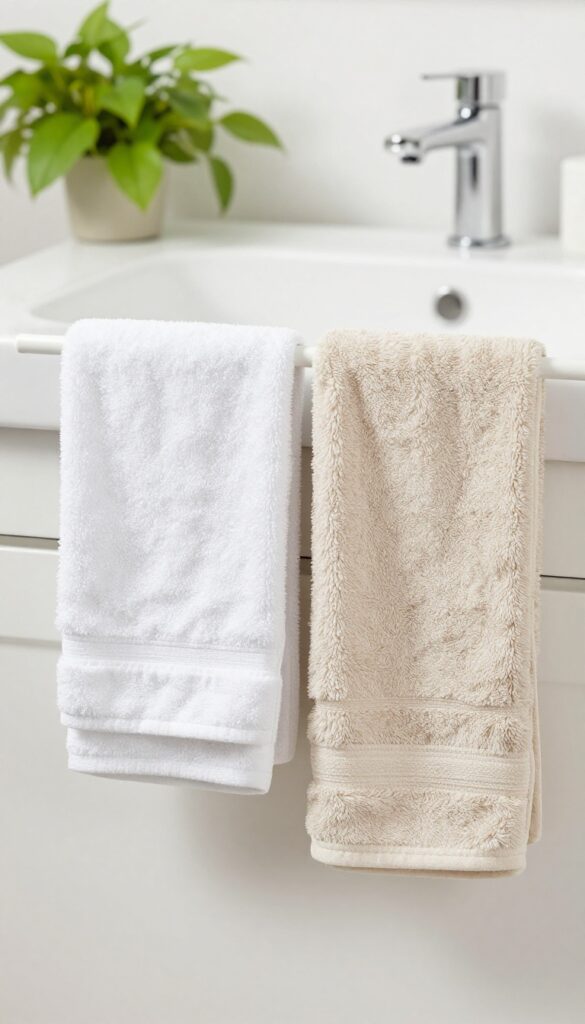
Grabbing the same towel for your face and body after a shower might seem harmless, but it can be a fast track to breakouts and irritation. Your face has thinner, more sensitive skin than the rest of your body, and towels quickly collect dead skin cells, bacteria, and oils from your torso and limbs. Rubbing that mixture onto your face can clog pores and cause inflammation.
Keeping a dedicated towel just for your face is a simple swap that protects your complexion. It prevents transferring bacteria from your body to your face, which is especially important if you're prone to acne or have sensitive skin. Plus, face towels dry faster and are easier to wash frequently, so you're always using a clean one.
Why Body Towels Can Harm Your Face
Body towels are often larger, thicker, and used for longer periods, making them a breeding ground for bacteria. When you dry your body, you pick up sweat, sebum, and dead skin—then press that directly onto your face. This can trigger breakouts, redness, or even fungal infections if the towel isn't changed often.
How To Set Up A Towel System
Designate one small, lightweight towel exclusively for your face. Use a different, larger towel for your body. Hang them separately to avoid cross-contamination, and wash both at least twice a week.
For extra hygiene, consider using a fresh face towel every two days.
Pro Tip: Pat, Don't Rub
Whether you're drying your face or body, always pat your skin dry instead of rubbing vigorously. Rubbing can cause micro-tears and irritation, especially on your face. Patting leaves a bit of moisture behind, which helps your moisturizer absorb better.
13. Incorporate a Weekly Hair Mask
Your scalp is skin too, and healthy hair starts with a well-nourished foundation. A weekly hair mask does more than just soften strands—it hydrates the scalp, reduces flakiness, and supports overall skin health. Think of it as a deep-conditioning treatment that benefits both your hair and the skin beneath.
Why Your Scalp Needs Love
A dry, irritated scalp can lead to dandruff, itchiness, and even hair thinning. A weekly mask delivers intense moisture and nutrients to the scalp, balancing oil production and soothing inflammation. It's a simple step that pays off in healthier hair and more comfortable skin.
How To Apply For Best Results
After shampooing, apply the mask from roots to ends, focusing on the scalp. Leave it on for 5–10 minutes (or as directed) to let ingredients penetrate. Rinse thoroughly with lukewarm water—hot water can strip moisture.
Use a wide-tooth comb to distribute the mask evenly.
Choosing The Right Mask
Look for masks with hydrating ingredients like shea butter, coconut oil, or aloe vera. If your scalp is oily, opt for lightweight formulas with tea tree or peppermint. For dry or damaged hair, richer masks with argan oil or keratin work wonders.
Match the mask to your hair type and scalp needs.
14. Clean Your Shower Tools Regularly
Your loofah, brush, or razor might be doing more harm than good if you never clean them. Damp, warm bathrooms are breeding grounds for bacteria, and your tools can quickly become contaminated. Using dirty tools on clean skin is like inviting germs to a party—not exactly what you want for healthy skin.
Make it a habit to disinfect your shower tools weekly. This simple step prevents bacteria buildup and keeps your skin happy. Here's how to handle each tool properly.
Loofahs And Sponges
Natural loofahs should be replaced every 3–4 weeks. Synthetic ones can last a bit longer but still need weekly cleaning. Soak them in a mixture of one part bleach to nine parts water for five minutes, then rinse thoroughly and let air dry.
You can also toss them in the washing machine or dishwasher on a hot cycle.
Brushes And Exfoliating Tools
For silicone or bristle brushes, wash with warm soapy water after each use. Once a week, deep-clean by soaking in a solution of equal parts water and white vinegar for 10 minutes. Rinse well and hang to dry.
Replace brush heads every 3–6 months.
Razors
Rinse your razor after every stroke to remove hair and cream. After use, rinse with rubbing alcohol and let it dry completely. Replace blades every 5–7 shaves to prevent rust and bacteria buildup.
Never share razors.
15. Use a Shower Filter if You Have Hard Water
If your skin feels tight and itchy after every shower, hard water might be the culprit. Minerals like calcium and magnesium, along with chlorine, can strip moisture from your skin and leave behind a dull residue. A simple shower filter can remove these impurities, making your water softer and your skin happier.
A shower filter attaches to your showerhead and filters out chlorine, heavy metals, and other contaminants. This helps maintain your skin's natural moisture barrier, reducing dryness and irritation. It's an easy, one-time upgrade that pays off with every shower.
How Hard Water Affects Your Skin
Hard water minerals bind with soap, leaving a film that clogs pores and blocks moisture. Over time, this can lead to dryness, flakiness, and even breakouts. Chlorine, often added to tap water, further strips natural oils, making skin feel tight and irritated.
Choosing The Right Filter
Look for a filter that reduces chlorine, heavy metals, and sediment. Some also add Vitamin C or other skin-friendly minerals. Check your water hardness level and pick a filter that matches your needs.
Most are easy to install without tools.
Installation And Maintenance Tips
Attach the filter between your shower arm and showerhead—usually a 10-minute job. Replace the filter cartridge every 6 to 12 months, depending on usage and water quality. You'll notice softer water and smoother skin almost immediately.
16. Shave at the End of Your Shower
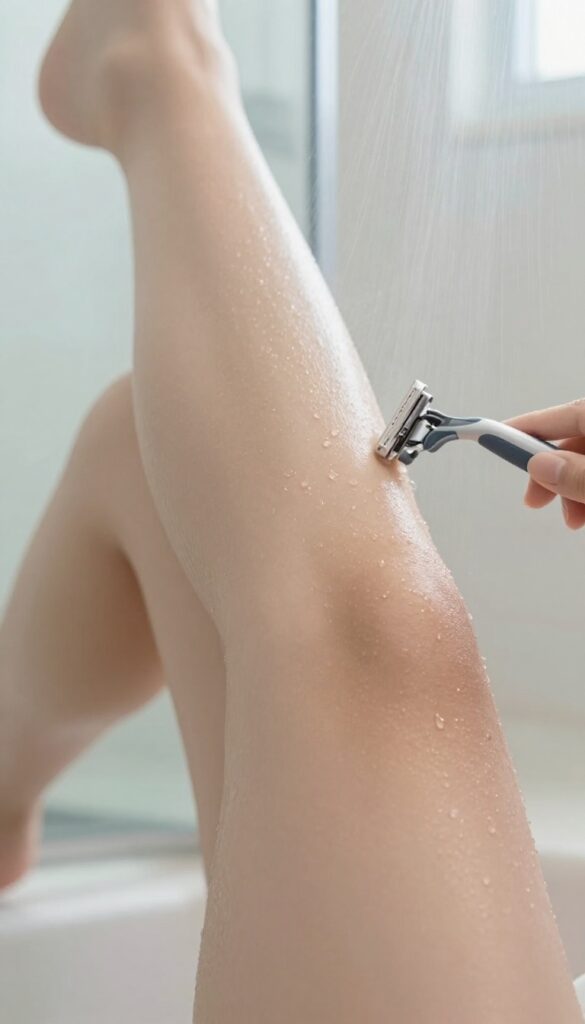
The order of your shower steps matters more than you think, especially when it comes to shaving. If you're in the habit of shaving first thing, you might be missing out on a smoother, less irritating shave. Waiting until the end of your shower lets warm water and steam work their magic on your skin and hair.
Shaving at the end of your shower gives your hair time to soften and your pores to open. This simple timing tweak reduces razor drag and helps prevent nicks, bumps, and ingrown hairs. It's an easy change that makes a noticeable difference in how your skin feels post-shave.
Why Warm Water Helps
Warm water softens the keratin in your hair, making it easier to cut. It also relaxes hair follicles and opens pores, so the razor glides smoothly. Steaming up the bathroom for a few minutes before shaving preps your skin for a closer, more comfortable shave.
How To Shave Last
After you've washed and conditioned, let the water run over your legs or other areas for a minute. Apply a moisturizing shave cream or gel, then shave in the direction of hair growth. Rinse your razor often and finish with cool water to close pores.
Post-shave Care
Pat your skin dry gently—don't rub. Apply a fragrance-free moisturizer or aloe vera gel to soothe and hydrate. Avoid harsh products with alcohol or fragrance right after shaving to prevent irritation.
17. Apply a Body Oil Before Stepping Out
You’ve just finished your shower, skin is damp and warm—this is the perfect moment to lock in all that hydration. Instead of reaching for a towel right away, try applying a lightweight body oil while your skin is still moist. It seals in water, leaving your skin soft, smooth, and subtly glowing without any greasy residue.
Why Damp Skin Works Best
Applying oil to damp skin helps trap water molecules on the surface, boosting hydration more effectively than using it on dry skin. The oil creates a protective barrier that prevents moisture loss, so your skin stays plump and dewy longer.
Choosing The Right Oil
Look for non-comedogenic options like jojoba, squalane, or grapeseed oil—they absorb quickly and won’t clog pores. Avoid heavy mineral oils if you’re prone to breakouts. A few pumps are enough; warm it between your palms and pat gently over your body.
The Best Application Technique
Step out of the shower but don’t fully dry off. Pat your skin until it’s just damp, then apply the oil in sweeping motions from your legs upward. Focus on drier areas like elbows and knees.
Wait a minute before toweling off any excess, then get dressed as usual.
18. Use a Cooling Body Wash in Summer
When the mercury rises, your regular body wash might leave you feeling sticky before you're even dry. A cooling body wash infused with menthol or peppermint does more than clean—it delivers an instant refresh that wakes up your skin and your senses. It's the shower equivalent of a cold drink on a hot day.
Switching to a cooling body wash during summer can make your shower feel like a mini spa treatment. The menthol or peppermint oils create a tingling sensation that helps lower your perceived body temperature, so you step out feeling energized and invigorated. Plus, many cooling formulas include gentle exfoliants or hydrating ingredients like aloe, so your skin stays smooth and soothed even in the heat.
Why Menthol Works So Well
Menthol doesn't actually cool your skin—it tricks your brain's cold receptors into thinking you're cooler. This natural compound from peppermint oil triggers a refreshing sensation that can last for minutes after your shower. It's especially helpful after a sweaty workout or a long day in the sun.
How To Pick A Good One
Look for cooling body washes with natural menthol or peppermint oil rather than synthetic fragrances. Pair it with a loofah or silicone scrubber to boost the cooling effect through gentle exfoliation. Avoid formulas with alcohol, which can dry out summer-stressed skin.
Best Time To Use It
Use your cooling body wash in the morning or after outdoor activities to maximize the refreshing boost. On really hot nights, a cool shower with this wash can help lower your body temperature before bed. Just don't use it right before stepping into an air-conditioned room—you might get too chilly!
19. Try a Dry Brush Before Showering
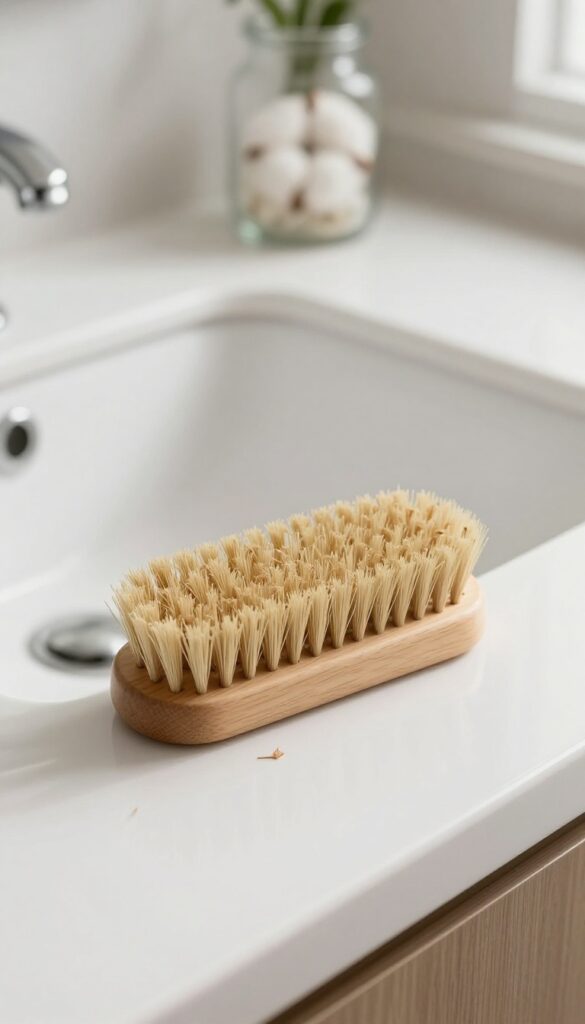
Dry brushing is like giving your skin a wake-up call before the water even hits. This simple technique boosts circulation, helps shed dead skin cells, and can even reduce the appearance of cellulite over time. The best part?
It only takes a few minutes and costs less than a fancy body scrub.
Dry brushing stimulates circulation and exfoliates. Do it 2-3 times a week before you get in the shower. Start at your feet and brush upward toward your heart using long, gentle strokes.
Avoid sensitive areas and never brush wet or broken skin. Follow with your regular shower to rinse away loosened dead skin.
Choose The Right Brush
Look for a brush with natural bristles and a long handle to reach your back. Firm but not scratchy bristles work best. Replace your brush every 6-12 months to keep it effective and hygienic.
Brush In The Right Direction
Always brush toward your heart to support lymphatic drainage. Use circular motions on your belly and joints, and long strokes on your arms and legs. Keep the pressure light—redness is fine, but pain isn't.
20. Alternate Between Warm and Cool Rinses
You've probably heard that a cold rinse is good for you, but do you know why? Alternating between warm and cool water during your shower can do wonders for your skin and circulation. It's a simple technique that adds a spa-like finish to your routine without any extra products.
Start your shower with warm water to open pores and cleanse deeply. Then, switch to a cooler rinse for the final 30 seconds. This contrast boosts blood flow, tightens pores, and leaves your skin looking more radiant.
Plus, it gives your hair extra shine by sealing the cuticles.
Why Temperature Contrast Works
Warm water helps dissolve dirt and oil, while cool water constricts blood vessels and reduces inflammation. The switch between them stimulates circulation, bringing oxygen and nutrients to your skin's surface. This natural glow-up doesn't require any fancy serums.
How To Do It Right
Don't go from scorching to freezing—that's a shock to your system. Instead, start comfortably warm, then gradually lower the temperature over the last minute. End with a 30-second cool rinse.
If you're brave, try a few quick alternations: 20 seconds warm, 20 seconds cool, repeat three times.
Extra Benefits For Hair And Scalp
A cool final rinse isn't just for skin. It smooths down hair cuticles, reducing frizz and boosting shine. For your scalp, the temperature shift can help balance oil production and soothe irritation.
Just be careful if you have a sensitive scalp—cool is fine, but icy cold might be too much.
21. Use a Handheld Showerhead for Better Coverage
A fixed showerhead might get the job done, but a detachable one gives you way more control. You can direct the water exactly where you need it, making rinsing easier and more thorough. It's a small upgrade that makes a big difference in your daily routine.
Switching to a handheld showerhead isn't just about convenience—it's about getting cleaner skin. You can target hard-to-reach areas like your back and the backs of your legs, ensuring no soap or conditioner is left behind. Plus, it's a game-changer for shaving or washing your hair without awkward twisting.
Better Rinsing
A detachable head lets you rinse every inch thoroughly. No more leaning back to get soap off your shoulders or bending awkwardly to wash your feet. You simply point and spray.
Targeted Care
If you have dry patches or areas that need extra attention, you can focus the water stream precisely there. It's also great for gentle cleansing after a workout or for anyone with limited mobility.
Easy Installation
Most handheld showerheads attach to your existing arm without tools. You can switch back and forth between fixed and handheld modes, so you get the best of both worlds.
22. Keep a Shower Timer to Avoid Overstaying
Long, hot showers feel amazing, but they strip your skin of natural oils, leaving it dry and irritated. A simple timer can help you stick to the 10-minute sweet spot. It's one of the easiest ways to protect your skin barrier without changing anything else.
Set a waterproof timer in your bathroom or use your phone's stopwatch. Aim for 10 minutes total, including washing and rinsing. If you tend to lose track, place the timer where you can see it clearly.
Over time, you'll naturally develop a sense of when it's time to wrap up.
Why 10 Minutes Matters
Your skin's moisture barrier starts breaking down after about 10 minutes in hot water. Shorter showers keep that barrier intact, so your skin stays hydrated longer. It also prevents over-drying that leads to itchiness and flaking.
How To Time Without Stress
Use a simple digital timer or a sand timer designed for showers. Place it on a shelf or hang it from the showerhead. If you prefer your phone, set an alarm with a gentle ringtone.
Don't rush—just be mindful of the clock.
Make It A Habit
Stick the timer in your shower caddy or attach it with a suction cup. The first few days you might go over, but soon you'll naturally finish on time. Pair it with a playlist that's exactly 10 minutes long for an easy cue.
23. End with a Relaxing Scented Body Mist

The final spritz is like a signature for your fresh, clean skin. A light body mist or hydrating toner locks in a touch of moisture and leaves a subtle, pleasant scent that lingers. It’s a small, sensory step that turns your routine into a moment of calm.
After you’ve dried off and moisturized, a quick mist of a scented body spray or a gentle hydrating toner can be the perfect finish. It adds a layer of freshness without being heavy or greasy. Choose a fragrance that makes you feel good—floral, citrus, or something clean and simple.
Spray it on pulse points or all over for an even, light veil of scent. This step is especially nice if you skip perfume or want something lighter for everyday.
Choose A Mist That Suits Your Skin
Not all mists are created equal. Look for alcohol-free formulas if you have dry or sensitive skin. A hydrating toner with ingredients like glycerin or rose water can double as a light moisturizer.
If you want fragrance, opt for a body mist designed for skin, not a strong perfume that might irritate.
How To Apply For Best Results
Hold the bottle about 6–8 inches from your skin and spray in a sweeping motion. Don’t rub it in—let it air dry. For a longer-lasting effect, apply right after moisturizer while skin is still slightly damp.
You can also spritz your hair or clothes for a subtle scent trail.
Make It Part Of Your Wind-down Ritual
Use this step as a cue to relax. After your shower, take a deep breath as you mist, and let the scent signal that you’re done with the day. It’s a small mindfulness moment that makes your routine feel more intentional.
FAQ
How often should I exfoliate my body in the shower?
Aim for 2-3 times a week. Over-exfoliating can irritate skin, while under-exfoliating may lead to dullness.
Is hot water bad for my skin?
Yes, hot water strips natural oils and can cause dryness or irritation. Lukewarm water is best for your skin.
Should I moisturize right after the shower?
Absolutely. Apply moisturizer within 3 minutes of drying while skin is still damp to lock in hydration.
Can I use bar soap instead of body wash?
Bar soaps can be drying due to high pH. Opt for a gentle, pH-balanced body wash for better skin health.
How do I prevent dry skin in winter showers?
Keep showers short, use lukewarm water, and apply a rich moisturizer immediately after. Consider a humidifier too.
Conclusion
Your shower routine is more than just a daily chore—it's a chance to pamper your skin and set a positive tone for the day. By incorporating these 23 basics, you'll notice a real difference in how your skin looks and feels.
Start with one or two changes and build from there. Your skin will thank you with a silky, healthy glow that lasts long after you step out of the shower.