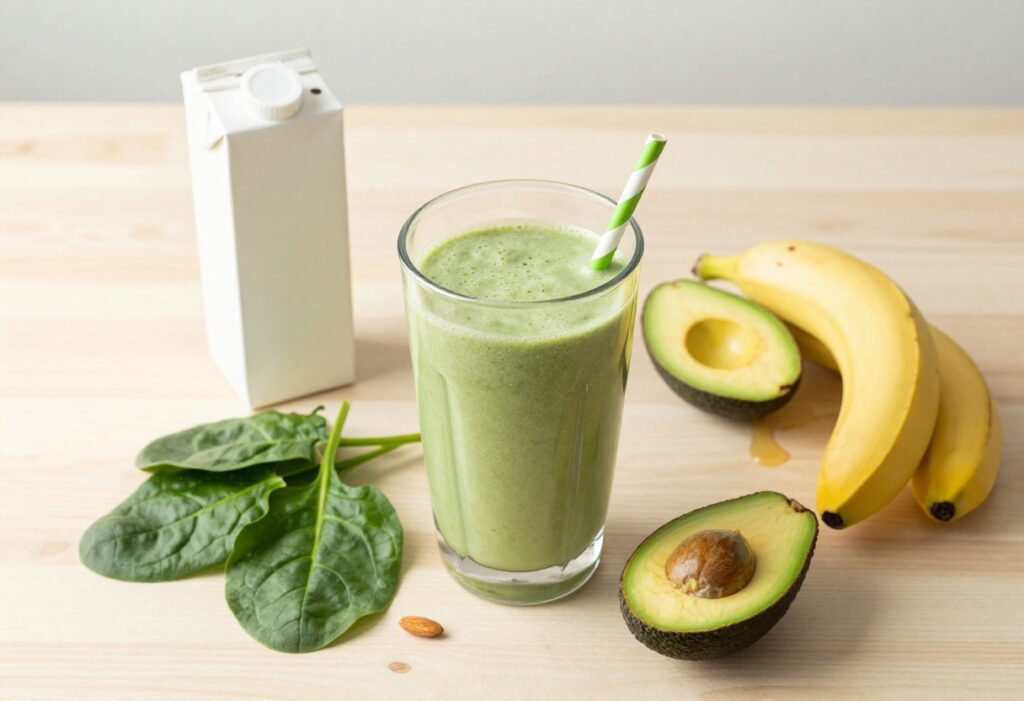
Body recomposition is the process of losing fat while building muscle at the same time. It’s not about drastic weight loss or bulking up—it’s about reshaping your body composition.
Protein plays a starring role in this process because it provides the building blocks for muscle repair and growth, and it keeps you feeling full, making it easier to stick to a calorie deficit. This meal plan is designed to help you hit your protein goals without overcomplicating things.
Each day includes around 30-40 grams of protein per meal, spread across three main meals and optional snacks. The focus is on whole, nutrient-dense foods that support both muscle gain and fat loss.
What Is Body Recomposition and Why Protein Matters
Body recomposition is the process of simultaneously losing body fat and gaining muscle mass. Unlike traditional weight loss, which often sacrifices muscle, recomposition aims to improve body composition by shifting the ratio of muscle to fat. This approach is particularly appealing for those who want a leaner, more defined physique without extreme dieting or bulking cycles.
The key to successful body recomposition lies in nutrition, especially protein. Protein plays a dual role: it provides the building blocks (amino acids) for muscle repair and growth, and it promotes satiety, helping you feel full longer so you naturally eat fewer calories. Without adequate protein, your body may break down muscle for energy, undermining your fat-loss efforts.
The Role of Protein in Muscle Building and Fat Loss
When you’re in a calorie deficit for fat loss, your body is primed to lose both fat and muscle. High protein intake helps preserve lean mass, signaling your body to spare muscle tissue. Additionally, the thermic effect of protein—the energy required to digest and metabolize it—is higher than that of carbs or fats, meaning you burn more calories just by eating protein.
This makes protein a powerful tool for recomposition.
How Much Protein Do You Really Need?
For body recomposition, research suggests a daily protein intake of 1.6 to 2.2 grams per kilogram of body weight. For example, a 70 kg (154 lb) person would aim for 112 to 154 grams of protein per day. This range supports muscle protein synthesis while allowing for fat loss.
Distributing protein evenly across meals (3–4 meals with 30–40 g each) optimizes muscle building.
Key Points to Remember
- Body recomposition means losing fat while gaining muscle.
- Protein is crucial for muscle repair and satiety.
- Recommended intake: 1.6-2.2 g per kg of body weight.
Setting Up Your Protein Meals: Key Principles

Before diving into a meal plan, it’s essential to understand the core principles that make protein meals effective for body recomposition. These guidelines will help you structure your meals to maximize muscle growth and fat loss.
The goal is to provide your muscles with a steady supply of amino acids throughout the day while keeping your overall calorie intake in check. Here are the key principles to follow.
Spread Protein Throughout the Day
Instead of loading up on protein at one meal, aim for 20-40 grams per meal, spaced evenly across 3-4 meals. This approach keeps muscle protein synthesis elevated and helps control hunger. For example, a 150-pound person might target 25-30 grams per meal, while a 200-pound person might aim for 35-40 grams.
Eating protein at regular intervals also stabilizes blood sugar and reduces cravings, making it easier to stick to your calorie goals.
Choose High-Quality Protein Sources
Not all protein is created equal. Prioritize sources that are rich in essential amino acids and low in saturated fat. Here are some excellent options:
- Lean meats: chicken breast, turkey, lean beef, pork loin
- Fish and seafood: salmon, tuna, cod, shrimp
- Eggs and dairy: whole eggs, Greek yogurt, cottage cheese, milk
- Plant-based: tofu, tempeh, edamame, lentils, chickpeas, quinoa
- Protein powders: whey, casein, or plant-based blends (use as supplements, not primary sources)
Variety is key—different protein sources provide different micronutrients and help prevent diet boredom.
Balance with Carbs and Fats for Energy
Protein alone won’t fuel your workouts or recovery. Each meal should include a source of complex carbohydrates (like oats, brown rice, sweet potatoes, or vegetables) and healthy fats (avocado, nuts, seeds, olive oil). This balance supports sustained energy, hormone function, and overall satiety.
Practical Tip
A simple template for a protein meal: one palm-sized portion of protein, one fist-sized portion of carbs, and one thumb-sized portion of fat. Adjust portions based on your total calorie needs.
Sample 7-Day Body Recomposition Meal Plan
This 7-day meal plan provides a variety of high-protein meals designed to support muscle growth and fat loss. Each meal contains 30-40 grams of protein, balanced with complex carbohydrates and vegetables. Adjust portion sizes based on your individual calorie and macronutrient needs.
Weekly Meal Overview
| Day | Meal | Protein Source | Carb Source | Vegetables |
| Day 1 | Chicken and Quinoa Bowl | 6 oz grilled chicken breast | 1 cup cooked quinoa | Mixed greens, cherry tomatoes, cucumber |
| Day 2 | Salmon with Sweet Potato and Greens | 6 oz baked salmon | 1 medium sweet potato | Steamed broccoli, spinach |
| Day 3 | Turkey and Black Bean Wrap | 4 oz lean ground turkey | 1/2 cup black beans (in wrap) | Lettuce, tomato, onion, bell peppers |
| Day 4 | Egg and Veggie Scramble with Oats | 3 whole eggs + 3 egg whites | 1/2 cup rolled oats | Spinach, mushrooms, bell peppers |
| Day 5 | Lean Beef Stir-Fry with Brown Rice | 4 oz lean beef strips | 3/4 cup cooked brown rice | Broccoli, carrots, snap peas |
| Day 6 | Tofu and Broccoli with Quinoa | 6 oz firm tofu | 1 cup cooked quinoa | Broccoli, bell peppers, bok choy |
| Day 7 | Greek Yogurt Parfait and Chicken Salad | 1 cup Greek yogurt + 4 oz chicken breast | Mixed berries, 1/2 cup oats | Lettuce, cucumber, tomato (for salad) |
How to Use This Plan
Each meal is designed to be balanced and satisfying. Feel free to swap similar protein sources (e.g., chicken for turkey) or adjust vegetable choices based on availability. Drink plenty of water throughout the day and consider adding healthy fats like avocado or olive oil to meet your fat goals.
Portion Adjustments
If you are smaller or less active, reduce the carbohydrate portions slightly (e.g., 1/2 cup quinoa instead of 1 cup). For larger individuals or those with higher activity levels, increase protein to 40-50g per meal and add an extra serving of vegetables.
Protein-Packed Meal Prep Tips for the Week
Meal prep is the backbone of a successful body recomposition plan. By dedicating a few hours each week to preparing protein-rich meals, you ensure that healthy options are always within reach, reducing the temptation to grab less nutritious choices. Here’s how to make meal prep efficient, safe, and effective.
Batch Cooking Proteins
Portioning and Storing
Once your proteins are cooked, portion them into individual containers. Use clear, airtight containers so you can see what’s inside. Label each container with the date and contents.
Store proteins in the refrigerator for up to 4 days, or freeze portions you won’t use within that time. For grab-and-go meals, pair each protein portion with prepped veggies and a source of complex carbs like quinoa or sweet potatoes.
Storage Tips
Keep raw and cooked foods separate to avoid cross-contamination. Use shallow containers for rapid cooling. Invest in a set of glass or BPA-free plastic containers in various sizes.
Adjusting the Plan for Your Body and Goals

No two bodies respond exactly the same to a recomposition plan. Depending on whether your priority is faster fat loss or more muscle gain, you’ll need to tweak your calories and macros. Here’s how to tailor the meal plan to your specific goal.
For Faster Fat Loss
If shedding body fat is your primary focus, you’ll want to create a modest calorie deficit while keeping protein high to preserve muscle. Start by reducing your daily carbohydrate intake by 50–100 calories (roughly 12–25 grams of carbs) and monitor your energy levels and hunger. Keep protein at 1.6–2.2 g per kg of body weight to maintain satiety and muscle.
You can also slightly decrease healthy fats by 5–10 grams if needed, but don’t go below 0.5 g per kg to support hormone function. Track your weight weekly; aim for a loss of 0.5–1% of body weight per week. If you’re losing faster, add back some carbs to avoid muscle loss and metabolic slowdown.
For More Muscle Gain
When building muscle is the priority, you need a slight calorie surplus—about 100–200 extra calories per day—with most of those coming from protein and carbs. Increase your protein to the upper end of the range (2.0–2.4 g per kg) and add 25–50 grams of carbs around your workouts to fuel performance and recovery. Keep fats moderate (0.8–1.0 g per kg) to support hormone production.
Monitor your strength and muscle gains; if you’re gaining more than 0.5–1% of body weight per month, you may be adding too much fat, so scale back calories slightly. Use progress photos and measurements alongside the scale to track muscle changes.
Key Adjustments at a Glance
- For fat loss: reduce carbs by 50–100 calories, keep protein high, monitor weekly weight loss of 0.5–1%.
- For muscle gain: add 100–200 calories, increase protein and carbs, focus on post-workout nutrition.
- Always adjust based on hunger, energy, and progress—avoid extreme deficits or surpluses.
- Re-evaluate every 2–4 weeks; your body adapts, so your plan should too.
Common Mistakes to Avoid on a Recomposition Diet
Even with the best meal plan, a few common pitfalls can derail your progress. Here are the top five mistakes people make on a recomposition diet—and how to fix them.
Not Eating Enough Protein
Protein is the cornerstone of body recomposition. Without enough, your body may break down muscle instead of fat. Aim for 1.6–2.2 grams per kilogram of body weight daily.
Spread protein evenly across meals to maximize muscle protein synthesis.
Skipping Meals
Skipping meals can lead to overeating later and unstable blood sugar. It also reduces the opportunity to distribute protein intake. Stick to 3–4 meals plus snacks, each containing 20–40 grams of protein.
Relying Too Much on Supplements
While convenient, supplements shouldn’t replace whole foods. Whole proteins provide additional nutrients like iron, zinc, and B vitamins. Use supplements to fill gaps, not as your primary protein source.
Ignoring Micronutrients
Vitamins and minerals support energy metabolism, recovery, and hormone function. A diet rich in vegetables, fruits, and varied protein sources ensures you get enough micronutrients. Consider a multivitamin if you’re unsure.
Not Adjusting Calories as You Progress
As you lose fat and gain muscle, your calorie needs change. Reassess your intake every 4–6 weeks. If weight loss stalls, reduce calories slightly; if muscle gain slows, increase protein or total calories.
Quick Fix Summary
Prioritize whole-food protein, eat regularly, use supplements wisely, eat a rainbow of veggies, and track your progress to adjust calories. Avoiding these mistakes will keep your recomposition on track.
FAQ
Can I follow this plan as a vegetarian?
Absolutely. Swap animal proteins for plant-based options like tofu, tempeh, seitan, lentils, chickpeas, and edamame. Aim for a variety to ensure you get all essential amino acids.
You may need slightly higher total protein intake (around 2.2 g/kg) to compensate for lower digestibility.
How long until I see results?
Body recomposition is a gradual process. Most people notice changes in 4-8 weeks with consistent nutrition and training. Focus on how your clothes fit and strength gains rather than the scale, as muscle gain can offset fat loss.
Do I need protein shakes?
Not necessarily. Whole foods should be your primary protein source. However, protein shakes can be convenient for meeting high protein targets, especially post-workout or when you’re short on time.
Choose a quality whey or plant-based powder.
Can I eat carbs on a recomposition diet?
Yes, carbs are important for energy and performance, especially around workouts. Focus on complex carbs like oats, quinoa, sweet potatoes, and brown rice. Adjust portions based on your activity level and fat loss progress.
What if I’m not hungry for that many meals?
You can adjust the meal frequency. Some people prefer three larger meals, others do four to five smaller ones. The key is total daily protein intake.
If you eat fewer meals, make each one higher in protein.
Conclusion
Body recomposition is achievable with a well-structured meal plan that prioritizes protein. By spreading your protein intake throughout the day, choosing high-quality sources, and preparing meals ahead, you set yourself up for success. Remember that consistency matters more than perfection.
Start with the sample 7-day plan, listen to your body, and make adjustments as needed. Pair this nutrition approach with a solid resistance training program, and you’ll be on your way to a leaner, stronger physique. Stay patient and trust the process.

Dr. Pallab Kishore, MS in Orthodontics and owner of Orthodontic Braces Care, shares expert tips on braces, aligners, and oral health from 10+ years of experience.