
That lit-from-within glow isn't just about expensive serums—it's the little rituals you repeat daily that make skin look smooth, fresh, and alive. From your shower temperature to the order you apply products, these 20 body glow tips are designed to slot right into your routine without eating up your mornings.
No complicated steps, just simple tweaks that add up to visibly softer skin. Ready to make your body care feel less like a chore and more like self-care?
Let's start with the first easy switch.
1. Start with a Gentle Daily Cleanser
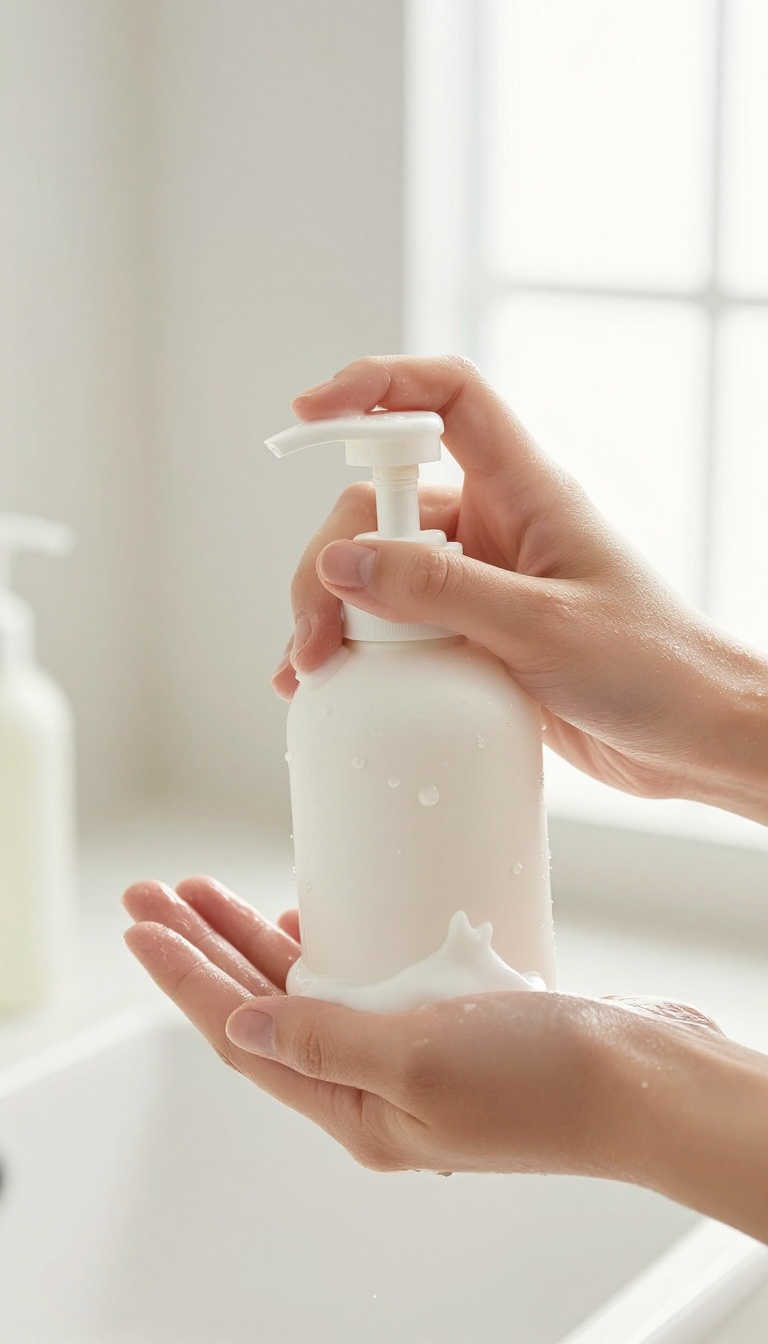
Your skin's natural barrier works hard to keep moisture in and irritants out. Harsh soaps can strip away those protective oils, leaving your body feeling tight, dry, and dull. A mild, pH-balanced cleanser is a simple fix that makes a big difference.
Think of it like washing a delicate fabric—you wouldn't use a heavy-duty detergent on silk. Your skin deserves the same care. By choosing a gentle formula, you're not just cleaning; you're preserving that healthy, dewy look all day long.
Switching to a gentle cleanser is one of the easiest ways to upgrade your body care routine. It doesn't lather as much as traditional soap, but that's a good thing—it means your skin's moisture is staying put. Look for cleansers labeled 'sulfate-free' or 'for sensitive skin' to avoid stripping ingredients.
Use lukewarm water, not hot, because heat can also break down your skin barrier. Massage the cleanser over damp skin in circular motions, then rinse thoroughly. Pat your skin dry with a soft towel instead of rubbing—this keeps irritation low and glow high.
Why Ph Balance Matters
Your skin's natural pH sits around 4. 5 to 5. 5, slightly acidic.
Harsh soaps often tip that balance into alkaline territory, which can lead to dryness and flakiness. A pH-balanced cleanser helps keep your acid mantle intact, so your skin can fend off bacteria and hold onto moisture. That's the foundation of a smooth, even glow.
How To Choose The Right Formula
Not all cleansers are created equal. Creamy or gel-based formulas are usually gentler than foaming ones. Look for ingredients like glycerin, ceramides, or aloe vera, which soothe and hydrate while cleaning.
Avoid anything with high alcohol content or strong fragrances—they can be sneaky irritants. If you're unsure, test a small patch first.
Quick Morning And Evening Routine
In the morning, a quick rinse with a gentle cleanser wakes up your skin without over-drying. At night, take a little more time to remove sweat, sunscreen, and daily grime. Use a soft washcloth or just your hands—no need for harsh scrubbing.
Consistency beats intensity, so keep it simple and do it daily.
2. Exfoliate 2-3 Times a Week
Dead skin cells pile up fast, leaving your body looking dull and rough no matter how much lotion you use. That's where exfoliation comes in—it's the quickest way to reveal the fresh, smooth skin underneath. But you don't need to scrub aggressively; a gentle approach a few times a week does the trick.
Think of exfoliation as hitting the reset button for your skin. It clears away the buildup that makes your glow look dim, so your moisturizer can actually sink in and do its job. Whether you choose a physical scrub or a chemical exfoliant, the key is consistency without overdoing it.
Pick The Right Exfoliant For Your Skin
Not all exfoliants are created equal. If your skin is sensitive, stick to a soft scrub with fine grains or a chemical exfoliant with lactic acid. For tougher areas like elbows and knees, a sugar or salt scrub works well.
Avoid anything with harsh, jagged particles that can cause micro-tears.
Don't Overdo It
Exfoliating every day is a common mistake that strips your skin's natural oils and leaves it irritated. Two to three times a week is plenty for most people. Listen to your skin—if it feels tight or looks red, cut back and give it time to recover.
Pair With A Hydrating Routine
Exfoliation opens the door for moisture, so follow up with a rich body lotion or oil while your skin is still slightly damp. This locks in hydration and keeps your glow going strong. You'll notice your skin feels softer and looks brighter almost immediately.
3. Dry Brush Before You Shower
Dry brushing is one of those small habits that feels oddly satisfying and delivers real results. It wakes up your skin, boosts circulation, and helps smooth out rough patches before you even step into the water. The best part?
It takes just two minutes and costs next to nothing.
Dry brushing is a simple technique that involves using a firm-bristled brush on dry skin. It exfoliates dead cells, stimulates lymphatic drainage, and encourages blood flow, which can leave your skin looking more radiant and feeling softer. Doing it before your shower means you rinse away the loosened flakes, so your skin is prepped for maximum absorption of your favorite moisturizer.
Why Dry Brushing Works
Dry brushing isn't just about sloughing off dead skin. The bristles create a gentle friction that boosts circulation, bringing oxygen and nutrients to the surface. It also helps unclog pores by clearing away buildup, which can reduce the appearance of bumps and ingrown hairs.
Plus, the rhythmic motion is a mini massage that can help you feel more grounded and relaxed.
How To Dry Brush Correctly
Start with a clean, dry brush and bare skin. Begin at your feet and brush upward toward your heart in long, sweeping motions. Use light pressure—this isn't about scrubbing hard.
Focus on areas that tend to be rough, like elbows, knees, and thighs. Avoid sensitive spots like your face, chest, or anywhere with broken skin. Do this before you shower, and follow up with a rinse to wash away the loosened cells.
Pick The Right Brush And Care For It
Choose a brush with natural, firm bristles and a long handle so you can reach your back easily. Wash it weekly with mild soap and water, then let it air dry. Replace it every six months or so, as bristles wear down and become less effective.
A good brush is an investment in your glow, but it doesn't have to be expensive.
4. Shower with Warm, Not Hot Water

A hot shower might feel amazing after a long day, but it's quietly sabotaging your glow. That steam you love is actually stripping away your skin's natural moisture barrier, leaving it tight, dry, and prone to flakiness. The fix is simple: dial the temperature down to warm.
Your skin will thank you by staying hydrated and looking noticeably smoother.
Switching from hot to warm water is one of the easiest swaps you can make for better skin. It keeps your natural oils where they belong—on your skin—instead of washing them down the drain. Plus, warm water still opens your pores just enough for a good cleanse, without the damage.
Why Hot Water Hurts Your Glow
Hot water breaks down the lipids that hold moisture in your skin, so every steamy shower leaves you a little drier. Over time, this leads to a dull, rough texture and can even worsen conditions like eczema. Warm water, on the other hand, cleanses effectively while preserving your skin's protective barrier.
The Right Temperature To Aim For
You want the water to feel comfortably warm—like a gentle hug, not a sauna. If your skin turns pink or red, it's too hot. A good rule of thumb: if you're tempted to linger, it's probably fine, but keep showers under 10 minutes to avoid over-drying.
Quick Tips For A Skin-friendly Shower
Start with warm water to cleanse, then finish with a cool rinse to seal in moisture and boost circulation. Keep a thermometer handy if you're unsure, and always pat your skin dry with a towel instead of rubbing. Follow up with a moisturizer while your skin is still slightly damp to lock in that hydration.
5. Moisturize Within 3 Minutes of Showering
Timing is everything when it comes to locking in moisture. The moment you step out of the shower, your skin is still damp and primed to absorb whatever you apply next. That's your golden window to seal in hydration and keep your skin feeling smooth all day.
If you wait until your skin is completely dry, you're missing the chance to trap that water in. A quick pat-down and a rich body lotion or cream can make all the difference. It's a simple habit that pays off with visibly softer, more supple skin.
The three-minute rule is backed by dermatologists: applying moisturizer while skin is still slightly damp helps lock in up to 10 times more hydration. This quick routine takes less than a minute but sets the tone for your skin's moisture levels throughout the day.
Why Damp Skin Works Better
When your skin is damp, the water acts as a carrier, pulling the moisturizer deeper into the epidermis. Dry skin repels oils, so lotion just sits on the surface. By applying within three minutes, you're helping your skin hold onto that moisture and stay hydrated longer.
How To Apply The Right Way
Don't rub vigorously—that can irritate skin. Instead, pat your skin dry with a towel, leaving it slightly damp. Then, scoop a generous amount of lotion or cream into your hands and smooth it over your body in gentle, upward strokes.
Focus on drier areas like elbows, knees, and heels.
Pick The Right Formula
For this to work, you need a moisturizer that matches your skin's needs. If you have very dry skin, go for a cream with ceramides or shea butter. If you're more normal or oily, a lighter lotion with hyaluronic acid works well.
Avoid heavy oils if you're prone to breakouts on your body.
6. Use a Hydrating Body Oil
Lotions and creams are great, but a body oil can take your glow to the next level. Oils work by sealing in the moisture your skin has already absorbed, creating a barrier that locks in hydration and adds a soft, luminous sheen. The trick is to apply it at the right time and on the right spots.
Why Oils Beat Lotions For Glow
Lotions are mostly water, so they evaporate quickly. Oils, on the other hand, sit on the skin's surface and trap moisture underneath. This makes them perfect for dry areas like elbows, knees, and heels, where the skin is thicker and needs extra help.
Plus, the natural shine they leave behind instantly makes your skin look healthier and more radiant.
The Right Way To Apply Body Oil
The best time to apply body oil is right after a shower, while your skin is still slightly damp. Pat yourself dry gently, then warm a few drops of oil between your palms and press it onto your skin. Focus on the dry spots first, then sweep the rest over your legs, arms, and torso.
This locks in the water from your shower and gives you that lit-from-within glow.
Pick An Oil That Works For You
Not all oils are created equal. Lightweight options like jojoba or squalane absorb quickly and work well for normal or oily skin. If your skin is very dry, go for richer oils like almond, argan, or avocado.
And if you want a little extra pampering, look for oils with added vitamins or a subtle scent—just make sure it doesn't irritate your skin.
7. Don't Forget Sunscreen on Your Body

You probably slather SPF on your face every morning, but what about the rest of you? Your neck, chest, arms, and legs see just as much sun—and they show the damage just as quickly. Skipping body sunscreen is one of the fastest ways to lose your glow, because UV rays break down collagen and cause dark spots and uneven texture.
The fix is simple: make body SPF a non-negotiable step in your daily routine. It doesn't have to be heavy or greasy—modern formulas feel light and absorb fast. Once you get into the habit, your skin will thank you with a smoother, more even tone that actually looks radiant.
Sun damage is a major cause of dull, uneven skin tone. Apply a broad-spectrum sunscreen with at least SPF 30 to all exposed areas, even on cloudy days, to prevent premature aging and maintain your glow.
Pick A Formula You'll Actually Use
The best sunscreen is the one you don't mind reapplying. Look for lightweight lotions, sprays, or even body oils with SPF that sink in quickly without leaving a white cast. If you hate the sticky feeling, try a gel or water-based option—they feel like nothing on the skin.
Don't Skip The Often-forgotten Spots
Your ears, back of the neck, tops of your feet, and even your hands need protection. These areas are easy to miss but show sun damage first. Use a spray or a stick to reach tricky spots, and don't forget to swipe some on your chest and shoulders if you're wearing a low-cut top.
Reapply Every Two Hours
Sunscreen wears off with sweat, towel-drying, and just being outside. Set a reminder on your phone or keep a travel-size bottle in your bag. If you're spending the day outdoors, reapply every two hours—especially after swimming or heavy sweating.
Your glow depends on it.
8. Drink Plenty of Water Throughout the Day
Your skin is the largest organ you have, and it's mostly water. When you're dehydrated, it shows—dry patches, dullness, and a lack of bounce. Drinking enough water is the simplest, cheapest way to boost your glow from the inside out.
Aim for at least eight glasses a day, but adjust based on your activity level and climate. If you're active or live somewhere hot, you'll need more. Keep a reusable bottle with you and sip steadily—your skin will thank you.
Hydration isn't just about quenching thirst; it's about keeping your skin cells plump and functioning well. Water helps deliver nutrients to skin cells and flush out toxins, which can reduce puffiness and promote a clearer complexion. While it's not a miracle cure for all skin issues, proper hydration is a foundational step in any glow routine.
How Much Water Do You Really Need?
The classic advice is eight 8-ounce glasses, but that's a starting point. Your needs vary with your weight, activity, and environment. A simple check: if your urine is pale yellow, you're likely well-hydrated.
Darker urine means you need to drink up. Listen to your body's cues—thirst is a sign you're already behind.
Easy Ways To Remember To Hydrate
Make water a habit by linking it to daily routines. Drink a glass when you wake up, before each meal, and before bed. Use a marked bottle to track your intake, or set reminders on your phone.
Infuse water with lemon, cucumber, or berries for a refreshing twist that makes you want to drink more.
Beyond Water: Hydrating Foods
You can also boost your water intake through foods. Fruits and veggies like watermelon, cucumber, oranges, and strawberries are over 90% water. Snacking on these not only hydrates but also provides vitamins and antioxidants that support skin health.
It's a delicious way to add to your daily fluid total.
9. Eat Foods Rich in Antioxidants
Your skin is a mirror of what you put on your plate. Those bright berries, leafy greens, and crunchy nuts aren't just tasty—they're packed with antioxidants that help fight off the daily damage from pollution and stress. When you feed your body these nutrients, your skin gets the support it needs to stay smooth and glowing.
Think of antioxidants as your skin's personal bodyguards. They neutralize free radicals, which are unstable molecules that can break down collagen and lead to dullness. By making these foods a regular part of your meals, you're giving your skin a fighting chance to look its best—no fancy creams required.
Start your day with a handful of blueberries or strawberries on your oatmeal or yogurt. These little gems are loaded with vitamin C, which helps boost collagen production and keeps skin firm. For lunch, toss a generous handful of spinach or kale into your salad—leafy greens are rich in vitamins A and E, which help repair skin and lock in moisture.
Snack on almonds or walnuts instead of chips. Nuts are full of healthy fats and vitamin E, which act as a shield for your skin's surface. And don't forget about green tea—swap your afternoon coffee for a cup.
It's packed with catechins, a type of antioxidant that can help reduce inflammation and keep your complexion calm. Make it easy by prepping snack bags of mixed berries and nuts so you always have a glow-boosting option on hand. Small changes like these add up to big results over time.
Berry Power
Berries are antioxidant superstars. Blueberries, strawberries, and raspberries are packed with vitamin C and other compounds that protect skin from oxidative stress. Add them to smoothies, yogurt, or just eat them by the handful for a sweet, skin-loving treat.
Leafy Greens
Spinach, kale, and Swiss chard are rich in vitamins A, C, and E, which help repair skin and keep it hydrated. Incorporate them into salads, soups, or sautéed dishes. A simple side salad with a drizzle of olive oil can do wonders for your glow.
Nuts And Seeds
Almonds, walnuts, and sunflower seeds are excellent sources of vitamin E, an antioxidant that protects skin from UV damage and keeps it supple. Snack on a small handful daily, or sprinkle them over salads and oatmeal for an extra crunch.
10. Get Your Beauty Sleep
You know that feeling when you wake up after a great night's sleep and your skin just looks. . . better? That's not your imagination. While you're catching Zzz's, your skin is working overtime to repair and regenerate.
Skimping on sleep doesn't just make you tired—it shows up on your face as puffiness, dark circles, and a dull complexion. So, if you want that daily glow, it's time to treat sleep like the beauty treatment it is.
Aim for 7-9 hours of quality sleep each night. During deep sleep, your body increases blood flow to the skin, which helps deliver oxygen and nutrients while clearing out waste. This natural repair process reduces inflammation and supports collagen production, keeping skin firm and smooth.
Plus, a good night's rest helps balance hormones that can trigger breakouts or oiliness. So, think of your bed as a spa—minus the cucumber water.
Why Sleep Matters For Your Skin
Your skin has its own circadian rhythm. At night, it shifts into repair mode, boosting cell turnover and producing new collagen. This is when your body makes the most growth hormone, which helps repair daily damage from sun, pollution, and stress.
Without enough sleep, this process slows down, leaving your skin looking tired and lackluster.
How To Maximize Your Beauty Sleep
Create a relaxing bedtime routine to signal your body it's time to wind down. Keep your bedroom cool and dark, and try to go to bed and wake up at the same time every day—even on weekends. Avoid screens an hour before bed, as blue light can disrupt melatonin production.
And don't forget to wash your face and apply your nighttime skincare, so your skin can absorb all those good ingredients while you rest.
Quick Fixes For Mornings After A Bad Night
If you didn't get enough sleep, don't panic. Splash your face with cold water to wake up your skin and reduce puffiness. Use a caffeine-infused eye cream to constrict blood vessels and fade dark circles.
A quick 10-minute facial massage or a cooling roller can also boost circulation and bring back some life to your complexion. Just remember, these are temporary fixes—consistent sleep is the real game-changer.
11. Switch to a Silk or Satin Pillowcase

You might not think about your pillowcase when it comes to skin care, but it's actually a big deal. Cotton can be rough and absorbent, pulling moisture from your skin and creating friction while you sleep. That can lead to dryness, fine lines, and even breakouts.
Switching to silk or satin is a simple swap that pays off. These smooth fabrics let your skin glide instead of tug, and they don't soak up your nighttime products. You'll wake up with your skin feeling softer and looking more rested—like you got a mini beauty treatment overnight.
Why Cotton Can Work Against You
Cotton fibers are like tiny sponges—they absorb moisture and can leave your skin parched. Plus, the rough texture creates friction as you move, which can irritate skin and contribute to wrinkles over time. If you're prone to dryness, cotton might be making it worse.
The Silk And Satin Advantage
Silk and satin are smoother and less absorbent, so they help your skin retain moisture and reduce friction. That means less tugging on delicate areas like your eyes and cheeks. They're also gentler on your hair, helping to prevent breakage and frizz.
How To Make The Switch
Look for pillowcases labeled 100% mulberry silk or high-quality satin with a tight weave. They're a bit pricier, but you don't need to replace them often—just wash them on a gentle cycle and let them air dry. Your skin will thank you every morning.
12. Incorporate a Vitamin C Body Serum
Your face gets all the antioxidant love, but your body is just as exposed to daily stressors. A vitamin C body serum is a game-changer for dull, uneven skin. It brightens, smooths, and defends against environmental damage, so your glow isn't just skin-deep.
Vitamin C is a powerhouse antioxidant that neutralizes free radicals from sun and pollution. When applied topically, it helps fade dark spots, boost collagen production, and even out skin tone. Using a body serum with vitamin C in the morning preps your skin for the day, giving it a radiant, healthy look.
Why Vitamin C Works For Your Body
Your body's skin is thicker than your face but still benefits from antioxidants. Vitamin C inhibits melanin production, which fades hyperpigmentation and evens tone. It also stimulates collagen synthesis, keeping skin firm and smooth.
Regular use can visibly brighten elbows, knees, and other rough areas.
How To Apply It Right
For best results, apply your vitamin C body serum right after showering, when skin is still slightly damp. This helps lock in moisture and boosts absorption. Massage it in using upward strokes, focusing on areas that need extra brightness.
Let it dry for a minute before layering on moisturizer or sunscreen.
Pair It With Sunscreen
Vitamin C is not a replacement for SPF—it's a partner. While it neutralizes some free radicals, sunscreen blocks UV rays from causing damage in the first place. Apply your serum, wait a few minutes, then follow with a broad-spectrum sunscreen.
This combo gives you double protection and a brighter, more even glow over time.
13. Try a Weekly Body Mask
Your body works hard all week, so give it a little extra TLC with a weekly mask. Unlike daily lotions, a mask delivers a concentrated dose of hydration and nutrients that sink in deep. It's like a mini spa treatment you can do at home, and your skin will thank you with a smooth, dewy finish.
Once a week, set aside 10–15 minutes to pamper your skin from the neck down. Apply a thick layer of your chosen mask, let it sit while you relax, then rinse off in the shower. The result?
Skin that feels softer, looks more even, and holds onto moisture longer.
Pick The Right Mask For Your Skin
Not all body masks are the same. If your skin is dry, look for shea butter or honey to lock in moisture. Oatmeal is great for sensitive or irritated skin, while clay masks can help with oiliness or rough patches.
Match the mask to your skin's needs, and you'll see better results.
How To Apply Like A Pro
Smooth the mask onto clean, dry skin in circular motions, focusing on extra-dry spots like elbows, knees, and heels. Don't forget your back and shoulders—use a long-handled brush if you need help reaching. Leave it on for the time listed on the package, usually 10–15 minutes, then rinse off with warm water.
Make It A Relaxing Ritual
Turn your mask time into a mini self-care moment. Light a candle, put on some music, or just take a few deep breaths while the mask works. This weekly habit isn't just about your skin—it's a chance to slow down and reset.
14. Massage Your Skin with a Jade Roller or Gua Sha

You've probably seen those sleek jade tools on your vanity, but they're not just for your face. When you run a roller or gua sha over your body, you're giving your lymphatic system a gentle nudge. That helps drain excess fluid, reduce puffiness, and boost circulation, which all adds up to a natural, dewy glow.
Start with clean, slightly damp skin and a few drops of body oil or lotion to help the tools glide smoothly. Work in long, sweeping strokes from your ankles upward toward your heart, focusing on areas that tend to swell or feel tight. Spend a little extra time on your thighs, calves, and arms—anywhere you carry tension.
You'll not only feel more relaxed, but your skin will look fresher and more alive.
Why It Works
The lymphatic system doesn't have a pump like your heart, so it relies on movement to keep fluid flowing. Gentle pressure from a roller or gua sha stimulates this system, helping to flush out toxins and reduce water retention. The result?
Less puffiness and a smoother, more even-toned appearance.
How To Do It Right
Use a jade roller with a larger head for bigger areas like your thighs, and switch to the smaller end for ankles and wrists. For gua sha, hold it at a 15-degree angle and use light to medium pressure. Always move in one direction—toward your heart—and avoid going back and forth.
Finish with a few minutes of gentle tapping to wake up your skin.
When To Add It To Your Routine
This works best in the evening, after a shower, when your skin is warm and muscles are relaxed. You can also do a quick 5-minute session in the morning to de-puff and energize. Aim for 3–4 times a week, or daily if you love the feeling.
It's a simple habit that makes your body care feel like a mini spa treatment.
15. Take Omega-3 Supplements
Your skin’s glow starts from within, and omega-3 fatty acids are like a daily drink of water for your cells. These healthy fats strengthen your skin’s lipid barrier, which locks in moisture and keeps irritants out. Over time, that means fewer dry patches and a smoother, more radiant surface.
Adding a supplement is an easy habit to build—just a pill with breakfast can make a noticeable difference in how your skin feels. If you’re not into capsules, you can also get omega-3s from foods like salmon, walnuts, or chia seeds. Either way, your skin will thank you.
Omega-3s are essential fats your body can’t make on its own, so you have to get them from food or supplements. They help reduce inflammation, which can calm redness and breakouts, and they support the skin’s natural oil production. That’s why many people notice their skin looks plumper and more hydrated after a few weeks of consistent intake.
When choosing a supplement, look for one that contains both EPA and DHA—these are the most beneficial types for skin health. Aim for a dose that matches your diet and lifestyle, and check with your doctor if you’re on blood thinners or have other health concerns. Consistency matters more than a mega-dose, so find a routine you can stick with.
Why Omega-3s Boost Your Glow
Omega-3s work by reinforcing the lipid barrier, the outermost layer of your skin that holds water in and keeps irritants out. When that barrier is strong, your skin looks smoother and feels softer. They also help regulate oil production, so your skin stays balanced—not too dry, not too oily.
Plus, their anti-inflammatory effects can reduce puffiness and redness, giving you a more even tone.
How To Add Them To Your Routine
Start with a daily supplement that provides at least 1, 000 mg of combined EPA and DHA. Take it with a meal that contains some fat to improve absorption. If you prefer food sources, aim for two servings of fatty fish like salmon or mackerel each week.
For plant-based options, flaxseed oil and algae-based supplements are good alternatives, though they may have slightly different benefits.
What To Look For In A Supplement
Choose a reputable brand that tests for purity and freshness—oxidized fish oil can do more harm than good. Look for third-party certifications like USP or NSF, and check the label for the amounts of EPA and DHA specifically. If you’re vegan or vegetarian, algae oil is a great source that’s also sustainable.
And remember, supplements are most effective when paired with a healthy diet and good skincare habits.
16. Avoid Long, Hot Baths
There's nothing quite like sinking into a steaming bath after a long day, but that heat comes at a cost. Hot water strips away your skin's natural oils, leaving it tight, dry, and dull. If you love your bath time, you don't have to give it up—just make a few smart adjustments to keep your glow intact.
Keep your bath short and warm, not hot. Aim for 10-15 minutes max, and add a few drops of bath oil or a handful of Epsom salts to help lock in moisture. After you step out, pat your skin dry gently and apply a rich body lotion while you're still slightly damp to seal in hydration.
Why Hot Water Hurts
Hot water breaks down the lipid barrier that holds moisture in your skin. That's why you might feel itchy or flaky after a long soak. Warm water is just as relaxing but much kinder to your skin.
Upgrade Your Soak
Add a capful of jojoba or almond oil to your bathwater. Epsom salts are another great option—they help relax muscles without drying you out. Just avoid bubble baths with harsh sulfates.
Post-bath Glow Routine
The first three minutes after your bath are golden. Apply a body oil or thick cream while your skin is still damp to lock in moisture. This simple step makes a huge difference in how soft and smooth you feel all day.
17. Wear Breathable Fabrics

Your skin breathes through more than just your face—your whole body needs airflow to stay happy. Tight, synthetic clothing can trap sweat and oil, leading to irritation and breakouts. Swapping those fabrics for natural, breathable options is one of the simplest ways to keep your skin smooth and glowing all day long.
Why Breathable Fabrics Matter
When your skin can't breathe, sweat gets trapped against it, clogging pores and causing friction. Over time, this can lead to body acne, rashes, and dullness. Natural fibers like cotton, bamboo, and linen allow air to circulate, keeping your skin dry and comfortable.
They also reduce the risk of chafing, which can irritate and inflame the skin.
Best Fabrics For Glowing Skin
Cotton is a classic for a reason—it's soft, absorbent, and gentle on sensitive skin. Bamboo is another excellent choice because it's naturally moisture-wicking and antibacterial. Linen is perfect for hot days, as it's lightweight and breathable.
For workouts, look for moisture-wicking blends that pull sweat away from the skin instead of letting it sit.
What To Avoid
Synthetic fabrics like polyester, nylon, and spandex can trap heat and moisture, creating a breeding ground for bacteria. While they're great for athletic performance, they're not ideal for all-day wear. If you do wear them, make sure to change out of them quickly after sweating and choose looser fits when possible.
18. Use a Humidifier in Dry Climates
If you live somewhere with dry air—whether it's a desert climate, winter heating, or an air-conditioned office—your skin is constantly losing moisture to the environment. That parched feeling isn't just in your head; dry air pulls water from your skin's outer layer, leaving it tight, flaky, and dull. A humidifier is a simple fix that puts moisture back into the air, so your skin doesn't have to work as hard to stay hydrated.
Think of a humidifier as a gentle, invisible shield for your skin. By keeping the air around you at a comfortable humidity level (around 40-60%), you're helping your skin retain its natural moisture barrier. This means fewer dry patches, less irritation, and a smoother, more supple look.
It's especially helpful while you sleep—your skin repairs itself overnight, and a humid bedroom supports that process.
Where To Place It
The best spot is your bedroom, since that's where you spend a third of your day. Place it on a nightstand or dresser, but keep it a few feet away from your bed to avoid dampness. If you work in a dry office, a small personal humidifier on your desk can work wonders too.
How To Use It Right
For best results, run it consistently, not just for an hour before bed. Use distilled water to prevent mineral dust, and clean it weekly to avoid mold and bacteria. Aim for a humidity level between 40% and 60%—you can buy a cheap hygrometer to check.
Don't overdo it, though; too much humidity can make the air feel stuffy and encourage dust mites.
Extra Glow Boosters
Pair your humidifier with a hydrating body lotion or oil applied right after a shower. The moisture in the air helps lock in the product, making your skin feel even softer. You can also add a few drops of essential oil (like lavender) to the humidifier for a calming, spa-like vibe, but make sure it's safe for your device.
19. Manage Stress with Mindfulness or Exercise
Your skin and stress are more connected than you might think. When you're stressed, your body releases cortisol, which can trigger oil production and lead to breakouts or a dull complexion. The good news?
You can flip the script by weaving simple stress-busting habits into your day.
Think of stress as a fog that settles over your skin. Mindfulness and exercise are like a gentle breeze that clears it away. You don't need to overhaul your life—just a few minutes of intention can make a real difference in how your skin looks and feels.
Why Stress Shows Up On Your Skin
Stress hormones can increase inflammation and slow down skin cell turnover, leaving you with a tired, uneven tone. It's not just in your head—your skin literally reacts to your mental state. By managing stress, you're giving your skin a chance to reset and renew.
Quick Mindfulness Practices To Try
You don't need to meditate for an hour to see benefits. Try a 5-minute breathing exercise in the morning, or focus on the sensation of your feet on the ground during a short walk. Even a few deep breaths before a meal can signal your body to calm down, which your skin appreciates.
Move Your Body For A Natural Glow
Exercise boosts blood flow, which delivers oxygen and nutrients to your skin cells. That post-workout flush isn't just temporary—it also helps flush out toxins through sweat. Aim for at least 20 minutes of movement you enjoy, whether it's dancing, jogging, or stretching.
Your skin will thank you.
20. Consistency is Key: Stick to Your Routine
You've probably heard that consistency matters, but here's why it's the real secret to glowing skin. Your skin cells regenerate on a cycle, and products work best when they're given time to do their thing. Skipping days here and there throws off that rhythm, so results stay out of reach.
Think of your routine like a workout plan—you wouldn't expect muscles to grow from a once-a-week session. Same goes for your skin. Daily habits, even small ones, compound into that smooth, fresh look you're after.
The trick is to make it so easy you don't have to think about it.
Consistency is the glue that holds all these glow tips together. It's not about doing everything perfectly every day—it's about showing up for your skin on the regular. When you stick with a routine, your skin learns what to expect and responds better.
Products absorb more effectively, moisture levels stay balanced, and that healthy glow becomes your new normal. Here's the thing: most people quit right before they'd see results. They try a new body oil or scrub for a week, don't notice a miracle, and move on.
But skin renewal takes time—usually around 28 days. Give your routine at least a month before judging it. Track what you're doing and how your skin feels, and you'll start to see patterns that keep you motivated.
Another angle: consistency doesn't mean rigid. Life happens, and some days you'll be rushed or exhausted. That's okay.
The goal is to have a baseline routine you can fall back on, even if it's just a quick moisturizer swipe. Those small, repeated actions matter more than occasional elaborate rituals. Finally, make your routine enjoyable so you'll want to stick with it.
Pick scents you love, textures that feel good, and products that don't irritate. When self-care feels like a treat, consistency becomes effortless.
Give It Time
Skin cells turn over roughly every 28 days, so you won't see overnight miracles. Commit to a routine for at least a month before you decide if it's working. Take note of how your skin feels each week—it's often the subtle changes that signal progress.
Make It Easy
If your routine is complicated, you'll skip it. Keep your products visible and within reach, like in your shower caddy or next to your bed. Simplify the steps so you can do them even when you're half asleep.
A two-minute routine you do daily beats a 20-minute one you do rarely.
Track Your Progress
A simple journal or a photo timeline can help you stay motivated. Snap a picture of your skin every week or jot down how it feels. When you see the difference, you'll be more inclined to keep going.
Plus, you'll know what works and what doesn't.
FAQ
How often should I exfoliate my body for a glow?
Aim for 2-3 times a week. Over-exfoliating can irritate your skin, so listen to your skin and adjust based on how it feels.
Can I use facial products on my body?
Yes, but be mindful of cost and ingredients. Body skin is thicker, so you might need more product. Look for body-specific versions if possible.
What's the best way to apply body oil for maximum glow?
Apply body oil to slightly damp skin after showering to lock in moisture. A few drops go a long way, so start small and add more if needed.
How long until I see results from these tips?
With consistent effort, you may notice improvements in a few weeks. Skin cell turnover takes time, so be patient and stick with your routine.
Are there any foods that specifically boost skin glow?
Foods rich in antioxidants like berries, tomatoes, and green tea, as well as healthy fats like avocados and nuts, can support skin health and radiance.
Conclusion
Smooth, glowing skin doesn't come from a single miracle product—it's the little daily habits that add up. Start with just two or three of these tips that feel easy to weave into your routine, whether it's dry brushing before a shower or swapping your pillowcase more often. Within a couple of weeks, you'll notice a softer, more even texture.
The key is consistency, not perfection. Choose what works for your lifestyle, stick with it, and let that natural radiance become your everyday look.