
That dewy, clear skin you see on social media isn’t just genetics—it’s the result of consistent habits. The good news? You don’t need a 10-step routine or expensive treatments to see a difference.
Small, intentional changes in how you care for your skin and body can add up to a noticeable glow. Think of your skin as a reflection of your overall health. When you hydrate, eat well, and manage stress, your skin shows it.
But it’s not about being perfect—it’s about building a few key habits that stick. Here are 15 skin glow up habits that support a clear, dewy appearance, from morning to night.
1. Start Your Day with a Glass of Water

Your skin is about 30% water, so it’s no surprise that hydration plays a huge role in how it looks and feels. When you’re even slightly dehydrated, your skin can look dull, tight, and more prone to fine lines. That’s why the first thing many skin care enthusiasts do after waking up is reach for a glass of water.
Drinking water on an empty stomach helps kickstart your metabolism and rehydrates your body after a night of fasting. It’s a simple, zero-cost habit that sets a positive tone for the rest of the day. Plus, it’s a gentle way to support your skin’s natural glow from the inside out.
Starting your morning with water is one of the easiest ways to boost your skin’s appearance. It helps flush out toxins, supports circulation, and ensures your skin cells are well-hydrated. Over time, this habit can contribute to a plumper, more radiant complexion.
To make it stick, keep a glass or bottle by your bedside so it’s the first thing you see when you wake up.
Why Morning Hydration Matters
While you sleep, your body works to repair and regenerate, which uses up water. By morning, you’re naturally in a dehydrated state. Replenishing fluids first thing helps your skin cells plump up and supports the production of new, healthy cells.
This can reduce the appearance of fine lines and give your face a fresher look.
How Much Water Should You Drink?
There’s no one-size-fits-all amount, but a good starting point is one glass (about 8 ounces) as soon as you wake up. You can gradually increase to two glasses if that feels comfortable. Listen to your body—if you’re thirsty, drink more.
Just avoid chugging too much at once, as it can be uncomfortable.
Tips To Make It A Lasting Habit
Make it easy by keeping a water bottle on your nightstand or setting a reminder on your phone. You can also add a slice of lemon or cucumber for a refreshing twist, which provides a small boost of vitamin C and antioxidants. The goal is to make it automatic, so you don’t even have to think about it.
2. Double Cleanse in the Evening
After a long day, your skin has accumulated more than just dirt—think sunscreen, makeup, sweat, and pollution. A single cleanser often isn't enough to break down oil-based products and then clean your skin deeply. That's where the double cleanse comes in: it's a simple two-step method that leaves your pores clear and your skin ready for the rest of your routine.
Double cleansing is exactly what it sounds like: washing your face twice, but with different types of cleansers. The first step uses an oil-based cleanser (or cleansing balm) to dissolve makeup, sunscreen, and excess sebum. The second step uses a water-based cleanser to remove any remaining residue, sweat, and impurities.
This method ensures a thorough yet gentle clean, preventing clogged pores and breakouts while maintaining your skin's natural moisture barrier.
Why Oil First?
Oil-based cleansers work on the principle that 'like dissolves like. ' They bind to the oils in your makeup and sunscreen, lifting them off your skin without harsh scrubbing. This is especially important if you wear waterproof products or heavy SPF. Skipping this step can leave residue that leads to dullness and congestion.
Follow With Water-based
The second cleanse is where the real cleaning happens. A gentle water-based cleanser (gel, foam, or cream) removes any leftover dirt, sweat, and impurities from the first step. It also preps your skin to absorb your serums and moisturizers better.
Choose a formula suited to your skin type—gel for oily, cream for dry, and foaming for combination.
Make It A Habit
Consistency is key. Double cleansing every evening, even on days you don't wear makeup, ensures your skin is truly clean. It's a small extra step that pays off in clearer pores, fewer breakouts, and a more even glow.
Plus, it feels like a mini self-care ritual after a long day.
3. Exfoliate Gently Twice a Week
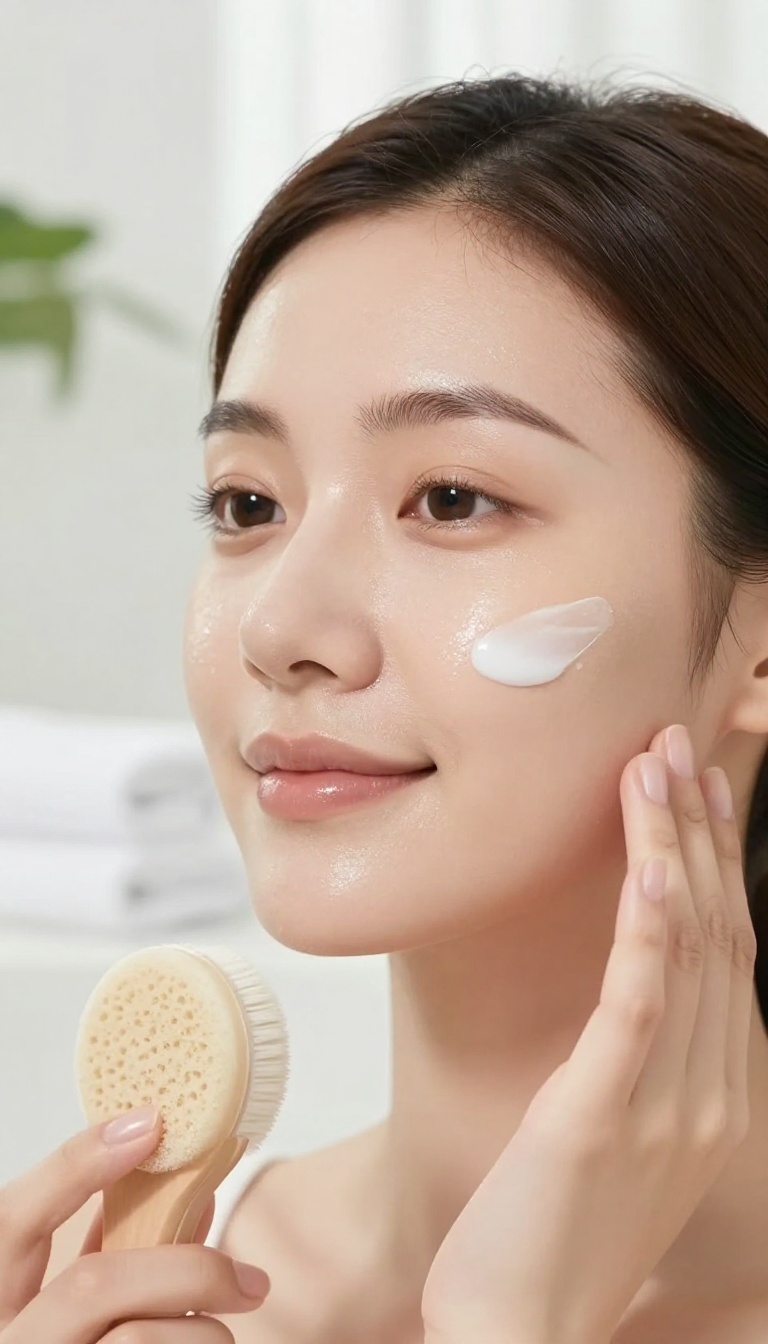
Dead skin cells can build up faster than you think, leaving your complexion looking dull and rough. Exfoliating helps sweep them away, but the key is to do it gently and not overdo it. Twice a week is the sweet spot for most skin types, letting you reveal fresher, brighter skin without irritation.
Regular exfoliation unclogs pores and smooths your skin’s texture, which helps your other skincare products absorb better. It also boosts circulation, giving your face a natural rosy glow. Just remember: more isn’t better—over-exfoliating can strip your skin and cause redness or breakouts.
Choose The Right Exfoliant
Look for a mild chemical exfoliant like lactic acid or a soft physical scrub with fine, rounded particles. Avoid harsh scrubs with jagged bits, like crushed walnut shells, which can cause microtears. If you have sensitive skin, start with a lower concentration and patch test first.
How To Exfoliate Properly
Apply the product to damp, clean skin using gentle circular motions for about 30 seconds. Rinse with lukewarm water and pat dry—don’t rub. Follow up with a hydrating moisturizer to lock in moisture and keep your barrier happy.
Always use sunscreen during the day, as exfoliating can make your skin more sun-sensitive.
Listen To Your Skin
If your skin feels tight, stings, or looks red after exfoliating, you’re doing it too often or using something too strong. Scale back to once a week or switch to a gentler formula. Your skin should feel smooth and comfortable, not irritated.
4. Apply Vitamin C Serum in the Morning
Morning is when your skin needs the most protection. Before you head out, a few drops of vitamin C serum can make a big difference. It’s like giving your skin a shield against daily stressors.
Vitamin C is a powerful antioxidant that brightens your complexion and helps fade dark spots over time. When applied before sunscreen, it boosts your sun protection and keeps your skin looking radiant. The key is consistency—use it daily and you’ll see the glow build up.
Start your morning with a vitamin C serum to defend against free radicals and enhance your natural glow. It’s one of the simplest ways to support a clear, dewy look.
Why Morning Is The Right Time
Your skin repairs itself at night, but during the day it’s on the front line against UV rays and pollution. Vitamin C works best when it’s on your skin during the day, because it neutralizes the damage caused by these stressors. Plus, it pairs perfectly with sunscreen—together they give you double the protection.
How To Pick The Right Serum
Not all vitamin C serums are created equal. Look for one with ascorbic acid (the most effective form) and a concentration between 10% and 20%. If you have sensitive skin, start with a lower percentage to avoid irritation.
Store it in a cool, dark place to keep it stable.
Layering Tips For Best Results
After cleansing and toning, apply a few drops of vitamin C serum to dry skin. Gently press it in, then wait a minute before applying moisturizer and sunscreen. This lets the serum absorb properly without pilling.
If you’re using other active ingredients like retinol, use vitamin C in the morning and retinol at night to avoid irritation.
5. Never Skip Sunscreen
Sunscreen is the closest thing we have to a fountain of youth. It’s the single most effective way to prevent premature aging, dark spots, and the dullness that comes from sun damage. If you want a lasting glow, this is non-negotiable.
Daily SPF 30 or higher protects your skin from UVA and UVB rays. UVA rays penetrate deep and cause wrinkles, while UVB rays burn the surface. Both contribute to an uneven tone and loss of elasticity.
By making sunscreen a morning habit, you’re shielding your skin from the number one cause of premature aging.
Why Spf 30 Is The Minimum
SPF 30 blocks about 97% of UVB rays, which is enough for everyday use. Higher SPFs offer slightly more protection but don’t last longer. The key is to apply enough—about a nickel-sized amount for your face—and reapply every two hours if you’re outdoors.
How To Make It A Daily Habit
Keep your sunscreen next to your toothbrush or moisturizer so you don’t forget. Choose a formula that feels good on your skin—gel, lotion, or tinted—so you actually want to wear it. You can even use a moisturizer with SPF, but make sure it’s at least 30.
Don’t Forget These Spots
Your ears, neck, and hands often get missed, but they show age just as much as your face. Apply sunscreen down to your collarbone and over the backs of your hands. If you’re outside, don’t forget your lips—use a lip balm with SPF.
6. Eat Foods Rich in Omega-3s

Healthy fats do more than keep your heart happy—they’re a secret weapon for your skin. Omega-3 fatty acids, found in foods like salmon, walnuts, and flaxseeds, help maintain your skin’s lipid barrier. That barrier locks in moisture and keeps irritants out, which is key for a hydrated, supple complexion.
When your skin’s barrier is strong, it looks plumper and more radiant. Omega-3s also have anti-inflammatory properties, which can calm redness and breakouts. So, adding these foods to your diet is a simple way to support your glow from the inside out.
Your skin’s lipid barrier is like a brick wall—the cells are bricks, and the fats are the mortar. Omega-3s help build that mortar, keeping your skin resilient and moist. Without enough of these healthy fats, your skin can become dry, flaky, and more prone to irritation.
Beyond hydration, omega-3s can help reduce inflammation. That means less redness and fewer angry breakouts. Over time, a diet rich in these fats can contribute to a smoother, more even-toned appearance.
Plus, they’re good for your heart and brain, so it’s a win-win.
Top Omega-3 Sources To Add To Your Plate
Fatty fish like salmon, mackerel, and sardines are the most concentrated sources. If you’re plant-based, go for walnuts, chia seeds, and flaxseeds. You can also find omega-3s in algae oil supplements, which are a great vegan option.
Try to include a serving of these foods a few times a week. For example, add ground flaxseed to your morning smoothie or oatmeal, or snack on a handful of walnuts in the afternoon. It’s an easy habit that pays off for your skin.
How Omega-3s Boost Hydration
Omega-3s help your skin retain moisture by strengthening the lipid barrier. This barrier prevents water loss, so your skin stays hydrated even in dry environments. As a result, your complexion looks dewy and feels soft.
One study found that people who took omega-3 supplements for 12 weeks saw a significant increase in skin hydration. So, while drinking water is important, pairing it with omega-3s can give your skin an extra boost.
Simple Swaps For More Omega-3s
You don’t have to overhaul your diet to get more omega-3s. Start by swapping your usual cooking oil for flaxseed oil in salad dressings, or choose eggs enriched with omega-3s for breakfast. Snack on edamame or add hemp seeds to your yogurt.
If you’re not a fan of fish, consider a high-quality fish oil or algae supplement. Just check with your doctor first, especially if you’re on blood thinners. Small changes can make a big difference over time.
7. Get 7-9 Hours of Sleep
Sleep is when your body goes into repair mode, and your skin is no exception. While you snooze, your skin cells work overtime to regenerate and recover from the day's stressors. That's why a solid night's rest can make such a visible difference in your complexion.
Skimping on sleep, on the other hand, can trigger a spike in cortisol, a stress hormone that can lead to inflammation and breakouts. It also disrupts your skin's natural moisture barrier, leaving it looking dull and tired. Prioritizing those 7-9 hours isn't just about feeling rested—it's a direct investment in your glow.
Getting enough sleep is a non-negotiable part of any effective skincare routine. It's not just about avoiding under-eye bags; it's about giving your skin the time it needs to rebuild collagen, repair damage, and maintain its natural radiance. When you're well-rested, your skin looks plumper, more even-toned, and simply healthier.
Why Sleep Is Your Skin's Best Friend
During deep sleep, your body increases blood flow to the skin, which helps deliver oxygen and nutrients while clearing out waste products. This is also when your skin produces new collagen, which keeps it firm and elastic. Without enough sleep, this regenerative process slows down, and you might notice more fine lines and a loss of that youthful bounce.
How Lack Of Sleep Shows Up On Your Face
When you're sleep-deprived, your body releases more cortisol, which can break down collagen and lead to inflammation. This often results in puffiness, dark circles, and a sallow complexion. Over time, chronic sleep deprivation can even accelerate the signs of aging, making your skin look older than it is.
Tips For Better Sleep For Better Skin
To maximize your skin's overnight repair, aim for a consistent sleep schedule, even on weekends. Create a relaxing bedtime routine that signals to your body it's time to wind down—think dim lights, a warm bath, or a few minutes of reading. Also, try to keep your bedroom cool and dark, and consider using a silk pillowcase to reduce friction on your skin.
8. Use a Humidifier in Dry Climates

Dry air is a silent enemy of glowing skin. Whether it’s winter heating or summer air conditioning, low humidity pulls moisture from your skin, leaving it tight, flaky, and dull. A humidifier adds that moisture back into the air, helping your skin stay hydrated and plump.
When the air in your home or office is dry, your skin’s top layer loses water faster than it can replenish it. This leads to a compromised skin barrier, which can make your complexion look rough and tired. Running a humidifier in the rooms where you spend the most time—especially your bedroom at night—creates a more skin-friendly environment.
It’s a simple, low-effort habit that pays off in a dewier, more supple look.
Why Dry Air Wreaks Havoc On Your Skin
Dry air accelerates transepidermal water loss (TEWL), meaning moisture escapes from your skin into the air. This can trigger dryness, irritation, and even excess oil production as your skin tries to compensate. Over time, a weakened barrier makes your skin more sensitive and less reflective, so it loses that natural glow.
How To Use A Humidifier For Maximum Benefit
Place the humidifier in your bedroom and run it while you sleep—that’s when your skin repairs itself. Keep the humidity level between 40% and 60% for optimal comfort. Clean the unit regularly to prevent mold and bacteria, and use distilled water if possible to avoid mineral buildup on your skin.
For an extra boost, add a few drops of hyaluronic acid serum to your routine before bed.
When You Need It Most
Winter is the obvious time, but don’t forget about air-conditioned offices and airplane cabins, which are notoriously dry. If you notice your skin feeling tight or looking dull by midday, that’s a sign the air around you is stealing your moisture. A small personal humidifier at your desk can make a big difference.
9. Incorporate a Hydrating Toner
Your moisturizer can only do so much if your skin isn't prepped to receive it. A hydrating toner bridges that gap, delivering a quick hit of moisture while helping the rest of your routine sink in better. It's a simple step that makes a visible difference in how plump and dewy your skin looks.
Think of a hydrating toner as a drink of water for your skin before you seal everything in with a moisturizer. Unlike astringent toners from the past, these are formulated with humectants like hyaluronic acid and glycerin, which pull water into the skin's outer layer. The result?
A smoother, more supple base that helps your moisturizer work more effectively.
Why Your Skin Needs That Extra Layer
After cleansing, your skin's pH can be slightly off, and it's often stripped of some natural moisture. A hydrating toner helps rebalance and rehydrate, so your skin isn't left feeling tight or dry. This extra layer of hydration also plumps up fine lines and gives your complexion that lit-from-within look.
How To Apply It For Best Results
You can pat a few drops directly onto your face with your hands, or use a cotton pad to gently sweep it across. For an extra boost, try the 'sandwich method'—apply toner, then a light moisturizer, then another layer of toner. This locks in more moisture and is especially great if your skin feels parched.
Choosing The Right Toner For Your Skin
Look for alcohol-free formulas with ingredients like hyaluronic acid, glycerin, or rose water. If you have sensitive skin, avoid added fragrances or essential oils. A simple, no-frills toner that focuses on hydration is your best bet for that dewy glow without irritation.
10. Change Your Pillowcase Weekly

Your pillowcase is basically a sponge for oil, dirt, and bacteria that rub against your face all night. Washing it once a week is a simple, low-effort habit that can make a real difference in preventing breakouts and keeping your skin clear.
Think about it—you spend about a third of your life with your face pressed against the same fabric. Over time, that buildup transfers back onto your skin, clogging pores and potentially causing irritation. Making it a habit to swap your pillowcase weekly is an easy win for your skin.
Why It Matters
Your skin sheds dead cells and produces oil while you sleep. That mixture, along with any leftover product, creates a breeding ground for bacteria. A fresh pillowcase reduces the chance of those impurities causing clogged pores or breakouts.
How To Make It Stick
Set a reminder on your phone or tie it to a weekly task like laundry day. Keep a few extra pillowcases on hand so you can change it without extra effort. If you have sensitive skin, use a gentle, fragrance-free detergent.
Bonus Tip
If you're prone to acne, consider switching to a silk or satin pillowcase. It creates less friction and absorbs less moisture, which can be gentler on your skin and hair.
11. Manage Stress with Deep Breathing
Your skin and stress are more connected than you might think. When you're stressed, your body pumps out cortisol, which can ramp up oil production and lead to breakouts. That's why finding ways to dial down stress is a game-changer for your complexion.
Deep breathing is one of the simplest, most effective tools you have. It signals your nervous system to calm down, which in turn helps keep your skin clear and calm. Best of all, it takes just a few minutes a day—no special equipment or fancy apps required.
A few minutes of deep breathing daily can help keep your skin calm. It's not about sitting in silence for an hour; it's about short, focused moments that reset your body. When you breathe deeply, you lower cortisol levels, reduce inflammation, and improve blood flow to your skin.
That means a healthier, more even glow over time.
Why Cortisol Hurts Your Skin
Cortisol is a stress hormone that, when elevated, can increase oil production and inflammation. This can lead to clogged pores and acne flare-ups. By managing stress, you help keep cortisol in check, which supports a clearer, more balanced complexion.
How Deep Breathing Works
Deep breathing activates your parasympathetic nervous system, which is responsible for rest and relaxation. This lowers your heart rate and reduces stress markers. Over time, this can improve your skin's barrier function and reduce redness, giving you that dewy look from within.
Quick Ways To Add Deep Breathing
You don't need a dedicated meditation session. Try a few minutes of deep breathing when you wake up, during a work break, or before bed. Even 3-5 minutes can make a difference.
Focus on slow, steady breaths—inhale for 4 counts, hold for 4, exhale for 6. Make it a non-negotiable part of your day, and your skin will thank you.
12. Use a Jade Roller or Ice Roller
Facial rolling is one of those beauty tricks that feels like a mini spa treatment at home. It’s simple, quick, and can make a noticeable difference in how your skin looks and feels. Whether you use a jade roller for a calming massage or an ice roller for a cooling blast, this habit helps reduce puffiness and gives your face an instant dewy lift.
Rolling your face isn’t just a trendy Instagram moment—it has real benefits. The gentle pressure helps stimulate blood flow, which brings oxygen and nutrients to the skin’s surface. That boost in circulation can leave you with a healthy, rosy glow.
Plus, the cooling effect (especially with an ice roller) constricts blood vessels, which can reduce swelling and make your skin look smoother and more awake.
Why It Works
Facial rolling encourages lymphatic drainage, which helps your body flush out excess fluid and toxins. That’s why it’s so effective at de-puffing, especially around the eyes and jawline. The massage also relaxes facial muscles, which can soften fine lines over time.
And let’s not forget the sheer relaxation factor—taking a few minutes to roll your face can lower stress, and stress relief always shows up in your skin.
How To Use It
Start with a clean face and apply a few drops of facial oil or a lightweight serum so the roller glides smoothly. Use gentle upward and outward strokes, starting from the center of your face and moving toward your ears. Spend extra time on areas that tend to hold tension, like your jaw and brow.
For an ice roller, keep it in the freezer and use it in the morning to wake up tired skin. Always wrap it in a thin cloth if it feels too cold at first.
When To Roll
Morning is a great time for an ice roller to reduce any overnight puffiness and give you a fresh start. In the evening, a jade roller can be part of your wind-down routine—especially after cleansing and applying your skincare. You can roll for just two to three minutes a day; consistency matters more than duration.
If you’re short on time, focus on the areas that bother you most, like under-eye bags or a tense jaw.
13. Limit Sugar and Dairy Intake
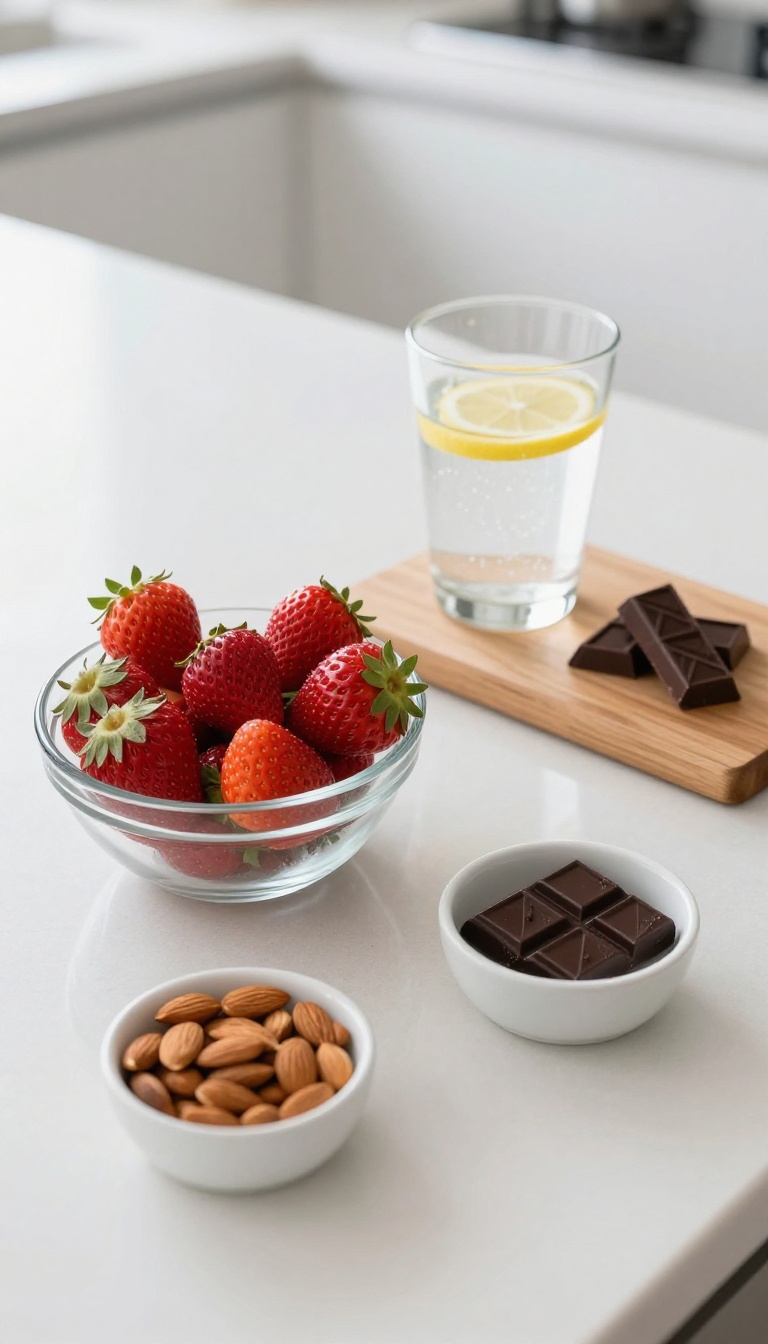
Your skin often reacts to what you eat, even if you don't notice it right away. For many people, high sugar and dairy can trigger inflammation and breakouts. Cutting back on these might be the missing piece in your glow-up routine.
When you eat sugary foods or drink milk, your body's insulin levels spike, which can increase oil production and lead to clogged pores. Dairy, especially skim milk, contains hormones that may also stimulate oil glands. It's not about cutting them out completely—just being mindful of how much you consume and how your skin responds.
How Sugar Affects Your Skin
Sugar causes a process called glycation, which damages collagen and elastin—the proteins that keep skin firm and bouncy. It also spikes insulin, which can lead to more oil and breakouts. Try swapping sugary snacks for fruit or dark chocolate with at least 70% cocoa.
The Dairy-skin Connection
Dairy contains hormones that can trigger sebum production, especially in those prone to acne. Some studies link skim milk to more breakouts than whole milk. If you suspect dairy is a culprit, try a two-week break and see if your skin clears up.
Healthy Swaps That Still Taste Great
Replace sugary drinks with sparkling water with lemon, or choose unsweetened almond milk in your coffee. For snacks, go for nuts or yogurt (if you tolerate dairy). These small swaps can satisfy cravings without wreaking havoc on your skin.
14. Moisturize While Skin Is Damp
The timing of your moisturizer matters more than you'd think. Slapping it on dry skin means you're sealing in less hydration, and your skin might feel tight again within an hour. The trick is to apply it within 60 seconds of cleansing, while your skin is still slightly damp.
That little bit of water on your face acts like a magnet for the moisturizer, pulling it deeper into the skin. It also helps lock in that hydration, keeping your skin plump and dewy throughout the day. It's a simple shift that makes a big difference.
Applying moisturizer to damp skin helps trap water in the outer layer, boosting hydration and strengthening the skin barrier. This habit is especially helpful if you have dry or dehydrated skin, but it works for all skin types—just adjust the formula to match your needs.
Why Damp Skin Works Better
When your skin is damp, it acts like a sponge, absorbing the moisturizer more effectively. The water molecules help carry the product deeper, and the humectants in your moisturizer (like hyaluronic acid) can bind that water to your skin. The result is longer-lasting hydration and a softer, smoother feel.
How To Do It Right
After cleansing, gently pat your face with a towel so it's not dripping, but still slightly moist. Then, apply your moisturizer in gentle upward strokes. Don't rub—let it absorb naturally.
If you use serums or oils, apply them first while your skin is damp, then seal with a moisturizer.
When To Use A Heavier Cream
If your skin is very dry, you might want to use a richer cream instead of a light lotion, especially at night. Damp skin can handle heavier formulas without feeling greasy because the water helps them spread and absorb better. For oily skin, stick to a gel or water-based moisturizer to avoid clogging pores.
15. Take a Probiotic or Eat Fermented Foods

Your gut and skin are constantly talking to each other. When your digestion is off, it often shows up as dullness or breakouts. Adding probiotics to your routine is a simple way to support that connection.
Fermented foods like yogurt, kimchi, sauerkraut, and kombucha are packed with beneficial bacteria. They help maintain a balanced gut microbiome, which can reduce inflammation and promote a clearer complexion. You don't need to overhaul your diet—just pick one or two fermented options you enjoy and make them a regular part of your week.
A healthy gut supports clear skin by reducing systemic inflammation and improving nutrient absorption. Probiotics help crowd out harmful bacteria and support your immune system, which can show up as a more even tone and fewer flare-ups. If you're not a fan of fermented foods, a quality probiotic supplement can do the trick.
Look for one with multiple strains and a high CFU count, and take it consistently for best results.
Why Gut Health Matters For Skin
Your gut lining acts as a barrier, and when it's compromised, toxins can leak into your bloodstream, triggering inflammation. This often manifests as acne, redness, or dryness. Probiotics strengthen that barrier and help calm the immune response.
Plus, a balanced gut helps your body absorb vitamins like zinc and vitamin B, which are essential for skin repair and glow.
Best Fermented Foods To Try
Yogurt with live cultures is an easy start—just check the label for 'live and active cultures. ' Kimchi and sauerkraut are great for adding a tangy kick to meals. Miso and tempeh are also excellent options if you enjoy Asian cuisine. Kombucha is a refreshing drink that can replace sugary sodas.
Rotate a few of these to keep your gut bacteria diverse.
Choosing A Probiotic Supplement
If you go the supplement route, look for brands that list specific strains like Lactobacillus and Bifidobacterium. A dose of 10-20 billion CFUs is typical for skin benefits. Take it with water before a meal to help the bacteria survive stomach acid.
Give it at least four weeks—your gut needs time to adjust. Consistency beats occasional high doses.
FAQ
How long does it take to see results from these habits?
Most people notice a difference in 2-4 weeks, but it can take up to 3 months for significant changes. Consistency is key.
Can I use all these habits at once?
Yes, but it's best to introduce them gradually so you can see what works for your skin. Start with the basics like hydration and sunscreen.
Do I need to buy expensive products for a glow?
No. Many habits are free or low-cost, like drinking water, sleeping well, and using a humidifier. Focus on consistency over price.
Are these habits suitable for all skin types?
Most are, but adjust based on your skin. For example, oily skin may need lighter moisturizers, and sensitive skin should patch-test new products.
What if I have acne-prone skin?
These habits can help, but avoid over-exfoliating and choose non-comedogenic products. Consult a dermatologist if acne persists.
Conclusion
Clear, dewy skin is less about chasing perfection and more about building small habits that feel good day after day. Pick two or three of these glow-up moves that fit your routine, and stick with them long enough to see the difference. Your skin responds to consistency, not intensity, so keep it simple.
Over time, that natural radiance will show up on its own—no filters needed. Just give your skin the basics, stay patient, and let the glow follow.