
Between work, errands, and everything else, finding time for a full body care routine can feel impossible. But you don't need an hour-long ritual to keep your skin happy. Small, smart habits can make a big difference without eating up your day.
Think of it as a series of micro-moments—each one takes just a minute or two. The trick is knowing which steps actually move the needle. These 23 habits are designed for real life.
They're fast, effective, and easy to weave into your existing routine. No complicated steps, just simple wins.
1. Start Your Day with a Dry Brush
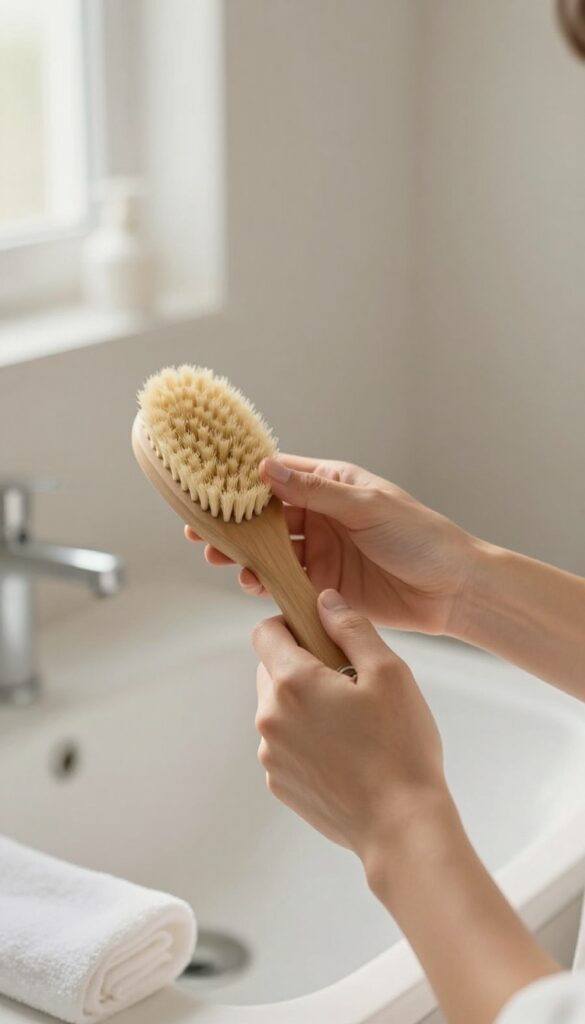
A dry brush might sound like an extra step, but it's actually a time-saver. Two minutes before your shower is all you need to wake up your skin and your body. This simple habit boosts circulation, gently exfoliates, and leaves you feeling smooth and energized—no fancy products required.
Dry brushing is one of those habits that delivers visible results with minimal effort. It helps slough off dead skin cells, which can make your skin look dull, and stimulates blood flow for a natural glow. Plus, it only takes a couple of minutes, so it fits easily into even the busiest mornings.
How To Do It Right
Use a natural bristle brush with a long handle so you can reach your back. Start at your feet and brush upward toward your heart using long, gentle strokes. Avoid sensitive areas and never brush wet skin—always do it before your shower.
Best Time To Brush
Morning is ideal because the invigorating effect helps you wake up. Dry brushing right before your shower also means you can rinse off any loose skin cells immediately. If you're short on time, even 30 seconds per leg makes a difference.
Keep It Clean
Wash your dry brush once a week with mild soap and water, then let it air dry. Replace it every 6 to 12 months, or when the bristles start to feel bent or worn. A clean brush prevents bacteria buildup and keeps your skin happy.
2. Use a Gentle, Hydrating Body Wash
Not all body washes are created equal. Many popular options are packed with sulfates that strip your skin's natural oils, leaving it tight and dry. That means you'll need more lotion—and more time—to rehydrate.
A gentle, hydrating body wash does the heavy lifting for you, cleansing without damaging your moisture barrier.
Swapping to a sulfate-free, hydrating body wash is one of the simplest swaps you can make. It cleanses effectively while keeping your skin soft, so you can skip the heavy moisturizer on busy days. Look for ingredients like glycerin, ceramides, or oatmeal to lock in moisture as you wash.
What To Look For
Check the label for "sulfate-free" and ingredients like glycerin, shea butter, or aloe vera. Avoid anything with sodium lauryl sulfate (SLS) or sodium laureth sulfate (SLES). Creamy, non-foaming formulas are often the most hydrating.
How To Use It
Wet your skin first, then apply the body wash with your hands or a soft cloth. Rinse with lukewarm water—hot water strips moisture. Pat dry instead of rubbing to keep hydration on your skin.
Why It Saves Time
Because your skin stays hydrated after the shower, you can skip or reduce your lotion routine. That's one less step on busy mornings, and your skin still feels comfortable all day.
3. Shower in Lukewarm Water
Hot water feels amazing after a long day, but it's secretly stripping your skin of its natural moisture. That tight, itchy feeling post-shower? That's your skin screaming for help.
Lukewarm water is the sweet spot—it cleanses without over-drying, leaving your skin comfortable and hydrated.
Switching to lukewarm water is one of the easiest swaps you can make. It preserves your skin's barrier, which means less irritation and fewer dry patches. Plus, you'll save a bit on your energy bill.
Win-win.
Why Hot Water Hurts
Hot water dissolves the natural oils that keep your skin soft and protected. Over time, this leads to dryness, flakiness, and even eczema flare-ups. If you love a hot shower, try dialing it down gradually—your skin will thank you.
How To Find Your Perfect Temperature
Aim for water that feels warm but not steamy. A good test: your skin should not turn red or feel sensitive. If you have to adjust the cold water to keep it comfortable, you're probably too hot.
Quick Tips For A Lukewarm Routine
Keep showers under 10 minutes to avoid unnecessary moisture loss. After rinsing, pat dry with a towel instead of rubbing, then apply moisturizer while skin is still slightly damp. This locks in hydration without extra effort.
4. Keep Showers Under 10 Minutes
Long showers feel like a treat, but they can actually dry out your skin. When you linger under hot water, your skin's natural oils get stripped away, leaving it parched and irritated. Keeping your shower short and efficient helps lock in moisture and saves time.
Set A Timer
If you tend to lose track of time, set a timer for 8–10 minutes. It's a simple way to stay on track without rushing. You'll still get clean without overdoing it.
Use Lukewarm Water
Hot water feels nice, but it's harsh on your skin. Turn the temperature down to lukewarm. It's gentler and helps your skin retain moisture.
Apply Moisturizer Right After
Within three minutes of stepping out, while your skin is still damp, apply a body lotion or oil. This seals in hydration and keeps your skin soft all day.
5. Pat Dry, Don't Rub
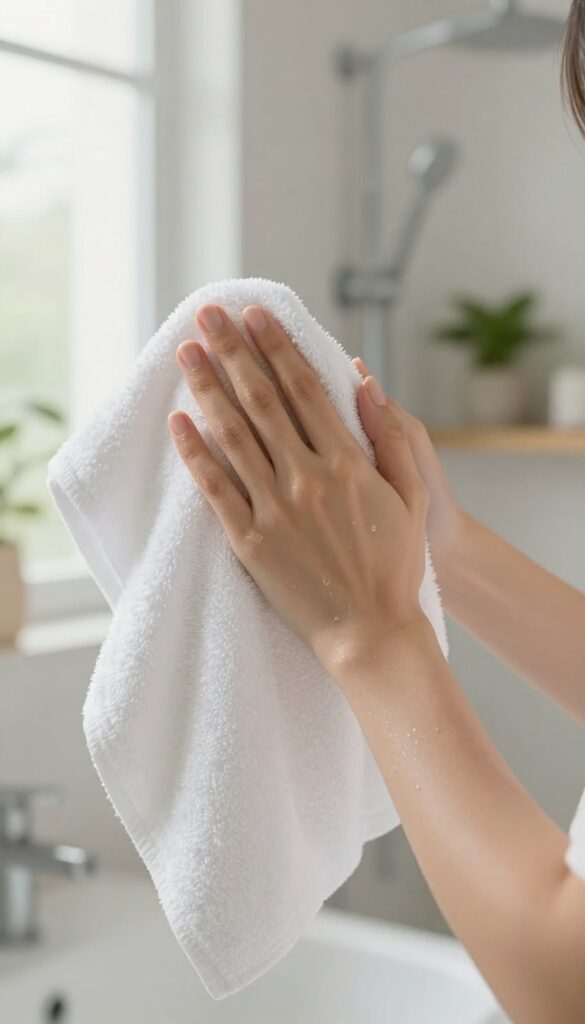
That post-shower towel rub feels efficient, but it's actually doing your skin a disservice. Vigorous rubbing strips away moisture and can cause micro-irritation, especially on sensitive areas. A gentler approach locks in hydration and keeps your skin barrier happy.
After you step out of the shower, grab a soft, clean towel. Instead of scrubbing, gently pat your skin dry, leaving it slightly damp. This thin layer of water helps your lotion or body oil absorb better, so you get more benefit from less product.
It's a tiny shift that pays off in softer, healthier-looking skin.
Why Rubbing Hurts
Rubbing with a rough towel removes the natural oils your skin just soaked up. It also irritates the outer layer, which can lead to redness or flakiness over time. Patting is kinder and keeps your skin's moisture barrier intact.
The Damp Skin Trick
Leaving skin slightly damp creates the perfect canvas for moisturizer. The water helps ingredients penetrate deeper, so you need less product. Apply your lotion or oil within three minutes of patting dry for maximum absorption.
Towel Tips
Use a separate towel for your face and body to avoid spreading bacteria. Choose a microfiber or bamboo towel—they're softer and more absorbent. Wash towels weekly to keep them fresh and gentle.
6. Apply Lotion Within 3 Minutes of Showering
Timing is everything when it comes to locking in moisture. Right after you step out of the shower, your skin is still damp and pores are open, making it the perfect moment to seal in hydration. If you wait too long, that precious water evaporates and your lotion has to work much harder.
The three-minute rule is simple: keep your body lotion in the bathroom, right next to your towel. As soon as you pat dry (remember, no rubbing! ), apply a generous layer while your skin is still slightly damp. This traps water against your skin, making the lotion more effective.
You'll use less product and get smoother results.
Why Three Minutes?
After a shower, your skin's moisture levels are at their peak. Within three minutes, that moisture starts to evaporate. Applying lotion in that window locks it in, so your skin stays hydrated longer.
It's a small window that makes a big difference.
Keep It Visible
Out of sight, out of mind—that's why your lotion should live in the shower or right by the sink. A pump bottle is easiest for one-handed application. If you have multiple lotions, keep your go-to body one front and center so you never skip this step.
Quick Tips For Busy Mornings
If you're in a rush, use a fast-absorbing lotion or a body oil that sinks in immediately. You can even apply it while still in the shower (after turning off the water) to catch every second of that moisture window. No extra time needed.
7. Use a Lotion with SPF for Daytime
Sun protection is non-negotiable, but adding another step to your morning routine can feel like a hassle. The fix? A body lotion that already has SPF built in.
It hydrates and protects in one smooth application, so you don't have to think twice.
Choose a lotion with at least SPF 30 and apply it to all exposed skin before you get dressed. This way, you're covered for your commute, lunchtime walk, or any unexpected time outdoors. No sticky sunscreen feel, just moisturized skin that's safe from UV damage.
Why Spf In Lotion Works
Combining moisturizer and sunscreen means you're less likely to skip sun protection. It's one less bottle to remember, and you get even coverage without the greasy residue some sunscreens leave behind. Look for broad-spectrum protection to guard against both UVA and UVB rays.
How To Pick The Right One
Go for a lightweight formula that absorbs quickly. If you have dry skin, choose one with added ceramides or hyaluronic acid. For oily skin, a gel-based or oil-free lotion works better.
Check the label for "SPF 30+" and "broad spectrum" to ensure real protection.
Make It A Morning Habit
Keep your SPF lotion next to your toothbrush or coffee maker so you remember to use it every day. Apply right after your shower while your skin is still slightly damp—it locks in moisture and spreads more easily. Reapply if you'll be outside for more than two hours.
8. Focus on Rough Spots with Targeted Creams
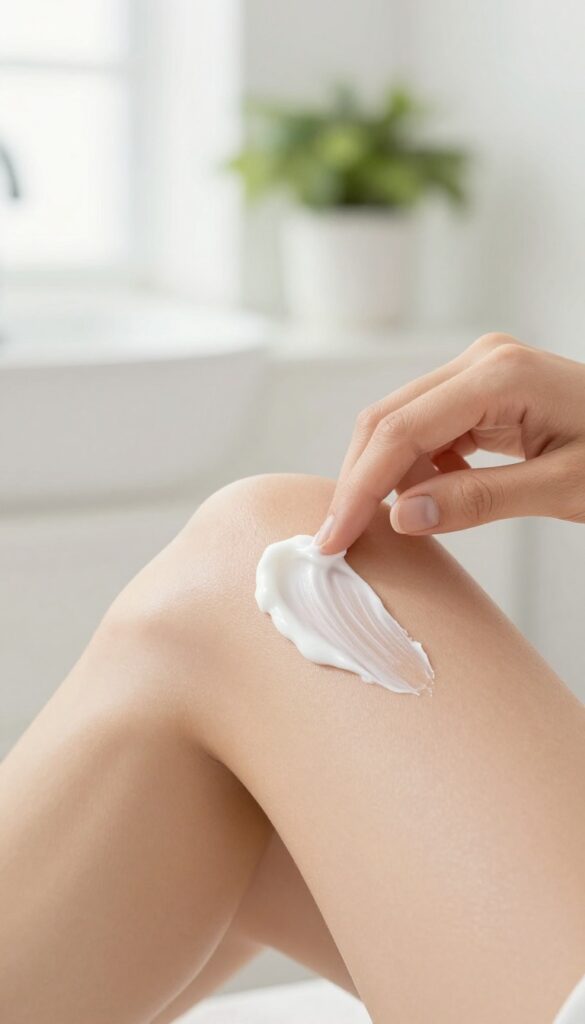
Your elbows, knees, and heels work hard every day, and they show it. These areas have thicker skin and fewer oil glands, so they tend to get dry, rough, or even cracked. A little extra attention goes a long way.
You don't need a complicated routine—just a richer cream or balm designed for tough spots. Apply it right after your shower when skin is still slightly damp. That small window helps lock in moisture and keeps those areas soft and smooth.
Think of it as a quick, targeted rescue. No extra time, just smarter care where it counts.
Elbows, knees, and heels need extra care. A thicker cream or balm applied right after showering keeps these areas soft and prevents cracking.
Why These Spots Need Special Care
The skin on your elbows, knees, and heels is naturally thicker and more prone to dryness because it has fewer oil glands. Constant movement and pressure also wear down the skin's barrier, leading to roughness and even painful cracks. A standard lotion often isn't enough—these areas need a heavier formula that stays put and delivers lasting hydration.
Best Ingredients For Rough Spots
Look for creams with urea, shea butter, or lanolin—they're known for softening tough skin. Urea gently exfoliates while hydrating, shea butter seals in moisture, and lanolin creates a protective layer. Avoid anything with alcohol or strong fragrances, which can irritate already sensitive areas.
How To Apply For Best Results
Apply your targeted cream right after you shower, while your skin is still damp. This helps trap moisture more effectively. Use a generous amount and massage it in for about 10 seconds per spot.
For heels, put on cotton socks afterward to boost absorption. Do this once daily, and you'll notice a difference in just a few days.
9. Exfoliate Once a Week with a Scrub
Dead skin cells build up fast, especially when you're busy and skipping your usual routine. That buildup can make your skin look dull and rough, even if you're moisturizing regularly. A quick weekly scrub clears it all away, revealing smoother, brighter skin underneath.
Choose The Right Scrub
Not all scrubs are created equal. Look for gentle, finely ground particles—like sugar or jojoba beads—that buff without scratching. Avoid harsh walnut shells or large crystals that can cause micro-tears.
If your skin is sensitive, try a gentle enzyme or lactic acid exfoliant instead.
How To Scrub Effectively
Do it in the shower when your skin is damp and warm. Apply the scrub with your hands in small, circular motions, focusing on rough spots like elbows, knees, and heels. Spend about 30 seconds per area, then rinse thoroughly.
No need to scrub hard—gentle pressure does the trick.
Don't Overdo It
Once a week is plenty for most people. Over-exfoliating can strip your skin's natural barrier, leading to irritation and dryness. If you're using other exfoliating products (like a body wash with acids), adjust your scrub frequency to every other week.
10. Try a Shower Oil for Extra Dry Skin
Winter air and hot showers can leave your skin feeling tight and flaky. Shower oils are a game-changer here. They cleanse and moisturize in one step, so you don't need to apply lotion afterward.
Just lather up, rinse off, and your skin stays soft without that greasy residue.
Shower oils are exactly what they sound like: oil-based cleansers that turn into a light lather when mixed with water. They're formulated with nourishing oils like almond, jojoba, or grapeseed, which help replenish your skin's natural barrier. Unlike regular body washes that can strip moisture, shower oils gently clean while leaving a protective layer behind.
They're especially helpful if you have eczema, keratosis pilaris, or just chronically dry skin. Best of all, they rinse off cleanly, so you won't feel slippery or need to scrub extra.
How To Use Shower Oil
Use it exactly like your regular body wash. Squeeze a small amount onto a loofah or your hands, add water, and work it into a gentle lather. Massage all over, then rinse.
No need to apply lotion after unless you want extra moisture. For best results, use warm (not hot) water and pat dry with a towel instead of rubbing.
Best Times To Reach For Shower Oil
Shower oils shine in cold, dry months when your skin craves extra hydration. They're also great after shaving or exfoliating, since your skin is more sensitive then. If you live in a dry climate or have naturally parched skin, you can use them year-round.
Swap your regular body wash for a shower oil a few times a week, or make it your daily go-to.
What To Look For In A Shower Oil
Check the ingredient list for moisturizing oils like sunflower, coconut, or argan oil. Avoid formulas with sulfates, which can be drying. Fragrance-free options are best if you have sensitive skin.
Look for a product that says "shower oil" or "cleansing oil" on the label. Some drugstore favorites include L'Occitane Almond Shower Oil and Neutrogena Body Oil (which works as a shower oil too).
11. Use a Foot File in the Shower
Your feet take a beating every day, but giving them attention doesn't have to be a separate chore. A foot file in the shower turns dead skin removal into a seamless part of your routine. No soaking, no lotions, no extra time.
Just keep a foot file hanging in your shower. When you're letting conditioner sit or waiting for soap to rinse, give each foot a few quick passes. The steam softens skin, so you get smooth heels without any effort.
Why It Works So Well
Warm water and steam naturally soften calluses, making them easier to slough off. You don't need to soak or scrub hard. A gentle file while skin is damp removes dead layers without irritation.
It's the path of least resistance to soft feet.
How To Choose The Right File
Look for a stainless steel or ceramic foot file with a comfortable handle. Avoid overly rough surfaces that can damage skin. A medium-grit file is perfect for maintenance.
Keep it in the shower caddy so it's always ready.
Make It A Habit
Attach it to a shower hook or hang it from your shelf. Once it's visible, you'll remember to use it. Pair the habit with something automatic—like while you brush your teeth or wait for your face mask to set.
Two weeks and you'll do it without thinking.
12. Apply Hand Cream After Every Wash
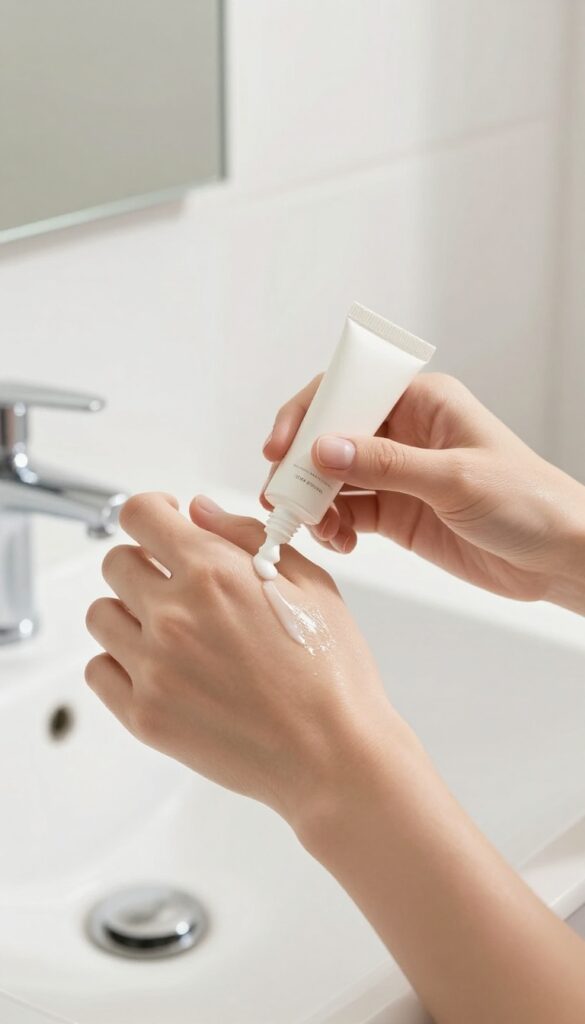
Your hands are probably the hardest-working part of your body—and the most neglected. Every time you wash them, soap strips away natural oils, leaving them drier over time. The fix is simple: keep a hand cream at every sink and use it immediately after drying.
This habit takes five seconds but pays off big. A pea-sized amount rubbed into your cuticles and knuckles prevents cracking and keeps your hands looking younger. It's especially important during cold months or if you're washing hands frequently.
Why Every Wash Matters
Each wash removes a thin layer of protective oils. Reapplying cream immediately locks in moisture before it evaporates. Waiting even a few minutes means you lose that window of absorption.
Best Places To Stash Hand Cream
Put one tube by the kitchen sink, another in the bathroom, and a travel size in your bag. If you work at a desk, keep one there too. Out of sight means out of mind, so make it visible.
Quick Application Tips
Use just a pea-sized amount—too much leaves hands greasy. Focus on the backs of hands and cuticles, not the palms. Rub it in for 10 seconds, and you're good to go.
13. Wear Gloves for Chores
Your hands take a beating every time you scrub a dish or wipe down a counter. Cleaning products are full of harsh chemicals that strip natural oils, leaving skin dry and cracked. Hot water only makes it worse.
A simple pair of rubber gloves creates a barrier that keeps your hands safe. No more dealing with irritated cuticles or needing heavy hand cream after every chore. It's a small change that saves you time on repair routines later.
Why Gloves Matter
Even gentle-looking dish soaps can disrupt your skin's moisture barrier. Gloves block contact with detergents, bleach, and hot water. Your hands stay softer with zero extra effort.
Make It A Habit
Keep a pair of gloves under your sink and another near the laundry area. When you start a chore, put them on automatically. After a few days, it'll feel weird not to wear them.
Bonus Tip
For extra care, apply a thick hand cream before pulling on gloves. The warmth traps moisture, giving you a mini spa treatment while you clean.
14. Keep Lip Balm in Every Bag
Chapped lips can sneak up on you—especially when you're rushing between meetings or running errands. The fix is almost too simple: always have a lip balm within arm's reach. Stashing a tube in your purse, car, and desk drawer means you'll never be caught without.
It's a tiny habit that saves you from the discomfort of dry, cracked lips and keeps your smile looking polished.
Dry lips aren't just uncomfortable—they can make you feel self-conscious. But with a little strategic placement, you can keep them soft without any extra effort. Here's how to make lip balm a no-brainer part of your busy day.
Pick Your Spots
Think about where you spend most of your time. Your purse or work bag is an obvious one. Add a tube to your car's center console for those traffic-light applications.
And don't forget your desk drawer—a quick swipe before a video call can make a difference.
Choose A Balm You Actually Like
If you hate the texture or scent, you won't use it. Go for something that feels good on your lips—whether that's a tinted balm, a medicated stick, or a natural beeswax option. When you enjoy applying it, you'll remember to do it.
Make It A Visual Cue
Keep your lip balm visible, not buried in a pocket. Set it next to your phone, keys, or coffee mug. Seeing it will remind you to swipe it on, especially before heading out into dry or windy weather.
15. Use a Silk Pillowcase
Your pillowcase might be sabotaging your skin and hair while you sleep. Cotton absorbs moisture and creates friction, which can lead to creases on your face and tangles in your hair. Switching to silk is a simple swap that pays off overnight.
Silk pillowcases are gentler on your skin and hair because the smooth surface reduces friction. They also absorb less moisture than cotton, so your skincare products stay on your face longer and your hair doesn't get dried out. It's a passive habit—you just lie down and let it work.
Fewer Wrinkles
Cotton can tug at your skin as you move during sleep, creating sleep lines that may turn into wrinkles over time. Silk lets your skin glide smoothly, reducing the chance of those creases forming.
Less Hair Breakage
Cotton pillowcases create friction that can cause hair to snag and break. Silk's smooth surface allows hair to slide, reducing tangles and frizz. It's especially helpful for curly or delicate hair types.
Better Hydration
Cotton absorbs moisture from your skin and hair, leaving them drier. Silk is less absorbent, so your skin retains its natural oils and your hair stays hydrated. Wake up with a more dewy complexion and softer strands.
16. Sleep with a Humidifier

Your skin loses moisture while you sleep, especially when the air in your bedroom is dry. A humidifier adds moisture back into the air, helping your skin stay hydrated overnight. It's a set-it-and-forget-it habit that works while you rest.
Why Dry Air Is Bad For Skin
When humidity drops, moisture evaporates from your skin faster. This can lead to dryness, flakiness, and irritation. A humidifier keeps the air at a comfortable level, so your skin barrier stays intact.
Choosing The Right Humidifier
Look for a cool-mist humidifier with a quiet motor—perfect for the bedroom. A small one (1-2 gallons) is enough for most rooms. Clean it weekly to prevent mold and bacteria.
Simple Setup For Maximum Benefit
Place the humidifier on a nightstand or dresser, a few feet from your bed. Run it all night, especially during winter or in air-conditioned rooms. Add a few drops of lavender oil for a calming scent.
17. Drink a Glass of Water First Thing
Before you reach for coffee or tea, grab a glass of water. Your body loses moisture overnight, and dehydration shows up on your skin as dullness or fine lines. A simple glass of water when you wake up helps flush toxins and gives your skin a natural glow.
Hydration starts from within. A glass of water when you wake up kickstarts your metabolism and helps your skin look plump and fresh.
Why Morning Water Matters
After hours of sleep, your body is slightly dehydrated. Drinking water first thing rehydrates your cells, improves circulation, and helps your skin retain moisture. It's a zero-effort habit with visible results.
Make It A Ritual
Keep a glass or bottle on your nightstand so you see it as soon as you wake up. Add a squeeze of lemon for extra vitamin C, or a pinch of salt for electrolytes. Sip it slowly while you check your phone or stretch.
How Much Is Enough?
Aim for 8 to 12 ounces (about 250–350 ml) first thing. You can refill and sip throughout the morning, but that initial glass sets the tone for the day. Your skin will thank you by midday.
18. Eat Water-Rich Foods
Hydration isn't just about what you drink—it's also about what you eat. Water-rich foods like cucumbers, watermelon, and oranges are packed with fluids and nutrients that support your skin from the inside out. Snacking on them throughout the day is an easy, delicious way to boost your hydration levels without chugging another glass of water.
When you're busy, it's tempting to grab a bag of chips or a granola bar. But swapping those for water-rich options gives your skin a steady supply of moisture and vitamins. Cucumbers are over 95% water and contain silica, which supports skin elasticity.
Watermelon is loaded with lycopene, an antioxidant that helps protect against UV damage. Oranges provide vitamin C, essential for collagen production. Keep a bowl of these on your desk or in your bag for an easy, skin-friendly snack.
Why Water-rich Foods Work
Your skin is your body's largest organ, and it needs hydration to stay plump and healthy. Water-rich foods provide a slow-release form of hydration, along with antioxidants and vitamins that target skin health directly. Unlike plain water, these foods also deliver fiber and other nutrients that support overall wellness.
Easy Ways To Add Them To Your Day
Slice cucumbers into your water bottle for a refreshing infusion. Pack a small container of watermelon cubes for an afternoon pick-me-up. Keep oranges handy for a quick, peel-and-eat snack.
You can also add these to salads or smoothies for an extra hydration boost.
Other Hydrating Options
Beyond cucumbers, watermelon, and oranges, try celery, strawberries, cantaloupe, and bell peppers. These are all high in water content and easy to incorporate into meals or snacks. Mix and match to keep things interesting.
19. Use a Body Oil for a Quick Glow
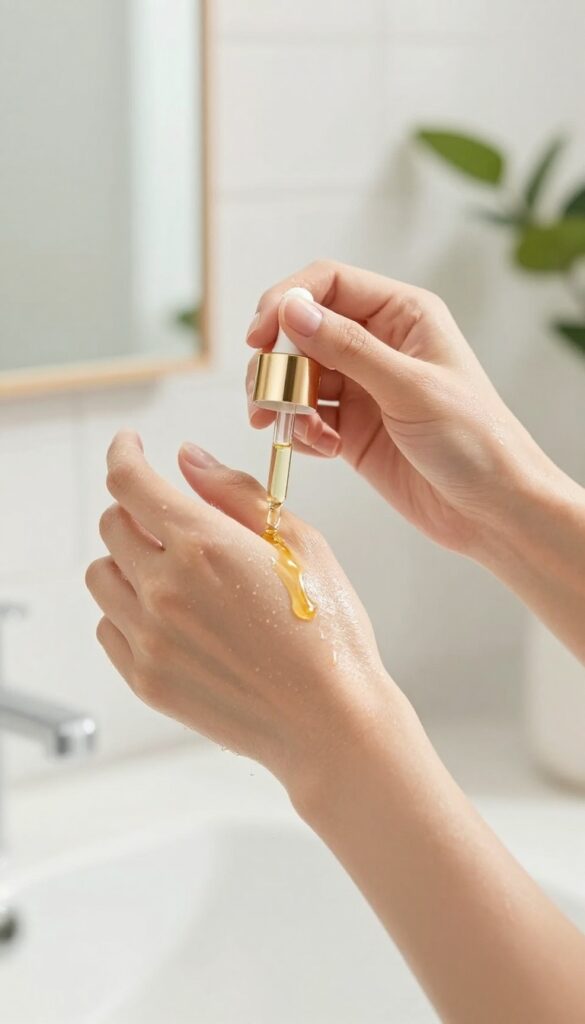
A body oil is one of the fastest ways to make your skin look and feel amazing. It locks in moisture while giving you a natural, healthy sheen. The best part?
It takes just seconds to apply.
Body oil works best when you apply it to damp skin right after a shower. The water helps the oil spread evenly and seals in hydration. You'll be left with soft, glowing skin without any sticky residue.
Why Damp Skin Matters
Applying oil to damp skin helps it absorb faster and more evenly. It also locks in moisture from the shower, keeping your skin hydrated longer. Just pat yourself dry lightly, then smooth on the oil.
Choosing The Right Oil
Look for lightweight oils like jojoba, grapeseed, or almond oil. They absorb quickly and won't feel greasy. If you want a subtle scent, go for one with natural essential oils instead of synthetic fragrances.
Quick Application Tips
Start with a few drops on your legs and arms, then massage upward toward your heart. This boosts circulation and helps the oil sink in. Focus on drier areas like elbows and knees for extra softness.
20. Keep a Mist for Midday Refresh
A quick spritz can do wonders when your skin starts feeling tired or dry halfway through the day. A facial or body mist delivers a burst of hydration and a refreshing sensation in seconds. It's a simple pick-me-up that fits right into your busiest afternoons.
Mists are incredibly versatile. You can use them over makeup to revive your glow, or on bare skin for a cooling reset. They're also great for a quick refresh after a workout or a long commute.
Keep one in your desk drawer, bag, or car so you never forget.
Choose The Right Mist
Look for mists with ingredients like aloe vera, rose water, or glycerin. These hydrate without stripping your skin. Avoid alcohol-based formulas if you have dry or sensitive skin.
A fine mist spray is key for even application.
How To Apply For Best Results
Hold the bottle about six inches from your face or body. Close your eyes and mouth, then spritz 2-3 times. Let it air dry or gently pat with clean hands.
Don't rub—that can disturb makeup or irritate skin.
When To Use It
Mid-afternoon is the most common time, but you can also use it before a meeting to feel more awake, after a flight, or whenever you need a mental reset. It's a small habit that boosts both skin and mood.
21. Do a 2-Minute Stretch Before Bed
A quick stretch before bed does more than help you sleep better—it also gives your skin a boost. Stretching increases blood flow, which delivers oxygen and nutrients to your skin cells. That extra circulation can lead to a natural, healthy glow.
When you stretch, you also lower cortisol levels. High cortisol is linked to breakouts and skin dullness, so reducing stress before bed helps your skin repair overnight. Plus, it’s a calming ritual that signals your body it’s time to rest.
Focus On Neck And Shoulders
Tension often settles in your neck and shoulders, restricting blood flow to your face. Simple rolls and tilts can release that tightness. Try slow circles with your shoulders and gentle neck stretches for 30 seconds each.
Add A Legs-up-the-wall Pose
This gentle inversion helps drain fluid from your legs and improves circulation. Lie on your back with your legs resting against a wall for 60 seconds. It’s especially helpful if you stand or sit all day.
Keep It Simple
You don’t need a full yoga sequence. Just two minutes of deep breathing and easy stretches can make a difference. Consistency matters more than intensity.
22. Change Your Razor Blade Regularly
A dull razor blade is a shortcut to razor burn, bumps, and ingrown hairs. That rough, tugging sensation isn't just uncomfortable—it's a sign your blade is past its prime. Swapping it out regularly keeps your shave smooth and your skin happy.
Most people hold onto razor blades way too long. A fresh blade glides effortlessly, cutting hair cleanly without irritating the skin. Aim to change your razor head every 5 to 7 shaves.
If you shave less frequently, swap it monthly. Your skin will thank you.
Signs It's Time To Swap
If you notice tugging, redness, or nicks, your blade is dull. Another telltale sign: you have to go over the same spot multiple times. Don't wait for visible rust or gunk—by then, the damage is already done.
How To Extend Blade Life
Rinse your razor after every stroke and store it in a dry place. A quick dip in rubbing alcohol after shaving can help prevent bacteria buildup. And never leave it in the shower—moisture dulls blades faster.
The Right Replacement Routine
Set a reminder on your phone or mark your calendar. Some people tie it to a weekly habit, like Sunday night self-care. If you use a subscription service, you'll never have to think about it—new blades arrive automatically.
23. Use a Post-Shave Balm
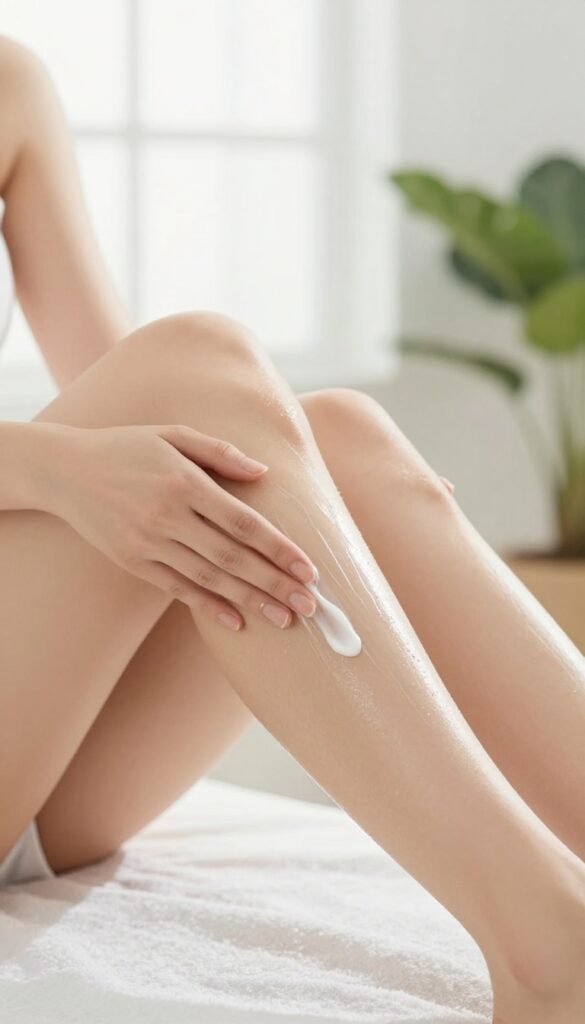
Shaving is rough on skin, even if you're careful. That razor drags away dead cells and natural oils, leaving your skin vulnerable. A post-shave balm isn't just a luxury—it's a quick fix that soothes and protects in under a minute.
After you rinse off the last bits of shaving cream, your skin is wide open. A good balm with ingredients like aloe vera or chamomile calms the irritation before it starts. It also locks in moisture, so you don't get that tight, dry feeling later.
Just a pea-sized amount rubbed into damp skin is enough.
Why Your Skin Needs It
Shaving strips the protective barrier on your skin, making it prone to redness and razor bumps. A balm replenishes hydration and reduces inflammation. Think of it as a reset button for your legs or underarms.
What To Look For
Avoid balms with alcohol or heavy fragrances—they can sting and dry out skin. Instead, choose one with aloe, chamomile, or oat extract. These ingredients are gentle and calming, even for sensitive skin.
How To Apply It Right
Pat your skin dry after shaving, leaving it slightly damp. Apply a small amount of balm and massage gently. Let it absorb for a few seconds before getting dressed.
That's it—no waiting around.
FAQ
How often should I exfoliate my body?
Once a week is plenty for most skin types. If you have sensitive skin, you can stretch it to every two weeks. Over-exfoliating can cause irritation.
Can I skip body lotion if I use a hydrating body wash?
A hydrating body wash helps, but it's not a substitute for lotion. Lotion seals in moisture and provides longer-lasting hydration, especially in dry climates.
What's the best time to apply body oil?
Right after a shower, while your skin is still damp. This locks in moisture and gives you a smooth, non-greasy finish.
Do I really need a separate SPF for my body?
Yes, if your daily lotion doesn't have SPF. Sun damage accumulates over time, so protecting exposed skin is crucial even on cloudy days.
How can I make my body care routine faster?
Combine steps where possible—use a lotion with SPF, shower with a hydrating wash, and keep products within reach. Small efficiencies add up.
Conclusion
Busy days don't have to mean neglecting your body care. Even five minutes of intentional habits—like a quick dry brush or a two-minute stretch with lotion—can keep you feeling fresh and grounded. The key is choosing small actions that fit seamlessly into your existing routine.
Start with just one or two changes that feel natural, then build from there. Over time, these tiny rituals become automatic, turning self-care into a effortless part of your day. Your body will thank you for the consistency, not the complexity.