You know that feeling when your skin feels tight or your hair looks dull after a shower? The problem might start before you even turn on the water. What you do in those few minutes before stepping in can set the tone for your entire routine.
Think of it as priming your canvas. A little prep work helps your skin absorb moisture better and your hair hold onto natural oils. It doesn't take much time, but the payoff is real.
These 23 habits are simple, effective, and easy to weave into your day. Pick a few that fit your lifestyle and watch your skin and hair thank you.
1. Dry Brush Your Skin
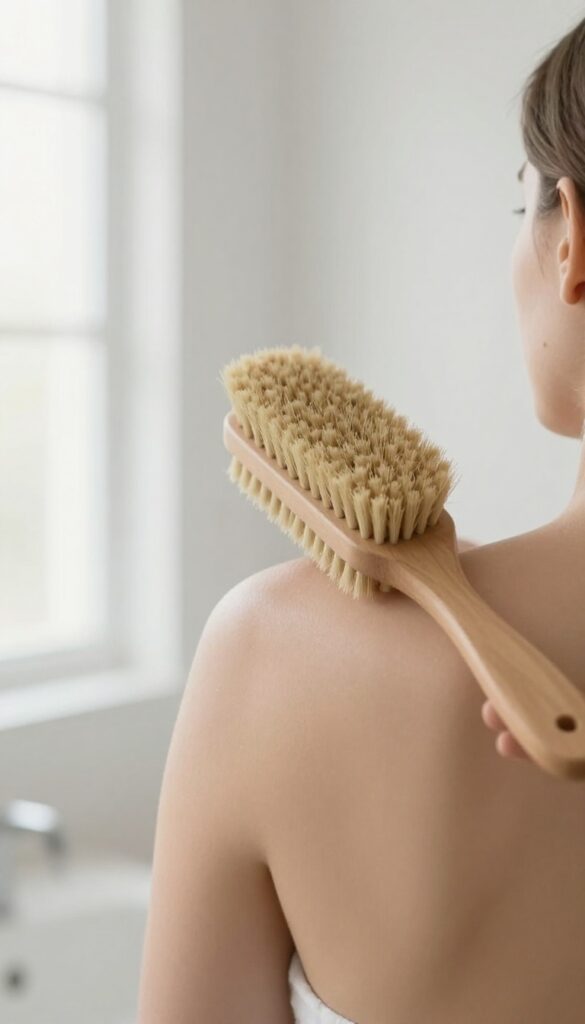
Dry brushing might sound like a spa-only thing, but it's actually one of the easiest ways to upgrade your shower routine. All you need is a natural bristle brush and two minutes before you step in. It wakes up your skin and gets your blood moving, so your skin looks brighter and feels smoother.
The key is to use gentle, upward strokes toward your heart. Start at your feet and work your way up. Avoid sensitive areas and don't press too hard.
Doing this a few times a week helps slough off dead skin cells, making your moisturizer work better after your shower.
Why It Works For Skin
Dry brushing physically exfoliates the top layer of dead skin, which can make your skin look dull. It also stimulates blood flow, bringing oxygen and nutrients to the surface. That's why your skin often looks a little glowier right after.
How It Helps Hair
It might not directly affect your hair, but better circulation to your scalp can promote healthier hair growth. Plus, removing dead skin from your body means less buildup that can clog pores and lead to breakouts on your back or chest.
Tips For Best Results
Always dry brush on dry skin before your shower. Use long, sweeping motions toward your heart. Don't do it every day—2 to 3 times a week is plenty.
And clean your brush regularly with mild soap and water to keep it hygienic.
2. Apply a Hair Mask
Hair masks are like a deep-conditioning treatment you can do right before your shower. The key is applying them to dry hair and letting them sit for about 15 minutes. The steam from your shower then helps the ingredients penetrate deeper into the hair shaft, making your strands softer and more manageable.
Slather on a nourishing hair mask or coconut oil 15 minutes before showering. The warmth from the steam helps ingredients penetrate the hair shaft.
Choose The Right Mask For Your Hair Type
Not all hair masks are created equal. If your hair is fine, go for a lightweight formula with ingredients like aloe vera or glycerin. For thick or curly hair, look for richer masks with shea butter or argan oil.
Oily scalp? Focus the mask on your mid-lengths and ends, avoiding the roots.
How To Apply For Maximum Absorption
Start with dry or slightly damp hair. Section your hair and apply the mask from mid-shaft to ends. Use a wide-tooth comb to distribute evenly.
Then twist your hair into a loose bun or clip it up. The pre-shower wait allows the mask to start working before heat activates it.
Don't Forget The Heat Boost
The shower steam is your secret weapon. As you shower, the warm moisture opens up the hair cuticle, letting the mask's nutrients sink in. For even more penetration, pop on a shower cap to trap heat.
Rinse thoroughly after your shower, and you'll notice softer, shinier hair.
3. Do a Scalp Massage
Your scalp deserves some love before you step into the shower. A quick massage with your fingertips can do wonders for both your hair and your mood. It's a simple habit that takes just a couple of minutes but sets the stage for healthier strands.
Using your fingertips—not your nails—gently press and move the skin on your scalp in circular motions. Start at the front and work your way back. This boosts circulation, which means more oxygen and nutrients reach your hair follicles.
It also helps loosen dead skin cells and product buildup, making your shampoo more effective.
Why It Works
Increased blood flow stimulates hair follicles, potentially encouraging growth. The massage also relaxes the muscles in your scalp, reducing tension headaches and stress. Plus, it distributes your scalp's natural oils, which can moisturize your hair and reduce dryness.
How To Do It Right
Use the pads of your fingers, not your nails, to avoid scratching. Apply light to medium pressure and move in small circles. Spend about 2–3 minutes covering your entire scalp.
You can do this on dry hair or with a few drops of oil for extra slip.
When To Add It
Right before your shower is ideal, especially if you plan to shampoo. The massage loosens dirt and oil, so your cleanser can work better. If you have time, do it while your conditioner sits for a double benefit.
4. Take a Few Deep Breaths
Before you even turn on the water, pause. Stand still for a moment and take three slow, deep breaths. This simple act calms your nervous system and signals your body that it's time to relax.
Deep breathing before a shower helps reduce stress, which can trigger skin issues like breakouts and dryness. It also lowers cortisol levels, which benefits hair health by reducing shedding. Plus, it sets a mindful tone for your entire routine.
Why It Works
When you're stressed, your body releases cortisol, which can increase oil production and inflammation. Deep breathing activates the parasympathetic nervous system, counteracting that stress response. This means fewer breakouts and less scalp tension.
How To Do It Right
Stand with your feet hip-width apart, close your eyes, and inhale deeply through your nose for four counts. Hold for four counts, then exhale slowly through your mouth for six counts. Repeat three times.
That's it—no fancy equipment needed.
When To Add This Habit
Try it on days when you feel rushed or anxious. Even on calm days, it helps you transition from the outside world to self-care mode. Over time, it becomes a signal to your brain that shower time is relaxation time.
5. Splash Cold Water on Your Face
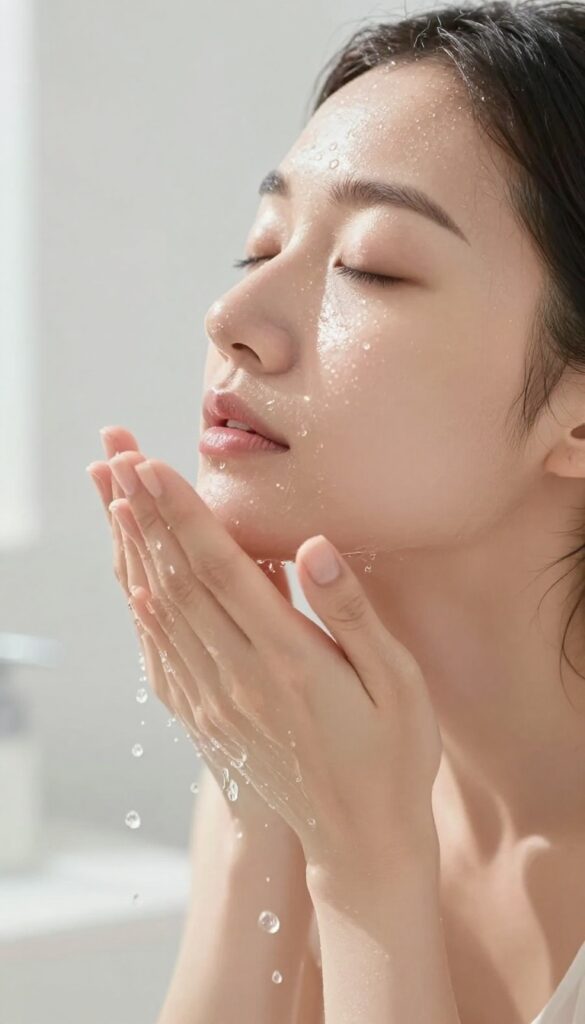
A quick cold water splash before your shower might feel like a shock, but your skin will thank you. It tightens pores, wakes up your complexion, and helps reduce any morning puffiness. This simple step preps your face for cleansing without stripping moisture.
Cold water constricts blood vessels, which can calm redness and give your skin a more even tone. It also helps remove sleep from your eyes—literally and figuratively. Just a few splashes and you're ready for the rest of your routine.
Why Cold Water Works
Cold water causes temporary vasoconstriction, which tightens pores and reduces puffiness. It also boosts circulation when your skin warms back up, giving you a natural glow. Plus, it feels refreshing and helps you wake up.
How To Do It Right
Splash cold water over your face 3-5 times before you step into the shower. Keep your eyes closed to avoid irritation. Pat dry gently with a clean towel—don't rub.
Follow with your usual cleanser or just proceed to your shower.
When To Skip It
If you have very sensitive skin or conditions like rosacea, extreme cold might trigger flare-ups. Use cool (not ice-cold) water instead. Also, avoid this step if you're already feeling chilled or have a fever.
6. Apply a Face Oil or Serum
Before you step into the shower, try smoothing a few drops of facial oil or serum onto your skin. The steam from the shower opens up your pores and helps the active ingredients sink in deeper. It's like giving your face a mini spa treatment without any extra effort.
This pre-shower step is especially great for dry or dehydrated skin. The moisture from the steam locks in the product, making your skin feel plumper and more hydrated. Just make sure to apply it on damp skin for better absorption.
Why It Works
Steam increases blood flow and softens the skin barrier, allowing oils and serums to penetrate more effectively. You get more bang for your buck from your skincare products.
Best Products To Use
Look for lightweight oils like jojoba or squalane, or hydrating serums with hyaluronic acid. Avoid heavy creams that might feel too thick under steam.
How To Apply
After cleansing your face, pat it dry slightly so it's still damp. Dispense 2-3 drops of oil or serum and press it gently into your skin. Then hop in the shower as usual.
7. Brush Your Hair Gently
Tangles and wet hair don't mix well. Rushing into the shower with knots can lead to breakage and frizz once you start shampooing. A quick detangle before getting your hair wet makes everything smoother—literally.
Use a wide-tooth comb or a soft-bristle brush to gently work through any knots, starting from the ends and moving upward. This reduces stress on your strands and prevents unnecessary snapping. Plus, it helps distribute your scalp's natural oils down the hair shaft, adding a bit of pre-wash nourishment.
Why Detangling Before Wetting Matters
Hair is weakest when wet, so any tugging during washing can cause damage. By removing tangles beforehand, you minimize breakage and make it easier to lather and rinse. Your hair will also dry smoother with less frizz.
Tools That Work Best
A wide-tooth comb is ideal for thick or curly hair, while a soft boar-bristle brush works well for fine or straight hair. Avoid plastic brushes with sharp tips—they can snag and tear strands. Always be gentle, especially if your hair is prone to tangling.
8. Hydrate with a Glass of Water
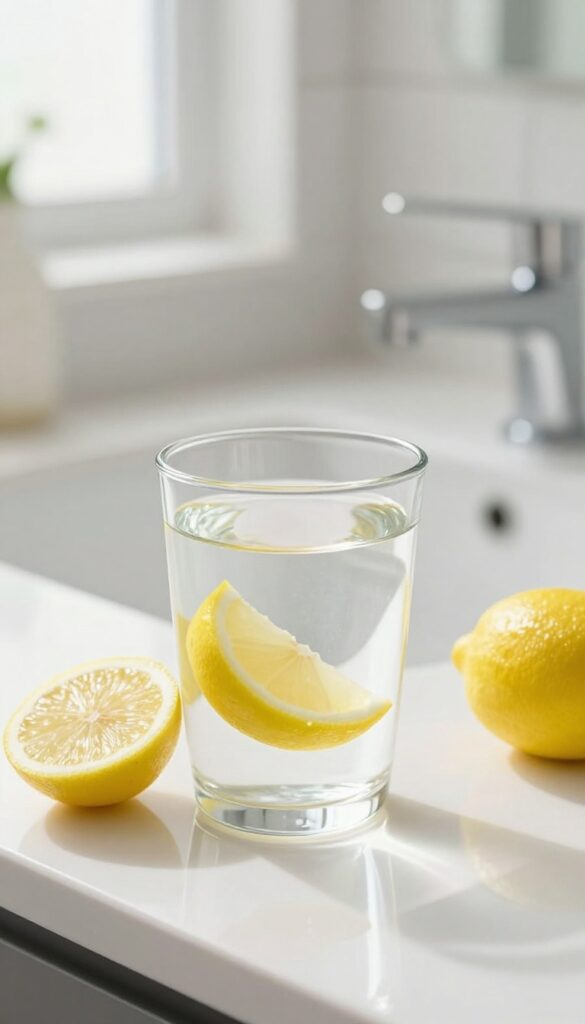
It sounds simple, but drinking water before your shower can do wonders for your skin and hair. When you're hydrated from the inside, your skin plumps up and your hair gets a natural glow. Plus, it helps your body flush out toxins that can cause breakouts or dullness.
A glass of water before stepping in primes your body for the warmth and steam. It also counteracts any dehydration from sleep or a busy morning. Think of it as a quick internal reset.
Why Internal Hydration Matters
Your skin is your largest organ, and it needs water to stay elastic and smooth. When you're dehydrated, your skin can look flaky and your hair brittle. Drinking water before a shower helps your cells absorb moisture better during cleansing.
How It Helps Your Hair
Hydrated hair follicles produce stronger strands. Water also helps your scalp maintain a healthy oil balance, which means less dryness or greasiness. A glass before your shower sets the stage for softer, shinier hair.
Make It A Ritual
Keep a glass of water by your bathroom sink or set a reminder on your phone. Even better, add a slice of lemon or cucumber for a refreshing twist. It takes just 10 seconds and can transform your routine.
9. Apply a Body Oil
A little oil before your shower might sound counterintuitive, but it's a game-changer for dry skin. Massaging a lightweight body oil onto your skin before you step under the water helps seal in moisture as the warm water opens your pores. Focus on rough patches like elbows and knees for extra softness.
The trick is to use a non-greasy oil that absorbs quickly. Jojoba, almond, or grapeseed oil work well. Apply it in gentle, circular motions to boost circulation.
The warm water helps the oil penetrate deeper, leaving your skin silky without feeling sticky.
Why Before The Shower?
Applying oil on dry skin before a shower creates a protective barrier. The warm water locks in the moisture instead of stripping it away. This is especially helpful in winter when skin tends to dry out faster.
Best Oils To Use
Light oils like jojoba, sweet almond, or grapeseed are great choices. They absorb quickly and don't clog pores. Avoid heavy oils like coconut if you're prone to breakouts on your body.
How To Apply
Start with a small amount and massage it into dry skin, focusing on elbows, knees, and heels. Use upward strokes to stimulate blood flow. Let it sit for a minute or two before stepping into the shower.
10. Stretch for Two Minutes
Your body holds tension from the day, and that tightness can show up in your skin and hair. When muscles are stiff, circulation slows down, meaning less oxygen and nutrients reach your cells. A quick two-minute stretch before your shower changes that.
Loosen Up Your Neck And Shoulders
Start with gentle neck rolls. Drop your chin to your chest, then slowly roll your head to one side, holding for a few breaths. Repeat on the other side.
Follow with shoulder shrugs—lift your shoulders toward your ears, hold for a second, then release. This area holds a lot of tension, and releasing it improves blood flow to your scalp and face.
Wake Up Your Spine
Stand with feet hip-width apart and slowly twist your upper body to the right, then the left. Keep your hips facing forward. This spinal twist stimulates circulation along your back and helps your nervous system shift into a relaxed state.
Better nerve function means better nutrient delivery to skin and hair follicles.
Add A Forward Fold
If you have time, bend at your hips and let your upper body hang toward the floor. Keep your knees slightly bent. This inversion encourages blood flow to your head, which can give your scalp a healthy boost.
Stay for 30 seconds, then roll up slowly.
11. Use a Scalp Scrub
Your scalp deserves the same exfoliation love as your face. Dead skin cells, excess oil, and product buildup can clog hair follicles and slow down growth. A quick scrub before your shower clears the way for healthier strands.
Gently exfoliate your scalp with a scrub or a mix of sugar and shampoo. This removes buildup and creates a clean foundation for hair growth.
Why It Works
Exfoliating sloughs off dead skin and residue, allowing your scalp to breathe and absorb nutrients better. It also stimulates blood circulation, which can encourage hair growth.
How To Do It Right
Wet your hair, then apply a small amount of scalp scrub or a DIY mix of sugar and shampoo. Massage gently in circular motions with your fingertips for about a minute. Rinse thoroughly and follow with your regular shampoo.
How Often
Once a week is plenty for most people. Over-scrubbing can irritate your scalp, so listen to your skin and adjust if needed.
12. Apply a Lip Balm
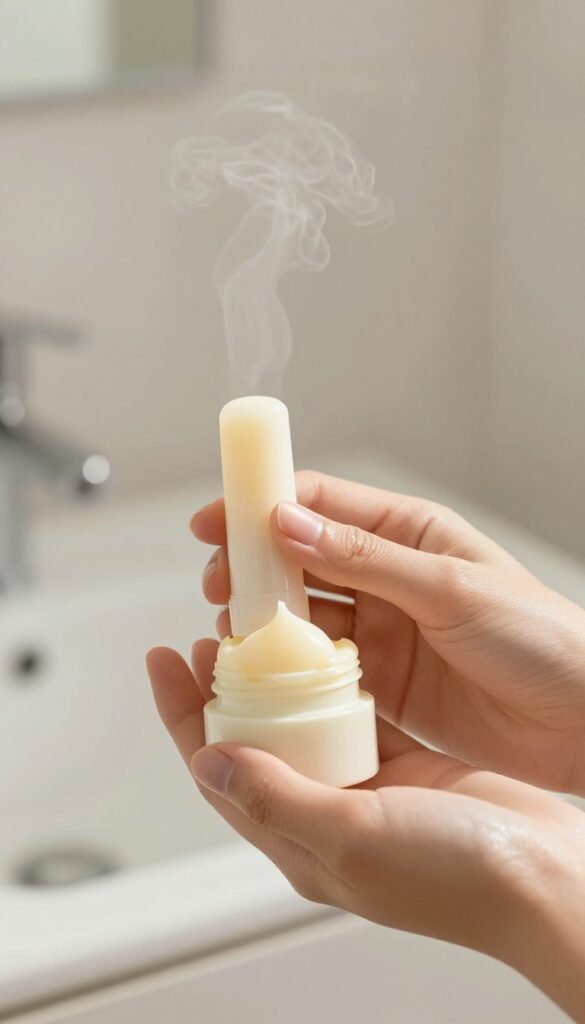
Your lips often get neglected in the shower, but they can benefit just as much from the steam. Slathering on a thick balm before you step in lets the warm moisture help it sink in deeper. It's a simple step that leaves your lips noticeably softer and smoother when you get out.
Before you turn on the water, grab a nourishing lip balm—preferably one with ingredients like shea butter, beeswax, or coconut oil. Apply a generous layer, making sure to cover the entire lip area. The steam from the shower will help the balm penetrate, locking in moisture and preventing dryness.
When you finish your shower, gently wipe off any excess or just leave it on for continued hydration.
Why It Works
Steam opens up pores and softens the outer layer of skin, including your lips. A thick balm acts as a barrier, trapping moisture and allowing the nourishing ingredients to absorb more effectively. This prevents chapping and keeps lips supple.
Best Balms To Use
Look for balms that are free of irritating additives like fragrances or menthol. Stick with natural, emollient-rich options. You can even use a tiny bit of coconut oil or shea butter if you don't have a dedicated lip balm.
Pro Tip
For extra dry lips, exfoliate gently with a soft toothbrush or a sugar scrub before applying the balm. This removes dead skin cells and allows the balm to work even better.
13. Do a Quick Face Massage
Waking up with a puffy face is no fun, but a quick face massage before your shower can change that. Using your knuckles or a gua sha tool, you can stimulate lymph drainage and reduce morning puffiness in just a couple of minutes. This simple habit also boosts circulation, which means your skin will look more radiant and ready to absorb the products you use afterward.
It's like a wake-up call for your face.
A face massage before your shower is a powerful way to depuff and energize your skin. The steam from the shower will then help your skin stay hydrated and plump.
Why It Works
Your lymphatic system relies on movement to flush out toxins and excess fluid. Gentle pressure and upward strokes encourage lymph to flow, reducing the fluid buildup that causes puffiness. Plus, increased blood flow brings oxygen and nutrients to your skin cells, giving you a natural glow.
How To Do It
Start with clean hands or a gua sha tool. Use your knuckles to gently press and roll along your jawline, cheekbones, and forehead in upward motions. Always move from the center of your face outward.
Spend about 30 seconds on each area, and don't forget your neck and collarbone to encourage drainage.
Best Tools To Use
A gua sha stone is a classic choice—it's smooth and fits the contours of your face. If you don't have one, your knuckles work just fine. You can also use a jade roller for a cooling, soothing effect.
Just make sure whatever you use is clean and glides easily over your skin.
14. Put on a Deep Conditioner
If your hair feels dry, brittle, or just lifeless, a deep conditioner before the shower can work wonders. While you're doing other pre-shower tasks, let the product sink in and start repairing. It's a low-effort way to give your hair some serious love without adding extra time.
Applying a deep conditioner before you shower lets the ingredients penetrate while your body heat and the eventual steam help activate them. Focus on the mid-lengths and ends, where damage is most common. Avoid the roots to prevent greasiness.
Let it sit for at least 5-10 minutes while you brush your teeth, dry brush, or do a face massage. When you shower, rinse thoroughly and follow with your regular shampoo and conditioner. Your hair will come out softer, smoother, and more hydrated.
Choose The Right Formula
Look for deep conditioners with ingredients like shea butter, argan oil, or keratin, depending on your hair type. Fine hair benefits from lightweight formulas, while thick or curly hair can handle richer creams. A quick check of the label helps you pick the best match.
Timing Matters
Don't leave it on for too long—overexposure can weigh hair down or cause buildup. Five to ten minutes is usually enough. If your hair is extremely dry, you can extend to 15 minutes, but set a timer to avoid overdoing it.
Make It A Habit
Once or twice a week is plenty for most hair types. If you have color-treated or heat-styled hair, you might benefit from more frequent use. Consistency is key to seeing lasting improvement.
15. Exfoliate Your Lips
Your lips often get neglected in the shower, but they can benefit just as much from the steam. A quick exfoliation before you step in helps slough off dead skin, leaving them soft and smooth. Plus, the humidity in the shower makes the process gentler and more effective.
Gently rub a lip scrub or a soft toothbrush over your lips. This removes dead skin and preps them for balm. Focus on gentle circular motions for about 30 seconds, then rinse.
Follow up with a nourishing lip balm to lock in moisture.
Why It Works
Lips have thin skin that can get chapped easily. Exfoliating before the shower allows the steam to soften the skin, making the scrub less abrasive. It also helps your lip balm penetrate better, so your lips stay hydrated longer.
Best Exfoliants
You can use a store-bought lip scrub with sugar or make your own with honey and brown sugar. A clean, soft toothbrush works too—just wet it and gently buff your lips. Avoid harsh scrubs or over-exfoliating, as that can cause irritation.
When To Do It
Do this right before your shower, so the steam can help soften any remaining flakes. If your lips are already cracked or sore, skip the scrub and just apply a thick balm instead.
16. Apply a Hand Cream
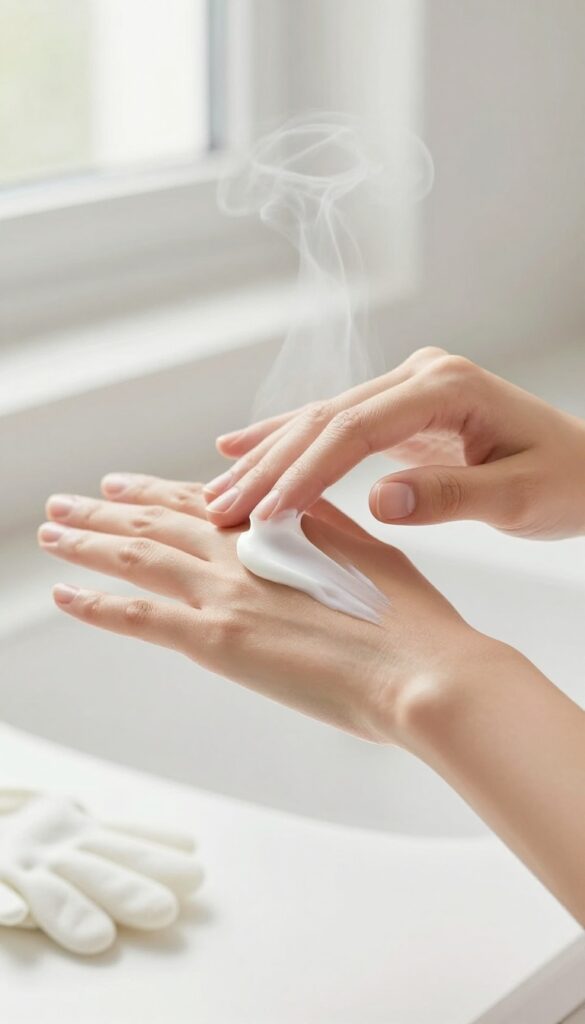
Your hands work hard all day, but they rarely get the same TLC as your face. A pre-shower hand treatment is a game-changer, especially if your hands feel dry or rough. The steam and warmth will help the cream sink in deeper, leaving your hands noticeably softer.
Before you step into the shower, take a minute to massage a generous amount of rich hand cream into your hands. Pay extra attention to your knuckles and cuticles. If you have cotton gloves, put them on—the heat from the shower will boost absorption even more.
After your shower, remove the gloves and gently pat off any excess. Your hands will feel hydrated and smooth without any greasy residue.
Why It Works
The warm, humid environment of your shower opens up pores and increases blood flow to the skin. This helps the active ingredients in your hand cream penetrate more effectively. Cotton gloves lock in moisture and prevent the cream from rubbing off, creating a mini spa treatment.
Best Creams To Use
Look for hand creams with ingredients like shea butter, glycerin, or ceramides. Avoid anything too watery—you want a rich, thick consistency that can withstand the steam. If you're prone to eczema, choose a fragrance-free formula to avoid irritation.
Quick Tip
Don't have cotton gloves? No problem. Just apply the cream and let it sit while you shower.
The steam will still work its magic. For an extra boost, exfoliate your hands once a week before applying the cream.
17. Use a Foot Scrub
Your feet take a beating every day, but they rarely get the same attention as your face or hands. Before you step into the shower, give them a quick scrub. The dry heat and steam will help soften calluses, making them easier to remove without harsh tools.
Rub a foot scrub or pumice stone on dry heels and calluses. The water will soften them further, making removal easier.
Why Before The Shower?
Dry scrubbing before the shower breaks up rough skin while it's still firm. Once water hits, the skin softens and the scrub can go deeper without irritation. It's like prepping a surface before painting.
How To Do It Right
Use a gentle foot scrub or a pumice stone on dry feet, focusing on heels and balls. Don't press too hard—let the tool do the work. Rinse off in the shower, then follow with a moisturizer.
Pick The Right Tool
A pumice stone works best for thick calluses, while a foot scrub with fine grains is better for maintenance. If you have sensitive skin, opt for a sugar-based scrub. Always clean your tools after use to avoid bacteria.
18. Do a Quick Meditation
Before you step into the shower, take just one minute to sit quietly and focus on your breath. This simple mental reset can lower cortisol levels, which directly benefits both your skin and hair. Less stress means fewer breakouts and less hair shedding, plus a calmer start to your day.
A one-minute meditation before your shower is a powerful way to shift your body out of fight-or-flight mode. When cortisol drops, your skin produces less oil and inflammation decreases, while your hair follicles get better blood flow. It’s a tiny pause that pays off in glowing skin and stronger hair.
Why Cortisol Matters
High cortisol triggers excess sebum production, leading to clogged pores and acne. It also disrupts the hair growth cycle, causing more strands to enter the shedding phase. By meditating, you signal your body to relax, reducing these effects almost immediately.
How To Meditate In One Minute
Sit on the edge of your tub or a stool. Close your eyes and take slow, deep breaths. Inhale for four counts, hold for four, exhale for four.
Focus only on the air moving in and out. If your mind wanders, gently bring it back to your breath. That’s it.
Pair It With Your Routine
Do this meditation right after you undress and before you turn on the water. It becomes a natural transition from your day to your self-care time. Over time, your brain will associate the shower with calmness, making the habit stick.
19. Apply a Leave-In Treatment
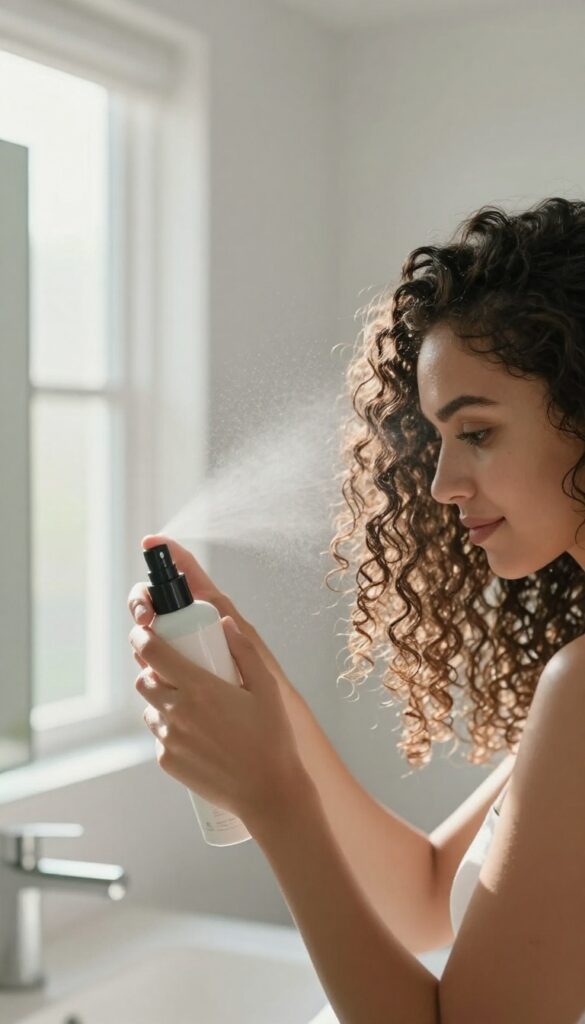
A leave-in conditioner or detangler isn't just for after the shower. Spraying it on dry hair before you get wet creates a protective barrier that reduces friction and locks in moisture. It's a simple step that makes a big difference, especially for curly, coarse, or color-treated hair.
Spray a leave-in conditioner or detangler on dry hair before showering. It protects against friction and moisture loss.
Why Pre-shower Matters
When you wet your hair, the cuticles swell and become more fragile. A leave-in treatment coats each strand, reducing tangles and breakage as you wash. It also seals in natural oils, preventing your hair from getting stripped by shampoo.
How To Apply It Right
Section your dry hair and spray the product evenly from mid-lengths to ends. Avoid the roots to keep your scalp from getting greasy. Use a wide-tooth comb to distribute it gently, then proceed with your shower as usual.
Best Products To Try
Look for lightweight formulas with ingredients like aloe vera, glycerin, or argan oil. If your hair is fine, a spray mist works better than a cream. For thick or curly hair, a richer leave-in conditioner can provide extra slip and hydration.
20. Massage Your Jaw
Your jaw holds a lot of tension, especially if you grind your teeth or clench when stressed. That tightness can show up as breakouts along your jawline or even contribute to headaches. A quick massage before your shower helps release that tension and improves circulation to the area.
Gently massage your jaw muscles with your fingertips using small circular motions. Start at the hinge near your ears and work down toward your chin. Spend about 30 seconds on each side, applying light pressure.
This simple habit can reduce puffiness and help prevent acne caused by tension.
Why It Helps Skin
Tight jaw muscles can restrict blood flow, leading to dullness and breakouts. Massaging increases circulation, which brings oxygen and nutrients to the skin. It also helps drain lymph fluid, reducing puffiness along the jawline.
How To Do It Right
Use clean hands and a bit of facial oil or moisturizer to reduce friction. Press firmly but gently—you shouldn't feel pain. Focus on any sore spots, and try to breathe deeply as you work through the tension.
Best Time To Try
Right before your shower is ideal because the steam will help relax your muscles further. You can also do it while your conditioner sits in your hair. Make it a regular part of your pre-shower wind-down.
21. Put on a Sheet Mask
Sheet masks are a quick way to flood your skin with hydration, but using them before your shower takes the benefits to another level. The steam from your shower creates a warm, humid environment that helps the serum penetrate deeper into your skin. It's like giving your face a spa treatment without any extra effort.
Pop on a sheet mask 10 minutes before you step into the shower. The warmth and moisture in the air will help the active ingredients absorb better, leaving your skin plump and glowing. Just remove the mask before you wash your body, and rinse off any excess serum with lukewarm water.
Why Steam Works Magic
Steam opens up your pores naturally, allowing the serum to sink in deeper. It also boosts blood circulation, which gives your skin a healthy flush. This simple trick can make a sheet mask feel twice as effective.
Best Masks For Pre-shower Use
Look for sheet masks with hydrating ingredients like hyaluronic acid, glycerin, or ceramides. Avoid masks with strong exfoliants or acids, as steam can increase irritation. A soothing, moisturizing mask is your best bet.
22. Use a Pre-Shampoo Oil
Hair can get stripped of its natural oils during washing, leaving it dry and brittle. A pre-shampoo oil treatment acts as a protective barrier, preventing that harsh stripping effect. It's a simple step that makes a big difference, especially if you have dry, curly, or color-treated hair.
Applying oil before shampooing helps maintain your hair's moisture balance. The oil absorbs into the hair shaft, filling in gaps and preventing water from swelling the cuticle too much. This reduces frizz and breakage while keeping your scalp healthy.
Which Oil To Choose
Argan oil is lightweight and great for fine hair. Jojoba oil mimics the scalp's natural sebum, making it ideal for balancing oil production. Coconut oil penetrates deep and works wonders for thick or coarse hair.
Pick one based on your hair type and needs.
How To Apply
Section your hair and apply the oil from mid-lengths to ends, then massage a small amount into your scalp. Focus on dry areas. Let it sit for at least 15-30 minutes—or longer if you have time.
For extra penetration, wrap your hair in a warm towel.
Shampooing After
When you shampoo, you might need to double cleanse to remove all the oil. That's normal. The oil will have done its job protecting your hair, so a thorough wash won't undo the benefits.
Follow with conditioner as usual.
23. Set an Intention

Before you even turn on the water, take a breath and ask yourself: how do I want to feel after this shower? It's a tiny mental shift that can turn a rushed rinse into a moment of self-care. Setting an intention isn't about overthinking—it's about giving your routine a direction, whether that's feeling calm, energized, or just clean.
This habit works because it engages your mind before your body. When you decide how you want to feel, you're more likely to choose products and water temperatures that support that goal. For example, if you want to feel refreshed, you might end with a cool rinse.
If relaxation is the goal, you'll pick a calming scent and take your time.
How To Choose Your Intention
Keep it simple. Pick one word or a short phrase like "energized, " "soothed, " or "ready for bed. " You can even match it to your mood: if you're stressed, go with "release.
" If you're sluggish, try "awake. " The key is to be honest with yourself about what you need.
Make It A Ritual
Pair your intention with a physical cue, like touching the faucet or taking a deep breath. Over time, that action will automatically remind you to check in with yourself. It only takes five seconds, but it sets a mindful tone that carries through your whole shower.
FAQ
How long before a shower should I apply a hair mask?
Aim for at least 10-15 minutes. The longer you leave it, the more time ingredients have to penetrate, especially with the help of steam.
Can dry brushing irritate sensitive skin?
It can if you press too hard. Use light pressure and avoid broken or inflamed skin. Start with once a week and see how your skin reacts.
Do I need to rinse off pre-shower oils?
Yes, most pre-shower oils should be washed out with shampoo. They are meant to protect hair during cleansing, not replace conditioner.
Is it okay to do all 23 habits every day?
Probably not necessary. Pick 3-5 that address your biggest concerns and rotate them. Overdoing it can lead to irritation or product buildup.
Can I use a body oil before shower if I have acne-prone skin?
Choose a non-comedogenic oil like jojoba or grapeseed. Avoid heavy oils on areas prone to breakouts, and always rinse thoroughly.
Conclusion
You don't need to adopt all 23 habits overnight. Pick one or two that address your biggest skin or hair concerns—like a pre-shower oil treatment or a cool final rinse—and stick with them for a few weeks.
Small, consistent changes add up to real results. Your shower routine can become a simple, effective ritual that leaves you feeling refreshed and looking your best.