Daily life has a way of piling up small stresses until they feel heavy. The right tools can quietly remove that weight, turning routine moments into little resets.
These 20 self-care picks aren't about luxury—they're about practical comfort that fits into your actual day. From deeper sleep to easier focus, each item targets a specific friction point.
You don't need to overhaul your lifestyle; just add a few of these and notice how much smoother things feel. Start with one that speaks to you, and let the rest follow naturally.
1. Weighted Blanket for Deeper Sleep
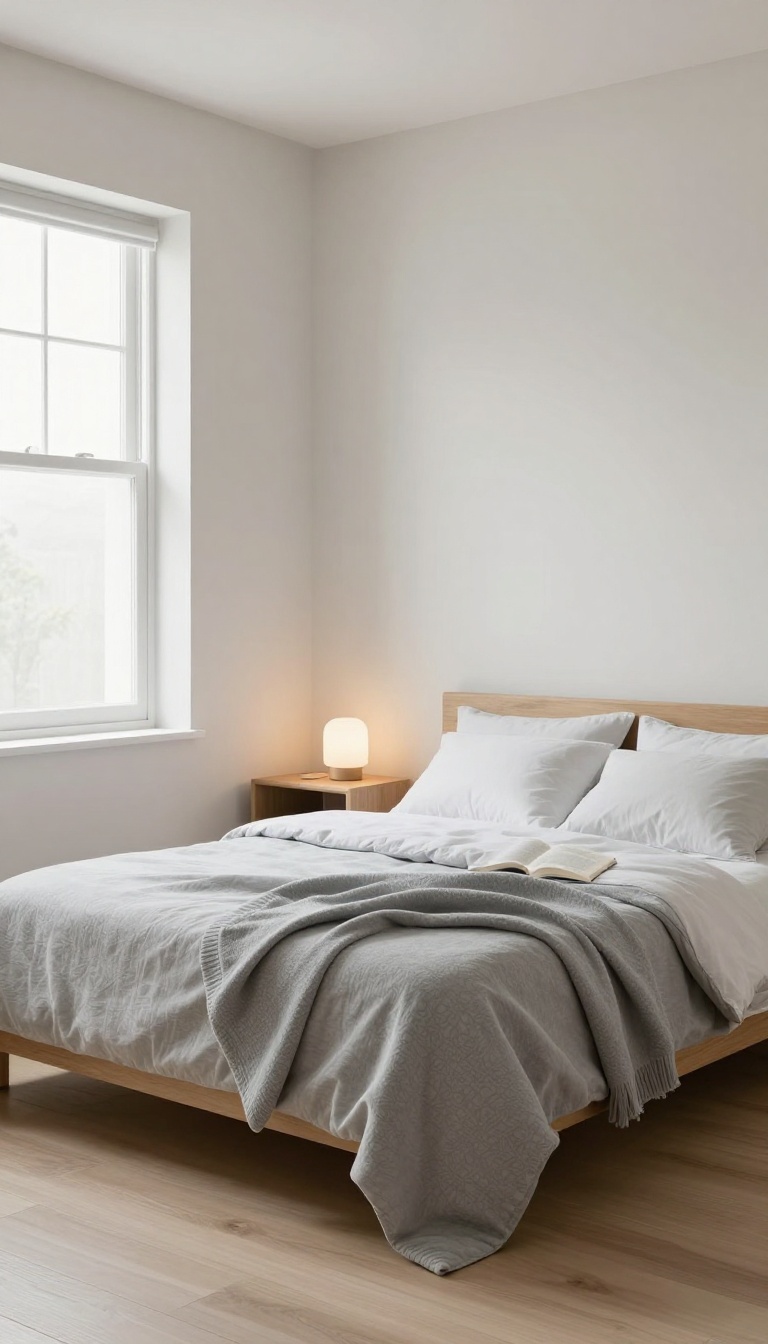
Sleep is where the day finally unwinds, but falling asleep isn't always easy. A weighted blanket can help by applying gentle, even pressure across your body. That pressure mimics the feeling of a hug, which signals your nervous system to calm down.
Many people find that this simple addition shortens the time it takes to drift off, and they wake up feeling more rested. It's not a magic cure, but it's a practical tool that makes the transition to sleep smoother. If you've been tossing and turning, this might be the nudge your body needs.
A weighted blanket works by using the principle of deep pressure stimulation. The weight distributes evenly, encouraging your body to produce more serotonin and melatonin while lowering cortisol. This combination is what helps you relax and fall asleep faster.
When choosing a blanket, aim for one that's roughly 10% of your body weight. That's the sweet spot for comfort without feeling too heavy. You'll also want to consider the fill material—glass beads or plastic pellets—and the fabric, like cotton or bamboo, for breathability.
Start by using it for short periods, like during a nap or while reading, to see how it feels. Some people prefer a lighter weight, while others like it heavier. The goal is to find what makes you feel secure and cozy, not restricted.
How Weighted Blankets Work
The magic lies in deep pressure stimulation. This gentle, even pressure triggers your nervous system to shift into rest mode. It increases serotonin and melatonin, the hormones that help you sleep, while lowering cortisol, the stress hormone.
That's why many people feel an immediate sense of calm when they climb under one.
Choosing The Right Weight
A general rule is to pick a blanket that's about 10% of your body weight. For example, a 150-pound person might go with a 15-pound blanket. But comfort is personal.
If you're between sizes, try the lighter option first. You can always add a layer if you want more pressure.
Getting Used To It
Don't expect to sleep with it perfectly on the first night. Give your body a few days to adjust. Start by using it for a short time, like during a nap or while watching TV.
Then gradually increase the time. Soon, it'll feel like your sleep uniform.
2. Aromatherapy Diffuser for Instant Calm
Some days, the air itself feels heavy with tension. An aromatherapy diffuser changes that in seconds, turning any room into a calm retreat. It's a simple way to shift your mood without any effort.
A few drops of essential oil and water are all it takes. The diffuser releases a fine mist that carries the scent throughout the space, making it easy to breathe a little easier. Whether you're working, reading, or just sitting still, the quiet hum and soft aroma create a gentle backdrop of peace.
Why It Works
Scents like lavender and chamomile are known for their calming properties. They interact with your brain's limbic system, which influences emotions and stress levels. Inhaling these aromas can lower cortisol and promote relaxation, making it a natural way to unwind.
How To Use It Daily
Set it up on your desk, nightstand, or living room table. Add water and a few drops of your favorite oil, then let it run for 15-30 minutes. You can use it during work to stay focused, in the evening to wind down, or even while you sleep for a deeper rest.
Picking The Right One
Look for a model with a large water tank if you want longer run times, and check for auto-shutoff for safety. Ultrasonic diffusers are quiet and don't use heat, which preserves the oil's benefits. Choose a design that fits your space and style.
3. Foam Roller for Tension Relief
Your muscles carry the weight of your day, even when you don't notice it. A foam roller is a simple way to release that built-up tightness and improve blood flow, making your body feel lighter and more relaxed. Unlike a massage appointment, a foam roller is always available at home.
You can use it for a few minutes in the morning or before bed, targeting the areas that hold stress—like your back, shoulders, and legs. It's a practical self-care tool that pays off with every roll.
Using a foam roller regularly helps break up knots and reduce muscle soreness. It also boosts circulation, which can speed up recovery after a long day or a tough workout. The best part?
You don't need any special skills—just a few simple movements can make a big difference. Start with a medium-density roller if you're new to this. It's firm enough to be effective but not too intense.
Roll slowly over tight areas, pause on tender spots, and breathe deeply. Over time, you'll notice less stiffness and more ease in your daily movements.
How To Use It
Find a comfortable spot on the floor. Lie on the roller so it's under your target muscle—like your upper back or thighs. Use your arms and legs to control the pressure, rolling back and forth slowly.
Spend about 30 seconds on each area, and don't forget to breathe.
Best Times To Roll
Rolling in the morning can wake up your muscles and get blood flowing. At night, it helps release the day's tension and prepares your body for rest. You can also use it after sitting for long periods to undo the tightness from hunching over a desk.
What To Look For
Choose a roller that feels supportive but not painful. A textured surface can target deeper knots, while a smooth one is gentler for beginners. Make sure it's long enough to support your back, and consider a lighter travel version if you want to use it on the go.
4. Smart Water Bottle to Stay Hydrated
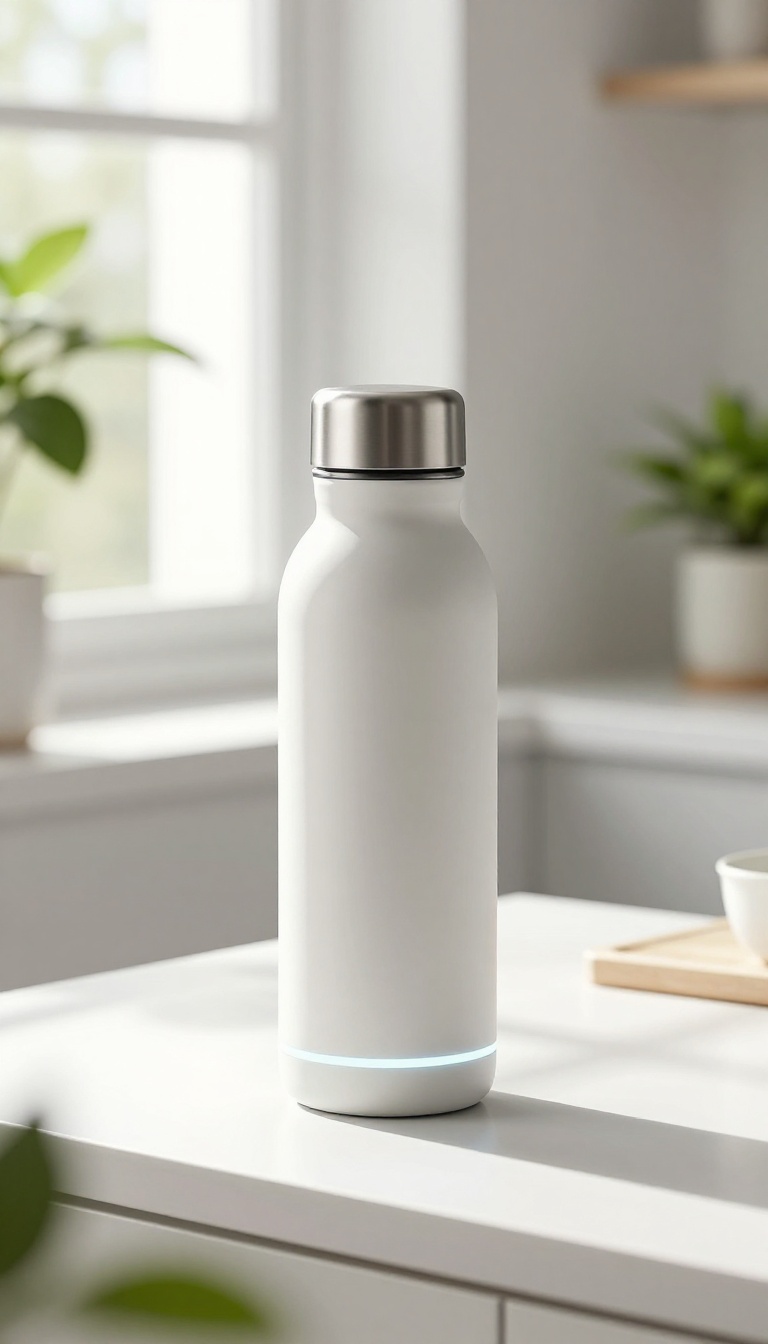
Hydration often slips down the priority list when you're busy. You know you should drink more water, but it's easy to forget until the afternoon headache hits. A smart water bottle takes the guesswork out of staying hydrated by tracking your intake and sending gentle reminders.
These bottles sync with an app or display a glow to nudge you when it's time to take a sip. They make hydration feel effortless, turning a basic habit into a mindful self-care practice. If you struggle to drink enough water, this is a simple upgrade that pays off all day.
Staying hydrated is one of those small habits that make a big difference in how you feel. But remembering to drink water, especially during a packed day, is harder than it sounds. A smart water bottle solves that by doing the tracking and reminding for you.
It's not about tech for tech's sake—it's about removing the mental load so you can focus on everything else. These bottles use sensors to measure your sips and sync with a companion app on your phone. Some have a glowing ring or a gentle vibration that reminds you to drink at regular intervals.
Over time, you start to notice the pattern: fewer headaches, better energy, and clearer skin. It's a small change that quietly improves your daily baseline.
How It Works
Most smart bottles have a sensor in the base or cap that detects when you take a sip. The data is sent to an app, which calculates your daily intake and compares it to your goal. Many models also track your hydration trends over time, so you can see patterns and adjust your habits.
The reminders are customizable—you can set the bottle to glow, vibrate, or send a phone notification at intervals that work for you.
Why It Helps
The biggest benefit is that it makes hydration automatic. You don't have to count glasses or remember to drink—the bottle does it for you. This is especially helpful for people who get busy and forget to drink until they feel tired or unfocused.
Over time, staying consistently hydrated can improve your mood, digestion, and even your skin. It's a simple, low-effort way to support your body all day.
What To Look For
When choosing a smart bottle, think about battery life, ease of cleaning, and whether you want a companion app. Some bottles are dishwasher safe, while others need hand washing. Look for a model with a long battery life so you're not constantly recharging.
Also, check if the app is intuitive and if the reminders are adjustable. A bottle that fits your routine is more likely to become a habit.
5. Silk Pillowcase for Skin and Hair
Your pillowcase touches your face and hair for hours every night, yet most of us never think about it. Cotton can tug and absorb moisture, leaving you with frizzy hair and sleep creases in the morning. Switching to silk changes that overnight — literally.
A silk pillowcase creates a smooth, low-friction surface that lets your hair glide instead of snag. That means fewer tangles, less breakage, and a softer wake-up for your skin. It also helps retain your skin's natural moisture, so you wake up looking more rested and less creased.
Gentler On Hair
Cotton fibers catch and pull at your hair as you move, causing split ends and frizz. Silk's slippery texture reduces that friction, so your hair stays smoother and less damaged. If you have curls or delicate strands, you'll notice the difference within a few nights.
Kind To Skin
Silk is naturally breathable and less absorbent than cotton, so it doesn't wick away your skin's oils or overnight products. This helps keep your skin hydrated and may even reduce those temporary sleep lines that form when your face presses into fabric.
Easy To Care For
Many silk pillowcases are machine washable on a gentle cycle. Just use a mild detergent and air dry or tumble on low. They're a simple swap that fits into your regular laundry routine without extra fuss.
6. Journaling Kit for Mental Clarity
Sometimes your mind feels like a browser with too many tabs open. A journaling kit can help you close a few of them. It's not about writing beautifully—it's about getting thoughts out of your head and onto paper, where they feel more manageable.
A good kit usually includes a guided journal with prompts, a smooth pen, and maybe a few stickers or washi tape for a bit of fun. The prompts do the heavy lifting, so you never stare at a blank page wondering where to start.
Why Guided Prompts Work
Guided prompts give your brain a gentle nudge in the right direction. Instead of facing an empty page, you get a simple question like "What's taking up most of your mental space today? " That small structure makes journaling feel doable, even on busy days.
Prompts also help you notice patterns over time. You might spot that you're always stressed on Mondays or that a certain habit drains your energy. That awareness is the first step to making changes.
What To Look For In A Kit
Not all journaling kits are created equal. Look for one with a durable cover and thick paper that won't bleed through. A pen that feels comfortable in your hand makes a big difference too.
Some kits include extras like mood trackers or habit logs. Those can be nice, but don't overcomplicate things. A simple journal and a good pen are enough to start.
How To Make It A Daily Habit
The trick is to keep it visible. Leave your journal on your nightstand or desk, right where you'll see it. Pair it with an existing routine, like a cup of tea or before bed, so it becomes automatic.
Start with just five minutes. You don't need to write a page—a few sentences are fine. The goal is to show up consistently, not to produce a masterpiece.
The Mental Clarity Payoff
When you write things down, your brain can stop holding onto them. It's like clearing a cluttered desk—suddenly there's room to think. Many people find that journaling helps them sleep better because they're not replaying worries all night.
Over time, you'll notice you feel lighter and more focused. That's the real gift of a journaling kit: it's not just paper and ink, it's a tool for a calmer mind.
7. Noise-Canceling Headphones for Focus
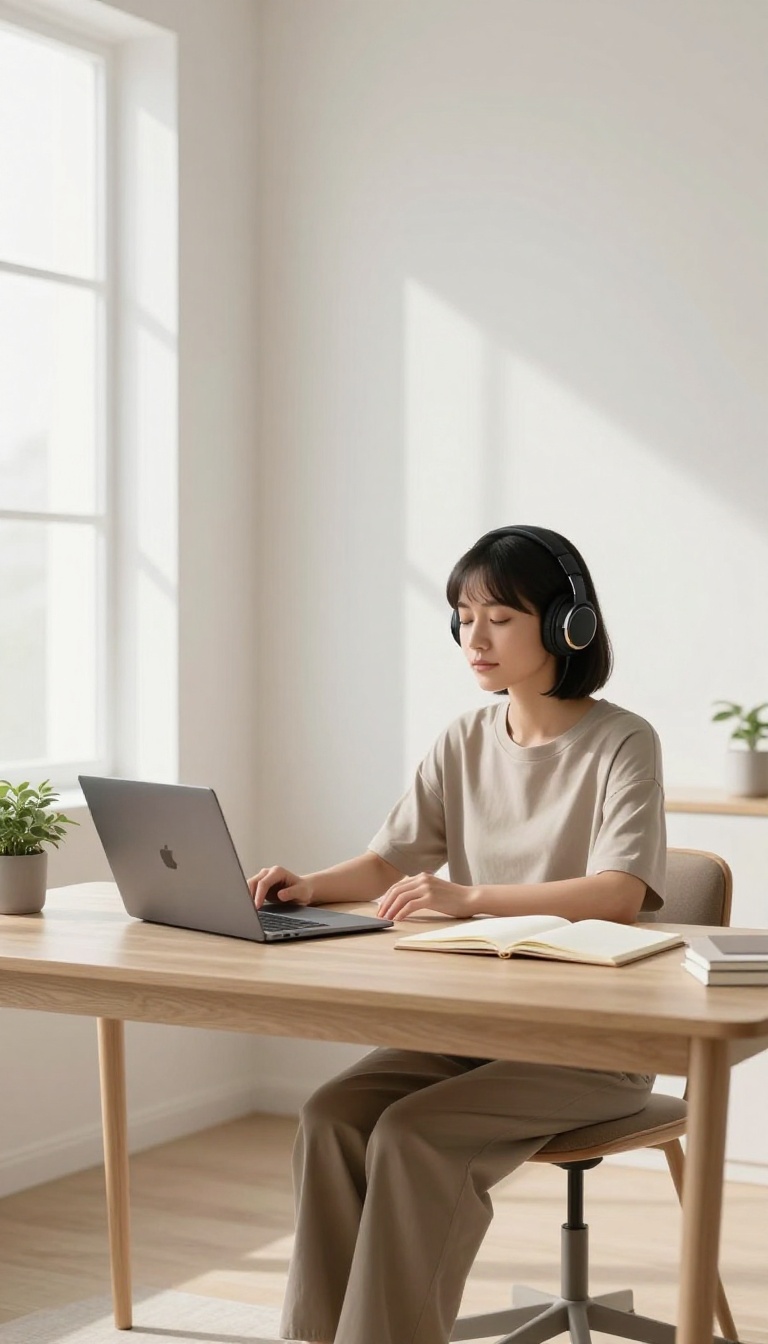
A noisy environment can turn a simple task into a mental marathon. Whether it's the hum of traffic, chatty coworkers, or the neighbor's dog, unwanted sound steals your attention. Noise-canceling headphones create a bubble of calm, making it easier to concentrate, meditate, or just breathe.
These headphones are more than just audio gear—they're a tool for reclaiming your peace. With active noise cancellation, they filter out low-frequency sounds like engine rumble or air conditioning, so you hear only what you choose. Many models also have a transparency mode, letting you tune in when you need to hear the world around you.
Work And Study
When you're deep in a project, every interruption costs time. Noise-canceling headphones help you stay in the zone. Pair them with a focus playlist or white noise, and you'll notice how much more you get done.
They're also great for online classes or video calls, keeping background noise from distracting others.
Travel And Commute
Planes, trains, and buses are rarely quiet. These headphones turn a noisy journey into a peaceful escape. You can listen to a podcast, sleep, or simply enjoy the silence.
The snug fit and cushioned ear cups also add comfort during long rides.
Mindfulness And Relaxation
Quiet time is essential for mental health. With noise-canceling headphones, you can practice meditation or deep breathing without outside interference. Some models even have built-in soundscapes like rain or ocean waves, helping you unwind after a hectic day.
8. Essential Oil Roller for On-the-Go Relief
Stress doesn't wait for you to have a quiet moment. It shows up in traffic, during meetings, or right before bed. A portable essential oil roller puts calming or energizing scents within arm's reach, so you can reset your mood in seconds.
These little bottles are designed for real life. They fit in a pocket, purse, or desk drawer, and the rollerball applicator makes them mess-free. Just roll onto your wrists or temples and take a deep breath.
Whether you need to unwind after a long day or sharpen your focus for a task, there's a blend for that.
Why Roll-ons Beat Diffusers
Diffusers are great at home, but they're not practical when you're out. Roll-ons give you the same benefits without the cords or water. Plus, they're discreet—no one has to know you're giving yourself a mini aromatherapy session in the middle of a busy store.
How To Pick Your Blend
Think about what you need most. Lavender and chamomile are go-to for relaxation. Peppermint and citrus are better for a quick pick-me-up.
Some blends mix both, so you can adapt to your day. Start with a small size to test what works before committing to a full bottle.
Simple Ways To Use It
Keep one on your desk and roll it on before a big presentation. Toss another in your gym bag for a post-workout cooldown. Or use it as a mini ritual before bed—just a few drops on your pillow can signal your brain that it's time to wind down.
9. Heated Eye Mask for Relaxation
There’s a reason spas always end with a warm compress on your eyes—it’s an instant signal to your nervous system that it’s time to slow down. A heated eye mask brings that same feeling home, without the appointment or the bill. Whether you’re dealing with screen strain, a headache, or just the general chaos of the day, a few minutes of gentle heat can reset your whole mood.
A heated eye mask isn’t just a fancy sleep accessory—it’s a practical tool for easing eye fatigue and calming a busy mind. The warmth helps relax the tiny muscles around your eyes, which often hold tension without you noticing. It also encourages you to take a deliberate pause, which is a self-care win on its own.
Use it for five minutes during a lunch break or as part of your bedtime routine, and you’ll see why it’s a favorite among people who need a quick mental reset.
Why Your Eyes Need A Break
Staring at screens all day leaves your eyes dry, tired, and strained. The heat from a mask increases blood flow and soothes the muscles, which can reduce that gritty, heavy feeling. It’s like a mini massage for your eye area, and it doesn’t require any special skills or products.
How To Use It For Best Results
Pop the mask in the microwave for the recommended time (usually 20-30 seconds) or use a USB-heated version for consistent warmth. Place it over your eyes, lean back, and breathe slowly for 5-10 minutes. You can even pair it with a guided meditation or just enjoy the quiet.
The key is to let yourself be still—no phone, no to-do list.
Choosing The Right One For You
Look for a mask that fits your face comfortably and has adjustable straps or a contoured shape. Some come with lavender or chamomile scents for extra relaxation, while others are plain for those sensitive to fragrance. Decide whether you prefer microwavable or electric—both work well, so it’s about convenience and personal preference.
10. Bath Salts for a Spa-Like Soak
A long day can leave your muscles tight and your mind buzzing. A warm bath with the right salts changes that fast. Epsom salts help soothe soreness, while Himalayan salts add minerals that make the water feel silkier.
It's a simple upgrade that turns your bathroom into a personal retreat.
Bath salts are more than just fancy water softeners. They dissolve into magnesium and sulfate, which your body can absorb through the skin. That's why they're a go-to for post-workout recovery or just unwinding after a stressful week.
The scent matters too—lavender or eucalyptus can signal your brain to switch off.
Epsom Vs. Himalayan: What's The Difference?
Epsom salts are magnesium sulfate, great for muscle relief. Himalayan salts are pink and packed with trace minerals like potassium and calcium. Both work, but they feel different.
Epsom dissolves quickly and leaves a clean feel. Himalayan gives a softer, more luxurious soak.
How To Use Them For Maximum Relaxation
Add about two cups to a warm bath, not hot. Let it dissolve before you get in. Soak for at least 20 minutes to let the minerals absorb.
Pair it with a candle or some calm music to make the ritual stick. You'll step out feeling lighter and more grounded.
Choosing The Right Scent And Formula
If you want to sleep, pick lavender or chamomile. For muscle pain, go with eucalyptus or peppermint. Look for unscented options if you're sensitive.
Some blends include essential oils, which add a natural aromatherapy boost. Check the label for pure salts without added dyes or synthetic fragrances.
11. Desk Footrest for Better Posture
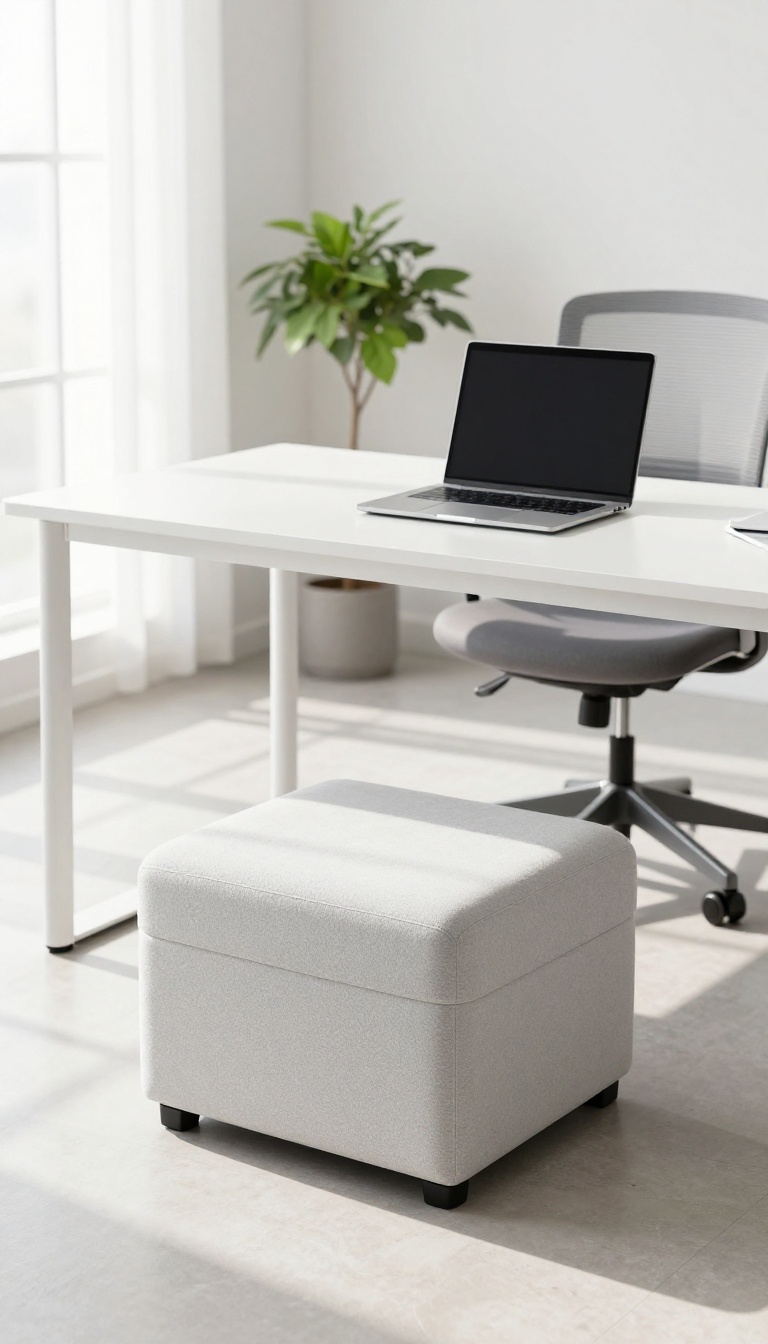
Sitting for hours can quietly wreck your back, even if you think you're comfortable. A simple footrest shifts your posture just enough to keep your spine aligned and your legs supported. It's one of those small upgrades that makes a big difference by the end of the workday.
A footrest encourages proper sitting posture, reducing back and leg strain during long hours at a desk. It helps you sit back in your chair instead of perching on the edge, which takes pressure off your lower back and improves circulation. You'll feel less fidgety and more focused, and your body will thank you after a long day of typing and meetings.
Why Your Lower Back Will Thank You
When your feet dangle or rest flat on the floor, your hips often tilt forward, pulling your spine out of alignment. A footrest raises your knees slightly above hip level, which naturally curves your lower back into a neutral position. That small change can prevent the dull ache that creeps in by mid-afternoon.
How To Choose The Right One
Look for a footrest with adjustable height and a slight tilt so you can find the angle that feels best. Some have a rocking motion to keep your legs active, while others offer a textured surface to massage your feet. Pick one that fits under your desk without crowding your legs, and make sure it's stable enough to support your weight.
Simple Ways To Use It Throughout The Day
Alternate between resting your feet flat and using the footrest every 20 minutes or so to keep your body from getting stiff. You can also use it to elevate one foot at a time, which helps with circulation and reduces swelling. Pair it with a standing desk break or a quick stretch to maximize the benefits.
12. Sleep Mask for Light-Free Rest
Light is one of the biggest stealth saboteurs of sleep. Even the glow from a streetlamp or a phone charger can keep your brain in a restless half-awake state. A good sleep mask blocks that out, giving your eyes the total darkness they crave for deep rest.
It's not just for night shifts or travel—it's for anyone who wants to fall asleep faster and stay asleep longer. And with the right fabric and fit, you'll forget you're even wearing it.
A quality sleep mask does more than just block light; it creates a sensory cue that tells your body it's time to wind down. The gentle pressure on your eyes and the absence of visual stimulation help lower your heart rate and quiet your mind, making it easier to drift off—even in the middle of a sunny afternoon. Look for masks with contoured cups that don't press on your eyelids, and adjustable straps that keep it in place without leaving marks.
Breathable materials like silk or bamboo are gentle on skin and prevent overheating, so you stay comfortable all night long.
Why Darkness Matters
Your body produces melatonin, the sleep hormone, in response to darkness. Even tiny amounts of light can suppress melatonin production, making it harder to fall asleep and reach the deep, restorative stages. A sleep mask ensures your environment stays dark, no matter what's happening around you.
Choosing The Right Mask
Not all sleep masks are created equal. Flat masks can shift and let light in, while contoured ones provide a better seal. Look for adjustable straps, soft edges, and a design that suits your sleeping position.
If you're a side sleeper, choose a mask with a slim profile that won't dig into your pillow.
Bonus Benefits Beyond Sleep
A sleep mask can also help with headaches, eye strain, and even dry eyes by keeping moisture in. Some people find that wearing one during a quick nap or meditation session helps them relax faster. It's a simple tool with surprisingly broad benefits.
13. Herbal Tea Sampler for Evening Rituals
A box of assorted herbal teas can turn the end of your day into a small ceremony. Instead of reaching for another screen or snack, you brew a cup and let the steam slow you down. A good sampler gives you variety without commitment.
You can rotate between chamomile, peppermint, and rooibos depending on your mood. The ritual itself—boiling water, steeping, holding a warm mug—becomes a gentle cue that it's time to unwind.
The right tea can be more than a drink—it's a sensory signal. The warmth, the aroma, and the quiet moment of preparation all help your mind transition from busy to calm. Caffeine-free blends are key, so you don't accidentally stir yourself up before bed.
Keep a few favorites on hand and make the ritual your own. Maybe it's a specific mug, a cozy corner, or a few minutes of reading. The consistency matters more than the blend.
Why Caffeine-free Matters
Evening teas should be free of caffeine, or you'll trade one kind of restlessness for another. Look for blends labeled 'herbal' or 'tisane' to avoid hidden black or green tea leaves. Chamomile and valerian root are classic for relaxation, while peppermint and ginger can help with digestion after dinner.
How To Build Your Own Sampler
You don't have to buy a pre-made box. Pick three or four loose-leaf teas or sachets that appeal to you. Mix calming herbs like lavender or lemon balm with something slightly sweet like rooibos.
Store them in small tins or jars so they stay fresh and feel special.
Make It A Daily Ritual
Set a regular time, maybe 30 minutes before bed. Put the kettle on, choose your tea, and brew it slowly. Pair it with a few minutes of journaling or stretching.
Over time, your brain will link that warm cup with winding down, making it easier to fall asleep.
14. Laptop Stand for Ergonomic Comfort
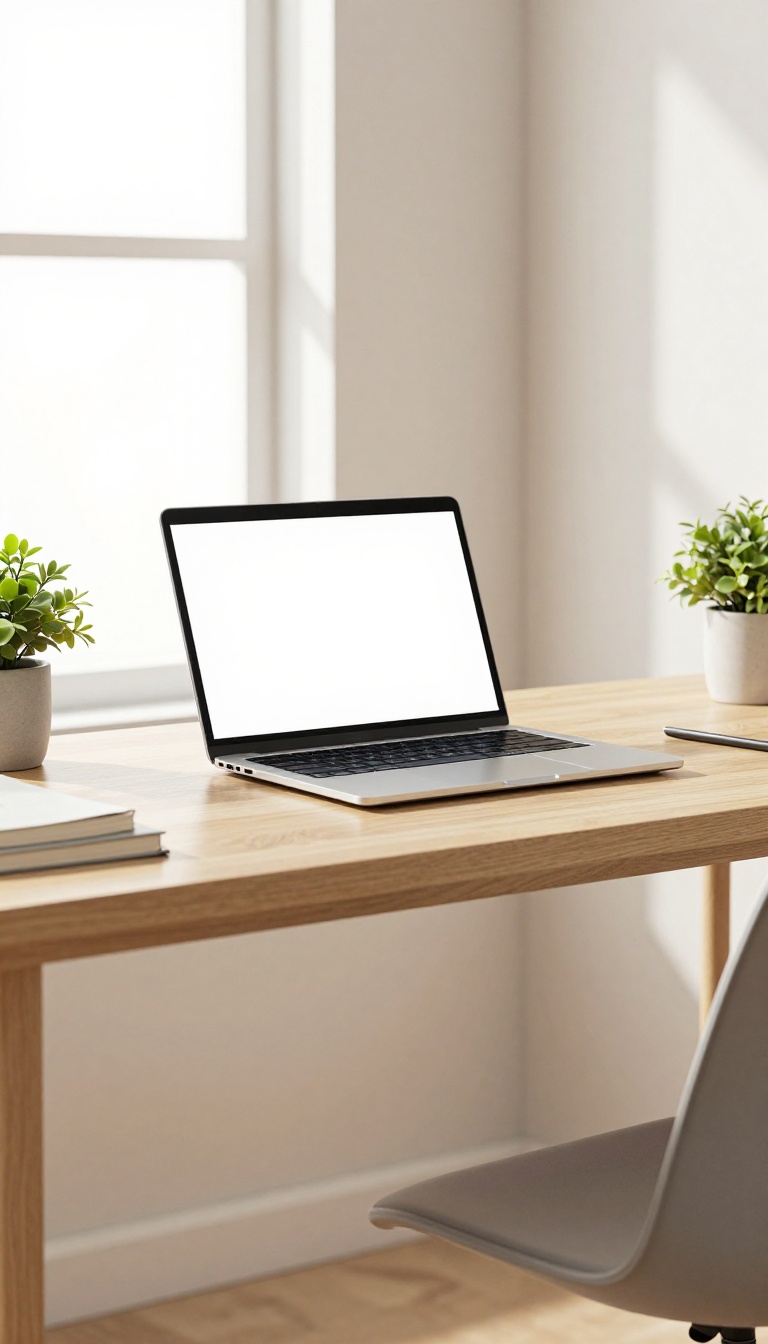
If you work from home, you've probably caught yourself hunched over your laptop more than once. That crouched position might feel harmless in the moment, but over time it can leave your neck and shoulders aching by the end of the day. A simple laptop stand can fix that by raising your screen to eye level, so you can sit tall and type comfortably.
It's a small change that makes a big difference in how your body feels after hours of work.
A laptop stand is one of those quiet upgrades that pays off every single day. By lifting your screen to eye level, it helps you keep a neutral spine and relaxed shoulders, which means less strain and more energy. Plus, it frees up desk space and improves airflow around your device, so your laptop stays cooler during long sessions.
Whether you're in a home office or on the couch, a stand turns any surface into a more ergonomic setup.
Why Your Neck Will Thank You
When your screen sits too low, you naturally tilt your head forward to see it. That angle puts extra pressure on your cervical spine, which can lead to headaches and stiffness. Raising the screen to eye level keeps your head balanced over your shoulders, reducing that strain.
It's a simple fix that prevents the kind of nagging discomfort that builds up over time.
Better Posture, Better Focus
A stand encourages you to sit back in your chair instead of leaning in. With your screen at the right height, your hands can rest naturally on the keyboard, and your eyes don't have to work as hard. That means less fidgeting and more concentration on the task at hand.
You'll find it easier to stay in a flow state when your body isn't sending you 'this is uncomfortable' signals.
Portable Options For Any Workspace
You don't need a permanent desk setup to benefit from a stand. There are foldable, lightweight stands that slip into a bag and work anywhere—coffee shops, co-working spaces, even your kitchen counter. Some even have adjustable height and angle settings, so you can find the sweet spot no matter where you're working.
That flexibility makes it a practical self-care tool for anyone who moves around.
15. Acupressure Mat for Stress Relief
Stress tends to live in your shoulders, neck, and lower back, and a regular massage isn't always an option. An acupressure mat brings that relief home, letting you lie down on a bed of tiny spikes that stimulate pressure points. It's a simple way to unwind after a hectic day, and many people find it surprisingly soothing.
The mat works by activating your body's natural relaxation response, similar to acupuncture but without the needles. When you lie on it, the pressure points signal your brain to release tension and boost circulation. It's a practical tool for anyone who needs a quick reset without leaving the house.
How It Works
The mat is covered with hundreds of small plastic spikes that gently press into your skin. This triggers endorphins and improves blood flow, which helps relax tight muscles. You can use it on your back, neck, or even your feet, and the effect builds the longer you stay on it.
Getting Started
Start with just 5 to 10 minutes a day, placing the mat on a firm surface and lying down slowly. Wear a thin shirt or place a towel over it if the sensation feels intense at first. Over time, you can increase the duration as your body gets used to it.
When To Use It
It's perfect for after work, before bed, or any time you feel tense. Many people use it while reading or meditating, turning a few quiet minutes into a mini relaxation session. Keep it near your couch or bed so it's easy to grab when stress hits.
16. Gratitude Jar for Positive Focus
Some days it's easy to notice what went wrong, while the good stuff slips by unnoticed. A gratitude jar flips that habit by giving you a simple place to collect small wins and happy moments. It's not about forced positivity—just a gentle nudge to spot the good in your everyday.
Keeping a gratitude jar on your desk or nightstand turns a few seconds of reflection into a lasting habit. Each time you drop in a note, you're training your brain to scan for what's working, not just what's annoying you. Over time, the jar becomes a tangible record of the things that made you smile, even on rough days.
How To Start Your Jar
Pick any jar or container you like—a mason jar, a pretty box, even a repurposed candle tin. Keep it somewhere visible with a small pad of paper and a pen nearby. The easier it is to reach, the more likely you'll actually use it.
When To Write A Note
Tie the habit to an existing routine, like your morning coffee or right before bed. You don't need to write every day—just whenever something good happens, no matter how small. A warm chat with a friend, a good meal, or a sunny commute all count.
Revisit Your Positives
When you're feeling low, pull out a handful of notes and read them. It's a quick mood reset that reminds you of the good stuff you've already experienced. This turns the jar from a passive decoration into an active tool for shifting your perspective.
17. Foot Massager for Tired Feet
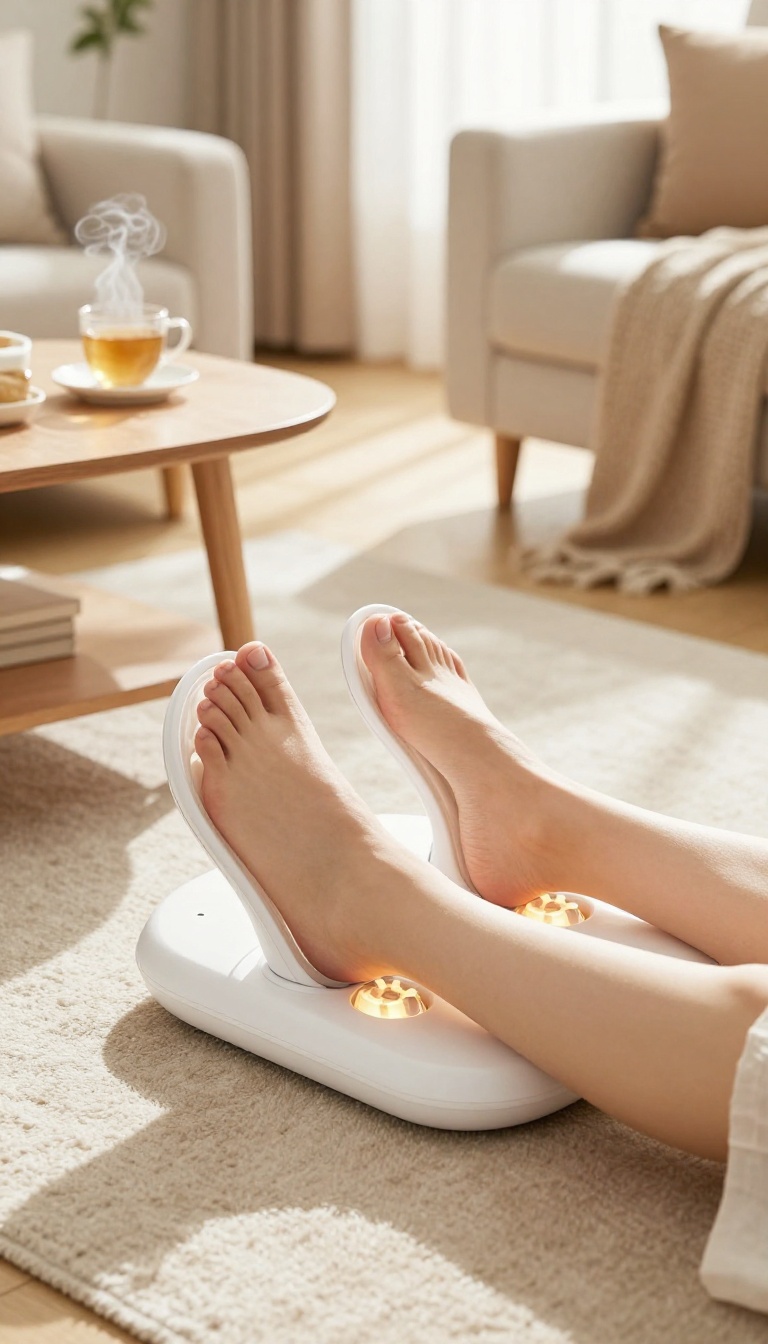
Your feet carry you through every step, errand, and workout, yet they rarely get the attention they deserve. A foot massager is one of those self-care buys that feels indulgent but actually delivers real relief, especially if you stand all day or log serious steps. Modern foot massagers aren't just vibrating pads anymore.
They knead, roll, and apply heat to target sore arches and heels, helping to ease tension and boost circulation. It's like a mini spa session without leaving your couch.
Using a foot massager regularly can do more than just feel good. It helps relax tight muscles, improve blood flow, and even reduce stress overall. Plus, it's a simple way to unwind at the end of a long day, and you can use it while watching TV or reading.
What To Look For
When choosing a foot massager, consider the type: shiatsu models use rotating nodes to mimic a thumb press, while compression massagers squeeze and release for a different sensation. Heat is a great bonus, as it soothes muscles and enhances relaxation. Also, check the fit—some models are open-toe, others are enclosed, and you want one that accommodates your foot size comfortably.
How To Use It
Start with a few minutes a day, especially after being on your feet. Place your feet inside, adjust the intensity to your liking, and let it work. Pair it with a little stretching or a warm foot soak beforehand for even better results.
Just don't overdo it—15 to 20 minutes is plenty.
Why It's Worth It
A foot massager is a small investment that pays off in daily comfort. It can help with tired, achy feet, improve circulation, and even help you sleep better. Plus, it's a treat you can use anytime, without booking an appointment or spending a fortune.
18. Humidifier for Better Breathing
Waking up with a dry throat or stuffy nose is a rough way to start the day. A humidifier adds gentle moisture to the air, which can ease congestion, soothe dry skin, and make your bedroom feel more comfortable. It's a small addition that can make a big difference, especially when the seasons change.
Using a humidifier is a simple way to support your respiratory health and overall comfort. Whether you're dealing with winter dryness or summer air conditioning, adding moisture back into your environment helps you breathe easier and sleep better. Many models are quiet enough to run all night, so you wake up feeling more refreshed.
Why Moist Air Helps
Dry air can irritate your nasal passages and throat, making you more prone to congestion and coughing. A humidifier adds moisture that soothes these tissues, helping you breathe more easily. It also benefits your skin by preventing it from becoming dry and flaky.
Choosing The Right Type
There are several types of humidifiers, including cool mist, warm mist, and ultrasonic models. Cool mist is great for year-round use and safe around kids and pets. Ultrasonic models are especially quiet, making them ideal for bedrooms.
Think about room size and maintenance when picking one.
Simple Tips For Best Results
Place the humidifier on a flat surface a few feet from your bed. Use distilled water to avoid mineral buildup, and clean it regularly to prevent mold. Aim for a humidity level between 30% and 50% for optimal comfort without overdoing it.
19. Yoga Mat for Home Practice
Rolling out a mat at home can turn a cramped corner into a personal studio. A good yoga mat gives you the grip and cushioning to stretch, breathe, or meditate without slipping or hurting your knees. It's a simple upgrade that makes daily movement feel more intentional.
A quality yoga mat does more than define your space—it supports your joints and keeps you steady in every pose. Whether you're into full flows or just want a comfortable spot for evening stretching, the right mat makes the practice feel safer and more enjoyable.
Why A Good Mat Matters
Thin mats can leave your wrists and knees aching, while slippery surfaces make balancing poses frustrating. A mat with proper thickness and texture absorbs impact and keeps you grounded, so you can focus on your breath instead of fighting the floor.
Choosing The Right Material
Natural rubber offers excellent grip and eco-friendliness, but it can have a strong smell. PVC mats are durable and affordable, while cork or jute options provide a unique texture. Consider your skin sensitivity and how often you'll practice to find the best fit.
Making It A Daily Habit
Keep your mat rolled out in a visible spot as a gentle reminder to move. Even five minutes of stretching or deep breathing can reset your mood. Pair it with a calming playlist or a few candles to create a mini ritual you'll look forward to.
20. Sunrise Alarm Clock for Gentle Mornings
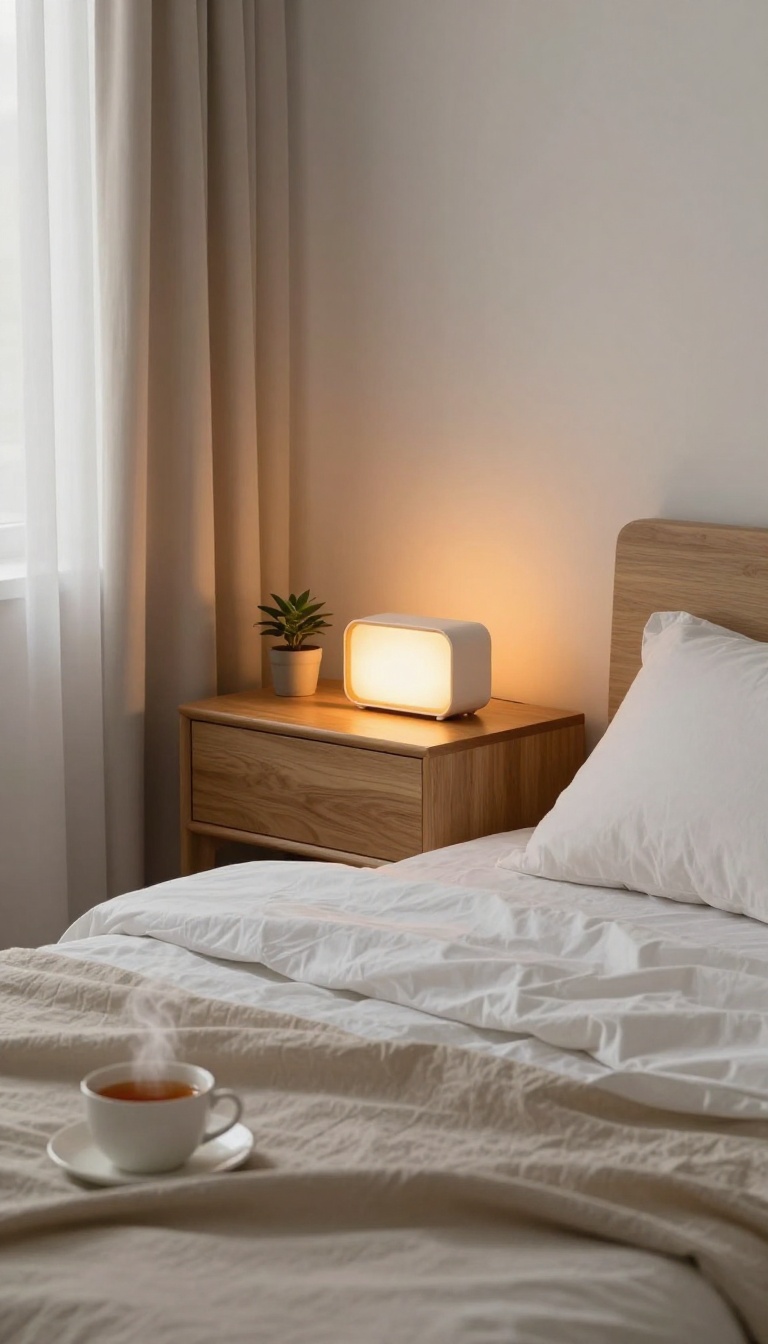
Waking up to a blaring alarm can set a stressful tone for the whole day. A sunrise alarm clock changes that by simulating a natural dawn, gradually filling your room with warm light before you open your eyes. It's a small shift that makes mornings feel less jarring and more peaceful.
Instead of being yanked from sleep, you wake up as the light grows, which helps regulate your body's internal clock. Many models also include nature sounds or gentle melodies as a backup, but the light does the heavy lifting. This makes it easier to get out of bed and start your day with a calmer mindset.
How It Works
The alarm begins glowing softly about 30 minutes before your set wake-up time, gradually increasing in brightness like a real sunrise. This light triggers a decrease in melatonin and an increase in cortisol, helping you feel alert naturally. You can also choose to wake to sounds like birdsong or a gentle chime.
Benefits For Your Mood
Waking up gradually can reduce grogginess and improve your mood throughout the morning. The soft light also makes the transition from sleep to wakefulness feel more organic, which can lower stress levels. Many people find they feel more refreshed and less tempted to hit snooze.
What To Look For
Look for a model with adjustable brightness and a range of sunrise durations, so you can customize it to your preference. Some clocks offer sunset simulation to help you wind down at night, which is a nice bonus. Also check for a backup alarm sound in case you sleep through the light.
FAQ
What are the best self-care products for beginners?
Start with simple, versatile items like a weighted blanket, aromatherapy diffuser, or a journal. These are easy to incorporate and offer immediate benefits.
How do I choose the right weighted blanket?
Pick one that's about 10% of your body weight. Consider the material and weight distribution for comfort and breathability.
Can self-care products really improve mental health?
While they aren't a substitute for professional care, they can support relaxation, better sleep, and stress reduction, which contribute to overall well-being.
Are there budget-friendly self-care products?
Absolutely. Many items like bath salts, journals, or a simple sleep mask are affordable. You can also find deals on larger items like diffusers or foam rollers.
How often should I use these products?
It depends on the product. Some, like water bottles, are daily. Others, like bath salts or a foot massager, can be used a few times a week.
Listen to your body.
Conclusion
Small upgrades can make a surprisingly big difference in how your day flows. You don't need to overhaul your whole routine at once—just pick one or two items that speak to your current needs and let them work their magic.
Over time, these little conveniences add up to less friction and more ease. So treat yourself to something that genuinely helps, and enjoy the calm it brings to your everyday moments.