
Building a daily routine that actually sticks isn't about willpower—it's about having the right tools to see your patterns clearly. These 17 self-care planner pages turn vague intentions into concrete actions you can track and tweak.
From mood check-ins to digital detoxes, each page targets a different piece of your wellbeing puzzle. You don't need to use them all; just pick the ones that feel most useful and start there.
Small, consistent tracking often reveals surprising insights about what drains you and what fills you back up. Let's make self-care something you plan for, not something you hope happens.
1. Daily Intention Setter
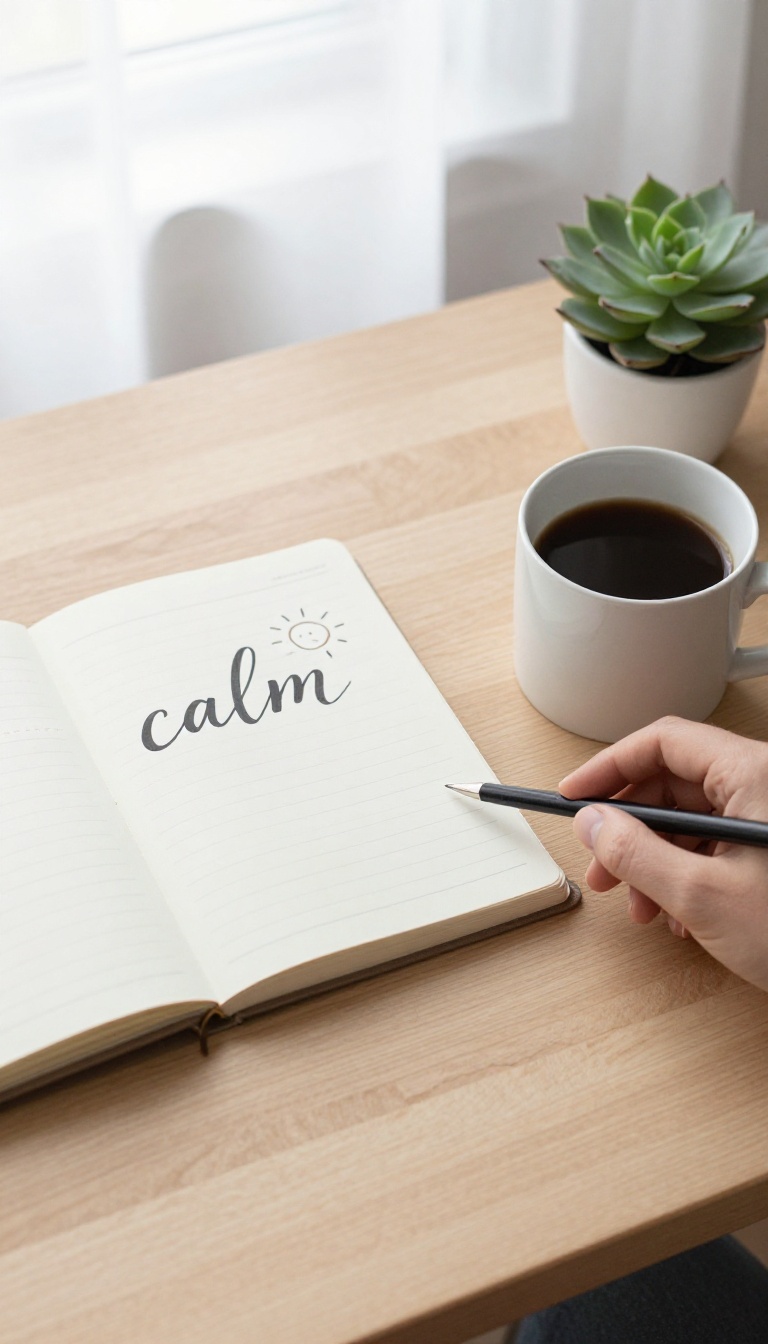
Mornings set the tone for everything that follows, but most of us roll out of bed and let the day happen to us. A daily intention flips that script. Instead of reacting to whatever comes your way, you decide in advance what matters most.
This planner page gives you a dedicated space to choose one word or short phrase that anchors your decisions and energy for the next 24 hours.
The idea is simple: each morning, write down a single intention that feels meaningful for the day. It could be something like 'patience, ' 'focus, ' or 'say yes to rest. ' That one word becomes a filter for your choices. When you're about to say yes to something that doesn't align, you pause and remember what you set.
Over time, this tiny ritual builds self-awareness and helps you live more intentionally, not just on paper but in real life.
Why One Word Works
You might wonder how a single word can make a difference. The trick is that it's specific enough to guide you but flexible enough to adapt. Unlike a long to-do list, an intention isn't about checking boxes—it's about aligning your mindset.
When you choose 'calm' on a hectic day, you're more likely to take a deep breath before responding. That small shift can change how you experience everything.
How To Use The Page
Keep the page somewhere you'll see it every morning—maybe on your nightstand or in your planner. Write your intention before you check your phone or dive into emails. If you miss a day, don't stress.
Just pick it up again the next morning. You can also add a quick note at the end of the day to reflect on whether you lived up to it. That feedback loop makes the practice stick.
Making It Your Own
There's no right or wrong way to do this. Some people like to draw or doodle around the word, others use stickers or washi tape. You might even write a short sentence if a single word feels too limiting.
The goal is to make it feel personal and meaningful. If 'joy' feels too broad, try 'find joy in small moments. ' The more specific you are, the easier it is to act on.
2. Mood Tracker with Prompts
A mood tracker is more than just a color-coded grid. When you add a simple prompt next to each entry, it turns a daily check-in into a mini journal that reveals your emotional triggers. This page helps you connect how you feel to what you did, ate, or thought that day.
Start by rating your mood on a scale, then jot down one or two words about what influenced it. Over time, you'll spot patterns—maybe you feel low after late nights or energized after morning walks. The prompts guide you to reflect without overthinking, making it a habit you'll actually keep.
How To Set It Up
Choose a simple scale, like 1-5 or emojis, and add a line for a short note. Print or draw a monthly grid, then fill in the date, mood score, and a brief prompt answer. Keep it somewhere visible to remind yourself to check in daily.
What Prompts To Use
Ask questions like 'What's one thing that affected my mood today? ' or 'Did I sleep well last night? ' You can also include prompts for energy levels, stress, or gratitude. The key is to keep them open-ended but specific enough to spark a quick answer.
How To Review Your Patterns
At the end of each week, scan your entries for trends. Maybe you notice you feel happier on days you exercise or more anxious after scrolling social media. Use these insights to adjust your routine—like scheduling a walk after lunch or setting a phone curfew.
3. Habit Streak Calendar
Habits are easier to keep when you can see them adding up. A habit streak calendar turns self-care into a game where you’re always on your own side. You’re not aiming for perfection—just showing up enough to build momentum.
This page is a simple monthly grid where you track up to three self-care habits. Each day you complete one, you mark it off. Before you know it, you’ll have a chain of colored squares that motivates you to keep going.
It’s visual proof that you’re showing up for yourself, even on busy days.
Why Streaks Work
Streaks tap into our natural desire to not break a chain. Once you’ve got a few days in a row, you’ll think twice before skipping. It’s not about guilt—it’s about building a positive loop.
The calendar makes your effort visible, so you feel a little boost every time you add another mark.
How To Set It Up
Pick three habits that genuinely matter to you, like drinking water, meditating, or reading for ten minutes. Write them at the top of the page. Each day, put a check, a sticker, or a colored dot in the box for every habit you complete.
Keep it simple—don’t overcomplicate the tracking itself.
Tips For Staying Consistent
Attach your new habits to things you already do, like stretching right after your morning coffee. If you miss a day, don’t panic—just start again the next day. The goal is progress, not perfection.
You can also use different colors for each habit to make the calendar more fun to look at.
4. Gratitude Log
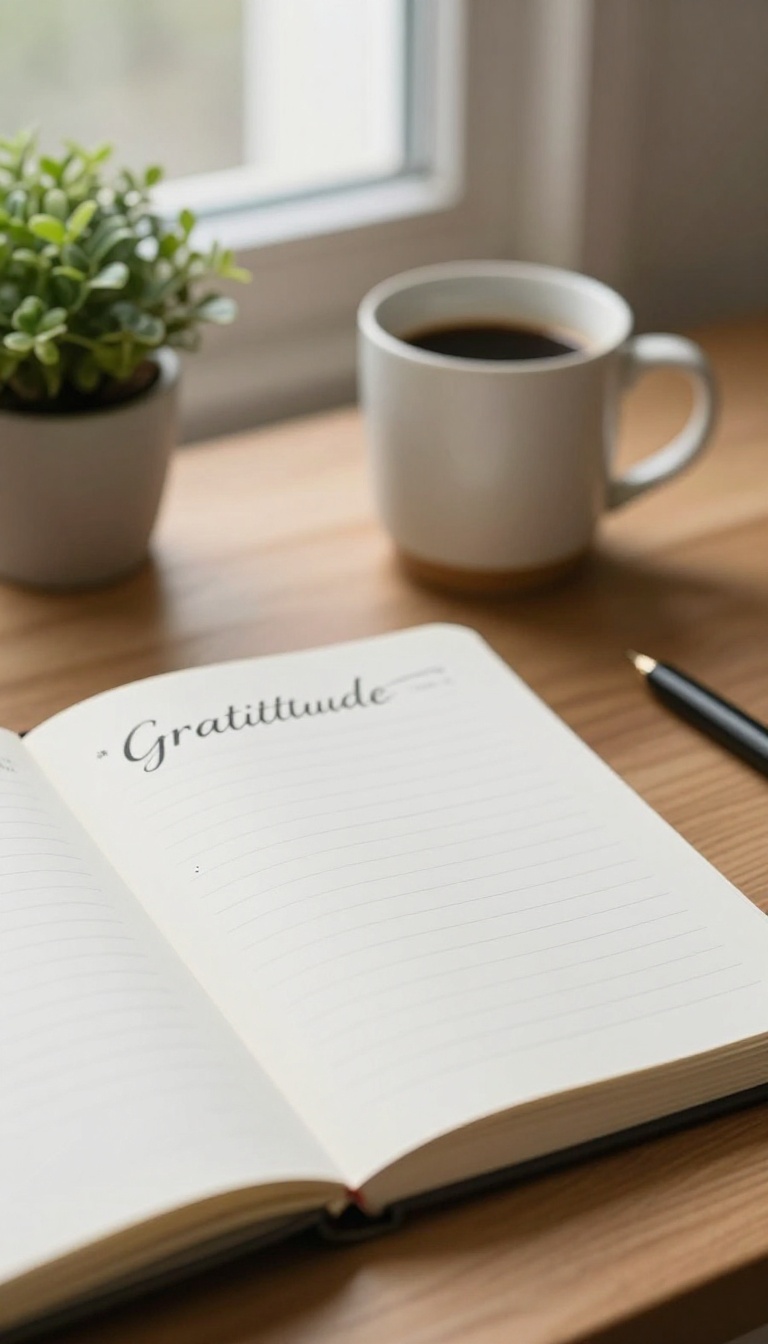
It's easy to get caught up in what's going wrong, especially on busy days. A gratitude log is a simple counterweight—a place to jot down a few good things that happened, no matter how small. Writing them down makes the positive moments feel more real and helps you notice them more often.
Each evening, take two minutes to list three things you're grateful for. They can be as simple as a good cup of coffee or a kind word from a coworker. Over time, this practice trains your brain to look for the good, which can make your whole day feel lighter.
How To Start
Pick a consistent time, like right before bed or with your morning coffee. Keep the log next to your planner so it becomes part of your routine. Don't overthink it—just write down whatever comes to mind.
Make It Personal
You can add prompts like 'something that made me smile' or 'someone I appreciate. ' If you're not into writing, use stickers or doodles instead. The goal is to make it feel like yours, not a chore.
Weekly Review
Once a week, look back at your entries. You might spot patterns—like how you're often grateful for time outdoors or a particular friend. Use that insight to plan more of what fills you up.
5. Energy Audit
Ever wonder why you breeze through some tasks and drag through others? Your energy isn't constant—it ebbs and flows throughout the day. An energy audit helps you map those peaks and valleys so you can schedule demanding work when you're sharp and save low-key stuff for when you're not.
Start by tracking your energy levels every couple of hours for a week. Note what you're doing, how you feel (1–10), and any snacks, breaks, or stressors that might be influencing you. Patterns will emerge quickly—maybe you're a morning person or hit a slump after lunch.
Use that intel to plan your day around your natural rhythm.
Track Your Daily Peaks
For a few days, jot down your energy score at set times—like 9 AM, noon, 3 PM, and 6 PM. Also note what you're doing and how you feel. You'll start to see spikes and dips.
Maybe you're sharpest at 10 AM or crash at 2 PM. That's your cue to tackle big projects in the morning and save routine tasks for the afternoon.
Spot The Energy Vampires
Look for patterns in your log. Do certain activities, people, or even foods leave you wiped? Maybe that 3 PM coffee is backfiring, or that weekly meeting drains you.
Identify your personal energy vampires—then you can decide to avoid, limit, or reframe them. Small changes, like a short walk instead of a sugary snack, can make a big difference.
Plan Around Your Energy
Once you know your peaks and slumps, adjust your schedule. Move demanding work to your high-energy windows and use low-energy times for admin, email, or creative brainstorming. Also, plan mini-recharges—like a stretch break or a few deep breaths—before you hit empty.
Your routine will feel less like a grind and more like a flow.
6. Meal Planning with Self-Care Twist

Food is more than fuel—it's a direct line to how you feel. But most meal planners just list what to eat, not why it matters. This page flips that by turning your grocery list into a mood map.
Instead of just checking off meals, you'll note how each dish affects your energy, digestion, and mental clarity. Over time, you'll spot patterns: that afternoon slump after pasta, the focus boost from salmon. It's not about dieting—it's about learning what your body loves.
Start by sketching out your week's meals, but leave a column for a quick note after each one. Jot down how you felt an hour later: energized, sluggish, clear-headed, or bloated. You don't need to overthink it—just a word or two.
After a few weeks, look back at your notes. You might notice that meals with protein and veggies keep you steady, while heavy carbs make you sleepy. Use that info to tweak your next week's plan.
This page isn't about restriction; it's about tuning in to your body's signals.
Track Your Energy After Meals
Add a simple rating scale (1-5) for energy and mood after each meal. Keep it visual with a small circle to fill in. This makes it easy to glance back and see which foods are your allies.
Plan For Self-care Meals
Designate one meal a week as a "self-care meal"—something that's both nourishing and joyful to prepare. Write it in a different color or add a little heart icon. This keeps planning fun and reminds you that food is a form of kindness to yourself.
Note Cravings And Triggers
Leave a small section for cravings or emotional eating moments. When you feel a strong urge for something, jot it down along with what was happening. This helps you connect food choices to stress or boredom, so you can address the root cause.
7. Sleep Schedule Tracker
Your sleep habits quietly shape your whole day. If you're constantly hitting snooze or crashing by 3 p. m. , a sleep schedule tracker can reveal the patterns behind it. By logging when you actually fall asleep, when you wake up, and how rested you feel, you'll start to see what's helping or hurting your rest.
This page isn't about perfecting your sleep overnight. It's about collecting honest data so you can make small, meaningful changes. Whether you're a night owl trying to shift earlier or just want to feel less groggy, tracking your sleep gives you a clear starting point.
What To Track
Keep it simple: bedtime, wake time, and a 1-10 restfulness score. Add notes on caffeine, screen time, or stress if you want deeper insights. The goal is to spot trends, not to create a chore.
How To Use It
Fill it in each morning before you check your phone. Consistency matters more than precision. After two weeks, look for patterns—like late nights leading to low scores—and adjust one habit at a time.
Making It Stick
Place the tracker next to your bed with a pen. Link it to an existing habit, like brushing your teeth, so it becomes automatic. Review it weekly to celebrate wins and tweak what's not working.
8. Water Intake Check
Staying hydrated is one of those things that sounds easy but somehow slips through the cracks. You know you should drink more water, yet by 3 p. m. , you're running on coffee and wondering why your head hurts. A water tracker page takes the guesswork out of it.
By giving you a visual spot to mark each glass, it turns hydration into a small daily game. You'll quickly see if you're hitting your goal or falling short, and that simple awareness is often enough to fix it.
A water intake page is exactly what it sounds like: a dedicated space to log your daily water consumption. Some designs use checkboxes for each glass, while others show a row of water glasses or a bottle outline you fill in as you go. The best ones let you customize your goal, whether that's 6 glasses or 10.
This page works because it removes the mental math. Instead of trying to remember if you've had enough, you just glance at the page and know. It also adds a tiny bit of accountability—seeing those empty boxes at the end of the day is a gentle nudge to drink up.
Why It Works
Tracking water intake does more than keep you hydrated. It gives you a concrete daily goal that's easy to measure and hard to ignore. Plus, when you see your progress visually, you're more likely to stick with it.
It's a small habit that supports your energy, focus, and skin health.
How To Use It
Start by setting a realistic daily target based on your body and activity level. Write that number at the top of the page. Then, every time you finish a glass or bottle, mark it off.
Keep the page somewhere you'll see it often—on your desk, in your bag, or on the fridge.
9. Movement & Stretch Log
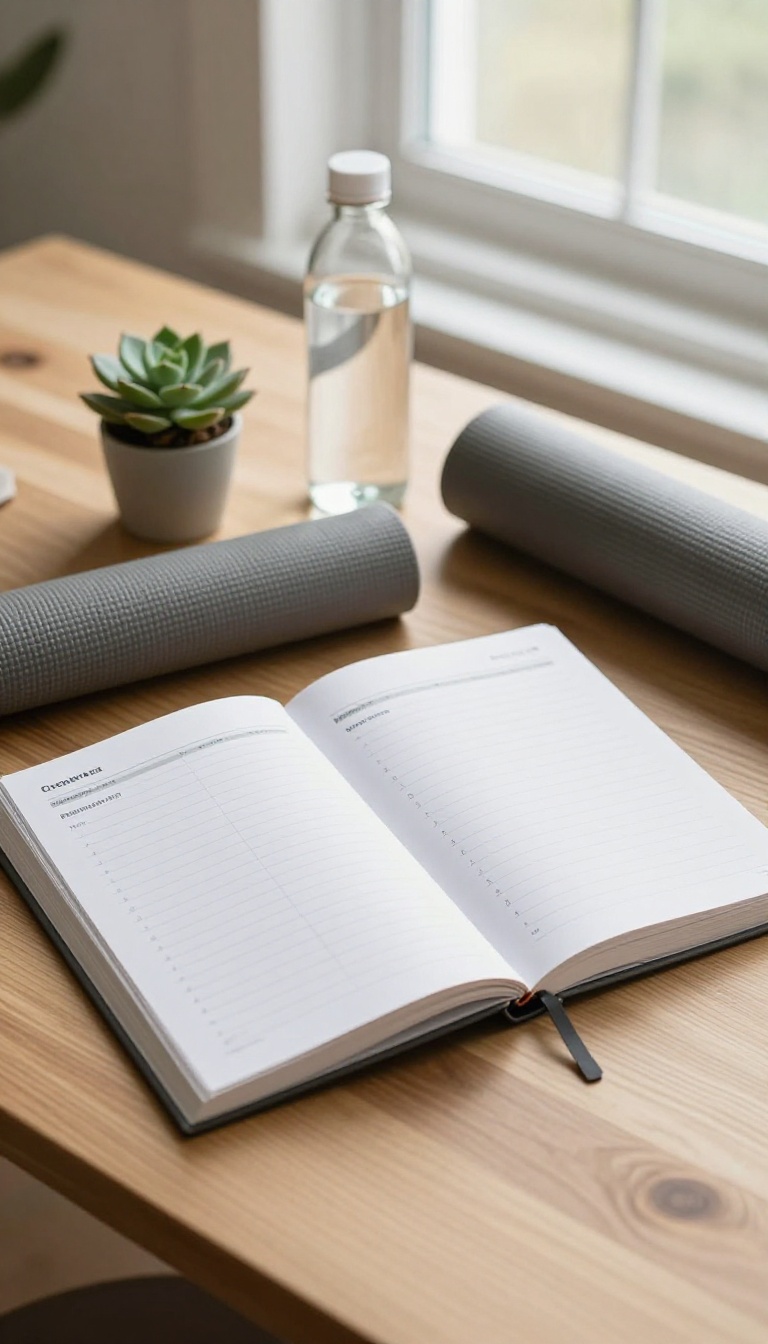
You don't need an hour at the gym to feel the benefits of moving your body. Even five minutes of stretching or a quick walk can shift your energy and mood. A movement log helps you notice these small wins and builds momentum over time.
Tracking doesn't have to be complicated. Just jot down what you did, how long it took, and how you felt afterward. Over time, patterns emerge—maybe you feel more energized after morning stretches or calmer after an evening walk.
A movement log turns exercise from a chore into a habit by making it visible. Whether you're recovering from an injury, starting a fitness journey, or just want to move more, this page keeps you accountable without pressure. You'll see how little efforts add up and feel motivated to keep going.
Why Log Even Five Minutes?
Short bursts of movement count. A five-minute stretch can relieve tension, improve circulation, and reset your focus. Logging these small sessions reinforces that every bit helps, making it easier to stay consistent.
You're more likely to repeat actions you acknowledge and track.
What To Track
Keep it simple: date, time, activity type, duration, and how you felt before and after. You can also add notes on energy levels, mood, or any physical sensations. This data helps you notice what works and what doesn't, so you can adjust your routine to feel your best.
Making It A Daily Habit
Place your planner where you'll see it—by your bed, desk, or coffee maker. Link your log to an existing habit, like stretching right after brushing your teeth. The goal is to make logging effortless.
Over time, the act of checking in becomes a natural part of your day.
10. Digital Detox Planner
Screens are everywhere, and sometimes you need a deliberate break from them. A digital detox planner page helps you schedule those breaks and decide what to do instead of scrolling. It's not about giving up your phone forever—just carving out moments where you're fully present.
Use this page to map out specific times each day when you'll step away from all screens. Write down the exact hours, and then list a few alternative activities to fill that space. Having a plan makes it much easier to follow through, because you won't be left wondering what to do with yourself.
Block Out Screen-free Slots
Pick one or two time blocks that work with your schedule—maybe during meals or right before bed. Mark them clearly on the planner. The goal is to create a habit, so consistency matters more than the length of each break.
Brainstorm Replacement Activities
In the space provided, jot down things you enjoy that don't involve a screen: reading, stretching, taking a walk, calling a friend, or working on a hobby. Keep this list handy so you can pick something quickly when the urge to grab your phone hits.
Track Your Progress
At the end of each week, note how many detox slots you actually honored. Don't stress over missed ones—just observe patterns. You might notice that certain times are easier to unplug than others, and that's useful info for next week.
11. Self-Care Menu
Some days you have a full hour to unwind, and other days you're lucky to get five minutes. A self-care menu solves this by giving you a list of activities sorted by time commitment, so you always know what fits. Instead of scrambling for ideas, you can just pick from the menu based on how much space you have in your day.
Think of this page like a restaurant menu, but for your wellbeing. List quick activities that take under five minutes, medium ones that take 15-30 minutes, and longer ones that require an hour or more. When you're planning your day, you can glance at the menu and choose something that matches your schedule.
Having these options written down makes it easier to actually follow through, because you're not trying to think of something on the spot.
Quick Bites (under 5 Minutes)
These are the tiny resets that fit into any busy moment. Think deep breathing, a quick stretch, a mindful cup of tea, or jotting down three things you're grateful for. Keep these simple and easy to do without any special setup.
Main Courses (15-30 Minutes)
This is your sweet spot for a real break. A short walk, a relaxing bath, a few pages of a book, or a phone-free coffee break all work well here. These activities give you enough time to decompress without eating up your whole afternoon.
Feast (60+ Minutes)
Reserve these for days when you have more time and energy. Longer activities like a full workout, a long hike, a creative project, or a thorough meal prep can really recharge you. Having a few go-to options ready means you won't waste time deciding when you finally have the space.
12. Weekly Reset Checklist
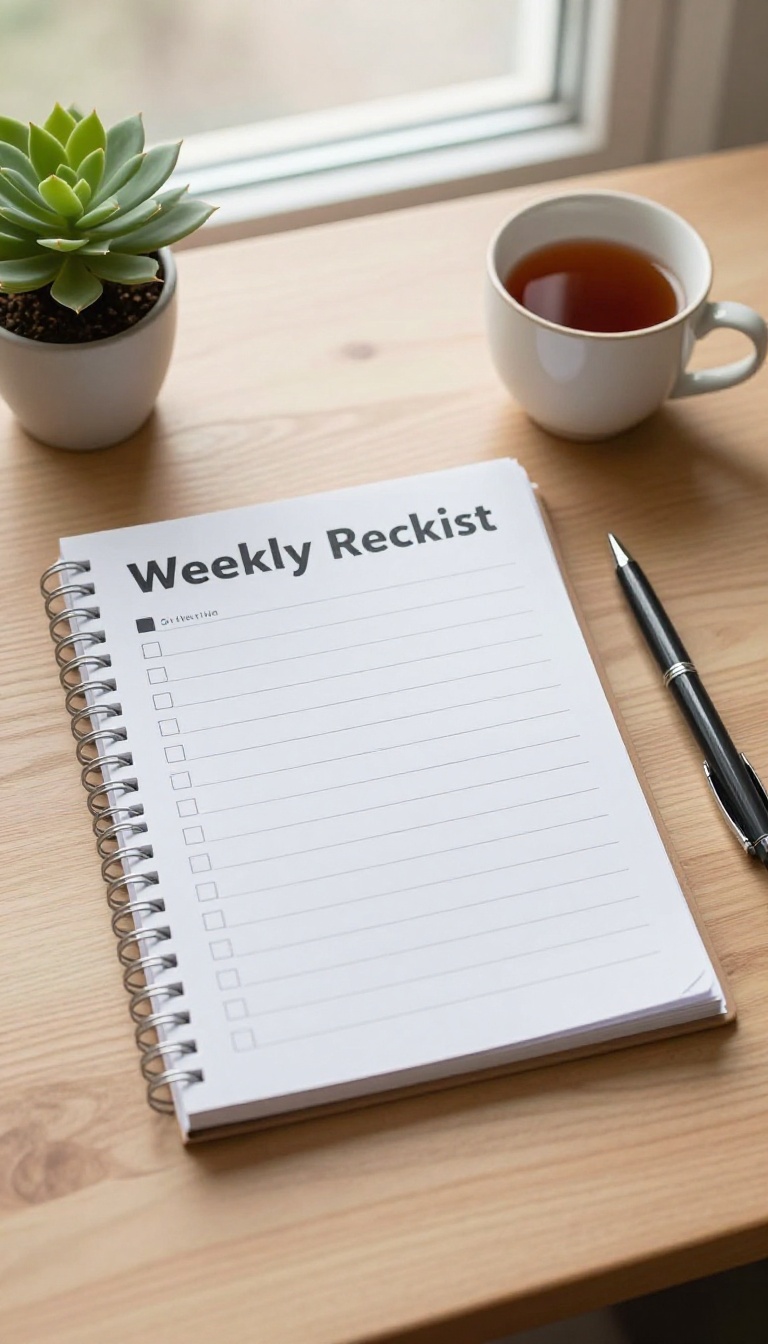
Sundays often feel like a weird in-between day—not quite weekend, not quite Monday. A weekly reset checklist gives you a simple way to close out one week and ease into the next. It's not about deep cleaning or over-planning; it's about doing a few small things that make Monday feel lighter.
A weekly reset checklist is a practical tool to help you wind down and prep for the week ahead. It usually includes tasks like tidying up your space, reviewing your calendar, and setting a few intentions. The goal is to clear mental and physical clutter so you can start fresh without that Sunday-night dread.
Tidy Up In 15 Minutes
Set a timer and do a quick sweep of your main living areas. Put away stray items, wipe down counters, and maybe throw in a load of laundry. You're not aiming for perfection—just enough to make your space feel calm and ready for the week.
Plan Your Week Ahead
Take a few minutes to look at your calendar for the upcoming days. Jot down any appointments, deadlines, or commitments. Then, pick 2-3 priorities you really want to focus on.
This helps you walk into Monday with a clear direction instead of feeling overwhelmed.
Set A Small Intention
Choose one simple intention for the week, like 'drink more water' or 'take a lunch break. ' Write it somewhere visible. It doesn't have to be a big goal—just a gentle reminder to take care of yourself amidst the busyness.
13. Boundary Setting Worksheet
Boundaries often feel abstract until you write them down. This worksheet turns vague frustrations into clear, actionable limits you can actually enforce. It’s a simple way to check in with yourself and spot where you’re overcommitting or feeling drained.
Start by listing your current commitments—work, family, social, digital. Next to each, note how you feel about it: energized, neutral, or drained. Then, pick one area where you’ve been saying yes when you mean no.
Write down one specific boundary you’ll enforce this week, like “I won’t check work email after 7 PM” or “I’ll decline one social invitation without guilt. ” Keep it small and measurable so you can actually follow through.
What To Include
Include sections for physical, emotional, time, and digital boundaries. For each, jot down a current example and a desired change. This helps you see patterns—like always saying yes to extra tasks or letting your phone interrupt family time.
How To Use It
Fill it out on Sunday evening or Monday morning. Review it daily and check off when you’ve stuck to your boundary. At the end of the week, reflect on what worked and what didn’t, then adjust for the next week.
Why It Works
Writing down a boundary makes it real. It moves from a thought to a commitment, and tracking it reinforces your follow-through. Over time, you’ll get better at setting limits without feeling guilty.
14. Stress Trigger Tracker
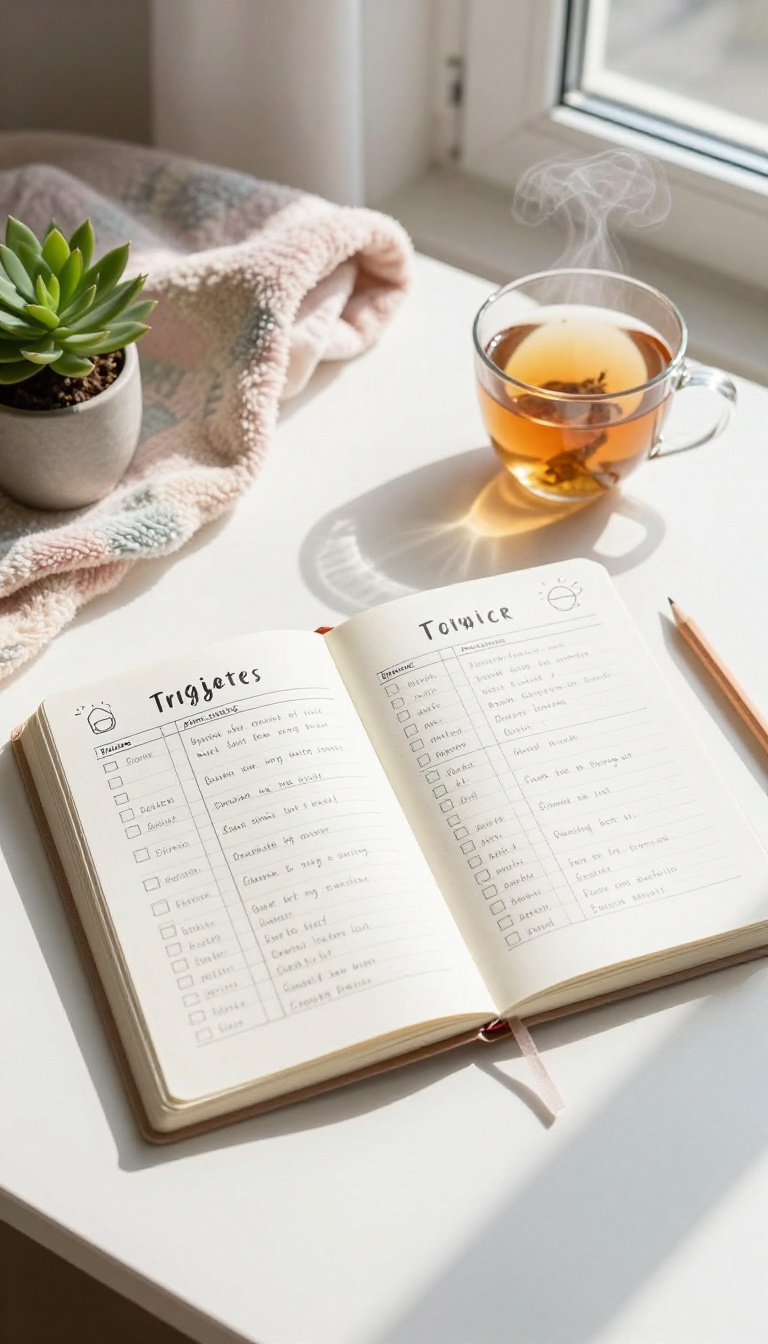
Stress often feels like a vague cloud that follows you around, but it's actually a series of specific moments you can pinpoint. A stress trigger tracker helps you turn that cloud into a map of your personal pressure points. By logging what sets you off and how you react, you start to see patterns you'd otherwise miss.
That awareness alone can make a huge difference in how you handle your day.
This page isn't about fixing stress overnight—it's about noticing it first. When you record the situation, your physical sensations, and your emotional response, you give yourself a chance to step back and think. Over time, you'll spot the same triggers popping up, and that's when you can actually do something about them.
What To Log
Keep it simple: note the time, the situation, and what you felt in your body (tight shoulders, fast heartbeat, shallow breathing). Then jot down the emotion—frustrated, anxious, overwhelmed. You don't need a novel; a few keywords are enough to jog your memory later.
Spotting Patterns
After a week or two, review your entries. You might notice that most triggers happen right after meetings, or when you skip lunch, or during that 4 PM slump. Seeing these patterns helps you prepare in advance—like keeping a snack on hand or scheduling a five-minute break before a tough call.
Turning Insight Into Action
Once you know your top triggers, pick one small change to test. Maybe it's taking three deep breaths before answering an email, or moving your desk away from a noisy hallway. Write that experiment on the same page so you remember to try it.
Tracking your progress keeps you honest and motivated.
15. Positive Affirmations Page
Your inner critic can be loud, but a dedicated page for positive affirmations gives you a place to fight back. Writing down what you want to believe about yourself makes those thoughts feel more real, and reviewing them daily helps rewire your mindset. It's a simple practice that can shift your whole day.
Start by jotting down a few affirmations that actually resonate with you—not generic phrases, but ones that address your specific struggles. Keep the page in your planner where you'll see it often, and make it a habit to read them aloud each morning or before bed. Over time, you'll notice the words start to feel true.
How To Choose Your Affirmations
Pick affirmations that target your current challenges, like 'I am calm under pressure' if you often feel anxious. Write them in the present tense, as if they're already true. Keep them short and specific so they're easy to remember and repeat.
Ways To Use The Page Daily
Use the page as a morning ritual—read your affirmations while you sip your coffee. Or, jot down one affirmation that you want to focus on for the day. You can also add a quick check-in box to note how you felt after saying them.
Refreshing Your Affirmations
Your needs change, so update your affirmations every few weeks. When a phrase stops feeling powerful, swap it out for something new. Keep the page dynamic so it stays meaningful and doesn't become just another routine.
16. Evening Reflection
After a long day, your brain tends to replay everything that happened—sometimes in a loop. An evening reflection page gives those thoughts a place to land so you can actually switch off. It’s not about journaling for hours; it’s a quick, honest check-in with yourself before bed.
This page is your daily debrief. It helps you spot patterns, celebrate small wins, and gently note where you got stuck. Over time, those little notes become a map of your habits and moods.
What Went Well
List two or three good moments from the day, no matter how small. Maybe you finally replied to that email, or you took a real lunch break. Writing them down trains your brain to notice the positives, not just the problems.
What Didn’t Work
Be honest but not harsh. Note one or two things that felt off—maybe you skipped a meal or snapped at someone. The goal isn’t to dwell, just to acknowledge what happened without judgment.
One Small Change For Tomorrow
Pick a single, tiny adjustment you can actually do. It might be drinking a glass of water before coffee or leaving your phone in another room during dinner. Keep it simple so it’s easy to follow through.
17. Monthly Self-Care Review
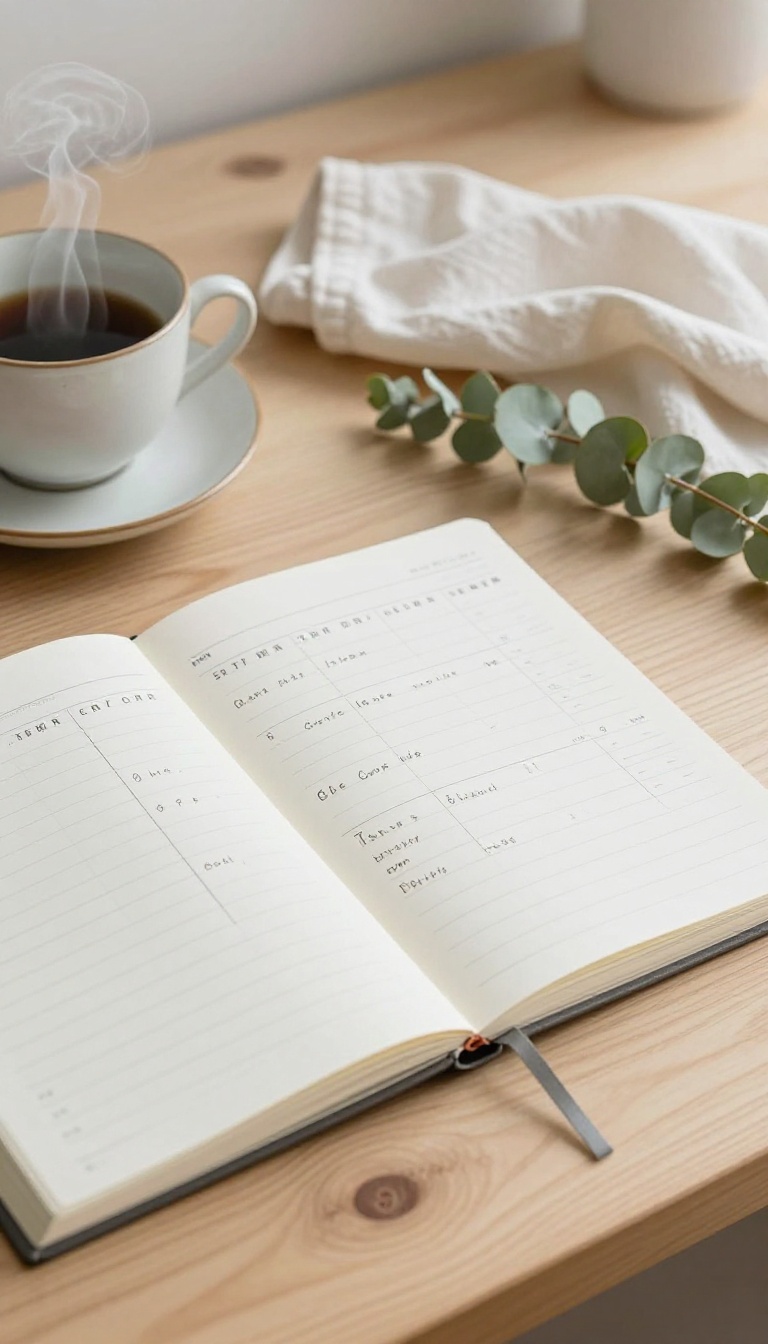
A month is a long time to go without checking in on yourself. That's where a monthly self-care review comes in—it's a dedicated page to look back, take stock, and plan ahead. You get to see what worked, what didn't, and where you might want to shift your energy next month.
A monthly review isn't just about tracking habits; it's about understanding the why behind your wins and struggles. This page becomes a personal feedback loop, helping you make small, meaningful adjustments that keep your routine fresh and effective. Over time, these reviews build a clear picture of your self-care journey, so you can celebrate progress and spot patterns you might otherwise miss.
Celebrate Your Wins
Start by listing the self-care moments that felt good this month. Maybe you stuck to your evening wind-down routine or took a walk every day. Write them down and give yourself credit—it's easy to overlook small victories, but they're the building blocks of a sustainable routine.
Spot The Struggles
Next, be honest about what didn't go as planned. Did you skip journaling on busy days? Did you fall back into late-night scrolling?
Identifying these trouble spots isn't about guilt—it's about understanding your triggers so you can prepare better next month.
Adjust For Next Month
Finally, pick one or two tweaks based on your review. Maybe you'll move your workout to the morning or set a phone bedtime alarm. Small changes like these are easier to stick with, and they make your routine feel more tailored to your actual life.
FAQ
How do I use self-care planner pages effectively?
Start with just one or two pages that address your biggest need, like sleep or mood. Fill them out daily for a week, then add more as the habit sticks.
Can I create my own self-care planner pages?
Absolutely. Use a notebook or printable templates. The key is to design pages that feel simple and enjoyable for you.
How often should I review my self-care planner?
A quick daily check-in works well, but a weekly review helps you spot patterns and adjust your routine. Monthly reviews are great for bigger changes.
What if I miss a day in my planner?
Don't stress. Just pick up where you left off. The goal is consistency over perfection, so a missed day isn't a failure.
Are self-care planner pages only for people with lots of free time?
No, they're for anyone. You can adapt them to fit a busy schedule—even five minutes a day makes a difference.
Conclusion
Self care planner pages work best when they feel like a natural part of your day, not another chore. Start with just a couple of layouts that click with your routine, and let them grow from there.
You don't need to fill every page perfectly—the goal is to make planning something you actually look forward to. Pick the ones that feel right, tweak them as you go, and let your daily rhythm become a little smoother, one page at a time.