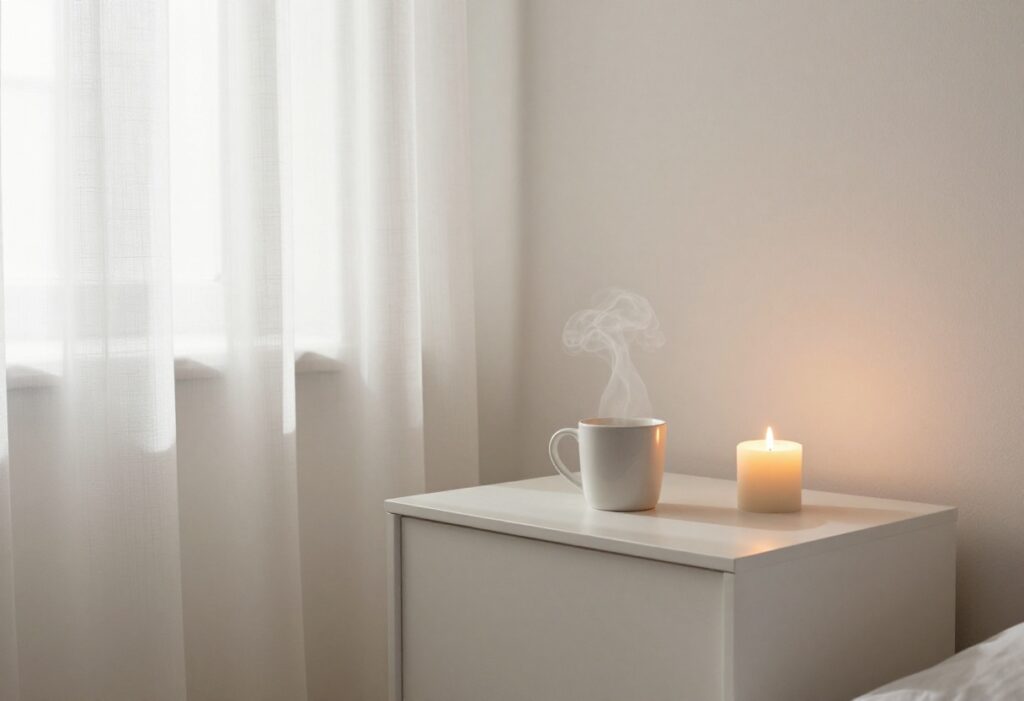
After a long day, your mind often keeps racing even when your body is ready to rest. A solid self-care night routine helps you bridge that gap, signaling to your nervous system that it's safe to unwind. These 25 habits are designed to ease the transition from busy mode to deep relaxation.
You don't need to adopt all of them—just pick a few that resonate. Dimming the lights, jotting down a brain dump, or sipping a warm herbal tea can make a surprising difference. The key is consistency, not perfection.
Think of this list as a menu of small, soothing rituals. Mix and match to create your own wind-down sequence.
1. Set a Digital Curfew

Blue light from screens suppresses melatonin, the hormone that helps you fall asleep. Setting a specific time to turn off all devices—ideally 30-60 minutes before bed—creates a clear boundary between your busy day and restful night. This simple habit signals to your brain that it's time to power down, not just your phone.
When you scroll through social media or answer late-night emails, your brain stays alert, making it harder to relax. A digital curfew gives you a dedicated window to unwind without distractions. Over time, this routine trains your body to associate screen-free time with sleep, so you drift off more easily.
Why It Works
Blue light tricks your brain into thinking it's still daytime, delaying melatonin release. By cutting off screens, you allow your natural sleep cycle to kick in. This small change can reduce the time it takes to fall asleep and improve sleep quality.
How To Start
Pick a realistic cutoff time—say, 9: 30 or 10 p. m. —and set a reminder on your phone. When the alarm goes off, plug your devices in another room or use a physical alarm clock to avoid temptation. Replace screen time with a calming activity like reading or stretching.
What To Do Instead
Use the screen-free window for something that soothes you: journaling, listening to a podcast (on low volume), or taking a warm bath. The goal is to fill that time with low-stimulation activities that ease you into sleep mode.
2. Dim the Lights
Bright overhead lights trick your brain into thinking it's still daytime. When you switch to warm, dim lighting about an hour before bed, you give your body a clear signal that it's time to wind down. This simple shift helps your natural melatonin production kick in, making it easier to drift off.
Light exposure directly affects your circadian rhythm. Harsh blue light from bulbs and screens suppresses melatonin, while soft, warm light encourages its release. By dimming the lights, you create a cozy environment that tells your nervous system to relax.
Swap To Warm Tones
Replace cool white bulbs with warm amber or soft yellow ones in lamps you use at night. Dimmable smart bulbs are great because you can adjust brightness and color temperature as the evening progresses. Even a simple salt lamp or candle can set the mood.
Use Lamps, Not Overheads
Overhead lighting is harsh and casts shadows that keep you alert. Instead, rely on floor lamps, table lamps, or sconces with low wattage. Position them so the light is indirect—bouncing off a wall or ceiling feels much softer.
Create A Pre-sleep Ritual
Dimming the lights can become a cue for your brain that the day is ending. Pair it with another habit, like lighting a candle or putting on calming music. Over time, your body will start to relax the moment you turn down the lights.
3. Write a Brain Dump
Your mind can feel like a browser with fifty tabs open—work deadlines, tomorrow's errands, that thing you forgot to say. A brain dump is simply getting all of it out of your head and onto paper. This small act can quiet the mental noise and make it easier to drift off.
Why It Works
When thoughts stay in your head, they loop and amplify, keeping your brain alert. Writing them down offloads the mental burden. Your brain gets a signal that these items are recorded and can be handled later, so it's safe to relax.
How To Do It
Grab a notebook or a piece of scrap paper. Set a timer for five minutes if you like. Write whatever comes to mind—worries, to-do items, random ideas.
Don't edit or organize. The goal is just to empty your mind.
Make It A Ritual
Pair your brain dump with a calming activity, like sipping herbal tea or listening to soft music. Keep your notebook and pen in the same spot every night. Over time, this simple habit becomes a cue for your brain to start winding down.
4. Sip a Caffeine-Free Tea
There's a reason tea is a staple in so many bedtime routines. Warm liquids naturally soothe, and certain herbs have compounds that promote calm. Swapping your evening coffee or black tea for a caffeine-free blend can make falling asleep feel effortless.
Choose Your Calm
Chamomile is the classic choice—it contains apigenin, an antioxidant that binds to receptors in your brain to reduce anxiety. Lavender tea is another favorite, known for its gentle sedative effects. Peppermint tea, while caffeine-free, is more invigorating, so save it for earlier in the evening if you're sensitive.
Make It A Ritual
Don't just gulp it down. Boil fresh water, steep the tea for the recommended time, and hold the warm mug in your hands. Take slow sips while breathing deeply.
This mindful act signals to your body that the day is done.
Customize Your Cup
Add a teaspoon of raw honey or a slice of lemon for flavor and extra health benefits. You can also blend teas—try chamomile with a pinch of cinnamon or lavender with a splash of oat milk. The goal is to create a comforting, personalized drink you look forward to.
5. Do a Gentle Stretch
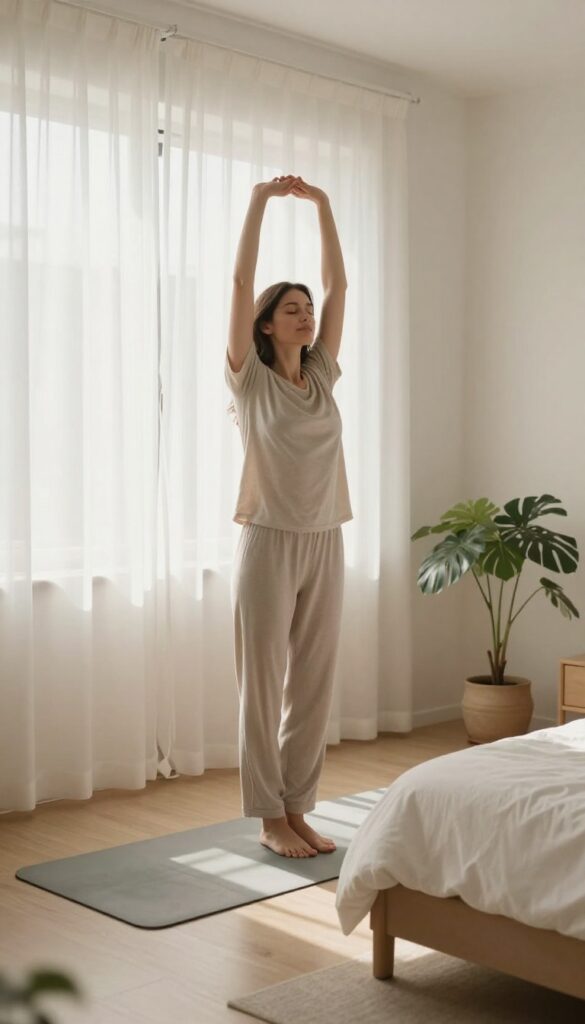
Your body holds onto stress just as much as your mind does. After hours of sitting, staring at screens, or hustling, your neck, shoulders, and back can feel tight and achy. A short, gentle stretching routine releases that physical tension and sends a clear signal to your nervous system that it's time to power down.
You don't need to be flexible or spend more than five minutes. The goal isn't to break a sweat—it's to unwind. Focus on slow, deliberate movements that feel good, not painful.
Breathe deeply as you stretch, letting each exhale carry you deeper into relaxation.
Start With Your Neck And Shoulders
Tension loves to camp out in your upper body. Try slow neck rolls—drop your chin to your chest, then gently circle to one side, holding for a few breaths. Follow with shoulder shrugs: lift your shoulders toward your ears, hold, then release with a sigh.
Repeat a few times to melt away the day's tightness.
Unwind Your Spine
A seated spinal twist is perfect for releasing lower back tension. Sit on the edge of your bed, cross one leg over the other, and gently twist your torso toward the bent knee. Hold for 30 seconds, then switch sides.
This simple move helps loosen your back and hips, prepping your whole body for sleep.
Finish With Forward Fold
Stand up, then slowly hinge at your hips to fold forward. Let your head and arms hang heavy. Bend your knees slightly if your hamstrings feel tight.
Stay here for five deep breaths, feeling the release along your spine. This calming stretch also helps quiet your mind.
6. Take a Warm Bath or Shower
There's a reason warm water feels so soothing at the end of the day. The drop in body temperature after you step out signals your brain that it's time to sleep. A bath or shower can become a mini ritual for letting go of tension.
Set The Mood
Dim the bathroom lights or use a candle. The low light helps your mind shift into relaxation mode before you even get in.
Add Relaxing Soaks
Epsom salts ease muscle soreness, while a few drops of lavender or chamomile essential oil can calm your senses. Let the warm water do its work for at least 15 minutes.
End With Cool Rinse
If you're brave, a quick cool rinse at the end can improve circulation and leave you feeling refreshed. But even without it, the warmth alone is enough to prepare you for sleep.
7. Practice Gratitude Journaling
Gratitude journaling is one of the simplest ways to calm a busy mind. By intentionally focusing on positive moments, you train your brain to notice what's good, even on tough days. This practice shifts your mental state from worry to appreciation, making it easier to drift off with a sense of peace.
Writing down three things you're grateful for each night can quiet restless thoughts and foster contentment. It doesn't have to be dramatic—small joys like a warm cup of coffee or a kind text count. Over time, this habit rewires your brain to default to gratitude, reducing anxiety and improving sleep quality.
How To Start
Keep a small notebook and pen on your nightstand. Each night, jot down three things you're grateful for from the day. They can be as simple as a good meal or a laugh with a friend.
No need to write long paragraphs—just a few words per item is enough.
Why It Works For Sleep
Gratitude journaling activates the brain's reward system, releasing dopamine and serotonin. These neurotransmitters promote feelings of well-being and relaxation, counteracting the stress hormone cortisol. This chemical shift helps your mind settle into a restful state before bed.
8. Listen to a Sleep Story or Podcast
Racing thoughts can keep you wired long after you've climbed into bed. Audio content designed for sleep works like a gentle distraction, giving your brain something calm to focus on instead of tomorrow's to-do list. The trick is choosing something low-stimulation—no cliffhangers or intense discussions.
Sleep stories and podcasts use slow pacing, soft narration, and often mundane topics to lull your mind into a relaxed state. They're not about learning or being entertained; they're about letting go of your own thoughts and following someone else's voice into drowsiness.
Pick The Right Genre
Look for sleep-specific content: bedtime stories for adults, nature soundscapes with narration, or podcasts about slow, boring topics like train schedules or the history of paint colors. Avoid anything with dramatic music, loud ads, or complex plots.
Set A Timer
Most sleep apps let you set a sleep timer so the audio stops after 15, 30, or 60 minutes. This prevents your phone from playing all night and saves battery. You can also use a dedicated device like an audiobook player or a white noise machine.
Use Headphones Or A Speaker
If you share a bed, consider sleep-friendly headphones (like headbands with flat speakers) or a small bedside speaker at low volume. The goal is to hear the audio clearly without disturbing your partner or straining to listen.
9. Use Aromatherapy
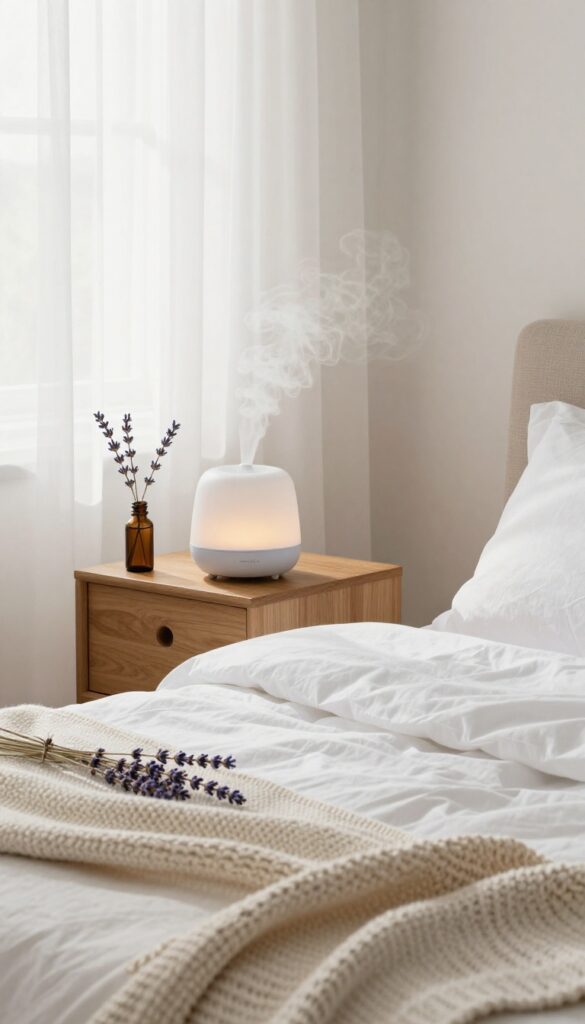
Scents have a direct line to the brain's emotional center, which is why certain smells can instantly shift your mood. Aromatherapy is a simple, effective way to cue your nervous system that it's time to power down. Whether you prefer a diffuser, a pillow spray, or a few drops on your wrist, the right essential oils can make your bedroom feel like a spa sanctuary.
Best Oils For Sleep
Lavender is the gold standard for relaxation—it's been shown to lower heart rate and blood pressure. Cedarwood has a warm, woody scent that promotes grounding, while ylang-ylang can help reduce stress and anxiety. A few drops of chamomile or bergamot are also great options if you prefer something milder.
How To Use Them
An ultrasonic diffuser is the easiest way to fill the room with a gentle mist. Just add water and 3–5 drops of oil about 30 minutes before bed. If you don't have a diffuser, spritz a pillow spray (store-bought or DIY with water and witch hazel) or dab a drop of oil on your wrists, temples, or the back of your neck.
Safety Tips
Always dilute essential oils with a carrier oil (like jojoba or coconut) before applying to skin. Avoid citrus oils if you'll be exposed to sunlight soon. And if you have pets, check which oils are safe—lavender and cedarwood are generally pet-friendly, but tea tree and peppermint can be toxic.
10. Read a Physical Book
Swapping your phone for a print book is one of the most effective ways to signal bedtime. Unlike screens, paper doesn't emit blue light that disrupts melatonin production. Fiction works best—it lets you escape without mental effort, easing your mind into a calmer state.
Reading a physical book before bed is a classic wind-down activity that has stood the test of time. It's simple, screen-free, and proven to reduce stress levels by up to 68% in just six minutes. The key is choosing fiction or light nonfiction—nothing too stimulating or work-related.
Let the story carry you away from your own thoughts.
Why Print Beats Digital
Physical books have a tactile quality that screens lack. Turning pages, feeling the paper, and seeing your progress give a sense of completion. Plus, no notifications or tempting apps to pull you back into the digital world.
What To Read
Opt for novels with a gentle pace—cozy mysteries, romance, or literary fiction. Avoid thrillers or intense dramas that might keep you turning pages for hours. A book with short chapters works well for a 20-minute wind-down.
Make It A Ritual
Pair reading with a warm drink or a cozy blanket. Set a timer if you tend to lose track of time. The goal is to relax, not to finish a chapter.
Let your eyelids get heavy naturally.
11. Tidy Your Space
A cluttered room can keep your brain in overdrive, even when you're ready to rest. Spending just five to ten minutes tidying up sends a clear signal that the day is over and it's time to relax. This small act of order can make your bedroom feel like a sanctuary, not a storage unit.
Start With The Floor
Pick up any clothes, shoes, or bags that have landed on the floor. A clear floor instantly makes the room feel more open and calm. You don't need to deep-clean—just remove visual clutter.
Clear Your Surfaces
Wipe down your nightstand, dresser, or desk. Put away loose items like water glasses, books, or chargers. A clean surface gives your eyes a restful place to land as you wind down.
Fluff And Arrange
Straighten your pillows and blanket, and maybe fluff a throw pillow or two. This simple gesture makes your bed look inviting and signals that it's time to settle in.
12. Apply a Face Mask or Skincare
Your face carries the weight of the day—literally. Tension builds in your jaw, forehead, and around your eyes without you even noticing. A few minutes of intentional skincare can release that tightness while nourishing your skin.
The act of massaging a serum or mask into your face becomes a grounding ritual, not just a beauty step.
Choose a mask or product that feels luxurious to you—maybe a cooling gel mask, a rich cream, or a gentle oil. As you apply it, slow down. Use your fingertips to press and sweep in slow, deliberate motions.
Focus on the sensation: the texture, the temperature, the slight pressure. This mini facial massage stimulates circulation and signals your body to relax.
Why It Works
Skincare routines are inherently repetitive, which makes them perfect for winding down. The repetitive motions of patting, pressing, and smoothing tell your brain that it's time to shift gears. Plus, taking an extra minute to massage your temples, jaw, and neck releases physical tension you've been holding all day.
Make It A Ritual
Keep your chosen product in a visible spot as a reminder. Pair it with a calming scent—lavender or chamomile in your moisturizer can double the effect. Even if you only have two minutes, the act of applying something with intention counts.
It's not about the product; it's about the pause.
Quick Tips
Use upward strokes to avoid tugging skin. Warm the product between your palms first for a cozier feel. If you're short on time, just focus on your jaw and temples—they hold the most stress.
13. Do a Body Scan Meditation
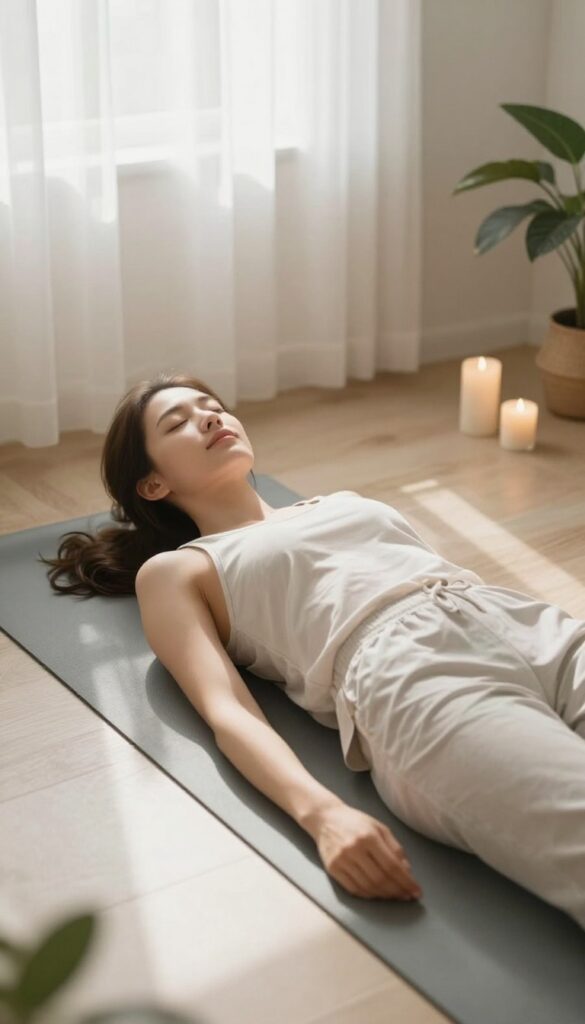
Your body holds onto stress in ways you might not even notice—tight shoulders, a clenched jaw, or shallow breathing. A body scan meditation brings your attention to each part of your body, helping you identify and release that hidden tension. It's a simple but powerful way to shift from a busy mind to a deeply relaxed state.
Lie down in bed or on a yoga mat, close your eyes, and take a few deep breaths. Start by bringing your awareness to the top of your head, then slowly move down to your forehead, eyes, jaw, neck, shoulders, and so on, all the way to your toes. Spend a few breaths on each area, noticing any sensations without trying to change them.
If you find tension, imagine your breath flowing into that spot and softening it. The entire practice can take 5 to 15 minutes.
Why It Works
Body scan meditation activates the parasympathetic nervous system, which is responsible for rest and digestion. By systematically checking in with each body part, you interrupt the cycle of racing thoughts and bring your focus to the present moment. This reduces cortisol levels and promotes physical relaxation.
How To Get Started
You don't need any special equipment—just a quiet space and a few minutes. If you're new to meditation, try a guided body scan audio from an app like Calm or Headspace. Alternatively, you can follow a simple script: 'Notice your feet.
Feel the weight of your heels on the bed. Now move to your ankles. . . ' Keep it gentle and non-judgmental.
Tips For Deeper Relaxation
Dim the lights and use a weighted blanket if you have one. Pair the scan with slow, even breathing—inhale for four counts, exhale for six. If your mind wanders, gently bring it back to the body part you were focusing on.
With practice, you'll fall asleep faster and wake up feeling more rested.
14. Write a Tomorrow To-Do List
Getting tomorrow's tasks out of your head and onto paper prevents early-morning anxiety and helps you sleep more soundly. A quick brain dump before bed clears mental clutter and gives you a head start on the day ahead.
Why It Works
Your brain replays unfinished tasks during sleep, which can disrupt rest. Writing them down offloads that mental burden, signaling to your mind that it's safe to let go.
How To Do It
Grab a notebook or a piece of scrap paper. List 3–5 key tasks for tomorrow—no more. Keep it simple: one work item, one chore, one personal goal.
Then close the notebook and don't look at it until morning.
Make It A Ritual
Pair this habit with a calming cup of tea or a few deep breaths. Over time, the act itself becomes a signal that the day is done, helping you transition into rest mode more smoothly.
15. Listen to Calming Music
Sound has a direct line to your nervous system. The right playlist can shift your brain from alert to relaxed within minutes. Instrumental, ambient, or nature sounds work especially well because they lack lyrics that might trigger mental processing.
Keep the volume low—background level, not foreground. Think of it as an auditory cushion, not a concert. This creates a peaceful atmosphere that lowers heart rate and reduces cortisol, helping you drift off more easily.
Choose The Right Genre
Not all calming music is created equal. Classical piano, ambient electronic, lo-fi beats, or rain sounds each affect people differently. Experiment to find what soothes you without distracting.
Streaming platforms have curated playlists specifically for sleep and relaxation.
Set A Timer
Listening all night can disrupt deep sleep cycles. Set a sleep timer for 30–60 minutes so the music fades out after you've dozed off. This prevents your brain from latching onto the sound later in the night.
Create A Dedicated Playlist
Curate a short playlist of 5–10 tracks that you reserve only for bedtime. Over time, your brain will associate those specific songs with winding down, making the relaxation response even stronger.
16. Use a Weighted Blanket
There's a reason weighted blankets have become a staple in relaxation routines. The gentle, even pressure they provide mimics a comforting hug, which can help calm your nervous system and lower cortisol levels. Tucking yourself under one during your night routine signals to your body that it's time to wind down.
The science behind weighted blankets is rooted in deep pressure stimulation, which activates the parasympathetic nervous system—your rest-and-digest mode. This can reduce anxiety, slow your heart rate, and prepare you for deeper sleep. Many people find that using one for just 15–20 minutes before bed helps them feel more grounded and less restless.
Choosing The Right Weight
A good rule of thumb is to choose a blanket that's about 10% of your body weight. If you're between sizes, opt for the lighter option to avoid feeling trapped. Most weighted blankets range from 10 to 25 pounds, so pick one that feels comfortable and breathable.
When To Use It
Incorporate your weighted blanket into the last part of your night routine—while reading, meditating, or simply lying in bed. Avoid using it if you have certain medical conditions like respiratory issues or circulation problems. Always check with a doctor if you're unsure.
17. Practice Deep Breathing

Breathing is something you do automatically, but when you do it with intention, it becomes a powerful tool for relaxation. Deep breathing techniques can shift your body from fight-or-flight mode to rest-and-digest mode, helping you unwind after a stressful day. The best part?
It takes just a few minutes and requires no equipment.
One of the most effective techniques is the 4-7-8 method, also known as the relaxing breath. It's simple: inhale through your nose for 4 seconds, hold your breath for 7 seconds, and exhale slowly through your mouth for 8 seconds. This pattern activates your parasympathetic nervous system, which calms your heart rate and lowers blood pressure.
Repeat it four times, and you'll feel a noticeable shift in your tension levels.
Why The 4-7-8 Technique Works
The extended exhale triggers a relaxation response by stimulating the vagus nerve, which runs from your brainstem to your abdomen. This nerve helps regulate your heart rate, digestion, and mood. By holding your breath, you increase carbon dioxide levels in your blood, which further soothes your nervous system.
It's a quick, science-backed way to signal your body that it's safe to rest.
How To Make It A Nightly Ritual
Incorporate deep breathing right after you get into bed or during a quiet moment before sleep. Pair it with dim lighting or a calming scent like lavender to reinforce the habit. You can also use a guided breathing app if you prefer structure.
Consistency matters more than duration—even one minute of focused breathing can make a difference.
18. Avoid Heavy Meals Late
Eating a large dinner close to bedtime forces your body to work on digestion instead of winding down. That can lead to restless sleep, heartburn, or that uncomfortable full feeling when you're trying to relax. If you're genuinely hungry, a light snack is a better choice.
Why Heavy Meals Disrupt Sleep
Digestion requires energy and blood flow, which competes with the processes that help you fall asleep. A heavy meal can also spike your blood sugar, making it harder for your brain to settle into rest mode.
Better Late-night Snack Options
Bananas, yogurt, a small handful of almonds, or a warm glass of milk are gentle on your stomach. They contain nutrients like magnesium or tryptophan that actually support sleep.
Timing Matters
Try to finish your last real meal at least two to three hours before bed. If you need something closer to sleep, keep it under 150 calories and skip anything spicy or acidic.
19. Set Out Tomorrow's Outfit
Choosing your clothes the night before reduces decision fatigue in the morning and gives you one less thing to think about. It's a small act of preparation that pays off in a smoother, calmer start to your day. Plus, it keeps your bedtime routine focused on relaxation rather than last-minute planning.
Laying out your outfit the night before eliminates the morning scramble. When you wake up, your outfit is ready, so you can ease into the day without unnecessary choices. This simple habit also helps you feel more put-together and intentional about your style, even on busy mornings.
Pick Ahead, Not In The Moment
Decide what to wear while you're still in a relaxed state, not when you're rushed. Consider the next day's weather, plans, and how you want to feel. This way, you avoid the stress of staring at a full closet with a foggy morning brain.
Coordinate Accessories Too
Don't stop at clothes—include shoes, jewelry, and a bag. Having everything in one place means you won't be hunting for matching earrings or the right belt. It's a small extra step that makes the morning even smoother.
Make It A Ritual, Not A Chore
Turn outfit prep into a calming part of your night routine. As you pick your clothes, think about the positive moments you'll have the next day. This shifts the focus from obligation to anticipation, making the habit something you actually look forward to.
20. Do a Digital Declutter
Your phone is a portal to endless stimulation, and that's the last thing you need before bed. A digital declutter means clearing your home screen of distracting apps, turning off non-essential notifications, or simply putting your phone in another room. Out of sight, out of mind—it works wonders for calming your brain.
When your phone is nearby, your brain stays on high alert, waiting for the next ping or buzz. By removing these triggers, you give your mind permission to power down. This habit also reduces the temptation to scroll when you should be sleeping.
Clear Your Home Screen
Move all social media, news, and game apps into a folder on a secondary screen. Keep only essential tools like your alarm, calendar, and a meditation app on the main screen. This simple act reduces visual clutter and the urge to tap open distracting apps.
Turn Off Notifications
Go into your settings and disable all non-critical notifications for the evening. Better yet, set a scheduled "Do Not Disturb" mode that activates an hour before bed. This way, no random alert can hijack your relaxation.
Create A Phone-free Zone
Designate your bedroom as a no-phone zone. Charge your device in the living room or kitchen. If you use your phone as an alarm, invest in a basic alarm clock.
The physical distance creates mental space for deeper sleep.
21. Use a Sleep Mask
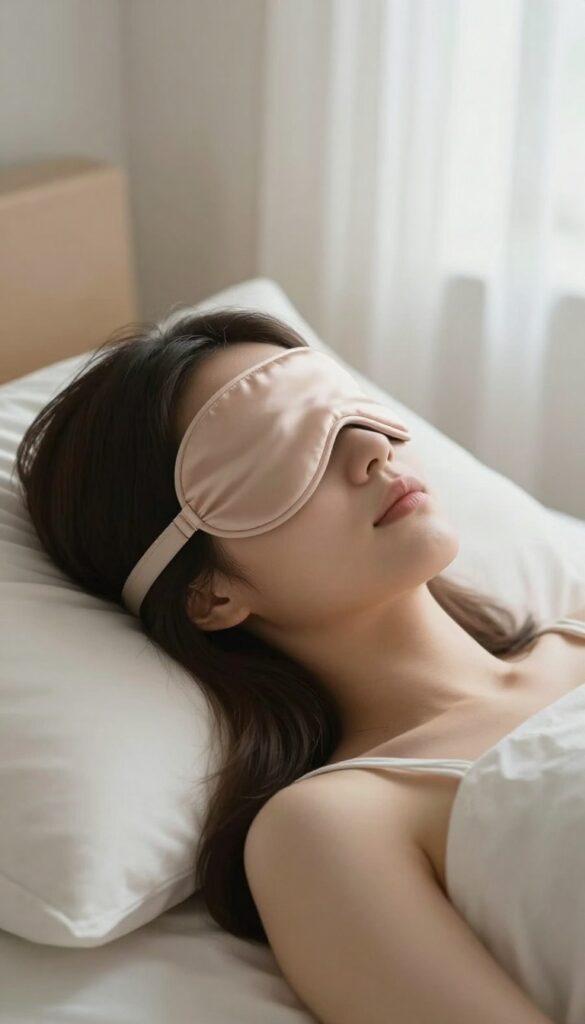
Light pollution is a sneaky sleep thief. Even a tiny glow from your charger or streetlamp can disrupt your body's natural melatonin production. A sleep mask creates total darkness, which tells your brain it's time to power down.
A good sleep mask does more than block light—it signals relaxation. The gentle pressure can also soothe tension around your eyes. Look for one with a contoured fit to avoid pressing on your lashes, and choose a breathable fabric like silk or cotton.
Why Darkness Matters
Your body releases melatonin in response to darkness. Even dim light can suppress it, making it harder to fall asleep and stay asleep. A sleep mask ensures your eyes perceive zero light, giving your circadian rhythm a clear signal.
Choosing The Right Mask
Not all masks are equal. A flat mask can shift and let light in, while a contoured one stays in place. Silk or bamboo fabrics feel soft and reduce friction.
Adjustable straps help you find a snug but comfortable fit.
Bonus: Pair With A Calming Scent
Some sleep masks come with lavender or chamomile infusions, or you can add a drop of essential oil to the fabric. The combination of darkness and a soothing scent deepens the relaxation response.
22. Write a Letter to Yourself
Putting pen to paper can be surprisingly therapeutic, especially when the letter is addressed to you. This isn't about journaling your entire day—it's a focused, compassionate note that helps you process whatever is lingering in your mind. The act of writing slows down your thoughts and gives them a place to land, making it easier to let them go.
Writing a letter to yourself is a gentle way to check in without judgment. You might write about what went well, what felt heavy, or simply how you're feeling in this moment. The key is to be honest and kind, as if you're writing to a close friend.
Once the letter is written, you can fold it, tuck it away, or even tear it up—whatever feels most releasing.
Start With One Sentence
If you're not sure what to write, begin with "Dear Me, today I felt. . . " and let the words flow. There are no rules.
You might write about a moment of gratitude, a frustration, or a hope for tomorrow. The goal is not to produce a masterpiece but to give your feelings a voice.
Release Without Re-reading
After writing, consider not reading it back. The value is in the act of writing, not in analyzing what you wrote. Seal the letter in an envelope or simply close the notebook.
This small ritual signals to your brain that the thoughts are now stored safely, and you can rest.
23. Do a Progressive Muscle Relaxation
Your body holds onto stress even when your mind thinks it's relaxed. Progressive muscle relaxation (PMR) is a simple technique where you tense and then release each muscle group, one at a time. It's like giving your body a manual reset, helping you notice and let go of hidden tension.
Start by lying down in a comfortable position. Take a few deep breaths, then begin with your feet. Tense the muscles in your toes and feet as hard as you can for about five seconds, then suddenly release and notice the feeling of relaxation.
Move upward to your calves, thighs, abdomen, chest, hands, arms, shoulders, neck, and face. Spend about 10–15 minutes on the full sequence. You can find guided PMR audio tracks online, but once you learn the pattern, you can do it on your own.
Why It Works
PMR activates the body's relaxation response by contrasting tension with release. It trains you to recognize when you're holding stress, making it easier to relax throughout the day. Regular practice can lower cortisol levels and improve sleep quality.
Tips For Best Results
Don't rush the release phase—savor the sensation of letting go. Breathe out as you release the tension. If a muscle group feels sore or injured, skip it or tense very lightly.
Consistency matters more than duration; even five minutes can make a difference.
24. Spend Time with a Pet
Animals have a natural calming effect that's hard to replicate. Whether you have a cat, dog, or even a hamster, a few minutes of quiet interaction can shift your mood. Petting releases oxytocin and lowers cortisol, making it a simple yet powerful wind-down ritual.
If you share your home with a pet, incorporate them into your night routine. The key is to keep it calm—no rowdy play. Instead, focus on gentle strokes, soft talking, or just sitting together.
This mutual relaxation benefits both of you.
The Science Of The Purr
A cat's purr vibrates at a frequency between 20 and 140 Hz, which is known to have therapeutic effects on human tissue and stress levels. Simply placing a hand on a purring cat can lower your heart rate.
Doggy Deep Breaths
Dogs are masters of living in the moment. When you pet your dog, match your breathing to their slow, rhythmic exhales. This synchronizes your nervous system and helps you both relax.
Small Pets, Big Comfort
Rabbits, guinea pigs, or even fish can be soothing. Watching fish glide through water or feeling a rabbit's soft fur can be a meditative experience. Just ensure the environment is quiet and dim.
25. Repeat a Calming Affirmation

Your mind can be your own worst enemy at bedtime, replaying worries or to-do lists on a loop. A simple affirmation cuts through that noise. By choosing a short, soothing phrase and repeating it silently, you give your brain a gentle anchor to focus on.
Affirmations work because they shift your attention away from stress and toward a state of safety. The key is to keep it brief and personal. You don't need a long mantra—just a few words that feel true and comforting in the moment.
Pick Your Phrase
Choose something that resonates with you right now. It could be 'I am safe, ' 'I release today's stress, ' or 'I am at peace. ' Say it to yourself a few times to see how it feels. Adjust it until it lands softly.
Repeat With Your Breath
Pair the affirmation with your breath for extra calming effect. Inhale deeply, then on the exhale, whisper the phrase silently in your mind. Repeat this cycle five to ten times.
The rhythm helps slow down your heart rate and quiet your inner chatter.
Let It Become A Ritual
Consistency makes the affirmation stronger. Repeat it every night as part of your wind-down routine. Over time, your brain will associate those words with relaxation, making it easier to slip into a peaceful state.
FAQ
How long should a self-care night routine be?
It can be as short as 15 minutes or as long as an hour. The key is consistency, not duration. Start with 2-3 habits and build from there.
What if I can't fall asleep after my routine?
Don't force it. Get up and do something calming like reading or listening to soft music until you feel drowsy. Avoid screens.
Can I combine multiple habits?
Absolutely. For example, sip tea while journaling, or stretch after a warm bath. Just keep it enjoyable, not overwhelming.
What's the best time to start my night routine?
Aim to start 30-60 minutes before your desired bedtime. This gives your body enough time to wind down naturally.
Do I need special products for a self-care night routine?
No. Most habits require no products at all. Simple actions like dimming lights or deep breathing are free and effective.
Conclusion
True relaxation doesn't require a perfect routine—just a few intentional moments that let you unwind. Start with one or two habits from this list that feel genuinely soothing, not like another task. Maybe it's a warm drink before bed or a five-minute stretch.
The goal is to ease into rest, not to check off boxes. Let your evening unfold at its own pace, and give yourself permission to truly recharge.