
A grounded morning doesn't require a two-hour routine or a 5 a. m. alarm. It starts with small, intentional steps that fit your actual life—not an idealized version of it. These 17 self-care steps are designed to be realistic, not overwhelming.
You don't need to adopt every single one. Pick the ones that feel doable and build from there. The goal is consistency, not perfection.
Whether you have ten minutes or an hour, each step helps you start the day with clarity and calm. Let's get into the checklist that makes mornings work for you.
1. Wake Up Without Your Phone

That first reach for your phone can set a reactive tone for the whole day. Notifications, emails, and social media instantly pull your attention outward before you've even had a moment to yourself. Giving yourself just ten phone-free minutes creates a buffer between sleep and the demands of the day.
When you wake up, leave your phone on the other side of the room or in another room entirely. Use those first minutes to stretch, take a few deep breaths, or simply lie still and notice how you feel. This small habit trains your brain to start the day on your own terms, not someone else's.
Why It Matters
Checking your phone first thing floods your brain with cortisol and dopamine, putting you in a reactive state. A phone-free window lets your nervous system transition gently from sleep to wakefulness, lowering stress and improving focus.
How To Make It Stick
Charge your phone outside the bedroom or use a basic alarm clock. If you need your phone for an alarm, put it in airplane mode and place it face down. Commit to a single non-screen activity—like sipping water, stretching, or journaling—for those first ten minutes.
What To Do Instead
Open your curtains for natural light, do a few gentle yoga poses, or write down one thing you're grateful for. The goal is to connect with yourself before connecting with the digital world.
2. Drink a Glass of Water
Before you reach for the coffee pot, grab a glass of water. Your body has been fasting all night and needs rehydration. A full glass of room-temperature water—or water with a squeeze of lemon—gently wakes up your digestive system and gives your metabolism a little nudge.
It's a simple step that sets a hydrated, energized tone for the rest of your morning.
Drinking water first thing helps flush out toxins, supports brain function, and can even improve your skin. It's a zero-effort habit with big payoffs. Keep a glass or reusable bottle by your bed so you remember to drink up before doing anything else.
Why Water Before Caffeine?
Caffeine is a diuretic, meaning it can dehydrate you. By hydrating first, you give your body the fluids it needs before adding anything that might pull water out. This simple swap can reduce headaches, improve focus, and make your coffee work better without the jitters.
Lemon Or Plain?
Both are great. Plain water is perfect and gets the job done. Adding lemon gives you a boost of vitamin C and a refreshing taste that can make hydration more enjoyable.
If lemon isn't your thing, try a splash of cucumber or a pinch of salt for electrolytes.
How Much Water Is Enough?
Aim for 8 to 12 ounces (about one standard glass). You don't need to chug it—take slow, comfortable sips. If you're not used to drinking water first thing, start with half a glass and work your way up.
The key is consistency, not volume.
3. Make Your Bed
It might seem too simple to matter, but making your bed is a powerful first win of the day. That two-minute task instantly transforms your bedroom from chaotic to calm, and it signals to your brain that you're ready to take action. You start the day having already accomplished something, which builds momentum for whatever comes next.
Why It Works
Making your bed is a small commitment that sets a productive tone. It's a visual cue that you've taken control of your space, which can reduce mental clutter. Plus, coming back to a tidy bed at night makes winding down easier.
How To Make It Stick
Keep it simple: just pull up the sheets, straighten the comforter, and fluff the pillows. No need for military corners. If you're short on time, a quick smooth-over still counts.
The goal is consistency, not perfection.
The Ripple Effect
That one tidy corner often inspires you to keep the rest of the room organized. It's a domino effect—once the bed is made, you're more likely to put away clothes or clear off surfaces. Small wins lead to bigger ones.
4. Stretch for Five Minutes

Your body holds tension from sleep positions, stress, or just the weight of yesterday. A short stretch routine helps release that tightness and signals to your nervous system that it's safe to wake up. Five minutes is enough to loosen key areas and improve blood flow, without eating into your morning.
Focus on gentle, static stretches—no bouncing or forcing. Hold each stretch for about 30 seconds and breathe deeply. The goal is to wake up your muscles, not to push your limits.
Neck Rolls And Side Bends
Start by sitting or standing tall. Slowly roll your neck in half-circles, then gently tilt your ear toward each shoulder. Follow with side bends—reach one arm overhead and lean to the opposite side.
This releases the tension that often collects in your neck and upper traps overnight.
Shoulder Shrugs And Circles
Shrug both shoulders up toward your ears, hold for a breath, then release. Follow with slow backward shoulder rolls. This loosens the shoulders and upper back, areas that get tight from sleeping positions or hunching over a phone.
Cat-cow And Seated Forward Fold
On hands and knees, alternate between arching your back (cow) and rounding it (cat). This warms up your spine and relieves lower back stiffness. Then sit on the floor or a chair, and gently fold forward, letting your head and arms hang.
This releases the lower back and hamstrings.
5. Practice Gratitude
Gratitude is a simple but powerful way to reset your mindset before the day takes over. By focusing on what's already good in your life, you train your brain to notice abundance instead of lack. This small habit can transform how you handle stress and challenges later on.
Take a minute each morning to write down three things you're grateful for. They don't have to be big—a warm bed, a good cup of coffee, or a friend who made you laugh yesterday all count. The key is to really feel the gratitude as you write, not just rush through it.
Keep It Simple
You don't need a fancy journal or a long list. A sticky note, a notes app, or even just saying them out loud works. The goal is consistency, not perfection.
Over time, this practice rewires your brain to default to positivity.
Make It A Ritual
Pair gratitude with another morning step, like while your coffee brews or right after stretching. That way it becomes a natural part of your routine. You can also vary the categories—some days focus on people, other days on experiences or personal strengths.
Why It Works
Gratitude shifts your focus from what you lack to what you have. This reduces anxiety and increases resilience. Studies show that regular gratitude practice can improve sleep, mood, and even physical health.
It's a small investment with big returns.
6. Set One Daily Intention

Instead of letting your day happen to you, choose one clear focus. An intention is a guiding thought—not a to-do list item—that keeps you centered when things get hectic. It could be how you want to feel, what you want to accomplish, or a simple reminder like “stay patient. ”
Setting one daily intention cuts through the noise. It gives your morning purpose without adding pressure. Keep it simple and achievable: one sentence that aligns with your values or current priorities.
Write it down or say it aloud before the day's demands take over.
Why One Intention Works
A single focus reduces decision fatigue. When you know your intention, you can filter distractions and stay on track. It also builds self-awareness over time, helping you notice patterns and adjust your mindset.
How To Choose Your Intention
Ask yourself: How do I want to feel today? Or what matters most right now? It could be “approach challenges with curiosity” or “finish the report by noon. ” Keep it positive and present-tense, like you're already living it.
Make It Stick
Write your intention on a sticky note, set it as your phone lock screen, or repeat it during your morning coffee. Revisit it midday to see if you're still aligned. No judgment if you drift—just gently return to your focus.
7. Get Natural Light
Your body's internal clock craves natural light first thing. Morning sunlight signals your brain to stop producing melatonin and start releasing cortisol—the alertness hormone. This simple act can improve sleep quality and mood for the rest of the day.
Open The Curtains Immediately
As soon as you're awake, pull back your curtains or blinds. Even indirect light through a window helps regulate your circadian rhythm. If it's still dark, turn on a bright lamp to mimic daylight.
Step Outside For 5 Minutes
If possible, go outside without sunglasses for a few minutes. Early morning light is gentle on your eyes but potent for resetting your internal clock. Stand on your porch, walk to the mailbox, or just breathe in the fresh air.
Pair Light With A Morning Habit
Combine light exposure with something you already do. Drink your coffee by a window, stretch on the patio, or read a few pages in natural light. This makes the habit stick without extra effort.
8. Move Your Body
You don't need an hour-long gym session to feel the benefits of morning movement. Even a few minutes can shift your energy and mood for the entire day. The key is to pick something that feels good, not punishing.
Morning movement doesn't have to be intense. A short walk, a gentle yoga flow, or a quick bodyweight circuit can wake up your muscles and get your blood flowing. The goal is to move in a way that feels sustainable and enjoyable, so you actually want to do it again tomorrow.
Start Small
If you're not used to exercising in the morning, start with just 5 or 10 minutes. A few sun salutations, a brisk walk around the block, or some simple stretches can make a big difference. Once it becomes a habit, you can gradually increase the time.
Choose What You Enjoy
The best morning workout is the one you'll actually do. If you hate running, don't run. Try dancing, jumping jacks, or a quick Pilates routine.
When you enjoy the movement, it stops feeling like a chore and starts feeling like self-care.
Focus On How It Feels
Pay attention to how your body feels during and after movement. Notice the increase in energy, the clearer mind, and the sense of accomplishment. This positive feedback loop will keep you coming back to your mat or sneakers each morning.
9. Eat a Nourishing Breakfast

Breakfast isn't just about filling your stomach—it's about fueling your brain and body for the hours ahead. A meal rich in protein, fiber, and healthy fats keeps your blood sugar steady and your energy levels consistent, preventing that mid-morning crash. Think of it as the foundation for a productive, grounded morning.
The Protein-fat-fiber Trio
Aim for a combination of protein (eggs, Greek yogurt, tofu), healthy fats (avocado, nuts, seeds), and fiber (whole grains, fruits, vegetables). This trio slows digestion, keeps you full longer, and provides a slow release of energy. For example, scrambled eggs with spinach and avocado on whole-grain toast hits all three.
Quick And Balanced Ideas
If mornings are rushed, prep the night before. Overnight oats with chia seeds, berries, and a dollop of almond butter take minutes to assemble. A smoothie with spinach, banana, protein powder, and flaxseed is another grab-and-go option that still delivers on nutrition.
Avoid The Sugar Spike
Many typical breakfasts—like sugary cereals, pastries, or white toast with jam—cause a rapid blood sugar spike followed by a crash. That crash often leaves you irritable, hungry, and unfocused. Instead, choose whole foods that release energy slowly, so you stay steady until lunch.
10. Practice Mindful Breathing
Your breath is always with you, which makes it one of the most accessible tools for grounding. Taking a few conscious breaths can shift your entire state of mind, especially in those first groggy minutes after waking. This step is about using your breath as an anchor to the present moment.
Mindful breathing doesn't require any special equipment or a quiet room. You can do it while still lying in bed, sitting on the edge of your mattress, or standing in the kitchen waiting for your coffee. The key is to focus on the sensation of the breath moving in and out of your body.
The 4-4-4 Technique
Inhale slowly through your nose for a count of four. Hold that breath for another four counts. Then exhale gently through your mouth for four counts.
Repeat this cycle five times. The equal duration of each phase creates a calming rhythm that signals safety to your nervous system.
Why It Works So Early
Morning cortisol levels are naturally high to help you wake up, but that can also leave you feeling jittery or anxious. Deep, controlled breathing activates your parasympathetic nervous system—the rest-and-digest mode. This counteracts the fight-or-flight response and brings a sense of steadiness.
Making It A Habit
Tie this practice to an existing morning cue, like the moment your alarm goes off or when you first sit up. Keep it simple: you don't need a timer or an app. Just five conscious breaths.
Over time, your brain will associate that cue with a moment of calm, making the habit automatic.
11. Tidy One Small Area
A cluttered space can weigh on your mind, even if you don't notice it right away. Clearing just one small spot—like a counter, a desk corner, or a chair—creates an instant visual win. That small victory sends a signal to your brain: I can do this.
It's a simple way to build momentum without committing to a full house clean.
Pick A Five-minute Zone
Set a timer for five minutes and choose one tiny area: a nightstand, a kitchen counter, or the top of a dresser. Remove anything that doesn't belong, wipe the surface, and put one or two items back neatly. That's it.
You're not organizing the whole closet—just creating a small pocket of order.
The Visual Reset Effect
When you walk past that tidy spot later, you'll feel a subtle sense of accomplishment. It's a visual anchor that says your day is under control. This small act can shift your mindset from reactive to proactive, making the rest of your morning feel more manageable.
Turn It Into A Habit
Try pairing this with another step in your routine, like while your coffee brews or after you brush your teeth. Over time, that five-minute tidy becomes automatic. You'll start your day with a clean slate—literally and figuratively.
12. Avoid Multitasking

Multitasking feels productive, but it actually fragments your focus and drains mental energy. When you try to do three things at once, nothing gets your full attention, and you end up feeling scattered instead of centered. The morning is the perfect time to practice single-tasking—doing one thing at a time with intention.
By committing to single-tasking, you reduce overwhelm and increase presence. Each action becomes a mini ritual, from brewing coffee to stretching. This approach also helps you notice small pleasures you'd otherwise miss, like the warmth of your mug or the sound of birds outside.
Over time, it trains your brain to stay calm and focused throughout the day.
Start With One Task
Choose one morning activity—like making your bed or brushing your teeth—and give it your full attention. Notice the sensations, the movements, and the moment. This sets a mindful tone for the rest of your routine.
Leave Your Phone Alone
Scrolling while eating breakfast or checking emails while getting dressed splits your focus. Keep your phone in another room or on silent until you've finished at least one morning task. You'll be surprised how much calmer you feel.
Use A Timer For Transitions
If you tend to rush, set a timer for each step of your routine. For example, give yourself five minutes just for stretching or ten minutes for breakfast. This prevents the urge to multitask and helps you stay present.
13. Use a Positive Affirmation
The words you say to yourself first thing in the morning set the tone for the rest of the day. A short, intentional affirmation can shift your mindset from doubt to confidence before you even get out of bed.
Pick one simple statement that resonates with you, like 'I am capable of handling today' or 'I choose calm over chaos. ' Say it out loud, write it in a journal, or repeat it while looking in the mirror. The repetition rewires your inner dialogue over time.
Keep It Short And Personal
Your affirmation doesn't need to be long or poetic. A single sentence that directly addresses your current challenge works best. For example, if you tend to feel anxious, try 'I am safe and grounded. ' The more personal, the more impact it has.
Pair It With A Physical Cue
Anchor your affirmation to a specific action, like taking a deep breath or placing a hand on your chest. This creates a mind-body connection that makes the words feel more real. Over time, the cue alone can trigger a sense of confidence.
Write It Down For Extra Effect
If you have a journal or even a sticky note, writing your affirmation adds a tactile layer to the practice. Seeing it in your own handwriting reinforces the message. Keep the note somewhere visible, like on your mirror or phone wallpaper.
14. Plan Your Top Three Tasks
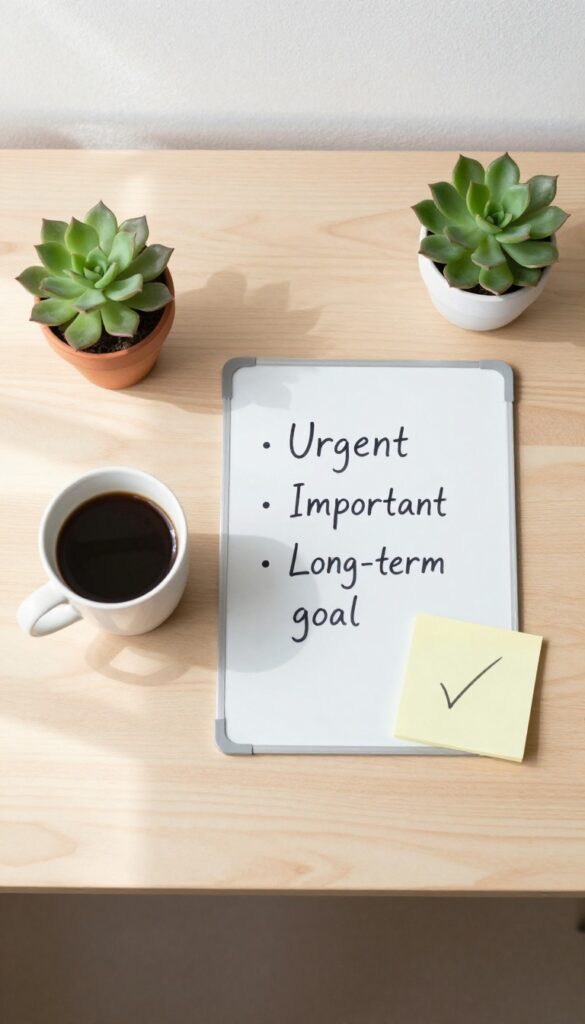
Decision fatigue is real, and it hits hardest in the morning when your mental reserves are fresh but finite. Instead of letting your to-do list run wild, pick just three key tasks that will make the biggest difference today. This simple act of prioritization saves you from wasting energy on low-impact busywork.
By narrowing your focus to three essential tasks, you reduce overwhelm and increase follow-through. These aren't just any tasks—they're the ones that align with your bigger goals or urgent deadlines. Write them down somewhere visible, like a sticky note or a whiteboard, so you stay on track all day.
Why Three?
Three is a magic number because it's small enough to feel achievable but large enough to cover meaningful progress. Any more than that, and you risk scattering your attention. Any fewer, and you might not move the needle.
Three gives you a clear, manageable focus.
How To Choose Your Three
Ask yourself: What would make today feel successful? Look at your calendar, deadlines, and priorities. Pick one task that's urgent, one that's important but not urgent, and one that brings you closer to a long-term goal.
Avoid overthinking—trust your gut.
Keep It Visible
Once you've chosen your three tasks, put them somewhere you'll see repeatedly. A sticky note on your monitor, a note on your phone's lock screen, or a small whiteboard by your desk works wonders. Out of sight often means out of mind, so keep them front and center.
15. Limit News and Social Media
The first scroll of the day often sets the emotional tone, and it's rarely a positive one. News alerts and social feeds are designed to grab attention, not to ground you. By delaying this input, you protect your mental space and keep your morning calm intact.
Create A Tech-free Window
Set a rule: no phone until after your routine is done. Even ten minutes without screens can shift your mindset. Use an alarm clock instead of your phone to avoid the temptation.
Replace Scrolling With Something Calmer
If you miss the habit, swap it with a gentle alternative. Stretch, sip tea, or look out the window. The goal is to let your own thoughts lead, not the world's noise.
16. Listen to Uplifting Audio
Sound shapes your mood more than you realize. The first voices and music you hear in the morning can either lift you up or drag you down. Instead of letting the news or a stressful notification set the tone, choose something that energizes or calms you.
Curating your morning audio is a simple way to protect your mental space. Whether it's a podcast that makes you think, an audiobook that inspires, or a playlist that gets you moving, the right sound can shift your entire mindset.
Match Audio To Your Intention
Think about what you need today. If you're feeling low, pick something funny or uplifting. If you're preparing for a big meeting, choose a motivational talk or a business podcast.
Let your intention guide the play button.
Keep It Short And Sweet
You don't need a full album or hour-long episode. A 10-minute podcast segment or three songs is enough to set a positive tone. Save the deep dives for later in the day.
No News, No Noise
Morning news can wait. It's often designed to grab attention with negativity. Instead, opt for content that adds value without draining your energy.
Your brain will thank you.
17. End with a Moment of Stillness

After all the movement of your morning routine, give yourself permission to pause. This final step is about letting go of the rush and simply being. One minute of stillness can anchor your entire day.
Sit comfortably, close your eyes, and breathe naturally. Notice the weight of your body, the sounds around you, the rhythm of your breath. There's nothing to fix or achieve.
Just observe. When the minute is up, open your eyes slowly and carry that calm with you into the day ahead.
Why It Works
Stillness resets your nervous system after the morning's activity. It creates a mental bookmark between your personal time and the demands of the day. Even sixty seconds of intentional quiet can lower stress and improve focus.
How To Make It Stick
Set a timer so you don't watch the clock. Pick a consistent spot—your bed, a chair, or even the floor. If your mind wanders, gently bring it back to your breath.
No judgment, just practice.
FAQ
How long should a self-care morning routine take?
It can be as short as 10 minutes or as long as an hour. The key is consistency, not duration. Start with a few steps and build from there.
What if I'm not a morning person?
Start small. Even one or two steps—like drinking water and stretching—can make a difference. Over time, your body may adjust to waking up earlier.
Do I need special equipment or products?
Not at all. Most steps require nothing more than your body and a few minutes. A journal and water are optional but helpful.
Can I do these steps in any order?
Absolutely. Feel free to rearrange based on what feels natural. The order isn't as important as showing up for yourself.
What if I skip a day?
That's okay. Self-care isn't about perfection. Just pick up where you left off the next day without guilt.
Conclusion
You don't need to adopt all 17 steps at once. Pick two or three that feel manageable tomorrow—maybe a glass of water before coffee or a 5-minute stretch. Small, consistent actions build momentum without overwhelming your morning.
Your routine should ground you, not stress you out. Start simple, stay flexible, and let your best mornings emerge naturally.