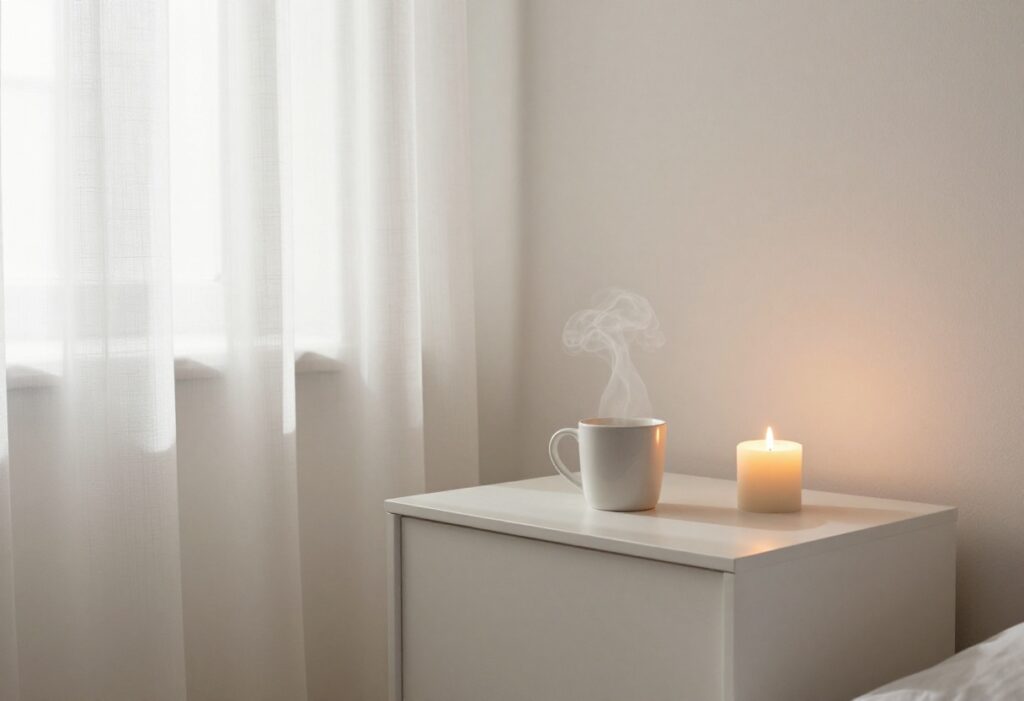
Self-care doesn't have to mean expensive spa days or elaborate routines. In fact, the most sustainable practices are often the simplest ones that weave seamlessly into your existing schedule. This list of 20 ideas focuses on small, mindful shifts that cost little to nothing but deliver real benefits.
Whether you have five minutes or an hour, these suggestions are designed to be flexible and forgiving. No guilt if you skip a day—the goal is progress, not perfection. Pick one or two that resonate and build from there.
From morning rituals to evening wind-downs, each idea is meant to help you slow down and reconnect with yourself. Let's explore practical ways to bring more calm and intention into your everyday life.
1. Start Your Day with a Glass of Water

Before you reach for coffee or scroll through your phone, drink a full glass of water. Your body loses fluids overnight through breathing and sweating, so rehydrating first thing helps wake up your organs and kickstarts your metabolism. Adding a slice of lemon gives you a boost of vitamin C and a refreshing taste that makes hydration feel like a treat.
This simple habit sets a mindful tone for the day. It's a moment of pure self-care before the rush begins. Keep a glass or bottle by your bed to make it effortless.
Why It Works
Even mild dehydration can lead to fatigue, brain fog, and irritability. Starting with water rehydrates your cells, supports digestion, and helps your body flush out toxins. It's a gentle wake-up call for your internal systems.
Make It A Ritual
Place a glass of water on your nightstand before bed. When you wake, drink it while taking three deep breaths. This combines hydration with a mini mindfulness practice that grounds you for the day ahead.
Level It Up
Not a fan of plain water? Try warm water with lemon and a pinch of sea salt for electrolytes, or add a few cucumber slices for a spa-like touch. Herbal teas like peppermint or ginger also count—just skip the caffeine.
2. Practice Five Minutes of Morning Stretching
Your body holds onto tension from sleep, stress, or just lying in one position too long. A short stretch routine can release that tightness and get your blood flowing without needing a full workout. Five minutes is all it takes to wake up your muscles and set a calm tone for the day ahead.
Morning stretching doesn't have to be complicated. Focus on areas that commonly feel stiff—neck, shoulders, and back. Gentle movements can improve flexibility and reduce the risk of aches later.
Plus, it's a quiet moment to check in with your body before the rush begins.
Why Stretch First Thing?
After hours of sleep, your muscles are cool and less elastic. A quick stretch warms them up, increases blood flow, and signals your nervous system to shift from rest to activity. It also helps shake off any lingering grogginess.
Simple Moves To Try
Start with neck rolls: slowly circle your head one way, then the other. Move to shoulder shrugs—lift your shoulders toward your ears, hold for a breath, then release. Finish with a gentle cat-cow stretch on your back to loosen the spine.
Each move should feel good, not painful.
Making It A Habit
Keep it easy by stretching right after you sit up in bed or before you stand up. You can even do it while your coffee brews. Pair it with a deep breath to make the moment more mindful.
Consistency matters more than duration.
3. Write One Thing You're Grateful For
Gratitude is like a muscle—the more you use it, the stronger it gets. Starting your day by acknowledging one good thing can rewire your brain to notice the positives more often. It doesn't have to be profound; a warm bed or a good cup of tea counts.
This simple practice takes less than a minute but sets a tone of appreciation for the rest of the day. By focusing on what's going right, you naturally shift away from what's lacking. Over time, this habit can reduce stress and increase overall happiness.
Keep It Specific
Instead of a vague "I'm grateful for my family, " zoom in on a detail: "I'm grateful for the laugh I shared with my sister this morning. " Specificity makes the feeling more real and memorable.
Use A Consistent Trigger
Pair your gratitude moment with an existing habit, like while your coffee brews or right after brushing your teeth. This makes it easier to remember and stick with long-term.
Write It Down
Typing is fine, but handwriting engages your brain differently. Keep a small notebook by your bed or on the kitchen counter. Seeing your entries accumulate can be surprisingly uplifting.
4. Take a Tech-Free Walk

Your phone buzzes all day—notifications, messages, and endless scrolling. It's easy to forget what silence feels like. A tech-free walk is a simple way to hit reset without any gear or apps.
Just step outside, leave your device behind, and walk for 10-15 minutes. Pay attention to the world around you: the rustle of leaves, the warmth of the sun, the smell of fresh air. This mini digital detox helps clear mental clutter and brings you back to the present moment.
Why Leave Your Phone Behind
When you walk with your phone, you're still half-checking emails or scrolling social media. Without it, your mind can fully engage with your surroundings. This break from constant input reduces stress and improves focus.
You'll also notice details you usually miss—like the pattern of shadows on the pavement or birdsong.
How To Make It A Habit
Start small: pick a time of day when you can step away without interruption. Maybe it's right after lunch or before dinner. Keep your walk short so it feels doable.
Over time, you'll look forward to this pocket of calm. If you're worried about emergencies, let someone know you'll be offline for 15 minutes.
What To Notice During Your Walk
Use your senses as anchors. Feel the ground under your feet. Listen for sounds near and far.
Look for colors and shapes you haven't noticed before. You can even play a simple game: find three things you've never seen on that route. This mindful attention turns a routine walk into a refreshing reset.
5. Create a Simple Morning Ritual
A morning ritual doesn't need to be long or complicated. Even two minutes of intentional stillness can shift your entire day. The key is consistency—doing the same small thing each morning so your brain learns to associate it with calm.
Choose An Anchor Activity
Pick one thing you can do every morning without fail. Brew a cup of tea, light a candle, stretch for two minutes, or sit quietly with your eyes closed. The activity itself matters less than the repetition.
Keep It Short And Sweet
Long rituals are hard to maintain. Start with something that takes less than five minutes. You can always add more later, but the goal is to build a habit that sticks.
Pair It With An Existing Habit
Attach your new ritual to something you already do, like making coffee or brushing your teeth. This makes it easier to remember and integrate into your morning flow.
6. Eat One Meal Without Distractions
Most of us eat while scrolling, working, or watching TV. That habit disconnects you from your body's signals and makes meals feel rushed. Try setting aside just one meal a day where you put away all screens and focus entirely on the food in front of you.
This isn't about turning every meal into a meditation session. It's about giving yourself permission to slow down and actually taste what you're eating. You might be surprised at how different food tastes when you're not distracted.
When you eat without distractions, you give your brain time to register fullness. That naturally leads to eating less without trying. Plus, chewing slowly and savoring each bite can make a simple meal feel more satisfying.
Why It Works
Your digestive system works best when you're relaxed. Eating while distracted triggers your sympathetic nervous system (fight-or-flight), which slows digestion. Mindful eating activates the parasympathetic system, helping your body break down food more efficiently.
How To Start
Pick one meal a day—breakfast, lunch, or dinner—and commit to screen-free eating. Sit at a table, put your phone in another room, and turn off the TV. Take small bites, chew thoroughly, and pause between bites to notice flavors and textures.
What You'll Notice
Within a few days, you might find you're satisfied with smaller portions. Meals become more enjoyable as you actually taste your food. You'll also become more aware of hunger and fullness cues, which helps with portion control over time.
7. Set a Daily Intention
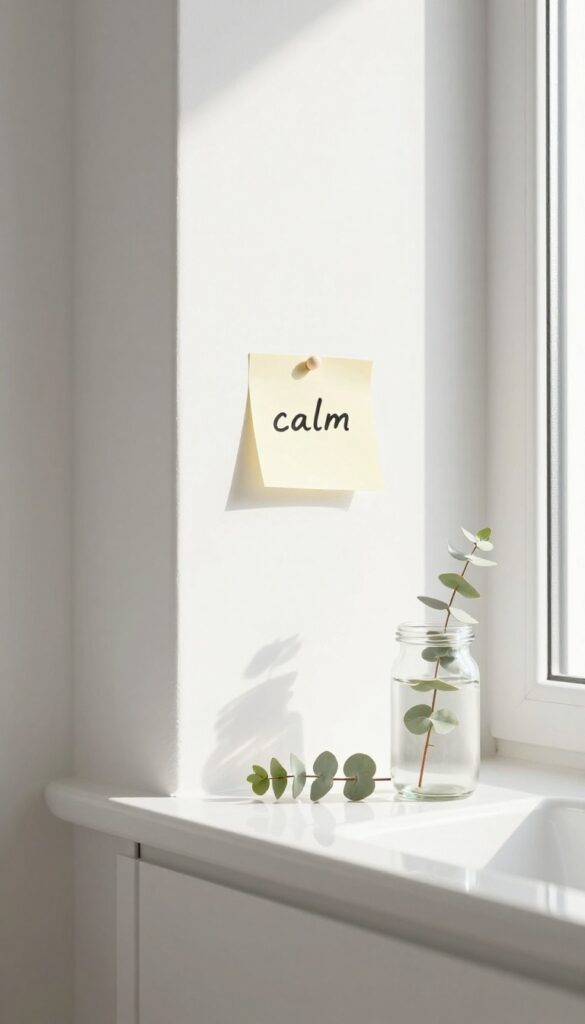
Mornings can feel like a race before your feet even hit the floor. Setting a daily intention is a gentle way to press pause and decide how you want to show up. It's not about big goals—just one word or short phrase that anchors your day.
Choose a word like 'patience, ' 'focus, ' or 'kindness' that reflects what you need most. Write it on a sticky note and place it on your bathroom mirror, or set it as your phone wallpaper. Throughout the day, let that word guide your reactions and decisions.
It's a small anchor that keeps you grounded when things get hectic.
Pick A Word That Fits
Your intention should match what you're craving. If you have a busy day ahead, 'calm' might work. If you're working on a project, 'focus' is a solid choice.
Don't overthink it—the simpler, the better.
Make It Visible
Out of sight often means out of mind. Place your sticky note where you'll see it often: on your laptop, fridge, or car dashboard. You can also set a daily reminder on your phone with the word.
The goal is to keep it front and center.
Check In Midday
Around lunch, take a moment to revisit your intention. Ask yourself if you've been living it so far. This quick check-in can realign your focus for the rest of the day.
8. Do a Five-Minute Room Reset
A messy space can make your brain feel just as cluttered. The good news? You don't need to deep-clean your whole house to feel the benefits.
A quick five-minute reset targets one small area, cutting down visual noise and giving you an instant sense of control.
Choose One Spot
Pick a single surface that's bugging you—your desk, kitchen counter, or nightstand. Don't try to tackle the whole room. Just that one spot.
Clear And Wipe
Remove everything that doesn't belong there. Put items in their homes or a temporary basket. Give the surface a quick wipe.
That's it.
Feel The Shift
Notice how your mind relaxes when the clutter disappears. This small win builds momentum and reminds you that you can handle your environment, one tiny reset at a time.
9. Practice Deep Breathing for 60 Seconds
Breathing is something you do thousands of times a day without thinking. But a minute of intentional breathing can shift your entire state of mind. This simple technique helps you reset when stress creeps in or your mind starts racing.
Deep breathing activates your parasympathetic nervous system, which calms your body's stress response. The 4-4-4 pattern—inhale for four counts, hold for four, exhale for four—is easy to remember and effective. Repeat it four times for a full minute.
You can do it at your desk, in line at the store, or before a meeting. No one will even notice.
Why 60 Seconds Works
A minute is short enough to fit into any schedule but long enough to trigger a relaxation response. The controlled breathing slows your heart rate and lowers blood pressure. It also gives your brain a mini-break from constant input.
When To Use This Technique
Try it first thing in the morning to set a calm tone. Use it during a midday slump to refocus. Or do it right before bed to signal your body it's time to wind down.
The more you practice, the more automatic it becomes.
Tips For Success
Find a quiet spot if you can, but it's not necessary. Close your eyes or soften your gaze. Place a hand on your belly to feel the rise and fall.
If your mind wanders, gently bring it back to your breath. No judgment.
10. Listen to a Calming Playlist
Sound has a powerful effect on your nervous system. The right music can shift you from stressed to centered in just a few minutes. A calming playlist is one of the easiest self-care tools you can create—and it costs nothing.
Curate a playlist of soothing instrumental or nature sounds. Play it during chores, work breaks, or before bed to lower stress levels.
Choose Your Soundscape
Think about what relaxes you. Maybe it's piano pieces, ambient electronic, or rain and ocean waves. Streaming services have pre-made playlists, but making your own adds a personal touch.
When To Press Play
Use your playlist during moments that tend to spike stress: while cooking dinner, during a commute, or when you're winding down. Even five minutes can reset your mood.
Keep It Accessible
Save the playlist to your phone's home screen or a dedicated folder. The easier it is to start, the more likely you'll use it. Consider a separate playlist for sleep with slower tempos.
11. Use a Journal for Evening Reflection

Evenings are a natural pause point, a chance to take stock before your mind drifts into tomorrow's worries. A short journaling habit can help you close the day with clarity and gratitude, rather than replaying every awkward moment or unfinished task. The goal isn't to write a novel—just a few honest lines that anchor your thoughts.
The practice is simple: each night, jot down three things that went well and one thing you'd do differently. The positives don't have to be big—a good cup of coffee, a kind text from a friend, or finishing a task counts. The improvement item isn't about self-criticism; it's a gentle nudge toward growth.
Over time, this rewires your brain to notice the good and approach challenges with curiosity instead of dread.
Why Three Wins Matter
Our brains are wired to focus on threats and failures—it's a survival instinct. By deliberately recalling three wins, you train your mind to scan for positives. This builds resilience and makes it easier to spot opportunities during the day.
Even on rough days, finding three small good things shifts your perspective.
The One Thing To Improve
This isn't about beating yourself up. Frame it as a learning moment: "I could have listened more during that conversation" or "I'll prep lunch the night before to avoid the morning rush. " Writing it down makes it concrete and easier to act on tomorrow.
Keep It Low Pressure
You don't need a fancy journal or a perfect routine. A notebook, a notes app, or even a scrap of paper works. Aim for five minutes.
Some nights you'll write more, some nights less. The consistency matters more than the length.
12. Take a Warm Bath or Shower with Intention
A shower can be more than just a way to get clean. When you approach it with intention, it becomes a mini-ritual that resets your mind and body. The key is to slow down and engage your senses rather than rushing through on autopilot.
Treat your shower as a ritual. Use a scented soap, focus on the sensation of water, and let your mind unwind. It's a simple way to wash off the day.
Set The Scene
Before stepping in, take a moment to adjust the lighting if possible—dim or candlelit works best. Choose a scent that calms you, like lavender or eucalyptus, and let the steam carry it. This small prep signals to your brain that it's time to relax.
Engage Your Senses
As the water flows, pay attention to the temperature, the pressure, and the way it feels on your skin. Notice the sound and the scent. If your mind wanders, gently bring it back to the physical sensations.
This is a form of mindfulness that can be deeply grounding.
End With Gratitude
Before you step out, take a few deep breaths and think of one thing you're grateful for. It could be as simple as the warm water or a moment of peace. This closes the ritual on a positive note, leaving you refreshed and centered.
13. Read a Few Pages of a Fiction Book
Reading fiction is a powerful way to step away from your own thoughts and into someone else's world. Just a few pages can lower stress hormones and boost empathy, making it a perfect self-care tool. Keep a novel on your nightstand and aim for 10 minutes before sleep—it signals your brain that it's time to unwind.
Carving out a short reading window each evening helps you transition from the busyness of the day to a calmer state. Fiction, in particular, engages your imagination and provides a mental escape that non-fiction often doesn't. Over time, this small habit can improve your sleep quality and emotional resilience.
Why Fiction Works Best
Stories activate parts of your brain that handle empathy and perspective-taking. When you follow a character's journey, you practice understanding others' feelings, which can carry over into your real-life relationships. Plus, the narrative flow is naturally absorbing, making it easier to disconnect from your own worries.
How To Make It A Habit
Start by choosing a book that genuinely interests you—don't force a classic if it feels like a chore. Set a timer for 10 minutes and read without distractions. If you miss a night, just pick up where you left off the next day.
Consistency matters more than length.
Choosing The Right Book
Pick something light and engaging, especially if you're new to reading before bed. Thrillers might be too stimulating, while gentle novels or short story collections work well. The goal is relaxation, not a page-turner that keeps you up all night.
14. Connect with a Friend or Family Member

Social connection is a vital part of self-care that often gets overlooked. We get so busy with our own lives that we forget how much a simple check-in can lift our spirits—and someone else's. Reaching out doesn't have to be a big production; a small gesture can make a world of difference.
Send A Thoughtful Text
A quick message saying you're thinking of them can brighten someone's day. It doesn't need to be long—just a genuine note about a shared memory or something that reminded you of them. This tiny act strengthens your bond and reminds you both that you're not alone.
Make A Quick Call
Hearing a loved one's voice is more connecting than a text. A five-minute call during a break can be enough to share a laugh or a quick update. Keep it light and focused on positive moments—save heavy topics for when you have more time.
Write A Short Letter
In a digital world, a handwritten note feels extra special. Jot down a few sentences on a postcard or notepad and mail it. The effort shows you care, and the receiver will treasure the physical reminder of your connection.
15. Declutter One Digital Space
Your phone and laptop can be just as chaotic as a messy room. Notifications, random screenshots, and hundreds of unread emails create a low-level hum of stress. Clearing one digital corner can bring surprising mental relief and make your devices feel like tools again, not sources of noise.
Start With Your Inbox
Unsubscribe from any newsletter you haven't opened in the last month. Create simple folders or labels for what's left. Even deleting 50 spam emails can feel like a win.
Aim for an inbox under 100 messages to reduce that nagging feeling of being behind.
Tidy Your Home Screen
Move apps you rarely use into a folder or off the main screen entirely. Keep only your top 6-8 essentials visible. This cuts down on mindless tapping and makes it easier to find what you actually need.
Clear Old Photos And Files
Delete blurry shots, duplicate screenshots, and old downloads you'll never open. Even clearing 50 photos can free up mental space. Set a reminder to do this once a month so it never piles up again.
16. Spend Time in Natural Light
Our bodies are wired to respond to natural light. It tells our internal clock when to be alert and when to wind down. Yet many of us spend most of our day under artificial lighting, missing out on this simple but powerful cue.
Making a habit of stepping into sunlight—even for a few minutes—can improve your mood, energy, and sleep. It's one of the lowest-effort ways to reset your system and feel more grounded.
Natural light isn't just nice to have; it's essential for regulating your circadian rhythm and supporting vitamin D production. Aim for at least 10–15 minutes of direct sunlight earlier in the day. This can be as easy as having your morning coffee by a window, taking a short walk, or eating lunch outside.
Over time, this small shift can help you sleep better, feel more alert during the day, and boost your overall well-being.
Morning Light Exposure
Getting sunlight soon after waking is especially effective. It signals your brain to stop producing melatonin and start releasing cortisol, which helps you feel awake and focused. Try opening your curtains first thing, or step onto your balcony or porch for a few minutes.
Workday Sun Breaks
If you work indoors, set a reminder to step outside mid-morning or during lunch. Even five minutes of natural light can break up the monotony and reduce eye strain. If going outside isn't possible, sit near a window or adjust your desk to face natural light.
Evening Wind-down
As the day ends, exposure to dim, warm natural light helps your body prepare for sleep. Spend the last hour before bed in a room with minimal artificial light. Watching the sunset or sitting by a window as the light fades can be a calming ritual.
17. Practice a Hobby for 15 Minutes

Carving out just 15 minutes for a hobby can feel like a mini vacation for your brain. It's a small but powerful way to step away from responsibilities and immerse yourself in something purely for joy. The key is to keep it short and pressure-free—no need to finish a project or be productive.
When you engage in a hobby, you give your mind a break from constant problem-solving and multitasking. Activities like drawing, knitting, playing an instrument, or gardening activate different parts of your brain, promoting relaxation and creativity. Over time, this daily dose of fun can reduce stress and boost your overall mood.
Choose An Accessible Activity
Pick a hobby that requires minimal setup and cleanup. For example, keep a sketchbook and pencil on your desk, or have your knitting supplies ready in a basket. The easier it is to start, the more likely you'll stick with it.
Set A Timer And Let Go
Use a timer to keep your session short and sweet. When the timer rings, stop—even if you're in the middle of something. This removes any pressure to complete a task and keeps the focus on the process, not the outcome.
Rotate Hobbies To Stay Fresh
If you have multiple interests, rotate them throughout the week. Monday might be for doodling, Wednesday for strumming a guitar, and Friday for tending to a small plant. Variety keeps the practice exciting and prevents burnout.
18. Use a Face Mask or Skincare Ritual
Your skincare routine can double as a mindfulness practice. Applying a mask, massaging your face, or simply moisturizing with intention turns a daily chore into a soothing ritual. It's a tactile way to pamper yourself and check in with your body.
The key is to slow down. Instead of rushing through steps, take a few extra moments to breathe and notice how your skin feels. This small shift can make the whole experience feel more like self-care and less like a task.
Make It A Sensory Experience
Choose products with scents and textures you genuinely enjoy. A cooling gel mask, a warm clay mask, or a creamy moisturizer can each offer a different sensory treat. As you apply, focus on the sensation—the coolness, the smoothness, or the gentle pressure of your fingertips.
Add A Mini Massage
While applying your product, use gentle upward strokes or circular motions on your face and neck. This boosts circulation and helps you relax. You don't need to be a pro—just a few minutes of mindful touch can release tension in your jaw and forehead.
Turn It Into A Wind-down Signal
Use your skincare ritual as a cue for your brain to switch off. Do it at the same time each evening, perhaps with dim lighting and calming music. Over time, your mind will associate these steps with relaxation, making it easier to unwind.
19. Say 'No' to One Non-Essential Task
Every day, you're faced with requests that drain your time and energy. Saying 'yes' to everything leaves you running on empty. Learning to say 'no' is a powerful act of self-care that protects your boundaries and preserves your energy for what truly matters.
Start small by identifying one non-essential task you can decline today. It might be an extra meeting, a social event you dread, or a favor you don't have bandwidth for. Politely but firmly say no without over-explaining.
You'll free up time and mental space for activities that recharge you.
Why It's Hard
Many of us feel guilty saying no, fearing we'll disappoint others or miss out. But constantly saying yes leads to burnout and resentment. Remember that every yes to something is a no to something else—often your own well-being.
How To Say No Gracefully
Keep it simple and honest. Try phrases like, 'I can't commit to that right now, ' or 'That doesn't work for me. ' You don't need to justify your decision. Practice makes it easier, and people will respect your boundaries.
Start Small, Build Momentum
Begin by declining one low-stakes request per day. Notice how it feels to reclaim that time. Over time, saying no becomes a habit that reinforces your self-worth and helps you focus on what truly matters.
20. End Your Day with a Digital Curfew

The blue glow from your phone can trick your brain into thinking it's still daytime, making it harder to fall asleep. Setting a digital curfew 30 minutes before bed gives your mind a chance to unwind naturally. Instead of scrolling, you can stretch, read a few pages, or just sit in the quiet.
This small habit leads to deeper sleep and calmer mornings.
Why It Works
Screens emit blue light that suppresses melatonin, the hormone that helps you sleep. By turning off devices early, you allow your body's natural sleep cycle to kick in. You'll fall asleep faster and wake up feeling more rested.
What To Do Instead
Use that 30 minutes for something soothing. Try gentle stretches, journaling, or listening to a calming podcast. Reading a physical book is another great option.
The key is to choose activities that don't involve screens.
Make It Stick
Set a recurring alarm on your phone for 30 minutes before bed as a reminder. Keep your phone in another room if you're tempted to check it. Over time, this routine becomes a natural part of your evening.
FAQ
How do I start a self-care routine if I'm busy?
Begin with one small habit that takes less than five minutes, like drinking water or deep breathing. Gradually add more as the routine feels natural.
Can self-care be free or low-cost?
Absolutely. Many practices like walking, stretching, journaling, or digital detox cost nothing. Focus on activities that don't require spending money.
How often should I practice self-care?
Daily is ideal, even if it's just a few minutes. Consistency matters more than duration. Listen to your needs and adjust as necessary.
What if I miss a day?
Don't stress. Self-care is about flexibility, not perfection. Simply resume the next day without guilt.
How do I make self-care a habit?
Tie it to an existing routine, like stretching after brushing your teeth. Use reminders or alarms initially, and be patient with yourself.
Conclusion
Self-care doesn't require a complete lifestyle overhaul—just a few mindful choices each day. Pick one or two ideas from this list that feel doable right now, whether it's a five-minute breathing exercise or swapping your phone for a book before bed. Small, consistent actions build lasting habits.
Trust that even tiny moments of intentional care can reshape your daily rhythm. You don't need to do everything at once. Start where you are, and let each small step bring you closer to a calmer, more centered life.