A peaceful day doesn't happen by accident. It's built on small, intentional habits that ground you and protect your energy. The good news?
You don't need a spa day or a week-long retreat to feel more centered. These 15 self-care lifestyle habits are simple, realistic, and designed to fit into your everyday life.
Whether you're looking to start your morning with clarity or end your evening with ease, each habit offers a practical way to invite more calm into your day. Pick one, try it out, and notice how even a small shift can make a big difference.
1. Start Your Morning with a No-Phone Window

Most of us reach for our phones the second we wake up. That rush of notifications, emails, and social media instantly floods your brain with stress and comparison. Breaking that habit can transform your entire morning.
The first 15 to 30 minutes of your day are precious. When you spend them scrolling, you let the outside world dictate your mood before you've even had a chance to center yourself. Instead, try a simple experiment: keep your phone on silent and out of reach until you've had a chance to wake up naturally.
What To Do Instead
Use that time to stretch, drink a full glass of water, or just sit quietly. You can look out the window, take a few deep breaths, or write down one thing you're grateful for. The goal is to ease into your day, not race into it.
Why It Works
Without the dopamine hits from your phone, your brain stays calmer and more focused. You give yourself a buffer before the demands of the day hit. Over time, this small window builds resilience against morning anxiety.
Tips To Make It Stick
Charge your phone in a different room overnight. Use a physical alarm clock if you need one. Start with just five minutes if 30 feels too long.
The key is consistency, not perfection.
2. Drink a Full Glass of Water Before Coffee
Starting your day with coffee is a reflex for many, but reaching for that mug first thing can actually leave you more tired. After hours of sleep, your body is naturally dehydrated, and caffeine acts as a diuretic, which can amplify that effect. A simple switch—water first, coffee second—can change how your morning feels.
Rehydrating first thing helps your body wake up naturally, supporting better digestion, clearer skin, and steadier energy throughout the morning. It also reduces the likelihood of a mid-morning energy crash. Keeping a glass of water on your nightstand makes it effortless to drink before your feet even hit the floor.
Why Water Before Caffeine Works
Your brain and body rely on hydration to function well. Even mild dehydration can cause fatigue, brain fog, and irritability. By drinking water first, you’re giving your system the fuel it needs to handle caffeine more effectively, without the jitters or crash.
Make It A Habit
Place a full glass of water next to your bed each night. In the morning, drink it before you do anything else. For extra freshness, add a slice of lemon or a splash of citrus.
This small ritual takes less than a minute and sets a calm, intentional tone for the day.
3. Practice Three Deep Breaths Before Any Stressful Task

Stress often sneaks up on us right before we need to perform. A meeting, a tough conversation, or even a busy chore can trigger a racing heart and scattered thoughts. The fix is simpler than you think: three deep breaths.
This tiny pause can instantly lower your stress and sharpen your focus, making you more effective and calm.
Before any stressful task, pause and take three slow, deep breaths. Inhale for four counts, hold for four, exhale for four. This resets your nervous system and brings you back to the present moment.
It's a portable, free tool you can use anywhere—no one will even notice.
Why It Works
Deep breathing activates the vagus nerve, which signals your body to relax. It lowers cortisol, slows your heart rate, and shifts you from fight-or-flight to rest-and-digest. The four-count pattern also gives your mind a simple anchor, reducing mental chatter.
When To Use It
Try it before a work presentation, a difficult chat with a partner, or even a daunting household task like cleaning the garage. Also use it when you feel overwhelmed by a long to-do list. The key is to make it a habit—practice it regularly so it becomes automatic.
Tips For Consistency
Set a reminder on your phone or place a sticky note on your computer screen. Pair it with an existing habit, like before you open your email or step into a meeting. Over time, you'll notice how quickly your mind settles.
4. Create a Simple Morning Stretch Routine
Your body holds onto tension from sleep, and jumping straight into a busy morning can leave you feeling stiff and rushed. A gentle stretch routine is a kind way to transition from rest to activity. It doesn't require any equipment, just a few minutes and a willingness to move slowly.
Spending just 5 to 10 minutes stretching in the morning can improve flexibility, increase blood flow, and wake up your muscles without shocking your system. Focus on areas that tend to hold stress: neck, shoulders, back, and legs. No fancy poses needed—simple moves like neck rolls, shoulder shrugs, cat-cow, and forward folds do the trick.
The goal isn't to push hard but to release tension and signal to your body that it's time to start the day.
Why Stretch In The Morning?
Overnight, your muscles can tighten, especially if you sleep in one position. Morning stretching gently reverses that stiffness, reduces the risk of injury, and helps you feel more limber. It also activates your parasympathetic nervous system, setting a calm tone for the hours ahead.
A Simple 5-minute Routine
Start with neck rolls: slowly circle your head in each direction. Move to shoulder rolls—lift and circle your shoulders forward and back. Add a cat-cow stretch on your hands and knees (or standing if that's easier).
Finish with a forward fold, letting your head hang heavy, and a gentle hamstring stretch. Hold each stretch for about 20 seconds, breathing deeply.
Tips For Consistency
Keep it easy. Lay out a mat the night before or just stretch on your bed. Pair it with an existing habit, like after brushing your teeth.
Don't worry about doing the same routine every day—mix it up to keep it interesting. The key is showing up, not perfection.
5. Eat One Meal Without Any Screens
Mealtime has become a multitasking session for many of us. We scroll, watch, or work while eating, barely noticing what's on our plates. This habit pulls us away from the present and often leads to overeating or poor digestion.
Choosing one meal a day to eat screen-free can change that. It's a simple way to reconnect with your food and your body. No TV, phone, or computer—just you and your meal.
Pick one meal—breakfast, lunch, or dinner—and commit to eating it without any screens. Sit at a table if you can. Pay attention to the colors, smells, and textures.
Chew slowly and notice when you start to feel full. This practice, often called mindful eating, helps you enjoy your food more and digest it better. It also gives your brain a real break from constant stimulation.
Why Screens Disrupt Eating
When you eat while scrolling, your brain is distracted. It doesn't register fullness cues as well, so you might eat more than you need. Digestion also works best when you're relaxed, not stressed by a work email or a tense show.
Screens keep your nervous system in a low-level alert state, which can interfere with proper digestion.
How To Start Without Feeling Awkward
If eating alone feels strange without a screen, start small. Try it for just five minutes at first. Focus on the first few bites.
You can also use a placemat, light a candle, or play soft background music to make the experience feel special. Over time, it will become a calming ritual you look forward to.
Make It A Family Or Partner Habit
Invite someone you live with to join you. Agree on one meal a day where everyone puts devices away. This not only supports mindful eating but also strengthens your connection.
Conversations flow more naturally when there's no screen competing for attention.
6. Take a 10-Minute Walk Outside

Sometimes the simplest acts bring the biggest peace. A short walk outside can reset your mood and give your mind a break from the noise. You don't need a scenic trail or an hour of free time—just ten minutes and a change of scenery.
Leave your phone and headphones behind. Let yourself notice the little things: the way the light filters through the leaves, the sound of birds, the feel of the breeze. This isn't exercise or multitasking—it's a gentle pause that helps you feel more grounded and clear-headed.
Why It Works
Being outdoors lowers cortisol and boosts serotonin. The combination of fresh air, natural light, and gentle movement signals your nervous system to shift from stress mode to calm. Even a short walk can break a cycle of anxious thoughts.
Make It A Habit
Pick a consistent time—right after lunch or when you feel your energy dip. Keep a pair of comfortable shoes by the door. You don't need a route; just step outside and let your feet guide you.
The goal is presence, not distance.
What To Focus On
Engage your senses. Notice three things you see, two you hear, and one you feel. If your mind wanders to your to-do list, gently bring it back to the present moment.
This simple practice trains your brain to find calm in everyday moments.
7. Declutter One Small Area Each Day
Clutter has a sneaky way of weighing on your mind, even when you don't realize it. That pile of papers on the counter or the jumbled drawer can create a low-level hum of stress. The fix isn't a full weekend purge—it's tiny, daily wins.
Pick one small zone—a single drawer, a shelf, or a countertop—and spend just five to ten minutes tidying it. This micro-habit builds momentum without overwhelming you.
When you clear a small space, you get an immediate visual reward. That sense of order signals to your brain that things are under control. Over time, these mini-sessions add up to a noticeably calmer environment.
The key is to keep it small and consistent. Don't aim for perfection—just make it a little better than before.
Start With High-traffic Spots
Focus on areas you see or use every day: the kitchen counter, your nightstand, or the entryway table. These spots have the biggest impact on your daily peace. Clearing them first gives you the most return on your five-minute investment.
Use A Timer To Stay On Track
Set a timer for five or ten minutes and stop when it goes off. This prevents you from getting sucked into a deeper clean or feeling like you need to do more. The goal is a quick reset, not a deep reorganization.
Create A 'one-touch' Rule For New Items
After you've cleared a spot, make a habit of putting things back in their place immediately. If you take something out, put it away before you walk away. This tiny rule keeps clutter from creeping back.
8. Write Down Three Things You're Grateful For

Gratitude is like a muscle—the more you use it, the stronger it gets. Taking a few minutes each evening to reflect on what went well can rewire your brain to notice the good more often. This simple practice shifts your focus from what's missing to what's already present, which naturally boosts your mood and resilience.
Keep a small notebook by your bed and jot down three things you're grateful for each evening. They can be as simple as a good cup of tea or a kind text from a friend. Over time, this habit trains your mind to scan for positives, making peace a more natural part of your day.
Why It Works
Gratitude activates the brain's reward system, releasing dopamine and serotonin. This creates a positive feedback loop that reduces stress and increases overall happiness. It's a quick, evidence-based way to end your day on a high note.
How To Make It Stick
Pair your gratitude practice with an existing routine, like brushing your teeth or getting into bed. Keep your notebook and pen in the same spot every night. If you're stuck, start with basic pleasures: a warm blanket, a good song, or a laugh with a coworker.
Mix It Up
Occasionally vary your prompts to keep it fresh. Some nights focus on people, other nights on experiences or personal strengths. You can even include one thing you're grateful for about yourself—self-gratitude is just as powerful.
9. Set a Digital Curfew an Hour Before Bed
Screens are everywhere, and while they keep us connected, they also keep our brains wired long after sunset. The blue light from phones, tablets, and laptops suppresses melatonin production, making it harder to fall asleep and stay asleep. Setting a digital curfew one hour before bed is a simple way to reclaim your evenings and signal to your body that it's time to rest.
When you put away your devices 60 minutes before sleep, you create a buffer zone that allows your mind to unwind. This habit isn't about deprivation—it's about giving yourself permission to disconnect. Use that hour to do something that feels restorative, like reading a physical book, journaling about your day, or taking a warm bath.
Over time, this ritual trains your brain to associate the pre-bed period with relaxation, not stimulation.
Why Blue Light Matters
Blue light from screens tricks your brain into thinking it's still daytime. This delays the release of melatonin, the hormone that helps you fall asleep. By cutting off screen time an hour before bed, you give your body a natural chance to wind down.
Even dimming your devices isn't enough—the best approach is to power them down entirely.
What To Do Instead
Replace scrolling with calming activities that promote sleep. Try reading a chapter of a novel, writing down three things you're grateful for, or soaking in a warm bath with Epsom salts. These activities are low-effort but high-reward for your sleep quality.
You might also try gentle stretching or listening to a podcast (without a screen) if you need a little background noise.
Make It Stick
Start small by setting a phone reminder 10 minutes before your curfew. Charge your devices outside the bedroom to remove temptation. If you use your phone as an alarm, invest in a basic alarm clock.
Within a week, you'll likely notice falling asleep faster and waking up feeling more refreshed.
10. Use a Calming Essential Oil or Scent

Scents have a direct line to the brain's emotional center, which is why a certain smell can instantly transport you back in time or shift your mood. By intentionally choosing calming aromas, you can create a sensory cue that tells your body it's time to relax. It's a simple tool that works with your biology, not against it.
Essential oils like lavender, chamomile, and sandalwood are known for their calming properties. You don't need a complicated setup—just a diffuser or a few drops on a cotton ball can transform the atmosphere of a room. For sleep, a drop on your pillowcase or a spritz of linen spray can make a noticeable difference.
Experiment with single oils or blends to find what works best for you.
Pick Your Scent
Lavender is the go-to for relaxation, but don't overlook other options. Chamomile has a gentle, apple-like scent that's soothing, while sandalwood offers a warm, woody base that can ground you. Bergamot is citrusy but calming, and frankincense is often used in meditation for its earthy aroma.
Try a few to see which one resonates.
How To Use It
A diffuser is the most popular method—just add water and a few drops of oil, and let it run for 30 minutes. For a quicker fix, put a drop on your wrist or a tissue and inhale deeply. You can also add a few drops to a warm bath or mix with a carrier oil for a calming massage.
Keep it simple and consistent.
Make It A Ritual
The key is pairing the scent with a relaxing activity. Light a lavender candle while you read, diffuse sandalwood during yoga, or spritz chamomile on your sheets before bed. Over time, your brain will associate that smell with calm, making it a powerful trigger for relaxation.
11. Schedule Short 'Do Nothing' Breaks
We often treat every spare minute as an opportunity to be productive. But constant doing drains your mental battery faster than you realize. That's where intentional stillness comes in.
Blocking out just five to ten minutes to do absolutely nothing can reset your nervous system and bring you back to center. No phone, no to-do list, no guilt—just being.
These micro-breaks are not wasted time. They're a powerful tool against burnout. When you schedule them, you give your brain permission to rest without the pressure of multitasking.
Over time, these pauses build resilience and make your entire day feel less rushed.
How To Actually Do Nothing
Set a timer for five minutes. Sit comfortably somewhere quiet. Close your eyes or let your gaze soften.
Let your thoughts drift without chasing them. If your mind wanders to tasks, gently bring it back to the present moment. That's it.
When To Schedule These Breaks
Mid-morning and mid-afternoon are ideal times—when energy naturally dips. Place them between meetings or after a focused work session. Treat them as non-negotiable appointments with yourself.
What To Do If You Feel Restless
Restlessness is normal. Instead of reaching for your phone, try focusing on your breath or the sounds around you. Notice the sensation of sitting.
Over time, your mind will learn to settle into stillness more easily.
12. Practice One Act of Kindness Daily
Kindness is one of those rare things that benefits both the giver and the receiver. When you make a conscious effort to do something nice for someone else, your brain releases feel-good chemicals like oxytocin and serotonin. It's a simple, free way to boost your own mood while strengthening your connections with others.
Small acts of kindness don't require much time or money, but they can create ripples of positivity that last all day. Whether it's holding the door for a stranger, sending a thoughtful text, or offering a genuine compliment, each gesture reminds you that you have the power to make someone's day better. And that feeling of making a difference?
It stays with you.
Start Small And Specific
You don't need to plan grand gestures. A simple "I really appreciate you" to a coworker or letting someone merge in traffic counts. Pick one tiny act each morning and commit to it before your day gets busy.
Make It A Habit, Not An Obligation
The goal is to weave kindness into your routine without pressure. Maybe you compliment the barista or leave a sticky note for your partner. When it becomes a habit, it stops feeling like a chore and starts feeling natural.
Notice The Ripple Effect
Pay attention to how your kindness impacts others—and yourself. You might find that people smile more, conversations feel warmer, and your own stress levels drop. That feedback loop makes it easier to keep going.
13. Keep a Reusable Water Bottle at Your Desk

Hydration is one of those things that's easy to overlook when you're busy. But even mild dehydration can leave you feeling sluggish, headachy, and less focused. Keeping a reusable water bottle at your desk is a simple, visual reminder to drink water consistently throughout the day.
It's a low-effort habit with a big payoff for your energy and mood.
Start your morning by filling up a large water bottle—aim for at least 32 ounces. Place it right next to your keyboard or mouse so it's impossible to ignore. Challenge yourself to finish it by lunchtime, then refill for the afternoon.
If plain water feels boring, add a slice of lemon, cucumber, or a few mint leaves. Herbal teas (hot or iced) also count toward your hydration goal and add variety without sugar or caffeine. This small ritual keeps you refreshed, supports digestion, and helps you avoid the afternoon slump.
Make It A Visual Cue
Your brain responds to visual triggers. When your water bottle is front and center, you're more likely to take a sip without thinking. Keep it on your desk, not in a drawer or bag.
Out of sight really does mean out of mind.
Spice It Up Naturally
Infused water or herbal tea can make hydration feel like a treat. Try combinations like strawberry-basil, cucumber-mint, or lemon-ginger. Use a reusable infuser bottle for easy prep.
This keeps things interesting and helps you drink more without forcing it.
Track Your Progress
Use a bottle with time markers or set a simple phone reminder every hour. Many smart bottles even glow to remind you. The goal isn't perfection—just a steady, mindful intake that keeps you feeling your best.
14. Do a 2-Minute Desk Stretch Every Hour
Sitting for hours on end tightens your hips, shoulders, and neck — and that tension builds quietly. A quick hourly stretch breaks the cycle, releasing muscle knots and boosting blood flow. Two minutes is all it takes to reset your body and refocus your mind.
Set a recurring timer on your phone or computer as a gentle nudge. When it goes off, stand up, roll your shoulders back, reach your arms overhead, and twist your torso side to side. This simple routine prevents stiffness and keeps your energy steady throughout the day.
Why Hourly Matters
Our bodies aren't designed for prolonged sitting. Each hour, joints stiffen and circulation slows. A brief movement break counteracts these effects before they accumulate, reducing the risk of chronic pain and mental fatigue.
Easy Moves To Try
Start with shoulder rolls (5 each direction), then reach both arms up and lean gently side to side. Follow with a seated spinal twist: place one hand on the opposite knee and look over your shoulder. Finish by standing and touching your toes for a hamstring release.
Make It Stick
Pair your stretch with a habit you already have, like checking the time or finishing a task. Use a visual cue — a sticky note on your monitor — until it becomes automatic. Consistency matters more than intensity.
15. End Your Day with a Simple Wind-Down Ritual
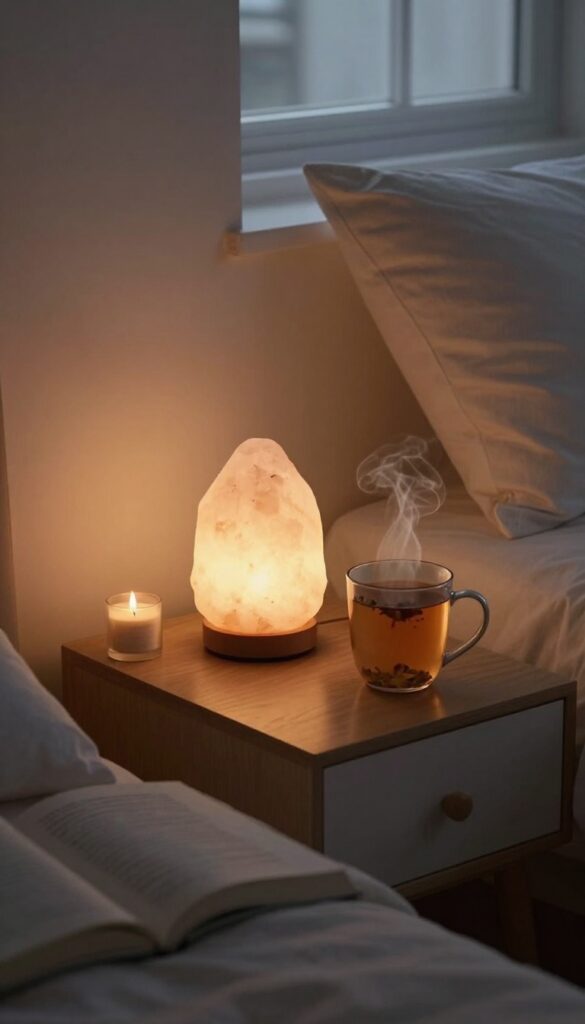
Evenings set the tone for how well you sleep and how you feel the next morning. A wind-down ritual is a deliberate way to transition from the busyness of the day to a state of rest. It doesn't have to be elaborate—just a few calming steps you do consistently.
Your brain craves cues. When you repeat the same relaxing activities each night, your nervous system learns to shift into rest mode. This makes falling asleep easier and improves sleep quality.
Pick Your Calming Activity
Choose something that genuinely relaxes you. Herbal tea (chamomile, lavender), light reading (fiction, poetry), or a short guided meditation all work well. Avoid screens at least 30 minutes before bed.
Keep It Short And Consistent
Your ritual doesn't need to be long. Even 10 minutes is enough. The key is doing it at the same time and in the same order each night.
Consistency trains your body to expect rest.
Set The Mood
Dim the lights, lower the thermostat, and maybe light a candle or use a salt lamp. A calm environment amplifies the relaxation response. Soft music or nature sounds can also help.
FAQ
How many of these habits should I try at once?
Start with one or two that resonate most. Trying all 15 at once can feel overwhelming. Once those become automatic, add another.
Can I customize these habits to fit my schedule?
Absolutely. Adjust the timing, duration, or order to suit your lifestyle. The goal is consistency, not perfection.
What if I miss a day?
Don't stress. Self-care is about progress, not perfection. Simply pick up where you left off the next day.
Do I need any special equipment for these habits?
No. Most require nothing more than a few minutes of your time. A notebook, water bottle, or essential oil diffuser are optional extras.
How long until I notice a difference?
Many people feel calmer within a few days. For lasting change, give yourself at least two weeks of consistent practice.
Conclusion
A more peaceful day is within reach when you weave small self-care habits into your routine. You don't have to overhaul your entire life—just start with one or two of these ideas and see how they feel. Over time, these small actions add up to a calmer, more centered you.
Remember, self-care isn't selfish. It's the foundation that allows you to show up fully for everything else. So pick a habit, give it a try, and enjoy the quiet transformation it brings.