You step into the shower, and within minutes, you're lathering up without a second thought. But what if those few minutes before the water hits could make a real difference? A little prep work can transform your shower from a simple rinse into a targeted beauty treatment.
Think of it as priming your canvas. Just like you wouldn't paint without prepping the wall, your skin and hair benefit from a few intentional steps beforehand. These pre-shower habits help lock in moisture, boost circulation, and ensure your products work harder.
Ready to upgrade your routine? Here are 25 pre-shower practices that will leave you with noticeably smoother skin and healthier hair.
1. Dry Brush Your Entire Body
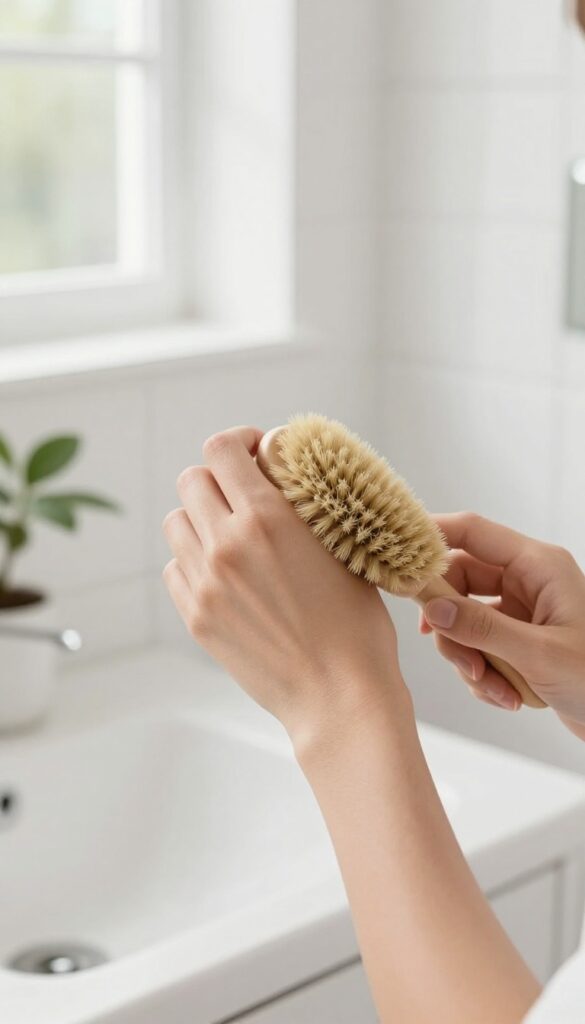
Before the water runs, grab a natural bristle brush and start at your feet. Work upward in long, gentle strokes toward your heart. This simple habit sloughs off dead skin cells, wakes up your circulation, and preps your skin to soak up moisturizer like a sponge.
Dry brushing isn't just for that satisfying tingle. It physically removes the top layer of dull, flaky skin, so your post-shower lotion can penetrate deeper. The upward motion also supports lymphatic drainage, which can help reduce puffiness over time.
Choose The Right Brush
Look for a brush with natural bristles—synthetic ones can be too harsh. A long-handled brush helps you reach your back, but a smaller hand brush works fine for arms and legs. Avoid wetting the brush; keep it bone-dry.
Master The Technique
Start at your feet and brush upward in long, smooth strokes. Always move toward your heart. Use light pressure on sensitive areas like your inner thighs and stomach.
Spend about 2-3 minutes total, and never brush over broken skin or rashes.
Best Timing And Frequency
Dry brush right before your shower, while your skin is still dry. Aim for 2-4 times a week. Doing it daily can irritate sensitive skin, so listen to your body.
After brushing, hop in the shower and follow with a gentle cleanser.
2. Apply a Hair Mask to Dry Hair
Most of us slap a hair mask on in the shower, but you're missing out on its full potential. Applying it to dry hair before you step in lets the ingredients really sink in, especially when the steam opens up your hair cuticles. It's a simple switch that makes a big difference.
Work a generous amount of your favorite hair mask through dry, unwashed hair, focusing on the mid-lengths and ends. Don't be shy—coat each strand evenly. Once you're in the shower, the warm steam helps the mask penetrate deeper, leaving your hair softer and shinier than if you applied it to wet hair.
Leave it on for 5–10 minutes while you wash your body or shave, then rinse thoroughly.
Why Dry Hair Works Better
Dry hair is more porous than wet hair, meaning it can absorb more of the mask's good stuff. Water already fills up some of those gaps, so applying a mask to wet hair dilutes the product and reduces its effectiveness. Start dry, and you'll get maximum nourishment.
How To Apply Without The Mess
Section your hair into four parts and apply the mask with a wide-tooth comb or your fingers. Clip each section up as you go. This keeps the product contained and ensures every strand gets coated.
Pro tip: wear an old t-shirt to protect your clothes from drips.
Best Masks For Pre-shower Use
Look for masks with rich, buttery ingredients like shea butter, coconut oil, or argan oil. Avoid lightweight formulas meant for quick rinsing—they won't give you the same deep conditioning. A thick, creamy mask is your best bet for this technique.
3. Massage Your Scalp with Oil
Think of this as a mini spa session before you even step in. Warming a few drops of oil and massaging your scalp isn't just relaxing—it wakes up your hair follicles and preps your scalp for a deeper clean. The massage boosts blood flow, which can help nutrients reach your roots, and the oil gently loosens buildup without stripping your natural moisture.
A quick scalp massage with oil before your shower can make a big difference over time. It helps balance oil production, reduces dryness, and leaves your hair feeling softer and more manageable. Plus, it's a great way to unwind after a long day.
Choose The Right Oil
Jojoba oil is lightweight and closely mimics your scalp's natural sebum, making it great for most hair types. Coconut oil is richer and works well for dry or coarse hair. Warm a few drops between your palms so it spreads easily.
The Massage Technique
Use your fingertips (not nails) to make small circular motions across your entire scalp. Focus on the crown, temples, and the nape of your neck. Spend about 5 minutes doing this—it doesn't have to be perfect, just consistent.
Leave It On Before Shampooing
Let the oil sit for at least 10 minutes before you hop in the shower. This gives it time to sink in and break down any product buildup. When you shampoo, you'll still get a thorough clean without over-drying your scalp.
4. Use a Gentle Face Oil or Balm
Before you step into the shower, take a moment to massage a thin layer of facial oil or cleansing balm onto your dry skin. This simple step is a game-changer for removing makeup and sunscreen without harsh scrubbing. As the steam builds up, it gently melts the product, allowing your regular cleanser to work more effectively.
Why It Works
The steam from your shower acts as a gentle heat source, softening the oils and balms so they break down stubborn makeup and sunscreen. This pre-treatment means you don't have to scrub your face aggressively, reducing irritation and redness.
How To Apply
Start with clean, dry hands. Dispense a small amount of oil or balm and warm it between your fingers. Gently massage it over your face in circular motions, focusing on areas with heavy makeup.
Let it sit for a minute or two before stepping into the shower.
Best Products To Use
Look for non-comedogenic oils like jojoba, grapeseed, or squalane, which won't clog pores. Cleansing balms with ingredients like shea butter or coconut oil are also great options. Avoid anything with harsh fragrances if you have sensitive skin.
5. Do a Quick Lymphatic Drainage

Your face can look puffy in the morning, especially around the eyes and jawline. That's often due to fluid buildup, and a quick lymphatic drainage routine before your shower can help move things along. It's gentle, takes just a couple of minutes, and sets the stage for a more radiant complexion.
Using your fingertips or a gua sha tool, apply light pressure and stroke from the center of your neck outward toward your collarbone. Repeat several times. This encourages lymph fluid to flow toward your lymph nodes, reducing puffiness and helping your body flush out toxins.
Do this on clean, dry skin before you step into the shower.
Why It Works
Your lymphatic system doesn't have a pump like your heart; it relies on movement and muscle contractions. Gentle, rhythmic strokes stimulate lymph flow, which can decrease swelling and improve skin clarity. Doing it before a warm shower helps because the heat will further encourage circulation.
How To Do It Right
Start at the base of your neck, just above your collarbone. Use your index and middle fingers or the flat edge of a gua sha tool. Stroke downward toward your collarbone with light to medium pressure—never hard enough to cause pain.
Repeat 5-10 times on each side. Then move to your face: from the center of your forehead out toward your temples, then from your nose out toward your ears, and finally from your chin up along your jawline.
Best Tools For The Job
A stainless steel or jade gua sha tool works well, but your fingers are just as effective. If you use a tool, keep it cool by storing it in the fridge for an extra de-puffing effect. You can also apply a few drops of facial oil to reduce friction.
6. Stretch Your Neck and Shoulders
Your neck and shoulders carry a lot of tension, especially if you've been hunched over a screen all day. Taking two minutes to stretch before the shower can release that tightness, which often leads to headaches and poor posture. A relaxed upper body also helps your skin and hair products absorb better, since blood flow improves when muscles aren't clenched.
Simple neck rolls and shoulder shrugs are all you need. Start by gently rolling your head in a circle, first clockwise, then counterclockwise. Then lift your shoulders toward your ears, hold for a few seconds, and drop them with a sigh.
Repeat five times. This small routine sets a calm tone for your shower and primes your body for self-care.
Why It Matters
Tension in the neck and shoulders can restrict blood flow to your scalp and face. By stretching, you increase circulation, which means more oxygen and nutrients reach your hair follicles and skin cells. Plus, a relaxed body signals your nervous system to shift into rest-and-digest mode, reducing stress hormones that can trigger breakouts or hair thinning.
How To Do It Right
Stand with your feet hip-width apart and arms hanging loose. Inhale as you lift your shoulders, exhale as you drop them. For neck rolls, move slowly and don't force it—just let gravity do the work.
If you feel any sharp pain, stop. The goal is gentle release, not a deep stretch.
Make It A Habit
Pair this stretch with something you already do, like turning on the shower or taking off your clothes. Soon it'll become automatic. Even 30 seconds is enough to make a difference.
Over time, you'll notice fewer headaches, better posture, and a calmer mind before you even get wet.
7. Apply a Sugar or Salt Scrub
Exfoliating before you even turn on the water can feel like a small extra step, but it pays off big time. A dry body scrub sloughs off dead skin cells that can make your skin look dull and feel rough. Plus, it preps your skin so your shave is smoother and your lotion sinks in deeper.
Mix about half a cup of sugar or salt with enough carrier oil (like coconut, jojoba, or almond oil) to make a thick paste. Stand over a towel or in the dry shower and gently massage the scrub onto your skin in circular motions, focusing on rough areas like elbows, knees, and heels. Spend about two minutes total, then step into the shower and rinse.
The oil will leave your skin feeling soft and hydrated.
Sugar Vs. Salt: Which One To Pick
Sugar granules are finer and gentler, making them ideal for sensitive skin or areas like your chest and arms. Salt is coarser and provides a deeper scrub, perfect for tougher spots like feet and knees. If you have any cuts or irritation, stick with sugar to avoid stinging.
Best Carrier Oils For Your Scrub
Coconut oil is a popular choice because it smells great and moisturizes well, but it can feel heavy. Jojoba oil is lighter and closer to your skin's natural sebum, while almond oil is rich in vitamin E. Pick one based on your skin type and preference.
How Often To Scrub
Aim for once or twice a week depending on your skin's sensitivity. Over-exfoliating can strip your skin's natural barrier and cause irritation. If your skin feels tight or looks red after scrubbing, scale back to once a week.
8. Use a Pre-Shampoo Treatment
Your hair takes a beating every time you shampoo—stripping natural oils and leaving it prone to frizz. A pre-shampoo treatment adds a protective layer that keeps your strands happy and hydrated. It's a game-changer for curly, dry, or color-treated hair.
Before you wet your hair, apply a generous amount of pre-shampoo conditioner or plain coconut oil from mid-lengths to ends. Let it sit for 10-15 minutes while you do other pre-shower steps. This barrier prevents shampoo from over-drying your hair and helps maintain moisture balance.
Rinse thoroughly before shampooing as usual.
Why It Works
Shampoo is designed to remove dirt and oil, but it can be too effective, stripping your hair's natural moisture. A pre-treatment coats the hair shaft, so the shampoo primarily cleans your scalp while leaving the lengths protected. This reduces frizz and breakage, especially for textured or chemically treated hair.
Best Products To Use
You can use a dedicated pre-shampoo conditioner, coconut oil, or even olive oil. Coconut oil is especially good because it penetrates the hair shaft and reduces protein loss. For fine hair, stick to lighter oils like argan or jojoba to avoid weighing it down.
How Long To Leave It On
Ten to fifteen minutes is plenty for most hair types. If your hair is very dry or damaged, you can leave it on for up to 30 minutes. For a quick boost, even five minutes makes a difference.
Just don't leave it on overnight unless you want a greasy mess.
9. Hydrate with a Glass of Water
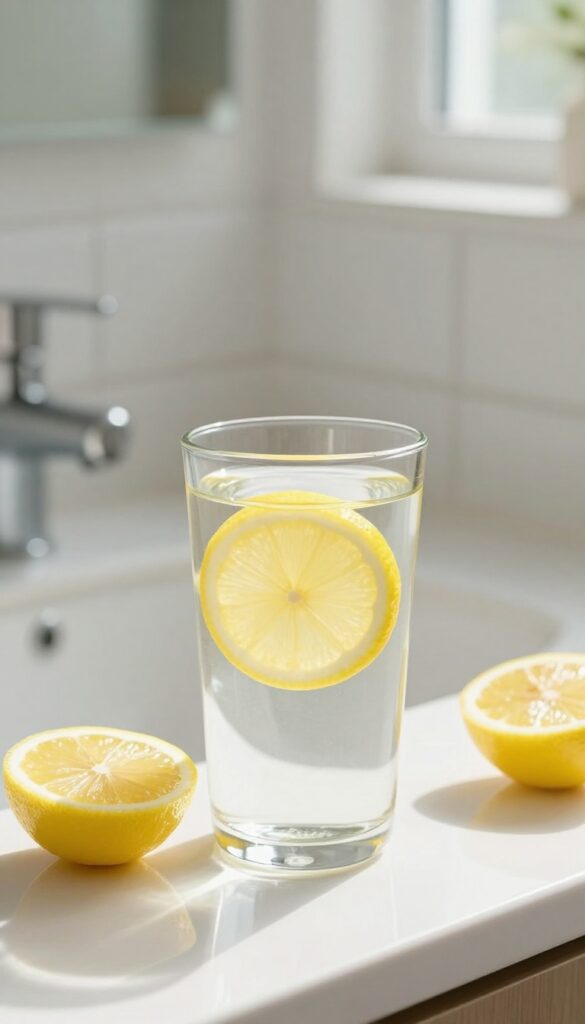
Before you even turn on the faucet, grab a glass of water and drink it down. It sounds simple, but internal hydration is a game-changer for your skin and hair. When you're well-hydrated, your skin stays plump and elastic, and your body can regulate temperature more easily during the shower.
Why It Matters
Your skin is your largest organ, and it needs water from the inside out. Drinking water before a shower helps counteract the moisture loss that happens when hot water hits your skin. It also supports blood flow, so nutrients reach your skin cells more effectively.
How To Make It A Habit
Keep a reusable water bottle in your bathroom or set a reminder on your phone. Aim for 8–12 ounces about 10 minutes before you shower. If plain water bores you, add a slice of lemon or cucumber for a refreshing twist.
The Ripple Effect
Staying hydrated doesn't just benefit your skin—it also helps your scalp produce natural oils that keep hair soft and shiny. Plus, you'll feel more energized and less likely to experience dizziness from the steam.
10. Brush Your Hair Gently
Most of us rush through brushing, but taking a minute to detangle before the shower can save your strands. A gentle brush helps loosen dirt, remove knots, and spread your scalp's natural oils down the hair shaft. This simple step reduces breakage and makes washing more effective.
Choose The Right Tool
A wide-tooth comb or a detangling brush is your best friend here. These tools glide through hair without yanking or snapping strands. Avoid fine-tooth brushes on wet or tangled hair—they can cause split ends and unnecessary stress.
Start From The Ends
Work your way up from the tips to the roots. This technique prevents pulling out knots from the top, which can lead to breakage. Be patient and gentle, especially if your hair is curly or prone to tangles.
Boost Natural Shine
Brushing before the shower distributes sebum from your scalp to the ends, giving your hair a natural gloss. It also stimulates blood flow to the scalp, which can promote healthier growth over time. A few extra strokes make a big difference.
11. Apply a Foot Scrub or Soak
Your feet work hard all day, but they rarely get the spotlight in your shower routine. Giving them a quick scrub or soak before you step in can soften calluses, ease tiredness, and prep them for smoother shaving or moisturizing later. It's a small step that makes a big difference for how your feet look and feel.
Before you turn on the water, take a couple of minutes to treat your feet. A foot scrub with fine pumice or sugar granules sloughs off dead skin, while a warm soak with Epsom salts relaxes muscles and softens rough patches. This pre-shower prep helps your feet absorb moisture better and reduces the chance of nicks if you shave them afterward.
Why It Works
Warm water and Epsom salts loosen dead skin cells and soften calluses, making them easier to buff away. The salt also draws out toxins and reduces swelling, leaving your feet feeling lighter. Plus, the warmth increases blood flow, which helps any moisturizer you apply later sink in deeper.
How To Do It
Fill a basin with warm water and add a handful of Epsom salts or a few drops of your favorite essential oil. Soak your feet for 5–10 minutes while you set up the rest of your shower. After soaking, use a foot scrub or a pumice stone to gently exfoliate heels and balls of your feet.
Rinse off before stepping into the shower.
Extra Tips
If you're short on time, skip the soak and just apply a foot scrub directly to dry feet—the friction helps exfoliate. For extra softness, follow up with a thick foot cream after your shower. Doing this a few times a week keeps calluses under control and your feet smooth.
12. Use a Clay Mask on Your Face
Clay masks are great for drawing out impurities, but using them in the shower takes their power up a notch. The steam opens your pores, letting the clay penetrate deeper and pull out more gunk. It's like giving your face a mini detox before you even wash it.
Just apply a thin layer to clean, dry skin before stepping in. The warmth and humidity do the heavy lifting, so you don't need to leave it on as long. Five to ten minutes is plenty.
Rinse off in the shower, and you'll notice a clearer, smoother complexion.
Clay masks are great for drawing out impurities, but using them in the shower takes their power up a notch. The steam opens your pores, letting the clay penetrate deeper and pull out more gunk. It's like giving your face a mini detox before you even wash it.
Just apply a thin layer to clean, dry skin before stepping in. The warmth and humidity do the heavy lifting, so you don't need to leave it on as long. Five to ten minutes is plenty.
Rinse off in the shower, and you'll notice a clearer, smoother complexion.
Why Clay Works Better With Steam
Steam is your skin's best friend when it comes to clay masks. It softens the pores and loosens debris, so the clay can absorb more oil, dirt, and dead skin cells. The result?
A deeper clean without harsh scrubbing. Plus, the heat boosts blood flow, giving you a healthy glow.
Best Clays For Different Skin Types
Not all clay is created equal. For oily or acne-prone skin, bentonite or kaolin clay is a solid choice—they soak up excess oil and tighten pores. If you have dry or sensitive skin, go for French green clay or rhassoul clay; they're gentler and still draw out impurities without stripping moisture.
How To Apply And Time It Right
Start with a clean, dry face. Use a brush or your fingers to spread an even, thin layer—avoid the eye area. Hop in the shower and let the steam work its magic.
Keep it on for 5 to 10 minutes; if it starts to crack, it's time to rinse. Use warm water and a soft cloth to remove it gently.
13. Do a Quick Body Stretch Sequence
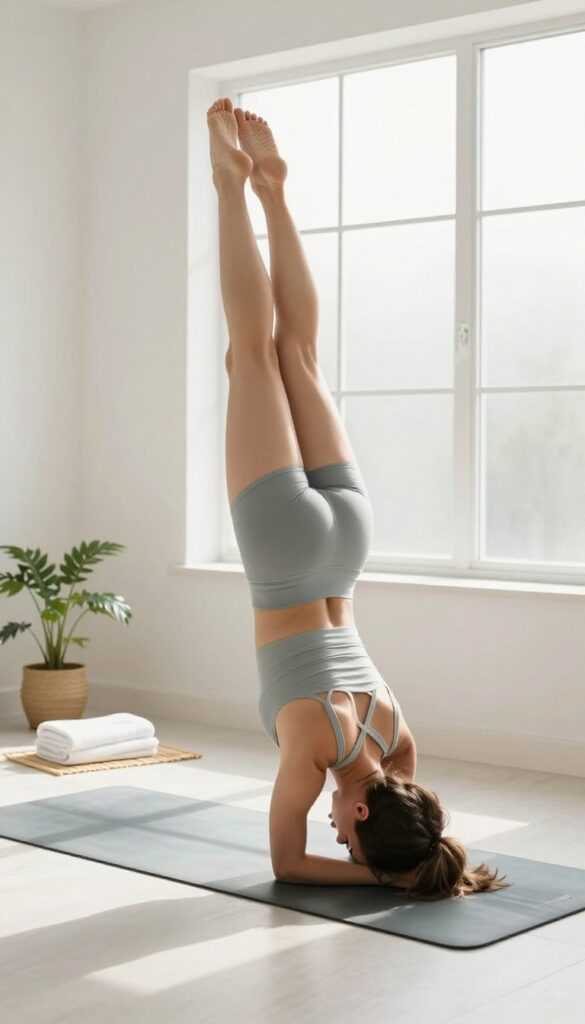
Your muscles hold tension from the day, and that can show in your skin. A few gentle stretches before the shower wake up circulation and help your skin look more alive. It also loosens tight spots so you feel more relaxed before the water even hits.
Simple yoga stretches like forward folds or cat-cow loosen tight muscles and improve circulation. This helps your skin glow and reduces muscle soreness.
Forward Fold For Blood Flow
Stand with feet hip-width apart, then slowly hinge at your hips to fold forward. Let your head hang heavy. This pose sends fresh blood to your face and scalp, giving you a natural flush.
Hold for 30 seconds while breathing deeply.
Cat-cow For Spine And Shoulders
Get on all fours with wrists under shoulders and knees under hips. Inhale as you drop your belly and lift your head (cow pose). Exhale as you round your spine and tuck your chin (cat pose).
Repeat 10 times to release back and shoulder tension.
Neck Rolls To Release Tension
Stand or sit tall. Slowly roll your head in a circle, starting with your chin to chest, then ear to shoulder, and back. Do 5 rolls in each direction.
This loosens neck muscles that often hold stress, helping you feel more centered.
14. Apply a Lip Balm or Scrub
Your lips often get neglected in the shower, but they can benefit big time from a little pre-steam treatment. The humidity softens dry flakes and helps balms penetrate deeper. Try a thick lip mask or a gentle scrub before you step in.
Slather on a thick lip balm or use a gentle lip scrub. The humidity helps soften chapped lips, and you can wipe away dead skin after the shower.
Why It Works
Steam opens up pores and softens the outer layer of skin, making it easier to slough off dead cells. Lip balms with ingredients like shea butter or lanolin lock in moisture while you shower.
How To Do It
Apply a generous layer of balm or a sugar-based scrub to clean lips. Let it sit while you shower. Afterward, gently rub with a damp cloth to remove flakes, then reapply balm.
Best Products To Try
Look for balms with ceramides or petroleum jelly for intense hydration. For scrubs, DIY sugar and honey mixes work great, or pick a store-bought one with fine granules.
15. Use a Cold Spoon on Puffy Eyes
Waking up with puffy eyes can throw off your whole vibe, but the fix is already in your kitchen drawer. A couple of chilled spoons or a cold jade roller pressed under your eyes for just a minute can work wonders. The cold constricts blood vessels, which reduces swelling and gives your eye area a brighter, more awake look.
It's a simple trick that takes almost no time and sets a refreshing tone for your shower.
This pre-shower step is all about de-puffing and refreshing the delicate skin around your eyes. The cold temperature helps reduce inflammation and can even make your eye cream absorb better afterward. Plus, it feels amazing—like a mini spa moment before you even step into the water.
Why Cold Works
Cold temperatures cause blood vessels to constrict, which reduces fluid buildup and inflammation. That's why a chilled spoon or jade roller can quickly calm puffy eyes. The effect is temporary but perfect for giving you a fresh start before your shower.
How To Do It Right
Pop two metal spoons in the fridge for a few minutes—or keep a jade roller in the freezer. Gently press the curved side of the spoon under your eyes, starting from the inner corner and moving outward. Hold for about 10 seconds per spot, then repeat.
Do this for one minute total.
Make It A Mini Ritual
While you're at it, take a few deep breaths and close your eyes. This little moment of calm can help you start your shower routine feeling more centered. You can even add a drop of eye serum before the cold treatment for extra benefits.
16. Apply a Leave-In Conditioner to Ends
If your hair tends to feel straw-like or frizzy after washing, this trick is a game-changer. By applying a lightweight leave-in conditioner to your ends before you even step in the shower, you create a protective barrier that reduces the stripping effect of shampoo. It's a simple step that makes a big difference for dry or damaged hair.
This pre-shower step is especially helpful if you have color-treated or heat-styled hair. The leave-in conditioner acts as a buffer, so your shampoo can cleanse your scalp without leaving your ends feeling parched. Just focus on the last few inches of your hair, where damage is most common.
Why It Works
Shampoo is designed to remove dirt and oil, but it can also strip away natural moisture from your ends. A leave-in conditioner adds a layer of hydration and protection, so your hair stays softer and less prone to breakage.
How To Apply
Start with dry or slightly damp hair. Squeeze a pea-sized amount of leave-in conditioner into your palms, rub them together, and gently work it through your ends. Avoid the roots to prevent greasiness.
Then hop in the shower and wash as usual.
Best Products To Use
Look for lightweight, water-based formulas that won't weigh your hair down. Ingredients like argan oil, shea butter, or glycerin are great for moisture without buildup. Avoid heavy creams if you have fine hair.
17. Do a Quick Face Massage
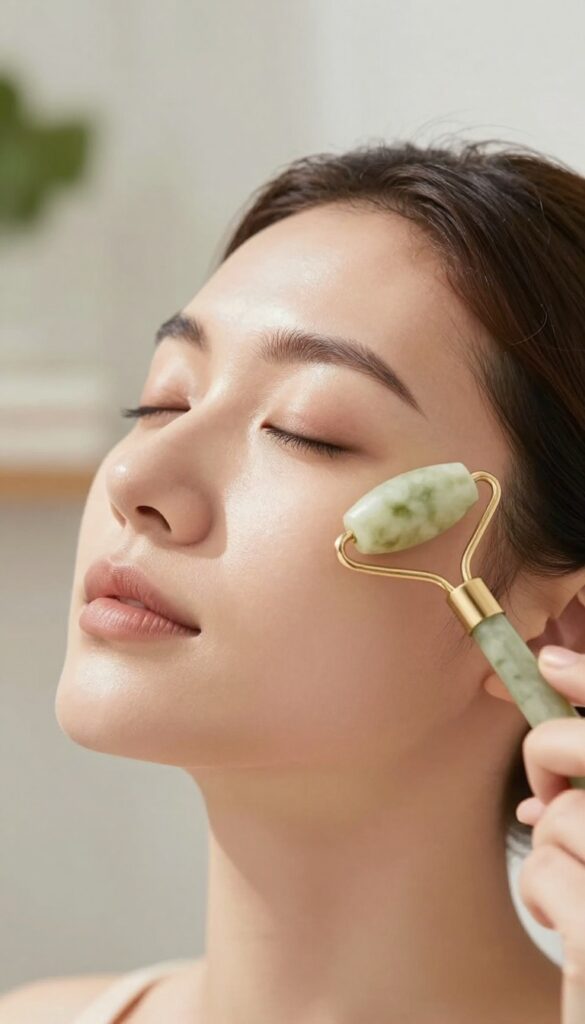
Your face holds tension just like your shoulders, and a quick massage before the shower can work wonders. It wakes up your skin, gets the blood flowing, and helps your products sink in deeper. Plus, it feels amazing and takes less than two minutes.
Using your knuckles or a facial roller, gently press and sweep upward along your jaw, cheeks, and forehead. Focus on areas where you hold stress, like your temples and between your brows. This simple habit can reduce puffiness, improve your complexion, and give you a natural glow.
Why It Works
Massaging your face stimulates circulation, which brings oxygen and nutrients to your skin cells. It also helps drain lymphatic fluid, reducing morning puffiness. Over time, it can relax facial muscles that cause tension lines.
Best Tools To Use
A jade or rose quartz roller is cooling and soothing, while a gua sha tool can target deeper tension. If you don't have either, your knuckles work just fine—just keep the pressure gentle and always move upward.
How To Fit It In
Do this right after you apply your pre-shower oil or mask. Spend 30 seconds on each area: jaw, cheeks, forehead, and neck. You can even do it while your conditioner sets.
18. Use a Body Oil on Dry Patches
Dry elbows, knees, and heels can feel rough and look ashy, even after a good scrub. The trick is to treat them before the water even hits. Applying body oil to these stubborn areas right before you step in creates a protective barrier that locks in moisture as the warm water opens your pores.
A few drops of body oil on dry patches before your shower can make a noticeable difference. The warm water helps the oil penetrate deeper, leaving those rough spots softer and more hydrated. It's a simple step that takes seconds but pays off in smoother skin.
Why Pre-shower Oil Works
When you apply oil to dry skin before showering, the warm water helps emulsify it slightly, allowing it to sink in rather than just sit on top. This pre-treatment softens the skin and makes it more receptive to your post-shower moisturizer.
Best Oils For Dry Patches
Look for lightweight oils like jojoba, almond, or grapeseed that absorb quickly without feeling greasy. Avoid heavy mineral oils that can clog pores. A few drops is all you need—rub it into elbows, knees, and heels right before you turn on the water.
How To Make It A Habit
Keep a small bottle of body oil in your shower caddy or on the bathroom counter as a visual reminder. After a few days, it becomes second nature. Pair it with a quick dry brush before the oil for an extra exfoliating boost.
19. Try a Scalp Scrub
Your scalp deserves just as much attention as the rest of your skin. Over time, dead skin cells, excess oil, and product residue can build up, clogging hair follicles and leading to itchiness or dull-looking hair. A quick scrub before you shampoo can reset your scalp, making way for healthier growth and a fresher feel.
You don't need anything fancy—a gentle store-bought scrub or a DIY mix of brown sugar and shampoo works beautifully. The granules exfoliate without being too harsh, and the massage boosts blood flow to the roots. Do this once a week, and you'll notice less flakiness and more bounce.
A scalp scrub is like a deep clean for your hair's foundation. It removes buildup that regular shampoo might miss, unclogs follicles, and stimulates circulation. This simple step can reduce itchiness, dandruff, and even help your hair grow stronger and faster.
Just remember to be gentle—scrub with your fingertips, not your nails, and follow with a moisturizing shampoo.
Why It Works
Exfoliating your scalp sloughs off dead skin and product gunk that can weigh hair down. The massaging motion increases blood flow to hair follicles, delivering oxygen and nutrients that promote growth. Plus, a cleaner scalp means your conditioner and treatments can penetrate better.
Diy Vs. Store-bought
A DIY scrub is easy: mix one tablespoon of brown sugar with a dollop of your regular shampoo. The sugar dissolves slightly, so it's gentle. Store-bought options often contain finer particles like jojoba beads or salicylic acid, which are great for sensitive scalps.
Choose based on your skin's tolerance.
How Often To Scrub
Once a week is plenty for most hair types. If you have a very oily scalp or use lots of styling products, you can go up to twice a week. But over-scrubbing can irritate, so listen to your scalp.
Follow up with a hydrating shampoo and conditioner to keep moisture balanced.
20. Apply a Hand Mask or Heavy Cream
Your hands work hard all day, but they rarely get the same pampering as your face. Before you step into the shower, take a minute to give them some love. Slather on a thick hand cream or a specialized hand mask, and let the steam work its magic while you shower.
The heat and humidity from the shower help the product penetrate deeper, leaving your hands incredibly soft and your cuticles hydrated. It's a simple step that makes a big difference, especially during colder months.
Why It Works
Steam opens up pores and softens the outer layer of skin, allowing heavy creams to absorb more effectively. The result is lasting moisture that doesn't wash off easily.
How To Do It
Apply a generous layer of hand cream or a sheet mask designed for hands right before you get in. Put on cotton gloves if you want extra penetration, but bare hands work fine too.
Best Products To Use
Look for creams with shea butter, glycerin, or ceramides. Overnight hand masks are great, but any rich hand cream will do. Avoid anything too watery—you want something that stays put.
21. Use a Steam Inhalation for Sinuses
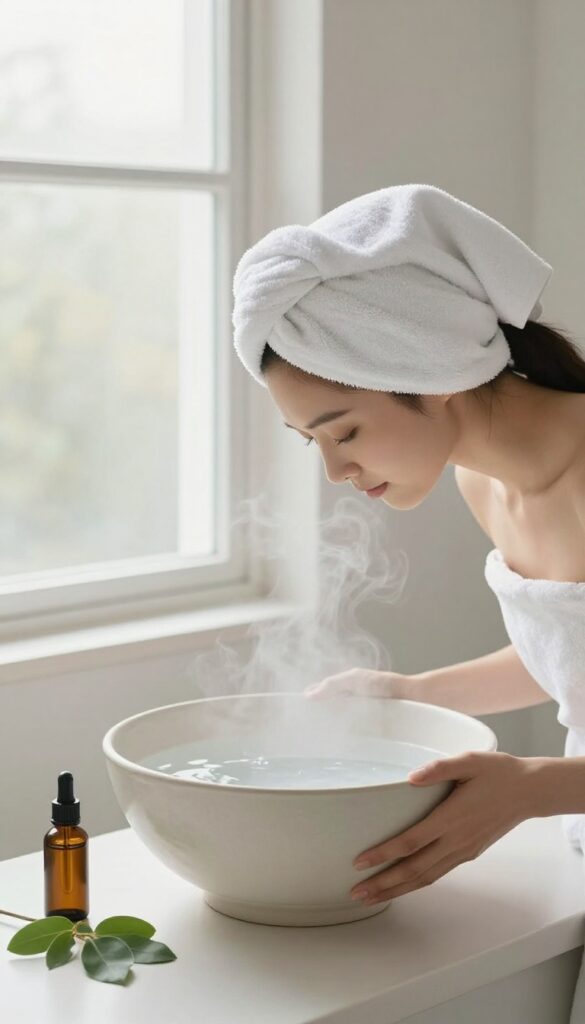
Before you even turn on the shower, give your sinuses a little love. A quick steam inhalation with essential oils can clear congestion and make your whole shower feel more relaxing. It's a simple step that takes just a minute but pays off in breathing easier and feeling more refreshed.
Boil water and pour it into a heat-safe bowl. Add 3–5 drops of eucalyptus or peppermint oil. Lean over the bowl with a towel over your head, and breathe deeply for 60 seconds.
Keep your eyes closed to avoid irritation. The steam opens nasal passages and the oils add a soothing, spa-like aroma that carries into your shower.
Why It Works
Steam loosens mucus and soothes irritated sinuses, while eucalyptus has anti-inflammatory properties and peppermint provides a cooling sensation. Together, they help you breathe deeper and feel more relaxed before you even step under the water.
How To Do It Safely
Always let the water cool slightly before leaning in to avoid burns. Keep your face at least 8–10 inches away from the water. Use a towel to trap the steam but leave an opening for airflow.
Never leave hot water unattended if kids or pets are around.
22. Apply a Self-Tanner or Gradual Tan
Self-tanner can be tricky—streaks, uneven patches, and orange elbows are common frustrations. But applying it before your shower, rather than after, is a game-changer. The steam and warm water help the product develop evenly and naturally, while a quick rinse washes away any excess that could lead to patchiness.
Start with clean, dry skin. Apply your self-tanner or gradual tan lotion all over, focusing on areas that tend to absorb more color like elbows, knees, and ankles. Let it sit for a few minutes—check your product's instructions for exact timing.
Then step into a lukewarm shower. The steam helps the tan develop without harsh lines, and a gentle rinse (no scrubbing) removes any leftover residue. Pat dry, and you'll be left with a smooth, even glow that looks like a natural tan.
Why Before The Shower Works Best
Shower steam opens your pores and creates a warm, humid environment that helps self-tanner develop more evenly. Applying to dry skin ensures the product adheres properly, and rinsing off excess prevents that dreaded streaky look. Plus, you avoid the sticky feeling of wearing tanner all day.
Tips For A Flawless Finish
Exfoliate lightly 24 hours before to remove dead skin cells. Use a mitt or gloves for even application. Don't forget your hands—wash them immediately after applying to avoid orange palms.
And always start with a small amount; you can build up color gradually.
Best Products For Pre-shower Tanning
Look for gradual tan lotions or mousses that specify they can be rinsed off after a few minutes. Foaming formulas often work well because they spread easily. Avoid heavy creams that might not rinse off cleanly.
Some brands even have dedicated pre-shower tanners designed for this method.
23. Do a Quick Meditation or Breathing Exercise
Before you step into the shower, take a moment to center yourself. A short meditation or breathing exercise can calm your mind and reduce stress, which often shows up on your skin as breakouts or dullness. This simple practice sets a mindful tone for your shower, making it a more effective self-care ritual.
Starting your shower with a clear head helps you focus on the sensations and benefits of your routine. Deep breathing lowers cortisol levels, which can decrease inflammation and improve skin clarity. It also enhances blood flow, giving your skin a natural glow before the water even hits.
How To Do It
Stand or sit comfortably in your bathroom. Close your eyes and take five slow, deep breaths—inhale through your nose for four counts, hold for four, then exhale through your mouth for six. Visualize stress leaving your body with each exhale.
Why It Works
Stress triggers the release of cortisol, which can increase oil production and lead to breakouts. By reducing stress before your shower, you help balance your skin's natural state. Plus, a calm mind makes you more likely to take your time and enjoy the process.
Make It A Habit
Keep it simple. You don't need a long session—just two minutes is enough. Pair it with a calming scent like lavender or eucalyptus to deepen the relaxation.
Over time, this pre-shower ritual becomes a cue for your body to unwind.
24. Use a Cuticle Oil or Cream
Your hands work hard all day, but they rarely get the same pampering as your face. Cuticles especially take a beating from constant washing, typing, and exposure to the elements. A quick pre-shower application of cuticle oil or cream can make a noticeable difference in how your nails and surrounding skin look and feel.
Massage cuticle oil into your nail beds before stepping into the shower. The warm water softens cuticles, making them easier to push back and less likely to tear. It also helps the oil penetrate deeper, locking in moisture and preventing hangnails.
For best results, use a rich formula with ingredients like jojoba oil, vitamin E, or shea butter.
Why It Works
Heat and steam open up the nail bed pores, allowing the oil to sink in more effectively. This pre-treatment softens the cuticle without the need for harsh cutting, reducing the risk of infection and promoting healthier nail growth.
How To Apply
Squeeze a drop of cuticle oil onto each nail and massage in circular motions for about 15 seconds. Focus on the base and sides of the nail. Don't rinse off—let the oil sit while you shower, then gently push back cuticles with a wooden stick after.
Best Products To Try
Look for cuticle oils that contain natural emollients like almond oil or lanolin. Creams with ceramides are also great for extra dry hands. Avoid products with alcohol or synthetic fragrances, as they can dry out the skin further.
25. Apply a Body Butter on Rough Spots
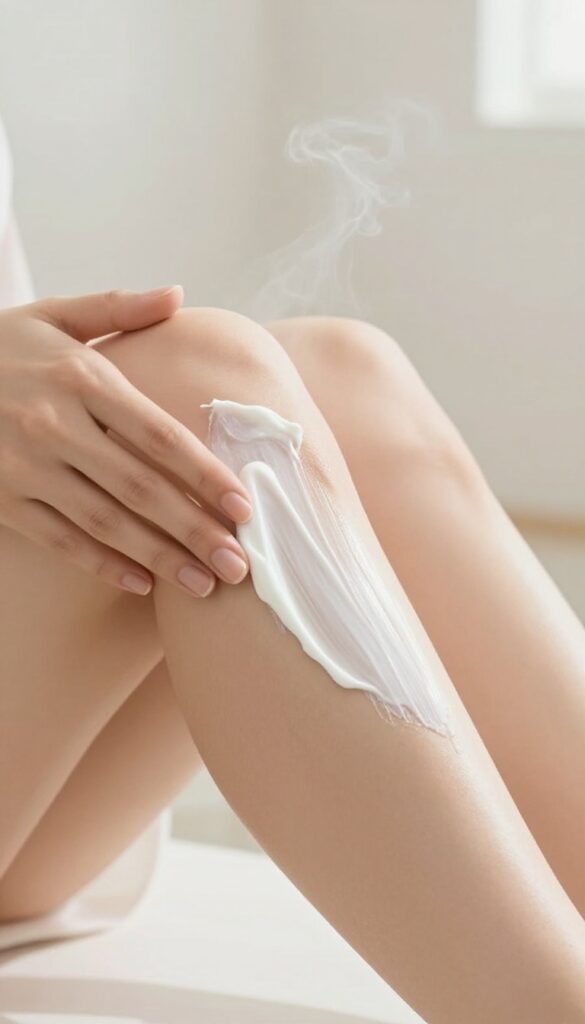
Your knees, elbows, and heels often get neglected, but they're the first to show dryness. A rich body butter applied before your shower can work wonders. The steam and warmth help it melt deep into the skin, delivering intense hydration that lasts all day.
Focus on the roughest patches—knees, elbows, and heels. Massage a generous amount of body butter into these areas, letting it sit for a few minutes before you step in. The steam opens pores and softens the skin, allowing the butter to penetrate deeper.
This simple step prevents flakiness and keeps those spots smooth and supple long after you dry off.
Why Pre-shower Application Works
Applying body butter before the shower might seem counterintuitive, but the steam creates a warm, moist environment that helps the butter absorb more effectively. It's like a mini steam treatment for your driest areas.
Best Body Butters For Rough Spots
Look for butters with shea butter, cocoa butter, or coconut oil as the first ingredient. These are thick and emollient, perfect for targeting rough patches. Avoid lotions with high water content—they won't provide the same intense hydration.
Pro Tip: Exfoliate First
For even better results, gently exfoliate your rough spots before applying the butter. Use a dry brush or a gentle scrub to slough off dead skin cells. This allows the butter to sink in more deeply and leaves your skin incredibly soft.
FAQ
How long should a pre-shower routine take?
It can be as short as 5 minutes or up to 15 minutes if you include masks and massages. Focus on 2-3 steps that target your biggest concerns.
Can I do these practices every day?
Most are safe daily, but exfoliation (dry brushing, scrubs) should be limited to 2-3 times per week to avoid irritation. Listen to your skin.
Do I need special products for pre-shower treatments?
Not necessarily. Many steps use common items like coconut oil, sugar, or your regular conditioner. Invest in a dry brush and a hair mask if you want to level up.
Will a pre-shower routine help with dry skin?
Yes. Applying oil or a mask before showering helps lock in moisture and prevents the hot water from stripping your skin's natural oils.
Can I combine multiple pre-shower steps?
Absolutely. For example, you can dry brush, then apply a hair mask and a face mask, all before stepping in. Just be mindful of time and product layering.
Conclusion
Adding just a few of these pre-shower practices can turn your daily rinse into a mini spa session. Your skin and hair will thank you for the extra attention, and you might find yourself looking forward to that warm water even more. Start with one or two that feel doable, and build from there.
Consistency matters more than perfection. Soon, these small habits will become second nature, and you'll notice the difference every time you step out of the shower.