You just stepped out of the shower, and your skin is still dewy, your hair dripping. That's the perfect moment to set the tone for softness and shine.
These 17 post-shower habits are the small tweaks that make a big difference, whether you're dealing with dry patches or frizz-prone strands. You don't need a fancy routine—just a few mindful moves before you towel off.
Pick the ones that feel right, and you'll notice your skin and hair feel better almost immediately. Let's make your bathroom exit count.
1. Rinse with Cool Water
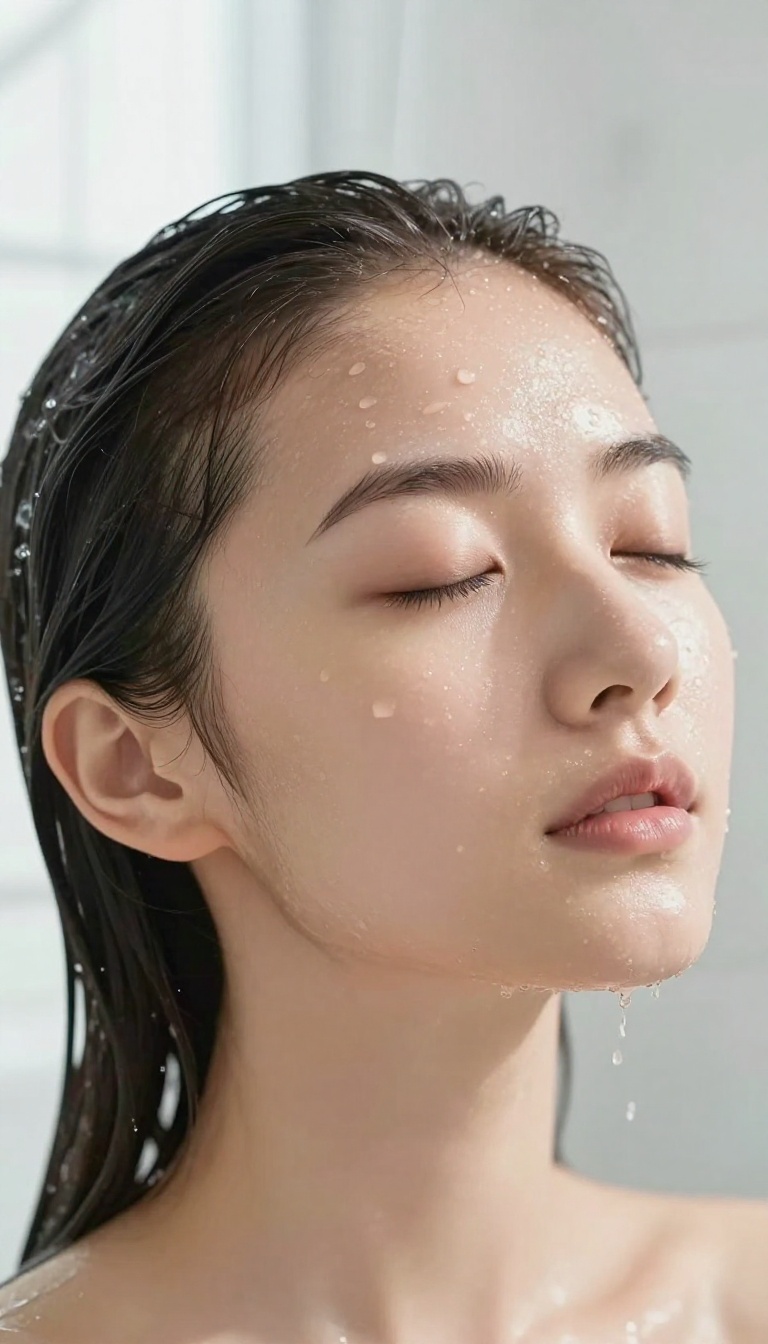
That final blast of cold water might feel like a shock, but it's a game-changer. Cool water helps seal the outer layer of your hair and skin, locking in all the moisture you just absorbed. It also boosts circulation, which gives your complexion a natural glow.
When you switch to cool water at the end of your shower, you're essentially pressing the 'save' button on your hydration. The cool temperature constricts blood vessels, which reduces puffiness and makes your skin look firmer. For hair, it smooths the cuticles, so strands reflect light better and look shinier.
Why Cool Works
Hot water strips away natural oils, leaving skin and hair parched. Cool water doesn't do that—it helps maintain the moisture barrier. It also closes the pores on your skin, which means less dirt and oil can get in right after you clean.
How To Do It Right
You don't need to freeze yourself. Just turn the dial to lukewarm or slightly cool for the last 30 seconds. Focus on your hair and face, then step out.
If you're brave, a full cold rinse is even better, but even a quick cool-down makes a difference.
When To Skip It
If you have a condition like eczema or very sensitive skin, cold water might feel uncomfortable. In that case, just use lukewarm water and pat dry gently. The goal is to avoid hot water, not to force yourself into an ice bath.
2. Pat, Don't Rub, Your Skin Dry
Rubbing your skin with a towel feels efficient, but it's actually doing more harm than good. The friction strips away the natural oils that keep your skin soft and your hair smooth. Instead, switch to a gentle patting motion—your skin will thank you.
When you step out of the shower, your skin is at its most vulnerable. The warm water has opened your pores and softened the outer layer, making it easier to lose moisture. Rubbing with a rough towel creates micro-tears and pulls out essential lipids, leaving your skin tight and flaky.
Patting, on the other hand, lets your skin absorb the water it needs while sealing in that just-showered glow.
Why Rubbing Hurts
Think of your skin as a sponge. When you squeeze a sponge, water comes out. Rubbing does the same to your skin, forcing out moisture and disrupting your barrier.
Over time, this leads to dryness, irritation, and even premature aging. The fix is simple: pat gently, and you'll keep more hydration locked in.
The Right Towel Matters
Not all towels are created equal. Opt for a soft, microfiber or cotton towel that's gentle on your skin. Avoid rough, terry-cloth towels that feel scratchy.
Keep a separate towel for your hair—it's less abrasive and helps reduce frizz.
Patting Technique
Start with your face, using a clean, soft towel or a dedicated face towel. Press the towel against your skin and lift, moving from your forehead down to your neck. For your body, pat in long, sweeping motions, especially on areas prone to dryness like your arms and legs.
Don't forget your hair: gently squeeze out excess water instead of rubbing it between your palms.
3. Apply Body Oil While Still Damp
The trick to truly soft skin is locking in moisture before it evaporates. Right after you step out, your skin is still holding water—that's your window. Smoothing on body oil within three minutes traps that hydration, leaving you with a lasting, healthy glow.
Body oil works best on damp skin because it seals in the water your skin has just absorbed. When you wait until you're completely dry, you're only adding oil on top of already-dry skin, which doesn't hydrate as deeply. The result?
A softer, smoother feel that lasts all day.
Why Damp Skin Works Best
Your skin acts like a sponge right after a shower. Applying oil then helps lock in that moisture, creating a barrier that prevents water loss. This is why your skin feels more supple and stays hydrated longer compared to applying it later.
How To Apply For Even Coverage
Don't just pour oil into your hands and slap it on. Instead, warm a few drops between your palms, then press and glide it over your body in long, upward strokes. Focus on dry areas like elbows, knees, and shins.
A little goes a long way, so start small and add more if needed.
Choosing The Right Oil
Lightweight oils like jojoba, squalane, or grapeseed absorb quickly without feeling greasy. Heavier oils like coconut or shea butter are better for very dry skin or winter months. Look for non-comedogenic options if you're prone to breakouts, and skip anything with added fragrance if your skin is sensitive.
4. Use a Separate Towel for Your Hair
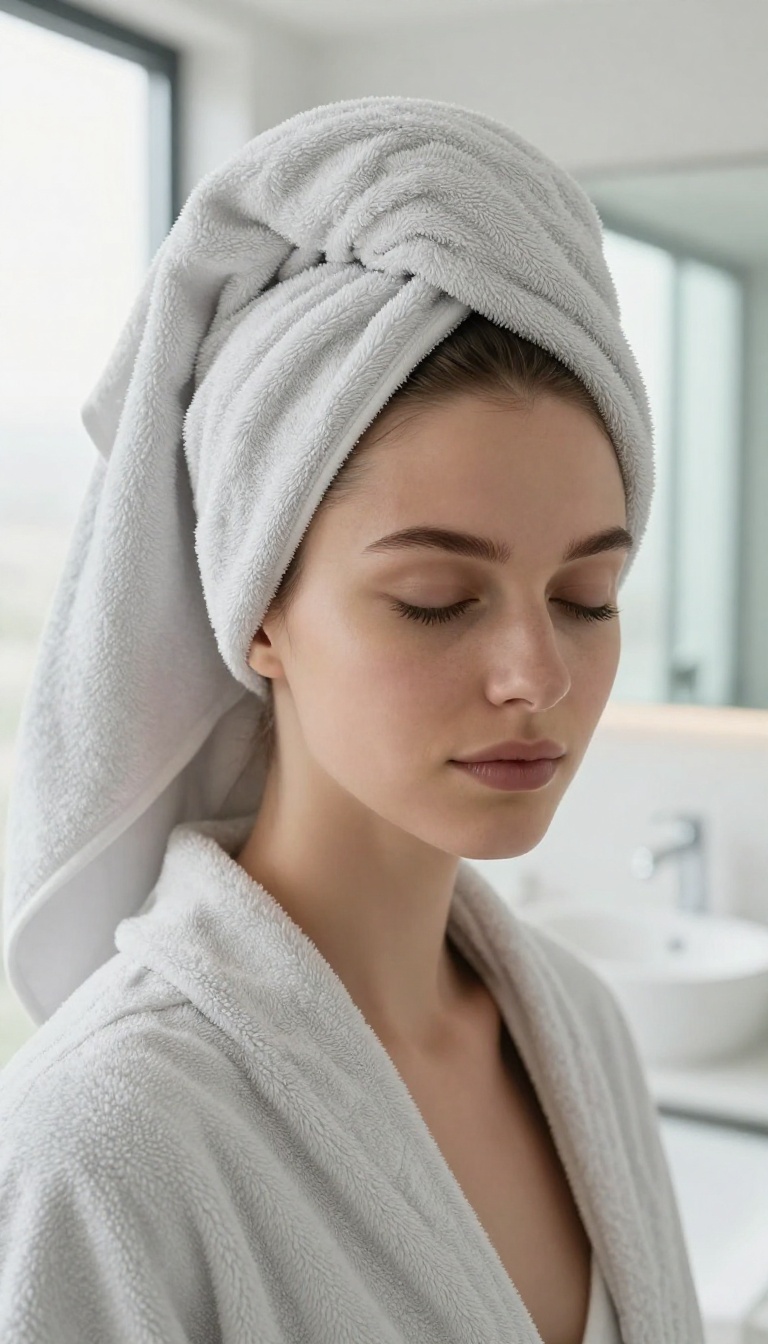
You probably grab the same towel for your body and hair, but that's a missed opportunity. A dedicated microfiber towel is a small upgrade that pays off big. It cuts down on friction, which means less frizz and fewer split ends.
Plus, it's gentler on your strands, so your hair stays smoother and healthier.
Why Microfiber Beats Cotton
Cotton towels have rough fibers that snag on your hair cuticle, causing frizz and breakage. Microfiber is ultra-soft and highly absorbent, so it pulls water out without roughing up your hair. It also dries faster, which means less time rubbing and more time letting your hair air-dry naturally.
How To Use It Right
Skip the vigorous rubbing. Instead, gently squeeze out excess water from your hair, then wrap the towel around your head like a turban. Let it sit for 10–15 minutes to soak up moisture.
This technique reduces friction and keeps your hair cuticles smooth, leading to softer, shinier results.
Keep It Clean And Fresh
Since you're using a separate towel, you can wash it more often without worrying about over-washing your body towel. Microfiber towels should be washed in cold water and air-dried to maintain their absorbency. A clean towel prevents bacteria and product buildup from transferring back onto your hair.
5. Don't Skip the Toner
Toner often gets a bad rap as an extra step you can skip, but it's actually a quick win for post-shower skin. After cleansing, your skin's pH can be thrown off, and toner helps bring it back to balance. That sets the stage for your moisturizer to actually sink in and do its job.
Think of toner as the bridge between cleansing and moisturizing. It sweeps away any leftover residue, tightens pores, and preps your skin to absorb everything you apply next. A few swipes with a cotton pad or even your hands can make a noticeable difference in how soft and calm your skin feels.
Pick The Right Formula
Not all toners are created equal. If your skin is dry or sensitive, look for alcohol-free, hydrating formulas with ingredients like rose water, glycerin, or hyaluronic acid. For oily or acne-prone skin, a gentle exfoliating toner with salicylic acid or witch hazel can help keep breakouts at bay.
Apply While Skin Is Damp
The best time to apply toner is right after you pat your skin dry, while it's still slightly damp. This helps lock in hydration and makes the toner spread more evenly. You can use a cotton pad or just pour a few drops into your palms and press it into your face.
Don't Overdo It
A little goes a long way. Two or three drops are enough for your whole face. If you're using a toner with active ingredients, start with once a day and see how your skin reacts.
Over-toning can strip your skin and lead to irritation, so keep it simple.
6. Lock in Moisture with a Humectant
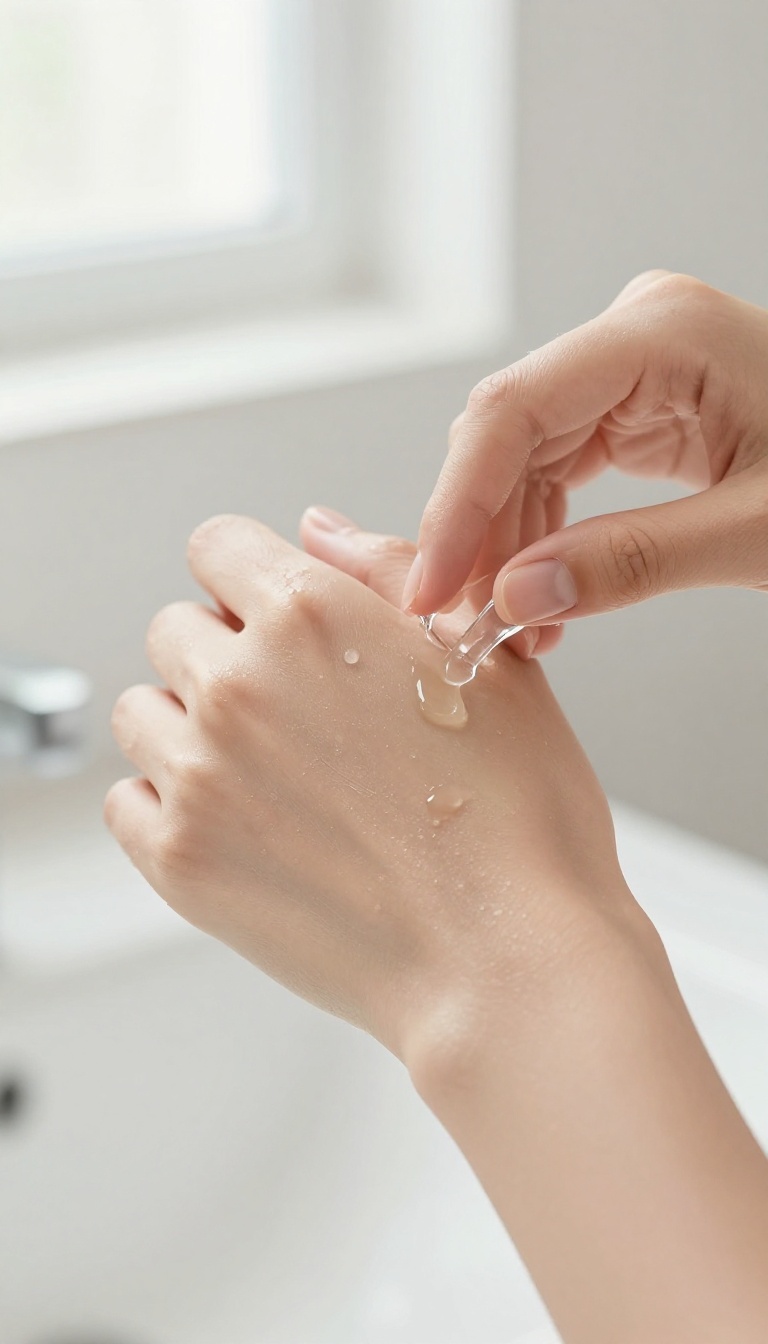
Your skin is most receptive right after a shower, when it's still damp and warm. That's the window to pull water into the deeper layers before it evaporates. Humectants like hyaluronic acid and glycerin are the perfect sidekicks for this job.
Humectants work like little magnets, drawing moisture from the air and the surface of your skin into the deeper layers. Applying them to damp skin right after you step out helps seal in that post-shower hydration, leaving your skin plump and soft. It's a simple step that makes a huge difference, especially if you have dry or dehydrated skin.
Why Damp Skin Matters
When your skin is damp, the humectant can pull that water deeper, rather than pulling moisture from your skin's own reserves. This keeps your skin hydrated longer and prevents that tight, dry feeling that often follows a shower.
How To Apply For Best Results
After gently patting yourself dry, while your skin is still slightly damp, apply a few drops of a hyaluronic acid or glycerin serum. Press it in with your palms, then follow with a moisturizer to lock everything in. This two-step combo is a powerhouse for soft, supple skin.
Don't Forget Your Hair
Your hair loves humectants too. A leave-in conditioner with glycerin or aloe vera can help draw moisture into the strands, taming frizz and adding shine. Apply it to damp hair before styling, and you'll notice a softer, smoother finish.
7. Seal with a Rich Moisturizer
Humectants pull water into your skin, but they can't keep it there on their own. That's where a rich moisturizer comes in—it acts like a lid on a pot, trapping all that hydration. Applying it while your skin is still slightly damp gives it the best chance to work.
After your serum or hydrating toner sinks in, smooth on a cream or lotion with ceramides, shea butter, or squalane. These ingredients create a protective barrier that stops moisture from escaping. Don't forget your neck and chest—they show age just as fast as your face.
Why Damp Skin Matters
When you apply moisturizer on damp skin, you're locking in that extra water. The product spreads more easily and absorbs faster, so you use less and get better results. Wait too long and your skin's surface starts to dry out, making the moisturizer less effective.
Finding Your Formula
Look for rich creams with ingredients like ceramides, shea butter, or squalane. If you have oily skin, a lighter gel-cream works, but still apply it on damp skin. For dry or mature skin, go with a thicker balm or ointment to really seal things in.
Don't Forget Your Body
Your face isn't the only part that needs sealing. Right after patting dry, slather on a body lotion or cream, especially on elbows, knees, and heels. This keeps your whole body soft and prevents that tight, itchy feeling later.
8. Don't Forget Your Neck and Décolletage
Your face gets all the attention, but your neck and chest are often the first to show signs of aging. The skin there is thinner and has fewer oil glands, so it dries out faster and loses elasticity sooner. That's why they deserve the same care as your face, especially right after a shower when your skin is most absorbent.
After you've applied your face serums and moisturizer, don't stop at your jawline. Extend those products down to your neck and chest. This simple habit keeps the area hydrated and can help delay the appearance of fine lines and crepey texture.
Apply Products Upward
When applying moisturizer or serum to your neck, use upward strokes. This helps counteract gravity and encourages lymphatic drainage, which can reduce puffiness. Start at your collarbone and sweep up to your jaw, using your fingertips.
Use The Same Ingredients
Don't save your heavy creams for your face only. Ingredients like hyaluronic acid, peptides, and retinol work just as well on your neck and chest. If you're using a retinol at night, a pea-sized amount is enough to cover the area without irritation.
Don't Skip Sunscreen
If you're heading out after your shower, apply sunscreen to your neck and décolletage just like you would on your face. These areas are constantly exposed to UV rays, and sun damage accelerates aging. A broad-spectrum SPF 30 or higher is a must.
9. Use a Leave-In Conditioner
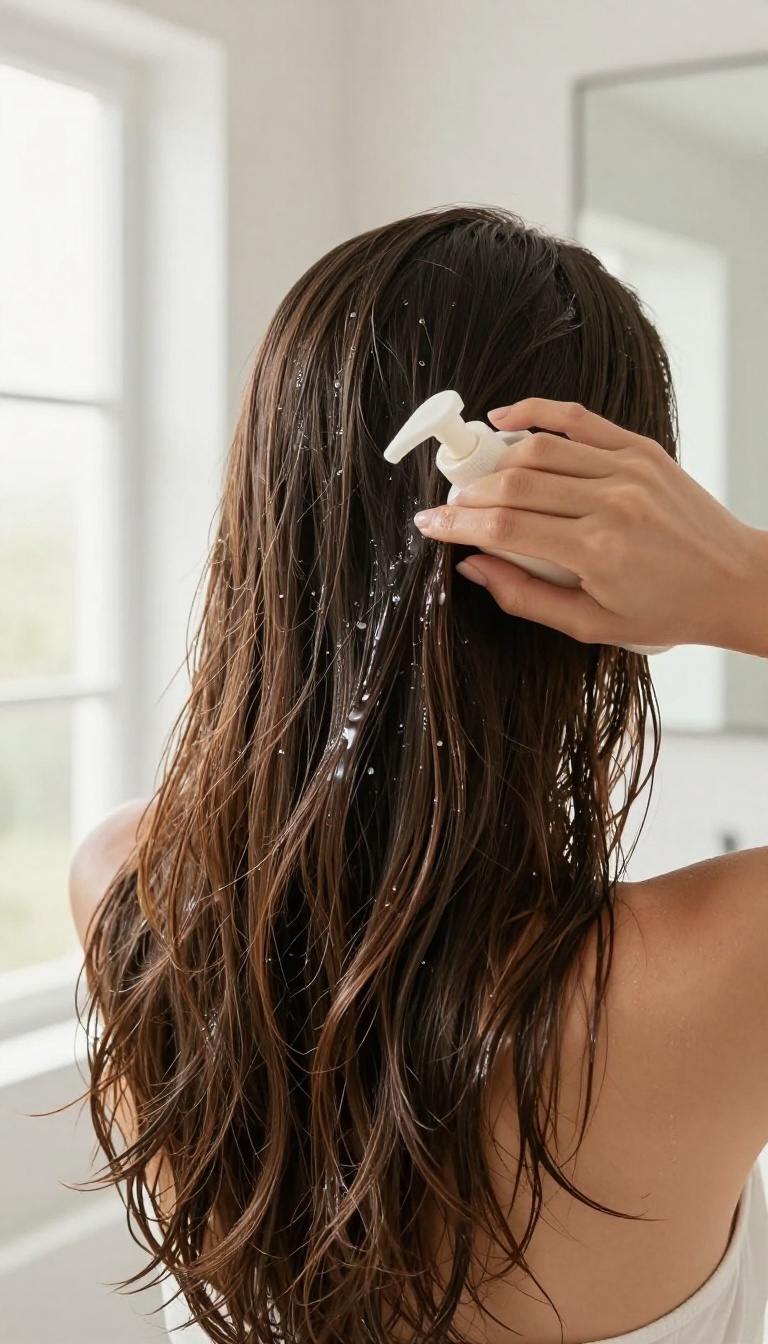
Leave-in conditioners are the unsung heroes of post-shower hair care. They lock in moisture, smooth the cuticle, and prep strands for whatever comes next—whether that's heat styling or air-drying. The trick is to apply it while your hair is still damp, so it soaks in evenly and doesn't weigh things down.
Skipping leave-in conditioner is like skipping moisturizer on your face—your hair misses out on essential hydration. It also acts as a barrier against humidity and heat, so your style lasts longer and looks healthier. Plus, it makes detangling a breeze, saving you from painful tugging and breakage.
Why Damp Hair Matters
When your hair is damp, the cuticles are slightly open, allowing the product to penetrate deeper and seal in moisture. If you wait until it's dry, you'll end up with a greasy or crunchy finish. Aim to apply within a few minutes of stepping out, while your hair is still dripping or just towel-dried.
How Much To Use
A little goes a long way. Start with a quarter-sized amount for medium-length hair, and adjust based on thickness and length. Work it through the mid-lengths and ends, avoiding the roots to prevent buildup.
If your hair is fine, opt for a lightweight spray or mist instead of a heavy cream.
Pick The Right Formula
Not all leave-ins are created equal. Look for ingredients like glycerin, aloe vera, or argan oil for hydration without weight. If you use heat tools often, choose one with heat protection.
For curly or coily hair, a richer formula with shea butter or coconut oil will give you extra softness and definition.
10. Comb Hair Gently with a Wide-Tooth Comb
Wet hair is at its most vulnerable state, and the way you handle it right after a shower can make or break your strands. Reaching for a regular brush while your hair is still soaking is a recipe for breakage and split ends. Instead, keep a wide-tooth comb nearby and treat your hair with a little extra care.
Why Wet Hair Needs Special Handling
When hair is wet, the cuticles swell and the strands become more elastic. That means they stretch and snap more easily than when they're dry. A wide-tooth comb glides through without pulling, reducing the risk of damage.
It's a simple swap that pays off in the long run.
The Right Way To Detangle
Start from the ends and work your way up, holding the section above to minimize tugging. Work in small sections, and don't yank through knots. If you hit a tangle, gently work it out with your fingers or apply a bit of leave-in conditioner for slip.
Patience is key.
Combing Tips For Different Hair Types
For curly or coily hair, detangle while conditioner is still in, using the comb to distribute it evenly. For fine hair, comb before you step out to avoid stretching. And for thick hair, divide into sections to make the process easier.
Always use a wide-tooth comb—it's gentler than a brush or fine-tooth comb.
11. Apply Hair Oil to the Ends
Your hair's ends are the oldest part of your strands, and they've been through a lot—heat styling, brushing, sun exposure. That's why they tend to feel dry and look frayed. A few drops of oil right after you step out of the shower can make a world of difference.
While your hair is still damp, the cuticles are slightly raised, which means they're more receptive to moisture. Sealing them with a lightweight oil locks in hydration and keeps your ends from turning brittle. The result?
Softer, smoother hair that looks healthier overall.
Applying oil to your ends is one of the simplest ways to keep your hair looking and feeling its best. It's a quick step that takes seconds but pays off with long-term benefits.
Why Damp Hair Works Best
When your hair is damp, it's more porous, so the oil can actually penetrate the hair shaft instead of just sitting on the surface. This helps lock in moisture and keeps your ends from drying out as your hair air-dries. Plus, a little goes a long way—just a few drops are enough.
How To Apply It Right
Rub a few drops of oil between your palms, then gently pat or smooth it over the last few inches of your hair. Avoid the roots, as that can make your hair look greasy. Use a wide-tooth comb to distribute it evenly if you need to.
Your ends will soak up the goodness without feeling heavy.
Picking The Right Oil
Argan oil and jojoba oil are great choices because they're lightweight and mimic your hair's natural sebum. They hydrate without weighing your hair down. If your hair is thicker, you might like a slightly richer oil like coconut, but for most hair types, a few drops of argan or jojoba will do the trick.
12. Let Hair Air-Dry When Possible

Reaching for the hairdryer right after a shower is tempting, especially when you're in a hurry. But heat styling is one of the biggest culprits behind dry, brittle hair and split ends. Giving your hair a break from the heat lets it dry naturally, which helps lock in moisture and keeps the cuticle smooth.
Air-drying isn't just for lazy days—it's a smart habit that pays off in the long run. When you skip the heat, you reduce the risk of damage and frizz, and your hair keeps more of its natural shine. Plus, it's a time-saver if you learn to work with your hair's natural texture instead of fighting it.
Why Heat Styling Hurts
High heat strips away the natural oils that keep your hair soft and hydrated. Over time, this leads to dry, dull strands and more breakage. Even low-heat settings can add up, especially if you style daily.
Air-drying gives your hair a chance to recover and keeps its moisture balance intact.
How To Air-dry Without The Frizz
The key is to handle wet hair gently. After a shower, squeeze out excess water with a microfiber towel instead of rubbing. Apply a leave-in conditioner or a few drops of hair oil to damp hair to seal in moisture.
Then let it dry naturally, and resist the urge to touch it too much while it dries.
When Air-drying Isn't The Best Option
There are times when air-drying isn't ideal, like when you're in a rush or have a thick mane that takes forever to dry. In those cases, use a blow dryer on a cool or low setting, and keep it moving to avoid concentrating heat on one spot. But on days when you have time, let your hair dry on its own—it's a simple way to show your strands some love.
13. Moisturize Your Feet and Hands
Your feet and hands work hard all day, but they rarely get the care they deserve. Right after a shower, when your skin is still slightly damp, is the best time to lock in moisture. A quick swipe of cream on these areas prevents dryness, cracking, and that rough, tired look.
It takes less than a minute, and the payoff is soft, smooth skin you'll notice every time you shake hands or slip on sandals.
Why Damp Skin Works Best
Applying moisturizer while your skin is still damp helps trap water in the outer layer. This boosts hydration and makes the cream more effective. You'll use less product and get better results, so don't wait until everything is completely dry.
Pick A Rich Formula For Feet
Feet have thicker skin and need a heavier cream or balm. Look for ingredients like shea butter, urea, or glycerin. Massage it in, focusing on heels and any rough patches.
For an extra treat, put on cotton socks right after to lock in the moisture overnight.
Keep A Light Lotion For Hands
Hands need frequent reapplication, so a lighter lotion works better. Keep a pump bottle near the sink or in your bag. After your shower, apply a small amount and rub it into your cuticles too.
This simple habit keeps your hands looking neat and prevents painful hangnails.
14. Use a Fragrance-Free Lotion on Sensitive Areas
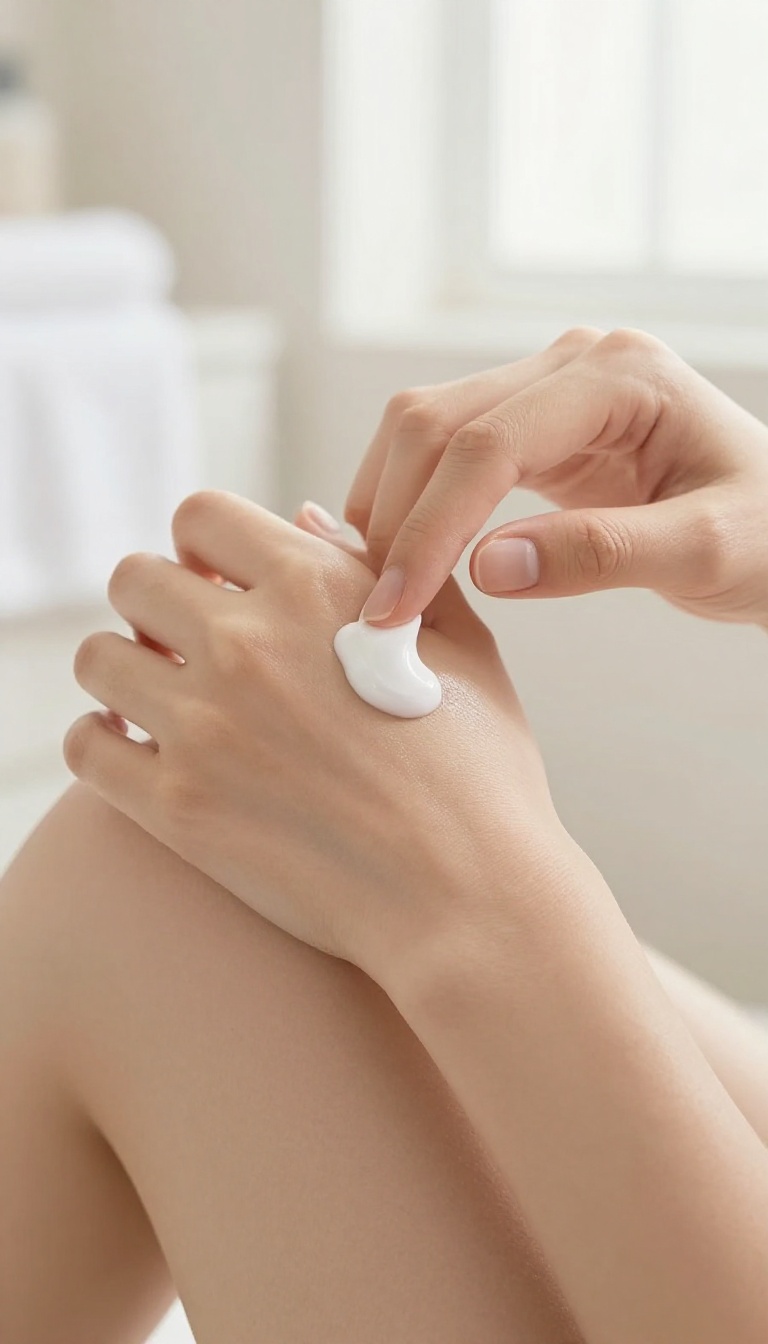
Your elbows and knees can be picky. They see a lot of movement and friction, so they might react to heavily scented lotions. A fragrance-free option is a gentler way to keep them soft without the sting.
Fragrance-free doesn't mean boring. These formulas focus on hydration, not perfume. They're less likely to cause redness or itching, especially right after a shower when your skin is still a bit sensitive.
Look for ingredients like ceramides or shea butter that lock in moisture without irritation.
Why Fragrance-free Matters
Fragrances can be a sneaky culprit behind dry, irritated patches. Even natural essential oils can bother sensitive spots. A fragrance-free lotion skips that risk and goes straight to soothing.
Your skin gets the moisture it needs without the extra chemicals.
How To Apply For Best Results
Don't just slather it on. Take a small amount and gently massage it into your elbows and knees using circular motions. This helps the lotion absorb better and boosts circulation.
Do it while your skin is still slightly damp to lock in extra hydration.
What To Look For
Check the label for words like 'fragrance-free' or 'no perfume. ' Avoid anything with 'parfum' listed. Stick to simple, hydrating ingredients like glycerin, hyaluronic acid, or colloidal oatmeal. These calm and moisturize without the risk of irritation.
15. Give Yourself a Mini Massage
Your post-shower lotion routine can double as a quick massage session. It's not about spa-level technique—just using your hands to work the product in while you wake up your muscles. This extra step helps your skin feel more relaxed and your lotion absorb better.
Massaging your limbs after a shower does more than feel nice. It boosts blood flow, which can help your skin look more radiant and help your body absorb moisturizer more effectively. Plus, it's a simple way to release tension you might be holding in your shoulders, legs, or arms without adding extra time to your routine.
Start With Your Legs
After applying lotion to your legs, use long, upward strokes from your ankles to your thighs. This motion follows the natural direction of blood flow back toward your heart, which can help reduce puffiness and give your legs a more toned appearance. Spend a little extra time on any dry areas like shins or knees.
Don't Skip Your Arms
Your arms work hard all day, so give them some attention too. Use a similar upward motion from your wrists to your shoulders, and gently squeeze your forearms and biceps as you go. This can help relieve tightness from typing or carrying bags, and it feels especially nice after a long day.
Make It A Habit
You don't need to set aside extra time—just incorporate the massage into your regular lotion application. If you're short on time, focus on the areas that feel most tense or dry. Over time, this mini massage can become a calming ritual that signals your body to unwind.
16. Put on a Robe or Cotton Clothes
Once you've dried off and applied your products, the fabric you choose matters more than you'd think. Reaching for something soft and breathable right after your shower helps your skin stay comfortable and calm. It's a simple step, but it can keep your skin from feeling sticky or overheated.
Your skin is still regulating its temperature after a warm shower, and heavy or synthetic fabrics can trap heat and moisture. That's a recipe for sweat bumps or irritation, especially if you're in a hurry. A lightweight cotton robe or loose cotton clothes let your skin breathe and finish cooling down naturally.
Why Cotton Works Best
Cotton is naturally breathable and absorbs any leftover moisture without clinging to your skin. It also doesn't trap heat the way polyester or nylon can, which helps you avoid that post-shower sweat feeling. Plus, it's soft and gentle on damp skin, so you won't irritate freshly exfoliated areas.
Skip The Heavy Fabrics
Fluffy robes and thick towels feel cozy, but they can make you overheat and sweat right after you've dried off. Save those for cooler days or when you're not in a rush. If you're heading out, choose loose cotton separates that let your skin breathe while you get ready.
A Quick Tip For Warm Climates
If you live somewhere hot, consider keeping your robe or post-shower outfit in the fridge for a few minutes before you put it on. The cool fabric feels amazing on just-showered skin and helps your body temperature drop faster. It's a refreshing trick that also keeps your skin from feeling sticky.
17. Drink a Glass of Water
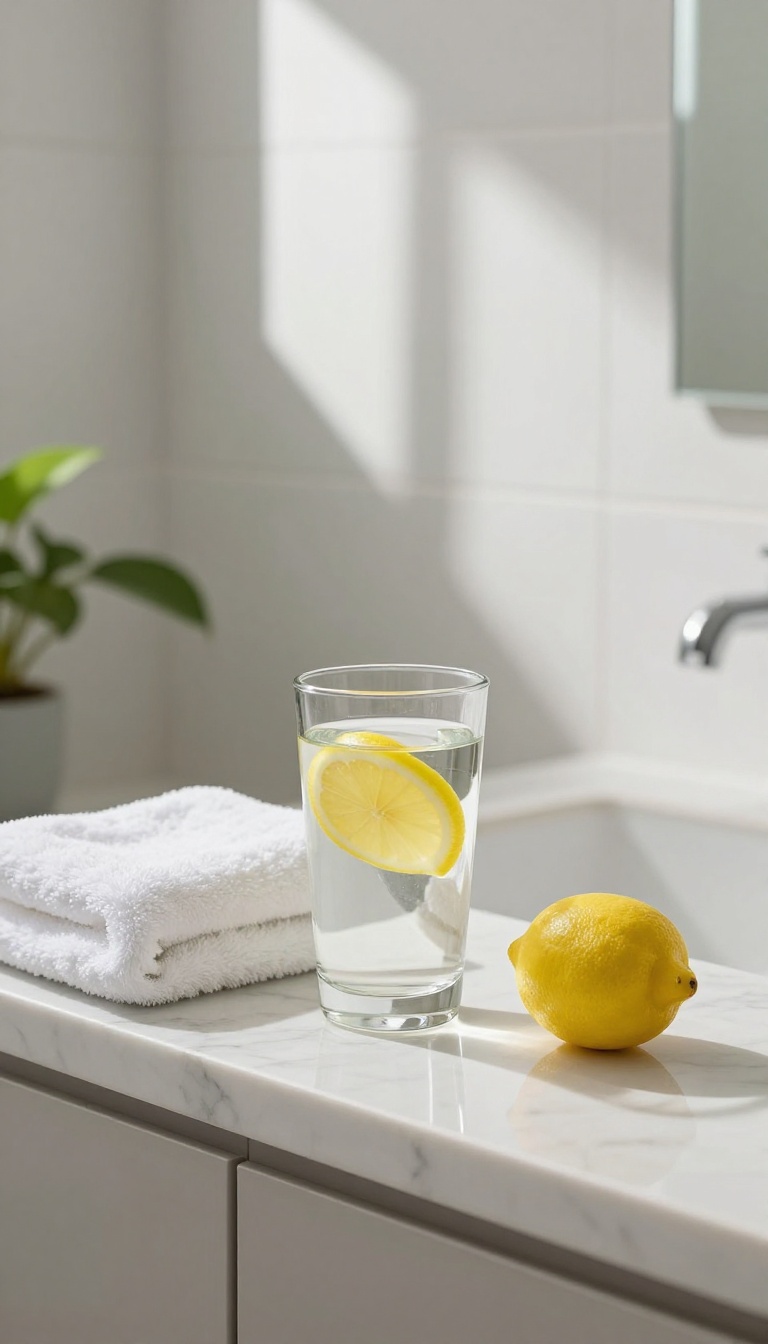
Your skin just got a big drink from the shower, but your insides need one too. A glass of water right after you step out helps replenish what you lost and supports that plump, elastic look from the inside out. It's a tiny habit that hydrates you where lotions can't reach.
Think of it as the finishing touch to your post-shower ritual. While your skin is still absorbing moisture from the air and your products, that glass of water gives your whole body a head start. It's simple, free, and makes everything else work better.
Why It Works
Your skin is about 30% water, and even a mild dip in hydration can make it look dull or tight. Drinking water after a warm shower helps replace fluids lost through steam and sweat, keeping your skin cells plump and your scalp less prone to dryness.
Make It A Habit
Keep a glass or reusable bottle on the bathroom counter. Fill it before you hop in, and it's right there when you're done. Add a slice of lemon or cucumber if plain water feels boring—just make it easy and automatic.
When To Sip
Aim for 8 to 12 ounces within 10 minutes after your shower. That's enough to rehydrate without making you feel bloated. If you're someone who forgets, set a small reminder on your phone or pair it with your post-shower skincare routine.
FAQ
How soon after showering should I apply moisturizer?
Within 3 minutes. Your skin is still damp, which helps lock in moisture more effectively.
Is it better to towel dry or air dry?
For your body, patting dry with a towel is fine. For hair, air drying is gentler and reduces heat damage.
Can I use body oil instead of lotion?
Yes, but oil alone may not provide enough hydration. Use oil on damp skin, then follow with a lotion to seal it in.
Should I apply hair products on wet or dry hair?
Most leave-in conditioners and oils work best on damp hair, as they lock in moisture and are easier to distribute evenly.
What if I have oily skin?
You still need moisturizer. Choose a lightweight, oil-free gel or lotion to hydrate without clogging pores.
Conclusion
Your post-shower routine doesn't need to be complicated to make a real difference. Pick two or three habits that feel doable—like patting skin dry instead of rubbing, or sealing in moisture while you're still damp—and stick with them for a couple of weeks. That's when you'll notice softer skin and smoother hair.
Start with one small change tonight, and let the rest follow naturally. Those few minutes after your shower are the perfect time to show your body a little extra care.