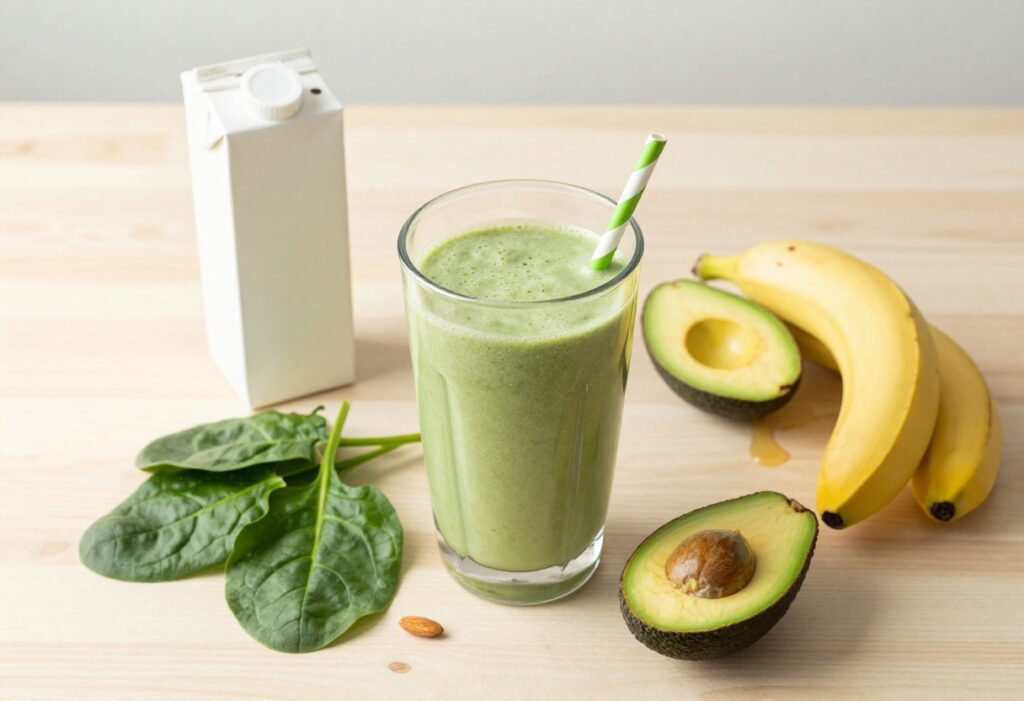
Cutting out added sugar can feel overwhelming, but it doesn't have to be complicated. Many people think a no-sugar diet means bland meals and constant cravings, but the truth is, you can eat delicious, satisfying food without relying on sweeteners.
This guide is designed to help you transition to a no-sugar lifestyle with a simple, practical meal plan that fits into your everyday routine. By focusing on whole foods like vegetables, lean proteins, healthy fats, and naturally sweet fruits, you'll nourish your body and stabilize your energy levels.
You don't need expensive specialty products or complicated recipes. The key is to plan ahead and keep things straightforward.
Why Go No Sugar?
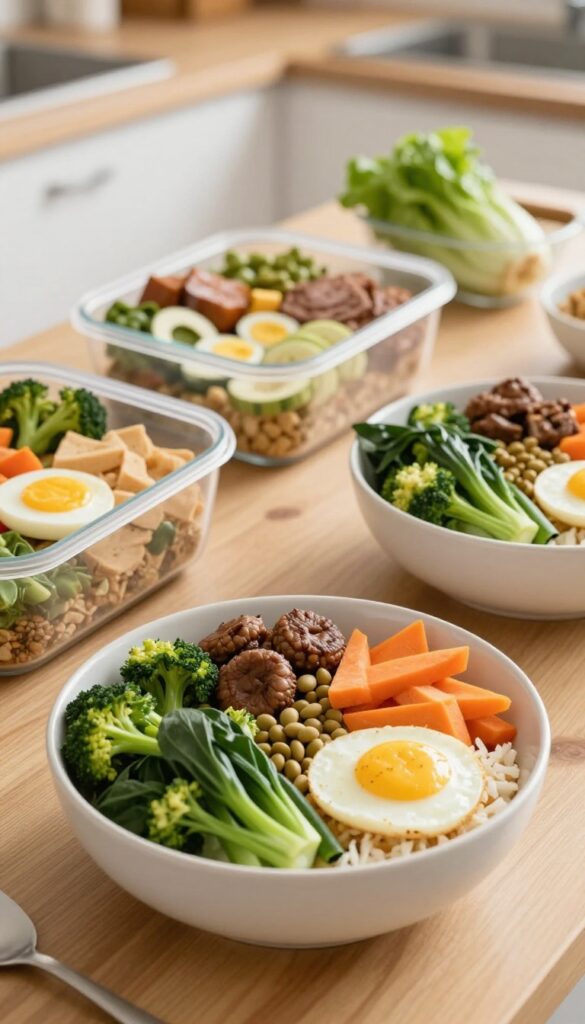
Cutting added sugar from your diet can feel like a big step, but the benefits are worth it. Added sugar is linked to energy crashes, weight gain, and stubborn cravings. By reducing it, you give your body a chance to reset and rely on real food for fuel.
Health Benefits of Reducing Added Sugar
What Counts as Added Sugar?
Focus on cutting added sugars, not the natural sugars found in whole fruits and unsweetened dairy. Your body processes these differently and they come with fiber, vitamins, and minerals.
How to Prepare for a No-Sugar Meal Plan
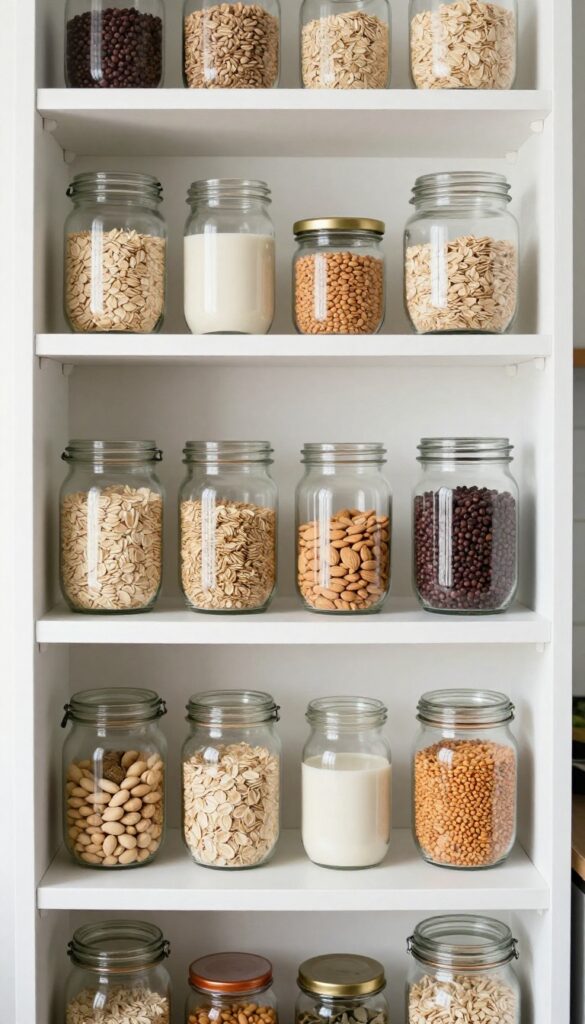
A little preparation goes a long way when cutting out added sugar. By stocking your kitchen with whole foods and setting up a simple meal prep routine, you'll set yourself up for success without feeling deprived.
Pantry Staples to Stock
Fill your pantry, fridge, and freezer with these no-sugar essentials:
- Fresh vegetables: leafy greens, bell peppers, broccoli, cauliflower, zucchini, tomatoes
- Fresh fruits: berries, apples, avocados, citrus (use for natural sweetness)
- Proteins: eggs, chicken, fish, lean beef, tofu, tempeh, plain Greek yogurt
- Healthy fats: olive oil, coconut oil, nuts, seeds, nut butters (no added sugar)
- Whole grains: quinoa, brown rice, oats, whole-grain pasta
- Legumes: lentils, chickpeas, black beans
- Herbs and spices: cinnamon, vanilla extract, garlic, ginger, turmeric
- Condiments: mustard, vinegar, salsa, hot sauce, coconut aminos (check labels for added sugar)
Meal Prep Tips for Success
Spend a couple of hours on the weekend to make the week ahead easier.
- Cook a batch of grains: quinoa, brown rice, or oats for quick meals.
- Chop veggies: store in airtight containers for salads, stir-fries, or snacks.
- Prepare proteins: grill chicken breasts, hard-boil eggs, or cook ground turkey.
- Make dressings and sauces: whisk olive oil, vinegar, and herbs for a simple vinaigrette.
- Portion snacks: divide nuts, seeds, or cut veggies into grab-and-go bags.
- Read labels: avoid anything with added sugar, including hidden sources like ketchup, salad dressings, and flavored yogurts.
Sample 7-Day No Sugar Meal Plan
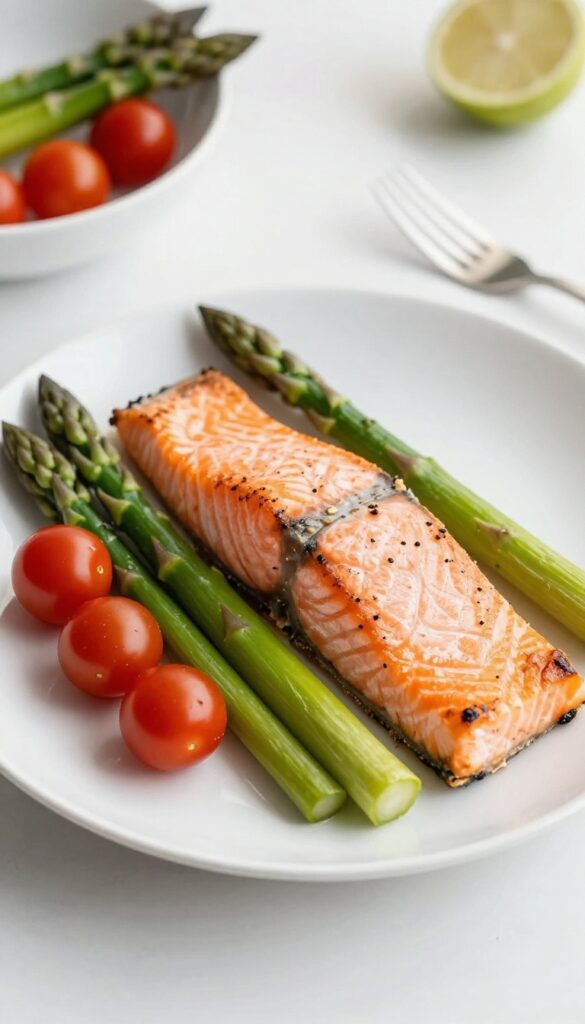
This 7-day plan gives you a simple, no-sugar template for everyday eating. Each day includes breakfast, lunch, dinner, and a snack idea. Portions are based on a standard 1800–2000 calorie diet, but you can adjust to your needs.
All meals are made with whole foods and skip added sugars entirely.
Monday: Start Simple
Tuesday: Veggie-Packed
Wednesday: Protein Focus
Thursday: Leftovers and Salads
Friday: Fun Dinner
Saturday: Brunch Style
Sunday: Prep Day
Portion Guidance
Adjust portions based on your hunger and activity level. Aim for a palm-sized portion of protein, a fist-sized portion of vegetables, and a cupped-hand portion of healthy carbs at each meal. Drink plenty of water throughout the day.
Easy No-Sugar Recipes to Rotate
These three recipes are staples you can rely on. They're quick, nutritious, and packed with flavor without any added sugar. Each one is simple enough for busy weekdays but satisfying enough to keep you on track.
Breakfast: Veggie Scramble
This scramble is a savory, protein-rich start to your day. It comes together in under 10 minutes and uses whatever veggies you have on hand.
Ingredients
- 2 large eggs
- 1 tablespoon olive oil or butter
- 1/4 cup chopped bell peppers
- 1/4 cup chopped spinach
- Salt and pepper to taste
- Optional: 1 tablespoon shredded cheese
Instructions
- Heat oil in a nonstick skillet over medium heat.
- Add bell peppers and cook for 2 minutes until slightly tender.
- Add spinach and cook until wilted, about 30 seconds.
- Beat eggs in a bowl, then pour into the skillet.
- Stir gently until eggs are set to your liking. Season with salt and pepper. Sprinkle cheese on top if desired.
Lunch: Grilled Chicken Salad
A classic salad that's anything but boring. The grilled chicken adds smoky flavor, and the homemade vinaigrette keeps it fresh and sugar-free.
Ingredients
- 1 boneless, skinless chicken breast (about 6 oz)
- 4 cups mixed greens
- 1/2 cup cherry tomatoes, halved
- 1/4 cup sliced cucumber
- 2 tablespoons olive oil
- 1 tablespoon apple cider vinegar
- 1 teaspoon Dijon mustard
- Salt and pepper to taste
Instructions
- Season chicken breast with salt and pepper. Grill or pan-sear over medium-high heat for 6-7 minutes per side, until cooked through. Let rest, then slice.
- In a small bowl, whisk olive oil, vinegar, mustard, salt, and pepper to make dressing.
- Toss greens, tomatoes, and cucumber with dressing. Top with sliced chicken.
Dinner: Sheet Pan Salmon and Veggies
This one-pan meal is perfect for busy evenings. The salmon cooks alongside broccoli and sweet potatoes, all seasoned with herbs and lemon.
Ingredients
- 2 salmon fillets (about 6 oz each)
- 1 medium sweet potato, cubed
- 2 cups broccoli florets
- 2 tablespoons olive oil
- 1 teaspoon garlic powder
- 1 teaspoon dried dill or parsley
- Salt and pepper to taste
- Lemon wedges for serving
Instructions
- Preheat oven to 400°F (200°C). Line a baking sheet with parchment paper.
- Toss sweet potato cubes with 1 tablespoon olive oil, garlic powder, salt, and pepper. Spread on one side of the sheet. Roast for 10 minutes.
- Remove sheet, push potatoes to one side. Place salmon fillets on the other side. Toss broccoli with remaining oil and seasonings, add to sheet.
- Roast for 12-15 minutes, until salmon flakes easily and broccoli is tender. Serve with lemon wedges.
Navigating Social Situations and Eating Out
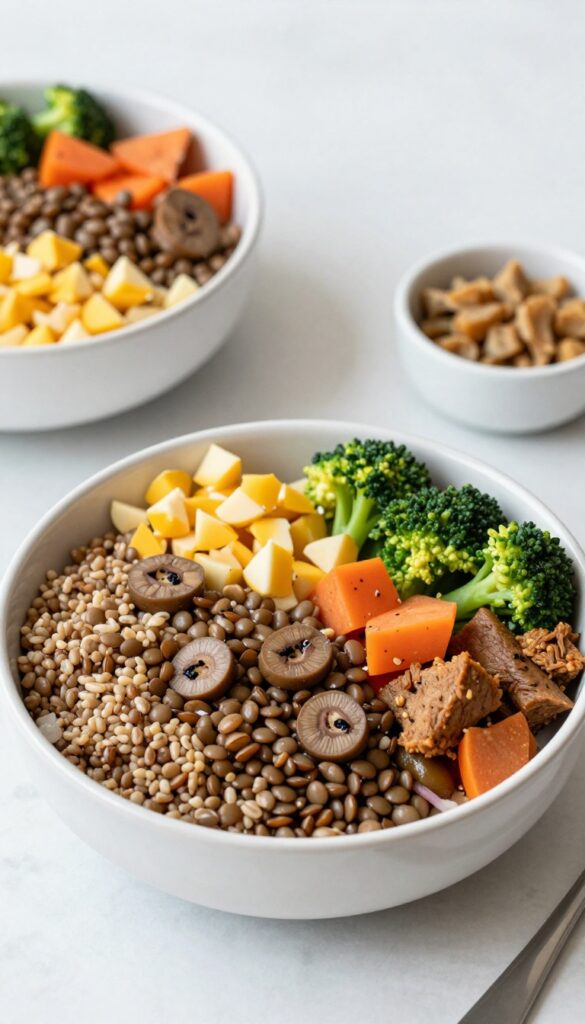
Sticking to a no-sugar plan doesn't mean you have to become a hermit. With a little know-how, you can enjoy restaurants, parties, and gatherings without derailing your progress. The key is to plan ahead, ask the right questions, and focus on whole foods.
What to Order at Restaurants
When dining out, keep it simple: prioritize protein, vegetables, and healthy fats, and watch out for hidden sugars in sauces, dressings, and marinades.
General Tips
- Ask for dressings, sauces, and gravies on the side so you can control the amount.
- Choose grilled, baked, or steamed dishes over fried or breaded options.
- Request no added sugar in drinks, and skip the bread basket (often contains sugar).
- Opt for water, sparkling water, or unsweetened tea instead of soda or sweetened beverages.
Tips for Common Cuisines
- Mexican: Go for fajitas (skip tortillas), taco salad without the shell, or grilled fish with vegetables. Avoid rice and beans if they're seasoned with sugar.
- Italian: Choose grilled chicken or fish with a side of steamed vegetables. Ask for marinara sauce (usually no added sugar) instead of creamy sauces. Avoid pasta if possible.
- Asian: Order stir-fried vegetables with tofu or chicken, and ask for no sugar in the sauce. Sashimi is a great choice. Avoid sweet sauces like teriyaki or sweet and sour.
- American: A bunless burger with lettuce wrap, a grilled chicken salad with oil and vinegar, or a steak with steamed broccoli are safe bets.
Handling Parties and Gatherings
Social events can be tricky, but you can still participate without feeling left out.
Strategies for Success
- Eat a small, satisfying meal before you go so you're not tempted by sugary snacks.
- Bring a no-sugar dish to share—that way you know there's at least one safe option.
- Focus on socializing rather than the food. Keep a drink in your hand (water or sparkling water with lemon) to avoid mindless munching.
- If dessert is served, politely decline or have a cup of herbal tea instead. You can also bring a sugar-free dessert to share.
Smart Snacks for Cravings
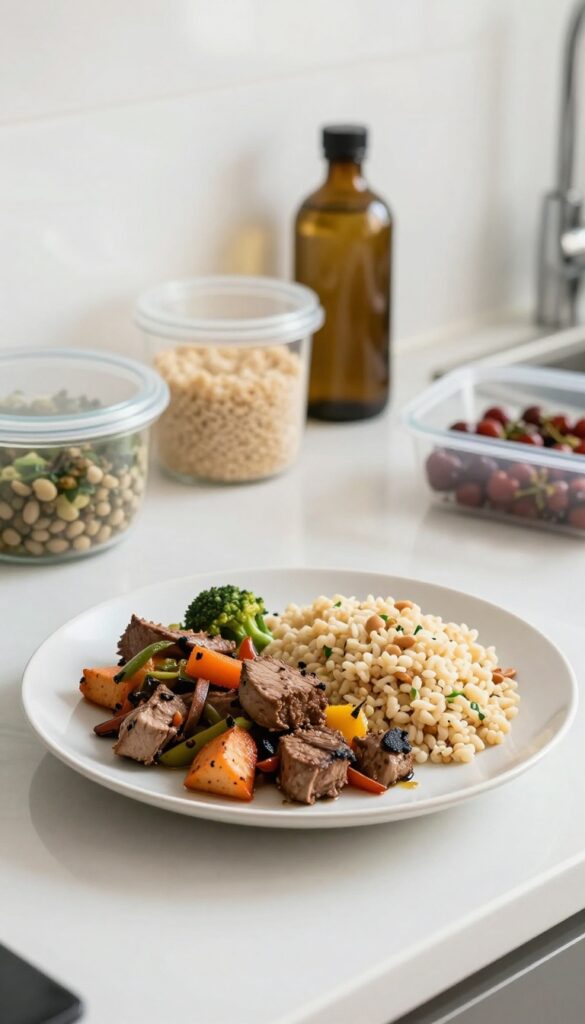
Cravings can hit at any time, but you don't have to reach for sugary snacks. With a little planning, you can satisfy hunger with whole foods that keep your energy steady and your no-sugar goals intact.
Go-To No-Sugar Snacks
- Nuts: A handful of almonds, walnuts, or pecans provides healthy fats and protein to keep you full. Stick to one ounce (about a small handful) to avoid overdoing calories.
- Fresh fruit: Whole fruits like apples, berries, or an orange offer natural sweetness with fiber. Pair with a few nuts for extra staying power.
- Veggie sticks: Crunchy vegetables like carrot, cucumber, and bell pepper strips are low in calories and high in crunch. Dip in hummus or guacamole for added flavor.
- Hard-boiled eggs: A perfect portable protein source. One or two eggs can curb hunger between meals without any added sugar.
Portion Control Matters
Even healthy snacks can add up. Pre-portion nuts into small bags or containers, and keep cut veggies ready in the fridge. This makes grabbing a sensible snack just as easy as reaching for a packaged option.
What to Avoid
Steer clear of processed snacks labeled 'sugar-free' or 'low sugar.' These often contain artificial sweeteners or sugar alcohols that can trigger cravings and digestive discomfort. Stick to whole, single-ingredient foods.
Staying Motivated and Dealing with Slip-Ups
Even with the best intentions, staying on a no-sugar plan can be challenging. Cravings happen, social events throw off your routine, and sometimes you just slip. The key is not to aim for perfection but to build resilience and get back on track quickly.
How to Handle Cravings
Cravings for sugar often hit hardest in the first week or two. They can feel intense, but they usually pass within 20–30 minutes. Here are practical strategies to ride them out without derailing your progress:
- Drink a glass of water – sometimes thirst masquerades as a sugar craving.
- Eat a piece of fruit – nature’s candy provides sweetness with fiber and nutrients.
- Go for a short walk – movement shifts your focus and releases feel-good endorphins.
- Chew sugar-free gum or brush your teeth – the clean taste can kill a craving.
- Distract yourself with a quick task – call a friend, read a page of a book, or do a few stretches.
Getting Back on Track After a Slip
Everyone slips now and then. Maybe you had a slice of cake at a birthday party or caved to a candy bar during a stressful afternoon. What matters is what you do next.
Here’s how to reset without guilt:
- Don’t binge – one slip doesn’t have to turn into a full day off plan.
- Forgive yourself quickly – guilt only makes it harder to move forward.
- Return to your next meal as planned – don’t skip meals to “compensate.”
- Reflect on the trigger – was it stress, boredom, or a social pressure? Learning helps prevent future slips.
- Focus on progress, not perfection – every healthy choice you make counts.
Mindset Tip
Think of your no-sugar journey as a long-term lifestyle, not a short-term diet. One slip doesn’t erase all the good work you’ve done. Just get back on track with your next meal or snack.
Remember, the goal is to build a sustainable way of eating that makes you feel energized and healthy. Be kind to yourself, celebrate small wins, and keep going.
FAQ
Can I eat fruit on a no-sugar meal plan?
Yes, whole fruits are encouraged because they contain natural sugars along with fiber, vitamins, and antioxidants. The goal is to eliminate added sugars, not naturally occurring ones. Stick to whole fruits rather than fruit juices or dried fruits with added sugar.
Are artificial sweeteners allowed?
This plan focuses on whole foods, so artificial sweeteners are not recommended. They can perpetuate a sweet tooth and may have other health concerns. Instead, try using spices like cinnamon or vanilla to add sweetness without calories.
How long does it take to stop craving sugar?
Sugar cravings typically diminish after the first week as your body adjusts. Staying hydrated, eating enough protein and healthy fats, and keeping busy can help. Most people find cravings significantly reduce after 10 to 14 days.
Can I drink alcohol?
Alcohol often contains added sugars, but if you choose to drink, opt for dry wines, spirits with soda water, or light beer. Be mindful that alcohol can lower inhibitions and lead to sugar cravings, so moderation is key.
Conclusion
Adopting a no-sugar meal plan doesn't have to be a drastic overhaul of your life. By making small, consistent changes—like prepping your meals, choosing whole foods, and finding satisfying alternatives—you can reduce your sugar intake without feeling deprived. The 7-day plan and tips in this guide are designed to be flexible and realistic, so you can adapt them to your preferences.
Remember, it's not about perfection. If you have a slip-up, just get back on track with your next meal.

Dr. Pallab Kishore, MS in Orthodontics and owner of Orthodontic Braces Care, shares expert tips on braces, aligners, and oral health from 10+ years of experience.