A warm shower at night can actually keep you awake if your body temperature spikes. The trick is to cool down gradually while still enjoying a soothing soak.
These 25 night shower ideas blend temperature control, aromatherapy, and mindful rituals to help you drift off faster. From lavender-infused steam to a final cool rinse, each step is designed to signal your nervous system that it's time to rest.
No complicated routines—just simple, effective tweaks that make your evening shower a powerful sleep aid.
1. Cool Down Gradually
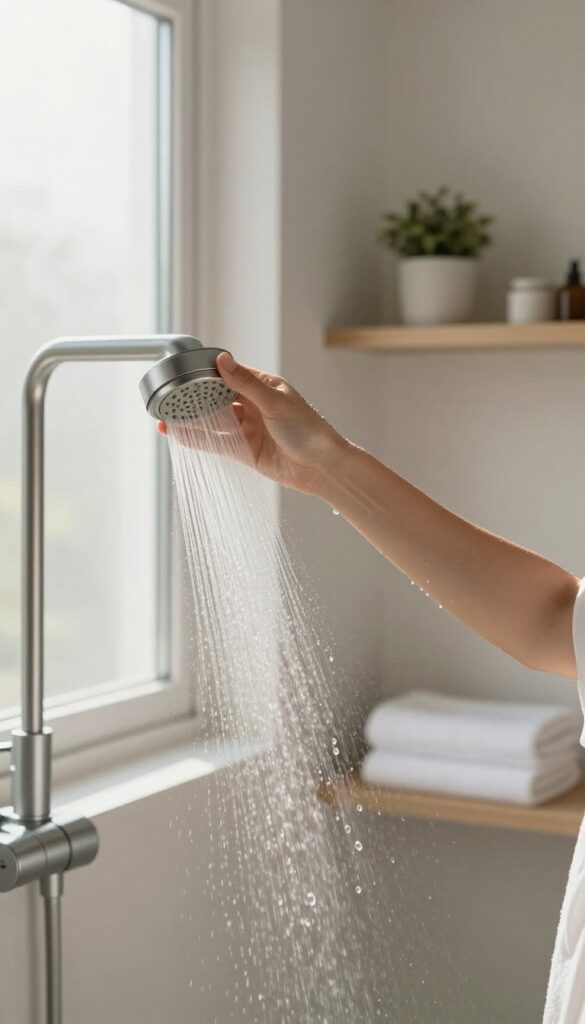
A hot shower feels great, but it can actually delay sleep by raising your core body temperature. The key is to finish with a cool rinse that brings your temperature back down, signaling your body that it's time to rest.
End your shower with 30 seconds of cool water to help lower your core body temperature, a key signal for sleep. This simple trick helps your body transition from wakefulness to rest more smoothly.
Why Cool Works
Your body's internal thermostat drops slightly before sleep. A cool rinse mimics that natural dip, making it easier to drift off.
How To Do It
Start with your usual warm shower, then turn the dial to cool for the final 30 seconds. Focus the water on your legs and arms first, then your torso.
Don't Overdo It
Ice-cold water can be too jarring. Aim for a temperature that feels refreshing but not shocking—think cool summer rain, not an arctic plunge.
2. Lavender Everything
Lavender is a sleep superstar for a reason. Its scent has been shown to lower heart rate and blood pressure, creating a calming effect that prepares your mind for rest. By incorporating lavender into your shower routine, you can turn a simple wash into a powerful relaxation trigger.
You don't need a complicated setup. Just swap your regular body wash or shampoo for a lavender-scented version. The steam helps disperse the aroma, filling the shower with a gentle, soothing fragrance that signals your brain it's time to wind down.
Lavender is one of the most well-researched scents for sleep. Studies suggest it can reduce anxiety and improve sleep quality by influencing the nervous system. Using lavender-scented products in the shower amplifies this effect because the warm steam carries the aroma directly to your olfactory system, which is closely linked to the brain's emotional and memory centers.
You can layer the experience by using a lavender body wash, shampoo, and even a lavender-infused shower steamer or essential oil dropped onto the shower floor. The key is to let the scent envelop you without being overwhelming. Start with one product and see how your body responds.
Choose Your Lavender Products
Look for body washes, shampoos, or conditioners that list lavender essential oil as an ingredient. Avoid synthetic fragrances, which may not have the same calming effect. You can also add a few drops of pure lavender oil to a washcloth or loofah, but be careful not to use too much—a little goes a long way.
Create A Lavender Steam Cloud
For an extra dose of relaxation, place a few drops of lavender essential oil on a washcloth and hang it over the showerhead, away from the direct stream. The hot water will slowly release the scent, creating a gentle aromatherapy steam. Alternatively, use a shower steamer tablet designed for relaxation.
Pair With A Cool Rinse
After enjoying the warm lavender steam, finish with a 30-second cool rinse. This helps lower your core body temperature, which is essential for falling asleep. The contrast can feel refreshing and enhances the overall calming effect of the lavender.
3. Magnesium Soak
Magnesium is a mineral that works wonders for relaxation. When absorbed through the skin, it helps lower cortisol levels and eases muscle tension, making it easier to unwind. Adding a magnesium-rich bath salt or spray to your shower routine is a simple way to tap into these calming benefits without a full bath.
Whether you use a pre-made spray or dissolve flakes in a small basin, the key is to let the magnesium sit on your skin for a few minutes before rinsing. This allows absorption to kick in, signaling your nervous system to shift into rest mode. Pair it with a warm (not hot) shower to avoid raising your core temperature.
Why Magnesium Works
Magnesium regulates the GABA receptors in your brain, which promote calmness. It also helps relax tight muscles from the day. A quick soak can lower heart rate and prepare your body for sleep.
How To Use It In The Shower
Mix magnesium flakes with warm water in a small tub or use a spray bottle. Apply to your legs, shoulders, and back. Let it sit for 3–5 minutes while you breathe deeply, then rinse off with a cool splash.
Best Magnesium Types For Sleep
Look for magnesium chloride or magnesium sulfate (Epsom salts). They absorb well through skin. Avoid magnesium oxide, which is less effective topically.
A few tablespoons per shower session is plenty.
4. Dim the Lights
Bright bathroom lights can trick your brain into thinking it's still daytime. That's the last thing you want when you're winding down for sleep. Switching to softer lighting before your shower helps your body start producing melatonin naturally.
It's a simple change that makes a big difference.
Dimming the lights doesn't mean showering in the dark. A dimmable overhead fixture or a small nightlight can create a calm, spa-like atmosphere that signals relaxation. Blue light from bright LEDs suppresses melatonin, so swapping to warm-toned bulbs or using a red nightlight can help you drift off faster.
Even just turning off the vanity lights and relying on a single soft source can shift the mood. If you can't install a dimmer, try a waterproof candle lantern or a battery-operated flickering LED candle placed safely away from water. The gentle glow is enough to see by without jolting your system.
Why Light Color Matters
Cool white or blue light mimics midday sun and keeps you alert. Warm amber or red light has a lower color temperature that doesn't interfere with melatonin production. For your night shower, aim for bulbs labeled "soft white" (2700K–3000K) or use a red nightlight.
Easy Dimming Hacks
No dimmer switch? No problem. Plug a small lamp with a warm bulb into a dimmer plug, or use a smart bulb that you can control from your phone.
Another trick: hang a dark towel over a bright light fixture to soften the glow—just make sure it's not touching the bulb.
Setting The Scene
Pair dim lighting with other calming cues like a few drops of lavender essential oil on a washcloth or a slow playlist. The combination of low light and soothing scents trains your brain to associate the shower with sleep, making the transition faster over time.
5. Epsom Salt Scrub
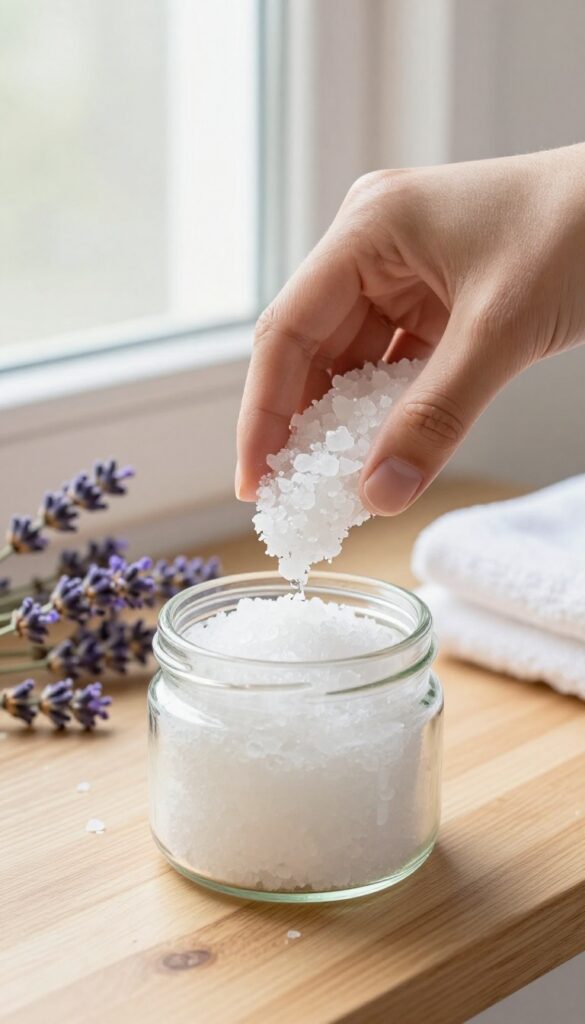
Exfoliating before bed might not be the first thing that comes to mind, but a gentle scrub with Epsom salt can work wonders. The magnesium in Epsom salt is absorbed through your skin, helping to relax tense muscles and calm your mind. Combined with a carrier oil, it also leaves your skin soft and hydrated.
Mix one cup of Epsom salt with a quarter cup of coconut or jojoba oil. Add a few drops of your favorite calming essential oil, like lavender or chamomile. In the shower, gently massage the scrub onto your skin in circular motions, focusing on areas like shoulders and legs.
Rinse with warm water, then finish with a cool rinse to help lower your body temperature for sleep.
Why Magnesium Matters
Magnesium is known for its muscle-relaxing and stress-reducing properties. When absorbed through the skin, it can help lower cortisol levels and promote a sense of calm. This makes an Epsom salt scrub a simple way to wind down both physically and mentally.
Choosing The Right Oil
Carrier oils like coconut, almond, or jojoba work well because they moisturize without clogging pores. Coconut oil has a light scent and antimicrobial benefits, while jojoba closely mimics your skin's natural sebum. Pick one that suits your skin type and preferences.
Best Time To Scrub
Use this scrub at the start of your shower so you can rinse off thoroughly. The warm water helps open pores and enhance magnesium absorption. Follow with a cool rinse to signal your body that it's time to rest.
6. Chamomile Rinse
Chamomile isn't just for tea—it's a gentle sedative that can work through your skin and hair. Brew a strong batch and use it as a final rinse after your regular shower. The mild floral scent and anti-inflammatory compounds help calm your mind and soothe any irritated skin.
This simple step turns your shower into an aromatherapy session. The warm liquid opens your pores, letting the chamomile's active ingredients absorb while the steam carries its relaxing fragrance. It's especially helpful if you have sensitive skin or dry scalp.
How To Brew The Rinse
Steep 4-5 chamomile tea bags (or 2 tablespoons loose flowers) in 2 cups of boiling water for 10 minutes. Let it cool to a comfortable warm temperature—not hot, not cold. You want it lukewarm so it doesn't shock your system.
Application Tips
After your usual shampoo and conditioner, tilt your head back and slowly pour the chamomile rinse over your hair and scalp. Massage gently for 30 seconds, then let it sit for a minute before stepping out. For a body splash, fill a spray bottle and mist over your shoulders and chest.
Why It Works For Sleep
Chamomile contains apigenin, an antioxidant that binds to certain brain receptors and promotes drowsiness. The ritual of pouring a warm, fragrant rinse also signals your body that the day is winding down—like a cue for your nervous system to shift into rest mode.
7. Breathwork While Rinsing
Your breath is a direct line to your nervous system. Under the warm spray of the shower, you can use it to flip the switch from alert to relaxed. The 4-7-8 breathing technique is a simple, science-backed way to calm your mind and body.
By extending your exhale, you activate the parasympathetic nervous system—your rest-and-digest mode. This isn't just about breathing; it's about creating a rhythm that drowns out the day's noise and prepares you for sleep.
Here's how to weave breathwork into your shower routine without overthinking it.
The 4-7-8 Technique
Stand under the water and close your eyes. Inhale through your nose for 4 seconds, hold that breath for 7 seconds, then exhale slowly through your mouth for 8 seconds. Repeat this cycle four times.
The longer exhale signals your body to lower heart rate and blood pressure. The sound of the water masks distractions, making it easier to focus on your breath.
Pair With Warm Water
Let the warm water hit your back or shoulders as you breathe. The heat relaxes muscles, while the breathwork calms your mind. As you exhale, imagine tension leaving your body with the steam.
This combo is especially helpful after a stressful day.
Keep It Simple
You don't need to count perfectly. If 4-7-8 feels too long, start with 4-4-4 or just focus on making your exhale longer than your inhale. The goal is consistency, not perfection.
Even one minute of intentional breathing can shift your state.
8. No-Scent Wind Down
Strong fragrances can be stimulating rather than calming, especially if you're sensitive to scents. Your brain processes smell quickly, and intense aromas like lavender or eucalyptus might keep your mind active instead of easing it into sleep mode. Unscented products remove that variable entirely.
By stripping away all fragrance, you let your skin's natural signals and the simple sensation of warm water take center stage. This is a pure, minimalist approach that works surprisingly well for overthinkers and scent-sensitive sleepers.
The no-scent approach is about subtraction. Without fragrance, your shower becomes a purely tactile experience—the feel of water, the warmth, the steam. This can be deeply grounding for a nervous system that's been bombarded by smells all day (cooking, candles, perfumes, cleaning products).
Choose a fragrance-free body wash, shampoo, and conditioner. Look for labels that say "fragrance-free" rather than "unscented, " because unscented products sometimes contain masking fragrances. Pair with a plain cotton towel and skip any post-shower lotion with scent.
The result is a clean slate for your senses.
Why Scent Can Backfire
Your olfactory system is directly linked to the limbic brain, which controls emotion and memory. A strong scent, even a "relaxing" one like lavender, can trigger alertness if your brain associates it with something else. For some people, any noticeable smell—pleasant or not—keeps the mind engaged.
Unscented products avoid this risk entirely.
How To Build A Fragrance-free Routine
Start by swapping your usual body wash for a gentle, fragrance-free option. Do the same for shampoo and conditioner. If you use a post-shower moisturizer, pick one with no added scent.
Keep your bathroom well-ventilated to prevent any lingering product smell. Over time, your brain will learn to associate the absence of scent with the signal to wind down.
Who Benefits Most
This routine is ideal for people with migraines, allergies, or chemical sensitivities. It also works well for those who find aromatherapy too stimulating or distracting. If you've tried scented sleep aids and they didn't help, going scent-free might be the reset your nervous system needs.
9. Warm Towel Prep
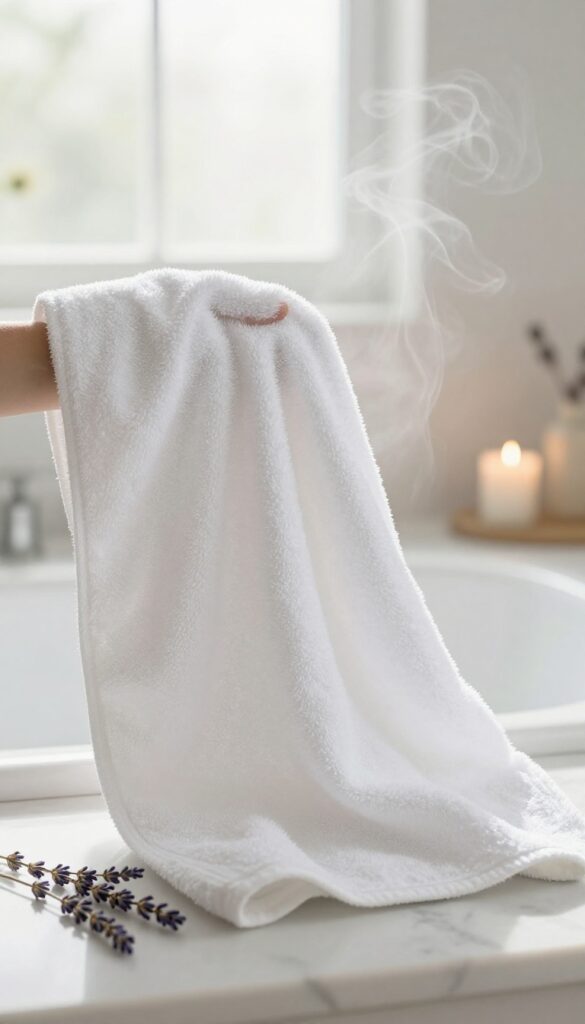
There's nothing quite like the shock of stepping out of a warm shower into a cold bathroom. A pre-warmed towel eliminates that jolt and keeps your muscles relaxed as you transition to bedtime. Tossing a towel in the dryer for a few minutes before you shower is a small effort with a big payoff.
The gentle heat helps maintain your core temperature as you dry off, making the post-shower cool-down gradual instead of abrupt.
The simple act of wrapping yourself in a warm towel extends the comfort of the shower and signals to your body that it's safe to settle down. It's a cozy ritual that turns the end of your shower into a moment of pure relaxation.
Why Warm Towels Help Sleep
A sudden drop in skin temperature can trigger alertness. By keeping your skin warm as you dry, you avoid that shock and allow your body's natural sleep processes to take over. The warmth also soothes muscles and calms the nervous system.
How To Warm Your Towel
Simply toss your bath towel in the dryer on medium heat for 3–5 minutes before your shower. If you don't have a dryer, you can drape it over a radiator or use a towel warmer. Just be careful not to overheat it—you want cozy, not scorching.
Make It A Ritual
Pair your warm towel with a few drops of lavender or chamomile essential oil on the fabric before drying. The combination of heat and calming scent deepens the relaxation effect. You can also use a heated robe or slippers for extra coziness.
10. Scalp Massage
Your scalp holds tension just like your shoulders do. A quick massage while you condition can release that tightness and signal your brain to unwind. It takes less than a minute but makes a real difference in how relaxed you feel when you hit the pillow.
Spend an extra minute massaging your scalp with your fingertips to release tension and promote relaxation.
Why It Works
The scalp is packed with nerve endings and pressure points. Gentle circular motions stimulate blood flow and activate the parasympathetic nervous system, which is responsible for rest and digestion. It's like a mini acupressure session in the shower.
How To Do It Right
Use your fingertips—not your nails—and apply light to medium pressure. Start at the temples, work your way to the crown, then down to the base of your skull. Pair it with a calming conditioner scent for an extra sensory boost.
Quick Tip
If you have long hair, flip your head upside down while massaging. This increases circulation even more and feels surprisingly good.
11. Aromatherapy Steam
Essential oils aren't just for diffusers—they can transform your shower into a personal steam room. When you add a few drops of calming oils to the shower floor, the hot water activates their scent, and you breathe in the therapeutic vapors. Cedarwood and vetiver are especially grounding, helping your mind slow down after a long day.
Turn your shower into a mini spa with aromatherapy steam. The key is to choose oils known for their sedative properties. Cedarwood has a warm, woody scent that promotes relaxation, while vetiver is earthy and deeply calming.
A couple of drops on the shower floor (away from direct water flow) is all you need. The steam carries the aroma, and you inhale it naturally as you shower. This simple addition can signal your brain that it's time to wind down.
How To Use Essential Oils Safely
Always dilute essential oils or use them sparingly in the shower. Never apply them directly to your skin undiluted. Place 2-3 drops on the corner of the shower floor or on a washcloth near the drain.
Avoid getting oils on your face or sensitive areas. If you have a shower seat, you can also put a few drops on a folded towel nearby.
Best Oils For Sleep
Lavender is the most popular, but cedarwood and vetiver are excellent alternatives if you want something less floral. Frankincense and sandalwood also work well. Experiment with single oils or blends.
A drop of cedarwood and a drop of vetiver together create a forest-like calm.
Creating A Ritual
Make this a nightly habit. As you step into the shower, take a deep breath of the steam. Close your eyes for a moment and let the scent settle.
Pair it with a few minutes of slow, deep breathing to enhance the relaxation response. Over time, your brain will associate that scent with sleep.
12. Dry Brush Beforehand
Dry brushing isn't just for mornings—it's a surprisingly effective pre-shower ritual for better sleep. The gentle exfoliation and stimulation of your skin's surface can help shift your body into a more relaxed state. Plus, it only takes two minutes.
Dry brushing before your night shower wakes up your circulation and encourages lymphatic drainage, which reduces that heavy, puffy feeling after a long day. The repetitive motion also calms your nervous system, making the transition from daytime hustle to bedtime easier. Just use a natural bristle brush and always move toward your heart.
Why It Works For Sleep
The light pressure on your skin triggers the parasympathetic nervous system, the same system that helps you rest and digest. It's a gentle way to tell your body that it's time to wind down, not power up.
How To Dry Brush Correctly
Start at your feet and work upward in long, sweeping strokes. Avoid sensitive areas and never brush wet or broken skin. Keep it gentle—you're not scrubbing a pan.
Finish with your shower to wash away any loosened dead skin.
Best Brush For Nighttime Use
Look for a brush with natural sisal or cactus bristles and a long handle so you can reach your back. A softer brush is better for evening use since you want relaxation, not irritation.
13. Cool Mist Finish

A cool mist after your shower can be the perfect final step to lower your core temperature and signal your body it's time to sleep. It's a simple way to refresh your skin and calm your mind without another rinse. Rose water and aloe vera are excellent choices because they're naturally soothing and anti-inflammatory.
The cool sensation combined with the gentle scent creates a spa-like moment that feels luxurious yet effortless.
Why A Mist Works
Your body temperature naturally drops as you fall asleep. A cool mist helps accelerate that process by cooling your face and neck, which are packed with temperature-sensitive nerve endings. It's a gentle nudge for your nervous system to shift into rest mode.
Best Mist Ingredients
Rose water is a classic—it's hydrating, mildly astringent, and smells heavenly without being overpowering. Aloe vera mist is another great option, especially if you have sensitive skin. You can even make your own by mixing a few drops of lavender essential oil with distilled water in a spray bottle.
How To Use It
After you've toweled off, close your eyes and spritz your face, neck, and chest 2-3 times. Pat gently with your palms if you want to help it absorb. Keep the bottle by your bed for a quick refresh if you wake up feeling warm during the night.
14. Weighted Blanket Vibe
The same pressure that makes a weighted blanket so calming can work after your shower, too. A heavy, plush bathrobe mimics that gentle squeeze, helping your nervous system shift into rest mode. It's a simple swap that turns your post-shower cooldown into a sensory cue for sleep.
After your shower, pat dry and wrap yourself in a thick, heavyweight robe. The fabric should feel substantial, not flimsy. The weight across your shoulders and torso creates a grounding sensation that reduces cortisol and promotes relaxation.
Pair it with dim lighting and slow breathing for maximum effect.
Choose The Right Robe
Look for a robe made from cotton, bamboo, or microfiber with a weight of at least 2-3 pounds. A waffle weave or terry cloth texture adds extra coziness. Avoid lightweight silk or thin cotton—they won't provide the pressure you're after.
Layer For Extra Warmth
If your robe alone isn't heavy enough, wear a pair of thick pajama pants underneath or add a second, lighter robe on top. The key is to feel a gentle, even pressure across your body without overheating.
Pair With A Cool Room
Keep your bedroom slightly cool (around 65°F) so the robe's warmth feels comforting rather than stifling. The contrast between the cool air and the robe's pressure helps lower your core temperature gradually, which is essential for falling asleep.
15. Red Light Therapy
Red light therapy isn't just for fancy spas—it can be a game-changer for your sleep routine. A simple red light bulb in your bathroom helps calm your nervous system and supports melatonin production. The gentle glow creates a relaxing atmosphere that signals your brain it's time to wind down.
Red light therapy works by exposing your skin to low wavelengths of red light, which can boost cellular energy and reduce inflammation. But for sleep, the magic is in the color temperature. Unlike blue or white light that suppresses melatonin, red light has a minimal effect on your circadian rhythm.
Installing a red bulb in your bathroom lets you enjoy a warm, dim environment while you shower, prepping your body for rest.
Why Red Light Works For Sleep
Your body's internal clock is sensitive to light. Blue light from screens and bright bulbs tricks your brain into thinking it's daytime. Red light, on the other hand, has a longer wavelength that doesn't interfere with melatonin production.
Using it during your evening shower helps ease the transition to sleep mode.
How To Set It Up
Pick up a red LED bulb from any hardware store—no need for expensive panels. Swap out your regular bathroom bulb for the red one. Use it only during your nighttime routine to create a consistent cue.
Keep the rest of the bathroom dim, and let the red light be the main source. You'll notice the calming effect right away.
Pair It With Your Shower
Turn on the red light before you step in. As you shower, the warm glow will surround you. Focus on slow, deep breaths.
After your rinse, stay in the bathroom for a few extra minutes to soak in the light. This simple addition can make your shower feel like a mini light therapy session.
16. Herbal Tea Prep
Pairing your post-shower wind-down with a warm cup of herbal tea is a simple but powerful way to double down on relaxation. The key is choosing non-caffeinated blends that actively support sleep, like passionflower or valerian root.
Brew a cup of non-caffeinated herbal tea (like passionflower or valerian) to drink after your shower. The warmth helps lower your core temperature as you sip, while the herbs gently nudge your nervous system toward rest.
Best Teas For Sleep
Look for blends with passionflower, valerian root, chamomile, or lemon balm. Avoid anything with caffeine or stimulating herbs like ginseng. A single-ingredient tea works fine, but many sleep blends combine several calming herbs for a stronger effect.
When To Brew
Start steeping your tea just before you step into the shower. By the time you're dried off and in your pajamas, it'll be cool enough to sip comfortably. This timing also keeps the ritual seamless—no waiting around.
Sip Slowly
Drink your tea slowly over 10–15 minutes, ideally in a dimly lit room away from screens. The act of sipping warm liquid can be meditative, helping you transition from shower mode to sleep mode.
17. Journaling Prompt
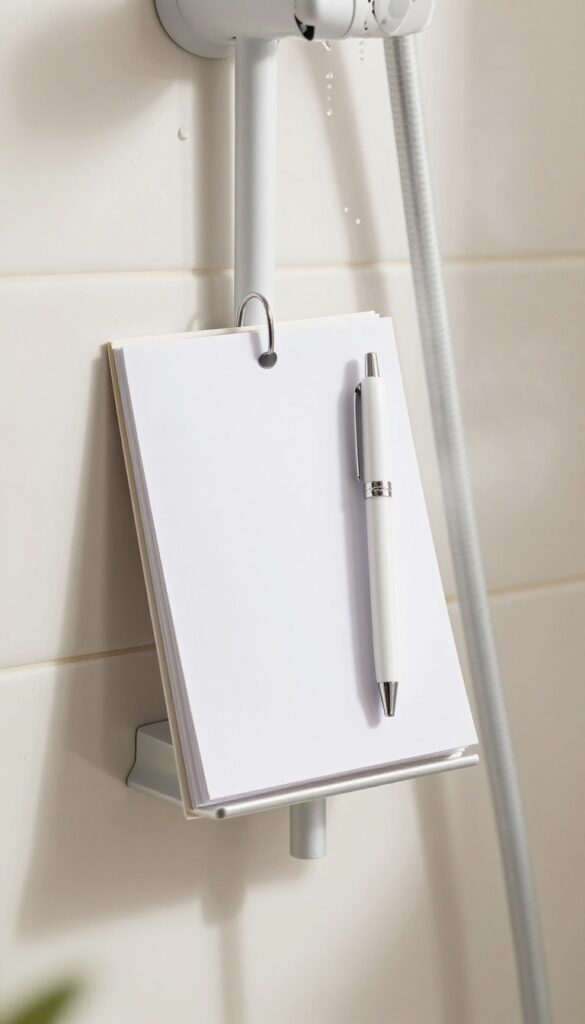
Your shower is already a private space—why not turn it into a judgment-free journaling zone? A waterproof notepad lets you capture thoughts that might otherwise keep you tossing and turning. This isn't about writing an essay.
It's about releasing one worry or naming one thing you're grateful for. The steam and warm water help you think more clearly, and the act of writing can feel surprisingly freeing.
Keep a waterproof notepad and pen in your shower caddy. Before you rinse off, take 30 seconds to jot down one thing you're grateful for or one worry you want to let go. The combination of warm water and focused writing helps your brain shift from problem-solving mode to relaxation mode.
What To Write
Stick to one simple prompt each night. Try "Today I'm grateful for. . . " or "I'm ready to release. . .
" Keep it short—one sentence is plenty. The goal is to clear your mind, not create a to-do list.
Make It Stick
Use a silicone suction cup holder to keep your notepad dry and within reach. A grease pencil or waterproof pen works best. After your shower, you can transfer the note to a regular journal or simply tear off the page and toss it—whatever feels more freeing.
18. Stretching Sequence
Your neck and shoulders carry the weight of the day—literally. Under the warm spray, those muscles start to soften, making it the perfect moment to work out some knots. A quick stretching sequence doesn't need to be complicated.
Just a few gentle moves can release tension you didn't even realize you were holding, preparing your body for deep sleep.
Start With Neck Rolls
Stand with your feet hip-width apart. Let your chin drop to your chest, then slowly roll your head to one side, feeling the stretch along the opposite side of your neck. Hold for a few breaths, then roll to the other side.
Repeat three times each way.
Shoulder Shrugs And Circles
Inhale and lift your shoulders toward your ears, holding the tension for a moment. Exhale and let them drop completely. Then, roll your shoulders forward in big circles five times, then backward five times.
The warm water helps loosen tight muscles.
Upper Back Stretch
Extend your arms straight in front of you, clasp your hands, and round your upper back like a cat. Push your hands away from your body while keeping your shoulders relaxed. Hold for 15–30 seconds, feeling the stretch between your shoulder blades.
19. Audio Wind Down
Sound has a direct line to your nervous system. The right audio can shift your brain from alert to relaxed in minutes, and your shower is the perfect place to start that transition. By adding a waterproof speaker, you turn running water into a backdrop for intentional listening.
A waterproof Bluetooth speaker lets you bring sleep-friendly audio into the shower without worry. Stick it on a shelf or suction cup mount, and choose tracks that lower your heart rate. The combination of warm water and calming sounds creates a multisensory cue that it's time to wind down.
Pick The Right Audio
Sleep meditations, nature sounds (rain, ocean waves), or slow instrumental music work best. Avoid anything with lyrics or sudden changes in volume—your brain treats those as information to process, not relaxation signals. Stick to tracks around 60-80 BPM to match a resting heart rate.
Set A Timer
Decide how long you want your shower to be, and choose audio that matches that length. A 10-minute guided meditation or a 15-minute ambient track gives your shower a natural endpoint. When the audio ends, it's time to step out and continue your bedtime routine.
Volume Matters
Keep the volume low enough that you can still hear the water. The sound of running water is itself a white noise that promotes relaxation—you don't want to drown it out completely. Think of the audio as a gentle layer, not the main event.
20. Cold Water Splash
A quick cold splash at the end of your shower might be the simplest sleep hack you haven't tried. The sudden chill constricts blood vessels and activates your parasympathetic nervous system, which helps lower heart rate and signals your body that it's time to rest. It's a small jolt that works surprisingly well.
Why It Works
Cold water on your face triggers the mammalian dive reflex, which slows your heart rate and redirects blood flow to your core. This physiological response mimics the natural drop in body temperature that occurs before sleep, making it easier to drift off.
How To Do It
After your usual shower, turn the faucet to cold for just 10–15 seconds. Cup your hands and splash your face and wrists—areas with thin skin and lots of blood vessels. You don't need a full cold shower; a quick splash is enough.
When To Skip
If you have Raynaud's disease, very sensitive skin, or a heart condition, skip this step. For most people, though, it's a safe and effective way to cue sleep.
21. Minimalist Routine
Sometimes less really is more. If your brain is buzzing from a busy day, a complicated shower routine can feel like just another chore. A minimalist approach strips everything down to the essentials, so your mind can relax without decision fatigue.
The goal is to cleanse and moisturize without any extra steps or scents that might overstimulate you. Keep it simple, keep it calm, and let the warm water do most of the work.
Choose A Gentle Cleanser
Pick a fragrance-free, hydrating cleanser that won't strip your skin. Look for ingredients like glycerin or ceramides. Use it only on your face and the sweaty areas of your body—no need to suds up everywhere.
Follow With A Light Moisturizer
Right after patting dry, apply a simple moisturizer while your skin is still slightly damp. This locks in hydration without heavy textures. A basic lotion with no added fragrances works best.
Keep The Water Temperature Warm, Not Hot
Hot water can be too stimulating and dry out your skin. Aim for a comfortable warm temperature, then end with a 30-second cool rinse to help lower your body temperature for sleep.
22. Scented Shower Steamer
Drop a shower steamer infused with chamomile or lavender on the floor for a spa-like aromatherapy experience. The steam activates the essential oils, filling the space with calming scents that prepare your mind for sleep. It's a simple swap that turns your shower into a sensory wind-down ritual.
Choose Your Scent
Lavender is the classic choice for relaxation, but chamomile, bergamot, and cedarwood also work wonders. Pick a steamer that matches your mood—or keep a few on hand to rotate.
Placement Matters
Set the steamer on the shower floor away from the direct stream of water so it fizzes slowly. Too close and it dissolves too fast; too far and it won't activate fully.
Pair With A Cool Rinse
After enjoying the steam, finish with a 30-second cool rinse to lower your body temperature. The contrast enhances the calming effect and signals your body it's time to sleep.
23. Warm Oil Massage
After your shower, your skin is warm and your pores are open—perfect for absorbing nourishing oils. A quick self-massage with warm oil can melt away lingering tension and signal your body to power down. It's a simple ritual that feels like a luxury but takes just a few minutes.
Warm a few drops of jojoba or almond oil in your palms and massage into your feet and hands before bed. Focus on the soles and between the toes to release stress points. The gentle pressure and warmth help lower cortisol and promote relaxation.
Why Feet And Hands?
Your feet and hands have many nerve endings connected to your nervous system. Massaging them can trigger a calming reflex, similar to a foot reflexology session. Plus, they're easy to reach and don't require undressing.
Best Oils For Sleep
Jojoba and almond oil are lightweight and absorb quickly without feeling greasy. For extra relaxation, add a drop of lavender or chamomile essential oil. Always do a patch test first to avoid irritation.
How To Warm The Oil
Place the bottle in a cup of hot water for a minute, or rub oil between your palms vigorously. Never microwave oil—it can heat unevenly and burn your skin.
24. Digital Detox
Your phone is probably the biggest sleep thief in your bedroom. Notifications, blue light, and endless scrolling keep your brain wired long after you've brushed your teeth. The night shower is the perfect place to break that cycle.
Leave It Outside
Make a rule: the phone stays in another room while you shower. No music, no podcasts, no doomscrolling. Just the sound of water and your own thoughts.
It feels strange at first, but that quiet is exactly what your brain needs to unwind.
Use The Steam To Reset
Without a screen, your mind can actually process the day. Let the steam clear your head. Focus on the sensation of warm water on your skin.
This is a mini meditation session disguised as a shower.
Extend The Silence
After you dry off, resist the urge to grab your phone right away. Stay in the tech-free zone for another ten minutes. Stretch, breathe, or just sit in the dark.
That buffer between shower and bed is gold for sleep quality.
25. Consistent Timing
Your body loves predictability. When you shower at the same time every night, you're essentially telling your internal clock, "Hey, sleep is coming. " Over time, this simple habit can make falling asleep feel automatic.
It's not about being rigid—just aim for a 30-minute window. Your nervous system will start winding down before you even step into the bathroom.
Why Routine Matters
Consistency reinforces your circadian rhythm. A fixed shower time acts as a powerful cue, lowering cortisol and ramping up melatonin production. Within a week or two, you'll notice you feel drowsy right around your shower time.
How To Pick Your Time
Choose a time that lets you finish at least an hour before bed. That gives your body temperature a chance to drop, which is key for deep sleep. For most people, 8: 30 or 9: 00 PM works well—adjust based on your bedtime.
Stick With It Gently
Don't stress if you miss a night. Just get back on track the next day. The goal is progress, not perfection.
Pair your shower with a small reward—like a cozy robe or a cup of herbal tea—to make the routine something you look forward to.
FAQ
Should I take a hot or cold shower before bed?
A warm shower that ends with a cool rinse is ideal. The warm water relaxes muscles, and the cool finish helps lower your core temperature, which signals your body to sleep.
How long before bed should I shower?
Aim to finish your shower 60 to 90 minutes before you plan to sleep. This gives your body time to cool down and enter a restful state.
Can essential oils in the shower really help me sleep?
Yes. Scents like lavender, chamomile, and cedarwood have been shown to reduce stress and promote relaxation when inhaled during a warm shower.
Is it bad to shower every night?
Not if you keep it short and use gentle products. A 5-10 minute shower with mild cleansers won't dry out your skin, and the routine can be beneficial for sleep hygiene.
What if I don't have time for a full shower routine?
Even a 3-minute rinse with a focus on cooling down and deep breathing can help. Consistency matters more than length.
Conclusion
A good night's sleep starts long before your head hits the pillow. These shower routines are simple ways to signal your body that it's time to wind down. Pick one or two that feel right and make them a habit.
Over time, that warm water and calming scent will become your brain's cue for rest. Your sleep quality will thank you.