
Your skin has a remarkable ability to renew itself, but it needs the right support to truly shine. While creams and serums help, the real transformation starts with your daily habits. Small, consistent choices can make a bigger difference than any expensive product.
Think of these habits as a lifestyle upgrade, not a strict routine. They're simple, practical, and easy to weave into your day. You don't need to overhaul everything at once—just pick a few that resonate and build from there.
Ready to see your skin in a new light? Let's dive into 25 natural glow habits that will leave you looking and feeling fresh, every day.
1. Start Your Day with Warm Lemon Water

Mornings set the tone for everything, including your skin. A simple glass of warm lemon water can do more than you think. It's a gentle, natural way to wake up your body and give your skin a head start.
This habit isn't about drastic changes—it's about consistent, small wins. The warmth helps your body ease into the day, while lemon adds a refreshing twist. You'll feel more awake, and your skin will thank you later.
Warm lemon water is a classic wellness ritual for good reason. It helps rehydrate your body after a night's rest, and the vitamin C in lemon supports collagen production, which keeps skin firm and smooth. Plus, it's a simple swap for sugary morning drinks that can dull your complexion.
Make it a habit by keeping a lemon on your counter and a kettle ready. Squeeze half a lemon into a mug of warm (not boiling) water. Sip it slowly before breakfast.
Over time, you'll notice a subtle glow that starts from within.
Why Warm Water Matters
Your body loses water overnight, so morning hydration is key. Warm water is easier to drink quickly, and it helps wake up your digestive system. Hydrated skin looks plumper and more radiant, so this small step directly supports your glow.
The Lemon Boost
Lemons are packed with vitamin C, an antioxidant that fights free radicals and supports collagen. A daily dose can help brighten your skin tone and reduce dullness. Plus, the natural citrus flavor makes water more enjoyable, so you're more likely to drink it.
Make It A Ritual
Consistency beats intensity. Keep a lemon on your counter as a visual cue, and pair this habit with something you already do, like checking your phone or stretching. Within a week, it'll feel automatic—and your skin will show the difference.
2. Double Cleanse Every Evening
Evening cleansing is where your glow gets built or broken. A single cleanser often leaves behind traces of SPF, sweat, or makeup—especially if you’ve been wearing a long-wear formula. That’s where double cleansing comes in.
It’s a two-step method that starts with an oil-based cleanser to dissolve the stubborn stuff, then a water-based one to clean your skin deeply without stripping it.
Double cleansing isn’t about scrubbing harder—it’s about being thorough yet gentle. The first step breaks down oil-based impurities, while the second removes water-based debris like sweat and dirt. This combo leaves your skin truly clean, which means your nighttime products can actually sink in and work.
Plus, it’s a calming ritual that signals your skin it’s time to rest and repair.
Why Oil First?
Your skin’s natural oils and the products you wear are mostly oil-based. An oil-based cleanser binds with those oils, lifting away makeup, sunscreen, and excess sebum without harsh rubbing. Look for a lightweight, non-comedogenic oil that rinses off cleanly, so you don’t feel greasy afterward.
Follow With A Gentle Water-based Cleanser
The second step clears away what the oil left behind: sweat, water-soluble dirt, and any residue. Choose a creamy or foaming cleanser that suits your skin type—gel for oily, cream for dry. Massage it in with your fingertips for about 30 seconds, then rinse with lukewarm water.
Your skin should feel fresh, not tight.
Make It A Habit, Not A Chore
Set a reminder or keep your cleansers by the sink so you don’t skip. If you’re tired, at least do the oil cleanse—it removes the heavy stuff, and your skin will thank you. Over time, this simple ritual can reduce dullness and breakouts, making your glow look more natural and effortless.
3. Exfoliate with a Soft Touch
Exfoliation is like giving your skin a fresh start. It sweeps away the dull, dead cells that can make your complexion look tired and rough. But there's a catch: too much scrubbing or harsh products can do more harm than good.
The goal is to polish gently, not to strip your skin.
When you exfoliate the right way, you reveal the newer, brighter skin underneath. This simple step can boost your glow and help your moisturizer sink in better. The key is to find a balance—enough to make a difference, but not so much that you irritate your skin.
Pick The Right Exfoliant
Not all exfoliants are created equal. For most people, a gentle chemical exfoliant with AHAs or BHAs works well because it dissolves dead skin without scrubbing. If you prefer a physical scrub, choose one with fine, smooth particles—avoid anything with rough edges like crushed nutshells.
Your skin type matters too: sensitive skin often does better with lactic acid or a very fine scrub.
Don't Overdo It
Exfoliating every day is a common mistake. Your skin needs time to recover and renew. Stick to 2-3 times a week, and listen to your skin.
If it feels tight, red, or stings, you've gone too far. Dial it back and focus on hydration.
Pair It With Moisture
Exfoliation can leave your skin a little vulnerable, so follow up with a nourishing moisturizer. This helps lock in hydration and keeps your barrier strong. For an extra glow boost, apply a hydrating serum right after exfoliating while your skin is still slightly damp.
4. Moisturize While Skin Is Damp
The secret to a dewy complexion isn't just the product you use—it's when you apply it. Slathering on moisturizer right after cleansing, while your skin is still slightly damp, helps lock in that extra hydration. This simple timing trick can make your skin look plumper and feel softer almost instantly.
Why Damp Skin Works Better
When your skin is damp, it's more permeable, meaning it absorbs products more effectively. Water acts as a magnet for moisture, pulling the humectants in your moisturizer deeper into the skin. This helps replenish the water lost during cleansing and keeps your skin's barrier happy.
The Right Way To Apply
After cleansing, gently pat your face with a towel so it's not dripping wet—just slightly damp. Then, squeeze a pea-sized amount of moisturizer into your palms, rub them together, and press it onto your face. Use upward, sweeping motions to encourage absorption and avoid tugging at the skin.
Don't Skip The Neck And Chest
Your neck and chest are just as prone to dehydration as your face, but they often get neglected. Extend your moisturizing routine down to your collarbone and décolletage. This keeps the whole area looking smooth and prevents early signs of aging in these often-forgotten zones.
Layer With Serums For Extra Glow
For an added boost, apply a hydrating serum (like one with hyaluronic acid) before your moisturizer while your skin is still damp. The serum pulls in water, and the moisturizer seals it all in. This combo is a powerhouse for that lit-from-within glow, especially in dry climates or during winter.
5. Never Skip Sunscreen
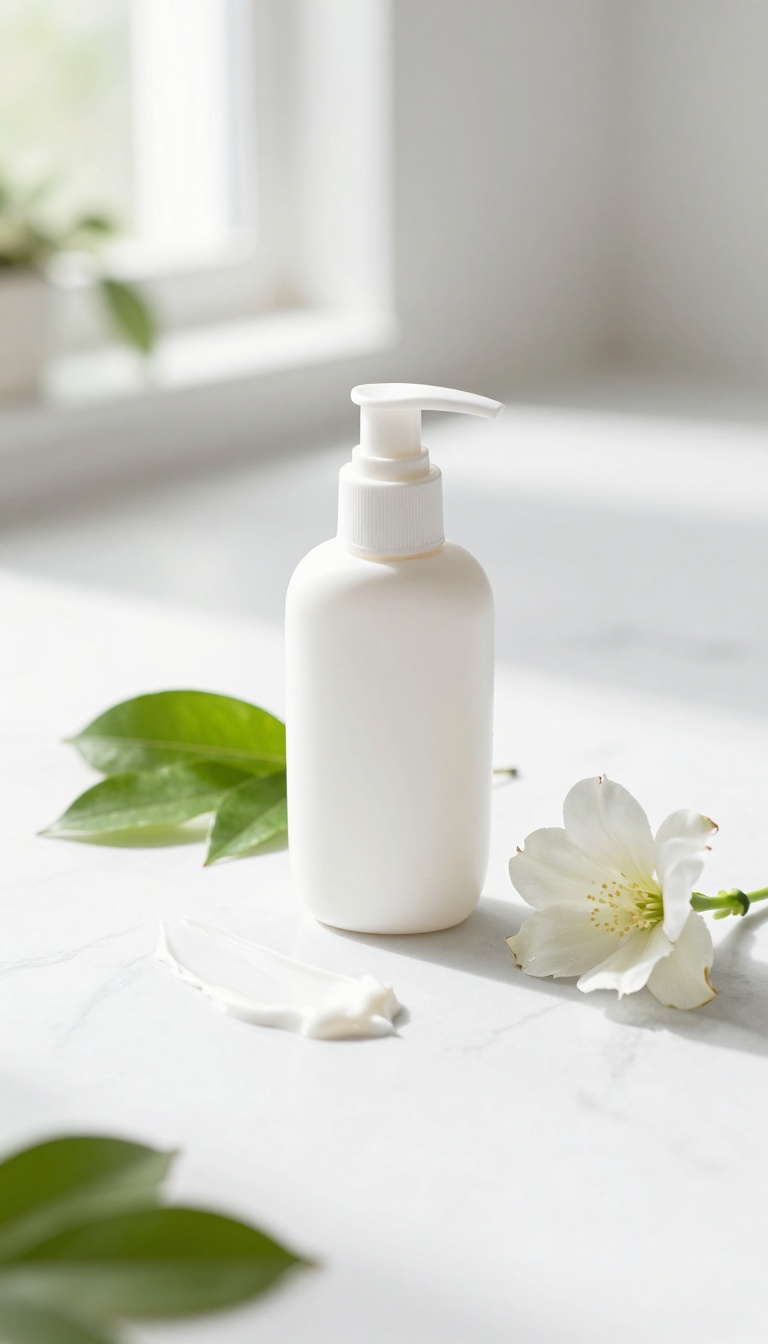
Sunscreen is the closest thing we have to a fountain of youth. It guards against the UV rays that cause premature aging, dark spots, and a dull complexion. Yet it's often the most neglected step in a skincare routine.
Think of sunscreen as your daily shield, not just a beach-day essential. Even on overcast days, up to 80% of UV rays can penetrate the clouds. Making it a non-negotiable habit is one of the simplest ways to keep your skin looking fresh and even-toned for years to come.
Sunscreen isn't just about preventing sunburn—it's about preserving your skin's natural glow. UV exposure breaks down collagen and elastin, leading to fine lines and sagging. By wearing SPF daily, you're actively protecting your skin's structure and preventing the dullness that comes from sun damage.
Choose a broad-spectrum formula with at least SPF 30 to block both UVA and UVB rays. Apply it as the last step of your morning routine, and don't forget easy-to-miss spots like your ears, neck, and the backs of your hands. Reapply every two hours if you're outdoors, and more often if you're swimming or sweating.
Why Spf 30 Is The Sweet Spot
SPF 30 blocks about 97% of UVB rays, which is plenty for daily use. Higher SPFs offer only marginal extra protection, so don't stress about hitting SPF 100. What matters more is applying enough—about a shot glass full for your whole body and a nickel-sized amount for your face—and reapplying regularly.
Cloudy Days Count Too
UV rays are sneaky—they penetrate clouds and even windows. So that gloomy morning commute? Your skin is still soaking up damage.
Make sunscreen as routine as brushing your teeth, regardless of the forecast. Your future self will thank you.
Find A Formula You Love
The best sunscreen is the one you'll actually wear. If traditional lotions feel greasy, try a gel, mist, or powder. Many modern formulas are lightweight, invisible, and work beautifully under makeup.
Experiment until you find your match, and keep a travel-size bottle in your bag for midday touch-ups.
6. Eat a Rainbow of Fruits and Veggies
Your skin is a reflection of what you put on your plate. Fruits and vegetables are packed with vitamins, minerals, and antioxidants that work from the inside out to protect and repair your skin. A colorful plate isn't just a feast for the eyes—it's a feast for your skin cells.
Eating a variety of colorful produce ensures you get a broad spectrum of nutrients that support skin health. Each color group offers unique benefits, from fighting inflammation to boosting collagen production. Aim for at least five servings a day, and mix it up to keep things interesting.
Why Color Matters
The pigments that give fruits and veggies their vibrant hues are often the same compounds that benefit your skin. For example, lycopene in tomatoes and watermelon acts as a natural sunscreen, while beta-carotene in carrots and sweet potatoes helps maintain skin elasticity. Anthocyanins in berries and purple grapes protect against UV damage and improve blood flow to the skin.
Top Skin Superfoods
Some standout choices include citrus fruits for vitamin C, which is essential for collagen synthesis, and leafy greens like spinach and kale, rich in vitamin E and folate. Avocados provide healthy fats that keep your skin supple, and nuts and seeds offer zinc and selenium, which help with cell repair and reduce inflammation.
Easy Ways To Add More
Start your day with a smoothie packed with spinach, berries, and a banana. Snack on carrot sticks with hummus or apple slices with almond butter. Add a side salad with mixed greens and colorful veggies to lunch and dinner.
Keep a bowl of fruit on the counter to encourage healthy snacking.
7. Stay Hydrated Throughout the Day
Water is the unsung hero of skincare. Your skin is made up of about 30% water, which keeps it plump and resilient. When you're dehydrated, it shows—dry patches, dullness, and more visible fine lines.
Drinking enough water isn't just about quenching thirst; it's about supporting your skin's natural functions. Proper hydration helps maintain elasticity and gives your complexion that lit-from-within look. It's the simplest habit with the most visible payoff.
Hydration isn't just about the number of glasses you drink; it's about consistency and absorption. Here's how to make water work for your skin.
How Much Water Is Enough?
The classic advice is eight glasses a day, but your needs vary with activity, climate, and diet. A simple rule: check your urine color—pale yellow means you're on track. If you're active or live in a dry environment, add an extra glass or two.
Make Water Easy To Reach
Keep a reusable bottle on your desk, in your bag, or by your bed. Set reminders on your phone or use an app if you forget. Infuse your water with lemon, cucumber, or mint for a refreshing twist that encourages sipping.
Eat Your Water Too
Foods with high water content, like watermelon, cucumber, oranges, and celery, contribute to your daily intake. They also provide vitamins and antioxidants that support skin health. Snack on these throughout the day to boost hydration and glow.
8. Get Your Beauty Sleep
You've probably heard of beauty sleep, but it's not just a myth. While you snooze, your skin goes into repair mode, boosting blood flow and producing new collagen. Skimping on shut-eye shows up as dullness, dark circles, and fine lines.
Luckily, improving your sleep is one of the most effortless ways to wake up with a natural glow.
Prioritizing quality sleep is a game-changer for your skin. During deep sleep, your body increases production of growth hormones, which help repair damaged cells and build new tissue. This is when your skin's moisture barrier recovers and antioxidants neutralize daily damage.
Aim for 7-9 hours of uninterrupted rest to give your skin the time it needs to rejuvenate.
Set A Consistent Sleep Schedule
Your skin thrives on routine. Going to bed and waking up at the same time every day—even on weekends—helps regulate your internal clock. This consistency improves the quality of your sleep, so your skin gets the full benefit of its nightly repair cycle.
Try to keep your schedule within an hour's range to avoid confusing your body.
Create A Wind-down Ritual
An hour before bed, dim the lights and put away screens. The blue light from phones and laptops can disrupt melatonin production, making it harder to fall asleep. Instead, try reading a book, taking a warm bath, or doing gentle stretches.
These calming activities signal to your body that it's time to rest, helping you drift off faster and sleep deeper.
Upgrade Your Sleep Environment
Your bedroom should be a sanctuary for sleep. Keep the room cool, around 65°F (18°C), and make it as dark as possible with blackout curtains or an eye mask. Invest in a supportive pillow and breathable bedding to prevent waking up with creases on your face.
A comfortable, clutter-free space encourages longer, more restorative sleep.
Mind Your Evening Skincare
What you put on your skin before bed matters. Cleanse off the day's grime and apply a nourishing night cream or a few drops of facial oil. These products work with your skin's overnight repair process, locking in moisture and boosting regeneration.
Don't forget to apply a lip balm and eye cream to target delicate areas.
9. Manage Stress with Deep Breathing

Ever notice how a stressful day shows up on your face? It's not just in your head—stress hormones can trigger breakouts and leave your skin looking tired and dull. The good news?
You can calm both your mind and your skin with something as simple as your breath. Deep breathing isn't just relaxation talk. It signals your nervous system to shift into rest mode, which helps lower cortisol and reduce inflammation.
When you're less stressed, your skin gets better blood flow and a healthier glow.
Stress is a silent saboteur of your skin. It spikes cortisol, which can lead to excess oil and breakouts. It also disrupts your sleep and digestion, both of which show up in your complexion.
Deep breathing counters this by activating your parasympathetic nervous system—the 'rest and digest' mode. This lowers cortisol, improves circulation, and delivers more oxygen to your skin cells. The result?
A calmer mind and a more radiant face.
Why Stress Shows Up On Your Skin
When you're stressed, your body releases cortisol, which ramps up oil production and can clog pores. Chronic stress also weakens your skin's barrier, making it more prone to redness and irritation. Over time, this leads to dullness and premature aging.
Deep breathing helps break this cycle by reducing the stress response before it wreaks havoc on your skin.
The 4-7-8 Breathing Technique
This simple technique is a game-changer. Inhale through your nose for 4 seconds, hold your breath for 7 seconds, and exhale slowly through your mouth for 8 seconds. Repeat it four times.
This pattern slows your heart rate and signals your body to relax. Do it in the morning to start your day calm, or at night to unwind and prep your skin for repair.
Weaving Deep Breathing Into Your Day
You don't need to set aside a special time—just tie it to existing habits. Breathe deeply while waiting for your coffee to brew, during your commute, or before a big meeting. Even a few minutes of focused breathing can lower stress and benefit your skin.
The key is consistency, not duration.
10. Sweat It Out with Regular Exercise
Exercise does more than tone your body—it gives your skin a natural, healthy flush. When you get moving, your heart pumps faster, boosting circulation and delivering oxygen and nutrients to skin cells. That increased blood flow also helps carry away waste products, leaving your complexion looking clearer and more vibrant.
Regular physical activity is a powerhouse for your skin. It supports the lymphatic system, which helps flush out toxins, and reduces stress hormones that can trigger breakouts. Plus, the glow you get after a workout isn't just sweat—it's your skin reaping the benefits of improved blood flow.
How Exercise Boosts Your Glow
When you exercise, your blood vessels dilate, increasing blood flow to the skin's surface. This delivers oxygen and essential nutrients while carrying away metabolic waste. The result?
A brighter, more even-toned complexion that looks naturally radiant.
The Sweat–skin Connection
Sweating helps unclog pores by flushing out dirt, oil, and dead skin cells. It also promotes a healthy microbiome on your skin's surface. Just be sure to cleanse gently after your workout to remove sweat and bacteria without stripping your skin.
Stress Relief And Skin Health
Exercise lowers cortisol levels, a stress hormone that can increase oil production and lead to breakouts. By reducing stress, you're helping your skin stay calm and balanced. Even a brisk walk can make a difference in how your skin looks and feels.
11. Use a Silk Pillowcase
Cotton pillowcases might feel soft, but they're secretly working against your skin. The rough fibers create friction as you toss and turn, which can tug at delicate facial skin and lead to sleep lines. Silk, on the other hand, is smooth and gentle, allowing your skin to glide without resistance.
Plus, silk doesn't absorb your skincare products or natural oils the way cotton does, so your skin stays hydrated and your products work longer.
Swapping your pillowcase to silk is one of the easiest swaps you can make for your skin. It's a small change that pays off while you sleep, and it's a favorite among dermatologists and beauty enthusiasts alike. Here's why silk deserves a spot on your bed.
Less Friction, Fewer Wrinkles
Cotton fibers are coarse and create micro-tears in the skin as you move your head during the night. This constant friction can break down collagen over time, leading to fine lines and wrinkles. Silk's smooth surface allows your skin to slide freely, reducing the stress on your skin and helping to prevent sleep creases.
Keeps Moisture In
Cotton is highly absorbent, so it soaks up your nighttime serums and moisturizers, leaving your skin drier. Silk is less absorbent, so it locks in the products you applied before bed. This means your skin stays hydrated and your skincare routine is more effective.
Gentle On Hair And Skin
Silk is also gentler on your hair, preventing breakage and frizz. And because silk is naturally hypoallergenic and resistant to dust mites and mold, it's a great choice for sensitive or acne-prone skin. You'll wake up with smoother skin and better hair—what's not to love?
12. Incorporate Omega-3 Rich Foods
Your skin’s glow starts from within, and omega-3 fatty acids are a key player. These healthy fats help keep your skin’s lipid barrier strong, locking in moisture and keeping irritants out. Plus, they have natural anti-inflammatory properties that can calm redness and breakouts.
Adding omega-3s to your plate doesn’t have to be complicated. Simple swaps like choosing salmon for dinner or sprinkling flaxseeds on your morning yogurt can make a real difference. Let’s look at how to get more of these skin-loving fats into your day.
Omega-3s are essential fats your body can’t make on its own, so you need to get them from food. They help maintain the skin’s lipid barrier, which is like a protective shield that keeps moisture in and irritants out. When that barrier is strong, your skin looks plumper, smoother, and more radiant.
Omega-3s also help reduce inflammation, which can calm conditions like acne and eczema. Aim to include omega-3-rich foods in your diet several times a week. Fatty fish like salmon, mackerel, and sardines are excellent sources.
If you’re plant-based, walnuts, chia seeds, and flaxseeds are great options. You can also consider a high-quality fish oil or algae-based supplement, but whole foods are always best.
Best Omega-3 Sources
Not all omega-3s are the same. The most beneficial for skin are EPA and DHA, found in fatty fish. Salmon, sardines, and anchovies are top choices.
For plant-based eaters, ALA from flaxseeds, chia seeds, and walnuts can be converted, though less efficiently. Try to include a mix of these sources in your meals.
Simple Ways To Add Them
You don’t need a fancy recipe to get more omega-3s. Grill a salmon fillet for dinner, toss walnuts into your salad, or blend flaxseeds into your smoothie. Even a spoonful of chia seed pudding can do the trick.
These small additions can easily become part of your routine without much effort.
What To Watch Out For
While omega-3s are great, balance matters. Too much can thin your blood, so if you’re on blood thinners or have a medical condition, talk to your doctor first. Also, avoid fried fish or fish with high mercury levels, like shark or swordfish.
Stick to low-mercury options like salmon and sardines.
13. Try Facial Massage or Gua Sha
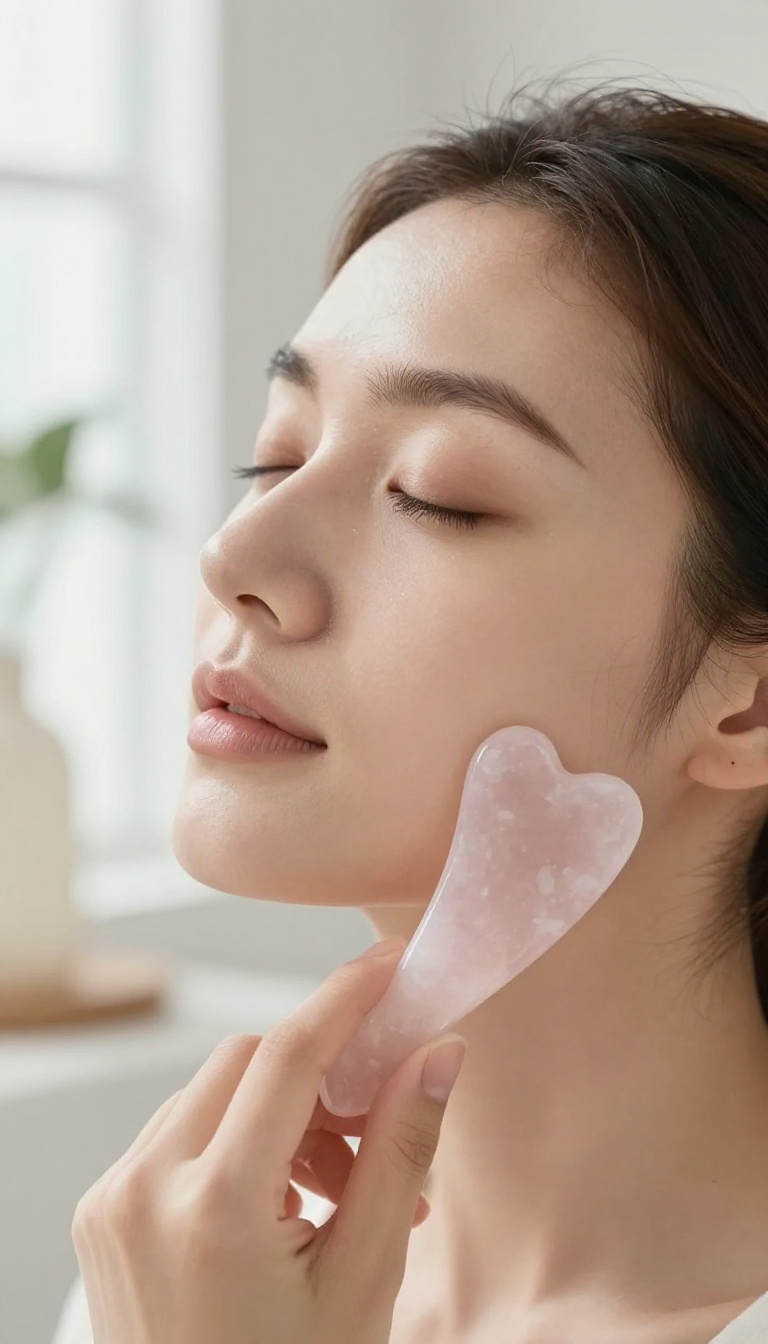
Your face holds tension just like your shoulders, and that tightness can dull your glow. Massage or gua sha helps release it, waking up your skin. It's a ritual that feels as good as it looks.
Why It Works
Massage boosts circulation, bringing oxygen and nutrients to skin cells. It also encourages lymphatic drainage, which flushes out excess fluid and toxins. Less puffiness and more blood flow equals a brighter, healthier complexion.
How To Do It
Use a few drops of facial oil or a hydrating serum to let your fingers or gua sha tool glide smoothly. Work from the center of your face outward, using gentle upward strokes. Focus on your jawline, cheekbones, and forehead.
Spend about five minutes, a few times a week.
Tools And Tips
A gua sha stone or a simple jade roller both do the job. Keep your tool in the fridge for a cooling, de-puffing effect. Always use light pressure—you're aiming to relax, not stretch the skin.
Consistency matters more than intensity.
14. Limit Hot Showers
That steaming hot shower at the end of a long day feels amazing, but your skin might be paying the price. Hot water strips away the natural oils that keep your skin soft and protected. Over time, this can leave your skin feeling tight, dry, and more prone to irritation.
Switching to lukewarm water is a simple swap that makes a big difference. Lukewarm showers cleanse without stripping your skin's moisture barrier. Your skin will thank you by looking calmer and more hydrated.
Why Hot Water Hurts
Hot water breaks down the lipid barrier on your skin's surface. This barrier locks in moisture and keeps irritants out. When it's compromised, water escapes and your skin becomes dry and sensitive.
The Lukewarm Fix
Aim for water that's warm but not steaming—think bathwater, not hot tub. Keep your shower under 10 minutes to avoid over-drying. If you love a hot rinse, do it at the very end for a quick 30 seconds, then follow with a moisturizer.
Post-shower Care
Pat your skin dry with a towel instead of rubbing. Apply a hydrating moisturizer within three minutes of stepping out to lock in the moisture. This habit helps maintain that fresh, dewy glow.
15. Add a Toner to Your Routine
Toner often gets a bad rap as an extra step, but it's actually a simple way to give your skin a quick reset. A good hydrating toner can balance your skin's pH after cleansing and help your moisturizer work harder. It's like a refreshing drink for your face before the main course.
Think of toner as the bridge between cleansing and moisturizing. It sweeps away any leftover residue, tightens pores, and preps your skin to absorb everything you apply next. The right toner can also add a layer of hydration that keeps your skin feeling bouncy and fresh all day.
Why Ph Balance Matters
Your skin naturally sits at a slightly acidic pH, but many cleansers can throw that off. When your pH is out of whack, your skin can feel tight, dry, or even overly oily. A toner helps restore that balance quickly, so your skin stays calm and comfortable.
How To Apply Toner
You can apply toner with a cotton pad or just your hands. If you want to save product and avoid waste, pour a few drops into your palm and pat it gently onto your face. This method is also less irritating and feels more like a mini facial massage.
Choosing The Right Toner
Not all toners are created equal. Look for alcohol-free formulas with ingredients like rose water, witch hazel, or hyaluronic acid. These hydrate and soothe rather than strip your skin.
Avoid anything with high alcohol content, which can dry you out and make things worse.
When To Use Toner
The best time is right after cleansing, morning and night. If your skin feels dry, you can even use a toner as a quick midday refresh. Just spritz or pat it on over your makeup for a boost of hydration without disturbing your look.
16. Don't Forget Your Neck and Chest
Your face gets all the attention, but your neck and chest are just as exposed to the sun and show age just as quickly. Skipping them means uneven skin tone and early wrinkles that stand out. It's time to give these areas the same love you give your face.
Extend your skincare routine to your neck and chest to prevent premature aging in these areas. The skin there is thinner and more delicate, so it needs the same protection and care. A few simple tweaks can make a big difference.
Treat Them Like Your Face
When you apply serum, moisturizer, or sunscreen, don't stop at your jawline. Sweep the product down your neck and onto your chest. Use gentle upward strokes to boost circulation and help absorption.
This simple habit keeps the skin firm and smooth.
Don't Skip Sunscreen
The neck and chest are often forgotten in the sunscreen routine, but they're just as prone to sun damage. Apply a broad-spectrum SPF every morning, even on cloudy days. Reapply if you're spending time outdoors.
This is your best defense against crepey texture and dark spots.
Cleanse And Exfoliate Gently
Just like your face, these areas need daily cleansing to remove sweat and dirt. Use a gentle cleanser and exfoliate once or twice a week to slough off dead skin cells. Avoid harsh scrubs that can irritate the thin skin.
This keeps the area looking fresh and bright.
17. Take Breaks from Screens

Your phone and laptop are probably glued to your hands more than you'd like to admit. That constant stream of blue light isn't just tiring your eyes—it can also stress your skin. Over time, exposure to blue light may contribute to oxidative stress and even affect your skin's natural repair process.
The good news? You don't have to ditch your devices entirely. Simple tweaks like taking regular screen breaks and switching on night mode can make a real difference.
Your skin will thank you for the mini digital detox.
Blue light, also known as high-energy visible (HEV) light, penetrates deeper than UV rays and can generate free radicals that damage skin cells. This can lead to premature aging and dullness. While research is still evolving, many dermatologists suggest that limiting screen time and using protective measures can help maintain a healthy glow.
By giving your eyes and skin a break, you also reduce the tendency to squint or frown at the screen, which can create tension lines over time. Plus, stepping away from screens often means you're moving around, drinking water, or just relaxing—all habits that support your skin's natural glow.
The 20-20-20 Rule
Every 20 minutes, look at something 20 feet away for at least 20 seconds. This simple habit gives your eyes a rest and reduces the urge to lean in closer, which can cause you to scrunch your face. It's a tiny pause that adds up over the day, easing both eye strain and skin tension.
Embrace Night Mode
Most devices have a night mode or blue light filter setting that shifts the screen to warmer tones. Turn it on in the evening, or even all day if you're sensitive. This reduces the amount of blue light hitting your skin and helps your circadian rhythm, which in turn supports your skin's overnight repair cycle.
Screen-free Micro-breaks
Set a timer to remind yourself to step away from screens for a few minutes each hour. Use that time to stretch, splash your face with water, or simply breathe. These mini breaks not only give your skin a breather but also lower overall stress, which is a known glow-killer.
18. Use a Humidifier in Dry Climates
Dry air is one of the sneakiest culprits behind dull, flaky skin. Whether it's winter heating or arid weather, low humidity pulls moisture from your skin, leaving it tight and tired. A humidifier adds that missing moisture back into the air, and your skin drinks it up.
When the air in your home is dry, your skin loses water faster than it can replenish it. This weakens your skin's barrier, making it more prone to irritation and fine lines. A humidifier helps maintain a healthy humidity level, keeping your skin plump and comfortable.
Why Dry Air Wreaks Havoc
Dry air accelerates transepidermal water loss, which is just a fancy way of saying your skin's moisture escapes into the atmosphere. This leaves your complexion looking lackluster and feeling rough. In winter, indoor heating makes it even worse, turning your home into a desert for your skin.
Choosing The Right Humidifier
You don't need a fancy, expensive machine. Look for a cool-mist humidifier that's easy to clean and fits your room size. Ultrasonic models are quiet and energy-efficient, making them perfect for bedrooms.
Place it where you spend most of your time, like your desk or bedside table.
Best Practices For Maximum Benefit
Aim for indoor humidity between 40% and 60%. Use a hygrometer to monitor levels and clean your humidifier weekly to prevent mold and bacteria. Run it overnight while you sleep so your skin rehydrates as you rest.
Pair it with your nighttime moisturizer for an extra glow boost.
19. Practice Mindful Eating
The way you eat can be just as important as what you eat. When you rush through meals, your body doesn't fully process nutrients, and stress hormones can spike, leading to breakouts and dullness. Mindful eating slows everything down, helping your skin get the most from every bite.
By paying attention to your food, you also become more aware of hunger and fullness cues, which naturally prevents overeating. That means less inflammation and a happier gut—both of which show up on your face. It's a simple habit with surprisingly visible results.
Mindful eating isn't about strict diets or counting every calorie. It's about being present during meals, chewing slowly, and truly tasting your food. This practice reduces stress on your digestive system and helps your body absorb skin-loving nutrients like vitamins A, C, and E more effectively.
When you're relaxed, your gut works better, and your skin reflects that balance.
Chew Slowly And Savor
Put down your fork between bites and chew each mouthful 20 to 30 times. This simple act gives your stomach a head start and sends signals to your brain that you're full before you overeat. You'll enjoy your food more and likely notice fewer cravings for sugary snacks that can trigger breakouts.
Remove Distractions
Turn off the TV, put away your phone, and sit at a table when you eat. When you're distracted, you tend to eat faster and miss your body's cues. Being present helps you notice how food makes you feel, so you can choose options that leave you energized rather than bloated.
Listen To Your Hunger
Before you reach for seconds, pause and ask yourself if you're truly hungry or just bored. Mindful eating encourages you to eat when you're genuinely hungry and stop when you're comfortably satisfied. This prevents overeating, which can cause inflammation and puffiness in your skin.
20. Incorporate Green Tea into Your Diet
Green tea isn't just a soothing drink—it's a skin-saving elixir. Packed with antioxidants called catechins, it fights off free radicals that cause premature aging and dullness. Plus, its anti-inflammatory properties help calm redness and irritation, giving your complexion a more even tone.
Adding green tea to your daily routine is easier than you think. Whether you sip it hot or cold, or even use it as a base for smoothies, your skin will thank you. Here's how to make the most of this natural glow booster.
Green tea works from the inside out, delivering antioxidants directly to your skin cells. These compounds not only protect against UV damage but also improve blood flow and oxygen delivery, which keeps your skin looking fresh and vibrant. The result?
A natural, healthy glow that no serum can replicate.
Sip It Daily
Aim for 1-2 cups of freshly brewed green tea each day. Let it steep for 2-3 minutes to release the beneficial catechins. You can enjoy it hot or iced, but avoid adding too much sugar or milk, which can reduce its effectiveness.
Try Matcha
Matcha is a concentrated form of green tea, so you get a bigger antioxidant punch. Whisk a teaspoon into warm water or blend it into a smoothie. It's a simple swap that amplifies the benefits for your skin.
Diy Green Tea Toner
Brew a strong cup of green tea, let it cool, and use it as a refreshing toner. Apply it with a cotton pad after cleansing to soothe redness and tighten pores. Store the leftover tea in the fridge for up to 3 days.
21. Wash Your Face After Sweating

Your gym session might be doing wonders for your body, but all that sweat can be a problem for your skin. When sweat mixes with oil, dirt, and makeup, it can clog your pores and lead to breakouts. The fix is simple: rinse your face right after you work up a sweat.
You don't need a full skincare routine in the locker room. A quick splash of water or a gentle cleanser can make a huge difference. It's one of those small habits that keeps your skin clear and fresh, no matter how intense your workout gets.
Sweat itself isn't the enemy—it's what happens when it lingers on your skin. As you exercise, your pores open up, and sweat carries out toxins and impurities. But if you let it dry, those impurities can settle back in and cause congestion.
Washing your face right after sweating helps remove that buildup before it becomes a problem. For most people, a simple rinse with lukewarm water is enough. If you've been wearing makeup or sunscreen, you'll want a gentle cleanser to break down those layers.
The key is to be consistent and not skip this step, even if you're in a hurry. Your skin will thank you with a clearer, healthier glow.
Why It Matters
When you sweat, your skin's natural oils mix with the sweat, creating a sticky film that can trap dirt and bacteria. If you don't wash it off, it can clog your pores and lead to blackheads or breakouts. Over time, this can make your skin look dull and tired.
Washing your face after sweating keeps your pores clear and your skin looking fresh.
How To Do It Right
After your workout, head to the sink and splash your face with lukewarm water. If you need a deeper clean, use a gentle, fragrance-free cleanser. Massage it in with your fingertips for about 30 seconds, then rinse thoroughly.
Pat your skin dry with a clean towel—don't rub, as that can irritate your skin. If you're not near a sink, a pack of facial wipes can be a lifesaver.
When You Can Skip It
If you're just doing a light yoga session or a short walk, you might not need to wash your face right away. But if you're doing something intense that makes you really sweat, it's best to clean up as soon as you can. The longer you wait, the more time that sweat has to sit on your skin and cause issues.
So, make it a habit to wash your face after any sweaty activity.
22. Use a Vitamin C Serum in the Morning
Morning is prime time for antioxidants, and vitamin C is the gold standard. It’s like a shield for your skin, fighting off the free radicals that accelerate aging. Plus, it gives you that lit-from-within glow that no highlighter can match.
If you’ve never used one, don’t worry—it’s simpler than it sounds. A few drops after cleansing, before moisturizer, and you’re set. Your skin will thank you with brighter, more even tone.
Vitamin C is a multitasker: it brightens, evens out skin tone, and boosts collagen production. It also neutralizes the damage from UV rays and pollution, which are major culprits behind dullness. The result?
A visible glow that builds over time. To get the most out of it, apply it in the morning, right after cleansing and toning. Let it absorb for a minute, then follow with moisturizer and sunscreen.
Consistency is key—daily use for at least a few weeks will show real change.
Why Morning Works Best
Your skin repairs itself at night, but during the day it’s on the front lines against environmental stressors. Vitamin C acts as a bodyguard, stepping in to neutralize free radicals before they can cause oxidative stress. That’s why morning application is the sweet spot—it’s there when you need it most.
Choosing The Right Serum
Not all vitamin C serums are created equal. Look for ascorbic acid, the most potent form, at a concentration between 10% and 20%. Also check for stabilizers like ferulic acid or vitamin E, which help it last longer.
Start with a lower percentage if you have sensitive skin, and always patch test first.
Layering Tips
For best results, apply vitamin C on clean, dry skin. Wait a minute or two before layering other products. Follow with a moisturizer to lock it in, and never skip sunscreen—vitamin C works synergistically with SPF to boost protection.
If you use other actives like retinol, keep them for the evening to avoid irritation.
23. Avoid Touching Your Face
Your hands are busier than you think—typing, texting, touching doorknobs, and more. Each time you rest your chin on your palm or absentmindedly scratch an itch, you transfer dirt, oil, and bacteria onto your skin. That can clog pores and trigger breakouts, undoing all the good work from your skincare routine.
It's a tough habit to break, but small reminders can help. Keep your hands busy with a stress ball or simply notice when you reach for your face. Over time, you'll train yourself to keep your hands away, and your skin will thank you.
Your hands are a magnet for germs and grime, and your face is the last place you want them. Every touch deposits unwanted oils and bacteria that can lead to clogged pores and inflammation. The fix?
Build awareness and create barriers that make it easier to keep your hands off. Start by noticing your triggers—when you're bored, stressed, or deep in thought. Replace the habit with something else, like pressing your palms together or touching your earlobe.
You can also keep a small hand sanitizer nearby, but the real goal is to break the cycle before it starts.
Why Your Hands Are The Enemy
Your hands collect countless microbes and oils throughout the day. Even after washing, they pick up new germs from surfaces you touch. When you touch your face, you transfer all that directly to your skin, which can lead to breakouts, irritation, and even infections.
It's especially problematic if you have acne-prone or sensitive skin.
How To Break The Habit
Awareness is the first step. Pay attention to when and why you touch your face—are you stressed, bored, or just thinking? Once you know your triggers, you can find alternatives.
Keep a fidget toy or stress ball at your desk, or simply fold your hands in your lap. You can also set a gentle reminder on your phone or use a scented hand cream to make touching your face less appealing.
What To Do When You Need To Touch
Sometimes you genuinely need to touch your face, like when applying skincare or wiping your eyes. In those cases, wash your hands thoroughly first. If you're out and about, use a tissue or the back of your hand as a barrier.
And always avoid picking or popping pimples—that's a recipe for scarring and more breakouts.
24. Get Regular Facials or DIY Masks
Sometimes your skin needs a little extra attention that daily care can't provide. That's where facials and masks come in—they're like a reset button for your complexion. Whether you visit a professional or whip up something in your kitchen, these treatments can deeply cleanse, nourish, and revive your skin.
Professional facials offer a thorough deep-clean that's hard to replicate at home. They include extractions, exfoliation, and customized serums that target your specific concerns. If that's not your thing, DIY masks are a budget-friendly alternative.
Using natural ingredients like honey, yogurt, or oatmeal, you can pamper your skin without leaving the house.
Why Professional Facials Work
A trained esthetician can assess your skin and tailor the treatment to your needs. They use professional-grade products and techniques that unclog pores, boost circulation, and leave your skin glowing. Regular monthly facials can help maintain that fresh, healthy look.
Easy Diy Mask Recipes
For a quick pick-me-up, try a honey and oatmeal mask to soothe and hydrate. Mash half a banana with a teaspoon of yogurt for a nourishing treat. Or mix a little turmeric with honey for a brightening boost—just don't forget to rinse thoroughly!
How Often To Treat Your Skin
Aim for a professional facial every 4-6 weeks if your budget allows. In between, use a DIY mask once or twice a week. Listen to your skin—if it feels tight or dull, it might be time for a little extra love.
25. Listen to Your Skin

Your skin is constantly talking to you—through tightness, breakouts, or that sudden glow after a good night's sleep. The problem is, most of us ignore the signals and stick to the same routine out of habit. But your skin's needs change with seasons, stress, hormones, and even the products you use.
Learning to tune in and adjust accordingly is one of the most powerful habits you can adopt.
The key is to treat your skin like a friend, not a project. When it feels dry, add moisture. When it breaks out, simplify.
When it stings or looks red, back off. This isn't about being perfect—it's about being responsive. Over time, you'll build a routine that works with your skin, not against it.
Check In Daily
Take a few seconds each morning to look at your skin before washing. Is it oily in the T-zone? Flaky around the cheeks?
Notice how it feels—tight, comfortable, or greasy. This quick scan tells you what your skin needs that day, so you can adjust your cleanser, moisturizer, or treatments accordingly.
Patch Test New Products
Before slathering a new serum or cream all over your face, test it on a small area like your jawline or behind your ear. Wait 24 hours to see if any redness, itching, or breakouts appear. This simple step saves you from potential irritation and helps you learn what your skin truly tolerates.
Track Reactions
Keep a mental note—or a small journal—of how your skin responds to different products, foods, or weather changes. If you notice a pattern, like breakouts after dairy or dryness in winter, you can proactively adjust your routine. Over time, you'll become your own skin expert.
FAQ
How long does it take to see results from these natural glow habits?
Most people notice improvements in skin texture and radiance within 2-4 weeks of consistent practice. However, individual results vary based on skin type and lifestyle.
Can I skip sunscreen if I'm indoors all day?
No, UV rays can penetrate windows and cause damage. It's best to wear sunscreen daily, even indoors, to protect your skin.
What's the best way to exfoliate without irritating my skin?
Use a gentle exfoliant with fine particles or chemical exfoliants like AHAs/BHAs, and limit to 2-3 times a week. Always follow with moisturizer.
Are these habits suitable for all skin types?
Yes, most of these habits are universally beneficial. However, if you have sensitive skin, introduce new products gradually and patch test first.
Do I need to follow all 25 habits to get a glow?
No, you can start with a few that fit your lifestyle. Consistency matters more than perfection. Even a few habits can make a noticeable difference.
Conclusion
Glowing skin isn’t about perfection—it’s about showing up for yourself daily with small, joyful habits. Pick a few that feel doable and let them become your new normal. Watch how consistency wins over intensity every time.
Your skin will thank you when you stop chasing quick fixes and start trusting the process. Start tonight with one tiny change, and let that momentum carry you forward. You’ve got this.